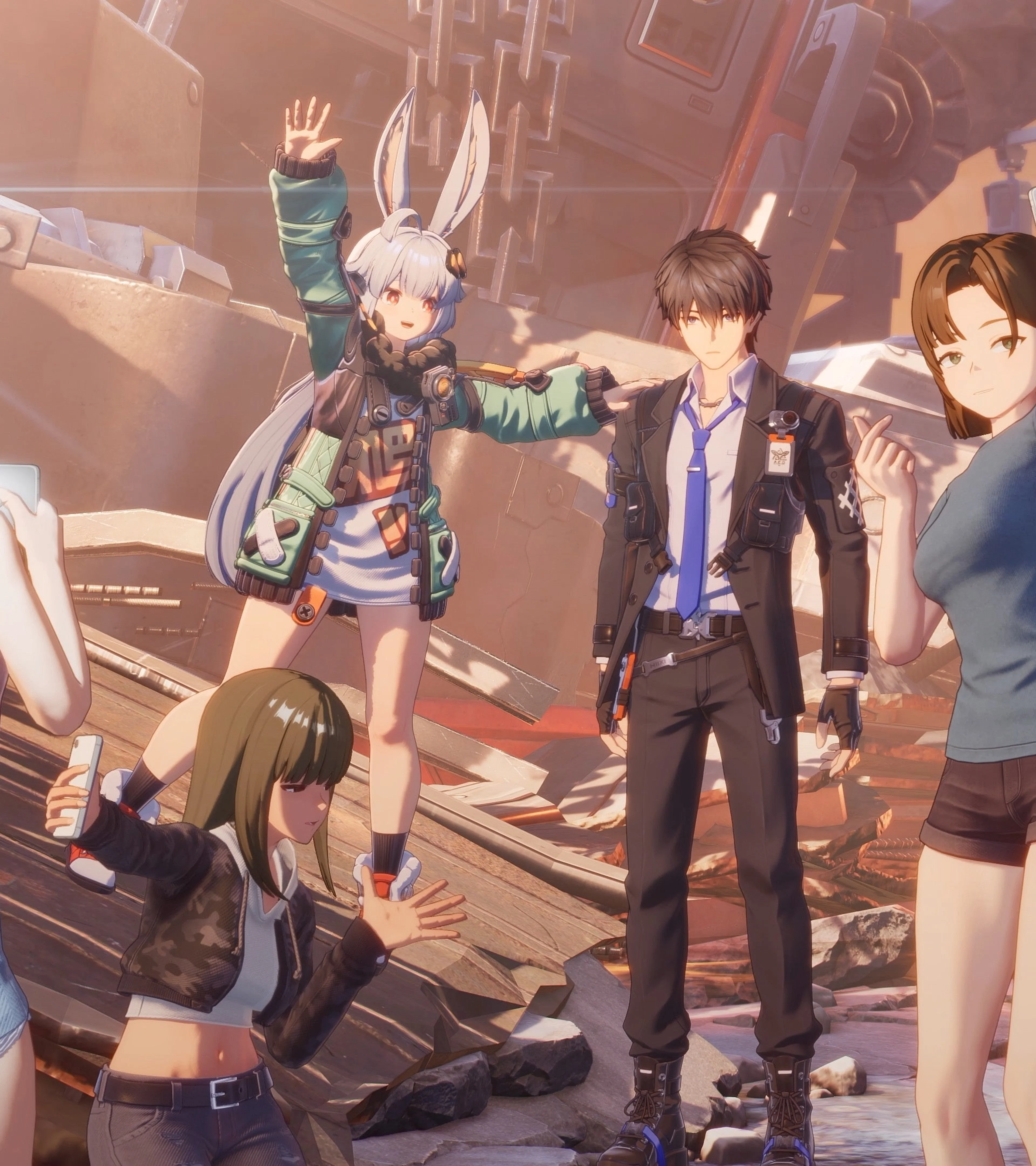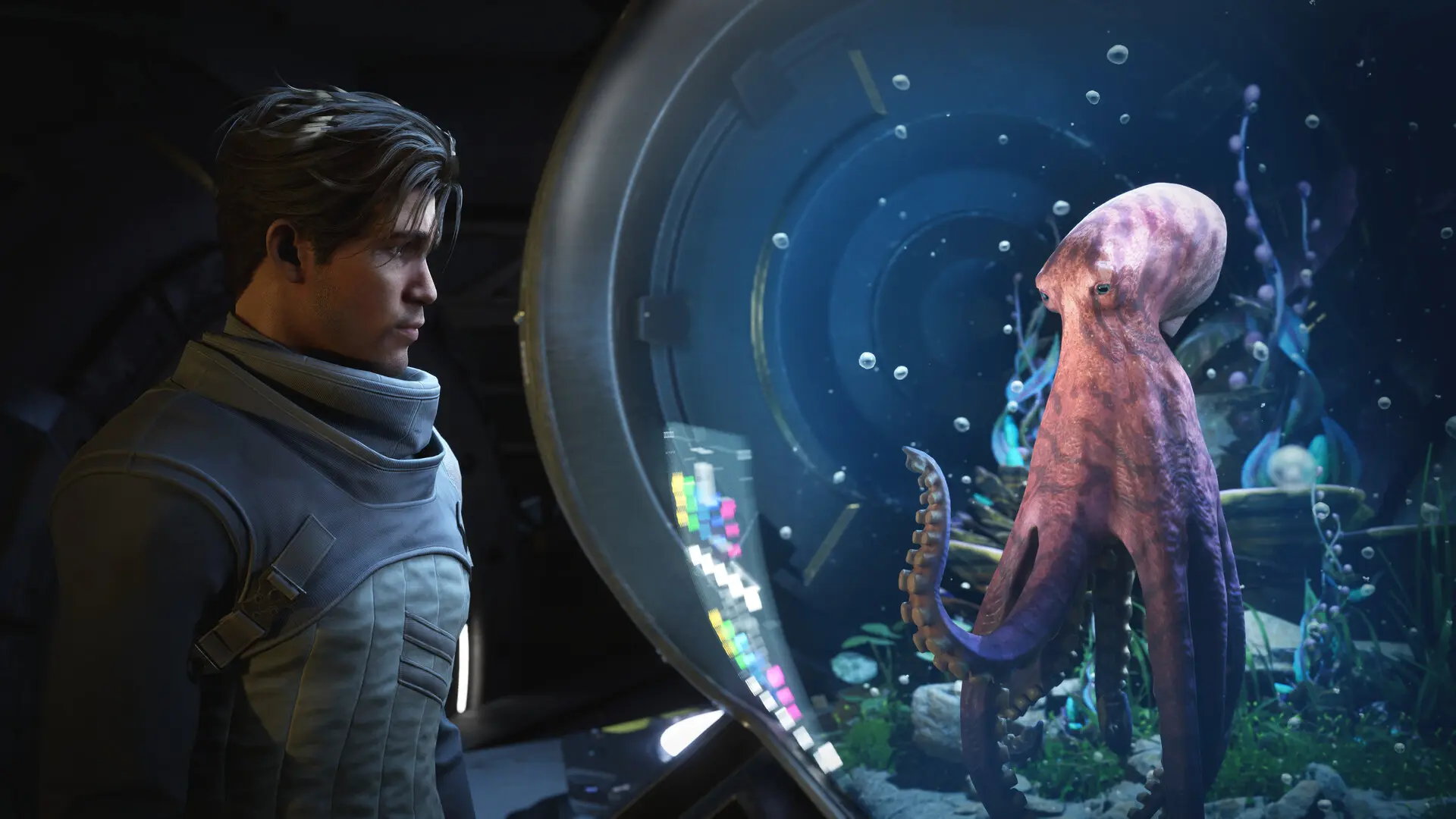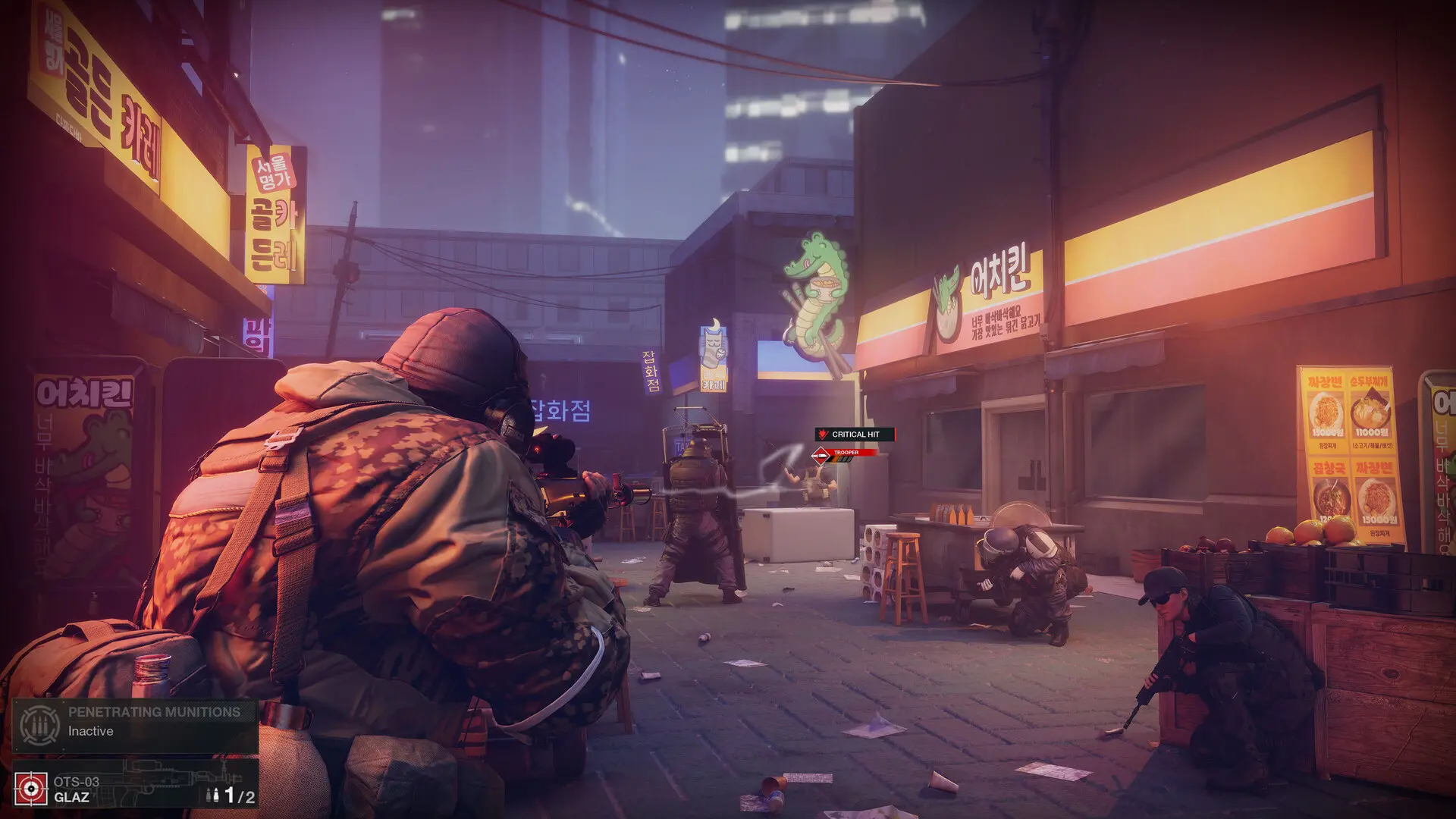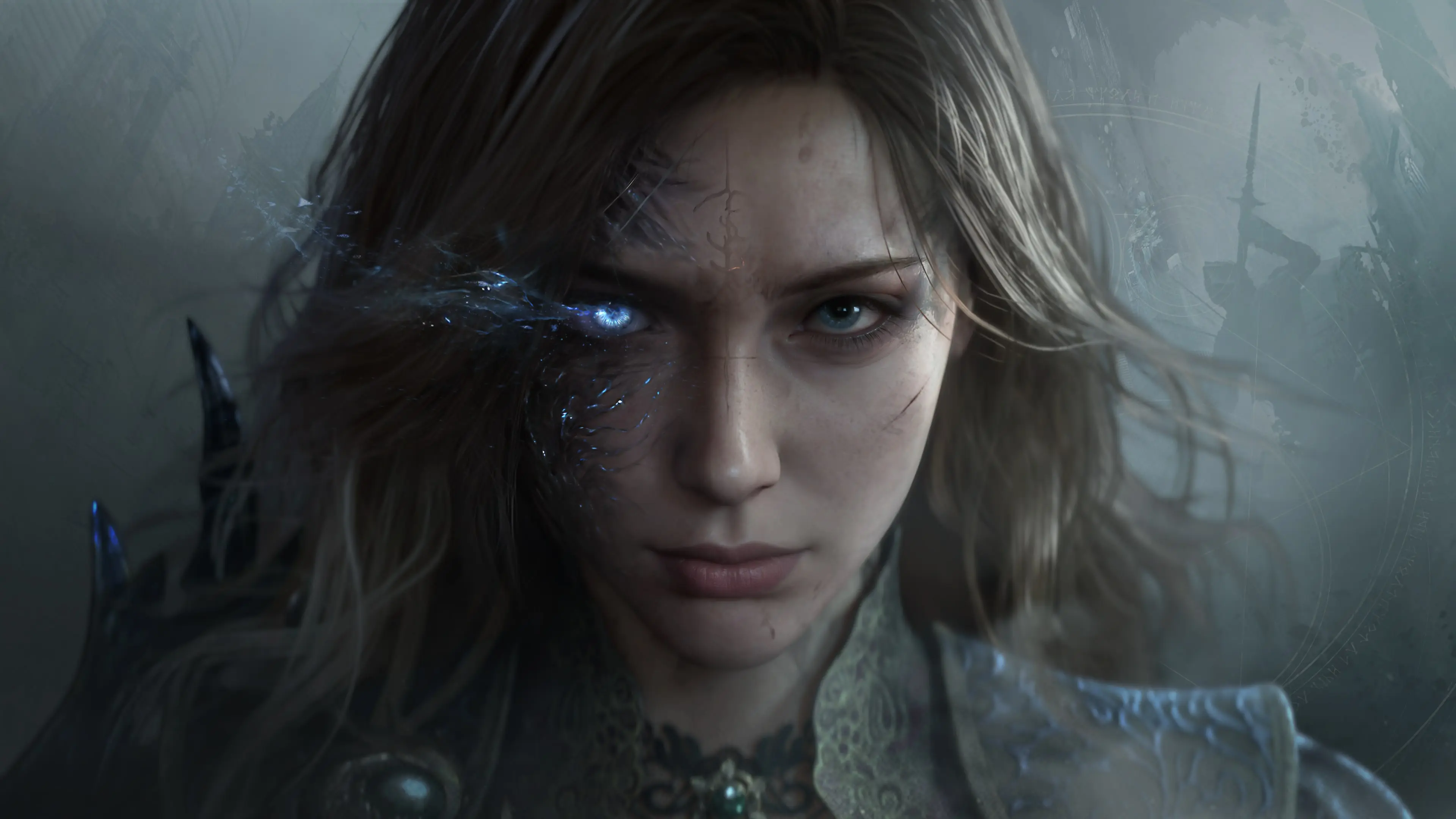
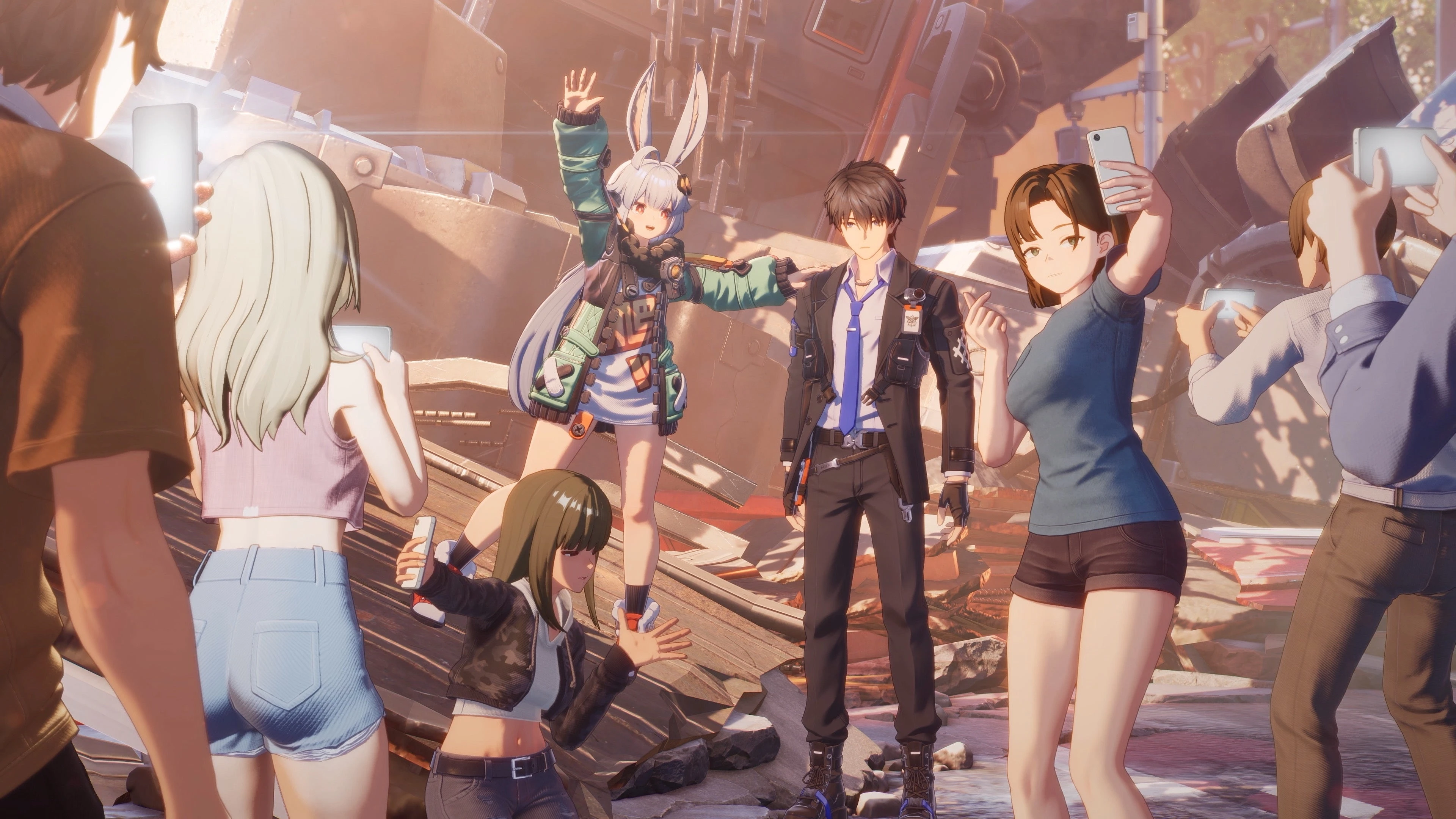
ANANTA finally has a release date. NetEase and Naked Rain announced that the urban open-world RPG will launch worldwide on January 15, 2027, after a new trailer premiered around Gamescom Opening Night Live. The same update introduced Chongxiao, a second major city that gives the game a much bigger map to sell before launch.
The date is the cleanest answer for people who have been following ANANTA since it was called Project Mugen. It is coming to PC, PlayStation 5, and mobile as a free-to-play game. NetEase also says pre-registration has passed 17 million across 110 countries and regions, although that number comes from the publisher rather than an independent tracker.
When does ANANTA release?
ANANTA releases on January 15, 2027. NetEase describes the launch as worldwide, so the date is not limited to one region or a staggered beta window. The official PC client and Steam will be available alongside the PlayStation 5 and mobile versions listed by the publisher.
The fixed date also turns the conversation from “what is this?” to practical launch questions such as performance, servers, and the first post-launch update.
What did the new ANANTA trailer show?
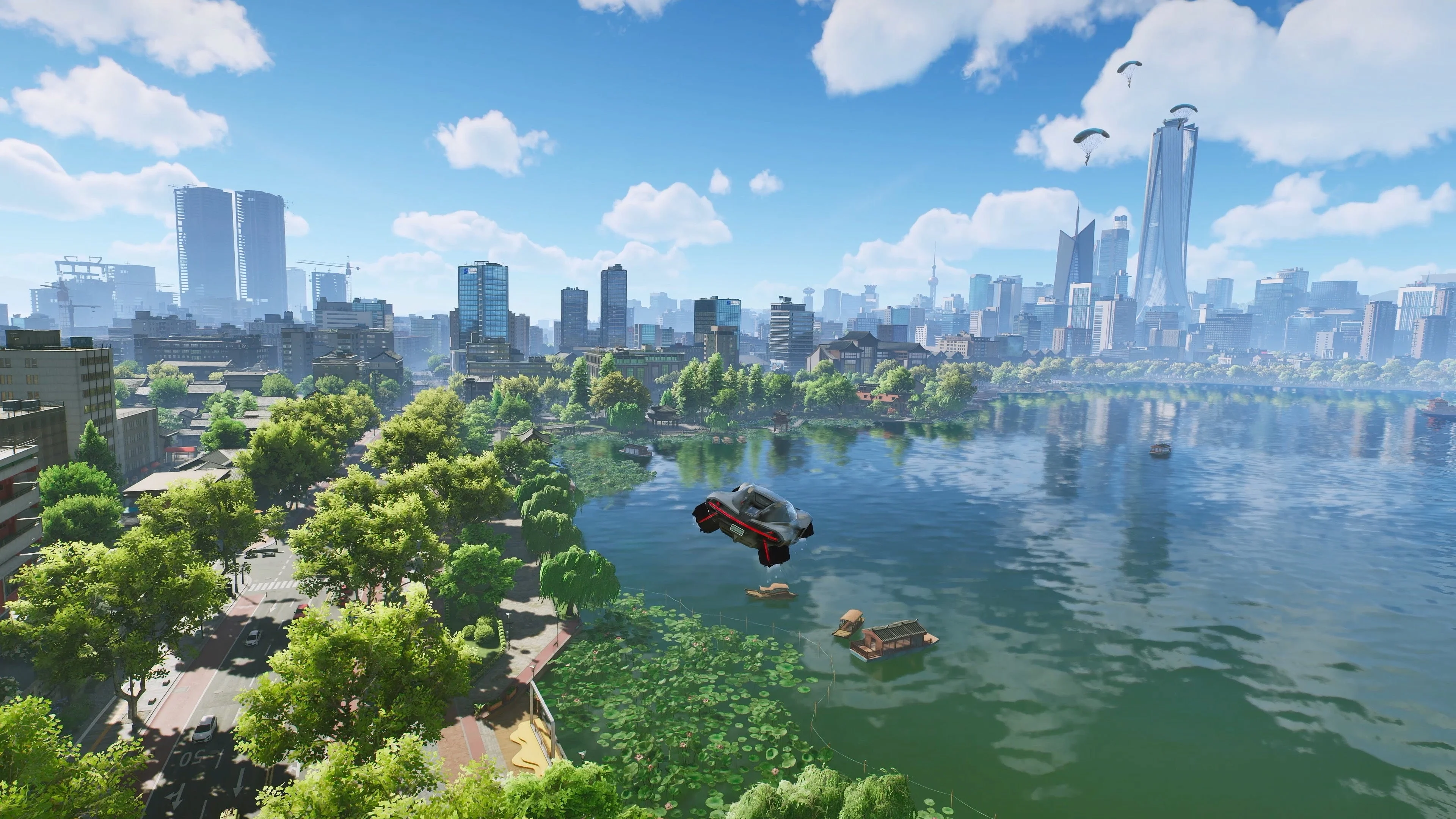
The trailer is built around the contrast ANANTA has always advertised: a bright, busy modern city with an impossible amount of freedom hiding inside it. Characters move through streets, rooftops, waterfronts, and indoor locations while cars, bikes, helicopters, and stranger forms of transportation keep the pace moving.
It also gives the world a social layer. Players are influencers whose choices affect their reputation and impact, so popularity is not just a menu stat sitting beside health and equipment. The idea is closer to living inside a city that notices you than simply clearing a list of missions.
The second half of the footage brings the supernatural problem back into focus. The player’s team fights strange enemies, moves through large set pieces, and switches between characters with different jobs and abilities. The trailer does not explain every system, but it makes the January date feel attached to a real game rather than a vague promise.
What are the two cities in ANANTA?
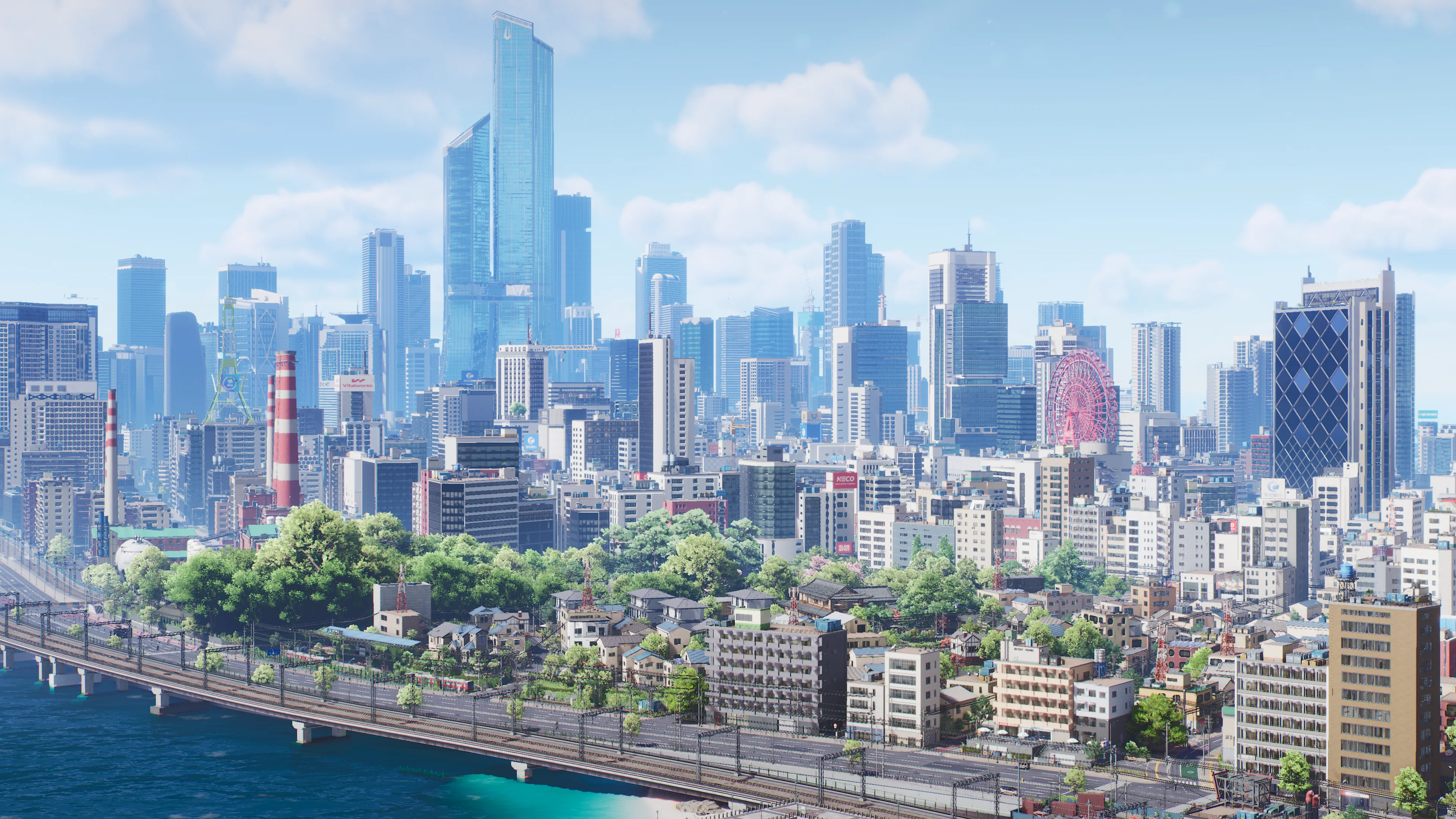
The first city, Xinqi, has been the familiar face of ANANTA’s trailers. The publisher says it draws from modern Asian cities, mixing recognizable streets with fictional districts and everyday places such as cinemas, arcades, restaurants, gyms, clothing shops, and cat cafés. Those details are useful because they make the map sound like somewhere to spend time, not just a collection of combat arenas.
The new city is Chongxiao. NetEase’s latest announcement presents it as a second major location rather than a tiny side zone, which changes the scale of the launch. Players will have two urban spaces to learn, with their own skylines, routes, activities, and story problems. The trailer shows Chongxiao at night, full of neon, water, and towers, while other footage leans into a clear daytime city view.
The publisher has not yet explained how the two cities connect in the opening story or whether players can travel between them immediately.
Why does everyone compare ANANTA to GTA?
The GTA comparison comes from the surface-level pitch: a modern city, cars, pedestrians, side activities, and the ability to wander away from the main mission. Fans and coverage have also used “anime GTA” as shorthand because ANANTA combines that urban freedom with a bright character design and supernatural combat. NetEase does not market the game as a Grand Theft Auto title, and the comparison should not be mistaken for a claim that the systems work the same way.
A better way to read the comparison is as a description of the player fantasy: move through a city, build a reputation, meet people, collect a team, and decide whether the next ten minutes are for a mission, a vehicle trip, or a fight.
How will ANANTA’s combat and team system work?
Combat is built around fast movement, environmental objects, and switching between several playable characters. The official overview describes dodges, guards, counters, and improvised attacks, including situations where the environment becomes part of the fight instead of a decorative backdrop.
The player can recruit NPCs and build a team, then swap between characters with different roles. The examples released so far include a patrol officer, a hacker, a delivery worker, and a content creator. That lineup says a lot about the tone: ANANTA is not filling its roster with generic fantasy classes. It is turning ordinary city jobs into ways of seeing and fighting through the world.
The interesting test will be whether those characters feel useful outside combat. NetEase has shown the premise, but the full launch build will need to make those choices matter.
What platforms will ANANTA use?
ANANTA is coming to PlayStation 5, PC, iOS, and Android. On PC, NetEase has named both its own client and Steam. The game is described as free to play, which means the practical questions will shift toward device requirements, account linking, cross-save, monetization, and how much content is available before spending anything.
NetEase has not announced a Nintendo platform, Xbox version, or a final list of PC specifications in the material checked for this article. Players should also wait for the regional store pages before assuming that every mobile device will support the same visual settings or frame rate.
What should players know before January?
Pre-registration is already open, and the publisher says more than 17 million people have signed up. That is a useful measure of awareness, but it is not a promise that all of those players will stay through launch. The first weeks will tell us more about server stability, the pacing of the story, and whether the two cities feel meaningfully different.
The other detail worth watching is how ANANTA handles its live-service side. A social reputation system and a roster of recruitable characters can create long-term reasons to return, but they can also make a free-to-play game feel crowded if every activity is built around another reward track. The best version of ANANTA will let the city be fun before it asks players to optimize it.
For the rest of the Gamescom schedule, our Gamescom 2026 Opening Night Live watch guide has the start time and the other games confirmed for the showcase.
ANANTA now has a date, a second city, and something to prove
A January 15 release date gives ANANTA a much clearer shape. It is no longer only the stylish open-world RPG formerly known as Project Mugen; it is a free-to-play game with two announced cities, a large pre-registration audience, and a launch target that is close enough for practical questions to matter.
The GTA comparisons will keep showing up because they are an easy way to explain the city and the cars. The more interesting question is whether ANANTA can make that city feel like its own place, with characters, reputation, combat, and stories that could not simply be moved into another open-world game. We will have a better answer when the January build is in players’ hands.