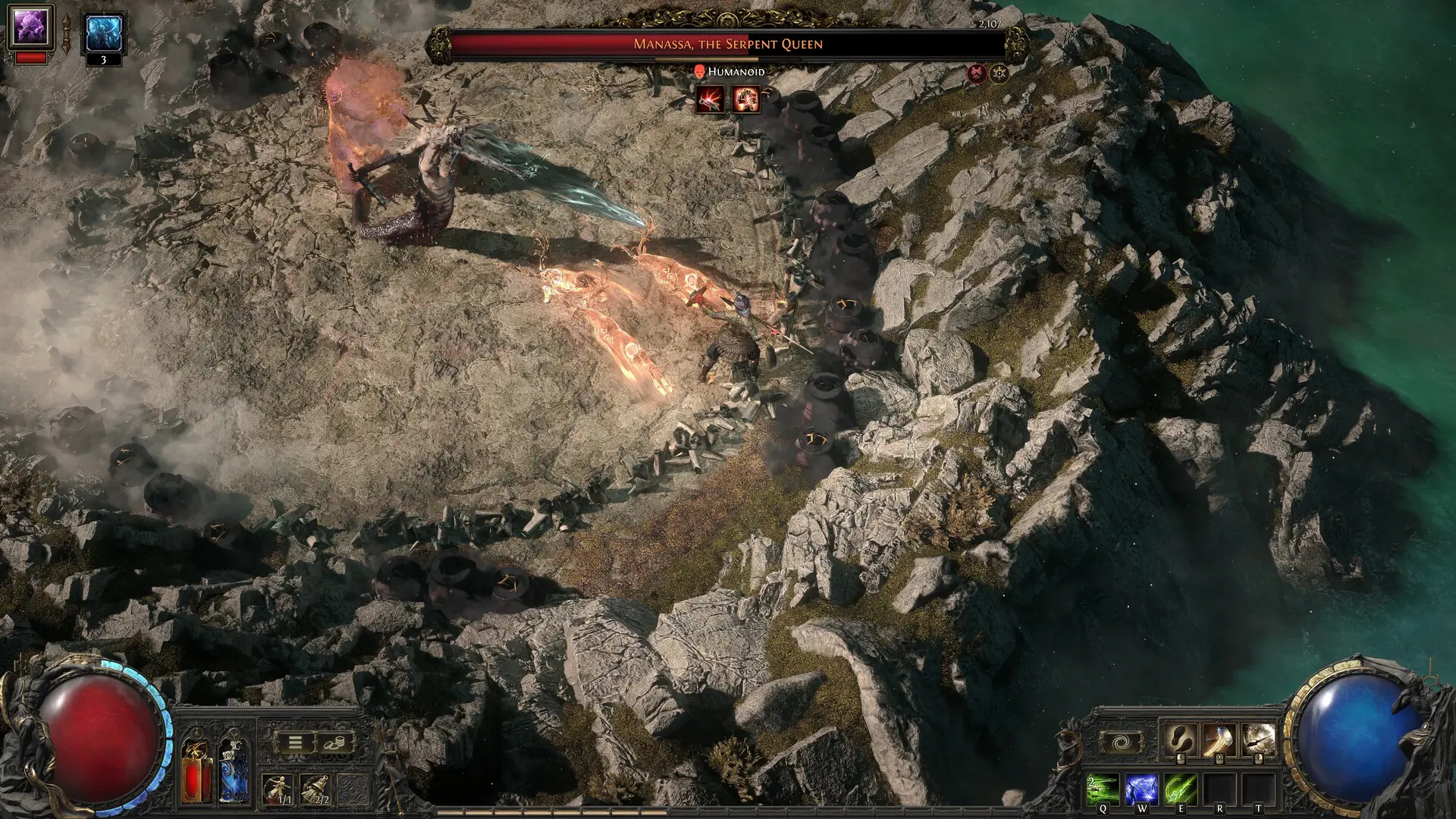
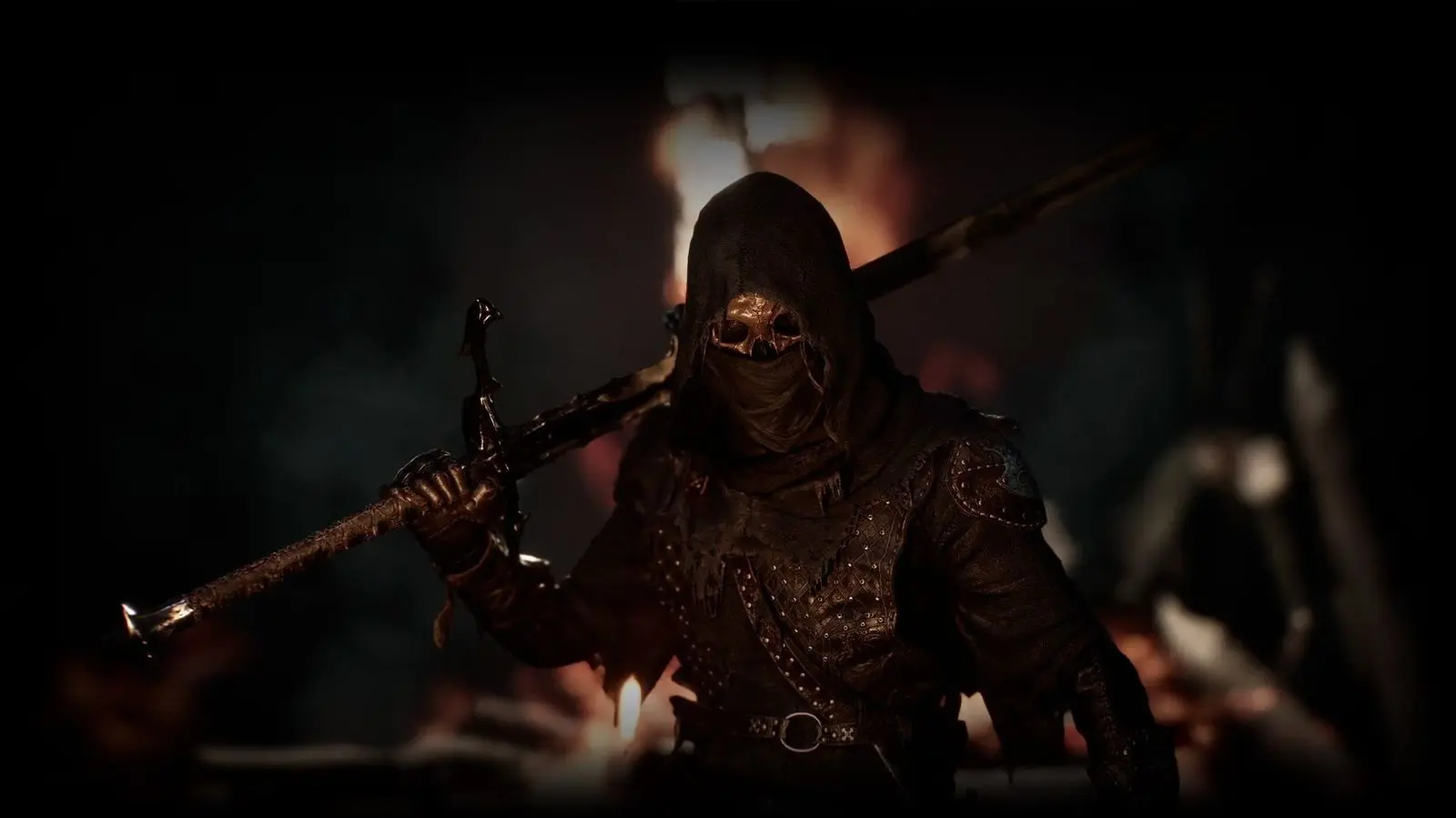
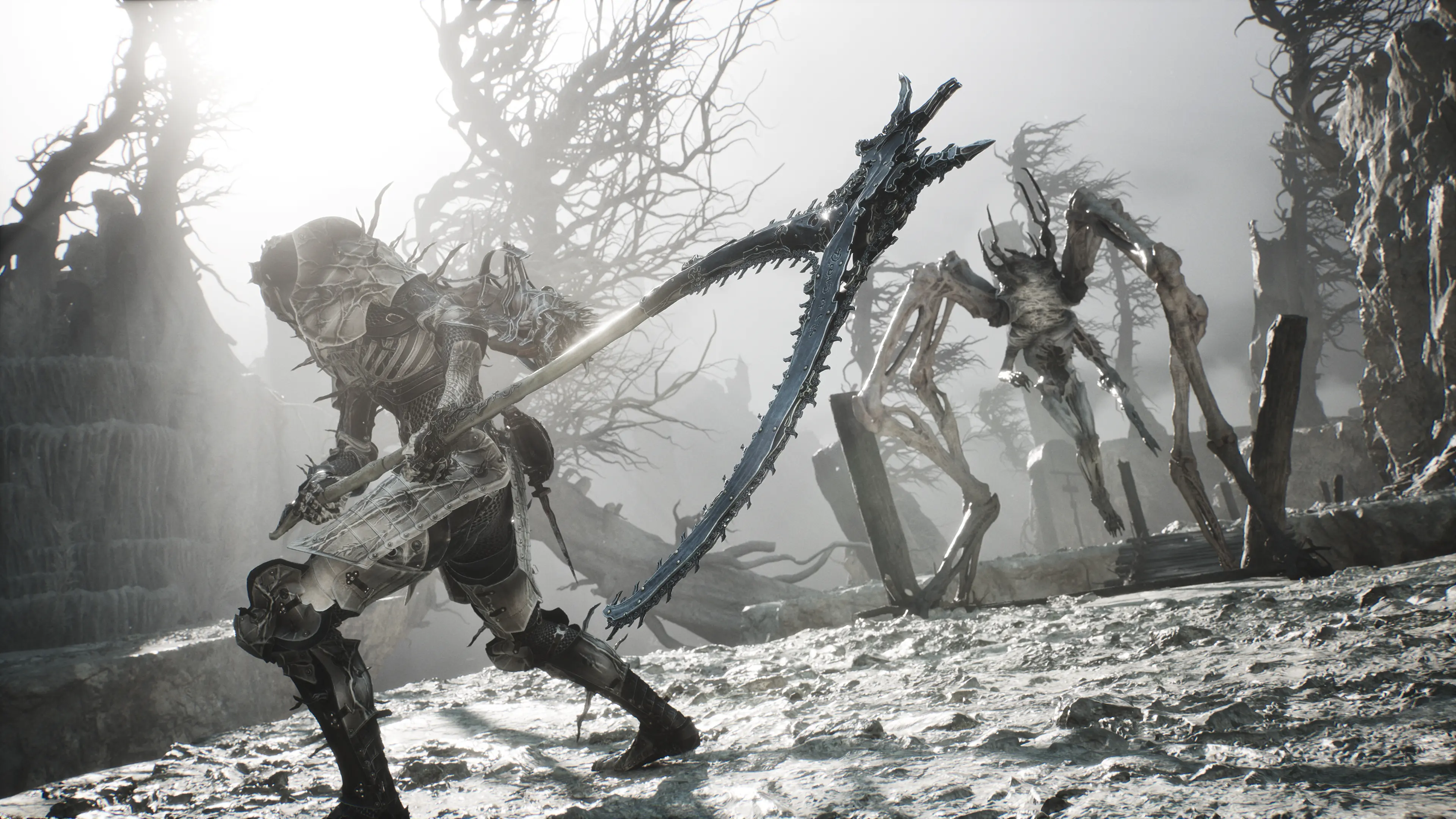
Mortal Shell II removes the stamina bar, but it does not remove the need to read an enemy. Attacks, movement, posture pressure, Shell abilities, weapons, and sidearms still have to work together. The useful beginner habit is to control the next exchange instead of continuing a combo simply because stamina is no longer stopping it.
This spoiler-light guide covers the systems on the current Mortal Shell II game page. It does not reveal story outcomes, hidden Shell locations, or boss solutions.
Mortal Shell II quick-start checklist
- Use short attack sequences until the enemy's timing is clear.
- Pressure posture during safe openings, then be ready to use the critical opportunity.
- Test a new Shell's movement and abilities before committing major upgrades.
- Give the melee weapon and sidearm different jobs instead of using both without a plan.
- Check side paths for Shells, weapons, upgrades, and other useful discoveries.
- Keep a return route in mind before entering a new ruin or dungeon.
- Change one part of the setup at a time when a fight stops progressing.
No stamina does not mean attack without a plan
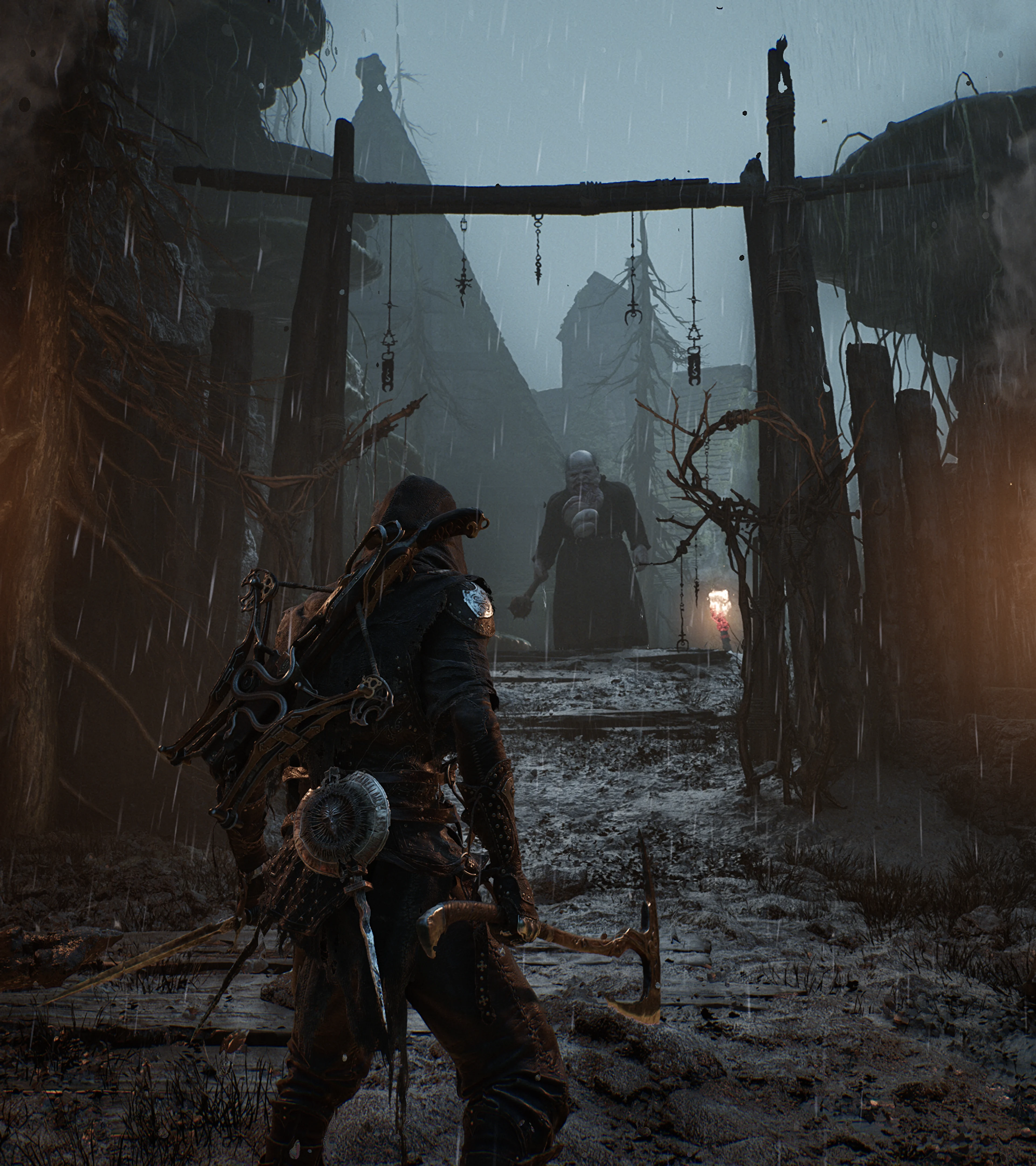
Cold Symmetry describes Mortal Shell II combat as unrestricted by stamina. That lets the player reposition and continue attacking without waiting for a stamina bar, but enemies still create danger through range, timing, groups, and recovery windows.
Start with short sequences. Attack, watch how the enemy responds, and move before the next swing becomes automatic. Once the pattern is clear, add another action only when the opening actually supports it. The absence of stamina is most useful when it gives the player freedom to leave a bad angle, not when it encourages a longer unsafe combo.
When several enemies are present, keep them on the same side of the Shell when possible. Moving freely around the group is more valuable than finishing one attack while another enemy is already behind the player.
Break posture before chasing a critical hit
The official game description connects posture breaks with critical strikes. That makes posture pressure a setup, not a reason to ignore defense. Use reliable openings to weaken posture, then save enough space and control to act when the break occurs.
Do not continue attacking only because the enemy appears close to breaking. A missed dodge or a hit from a second enemy can erase the advantage. If the posture attempt has made the position unsafe, leave, reset the angle, and continue during the next opening.
Against a group, choose the target whose posture pressure can be maintained without crossing through another enemy's attack. A slower controlled break is safer than dividing attacks among several targets and finishing none.
Try Shells before spending heavily on upgrades
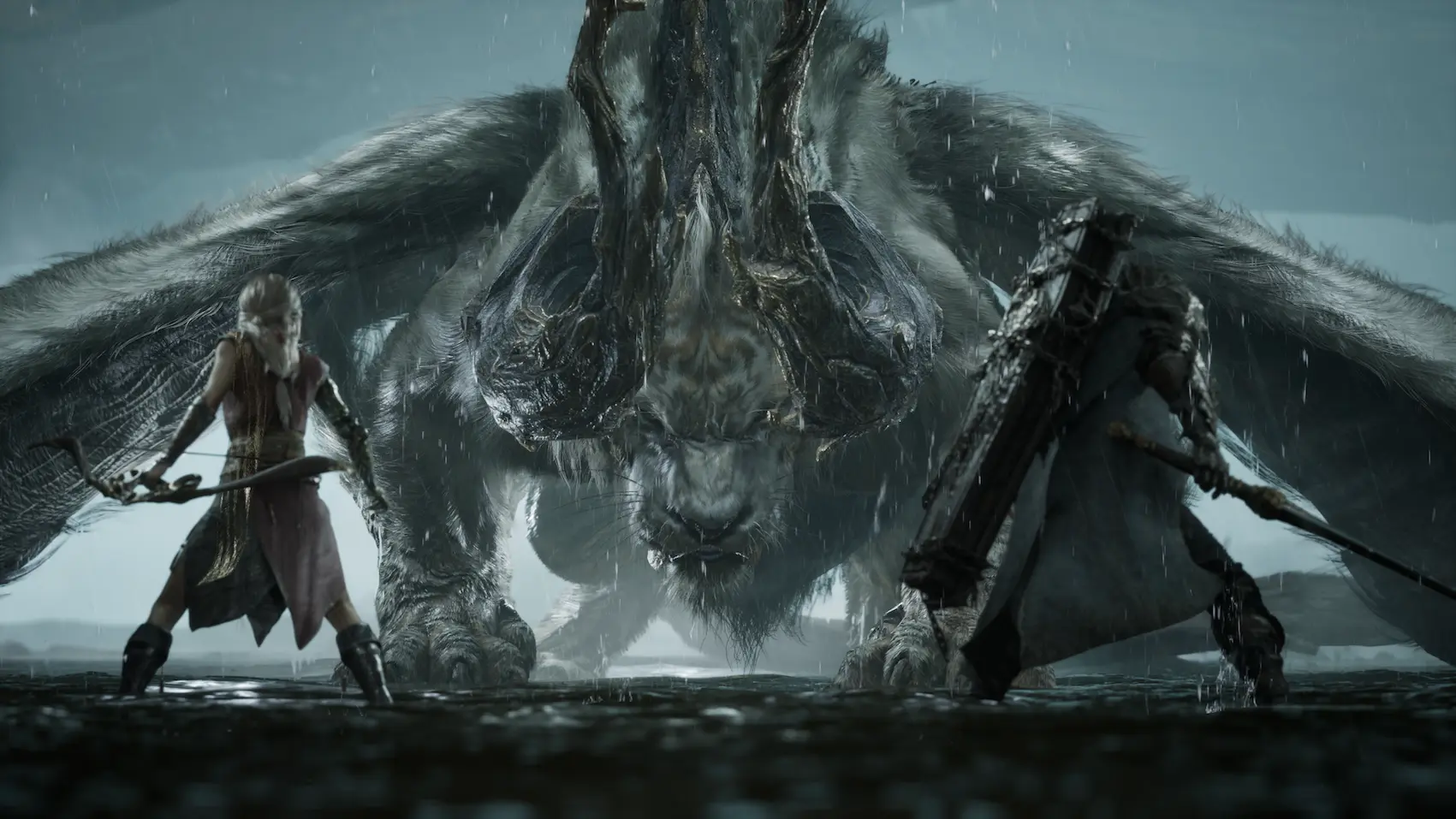
Mortal Shell II includes eight playable Shells with their own abilities. A beginner does not need to decide on a permanent favorite as soon as a new Shell appears. Use the same familiar area to compare movement, attack rhythm, survivability, and the ability that changes how the Shell handles pressure.
Choose the Shell that solves the current problem. A player who keeps being surrounded may value control or mobility differently from someone who reaches a boss safely but cannot survive one large hit. The most useful comparison is based on the fights being lost now, not on which Shell looks strongest in isolation.
Before a large upgrade, confirm that the Shell still feels comfortable with the weapon and sidearm being used. Changing all three at once makes it difficult to tell which part improved the setup and which part created a new weakness.
Give the weapon and sidearm separate jobs
Cold Symmetry highlights melee weapons, powerful sidearms, and extensive upgrade options. A clear setup uses them for different moments. The melee weapon can handle the reliable close-range plan, while the sidearm covers an opening, distance, interruption, or another situation the weapon does not solve well.
Do not spend an upgrade only because the material is available. First decide whether the current failure comes from damage, reach, recovery, crowd control, or the Shell's ability. Upgrade the tool that answers that problem directly.
When testing a new weapon, return to an enemy whose timing is already familiar. That removes one variable and makes reach, speed, recovery, and posture pressure easier to compare.
Use the connected world to solve a combat problem
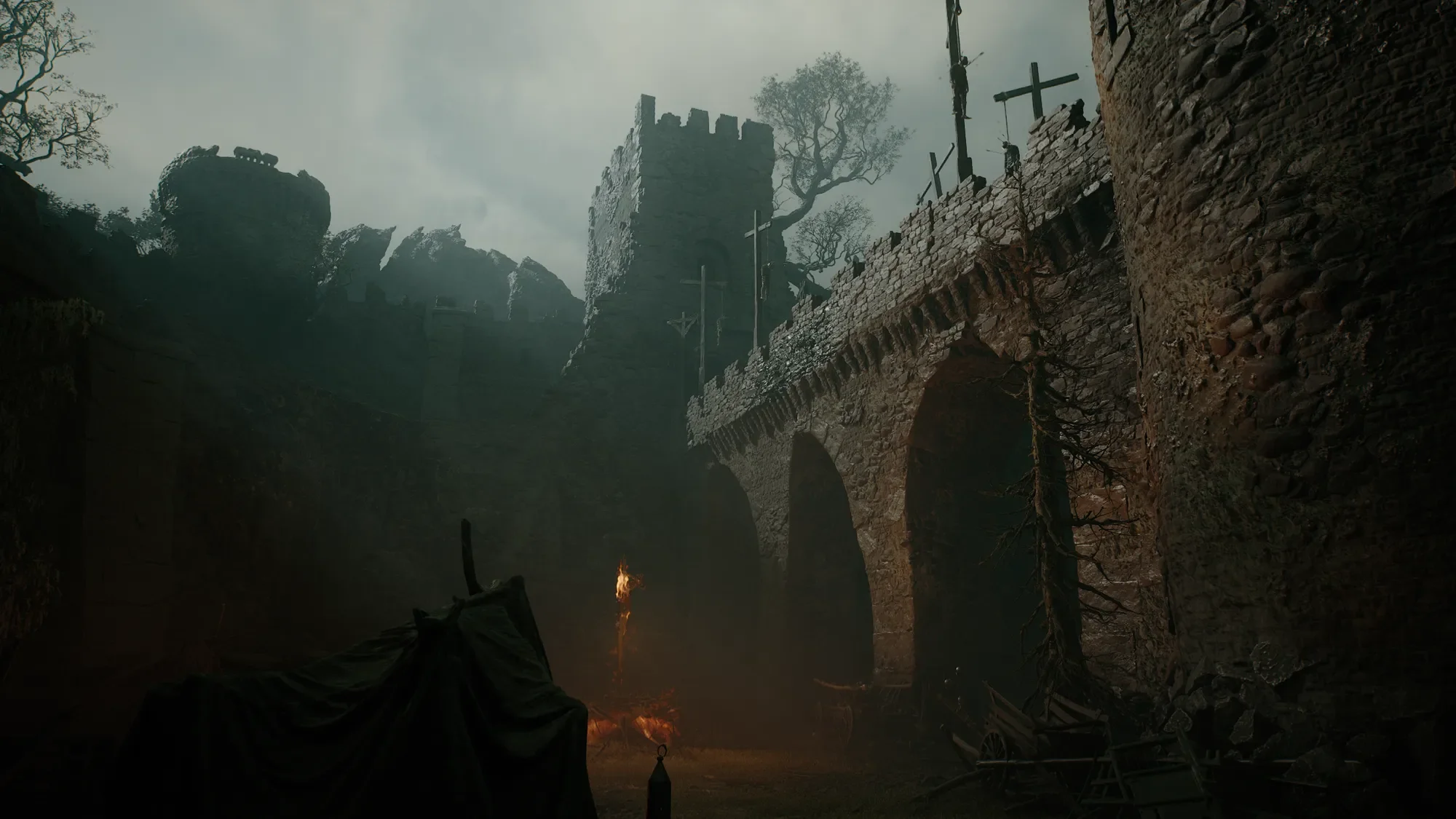
Mortal Shell II takes place in an interconnected world that the developer describes as expansive but deliberately compact. Official descriptions also point to side paths that can reveal Shells, weapons, upgrades, and other discoveries. Exploration is therefore part of improving the combat setup, not a separate activity.
If a direct route keeps ending at the same enemy or boss, check nearby branches before repeating it. A different Shell, weapon, sidearm option, or upgrade may solve the exact weakness that another attempt will not.
Mark the practical route in memory: the last safe junction, the path back to an upgrade point, and the branch that has not been checked. Free exploration is most useful when the player can return without turning every trip into another uncertain fight.
A safer first-run loop
- Enter a new area with the current Shell and weapon plan already understood.
- Test unfamiliar enemies with short attack sequences.
- Apply posture pressure only while the escape angle remains open.
- Use the sidearm when its specific job appears, not as a replacement for every melee exchange.
- Check side routes before spending several attempts on the same blockage.
- Test a newly found Shell or weapon against a familiar enemy.
- Commit upgrades after the comparison shows what the new option improves.
This loop keeps combat, exploration, and progression connected. Repeating a difficult fight without checking the surrounding world ignores one of the main ways Mortal Shell II offers a different answer.
What to change when progress stalls
An enemy interrupts every long combo
Return to one or two safe attacks, then move. Add another action only after recognizing the enemy's recovery window.
Posture is almost broken but the Shell keeps taking damage
Stop forcing the final hit. Reset the position and continue the posture plan during the next safe opening.
A new Shell feels weaker than the previous one
Test it in a familiar area and use its ability deliberately. If it still does not solve the current problem, keep the earlier Shell until a different encounter gives the new one a clear purpose.
The current weapon cannot handle a group
Use movement to line enemies up, give the sidearm a crowd-control or interruption role when its abilities support that job, and search nearby branches for another weapon or upgrade.
The direct route feels too difficult
Explore another connected path. The world can provide Shells, weapons, upgrades, and discoveries before the player returns.
Release information and the full guide list
For platforms, editions, pricing, and the launch history, use the separate Mortal Shell II release and editions guide.
The Mortal Shell II launch article explains the confirmed no-stamina combat change and release context.
The Mortal Shell II guide hub keeps the buying guide and this gameplay guide together.