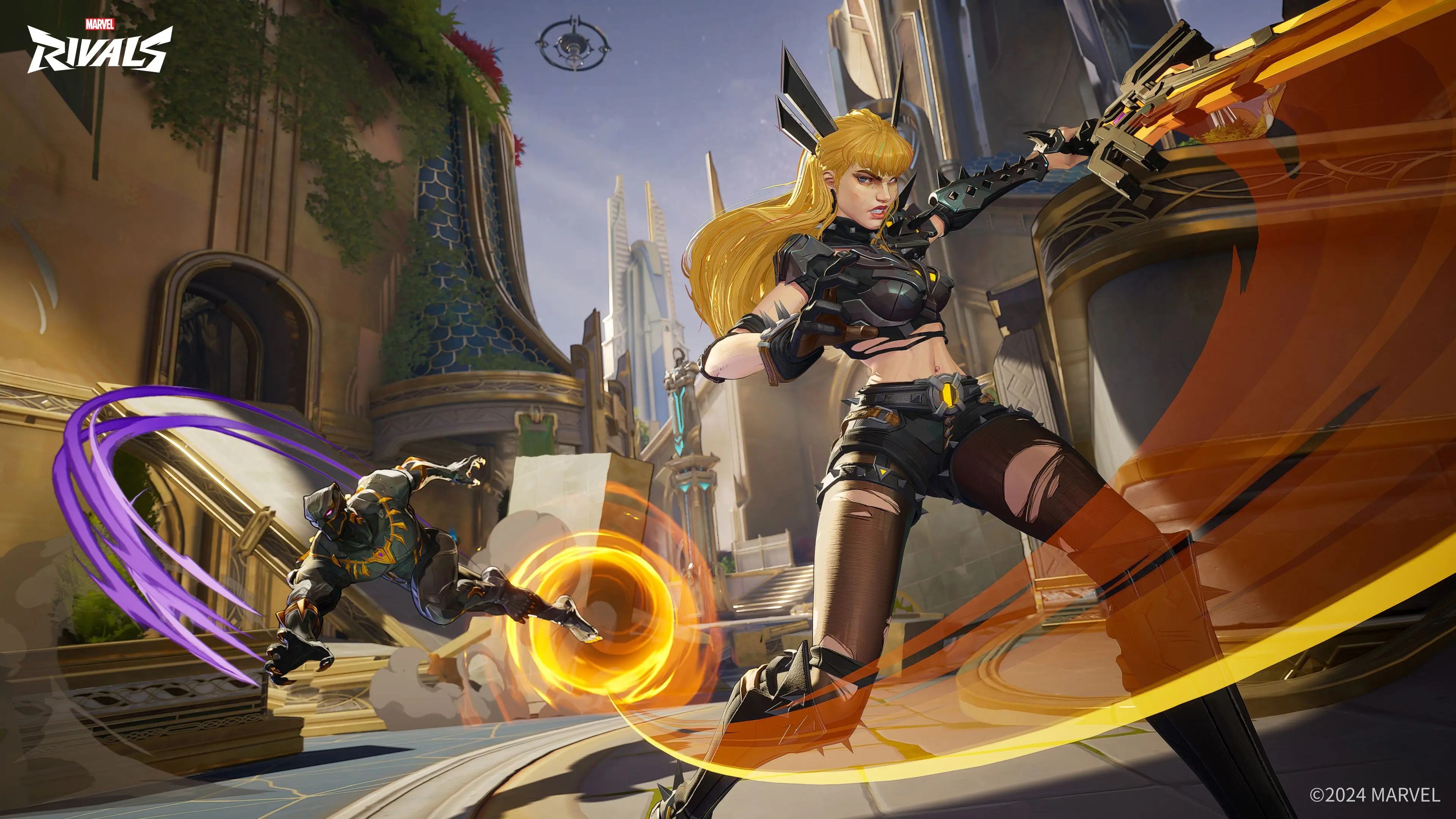
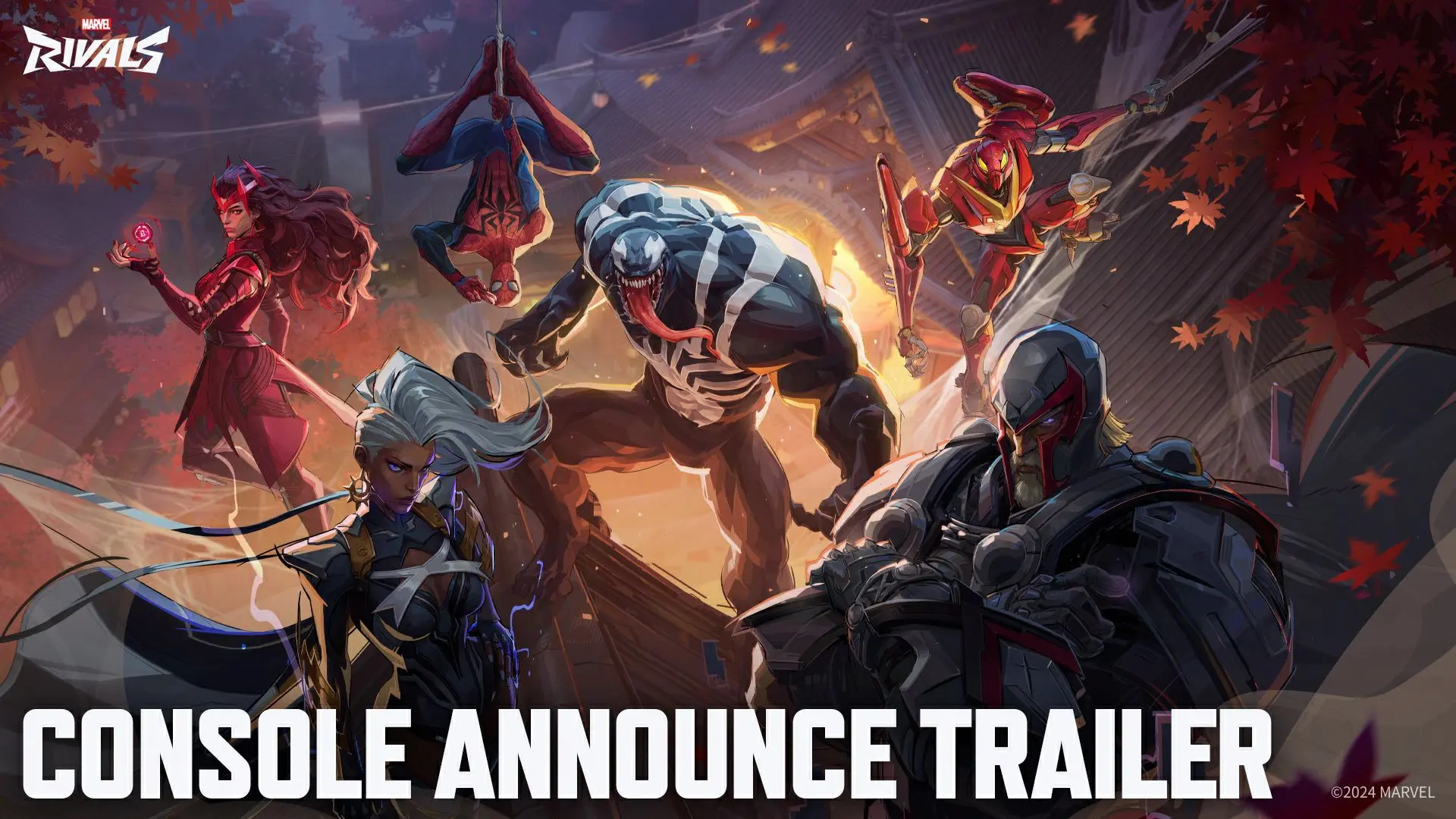

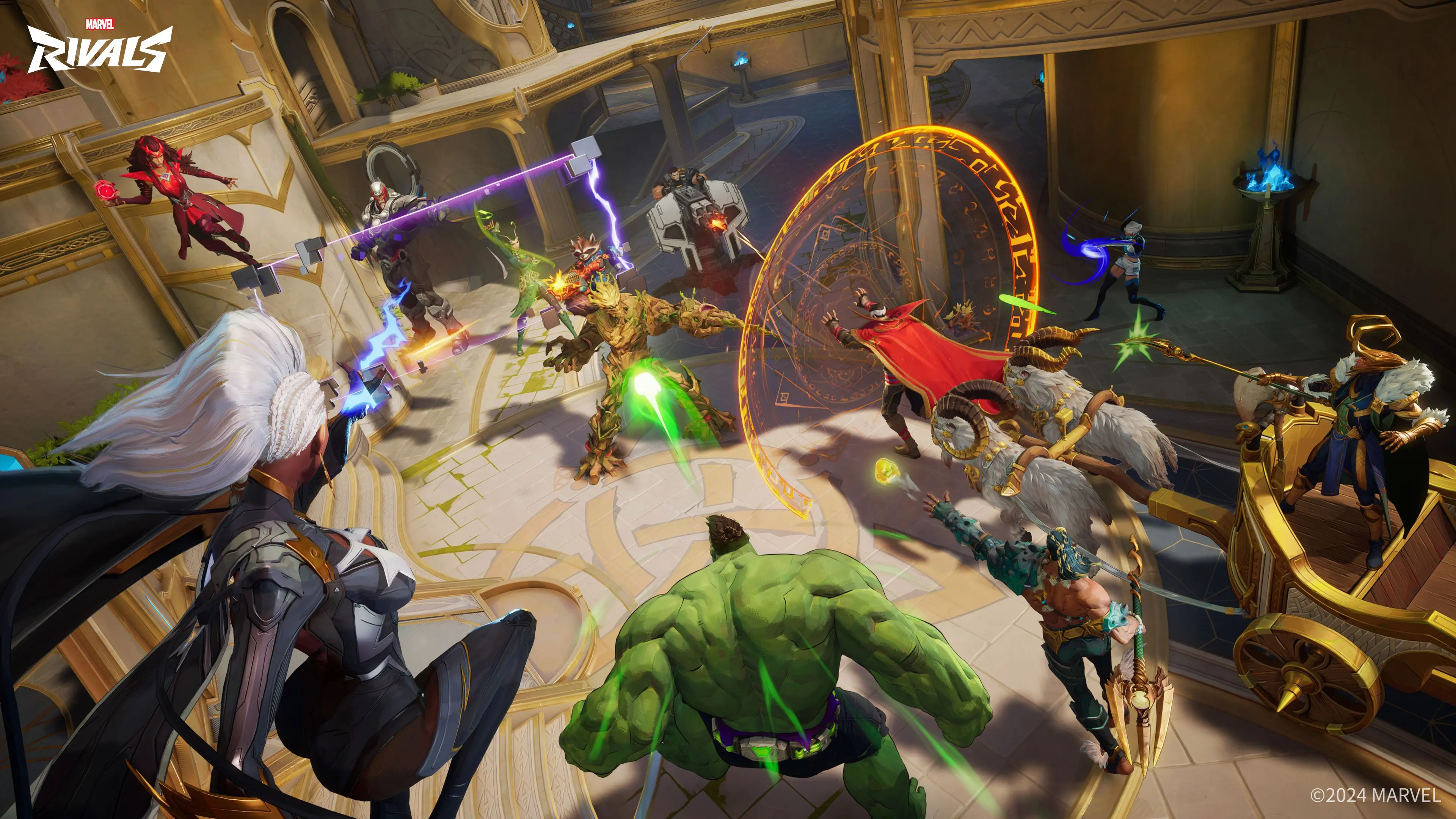
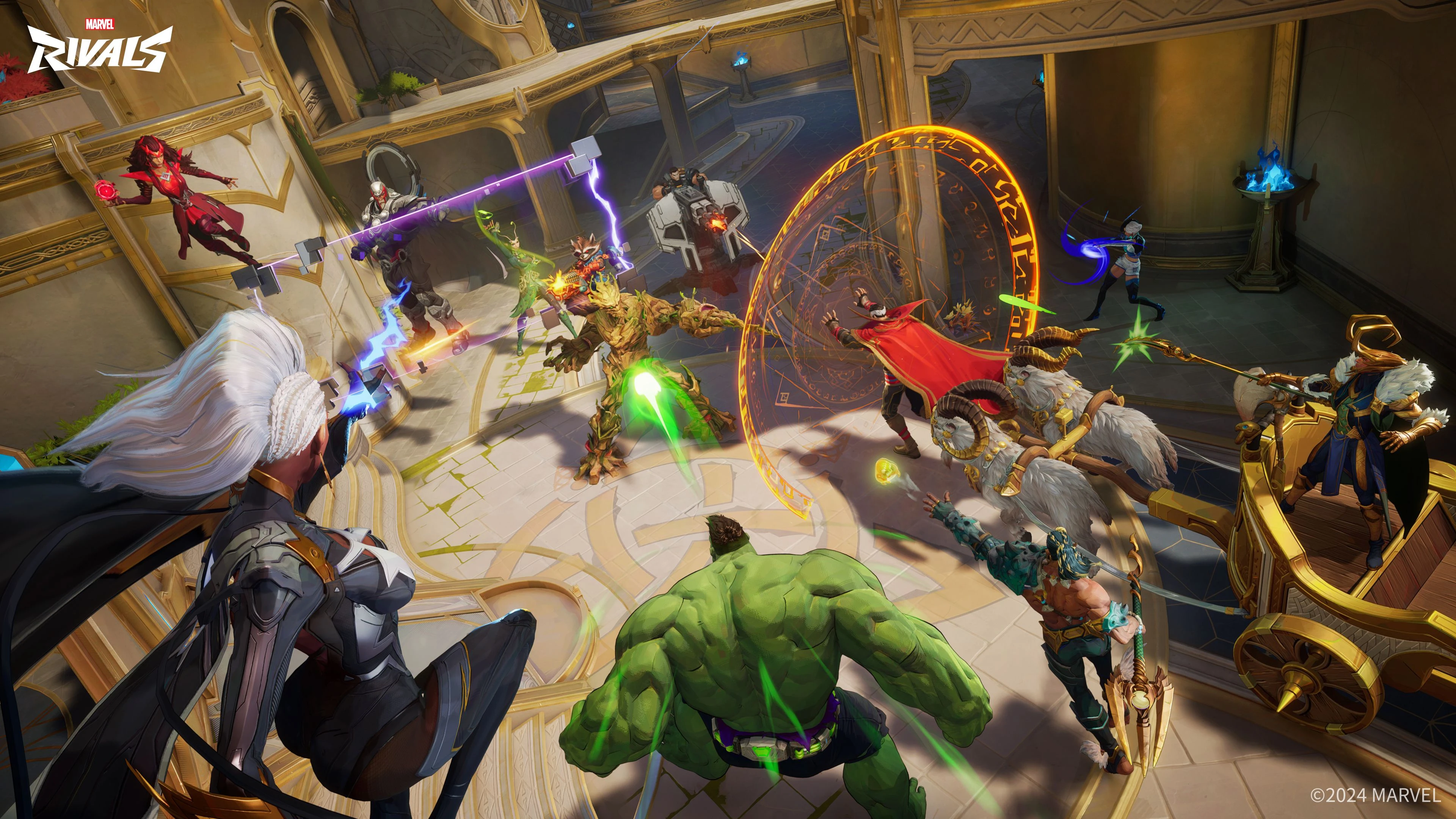
Marvel Rivals divides its roster into Vanguard, Duelist, and Strategist. Those names describe more than health, damage, and healing. Each role makes different decisions about space, targets, ability timing, and when to leave a fight.
A balanced team often uses two heroes from each role, but the game does not force every match into that exact lineup. Players who understand all three jobs can see what the team is missing and choose a hero for that need.
Vanguard: Choose Where the Team Can Fight
A Vanguard helps the team cross dangerous ground and hold useful space. That can mean a corner near the objective, a doorway that blocks an enemy route, or high ground that gives the Duelists a better angle. Standing on the objective without controlling the nearby area gives the enemy too much freedom.
- Check that teammates are close enough to follow before using a movement ability.
- Use cover between defensive abilities instead of taking every shot in the open.
- Turn around when an enemy diver is doing more damage to the back line than the enemy Vanguard is doing at the front.
- Leave a lost fight early enough to regroup with the team.
Season 9 introduced Regenerative Shields for some heroes. After five seconds without taking damage, the shield begins to refill over the next five seconds. A Vanguard with that health type can use cover and return with more protection instead of staying in a fight with no useful abilities.
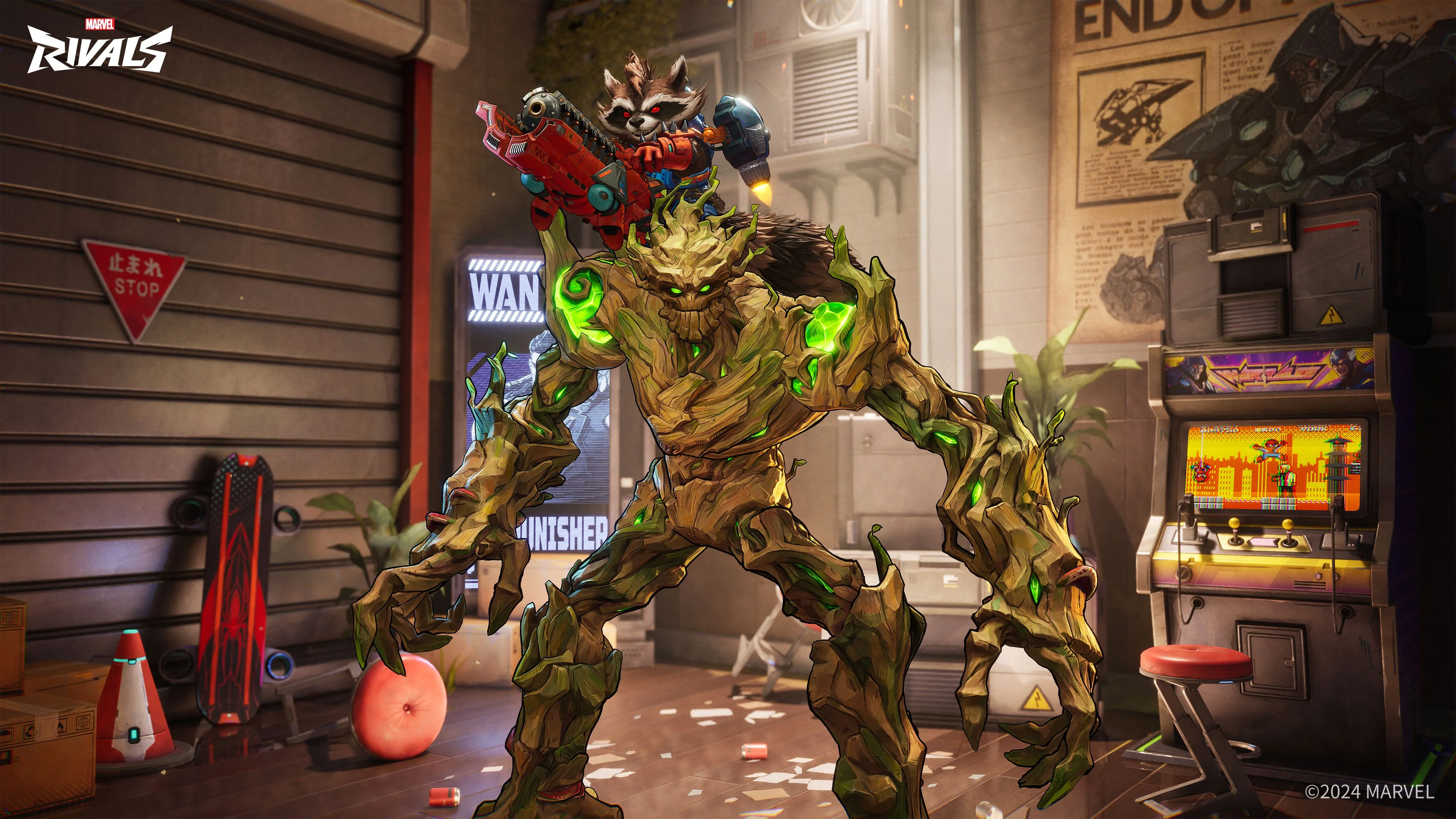
Duelist: Turn Team Space Into Eliminations
A Duelist uses the room created by the Vanguard. The job is not to shoot the closest enemy for the entire fight. Look for a vulnerable Strategist, an exposed Duelist, a hero without an escape, or a target the team has already damaged.
- Attack from a second angle without moving so far away that healing becomes impossible.
- Help finish one target before changing to another full-health enemy.
- Stop attacking the enemy Vanguard when a more vulnerable target is exposed.
- Protect the back line when an enemy dive is more dangerous than the current flank.
Season 9 reduced damage-to-Ultimate conversion for Vanguards and Duelists from 70% to 55%. Empty damage into a target that will be fully healed provides less Ultimate value than before. Confirmed eliminations and useful pressure are more important than a large damage number with no result.
Strategist: Keep the Team Active and Safe
A Strategist heals, but healing is only one part of the role. Positioning, crowd control, damage boosts, movement abilities, and defensive Ultimates can decide whether the team survives long enough to finish a fight.
- Keep the Vanguard and the other Strategist inside a safe line of sight.
- Heal teammates who can still survive or escape. Do not follow one lost player into the full enemy team.
- Use damage and utility when nobody is in immediate danger.
- Save a movement or control ability for the enemy dive when possible.
- Do not stand directly beside the other Strategist where one Ultimate can hit both players.
The July 11 follow-up restored healing-to-Ultimate conversion for Strategists to 70%, while damage conversion remained at 55%. Healing the right target is useful, but constant healing cannot fix bad positioning. A Strategist still needs cover, an escape route, and teammates who respond when the back line is attacked.
Use One Simple Check During Every Fight
- Where is my team?
- Who are we attacking now?
- Which important enemy ability was just used?
- Can we still win this fight, or should we leave and regroup?
The answers change by role. A Vanguard may need to step back so the Strategists can see them. A Duelist may need to stop flanking and help with a diver. A Strategist may need to save a low teammate instead of dealing more damage.
Role changes are most useful between fights. Check the scoreboard and the last team fight, then say what the team needs in direct terms: more protection at the objective, help against a diver, or enough damage to finish low targets. Switching without explaining the problem can leave two players changing roles at the same time and create a new weakness.
Use the Marvel Rivals Season 9 Team Comps for complete 2-2-2 lineups. The Team-Ups Tier List explains which current character combinations provide the most useful extra effects.
Learn at least one comfortable hero in every role, then add a second option for different maps and team needs. Ranked matches become easier to read when every player knows the job they are accepting with the hero they choose.