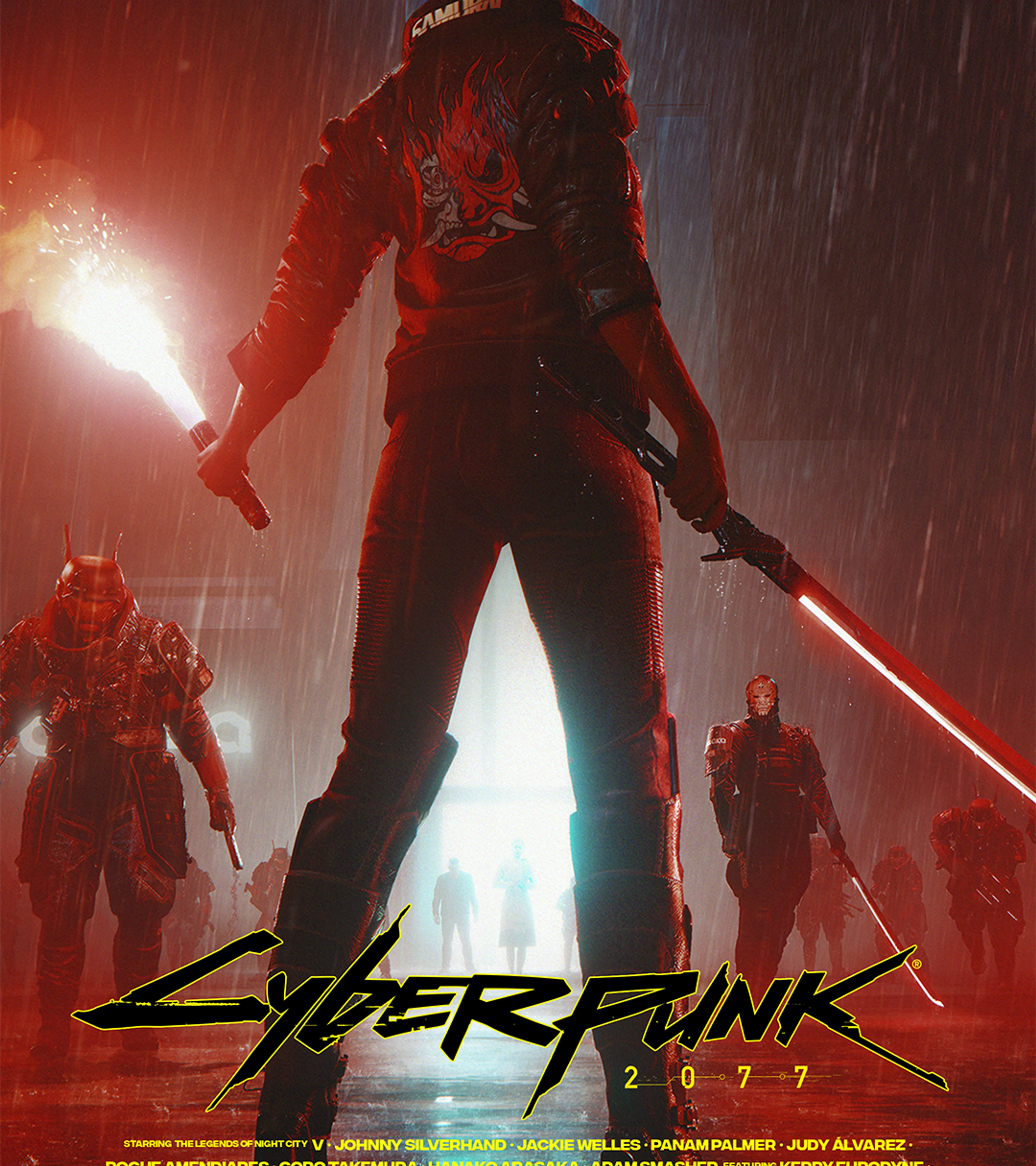
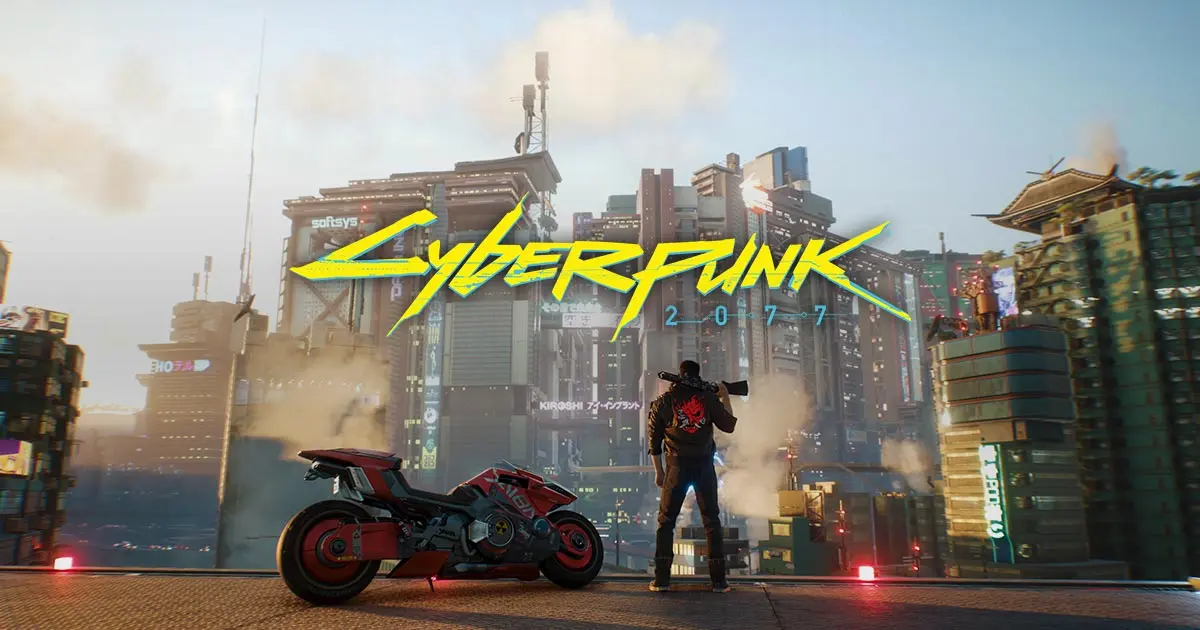
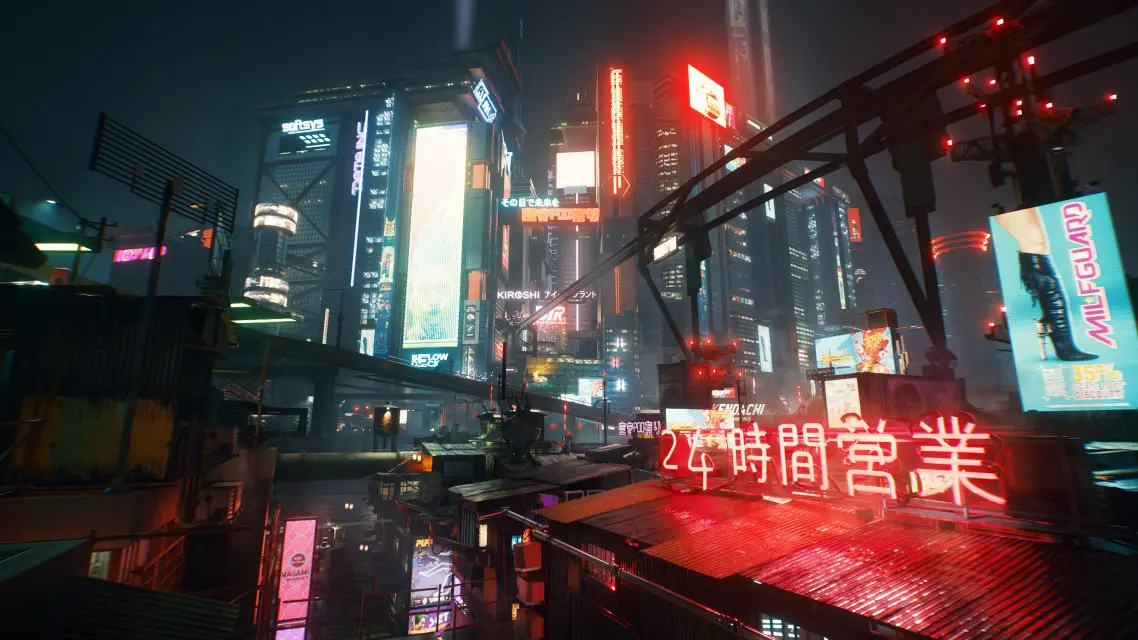
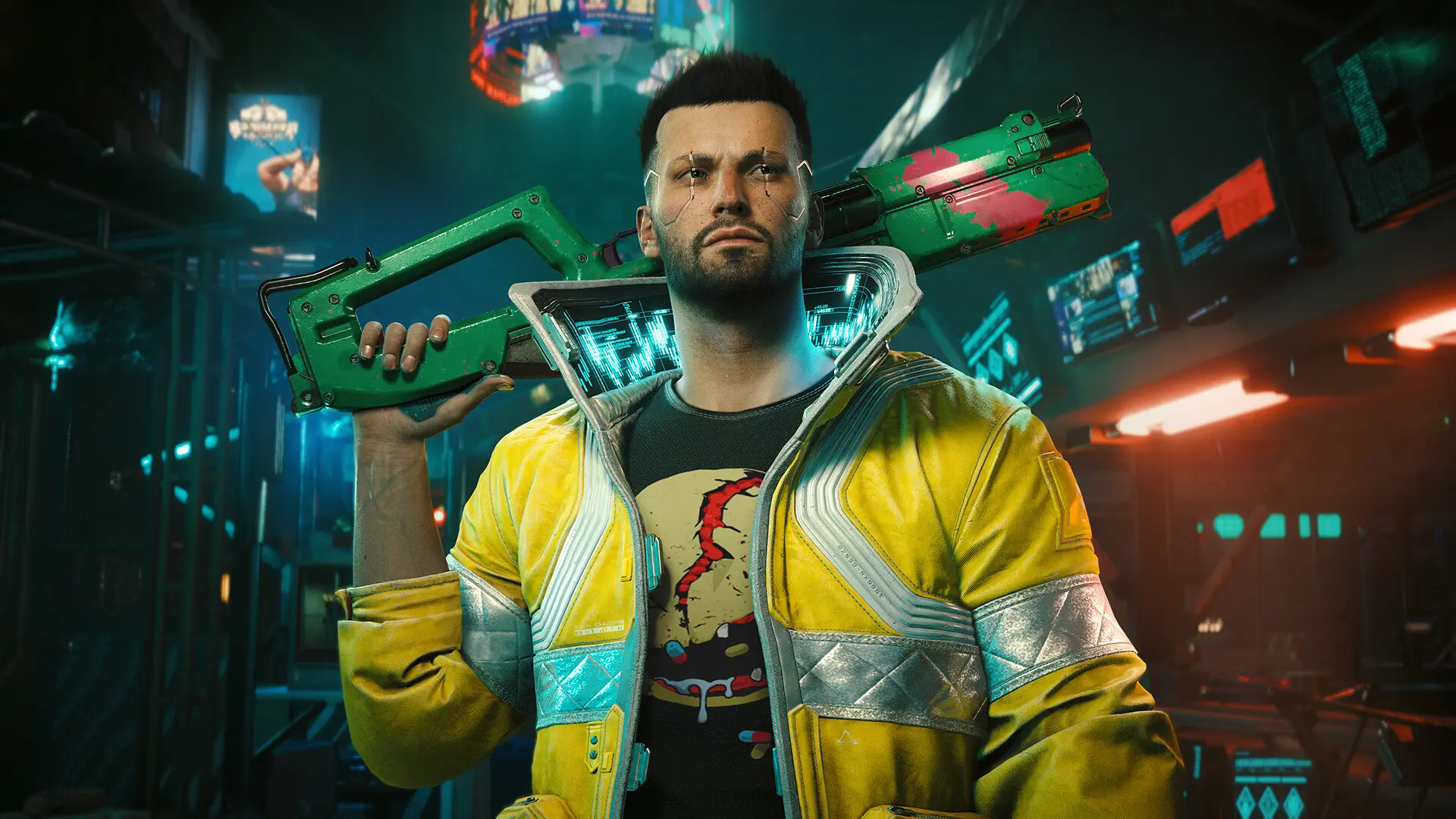
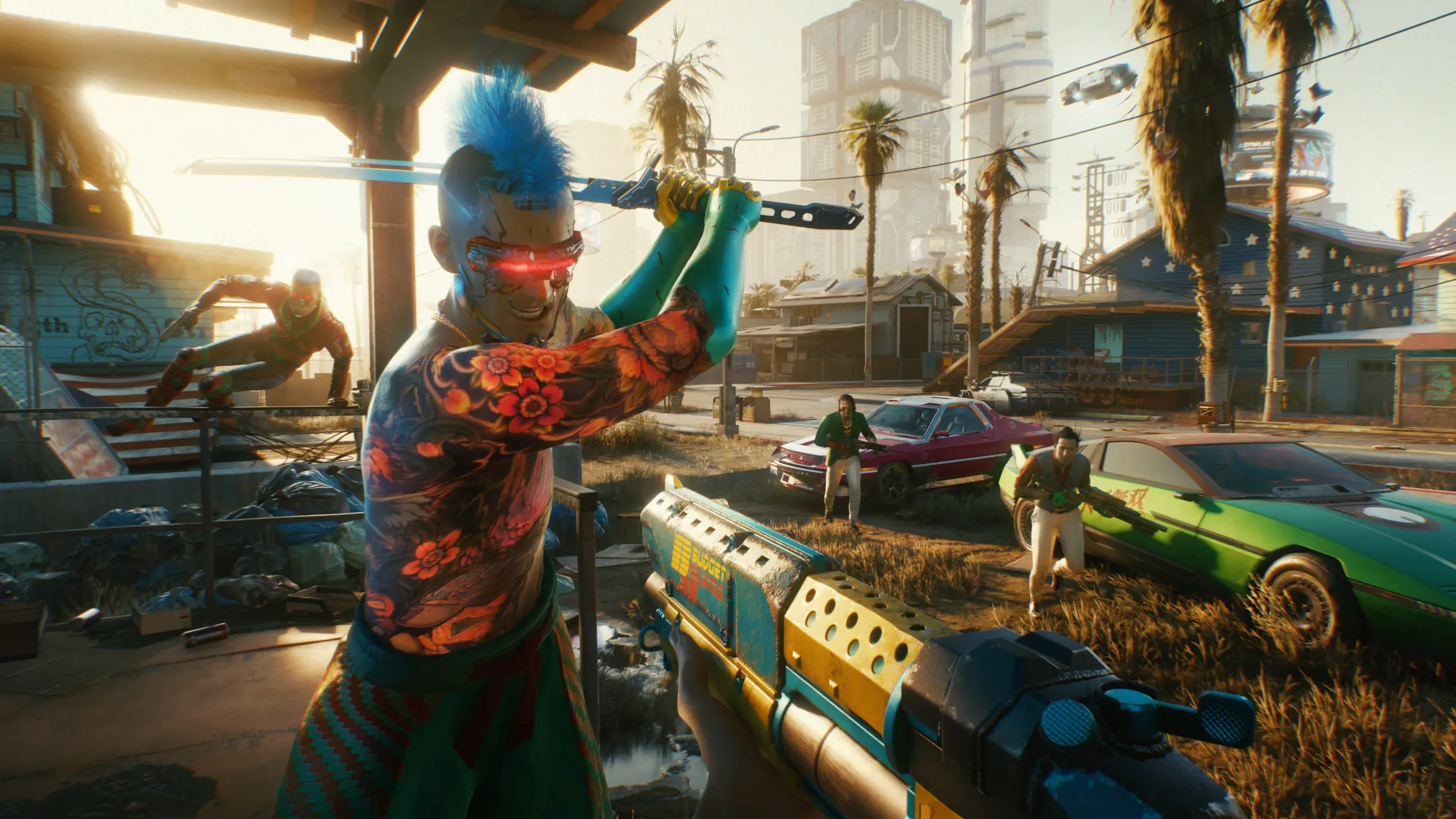
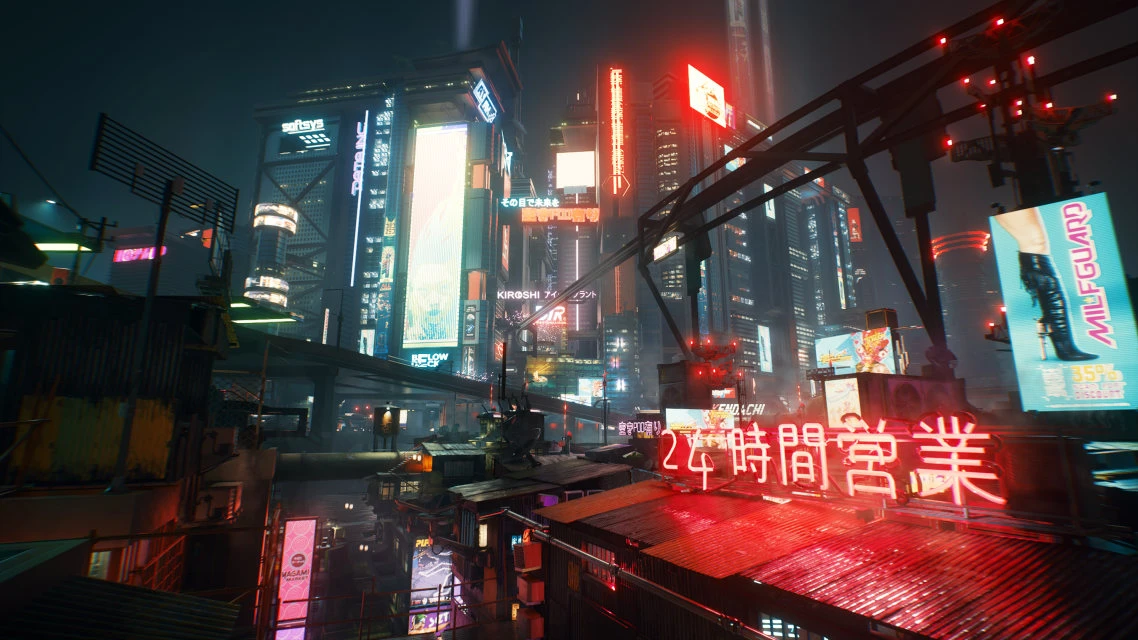
Cyberpunk 2077 Ultimate Edition is finally simple to recommend, but it is still easy to start the wrong way. New players look at Night City, see the flood of calls, map icons, skill trees, cars, cyberware, gigs, police scanners, romance paths, and Dogtown hanging off the side of the package, then assume the smart move is to sample everything at once. That is usually the moment the game starts feeling louder than it needs to. Ultimate Edition is the cleanest version of Cyberpunk 2077, not the easiest one to absorb in a single sitting.
CD Projekt Red's Ultimate Edition bundles the base game, Phantom Liberty, every free DLC, and the major post-2.0 overhaul that reworked systems like skill trees, vehicle combat, enemy AI, and police AI. It is also the version now stretched across the current platform set, with Patch 2.31 rolled out for PC, PlayStation 5, Xbox Series X|S, Mac, and Nintendo Switch 2. In other words, this is not the old launch-state conversation anymore. The question for most first-timers in 2026 is not whether the game is finally worth playing. It is how to stop Night City from turning into one giant, exhausting to-do list.
The best answer is to play it like a focused RPG first and a lifestyle sandbox second. Push through the directed opening until the city properly opens up. Pick one combat identity instead of trying to be good at every toy in the box. Use early gigs and side work to fund your cyberware instead of buying into the fantasy of being rich on day one. And save Phantom Liberty for the moment when Night City already makes sense, because Dogtown lands harder as an escalation than it does as a shortcut.
Do Not Treat the Opening Like a 100-Hour Checklist
Cyberpunk 2077 starts narrower than people remember. The lifepath intro gives you flavor, but the real opening hours are built to walk you through V's climb from hungry merc to someone chasing a job big enough to change everything. The official game page still frames the core story around V trying to steal a one-of-a-kind implant while taking gigs and building a legend in Night City. That structure matters for a first run, because the opening is teaching you tone, momentum, and the difference between the game's authored story beats and its open-world distractions.
So the first thing to play is not Phantom Liberty and it is not every side marker you can physically reach. The first thing to play is the base game's opening path until the city feels like a city instead of a lobby. Give the story enough room to introduce V, Johnny, the basic systems, and the rhythm of jobs, downtime, and consequences. Cyberpunk has plenty of optional content, but it actually becomes easier to read once you know who the important voices are and why Night City keeps trying to pull you in five directions at once.
This is also why first-time players should resist the temptation to clear every icon in the opening district before the story has fully widened. Map-clearing looks productive, but in Cyberpunk it can flatten the experience into chores before the game has earned your curiosity. A much better approach is to let the main story establish the stakes, then use side content in small waves. That keeps the world feeling dense instead of bloated and helps you notice which activities you actually enjoy instead of treating every marker like unpaid homework.
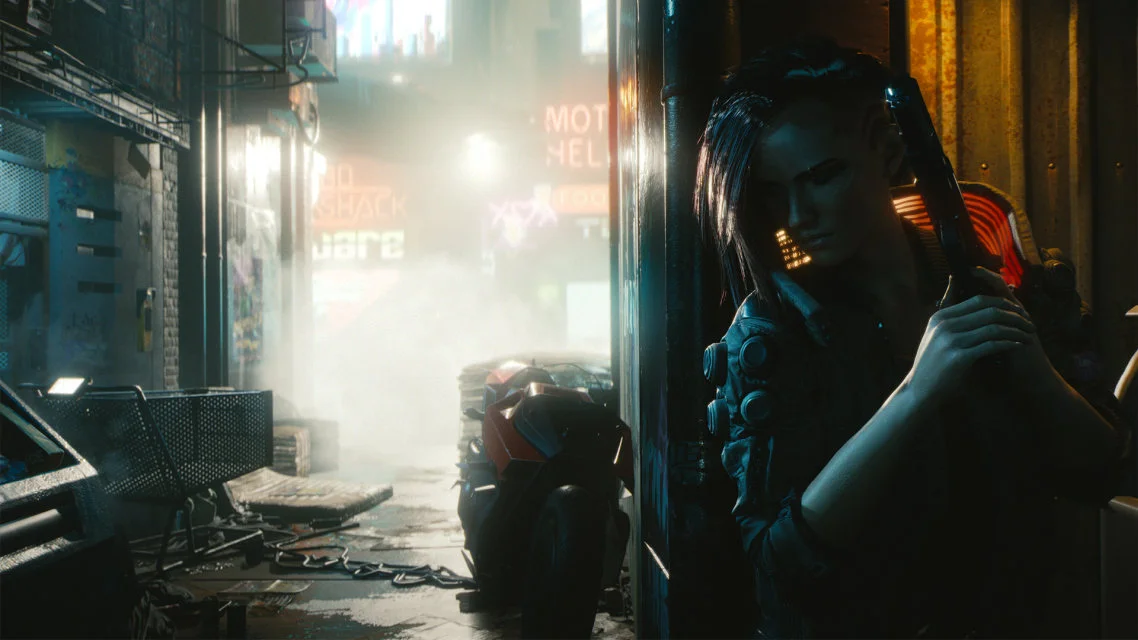
Once Night City properly opens, keep your first free-roam loop small on purpose. Stay close to your current story neighborhoods, take the calls that sound interesting, and learn how the city flows before you start treating the entire map like a completion plan. The official site describes Night City as a place packed with things to do, places to see, and people to meet, and that is exactly why a narrow first loop helps.
Pick One Combat Identity and Let the Build Grow From There
The biggest early build mistake in Cyberpunk 2077 is spreading attribute points around because every option looks useful. They are useful. That is the problem. The game feels much smoother when your first ten to fifteen hours have a clear center. The official gameplay description still sells Cyberpunk on skills, perks, hacking, upgradeable weapons, and body-enhancing implants working together to support your style. Read that as permission to specialize, not a warning that you need to master every system immediately.
If quickhacks are the fantasy that pulled you in, lean into that early. CD Projekt Red's support docs still spell it out plainly: Intelligence directly affects quickhack proficiency, RAM cost, RAM recovery, and advanced abilities like Quickhack Queue and Overclock. That makes hacking one of the easiest playstyles to understand as a new player because the feedback loop is clear. Invest in the thing you want to do, and the game gets better at letting you do it.
Advertisement

If your version of V is more guns-and-mobility than netrunner, the same principle still applies. Pick the weapon families and movement style you actually enjoy, then spend points like you mean it. You do not need a perfect build at level 8, but you do need a lane. A first run built around rifles and movement, stealth and headshots, or blunt-force survivability is easier to learn than a half-finished hybrid that never feels strong enough to trust. Cyberpunk gets more fun the moment your character starts solving problems in a recognizable way instead of fumbling through every encounter like a tourist.
This matters even more because the current version of the game rewards identity. Cyberware, perks, and weapon choices start to click once they support the same fantasy. A stealth-leaning V notices different advantages than a shotgun brawler. A hacking-heavy V reads cameras, sightlines, and access points differently than someone who wants to sprint through the front door. Ultimate Edition does not ask you to pick the one correct build. It asks you to stop pretending the first build has to do everything.
Use Gigs and Small Jobs to Fund the Version of V You Actually Want
The official Cyberpunk 2077 story page still emphasizes gigs for a reason. They are where the early game stops feeling like tutorial residue and starts feeling like your own run. A handful of gigs, scanner hustles, and side jobs will do more for your first ten hours than roaming aimlessly for collectibles or buying cosmetic flexes too early. These smaller jobs teach combat pacing, stealth routes, vehicle handling, and district personalities while quietly building the money and gear cushion that makes the main story feel less brittle.
That is also where the current item-tier system helps you relax. CD Projekt Red's support pages lay out level thresholds for loot and cyberware, with weapon Tier 2 becoming widely available at level 9, Tier 3 at level 17, Tier 4 at level 25, and cyberware tiers stepping up at levels 10, 20, 30, and 40. The useful beginner takeaway is simple: do not panic if your level-5 arsenal feels disposable. It is supposed to. Early loot is not the place to chase perfection. Early loot is the place to learn what kind of tools you actually keep reaching for.
Save Phantom Liberty Until Night City Already Makes Sense
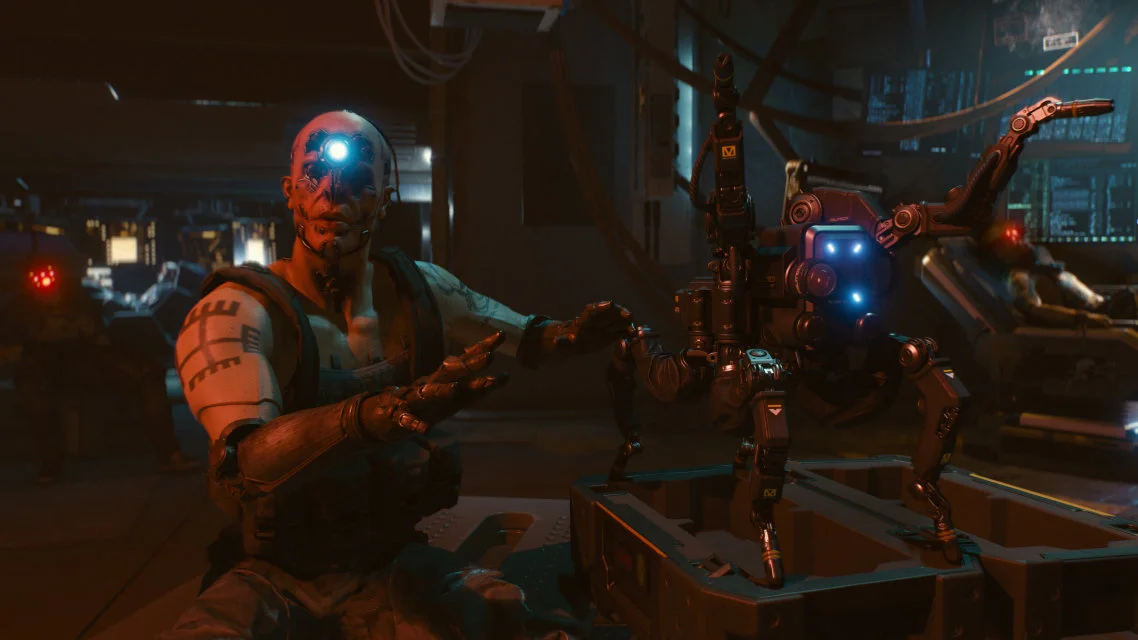
Phantom Liberty is part of the Ultimate Edition package, but it does not have to be the first thing you chase. CD Projekt Red describes the expansion as a spy-thriller adventure that pulls V into Dogtown, a walled-off district full of espionage, new gigs, dangerous alliances, and the expansion-exclusive Relic skill tree. That is a strong sales pitch because Dogtown is built like an escalation. It assumes Night City already has weight. The expansion is more satisfying when it feels like a new pressure zone layered onto a life you have already started to understand.
Can you jump toward it early? Technically, yes. CD Projekt Red's current support flow still includes a path for players who skipped ahead to Phantom Liberty. But for a true first run, that is rarely the best move. Dogtown is sharper, meaner, and more politically loaded when you already understand how the base game talks, how its factions operate, and why V being pulled into another high-stakes mess feels like escalation instead of noise. Phantom Liberty is one of the reasons Ultimate Edition is such an easy recommendation now. It just is not the best tutorial for what Cyberpunk 2077 is.
A good personal rule is to wait until you have a build you trust, a few favorite tools, and a real feel for the city's side content loop. Once your V can comfortably move through gigs, survive bigger fights, and make sense of the people calling your holo, Dogtown becomes thrilling. Before that, it can feel like you opened the hardest, busiest drawer in the house before learning where the forks are.
What to Do First in Your First 10 to 15 Hours
If you want the short version, it goes like this. First, let the main story carry you through the heavily directed opening instead of trying to play Cyberpunk like a free-roam sandbox from minute one. Second, pick a lane for your build as soon as the perks and cyberware menus start competing for your attention. Third, use side jobs and gigs to stabilize your money, your gear, and your confidence before you start chasing every shiny thing on the map. Fourth, keep Phantom Liberty in reserve until the base game already feels good in your hands.
What that means in practice is surprisingly grounded. Spend time with the story. Visit ripperdocs with a plan instead of browsing like you are at a mall. Test a small number of weapons until you know what feels right. Let a few nearby gigs teach you how stealth, hacking, dialogue pressure, and loud combat all feel with your build. When money comes in, turn it into upgrades that make your chosen playstyle cleaner. And when Night City finally starts feeling less hostile and more seductive, that is your sign that the game has properly started.
That is the real start-here advice for Cyberpunk 2077 Ultimate Edition in 2026. Play the base game until the city breathes. Build a V with a point of view. Let gigs bankroll your cyberware. Treat Dogtown like an escalation, not an appetizer. Do that, and Ultimate Edition stops feeling like a messy archive of years of fixes and bonus content. It starts feeling like what it was always trying to become: a sharp, stylish RPG that is much better once you stop fighting its shape and let Night City introduce itself in the right order.