Why Cyberpunk 2077 Is Still Gaming’s Biggest Comeback Debate
Cyberpunk 2077 is still one of the first games players mention when they argue about whether a bad launch can be repaired.
That is what makes the game so interesting. It is not just discussed as an RPG anymore. It has become a case study about hype, broken trust, updates, forgiveness, and whether a studio can change the story after release.
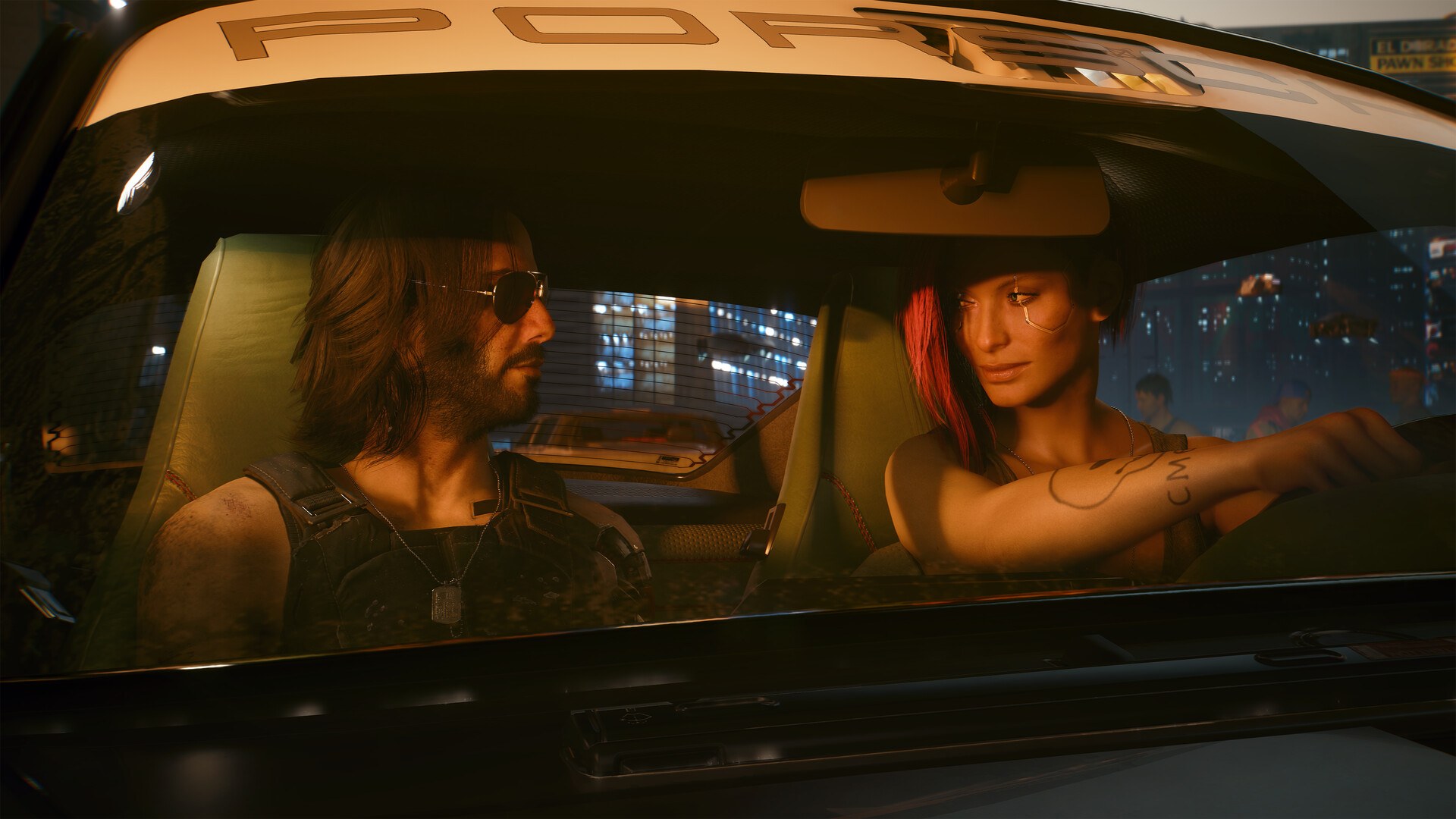
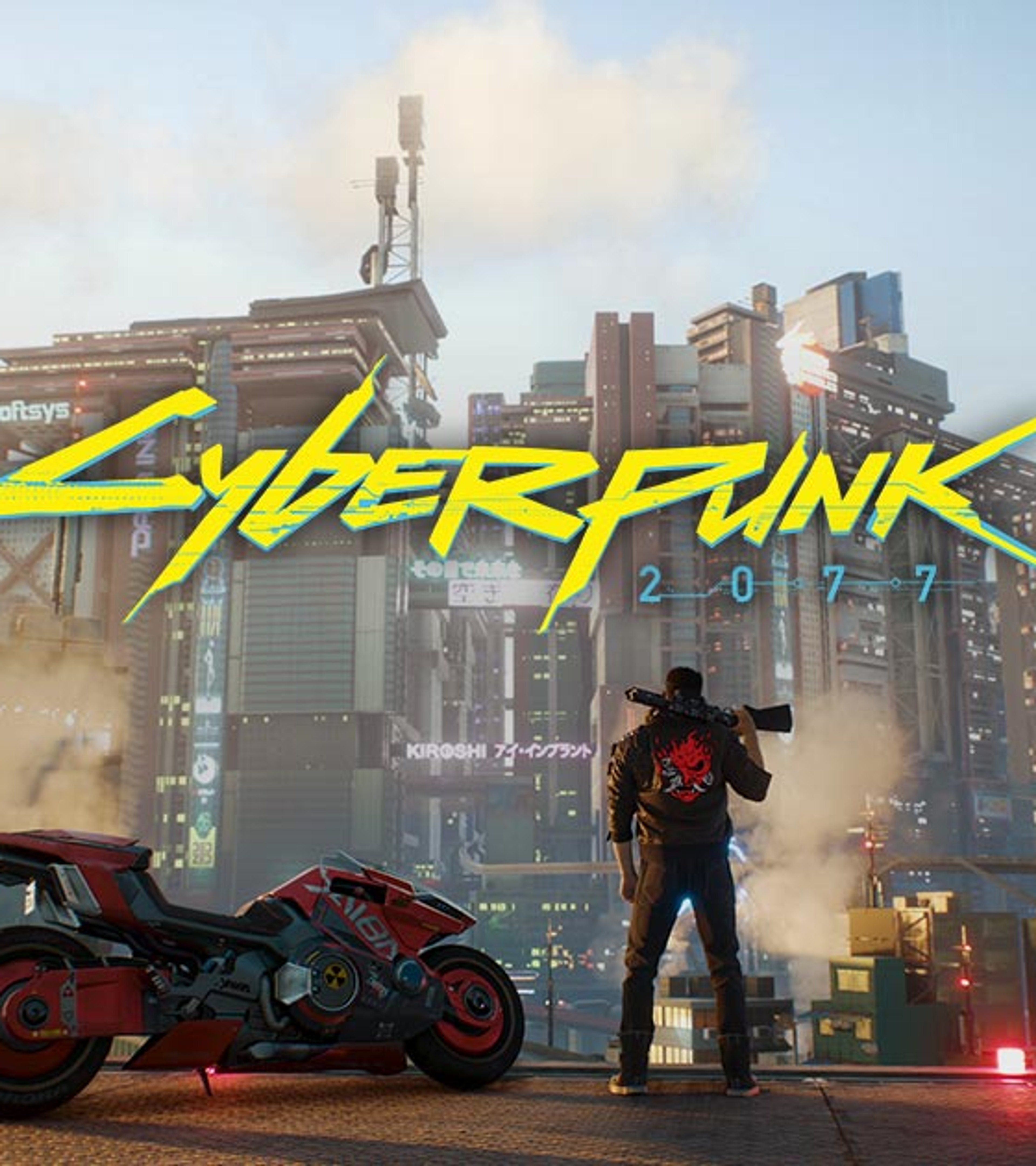
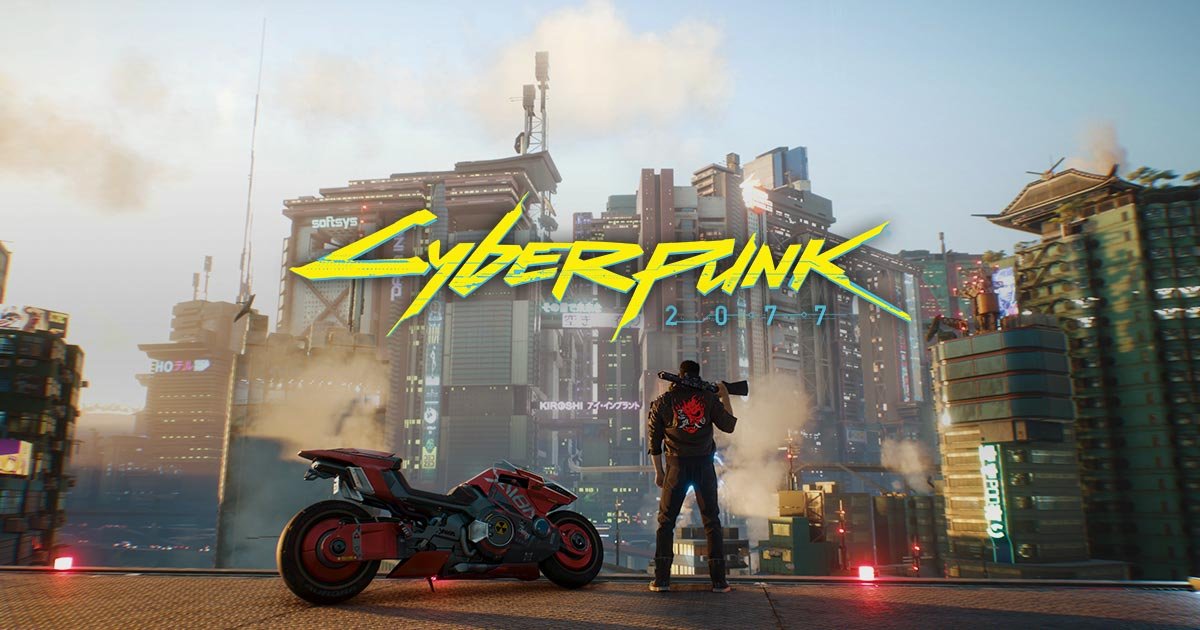
CD PROJEKT RED’s official Cyberpunk 2077 website shows how the game is presented today. That matters, but it does not settle the debate.
An official page can show the current version of the game. It cannot erase what players remember from launch. It also cannot prove that everyone now sees the game the same way.
That is where the argument starts.
For some players, Cyberpunk 2077 is proof that a game can recover. They look at the improvements, the changed conversation, and the current reputation as evidence that one bad launch does not have to define a game forever.
For others, the comeback story is harder to accept.
They worry that if a game can launch badly and fix its reputation later, publishers may start treating launch-day trust like it does not matter. For those players, the first version still counts because that is when many people bought the game and formed their opinion.
Both sides have a point.
A game can get better after launch. That should matter.
But the launch still happened. That should matter too.
That is why Cyberpunk 2077 is not a simple redemption story. It sits in the middle of a bigger question: should a game be judged by what it is now, or by what it was when players first paid for it?
The easy answer is to pick one side. Call it a comeback and move on. Or freeze it forever as a launch disaster. But both reactions miss the real story.
Cyberpunk 2077 has two identities now.
There is the game CD PROJEKT RED presents today. And there is the memory of the launch that still follows it. That tension is why players keep arguing about it.
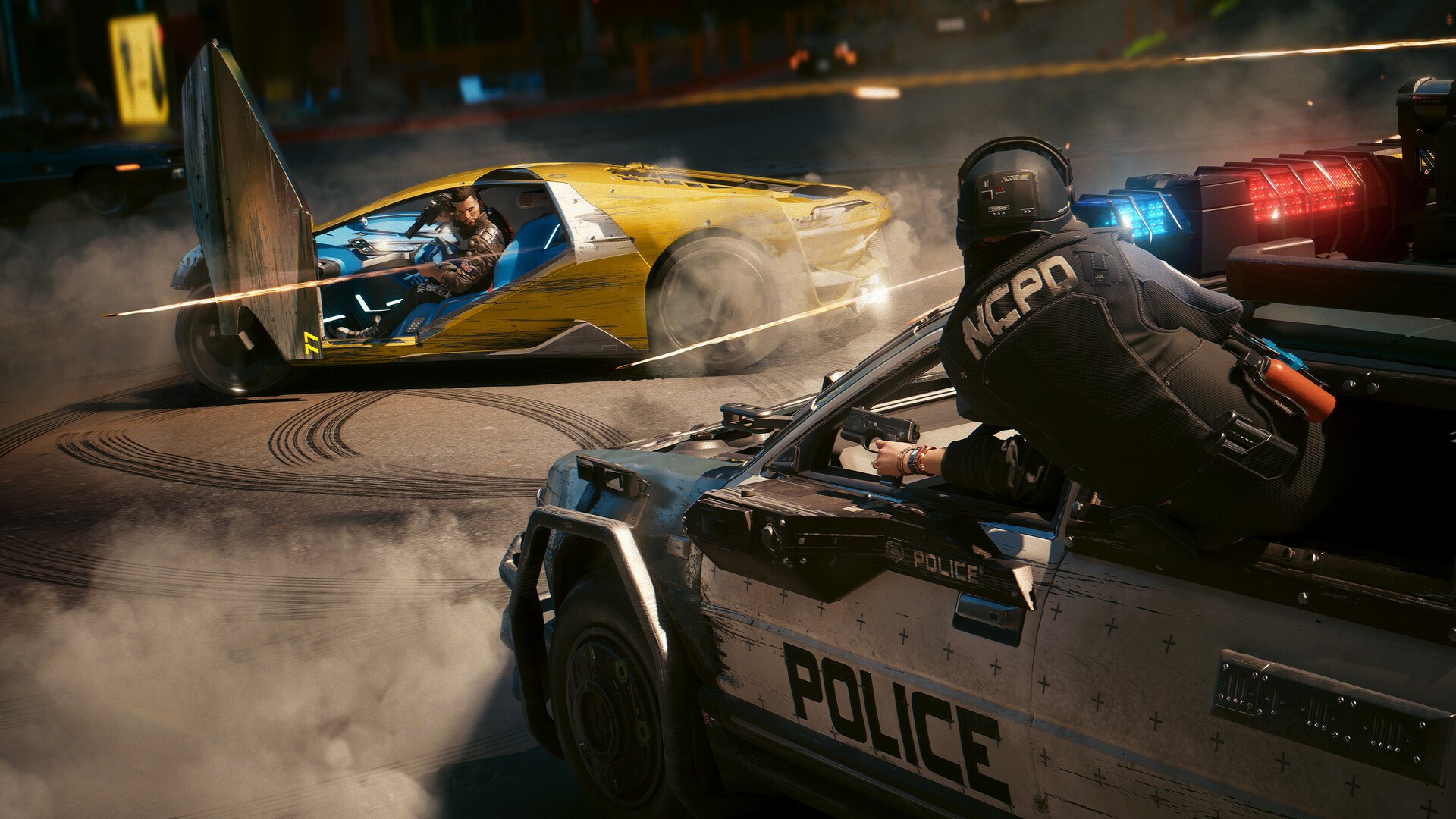
Modern games are not always fixed products. They can change through patches, updates, expansions, and years of support. But that also creates a problem. If a game improves later, how much should that change the way people remember it?
Improvement does not automatically mean forgiveness. A better current version does not erase early criticism. A stronger reputation does not mean every player forgot the original disappointment.
At the same time, ignoring the game’s current state would also be unfair. If a game has changed, coverage should reflect that.
The best way to talk about Cyberpunk 2077 is to hold both ideas at once.
Talk about the game as it exists now, but do not erase the launch that made it such a major gaming debate.
That is the real takeaway.
Cyberpunk 2077 is still relevant because it represents one of the biggest questions in modern gaming: can a game truly repair its reputation, and what does that repair actually mean?
What still makes Cyberpunk 2077 fascinating is not just that it came back.
The story is that players still cannot agree on what a comeback should count for.