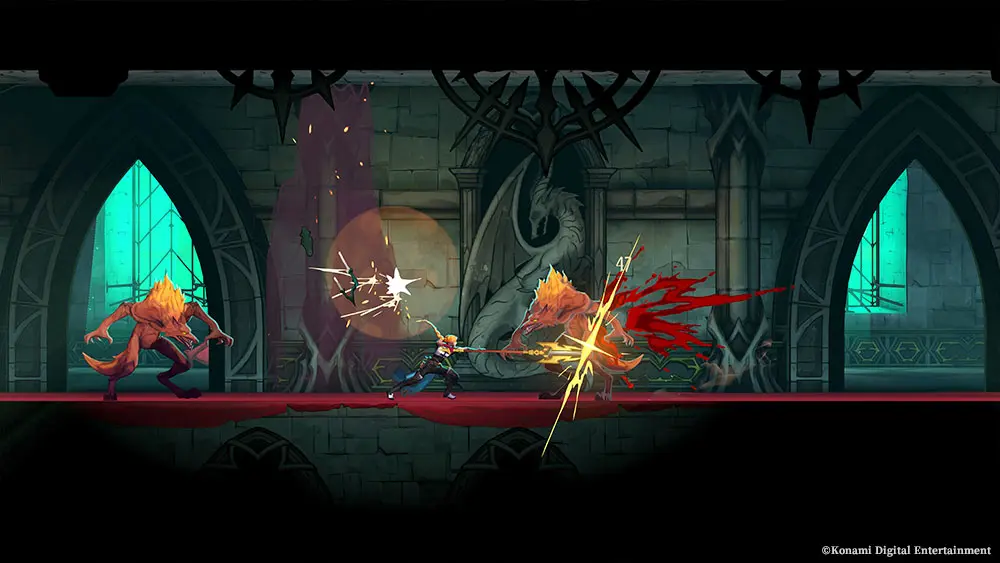
Castlevania: Belmont’s Curse Bloody Tears Trailer Shows Rose vs. Dracula
Watch the Castlevania: Belmont’s Curse Bloody Tears trailer and see the release date, platforms, single-player status, bosses, and current price.



Genre
Platformer games built around jumping, movement, timing, stage design, collectibles, classic series, and precision play.
Explore








Read next
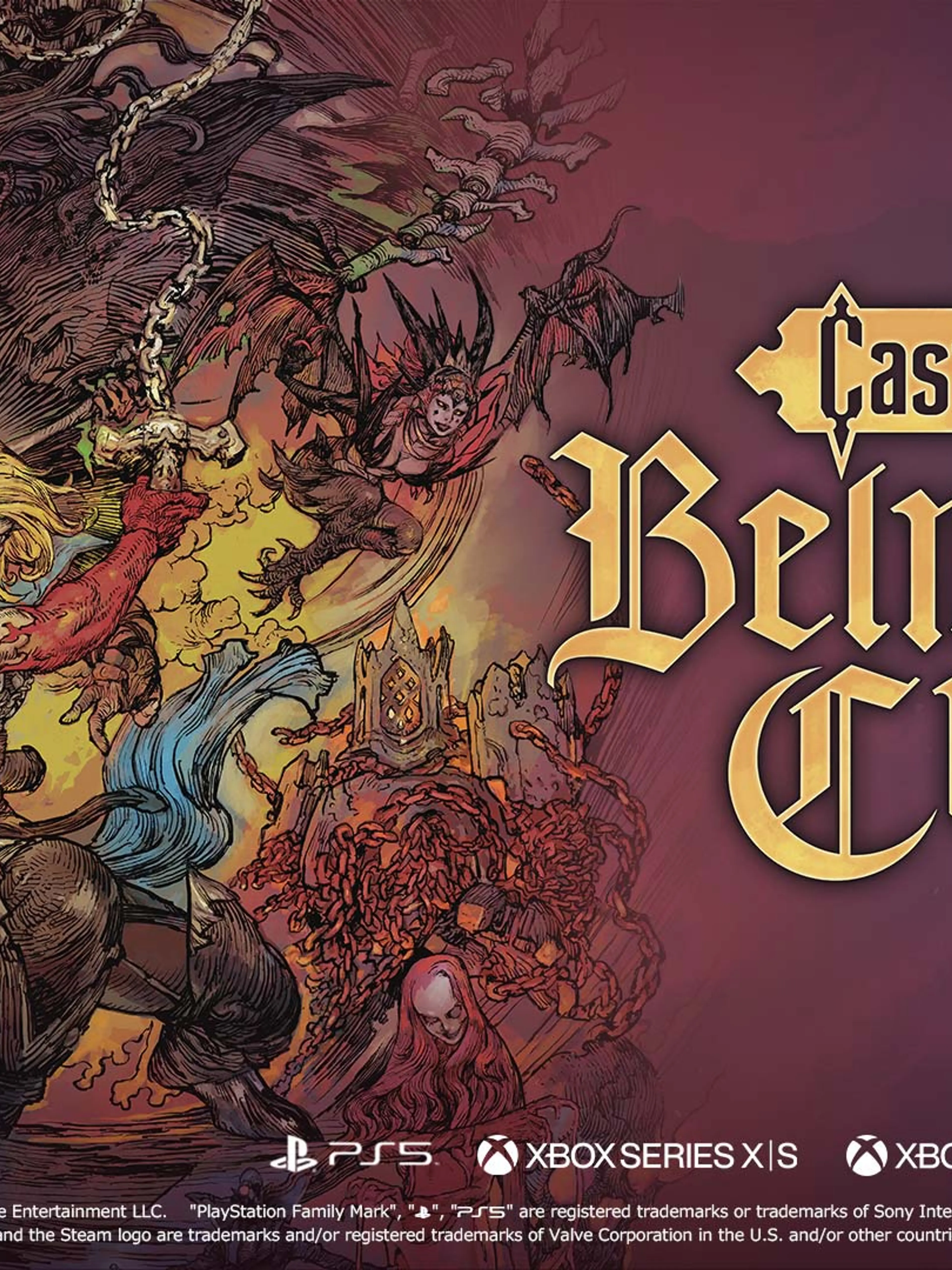
Watch the Castlevania: Belmont’s Curse Bloody Tears trailer and see the release date, platforms, single-player status, bosses, and current price.

KONAMI PRESS START airs September 3. See the start time in each region, where to watch, runtime, confirmed games, and the Silent Hill remake note.
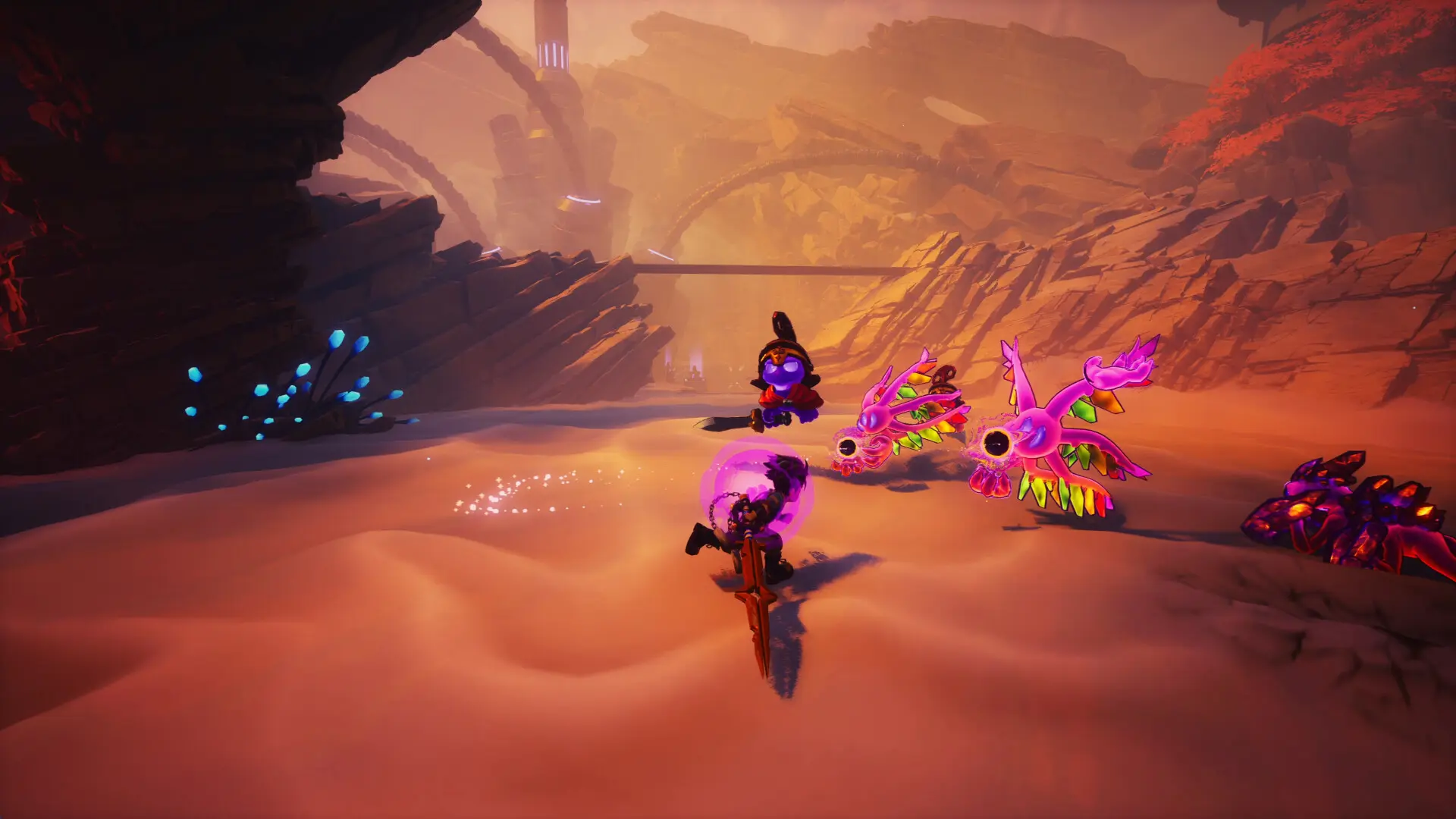
Duskfade takes about 16 hours to fully complete. Here is what changes the story length, completion time, and first playthrough.

A Wisconsin game shop held 97 pristine Super Mario Bros./Duck Hunt cartridges with labels and manuals collectors had never documented before.
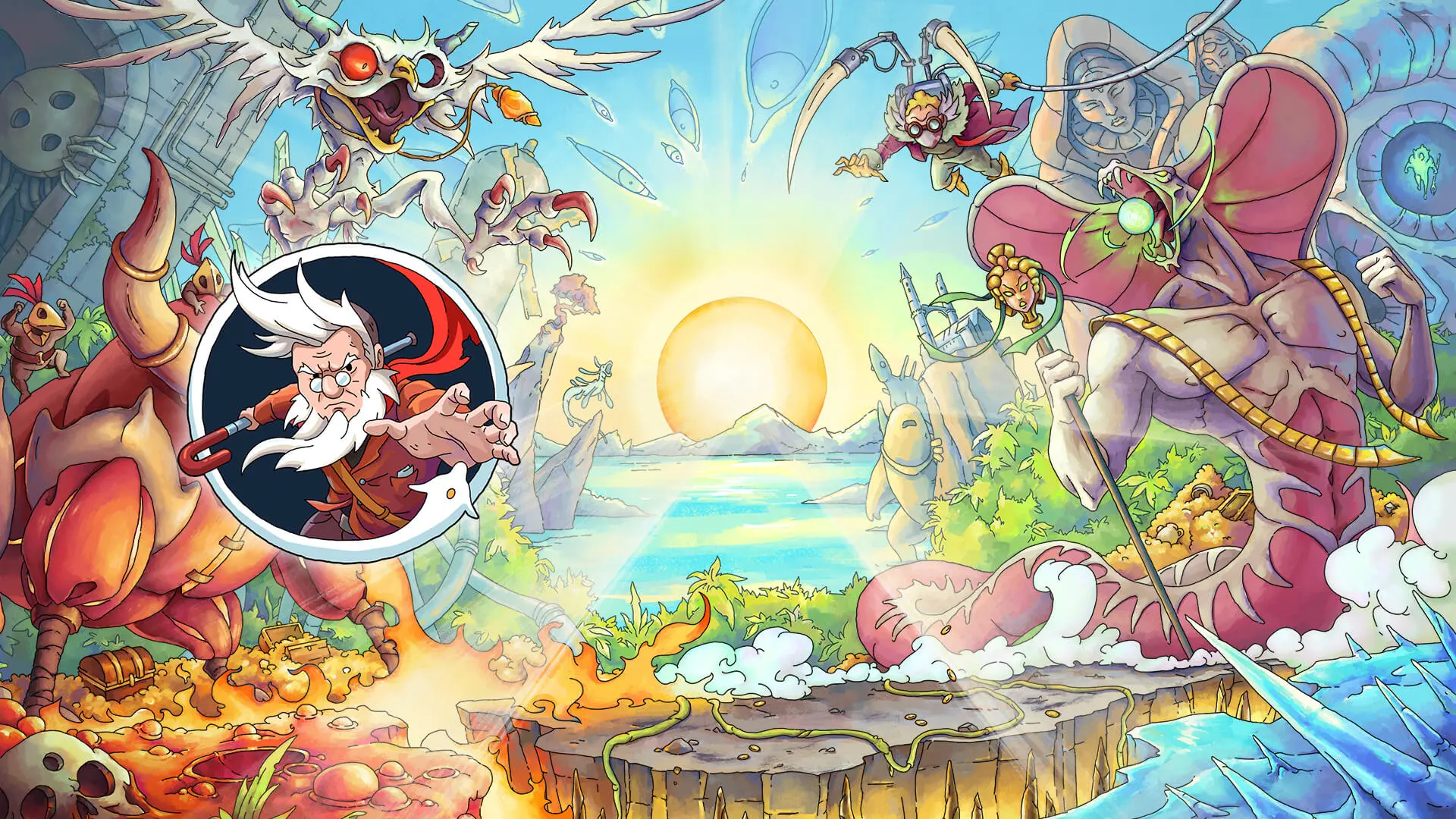
Here is everything confirmed about The Eternal Life of Goldman, including its release-date status, platforms, Game Pass launch, demo, story, and cane abilities.
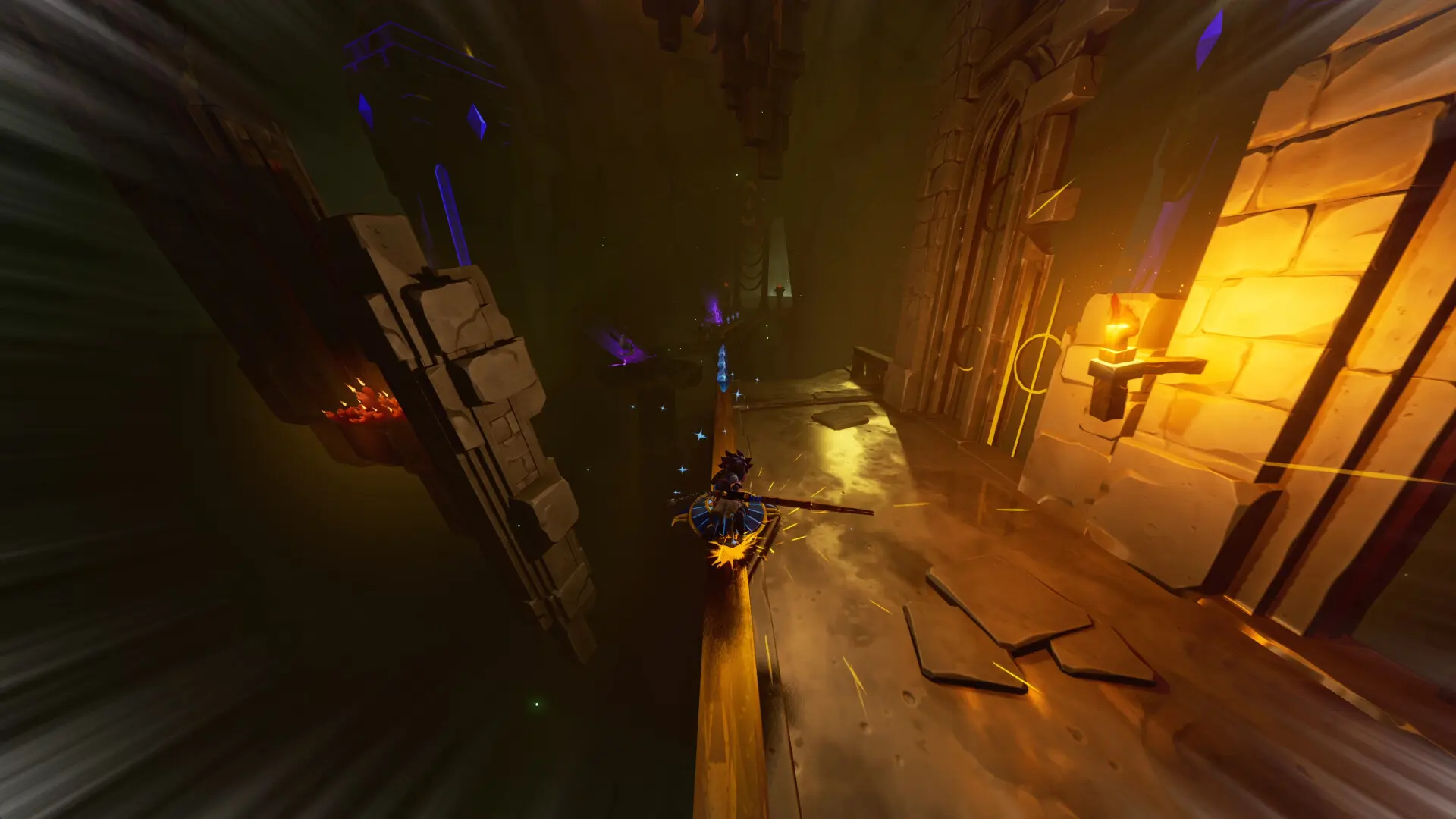
Learn how double jumps, dodge rolls, rails, the hook-shot, and gliding work together in the Duskfade demo.