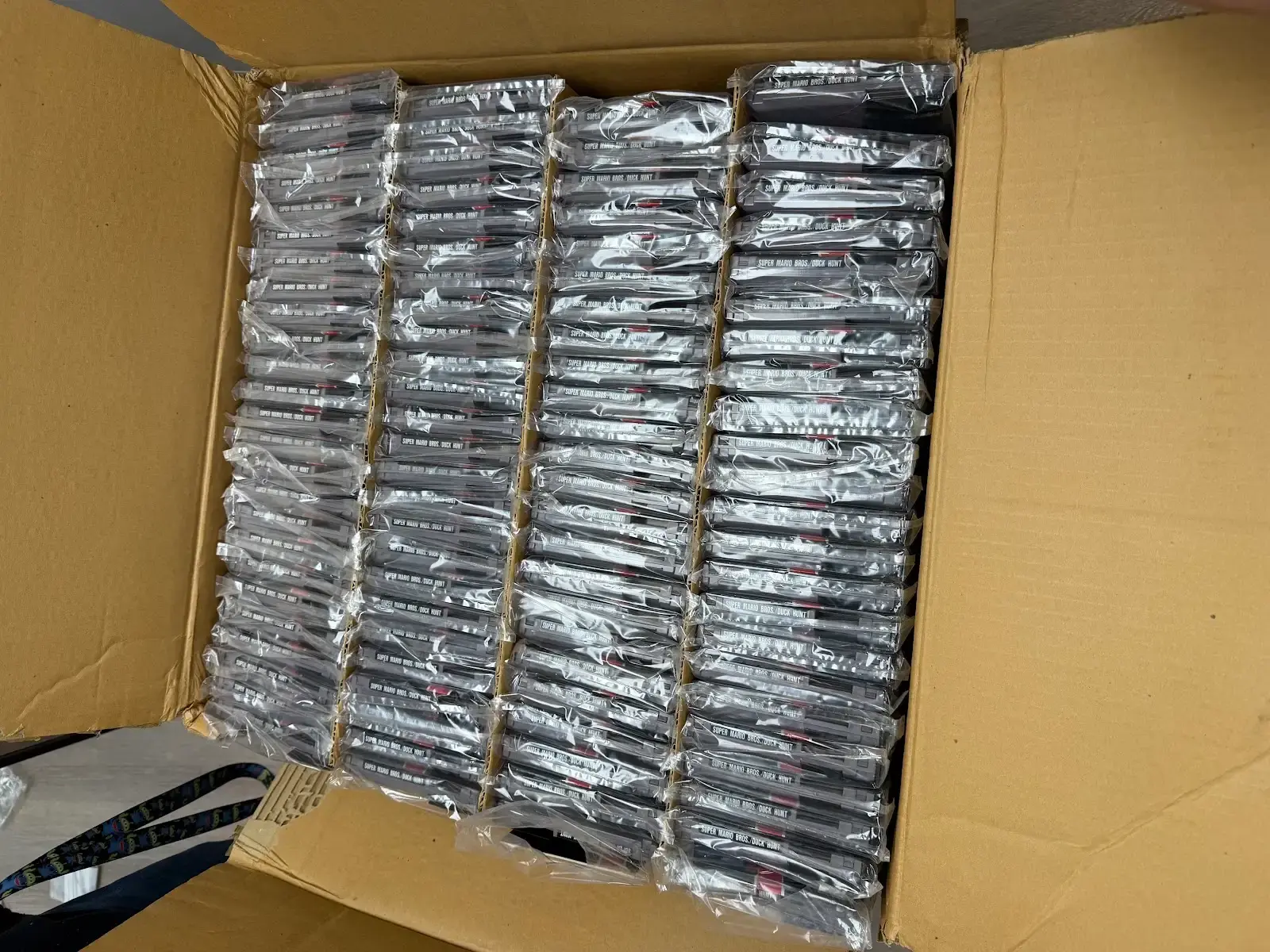
97 Super Mario Bros./Duck Hunt Cartridges Were Nearly Melted for Gold
A Wisconsin game shop held 97 pristine Super Mario Bros./Duck Hunt cartridges with labels and manuals collectors had never documented before.

RELEASED
Super Mario Bros. is the 1985 platformer that made Mario, Luigi, pipes, Goombas, coins, and the Mushroom Kingdom feel instantly readable. Its appeal is pure movement: run, jump, learn the stage, find the secret, and try again.
Platforms


Play modes
Developer / Publisher
Super Mario Bros. still works because almost every part of it is easy to understand before it becomes hard to master. Mario runs from left to right, jumps over danger, breaks blocks, collects coins, slips into pipes, and chases a castle flag while the stage quietly teaches timing. That simplicity is why the 1985 NES game remains more than a museum piece.
The game gives the Mario franchise its most important shape. The Mushroom Kingdom, Goombas, Koopas, power-ups, underground routes, water stages, castles, and Bowser's threat all became a language that later platformers kept remixing. Even players who started with newer Mario games can feel the blueprint here: readable obstacles, quick restarts, hidden secrets, and a bright world built around movement.
Nintendo's current Mario home also frames the original Super Mario Bros. as a 40th anniversary milestone, which keeps the game relevant for readers coming from newer releases, movie interest, or Nintendo Switch Online nostalgia. It is not the biggest Mario game and not the most forgiving, but it is the cleanest way to see why the series became so durable.
The strongest entry point is curiosity, not completionism. Super Mario Bros. is worth knowing because it explains how platforming became friendly, strict, and addictive at the same time. A jump either works or it does not, and the game trusts players to learn by moving.
Related news
Recent Pixel Twelve coverage tied to Super Mario Bros..
A Wisconsin game shop held 97 pristine Super Mario Bros./Duck Hunt cartridges with labels and manuals collectors had never documented before.
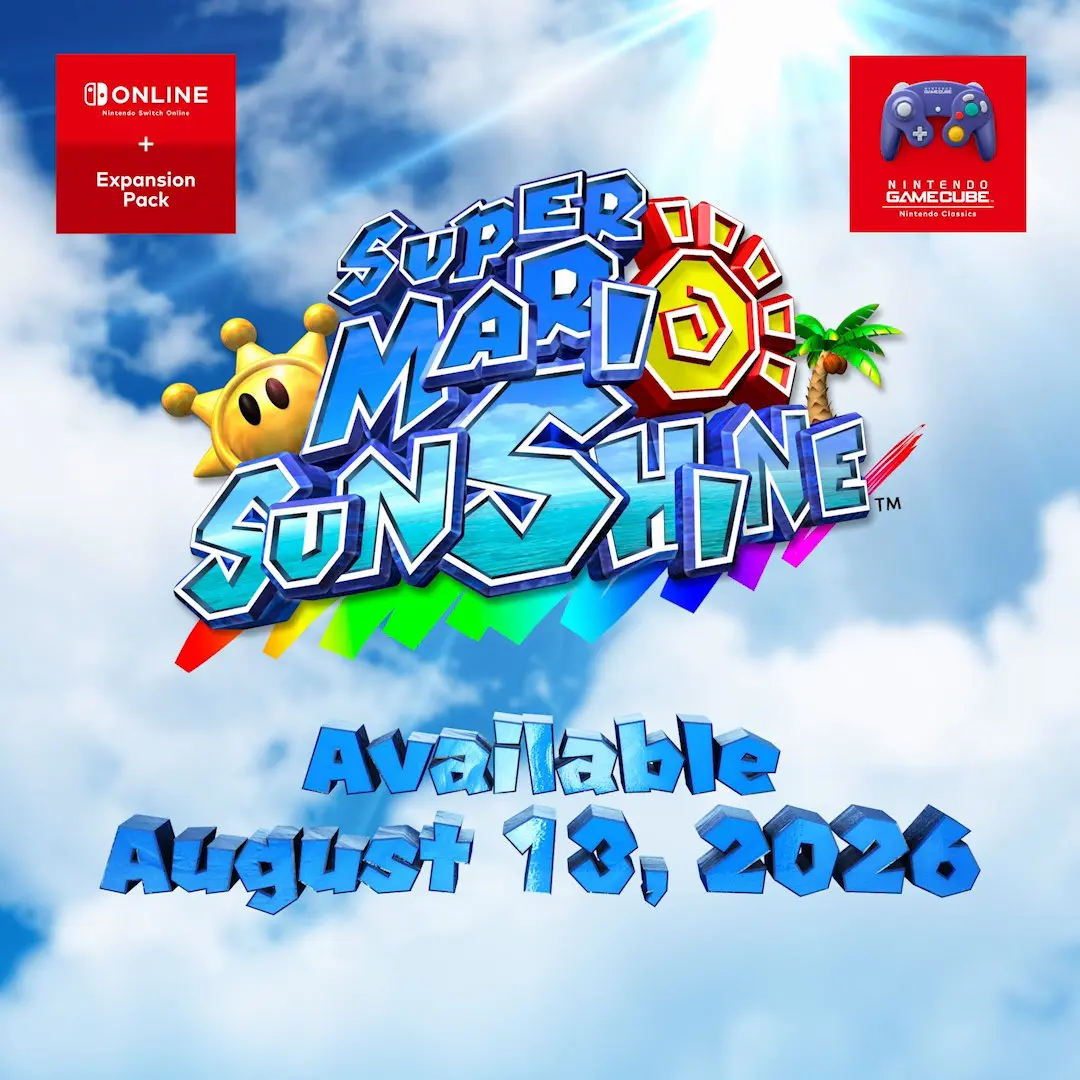
Super Mario Sunshine is now available on Nintendo Switch 2 through GameCube – Nintendo Classics. Here is the release date, membership requirement, and how to start playing.