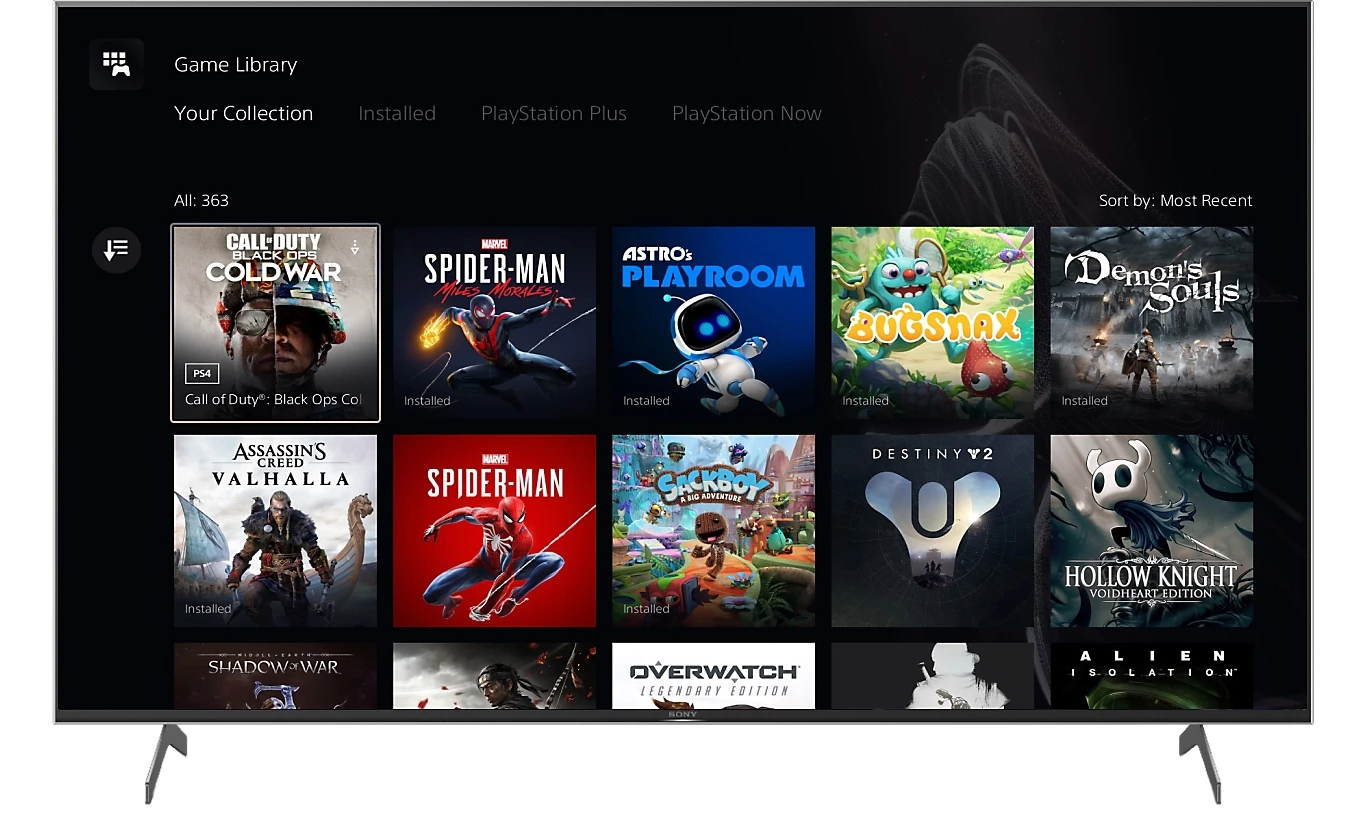
Sony is asking a California federal court to accept a blunt position: people who buy digital PlayStation games already understand that they are receiving a license, not ownership. The argument appears in Sony’s response to a proposed class action over the PlayStation Store’s use of words such as “buy” and “purchase.”
That is a legal argument, not a court ruling. The case is still moving through the early stages, and nobody has decided whether Sony’s checkout language gives buyers enough notice. The filing is drawing attention now because Sony has also announced that new PlayStation games will stop shipping on discs in January 2028.
What Sony is arguing in court
Sony’s lawyers say the company’s existing disclosures make it unreasonable for a customer to believe a digital purchase transfers ownership of the software. The response points to the PlayStation terms and the separate software license agreement, which users accept as part of using the service.
The filing also uses a practical example: if one customer could own a digital copy of a game, another customer could not later buy that same copy. Sony’s point is that the store is granting separate licenses to many customers, not transferring one physical object from one person to another.
What the lawsuit says the store gets wrong
The plaintiffs argue that the storefront presents a normal retail transaction. A customer selects a game, sees a price, presses a button labeled “Buy Now,” and receives a download. In their view, a buried license agreement does not clearly correct the expectation created by that process.
The case relies on California’s digital-goods disclosure rules, which require sellers to make clear when a transaction grants a license instead of ownership. The plaintiffs say PlayStation’s labels and purchase flow do not meet that standard. Sony says the agreement and checkout disclosures do.
No judge has decided who is right. Sony is asking the court to send the dispute to individual arbitration or dismiss it, while the plaintiffs are trying to keep the proposed class action alive.
What PlayStation’s license actually grants
Sony’s current U.S. software agreement uses language that is easy to miss during a game purchase. It grants a limited, non-exclusive, non-commercial, non-assignable, revocable right to use the software on the authorized PlayStation product. It also says that users receive no ownership rights, title, or interest in the software itself.
That does not mean a game disappears every time a publisher changes a contract. It means the legal relationship is different from owning a disc or another physical copy. The license is connected to the account, the platform, and the terms that govern access, while Sony and its licensors retain the intellectual-property rights.
Advertisement

Does this mean Sony can delete every game tomorrow?
No. Sony’s filing does not announce a plan to remove current purchases, and the lawsuit is not a new delisting notice. It is a dispute about what buyers were told at the point of sale and whether the company’s legal terms are enough under California law.
The license language does explain why players are uneasy. The agreement allows Sony to limit or revoke the right to use software under its terms, and online features can depend on services that a publisher may eventually shut down. Those possibilities are different from saying that every paid game will suddenly be taken away, but they are also why “you bought it” and “you licensed it” do not feel interchangeable to customers.
Why the timing is especially bad for Sony
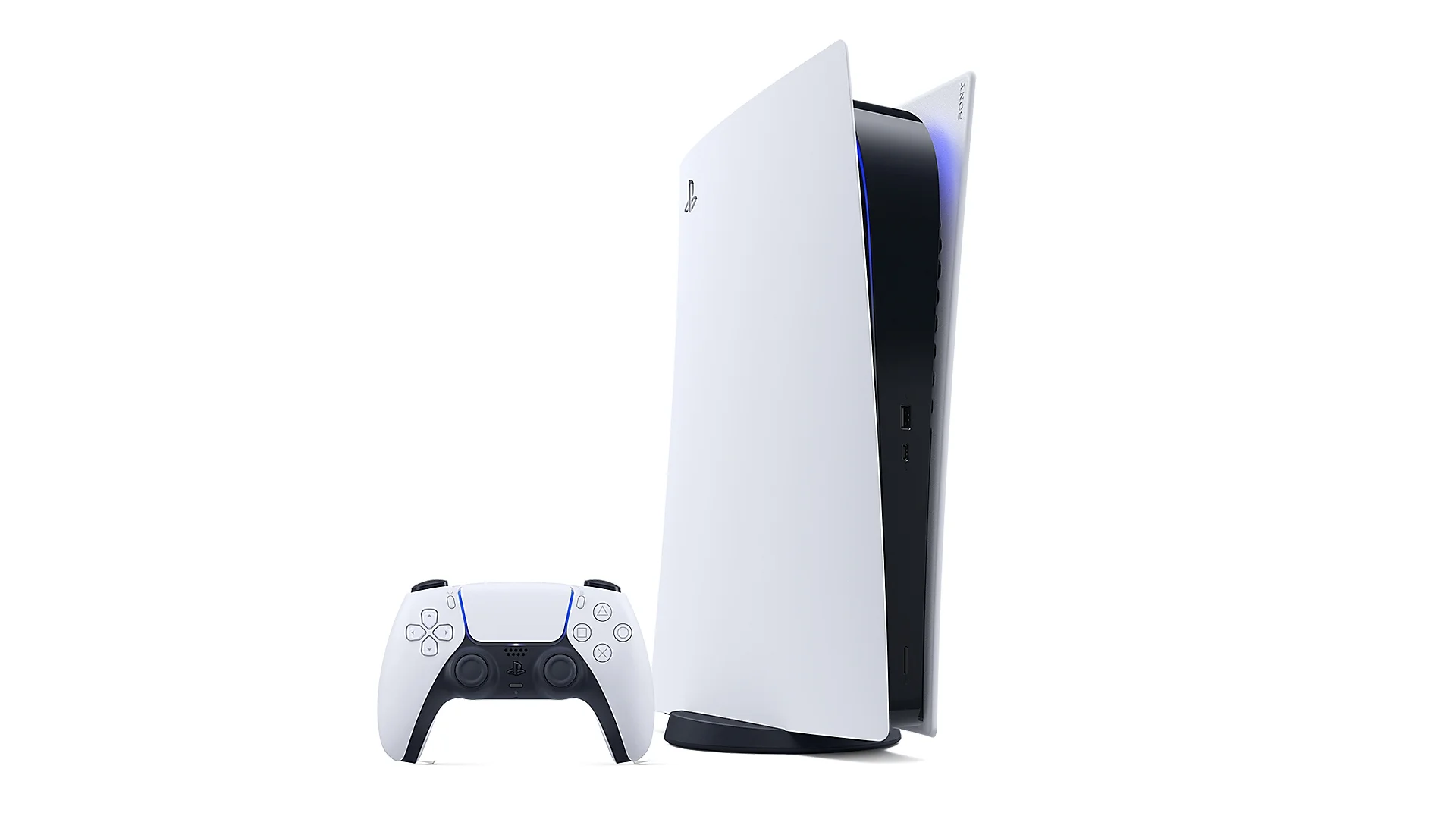
Sony announced in July that new games released on PlayStation consoles will move to digital-only distribution starting in January 2028. Existing games and titles already planned for disc release are not covered by that transition, but future buyers will have fewer opportunities to choose a physical copy.
That announcement already triggered a fight over preservation and control. Our PlayStation disc backlash report explains why players see the policy as more than a packaging change.
The community response also produced a week-long boycott campaign. Read our PSBlackout coverage for the dates and the demands fans posted during the protest.
Moving toward digital sales is not automatically a problem. Digital delivery is convenient, patches are easier to distribute, and many players already prefer downloads. The harder sell is charging full retail prices while describing the result in terms that leave customers with fewer rights than a physical purchase traditionally suggests.

What players should take from the case
For now, a PlayStation digital purchase gives you access through your account under Sony’s software terms. Keep receipts, protect the account that owns the license, and check the rules that apply in your country. Local consumer-protection laws can provide rights that a platform agreement cannot remove.
Players who care about long-term access should also pay attention to whether a game needs an online connection, whether its servers are still supported, and whether a physical edition contains the full game or only a download code. Those details tell you more about future access than the word “physical” on a box.
Our guide on whether people still buy games on disc looks at the sales trend behind Sony’s shift, while our coverage of 13 games leaving the PlayStation Store shows how licensing decisions can affect a digital library.
Sony’s legal position may match the fine print, but the customer complaint is about the whole transaction. A store that says “Buy Now,” charges $70, and places the ownership warning in a separate agreement is asking people to read two different messages at once. The court will decide whether that is legally sufficient. Players are already deciding whether it feels honest.