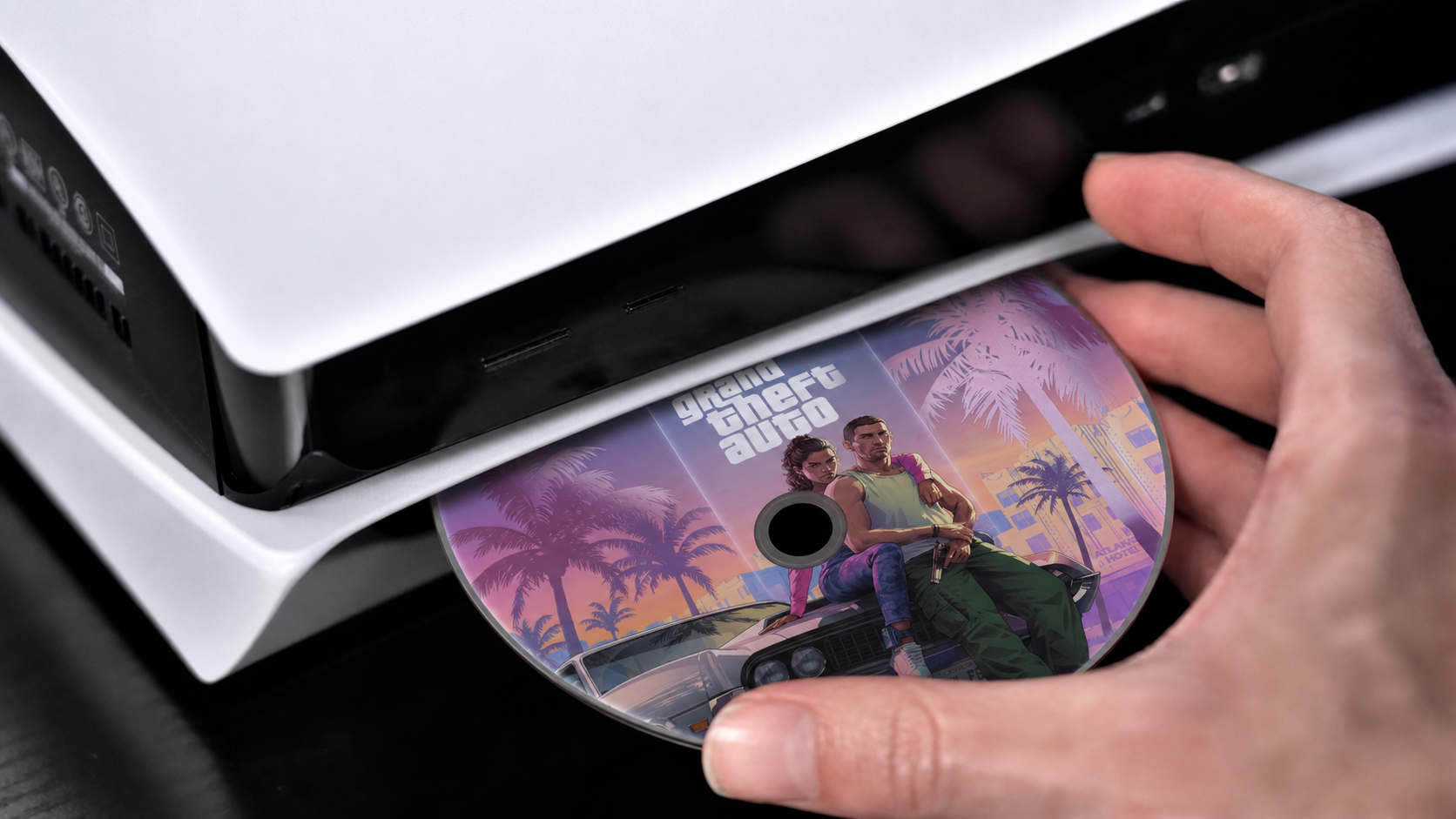
Sony’s decision to stop producing physical PlayStation discs for new games starting in January 2028 should have been a dry platform-policy update. Instead, it landed like a flare in the middle of gaming’s longest-running argument: when a game lives inside a storefront account, do players really own it, or are they just renting access until a license, server, console, or corporate strategy changes?
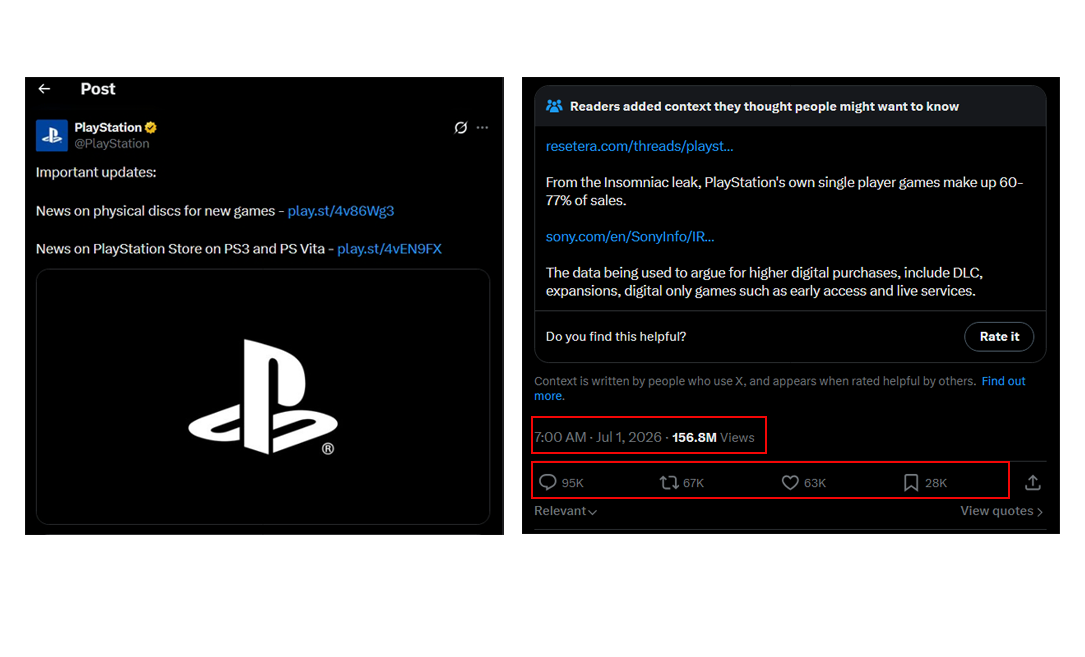
That is why the backlash has moved so quickly. Business Insider reported that Sony’s announcement post had already pulled in 145 million views and 90,000 replies by Monday morning, with many of the loudest responses focused less on convenience and more on control. Digital-only players exist in huge numbers, and plenty of them are happy never swapping a disc again. But the anger is coming from people who see physical media as the last consumer pressure valve left in the console market: resale, lending, collecting, discounts, and a copy that does not disappear because a store page changed.
The timing made the message even harder to swallow. The disc announcement arrived in the same news cycle as fresh anxiety over purchased films being removed from PlayStation libraries because of licensing agreements. That does not mean the exact same thing will happen to games tomorrow. It does mean Sony made a future-facing announcement at the moment when players were already thinking about the weakest part of digital ownership.
The reported digital-only direction for Grand Theft Auto 6 sharpened the reaction too, because it made the shift feel less like a distant console-cycle theory and more like the market turning in real time. If the biggest game on the planet can help normalize a no-disc launch, players can reasonably assume smaller releases will have even less incentive to keep manufacturing physical editions. The fear is not one missing box on a shelf. The fear is that the last high-profile holdouts are disappearing at the same time.
The Announcement Hit a Nerve Because It Was About Trust
Sony can point to the obvious market reality: digital sales dominate, the PS5 already has a digital model, the PS5 Pro treats the disc drive as optional hardware, and the broader entertainment business has been pushing people away from shelves and toward accounts for years. From a logistics standpoint, the move makes sense. From a player-trust standpoint, it asks the audience to accept a future where one storefront holds even more power over price, access, and preservation.
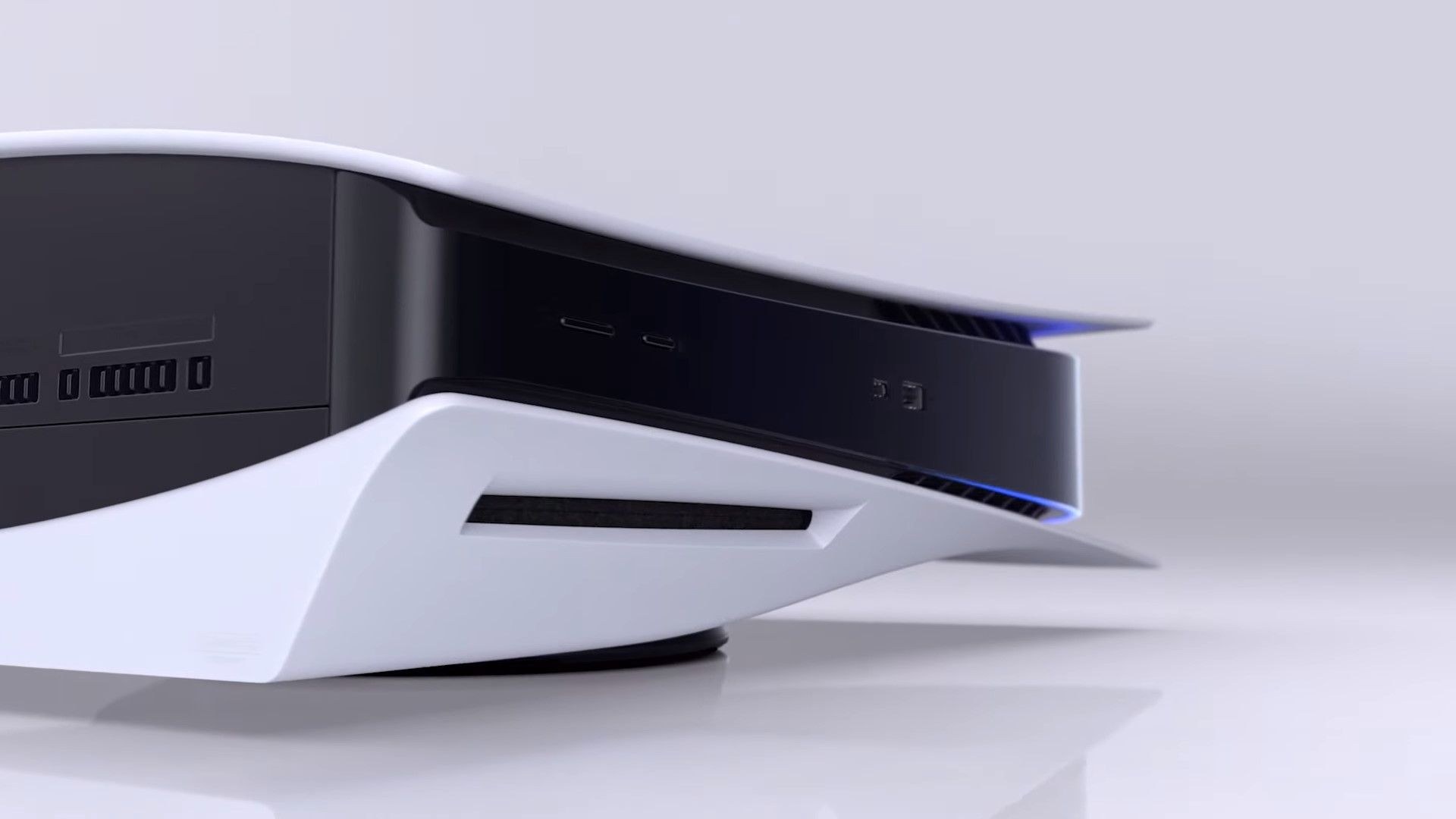
That is where the PlayStation story becomes bigger than PlayStation. A physical copy is imperfect. Modern discs still require patches, online features can disappear, and many releases are not truly complete on day one. But a disc still gives players leverage that a license does not. It can be sold, borrowed, gifted, displayed, and discovered years later without asking a platform holder for permission. Even if physical media is no longer the default way most players buy games, it remains the backup plan that makes digital feel less absolute.
The brand reaction around the controversy proves how easy the issue is to understand. Creative Bloq tracked companies turning the announcement into jokes about digital pizzas, digital chairs, and physical code repositories. The jokes work because the fear underneath them is simple: people do not like being told that ownership is becoming more convenient while also becoming less tangible.
That is why this is such a strong engagement story for a games audience. It is not locked behind technical language or platform-war trivia. Everyone understands what it means to lend a game to a friend, buy a used copy, keep an old favorite on a shelf, or worry that a digital purchase might one day be harder to access. Sony may be making a business decision based on where spending has already moved, but players are reacting to what disappears when the business logic wins completely.
The Argument Is Bigger Than Plastic
The most interesting version of this story is not whether discs can survive forever. They probably cannot as a mainstream format. The real question is what replaces the trust they represented. If Sony wants a digital-only PlayStation future, players will want stronger guarantees around backward compatibility, long-term access, fair pricing, refunds, preservation, and what happens when a store, license, or account breaks down.
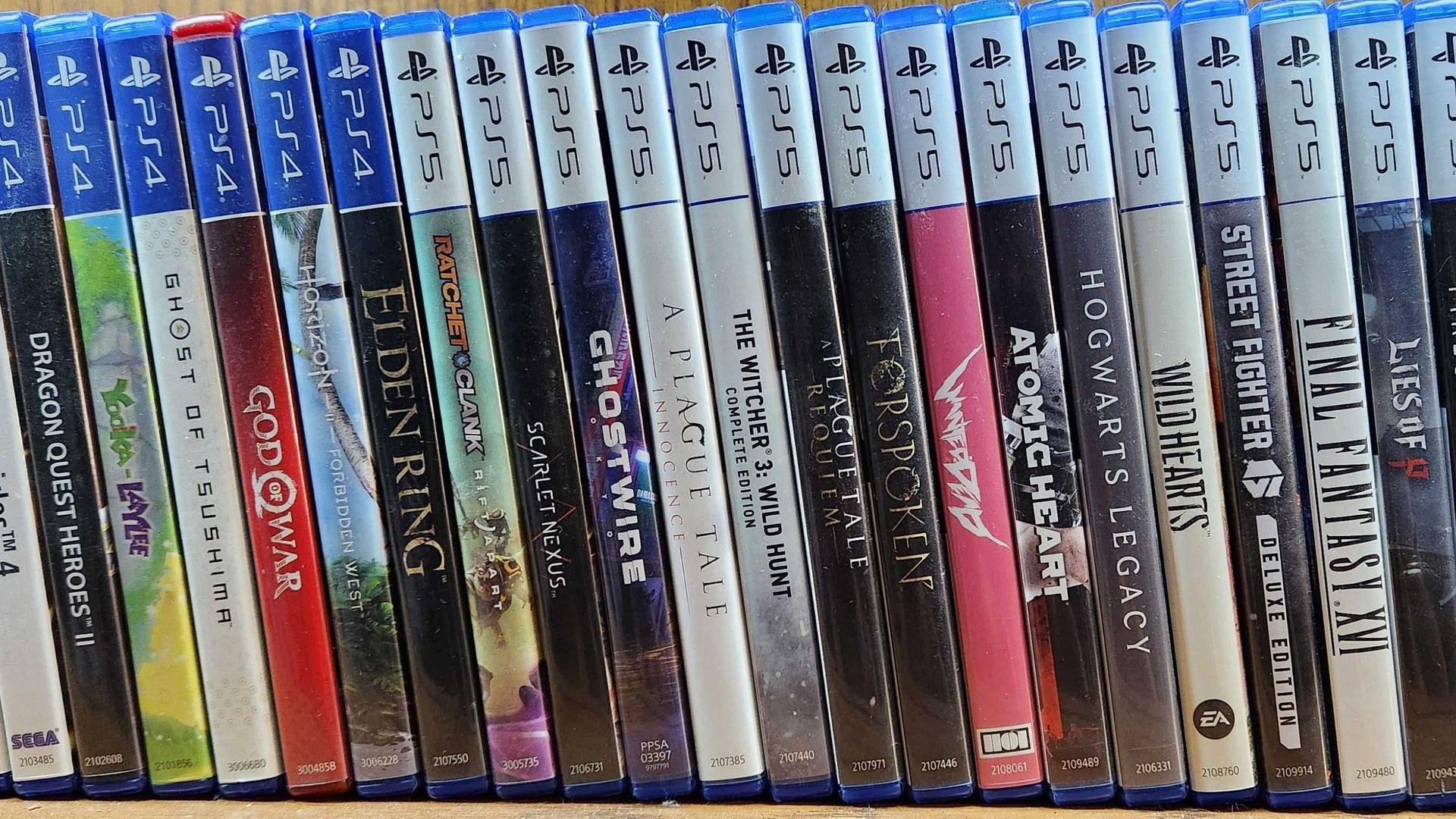
The harder part is convincing players that a digital-only future will not leave them with fewer choices and the same prices.
Would you buy a PlayStation that never offered new physical games, or does losing discs make PC, Nintendo, or older hardware look more appealing?