
Insomniac Games took 189,589 photos while researching Japan for Marvel’s Wolverine. That number comes from a real location-scanning trip, not from screenshots or marketing estimates. The team also recorded more than 600 scans across four biomes, walked over 100 miles, and brought home 5.6TB of data.
The photos are reference material for the PS5 game’s environments. They help artists study the shape, wear, texture, and scale of real places before turning those observations into fictional locations.
Why did Insomniac travel to Japan?
Insomniac’s environment team started by blocking out levels and listing the kinds of assets and biomes it needed. Sony Interactive Entertainment staff in Japan helped the scanning crew plan a route through several regions, rather than sending the team to one convenient location and asking it to fill in the gaps later.
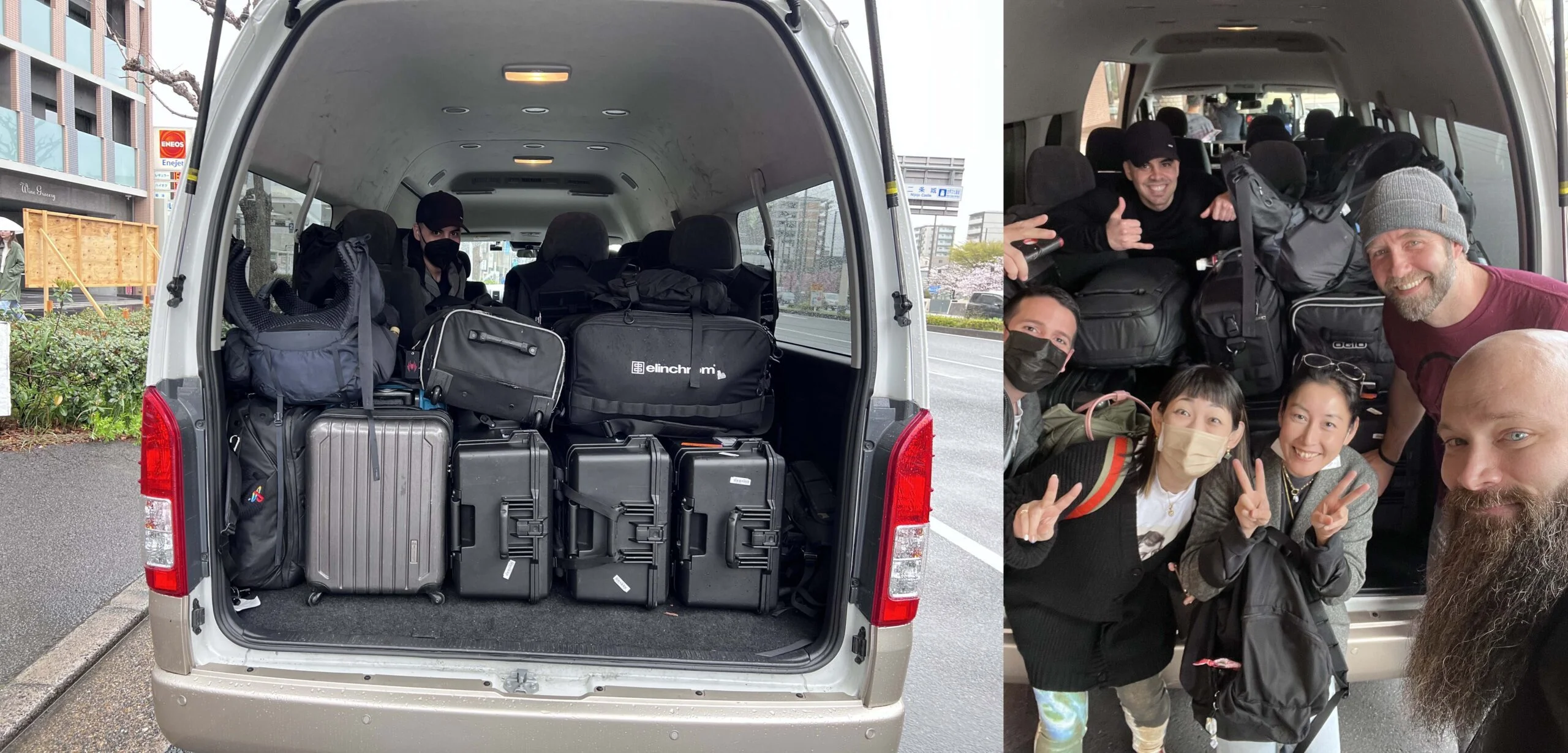
That approach gave the artists first-hand material to work from. A mountain path, a temple, a train station, and a city street do not share the same surfaces or construction details, even when they are all being used as references for one game.
What are the 189,589 photos used for?
The photos record what a scan cannot fully explain. Insomniac says the team photographed an area’s “shape language,” texture, and scale, including the small signs of weathering and the way local structures fit together. A scan can preserve the surface of a wall; a wider set of photos can show how that wall sits beside a path, roof, gutter, or gate.
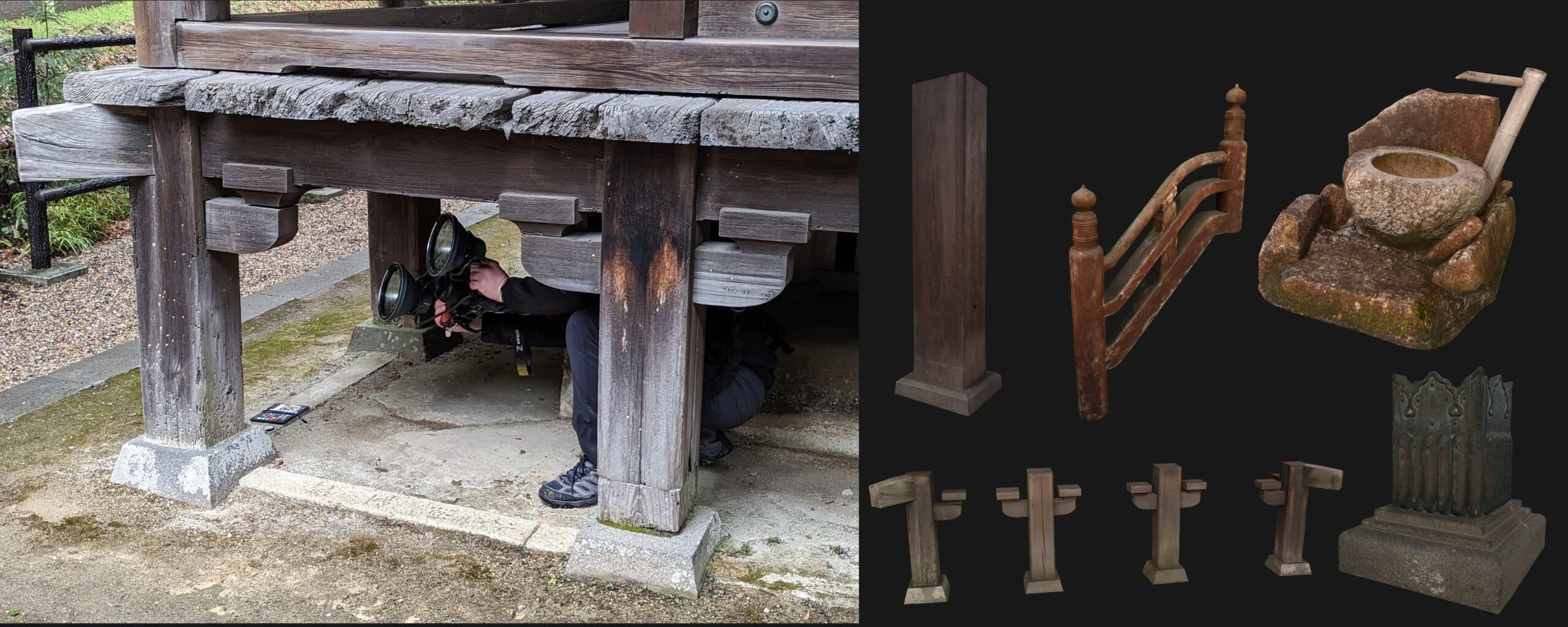
The 189,589 figure also excludes additional reference photography. In other words, it is a count from one part of the trip rather than a complete total for every picture the team took during production.
The trip covered four very different biomes
The route moved from snow-covered mountains in eastern Japan to an underground train station, then through bamboo forests, hot city streets, and remote roadside temples. Each stop supplied a different kind of reference: winter damage on stone and bark, dense vegetation, public infrastructure, pavement, signage, and older construction.
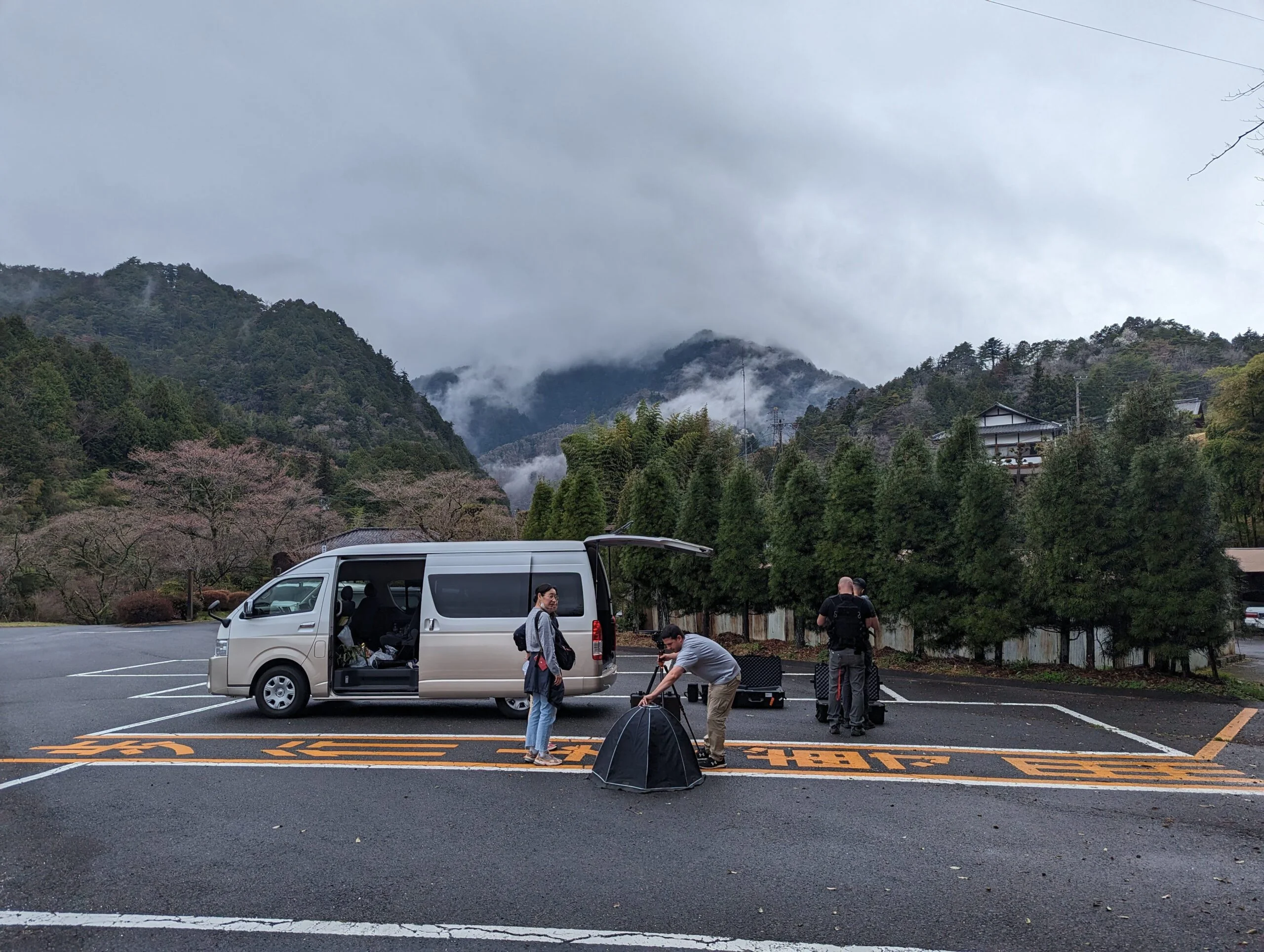
Insomniac usually tries to reduce travel during scanning work because moving equipment takes time and increases the chance of losing data or damaging gear. Japan required the opposite plan. The locations were spread out, so the crew spent long stretches on the road to collect the variety the game called for.
The team even logged the less glamorous parts of the job: three pieces of equipment broke, including two cables and a plastic case, and one phone lost its glass back. Those details make the trip sound like production work rather than a polished photo opportunity.
Do the photos mean Marvel’s Wolverine will look photorealistic?
Not automatically. The photo count shows how much reference Insomniac gathered; it does not prove that every surface in the final game will match a real Japanese location or that players will notice all of the source material.
The useful distinction is between copying a place and studying it. Insomniac says even fictional locations benefit from observing real materials, construction, and cultural details. Those observations can help an artist avoid generic assets, but the final environment still has to serve the game’s story, combat spaces, and fictional world.
What this says about Marvel’s Wolverine
Marvel’s Wolverine takes Logan through locations around the world, and Japan is only one part of Insomniac’s wider research effort. The studio’s latest features have also focused on combat, suits, villains, accessibility, and the story’s mutant conflict. The Japan trip adds a production detail that is easy to miss when the conversation is dominated by claws and famous Marvel characters.
Our Marvel’s Wolverine release guide collects the confirmed platform, story, and gameplay details.
For a closer look at one of Logan’s enemies, read Lady Deathstrike’s history and powers.
Marvel’s Wolverine launches on PlayStation 5 on September 15, 2026. By then, players will be able to judge whether all those scans and photographs show up in the world as more than background detail.
You can also see how the game reached its final production milestone in our report on Marvel’s Wolverine going gold.
189,589 is an oddly precise number, which is why it sticks. It represents the quiet, physical work behind a game that is usually discussed through trailers and release dates. The finished result will decide how much of that research players can actually feel while moving through Logan’s world.