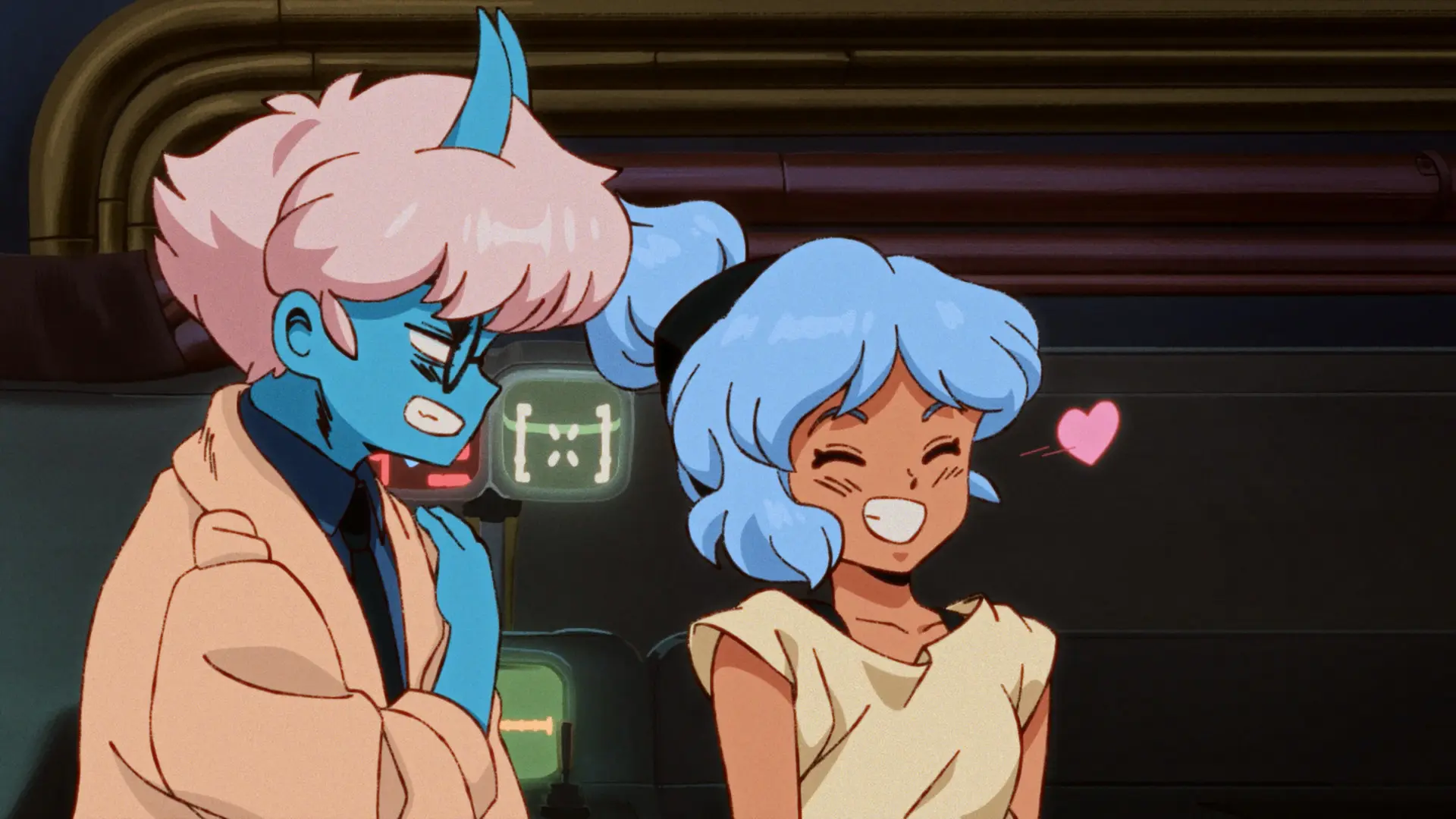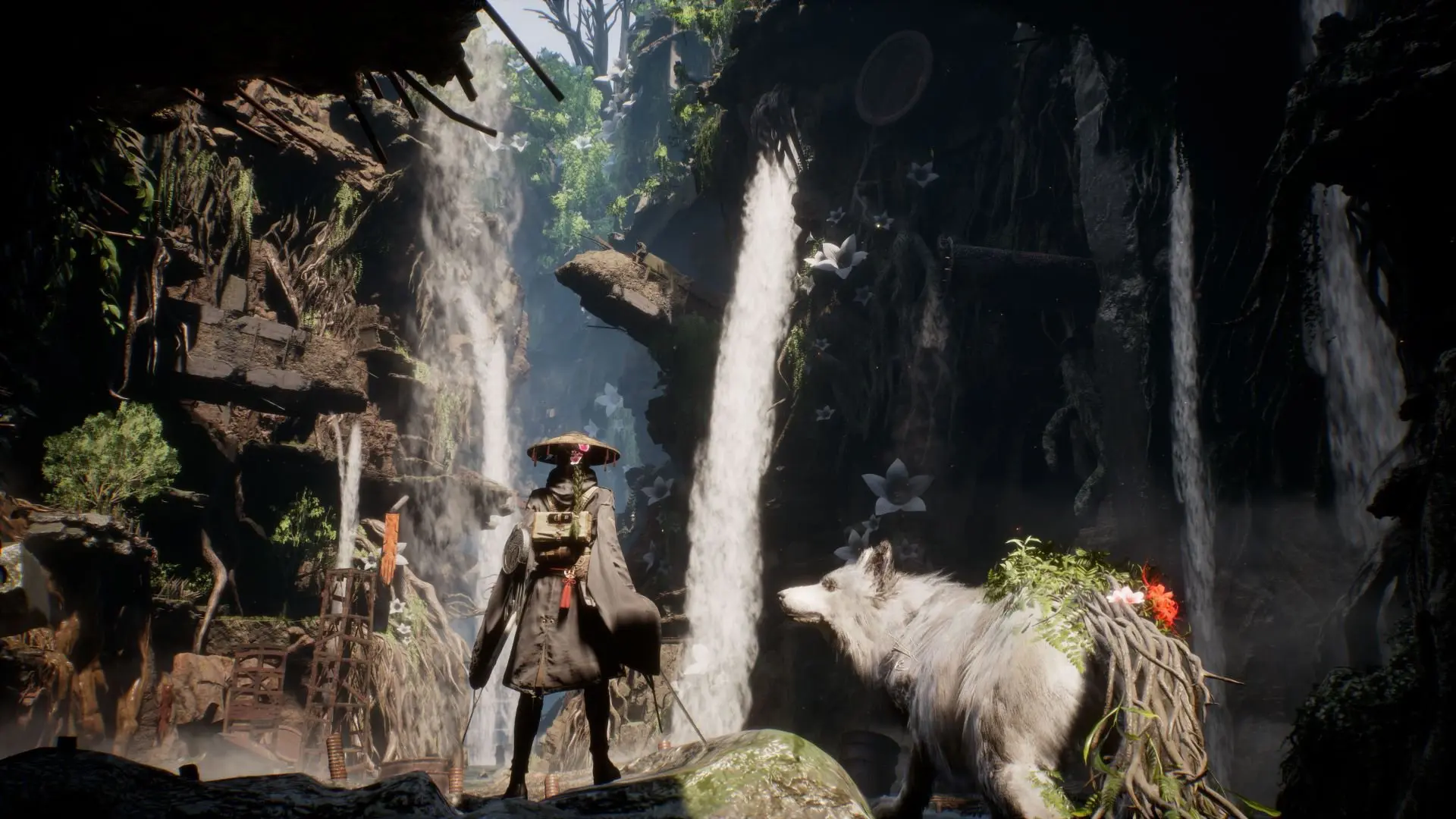
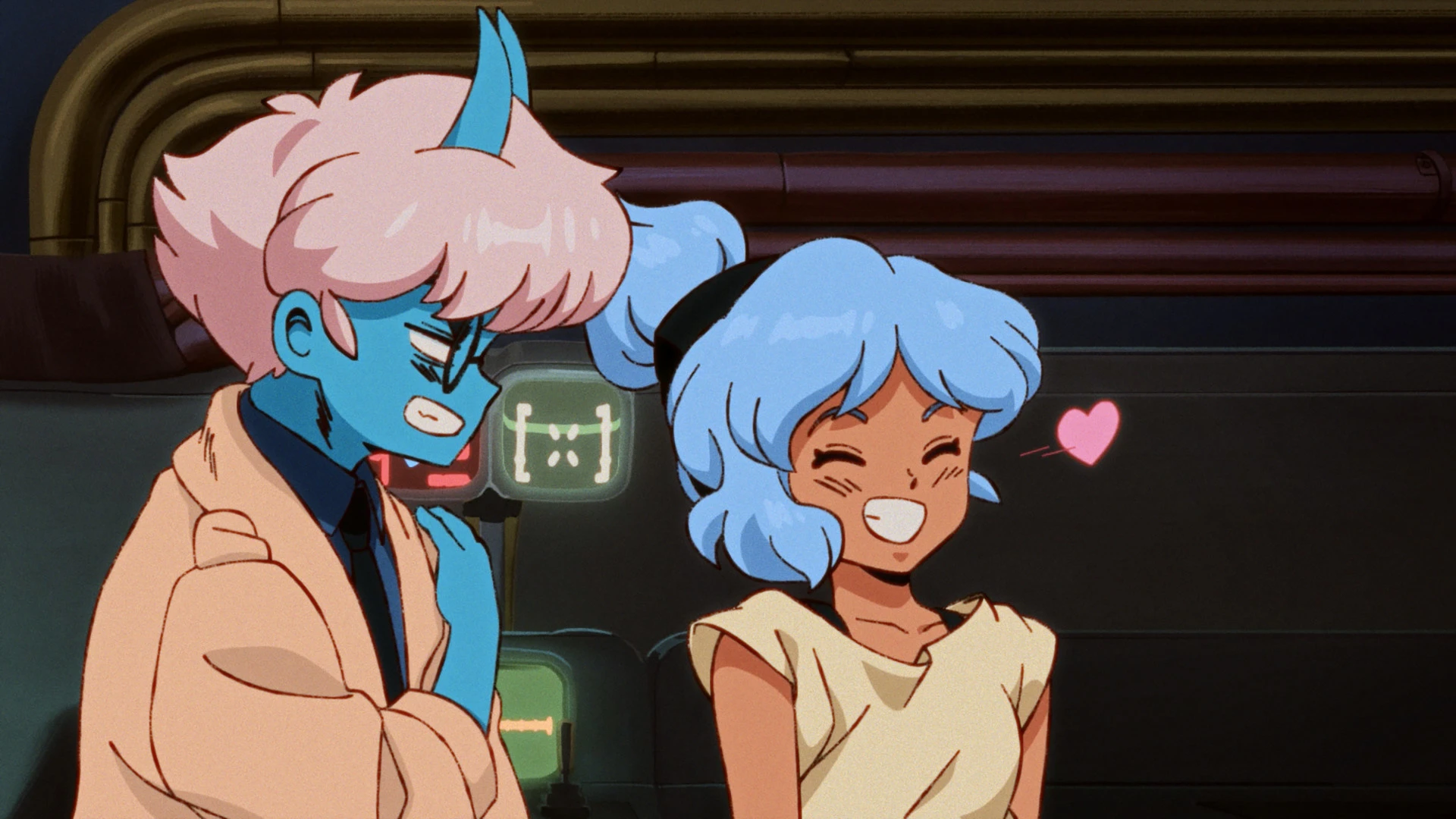
Orbitals makes its priorities clear before either player solves a puzzle. Maki and Omura move like characters from a carefully produced animated series, the soundtrack commits to the same retro science-fiction identity, and every control room is filled with painted machinery and expressive creatures. Shapefarm has built an unusually coherent visual world for its debut game.
The co-op adventure earns 7.9/10 because that presentation supports two likable leads and a steady run of approachable shared challenges. One player may redirect a beam while the other creates a path, or one may steer the ship while the other handles its weapons. The best sequences require a quick explanation between partners and then let both people act at once.
The limitations are just as consistent. Many solutions are clearly signposted and ask each player to perform an assigned step instead of discovering a more flexible answer. The story takes a long time to define its emotional stakes, then moves too quickly when those stakes finally demand attention. Orbitals remains enjoyable, but its mechanical and narrative depth rarely matches the standard set by its art.
A retro-anime world with exceptional craft
Orbitals does more than place cel shading over 3D models. Character poses use strong silhouettes, facial expressions change with comic precision, and the animation deliberately preserves the cadence of older television productions. The hand-crafted cinematic scenes from Studio Massket connect naturally to gameplay instead of making the playable models look like substitutes for the real cast.
That continuity matters because the game frequently shifts between close character moments, split-screen problem solving, and wide shots of damaged stations. Maki and Omura still read clearly when each person occupies half of the screen. Enemies, switches, hazards, and tools remain distinct even when an area is full of smoke, warning lights, or moving machinery.
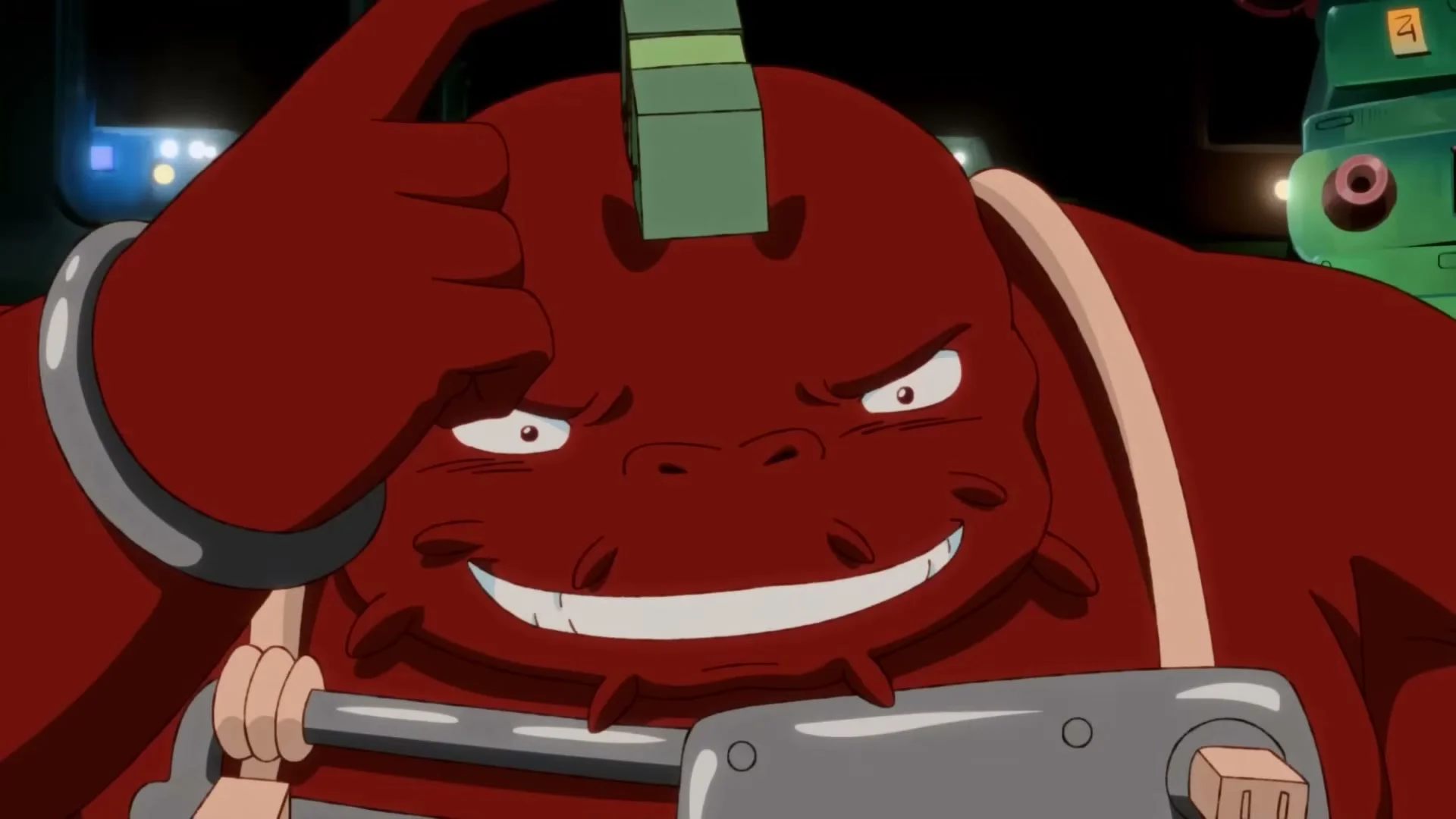
The production design favors cassette futurism rather than clean modern technology. Buttons are large, panels are crowded, ships look repaired rather than pristine, and abandoned facilities retain signs of the lives that once filled them. Small animal-like residents and exaggerated robots keep the setting playful without turning every scene into a joke.
Music completes the effect. The main theme, action tracks, and quieter station cues sound composed for the same fictional series. They do not merely reference an era; they give locations and transitions a recognizable tone. Sound effects are equally readable during co-op, which helps both players understand when a tool connects, a machine responds, or an attack is about to land.
Maki and Omura benefit most from this attention. They are enthusiastic, inexperienced, and openly fond of one another. Their synchronized reactions and easy banter avoid the manufactured hostility that often powers co-op stories. The game does not need to spend its opening hours teaching the pair to cooperate because their relationship already makes shared action believable.
Independent release reviews differ sharply on the overall verdict, but they agree that the presentation is the strongest part of the game. Some consider it enough to lift the full experience. Others see a beautiful surface over simpler systems. The second reading is closer to the final balance: Orbitals looks exceptional throughout, while the play beneath it ranges from clever to routine.
The best co-op gives both players a real job
Orbitals is built around asymmetric two-player tasks. Maki and Omura gain different tools, including devices that cut, pull, move, cool, or create routes through the environment. A useful puzzle does not leave one person waiting for the other to finish. It gives both players information or actions that must be combined, often across two different views of the same machine.
Split-screen supports that design even when the pair are close together. Each player can inspect a separate corner, line up a device, or move toward the next mechanism without forcing the camera to choose one leader. Online play preserves the same independent viewpoints. Local play has the added advantage of making a quick gesture toward the other half of the screen part of the conversation.
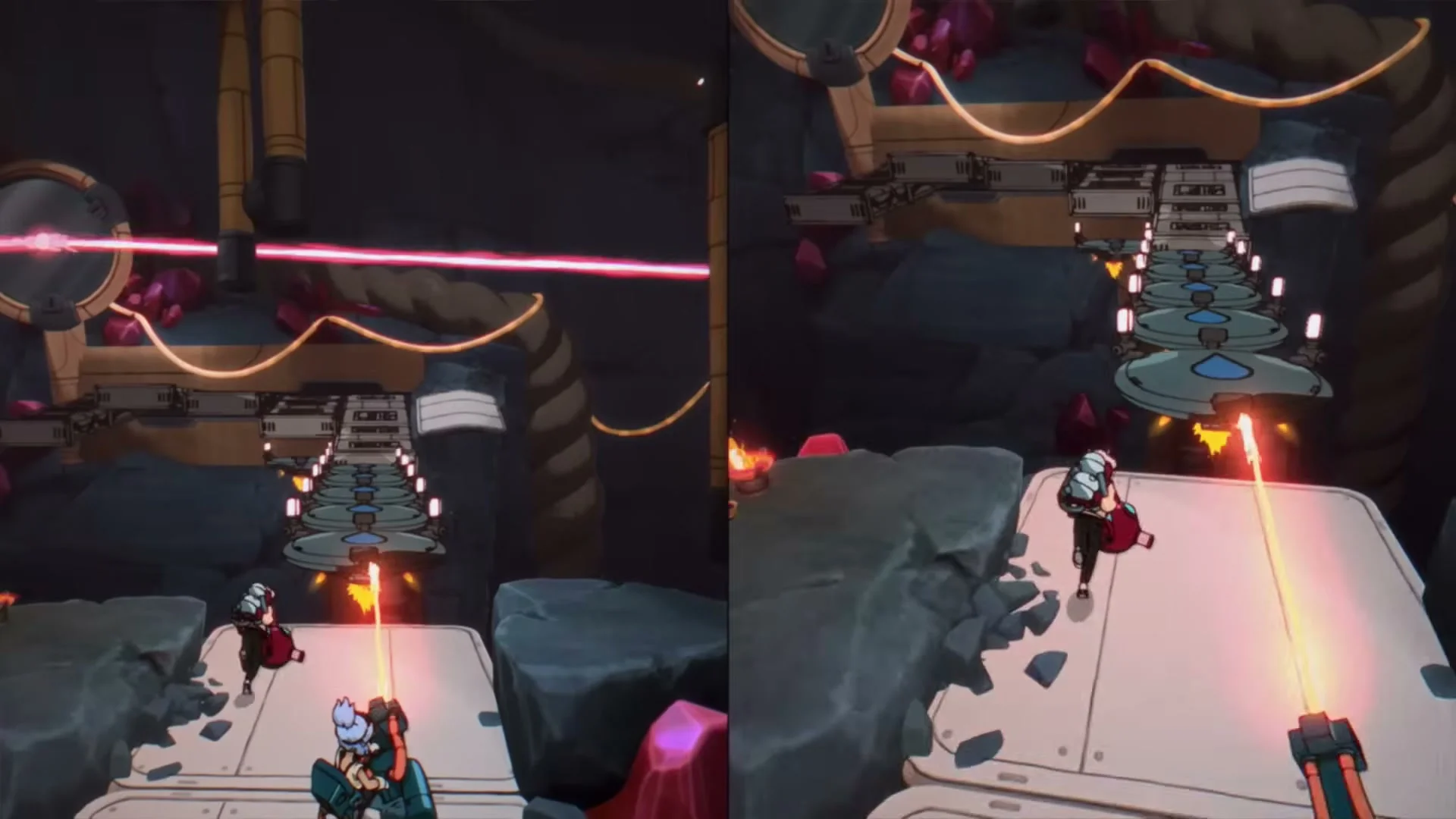
The strongest encounters layer several simple actions into one coordinated sequence. A player creates platforms while the partner crosses them, redirects energy toward a distant target, or holds back a hazard long enough for both people to move. Ship sections divide piloting and weapons between the pair. Large creatures and environmental changes give these tasks enough spectacle to feel different even when the underlying inputs remain accessible.
Approachability is intentional and often useful. Partners with different levels of experience can contribute without one person carrying every difficult action. Failure usually returns the pair quickly, and the next required step is easy to identify. Families, couples, or friends who want a relaxed shared adventure are less likely to be stopped by a demanding execution test.
Advertisement

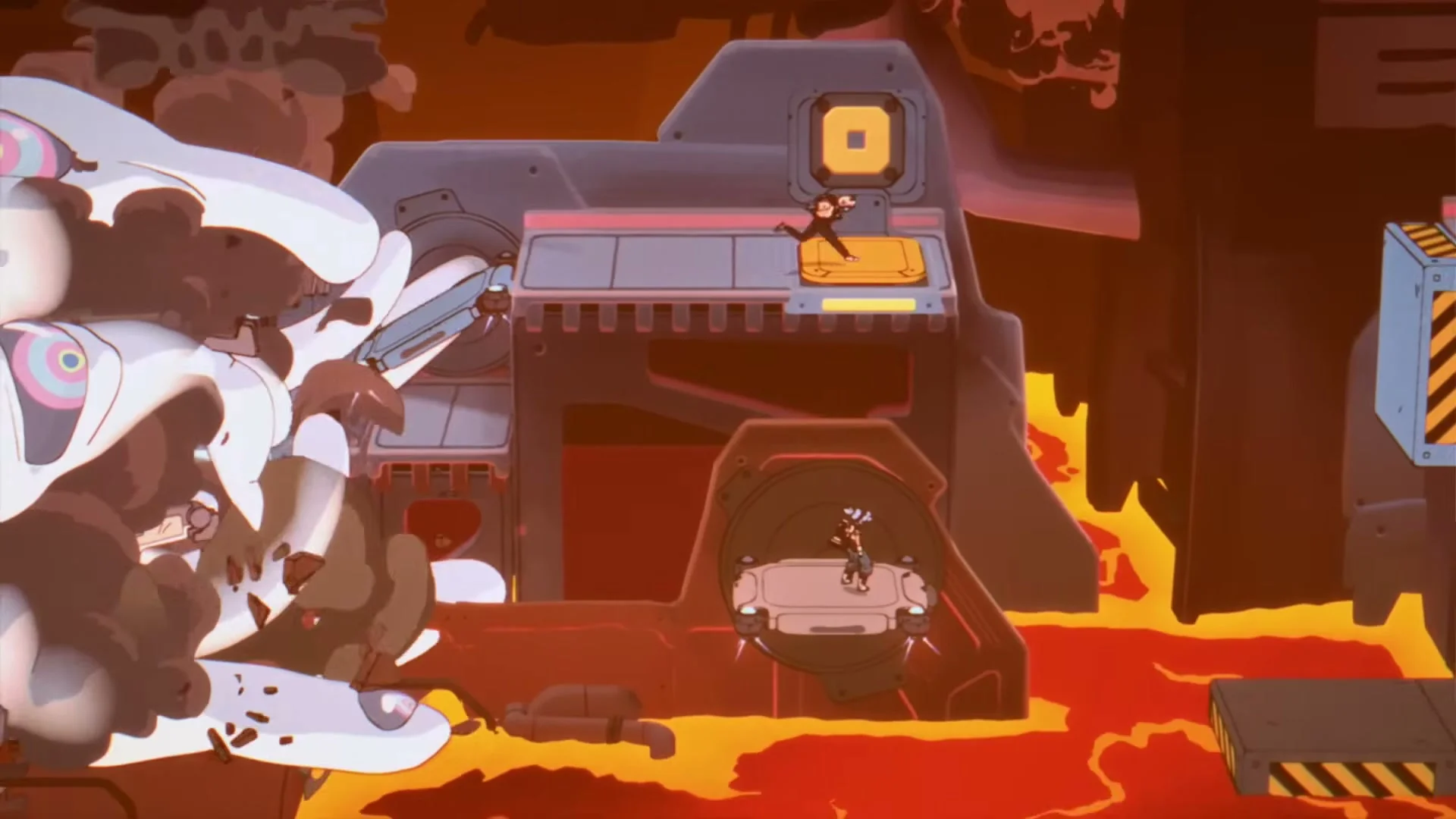
The same clarity limits the puzzles. Too many rooms reduce cooperation to a sequence of obvious assignments: player one uses the highlighted tool, player two activates the next device, and both repeat until the route opens. Variety in scenery and equipment prevents immediate repetition, but the solutions do not often ask a pair to test competing ideas or use a tool in an unexpected way.
Action sections are less consistent. Shared ship control can be lively when movement and weapons have equal demands, then frustrating when projectiles and hazards crowd one player's view. Combat is readable, but it rarely develops enough systems to support many tactical choices. These moments work as changes of pace rather than a second mechanical foundation.
Camera and interface issues occasionally interfere with otherwise clear scenes. Release coverage describes visual overlays, awkward framing, or moments when one player's activity competes with important information on the other side. Reports do not suggest a broadly broken release, and some players encountered only minor problems. The faults are still noticeable because the rest of the presentation is so controlled.
Orbitals screenshots
5 screenshotsWarm characters carry an uneven story
Maki and Omura leave their endangered station to search for what their community needs to survive a supernatural cosmic storm. The premise provides a direct reason to visit abandoned facilities, cross dangerous space, and meet unusual survivors. It also establishes urgency that the middle of the story does not always maintain.
The leads remain enjoyable when the larger plot slows down. Their songs, shared jokes, and confidence in each other make ordinary travel pleasant. Orbitals is at its best when a small discovery gives them room to react as friends rather than as quest performers. The lack of constant argument separates their partnership from many games that treat conflict as the only path to character growth.
Supporting characters have memorable designs and voices, but several receive too little development for later emotional beats. Information about the colony, the storm, and the technology behind the setting arrives unevenly. Some scenes repeat a simple motivation while more consequential ideas wait until late in the adventure. The ending then asks for more investment than the earlier structure has prepared.
That pacing problem does not erase the charm of individual episodes. A new station can introduce a creature, machine, or visual rule with its own personality. Short activities aboard the ship give both players a place to pause between missions. The environments tell enough of their history through abandoned equipment and improvised repairs that exploration retains value even when the main explanation is delayed.
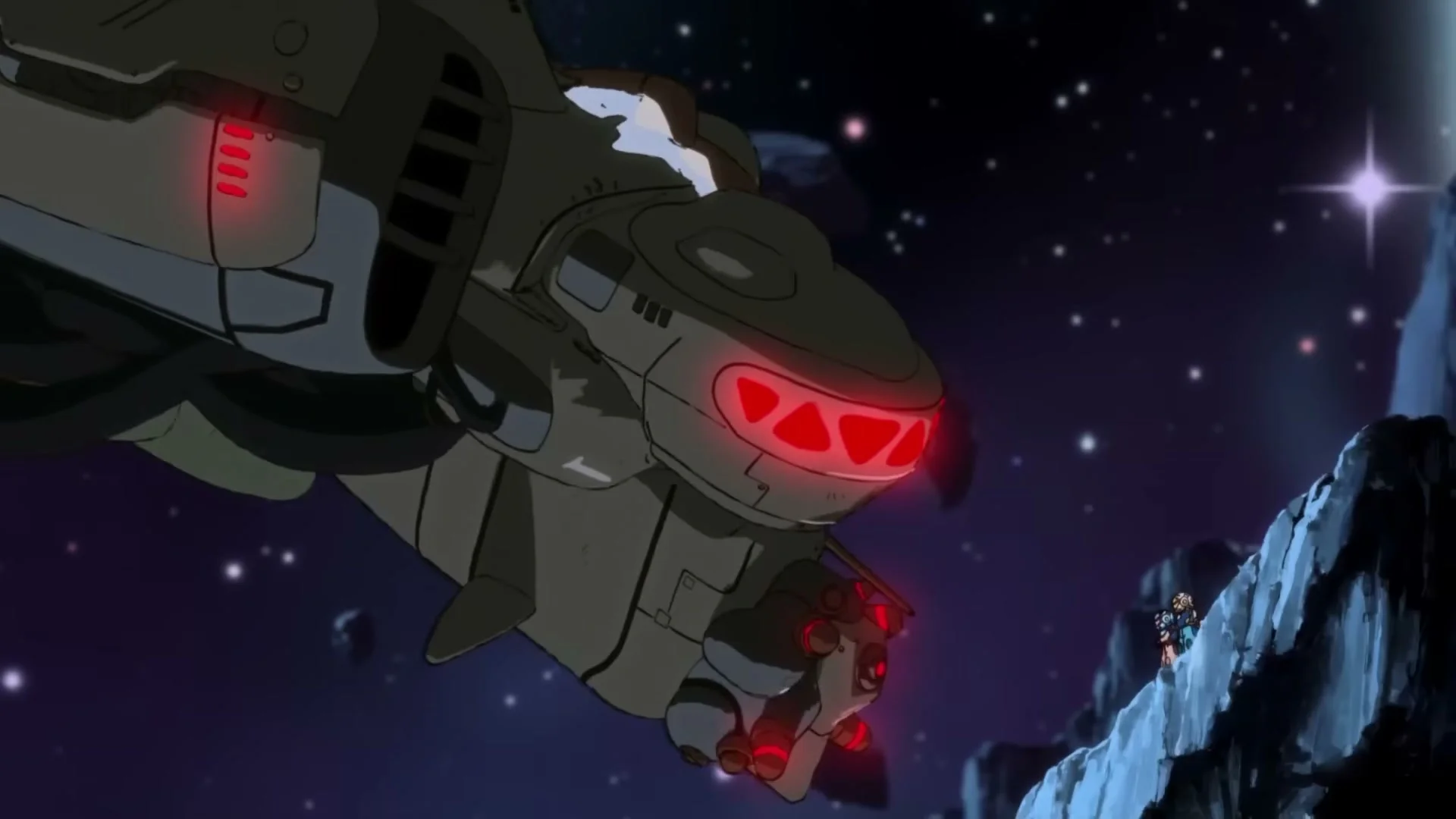
The story also stays accessible for a broad audience without becoming empty. Its danger is visible, the central relationship is easy to understand, and humor rarely overwhelms a serious scene. The problem is structure rather than tone. Orbitals has good characters and a clear premise, but it distributes the important material too unevenly to deliver the full payoff those elements deserve.
Replay value is limited by the same directed design. Once both players know a solution, most puzzles leave little room for a second approach. Swapping characters changes responsibilities, which can make a return interesting for a different partner, but it does not create a new route through the adventure. The lasting appeal comes from revisiting the world and soundtrack, not from mastering a deep system.
Who should play Orbitals
Orbitals is a strong recommendation for two people who already know they want to play together. Its warm leads, readable challenges, and extraordinary audiovisual direction make it especially suitable for couples, families, and friends who prefer steady collaboration to difficult competition. A more experienced player can share the adventure with a newer one without reducing the second role to observation.
It is not a practical purchase for someone seeking a solo campaign. There is no computer-controlled partner or character-swapping mode that replaces the second person. Every supported setup still expects two human players. That limitation is fundamental to the design, not a small missing option, and buyers should settle the partner question before choosing the game.
The access options reduce the financial barrier. Local co-op needs one Switch 2, one copy, and two controller sets. Local GameShare can bring a compatible original Switch, Switch Lite, or OLED system into the session. Online GameShare works between two Switch 2 systems through GameChat, while the free Global Friend's Pass lets an invited partner on Switch 2 join the complete adventure when one player owns the game. Online features require the relevant Nintendo accounts and memberships.
Players who want demanding co-op puzzles or systems that support repeated experimentation should be more cautious. Orbitals changes tools and scenery frequently, but it usually favors forward momentum over difficult deduction. Partners who enjoyed the mechanical escalation of the strongest modern co-op adventures may find these challenges too guided, especially once the presentation becomes familiar.
The game launched exclusively for Nintendo Switch 2. Its local, online, GameShare, and Friend's Pass choices are unusually generous for a mandatory co-op release, but they do not remove the need to coordinate time with another person. Connection quality, controllers, display setup, and the chosen sharing method can also shape the experience, so the review does not make an unsupported claim that every setup performs identically.
A 7.9/10 recognizes a memorable production with a narrower mechanical range. Orbitals succeeds at making Maki and Omura feel like the leads of a lost animated series and gives two players enough distinct work to sustain a full adventure. Simple solutions, uneven storytelling, occasional presentation issues, and no solo alternative keep it from the genre's top tier. For the right pair, its craft and warmth still make the trip worthwhile.