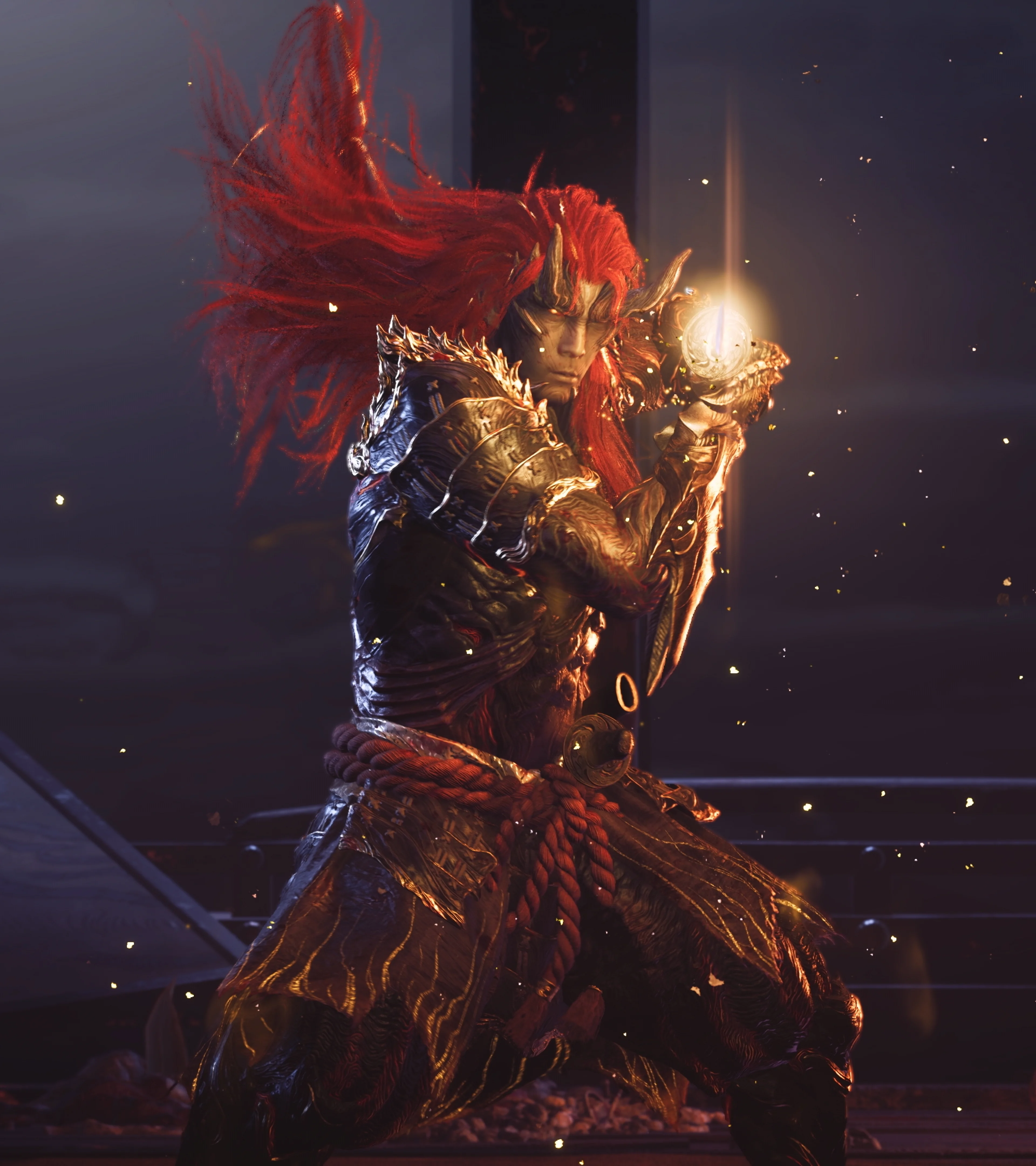
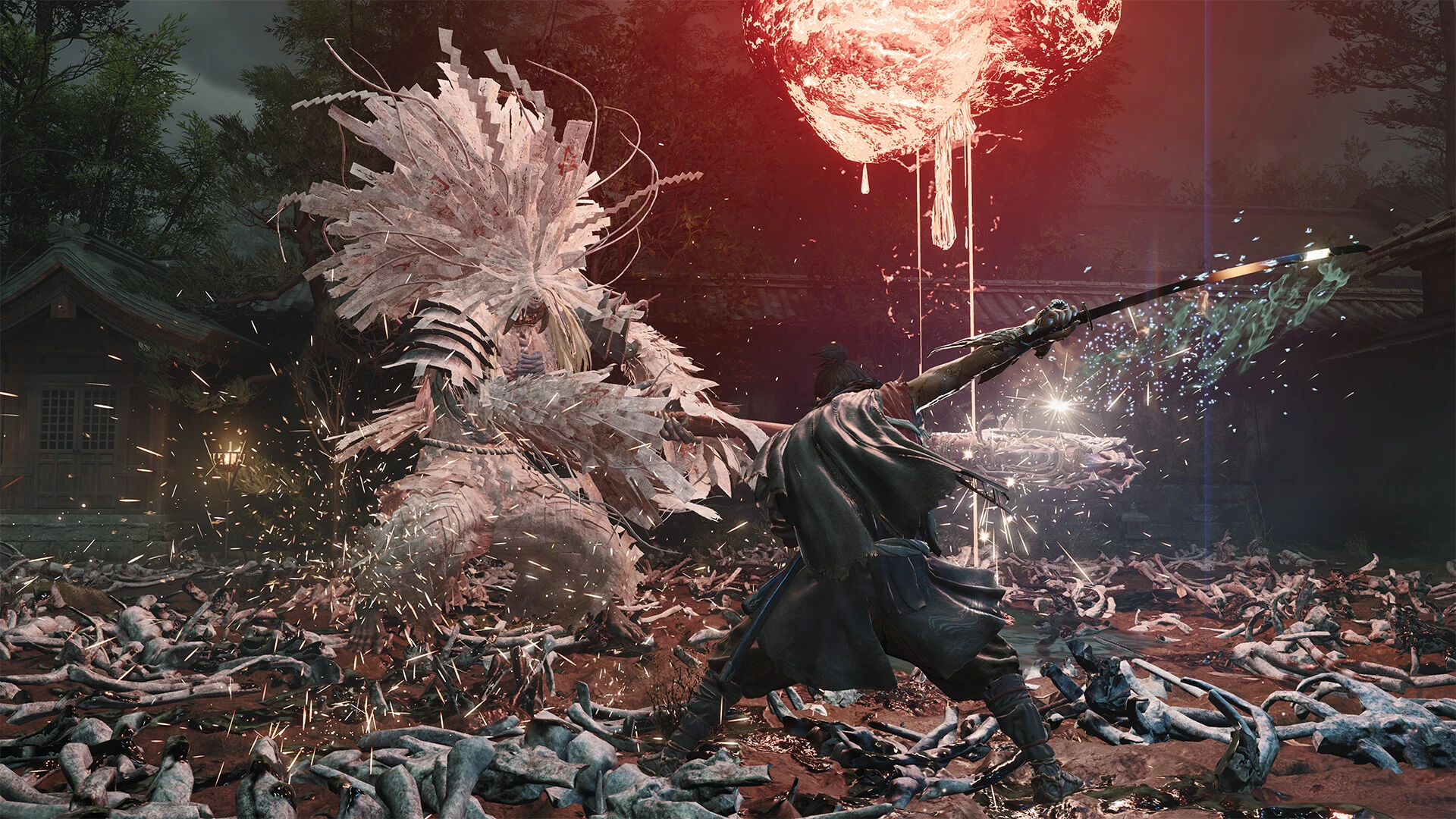
Onimusha: Way of the Sword succeeds because its sword combat is precise, demanding, and easy to read. Musashi can block a strike, turn it aside with a deflect, answer at the last instant with an Issen attack, or break an enemy's stamina before cutting through the opening. Steel lands with weight. Sparks, blood, broken armor, and severed pieces of Genma make every clean response easy to read. This combat gives Capcom a clear reason to bring the series back after two decades.
The revival is less disciplined between those fights. Main missions lead to detailed temples, forests, otherworldly spaces, and some excellent bosses. Returning to the Kyoto hub often means collecting materials, clearing another familiar group, or handling a small task before the next major set piece. The same combat keeps that work playable, but repeated hub tasks delay the next strong mission.
That imbalance keeps Onimusha: Way of the Sword at 8.5/10 instead of pushing it higher. Its precise defense, flexible Oni tools, expressive version of Miyamoto Musashi, and supernatural art direction make this a successful comeback. Reused enemies, repeat boss appearances, and routine upgrade work make it a longer and less focused one than the swordplay deserves.
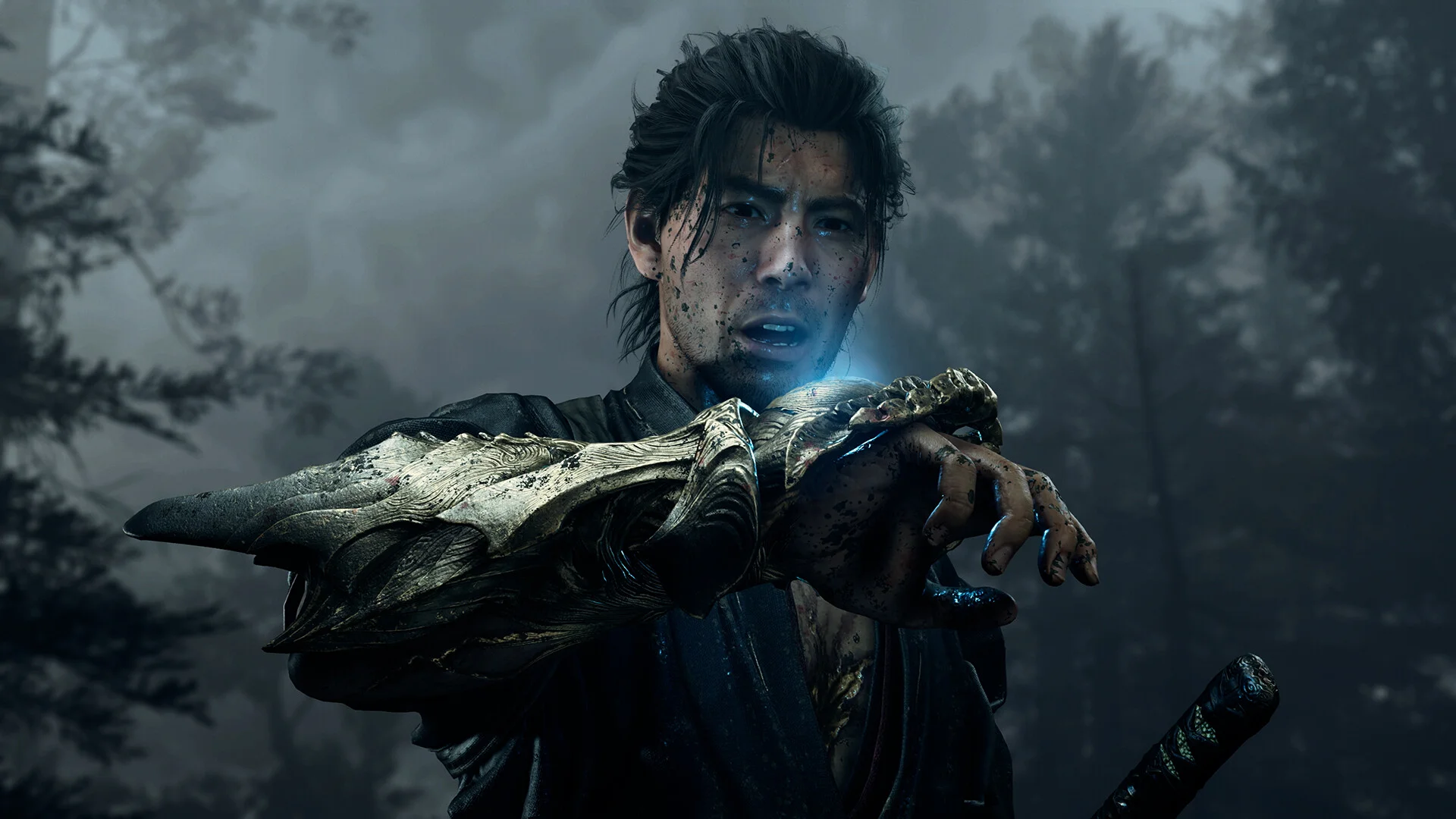
Parries, deflects, and Issen attacks make every duel active
Musashi has several defensive answers, and they are not interchangeable. Blocking is safe until his own stamina runs low. A parry uses stricter timing to reverse pressure and build the advantage needed for stronger attacks. Deflecting is more forgiving, but it still asks the player to read the direction and rhythm of an incoming strike. Dodging remains useful when a wide attack or bad position makes a direct contest unnecessary. Good fights keep changing which answer is safest.
Issen gives that defense a more aggressive edge. Trigger it at the right instant and Musashi cuts through an attack with a fast critical strike. Break Issen opens once an enemy's stamina is gone, so steady deflects can lead to the same violent release even when the strictest timing is out of reach. Both versions reward attention rather than long memorized button strings. The controls stay understandable while enemy patterns become harder to manage.
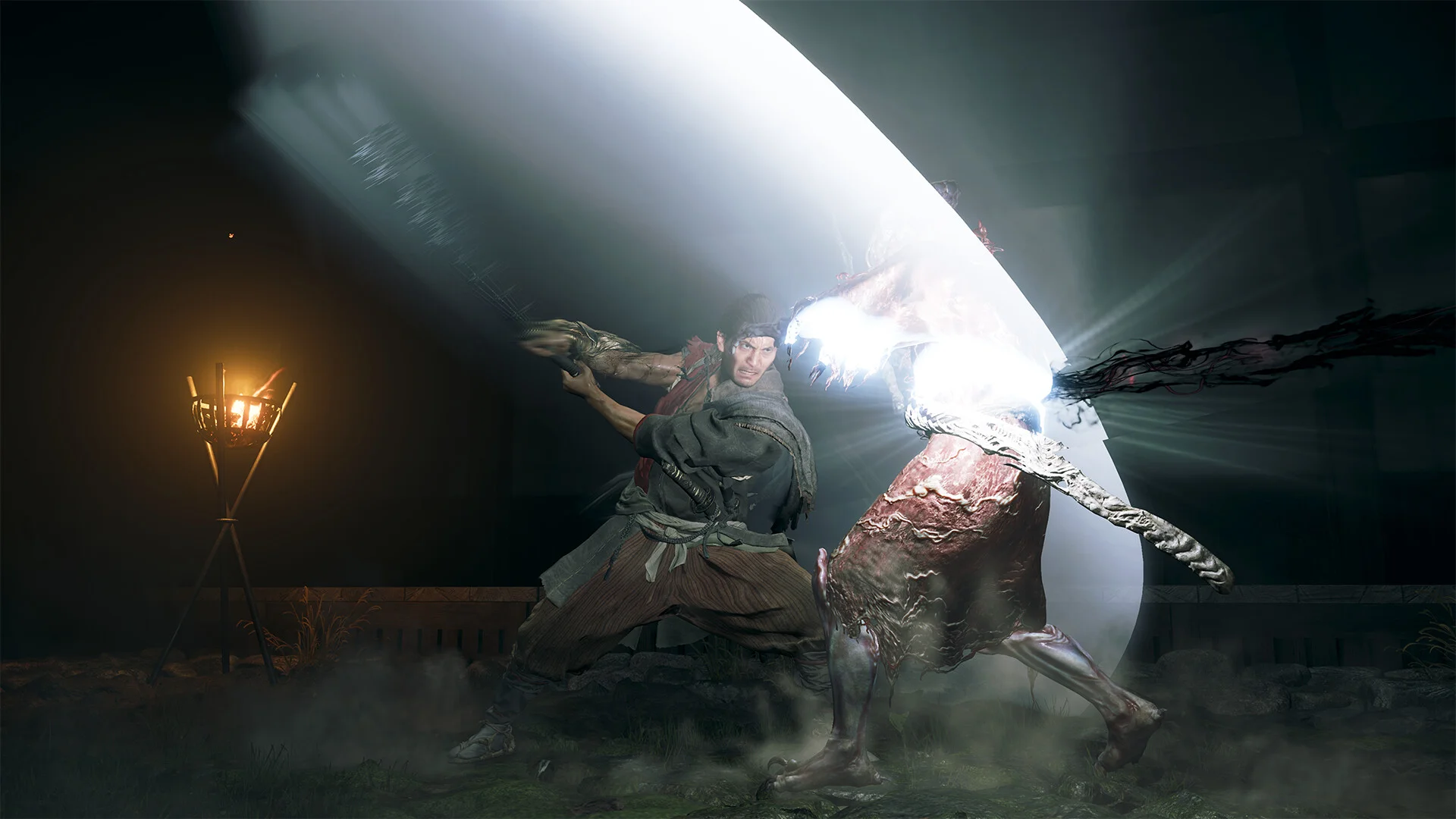
The physical response sells those mechanics. Musashi braces under a heavy blow, shifts his weight before a strong cut, and can force a blade away instead of making it pass through a generic guard effect. Capcom's dynamic dismemberment system cuts many Genma along the path of the sword. It is graphic, but it also shows where an attack landed. A finishing move feels connected to the exchange that created it.
Environmental actions add useful interruptions. Musashi can kick an enemy, throw it into another target, or use an object from the arena to damage stamina and break a crowd apart. These options are simple, yet they stop every battle from becoming a private duel inside a larger group. Smaller enemies can still surround him, so controlling space matters before the strongest target receives full attention.
The Oni Gauntlet turns defeated enemies into resources. Absorbed souls restore health, support upgrades, and power supernatural equipment. Oni Armaments cover needs that the katana cannot handle alone, including ranged pressure and heavy stamina damage. Spending that energy at the right moment can shorten a dangerous phase. Holding it too long gives an enemy more chances to interrupt Musashi or take control of the fight.
Bosses give the whole system its best tests. Their attacks are large and theatrical, but the strongest patterns remain readable after a few mistakes. A difficult sequence may mix delayed swings, quick follow-ups, a grab, and an area attack that forces Musashi to move. Progress comes from recognizing that order and choosing a response, not from raising a number until the problem disappears. Breaking stamina and landing a clean critical attack after several failed attempts is consistently satisfying.
Regular groups are less consistent. Early Genma make Musashi look powerful and let new players practice soul absorption, defense, and crowd control. Later enemies demand better timing and punish lazy blocking. Repetition arrives before the combat runs out of mechanical value, though. Familiar bodies and minibosses return often enough that an encounter can be demanding without feeling new.
This is not a Soulslike built around losing progress after death. Onimusha pauses normally, uses direct mission checkpoints, and offers difficulty and accessibility choices that can reduce the pressure. Players who avoid parry-heavy games still have ways to learn the timing instead of being removed from the main appeal. Higher settings make bosses severe, but the game does not treat punishment as the purpose of the combat.
Onimusha: Way of the Sword screenshots
5 screenshotsKyoto is beautiful when the campaign stops using it as a checklist
The early Edo-period setting gives Capcom a clear visual base. Wooden streets, temple grounds, bamboo, wet stone, and mountain paths are recognizable before Malice twists them. Genma bring torn flesh, impossible limbs, masks, paper talismans, and bright supernatural color into those spaces. The contrast works because the human architecture stays specific. Kyoto looks like a place under attack, not a generic fantasy city with Japanese decoration.
Advertisement

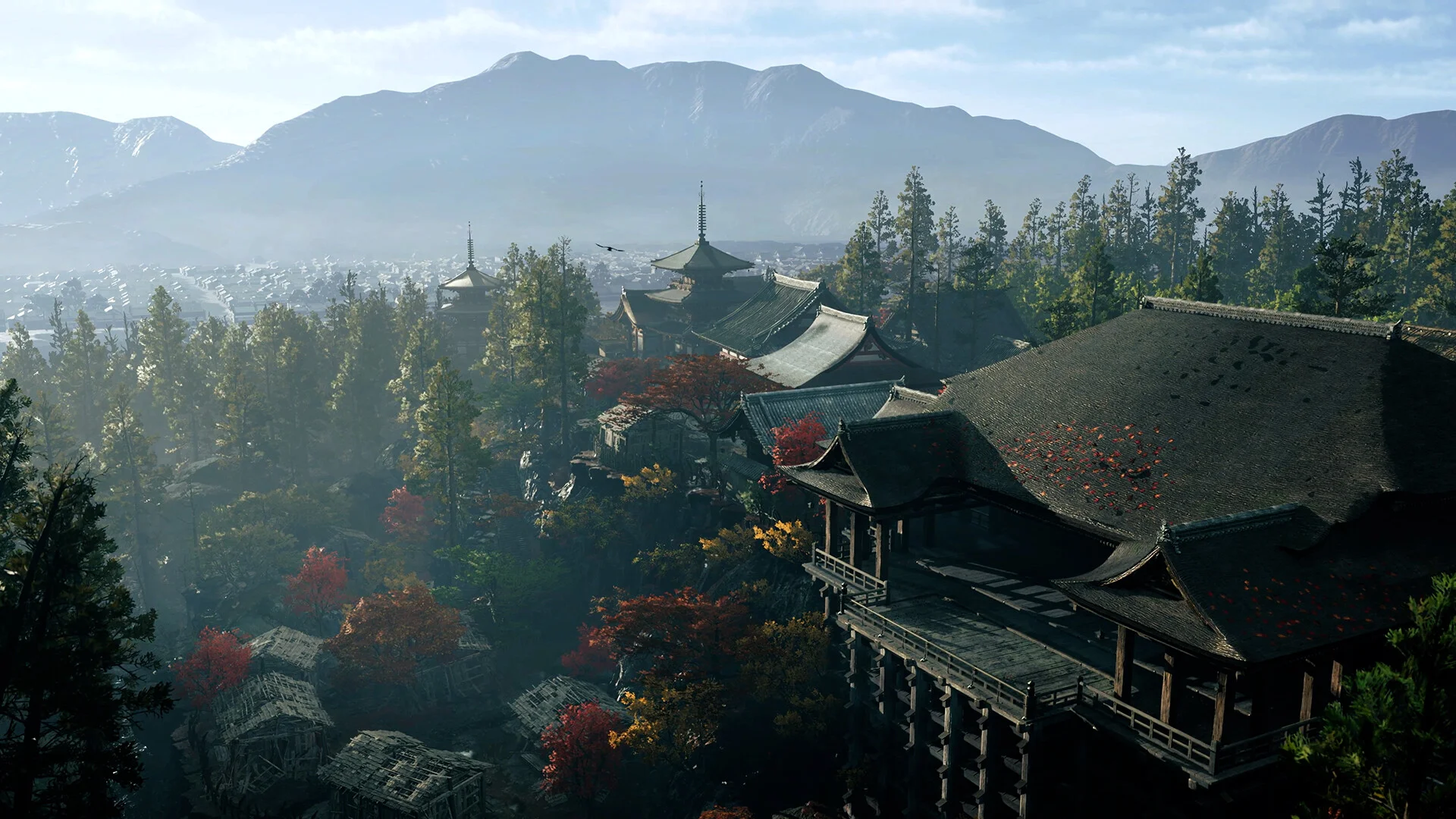
Story missions use that setting well. A tighter route can control when a new enemy appears, where an object becomes useful, and how a boss enters the scene. Forests and temples open enough to support short detours without losing direction. The stranger Oni spaces let gravity and scale change, which gives the game a break from streets and corridors. These sections move with purpose because every room supports the next fight or story beat.
Kyoto also serves as the central hub, and that part of the game often wastes time. It holds vendors, upgrades, side activities, recurring enemies, and routes that open over time. It also scatters materials through dull corners and asks Musashi to cross familiar ground between stronger missions. Picking up another piece of iron for a small equipment increase is not a meaningful use of the city, especially when the streets refill with opponents already fought several times.
Upgrades do improve the combat. Stronger swords, new skills, and Oni equipment can support a defensive style, faster damage, or more frequent supernatural attacks. The problem is the economy around them. Too many small materials and percentage increases turn preparation into routine collection. A cleaner path to the important abilities would keep attention on how Musashi fights rather than how many items remain in a menu.
Side quests share that uneven quality. Basic requests send Musashi to a marked place, a familiar enemy group, or an object that needs collecting. The Curious Cases associated with Lady Murasaki are more distinctive. They use recurring residents and darkly funny local stories to connect the supernatural crisis with Kyoto's people. There are too few Curious Cases to make every other hub task worthwhile, but they show how optional work can add character instead of only adding time.
Repeated bosses cause more damage than repeated street groups. A return match can be valuable when the opponent has new moves and the player has new tools. Too many returns make an earlier victory feel temporary and reduce the surprise of a strong design. The combat remains good enough to support another duel, but several bosses should have appeared only once.
This extra work does not ruin the campaign. Fast travel, clear objectives, and reliable combat keep these sections manageable. It does slow the pace. Onimusha is exciting when Musashi moves from a controlled mission into a difficult boss and then a major scene. Returning to material routes between those moments makes the weak parts easier to notice.
Musashi is loud, funny, selfish, and worth following
Capcom's Miyamoto Musashi is not introduced as a calm master. He is young, arrogant, eager to prove his strength, and angry that the Oni Gauntlet has chosen him. Death and resurrection do not immediately turn him into a hero. He treats the supernatural power as an insult because accepting it would mean admitting that skill alone was not enough to save him.
That stubbornness changes over the campaign. Musashi begins by asking how to remove the gauntlet and return to his private ambitions. Encounters with Kyoto's residents and the damage caused by the Genma force him to notice responsibilities outside his own reputation. The shift is gradual enough that his early selfishness is not erased. He can make the right choice and still complain about the trouble it causes.
Toshiro Mifune's likeness could have become a stiff publicity feature. Instead, the facial work gives Musashi unusual energy. He snarls, boasts, looks confused, and reacts with broad physical comedy when the supernatural world becomes too strange. Mifune Productions reviewed the recreation during development, and the result supports a performance rather than a silent model. The face matters because Musashi uses it in nearly every conversation.
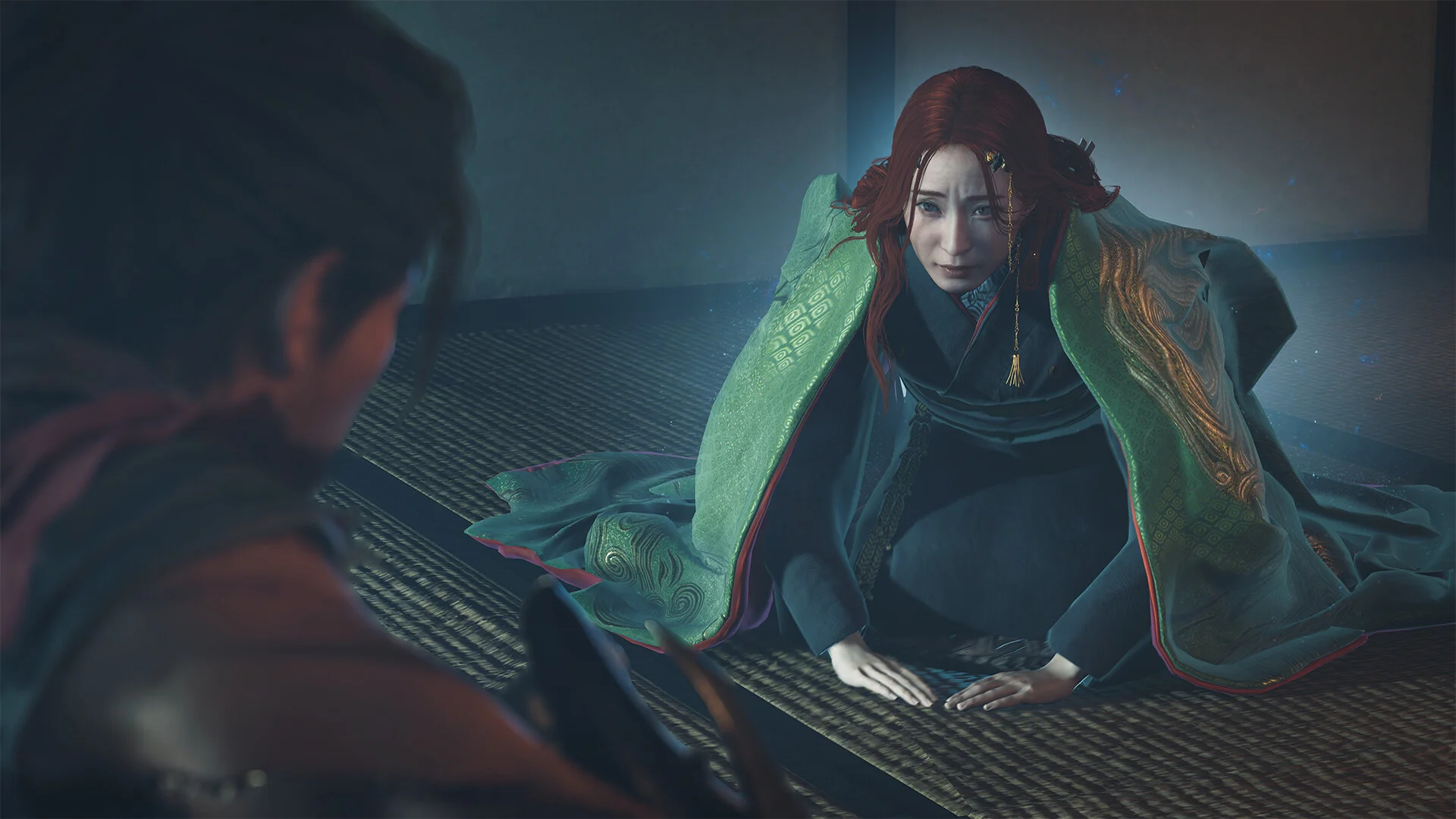
The tone moves between bloody horror and old Capcom comedy. A Genma can be grotesque enough to make the next cut uncomfortable, then a character enters with an exaggerated design or Musashi responds like a man trapped in a ridiculous problem. Some changes are too abrupt, particularly when a serious scene has not had time to settle. More often the humor prevents the game from becoming another silent march through ruined temples.
Historical names and supernatural inventions share the same story without asking for a history lesson. Lady Murasaki can record a local tale while the Oni Gauntlet pulls souls out of a demon. Musashi's rivalry and desire for recognition remain understandable even when Capcom changes the world around him. The campaign does not need every player to know the real figures before meeting these versions.
Cutscenes are lavish, and major character entrances often match the quality of the boss battles. The main story gives Musashi a clear direction and enough emotional change to justify the time spent with him. It can still repeat an explanation or hold a scene longer than necessary. The performance keeps those slower passages watchable, but stronger editing would bring the story closer to the precision of the combat.
Sound strengthens both sides of the game. Blades produce a hard metallic clash instead of a light effect, and a successful defensive move has a distinct response before the visual finish arrives. Genma voices and movement sell their unnatural bodies. Music gives major duels more force without hiding the attack sounds needed for timing. That clarity is important in a game where a fraction of a second separates a block from an Issen.
Who should play Onimusha: Way of the Sword
Action players who enjoy learning attack patterns have a strong reason to play it. Onimusha asks for precise defense, but it does not require the inventory study or death penalties associated with many Soulslikes. The basic rules are visible early, and the boss fights keep finding harder ways to test them. Players who lower the difficulty still receive the same combat systems and violent finishing attacks.
Fans of the older Onimusha games will recognize soul absorption, the Oni Gauntlet, Issen attacks, dark fantasy, and a willingness to be strange. This entry is much larger and more modern in structure. That scale brings richer combat and presentation, but it also brings the hub, materials, repeated activities, and other habits that the shorter games avoided. Returning players should expect a revival that keeps the series' main ideas while changing its pace.
Anyone looking for a lean sequence of missions should be more cautious. The best parts are strong enough to justify the weaker errands, yet the errands are not optional background for the entire campaign. Kyoto regularly interrupts the direct route. Enemy and boss reuse becomes more visible because the swordplay establishes such a high standard at the start.
Onimusha: Way of the Sword launched on PlayStation 5, Xbox Series X|S, Nintendo Switch 2, and PC. Combat, structure, story, and characters are shared across those releases, but technical performance can differ by hardware. Buyers who care about frame rate, image quality, or portable play should check current technical results for the version they plan to use.
An 8.5/10 reflects a game with one exceptional system and several avoidable delays around it. The parry, deflect, stamina, Issen, and Oni mechanics make Musashi's fights precise without making them narrow. Bosses test those rules in memorable ways, and Musashi gives the campaign personality. Kyoto busywork, material collection, and repeated opponents stop the full journey from matching its best battles. Capcom has still brought Onimusha back with a clear reason to continue the series.