Octopath Traveler and Octopath Traveler II coming to Nintendo Switch 2 should be an easy win. These are beautiful HD-2D RPGs, Square Enix has a strong audience on Nintendo hardware, and the Switch 2 is exactly the kind of console where older turn-based games can find a second life. The problem is the fine print. For players who already bought these games on the original Switch, the announcement may feel less like a thank-you and more like a reset button.
Square Enix, the publisher behind Final Fantasy and Octopath Traveler, revealed the Switch 2 versions on July 13 during the series’ eighth-anniversary moment. RPG Site reported that both games are already available digitally in Japan and will launch in the West on October 1. Game Informer reported that the Switch 2 versions feature improved frame rates and resolutions, which is exactly the kind of upgrade JRPG fans would want for long sessions on newer hardware.
The catch is what makes this a Pixel Twelve story. Game Informer and RPG Site both noted that there is no upgrade path for people who own the original Switch versions, and save data is not compatible between Switch and Switch 2 versions. In plain English: if you bought Octopath Traveler on Switch and want the dedicated Switch 2 version, you are starting over and paying again.
The Upgrade Problem Is Bigger Than One Port
That might sound like a small complaint from the outside, but it matters a lot for this genre. Octopath Traveler games are not five-hour weekend rentals. They are long RPGs built around party planning, character chapters, jobs, equipment, side quests, and slow investment. Save transfer is not just a convenience. For many players, it is the difference between continuing a journey and deciding the new version is not worth the restart.
Advertisement

The no-upgrade-path issue hits the same nerve. Players have become used to at least some kind of cross-generation consideration, whether that means a free upgrade, a paid upgrade pack, or a clear save-transfer route. Not every publisher handles it the same way, and not every port is technically simple. Still, when the message is basically “buy the game again from zero,” loyal fans notice.
GamesRadar+ picked up on that reaction, framing the announcement as a strong port news story with a self-inflicted problem. The frustration is easy to understand because Octopath Traveler is not a random catalog title. The first game helped define the HD-2D look, the style that mixes retro pixel characters with modern lighting and 3D spaces. It became part of Square Enix’s modern RPG identity.
Switch 2 Is Becoming a Test for Player Goodwill
The Switch 2 angle is important too. Nintendo’s new console has quickly become a place where publishers can refresh older games with better performance, sharper resolution, and a cleaner handheld experience. That is good for players. It is also good business. The risk is that every new edition trains players to ask the same practical questions before they get excited: do my saves carry over, do I get a discount, and is this a real upgrade or just another full-price rebuy?
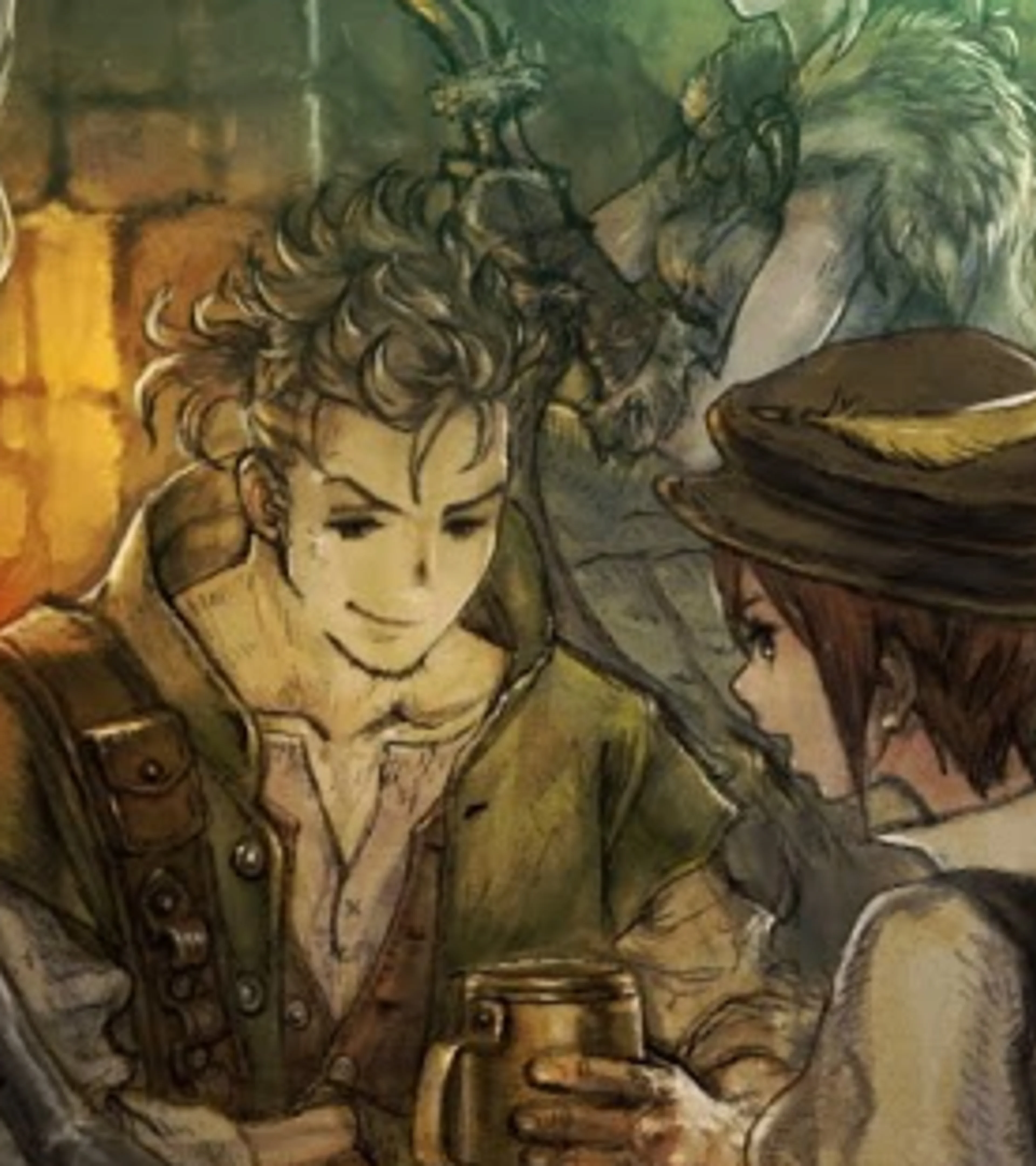
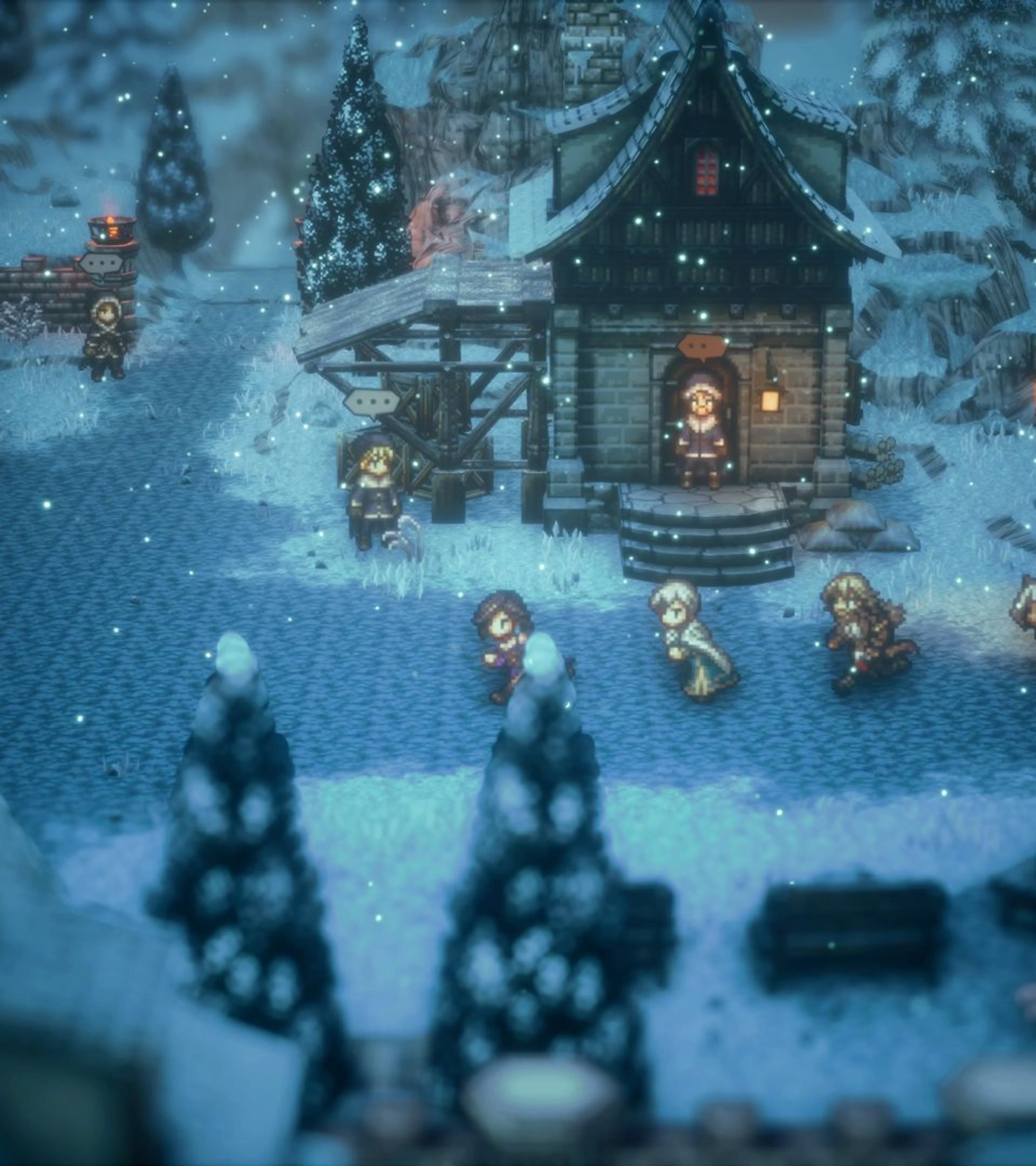
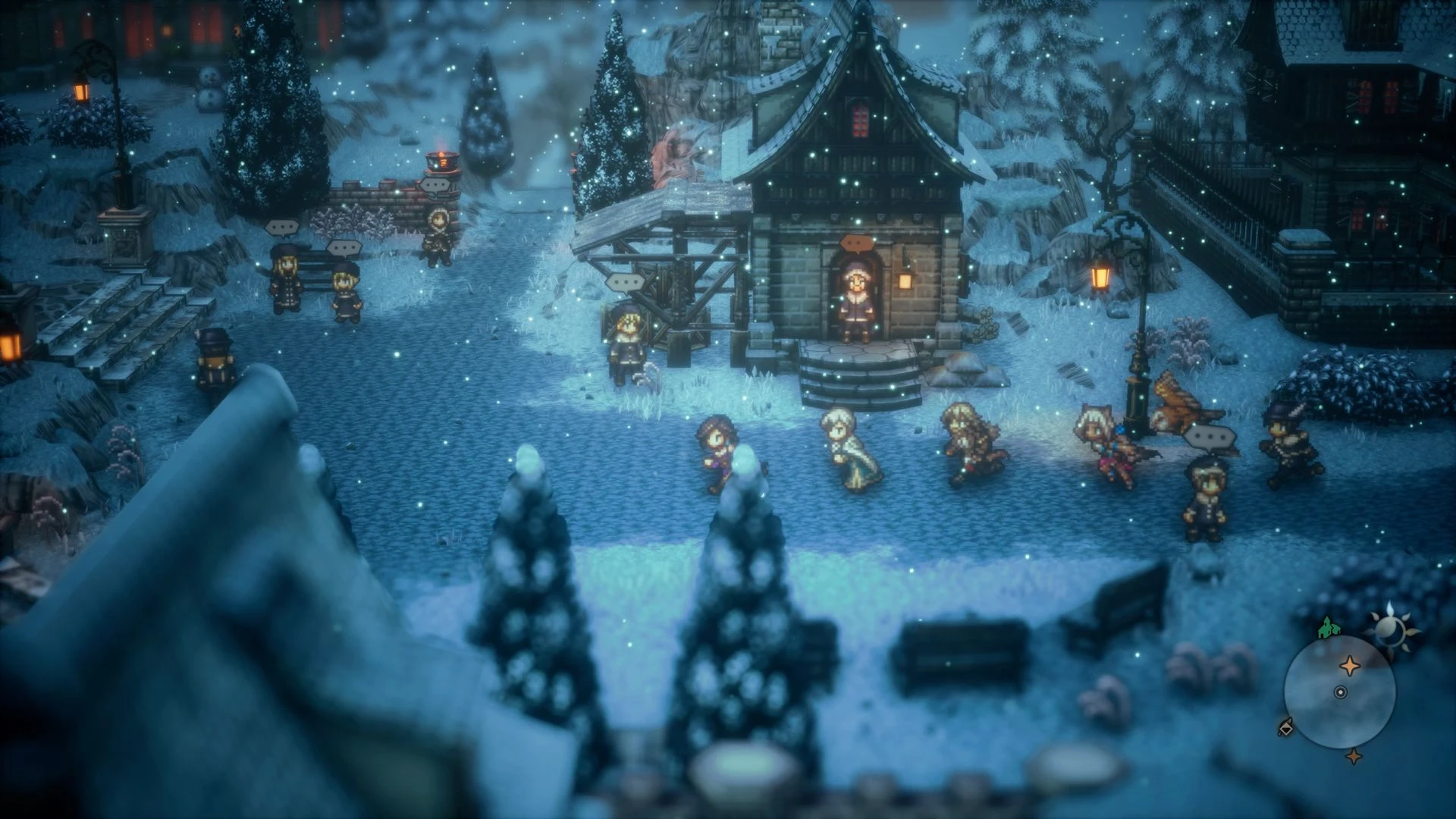
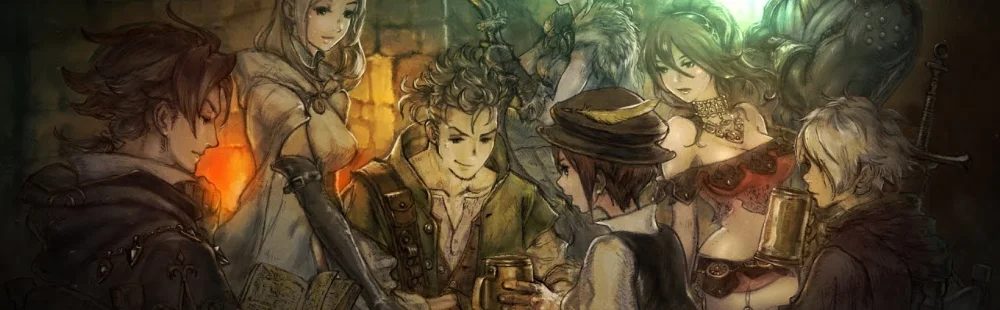
For Octopath Traveler, the visual case is obvious. The games already look like storybook dioramas, and a cleaner frame rate or resolution can make that art style easier to appreciate. The snowy village screenshots and character art still do a lot of work. The series has a look people recognize instantly, and it fits the Switch 2 audience well.
The business case is messier. RPG Site reported that the games will be sold individually, with a digital bundle also available, and that physical releases in the West will use game-key cards. That gives collectors and digital buyers options, but it does not answer the emotional question from existing players: why should the people who supported the games first get the least convenient path forward?
Game-key cards add another small wrinkle because they look like physical releases on a shelf but still require a download. Some players are fine with that trade, especially for a portable RPG they want in a case. Others see it as one more sign that this Switch 2 version is being treated like a fresh product without giving original Switch owners much of a bridge.
That is the tension Square Enix has created. New players get a clean entry point, and anyone who missed these RPGs on the original Switch may be happy to jump in on October 1. Returning fans are being asked to weigh better performance against lost saves and another purchase. For a series built around long journeys, that is not a tiny detail. It is the part of the announcement players will remember first.