Want to build a cottage, arrange a room, or settle into a farm without another competitive match? These six indie cozy games offer different ways to slow down. Tiny Glade is our first pick for completely open-ended building; Unpacking is the better choice if you want a story to follow.
All six games below are available now. This list ranks them for a relaxing solo session, not by review scores or a claim that everyone finds the same activities calming. The recommendations are based on their published features, with the important limits included.
Quick picks: choose your kind of cozy
- No goals or failure states: Tiny Glade.
- A personal story told through belongings: Unpacking.
- Small organizing puzzles: A Little to the Left.
- Sticker-book decorating: Little Corners.
- Busy scenes full of hidden objects: Lost and Found Co.
- Farming, friendships and a longer project: Stardew Valley.
Compare the six games
Availability checked September 13, 2026. Desktop operating systems are listed separately so a Windows release is not mistaken for Mac support. Console and mobile editions can have different features.
- Tiny Glade — Windows, macOS and Linux. Free-form building; no campaign to finish. Mac requires Apple silicon.
- Unpacking — Windows, macOS, Linux, Switch, Xbox One, PS4, PS5, iOS and Android. A finite story across eight moves; no timers or scores.
- A Little to the Left — Windows, macOS, Switch, Xbox One, Xbox Series X|S, PS4, PS5, iOS and Android. Individual organizing puzzles, with hints and a skip option.
- Little Corners — Windows. Arrange stickers and discover hidden decorations; choose your own design goals.
- Lost and Found Co. — Windows and macOS. A single-player hidden-object campaign, bonus challenges and room decorating.
- Stardew Valley — Windows, macOS, Linux, Switch, PS4, Xbox One, iOS and Android. An open-ended farm with seasonal routines, relationships and optional combat.
These are confirmed platform options, not a promise that every edition has identical updates or multiplayer support. No fixed completion-hour estimate is assigned: a puzzle campaign and an open-ended decorating game do not have the same stopping point.
1. Tiny Glade — best for building without a checklist
Pounce Light’s Tiny Glade lets you shape cottages, castles and ruins without managing a town or fighting anything. Place structures freely rather than filling a fixed grid. Paths and buildings react to each other: a path through a wall can create a doorway.
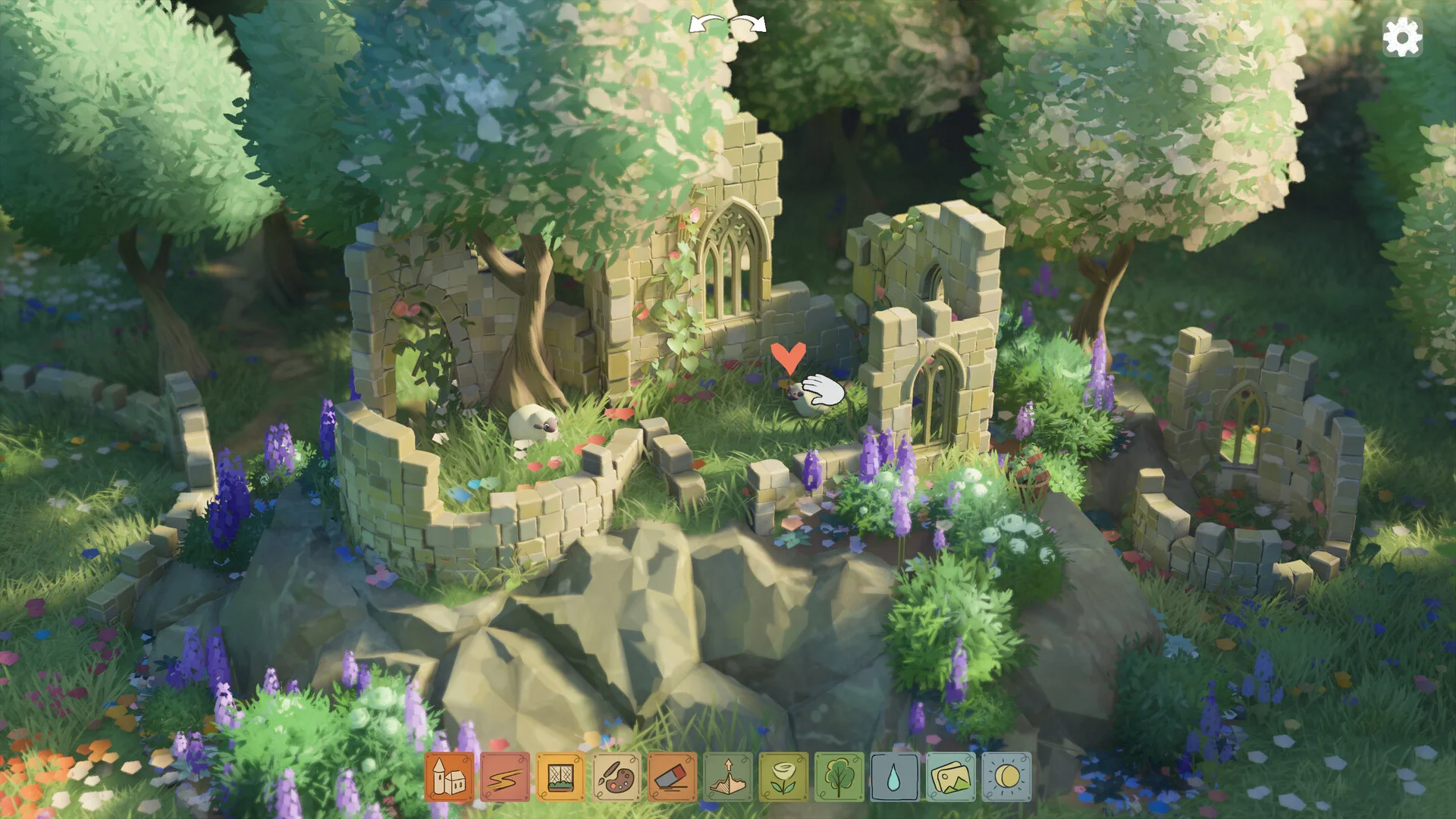
There are no failure states, and you can change a design instead of restarting after a mistake. That makes it our strongest fit for an evening spent adjusting roofs, walls and gardens without another objective waiting.
Choose it if building the cottage is the activity you want. Skip it if you need characters, quests or a story ending to give your creations a purpose. It is a creative sandbox, not a farming or town-management game.
2. Unpacking — best for decorating with a story
Witch Beam’s Unpacking follows one woman’s life through the possessions she brings to eight homes. You open boxes and find places for clothes, kitchenware, books and keepsakes. Changes in those belongings reveal the story without showing the character herself.
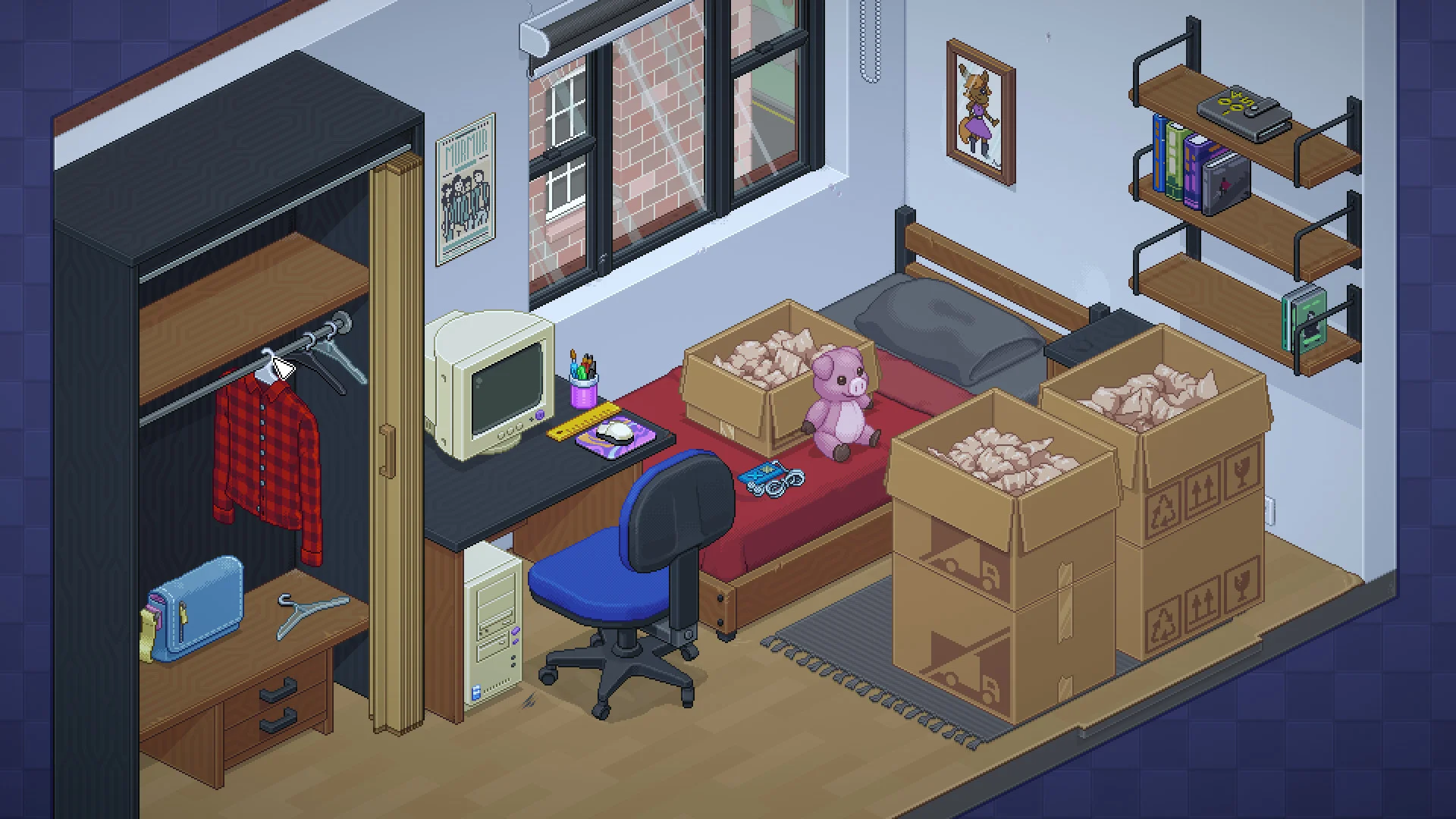
There are no timers or scores. The default puzzle still asks you to find acceptable places for objects, so this is not completely unrestricted interior design. If that becomes frustrating, the Allow Items Anywhere option removes those placement restrictions.
Pick Unpacking if you enjoy personal details and want a defined journey rather than an endless project. Its domestic setting does not mean the story is emotionally empty; it is the choice here for following a life as well as arranging a room.
3. A Little to the Left — best for a small organizing puzzle
Max Inferno’s A Little to the Left turns everyday objects into arranging problems. You sort, stack and line things up, sometimes finding more than one accepted solution. A cat occasionally interrupts the neatness.
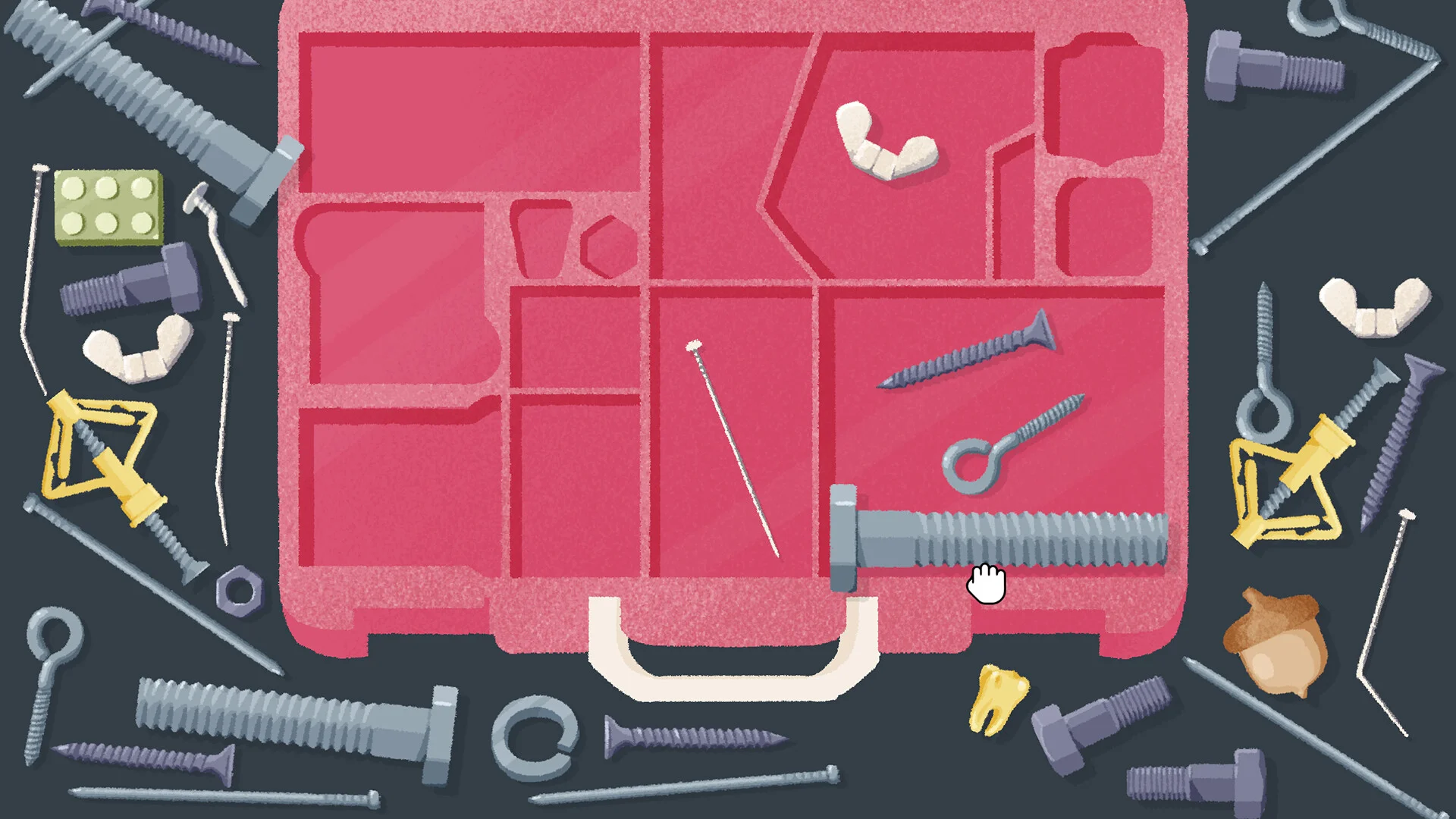
The appeal is finishing one contained puzzle rather than caring for an entire household. Hints let you reveal part or all of a solution, and Let It Be allows you to skip a level. The Daily Tidy adds another small puzzle to return to.
Choose it if sorting by shape or pattern sounds satisfying. If searching for the intended answer is exactly what you want to avoid tonight, Tiny Glade or Little Corners gives you more freedom. A pretty arrangement is not always a solved puzzle.
4. Little Corners — best for sticker-book room design
Meteor Pixel’s Little Corners is about peeling and placing digital stickers to make tiny rooms. Furniture, small decorations and animals form scenes that resemble illustrated sticker books rather than a home you walk through.
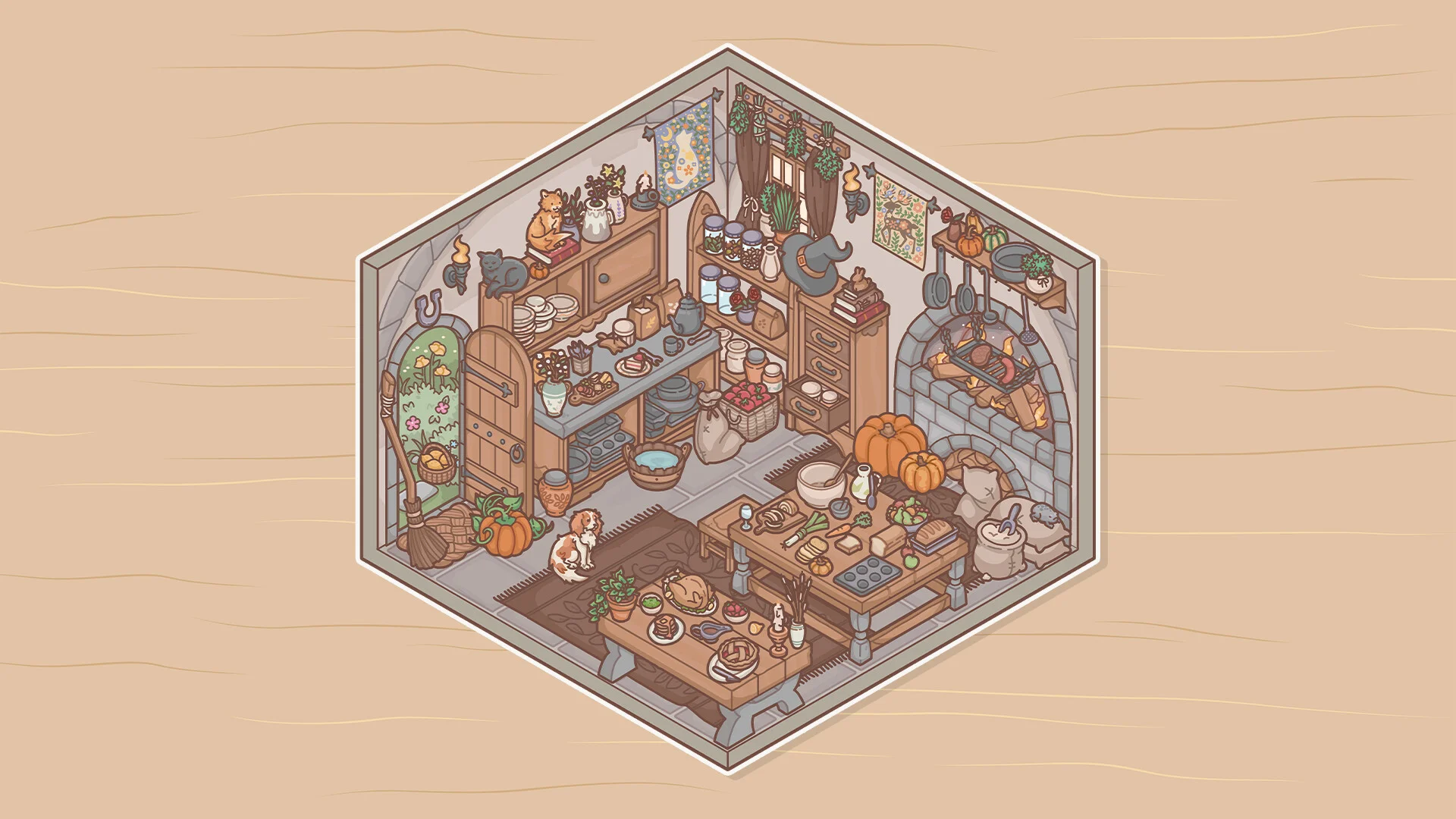
The game includes themed spaces and hidden stickers to discover through different combinations. You can also change the workspace background and mat, then use the screenshot feature to save a finished design.
This is the pick for someone who likes arranging plants, shelves and little decorative details more than solving a strict layout. It is a solo decorating game, not a shared building world; sharing a picture of a room is different from playing together.
5. Lost and Found Co. — best for hidden-object hunting
Bit Egg Inc.’s Lost and Found Co. follows Ducky, a duck transformed into a human who works for Goddess Mei. You search illustrated locations for missing belongings and help return them to their owners.
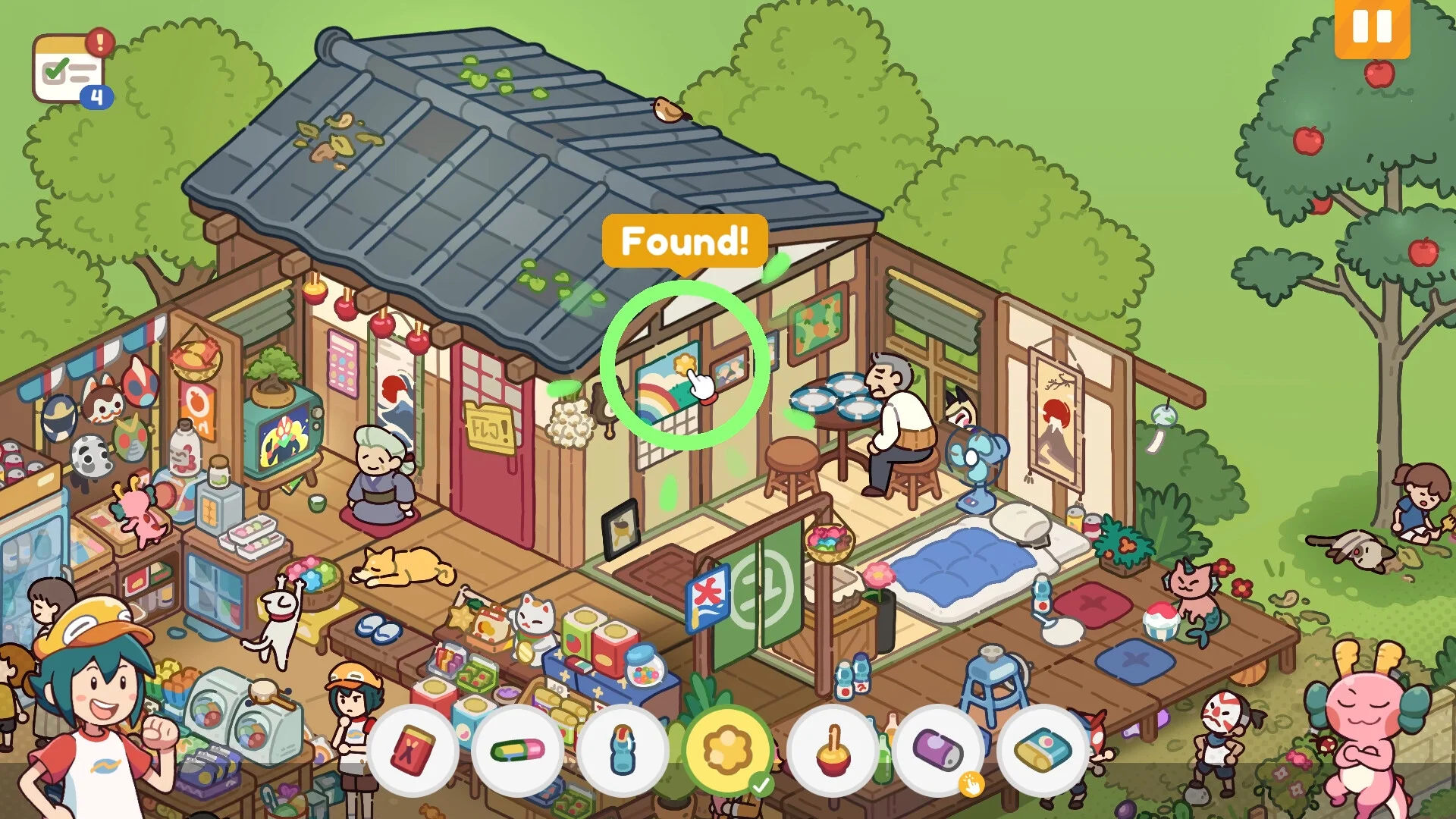
The single-player campaign gives those searches a story, while bonus challenge levels offer more object hunting. There is also an office to renovate and Ducky’s room to customize, so decorating is part of the package rather than the only activity.
Choose this if you enjoy looking closely at a busy picture and finding something you missed. It asks for more visual concentration than a blank decorating space. If crowded scenes tire your eyes, start with Unpacking or Little Corners instead.
6. Stardew Valley — best for a farm you can keep returning to
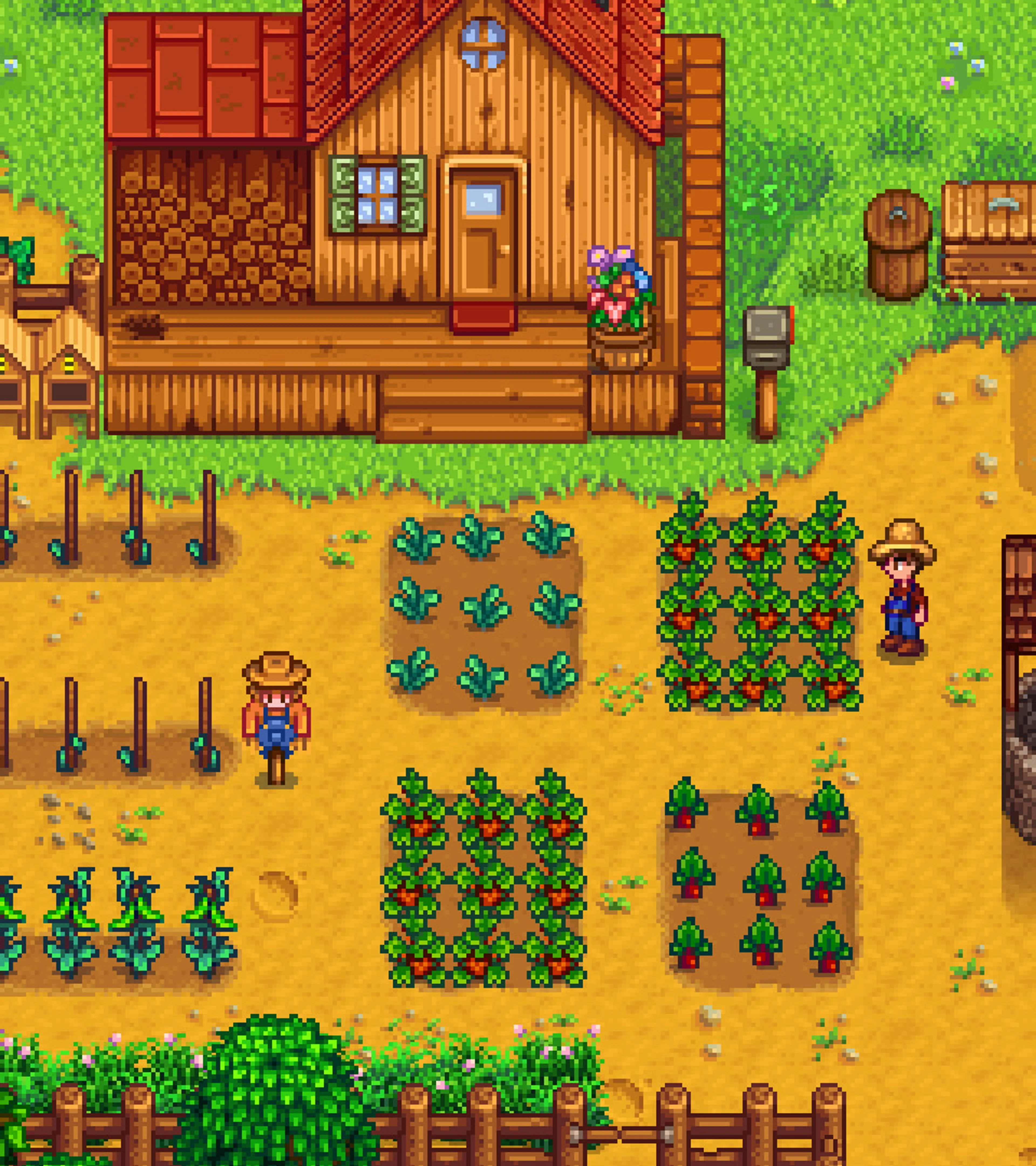
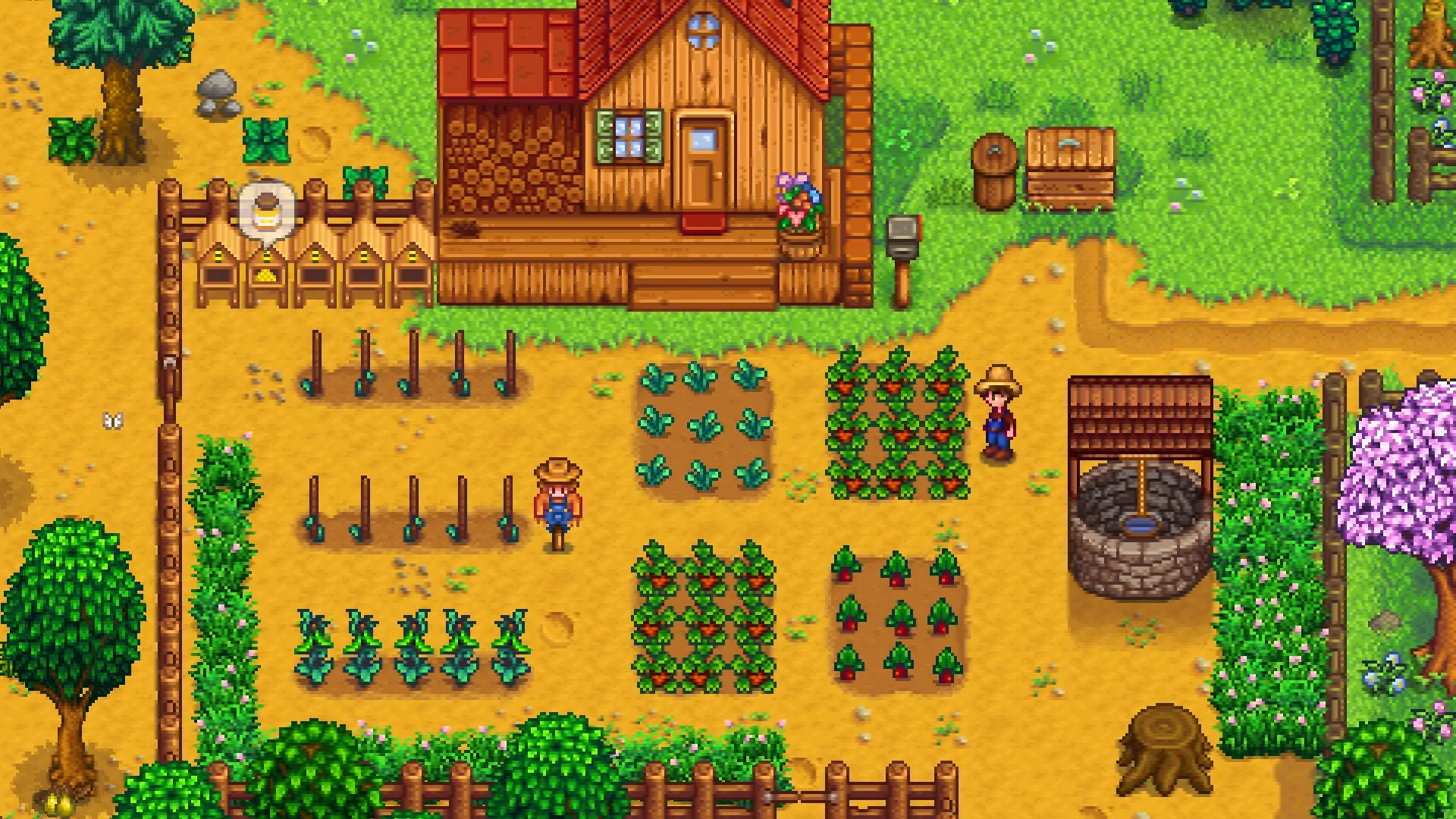
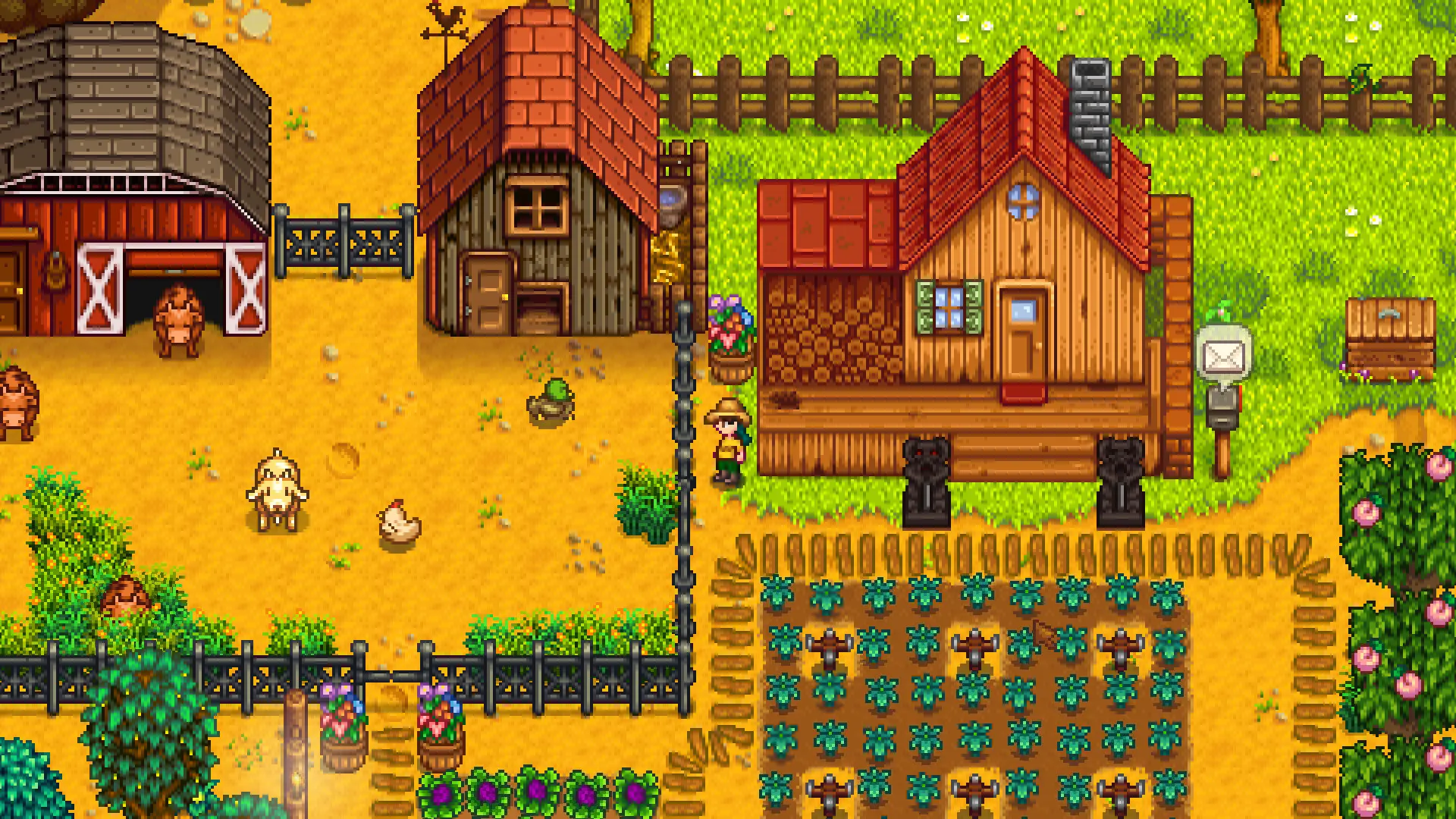
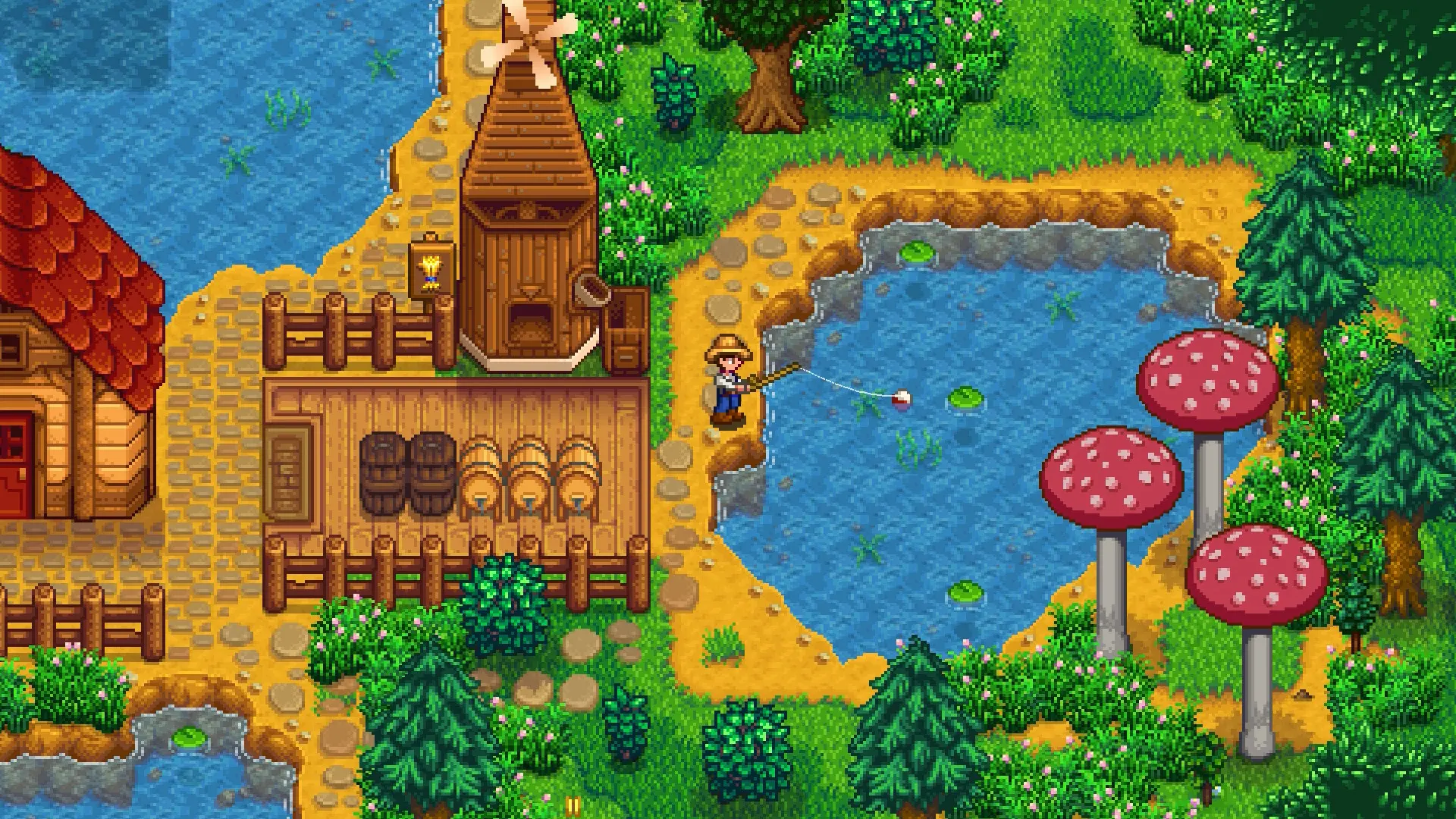
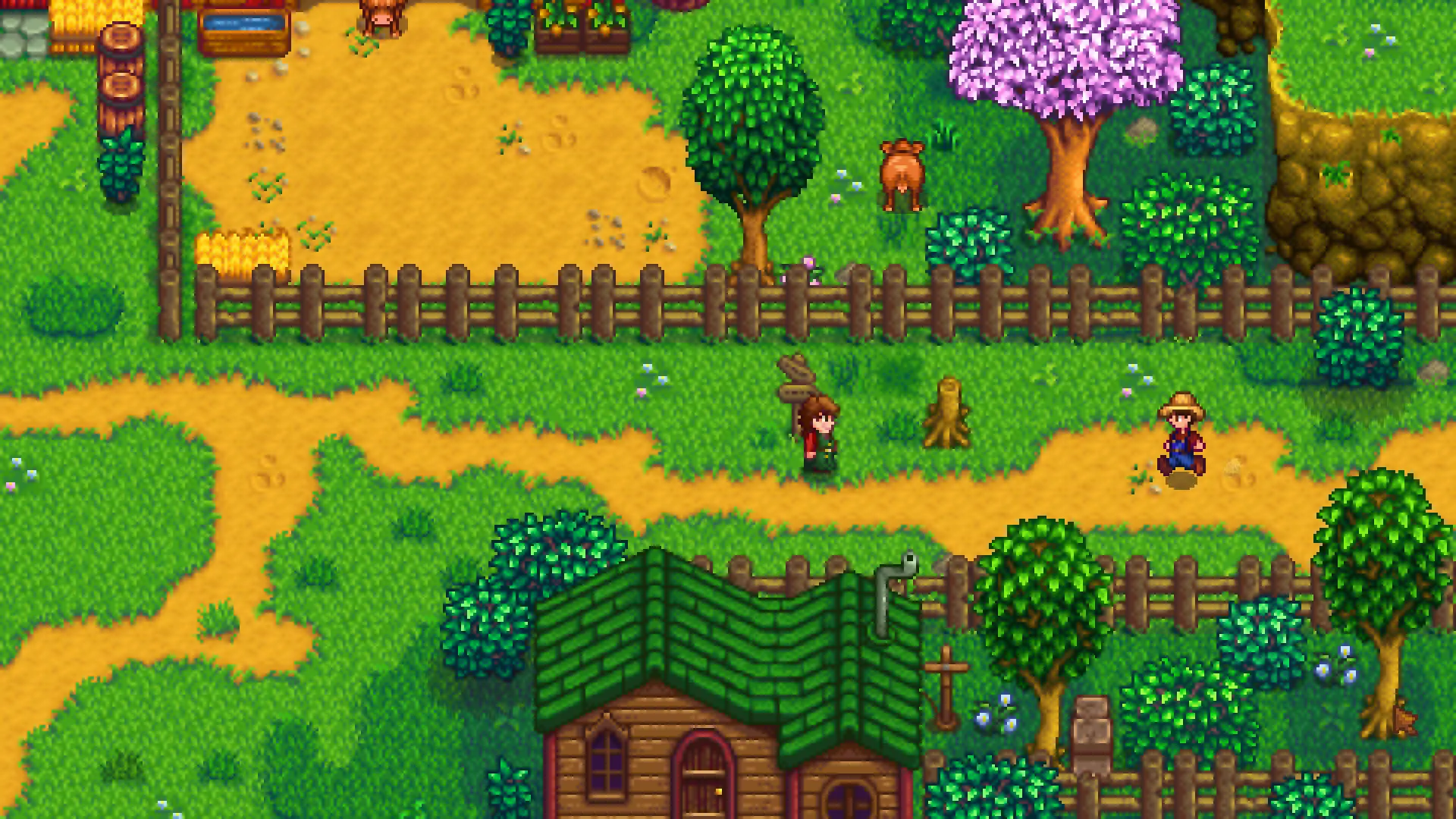
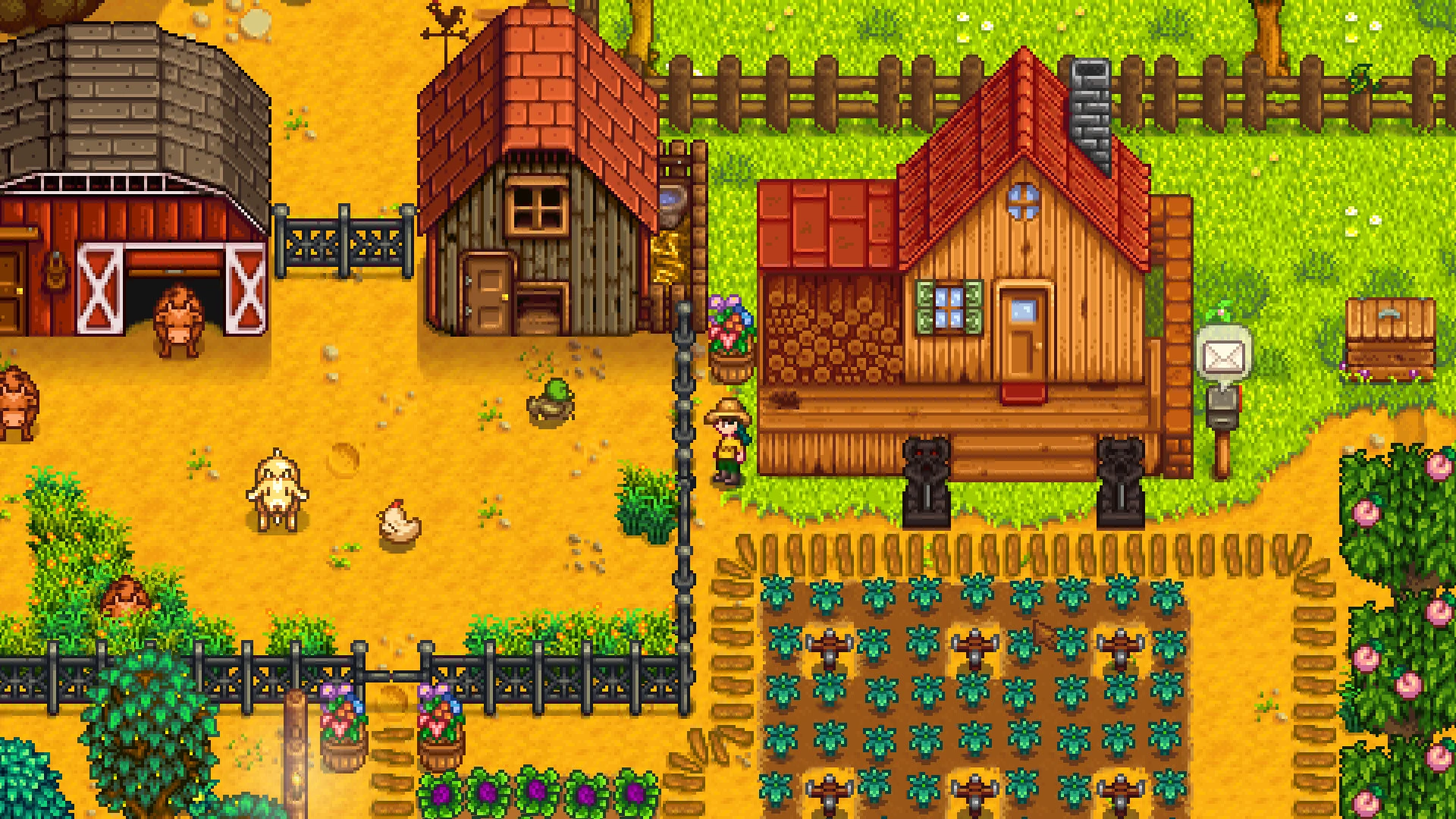
ConcernedApe’s Stardew Valley offers crops, animals, fishing, decorating and relationships with the residents of Pelican Town. Building a farm and getting to know the neighbors gives you a longer project than the other five games.
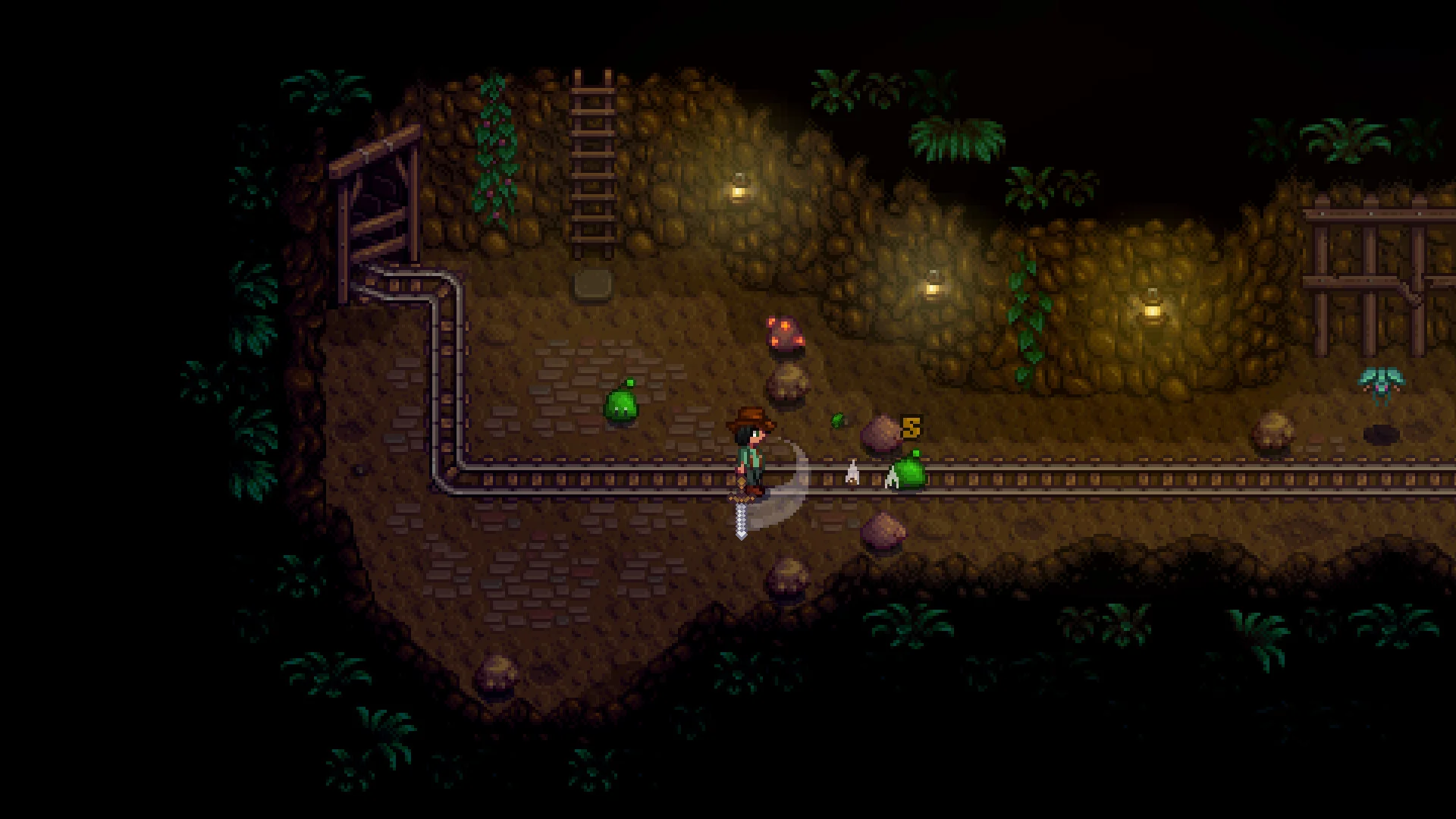
It is lower in this relaxation-focused order because it also includes a daily clock, energy management and monsters in the mines. It is not a no-pressure design tool. Start with a manageable patch of crops and one activity you want to do, rather than trying to complete every task immediately.
Pick it if routine, romance and gradual progress are what you enjoy. It also has multiplayer on supported editions, but do not assume the same player limits or connection options across platforms. The other five picks focus on solo play.
Which one should you start tonight?
For the fewest demands, start with Tiny Glade. For a story with a clear end, choose Unpacking. For a single organizing task, choose A Little to the Left. If you already know that you prefer decorating to solving, Little Corners is the more direct match.
Lost and Found Co. suits a search-and-discovery mood, while Stardew Valley suits a longer routine. Choose the activity you actually want to do, not just the prettiest screenshot.
For a separate island adventure with crafting and seaplane travel, read our Lou’s Lagoon guide. If building a useful home is your favorite part, the guide below offers another direction.
Want to keep decorating in a game you already own? Our cozy Minecraft base guide balances the look of a home with space for everyday tasks.