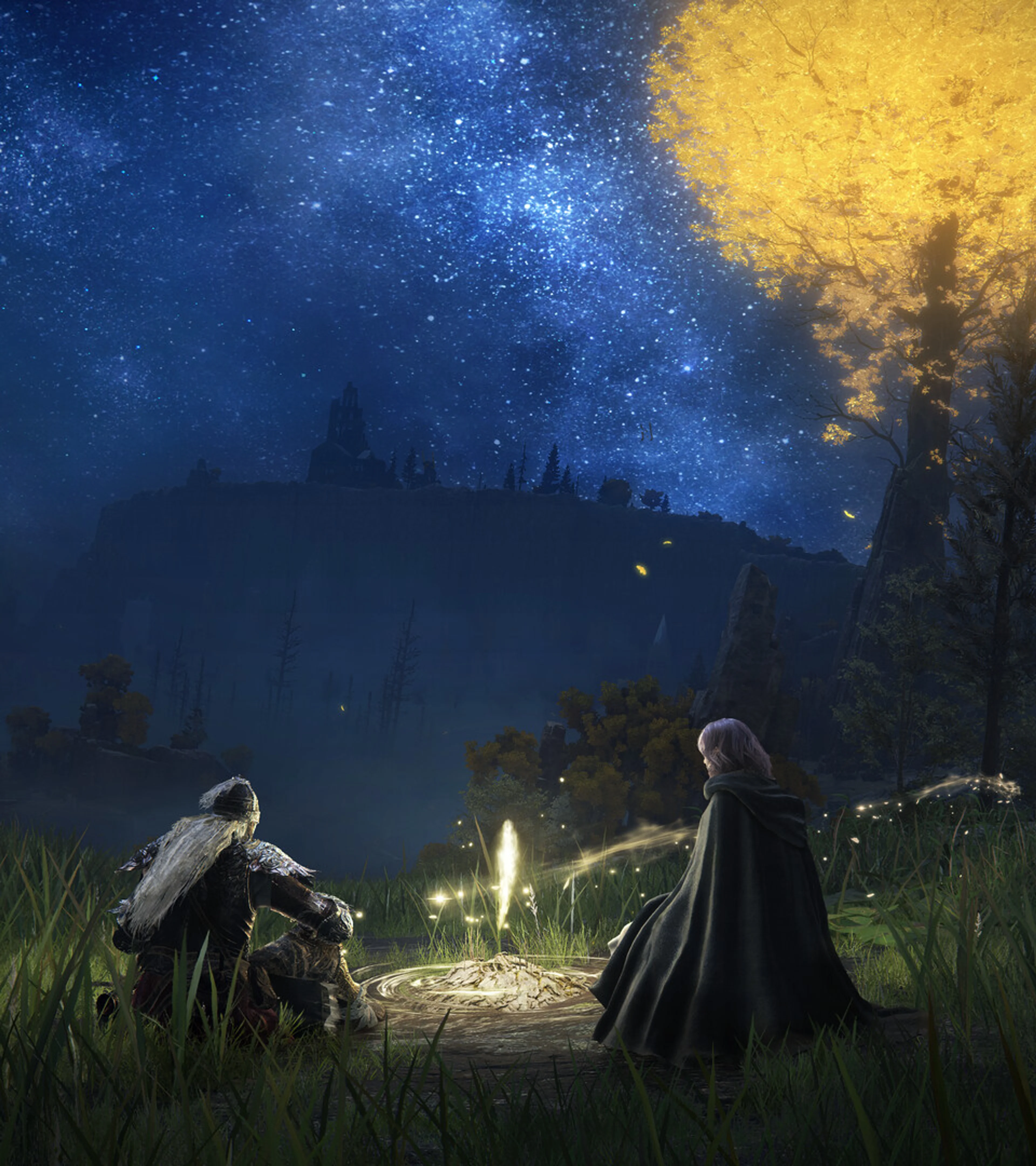

Elden Ring has a funny way of making a defeat feel personal. A boss flattens you, the screen goes dark, and for a few seconds it seems like the game has delivered a simple verdict: you are not good enough.
Then you remember the road behind you. There is a cave you skipped, a weapon that still needs upgrading, a Spirit Ash you barely tested, and half of Limgrave waiting in another direction. The boss is still there, but it is no longer the only thing you can do.
That freedom sits at the center of Elden Ring’s difficulty. Hidetaka Miyazaki explained in an official PlayStation interview that players could leave a challenge, rethink their approach, and return at their own pace. Four years later, that still describes the game better than the familiar “hardest boss” arguments.
The smartest part of Elden Ring’s difficulty is the exit
A traditional action game can turn a boss into a locked door. You either win or stop. Elden Ring often leaves a side path open, and that small difference changes the mood of the entire fight.
In this world, walking away is part of the combat system. You might find a flask upgrade, earn a few levels, change an Ash of War, summon another player, or simply cool off. None of those choices erase the challenge. They let you decide what kind of answer you want to bring back.
That is also why the game can feel welcoming and hostile at the same time. The enemies do not care that you are new, but the map gives you room to become less new before you face them again.
Getting stronger is not the same as lowering the difficulty
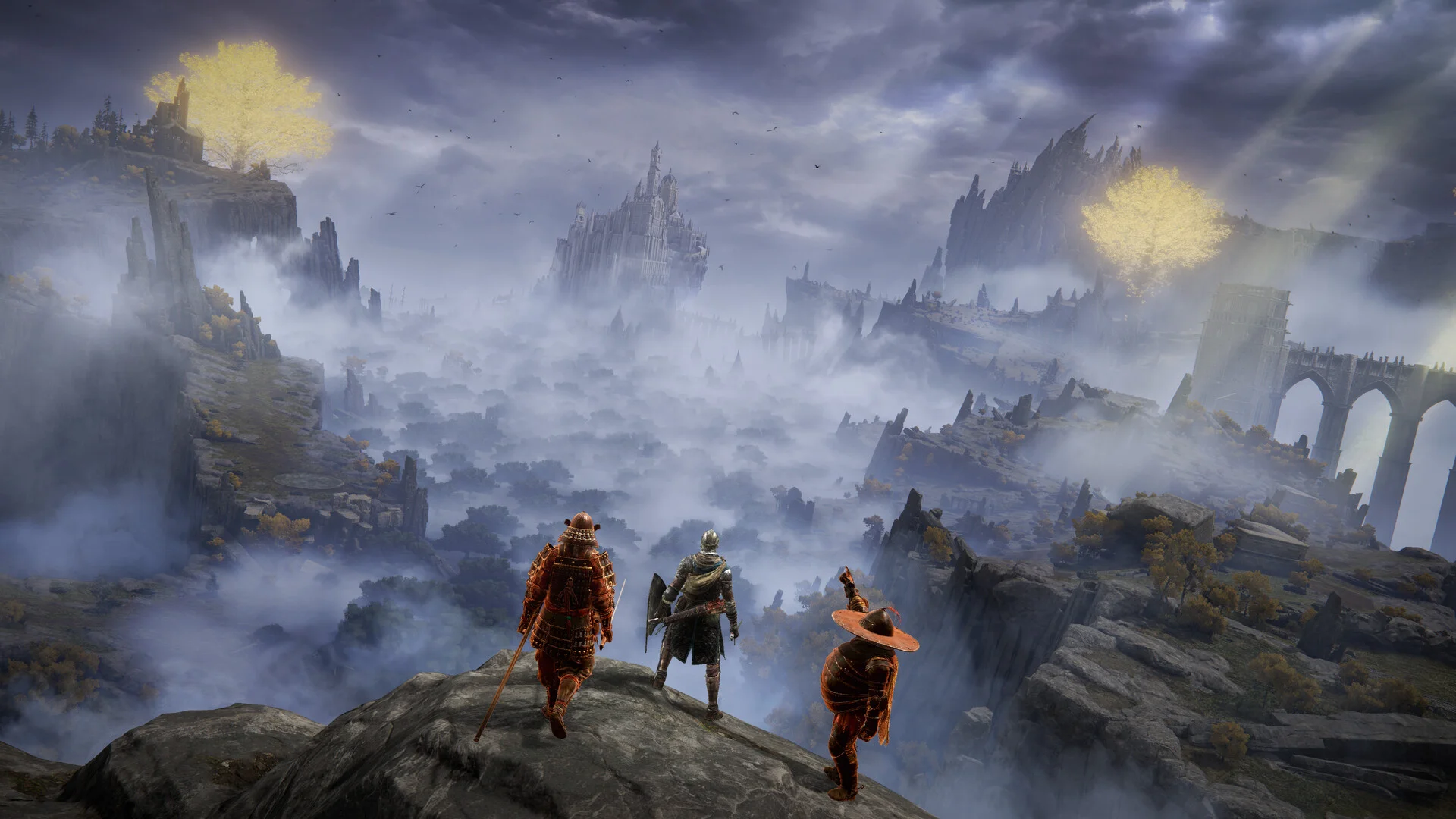
There is a stubborn idea around difficult games that every problem should be solved with cleaner dodges and faster reactions. Elden Ring does reward those skills, but it is an RPG before it is a test of pride. Levels, equipment, spells, status effects, crafting, summons, and co-op are all part of the design.
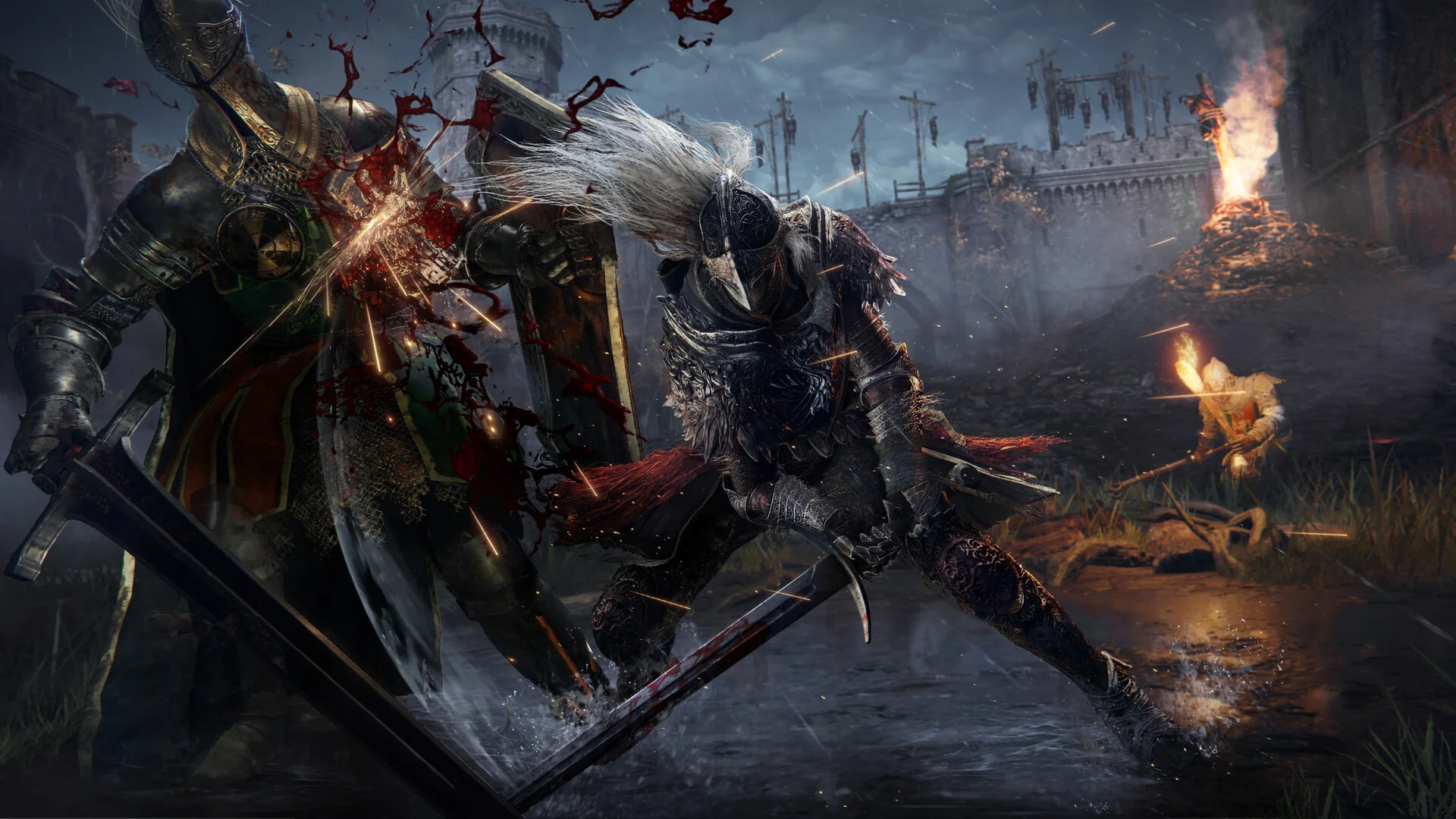
Using them is not cheating the experience. It is the experience. A bleed build can turn one fight around. A shield can make another manageable. A Spirit Ash may create the breathing room needed to learn an attack pattern instead of spending the whole battle in panic mode.
New players who want a practical route can start with our Elden Ring beginner guide for the first 10 hours. It covers the early upgrades and habits that make the opening less punishing without removing the sense of discovery.
Advertisement

A boss can be a wall or a signpost
Margit is the early lesson. He looks like a mandatory wall because Stormveil Castle dominates the horizon, but the world around him is quietly offering preparation. Players who explore the Weeping Peninsula, mines, catacombs, and field encounters return with more health, better weapons, and a clearer feel for combat.
That structure turns frustration into a navigation question. Are you supposed to keep trying, change tactics, or leave? Elden Ring rarely answers directly. Its confidence comes from trusting players to read the situation, even when that trust occasionally slides into vagueness.
If the open map starts feeling too open, our boss order and progression route gives a clean path without forcing every optional encounter into a checklist.
Freedom makes “fair” harder to judge
The same openness that helps one player can confuse another. If dozens of routes are available, the game cannot know which weapon you upgraded, which quests you missed, or whether you arrived at a boss twenty levels earlier than someone else. Two players can face the same enemy and walk away describing completely different difficulty curves.
That makes online arguments messy. One player says a fight is perfectly tuned. Another says it is miserable. Both may be telling the truth about the version of the encounter their choices created.
Here, failure becomes information. The useful question is not only “Can I dodge this attack?” It is also “What is my build asking me to do, and have I given it the stats to work?” Our Elden Ring stats and soft caps guide helps answer the second part.
The game still has rough edges
None of this makes every difficulty spike brilliant. Some oversized enemies fight the camera as much as the player. A few late-game attacks hit so hard that experimentation becomes expensive. Quest directions can be cryptic enough to send reasonable players to a browser instead of deeper into the world.
It is possible to admire the philosophy and still dislike parts of the execution. In fact, that tension is why Elden Ring remains such a useful reference point. It offers more answers than earlier FromSoftware games, yet refuses to explain many of them clearly.
Why other open worlds still get compared with Elden Ring
Elden Ring proved that an open world does not need to smooth every edge or fill the map with instructions. Mystery can be useful. Getting lost can create a story. A hard fight can push the player outward instead of stopping the adventure entirely.
The lesson is not that every RPG should copy FromSoftware or remove difficulty options. It is that challenge feels richer when the world gives players meaningful ways to respond. Exploration should change what happens in combat, not just add another icon to clear.
The upcoming Elden Ring Tarnished Edition for Switch 2 will put that design in front of another audience. Some players will meet the Tree Sentinel and charge back in immediately. Others will turn left, disappear into the Lands Between, and return hours later with a much better plan. Both reactions are exactly what the open world was built to allow. The route changes, but the satisfaction still comes from making the answer your own.