The debt sits behind every studio question
The original deal called for roughly $20 billion in debt financing, alongside equity from the investor consortium. EA’s acquisition announcement described the transaction as a way to move faster and unlock growth, while the employee concerns reported this week focus on the obligations that come with borrowing at that scale.
A private owner can take a longer view than a public company, but it can also demand faster cost savings to service a large financing package. EA has not said that layoffs are the plan. The workers interviewed by Game Developer are looking at the same debt and asking what happens if a game misses its target or a studio’s next project slips.
That is where the fear of closures or studio sales comes from. It is not a confirmed list of targets. It is an expectation shaped by how leveraged buyouts often treat underperforming parts of a business: cut them, sell them, or fold them into something else. Whether that pattern reaches EA will only be clear through actual decisions.
Creative control is part of the concern
The reported employee worries are not limited to job counts. Some workers told Game Developer that projects could be rejected if they do not fit what the new owners want EA to represent. That is an allegation about possible creative pressure, not a published policy from PIF or EA.
EA’s public position is that the company will keep its creative culture and continue making games for a global audience. The problem for employees is that private ownership makes those promises harder to test. A public company has to explain more of its decisions to shareholders; a private company can keep more of its reasoning behind closed doors.
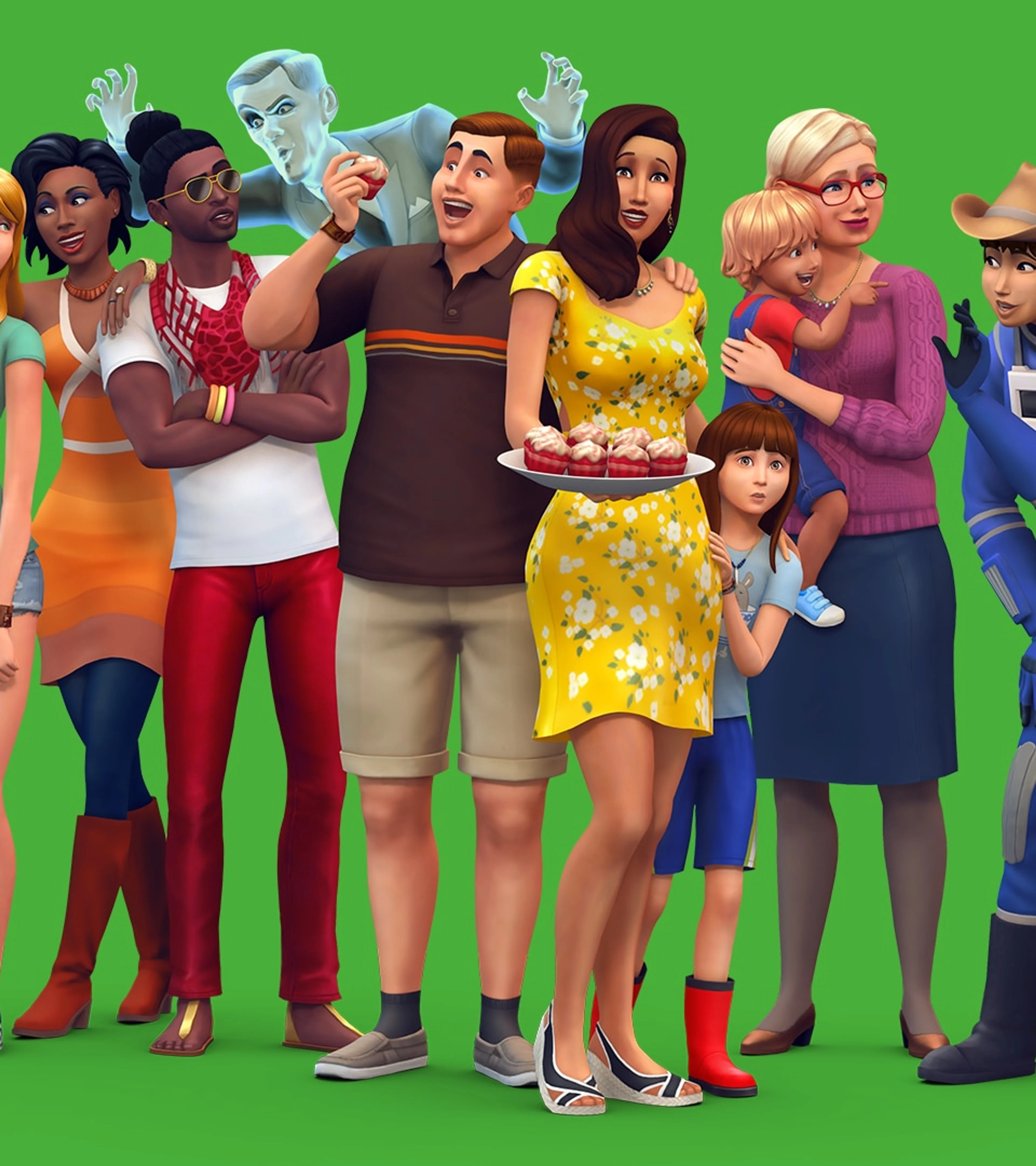
That uncertainty reaches games such as The Sims, Battlefield, EA Sports FC, and Apex Legends in different ways. A large franchise may look protected because it brings in reliable money, while a smaller team may have less room to miss once budgets are reviewed. Neither assumption is a confirmed plan, and no EA studio should be labeled safe or doomed without evidence.
What EA has actually confirmed
The confirmed facts are limited: the $55 billion transaction closed; PIF, Silver Lake, and Affinity Partners own EA; Andrew Wilson remains CEO; and the company says it wants to invest in new experiences. The closing statement does not announce mass layoffs, studio closures, game cancellations, or a change to the publisher’s release slate.
The new employee accounts add important context, but they should stay labeled as reports from anonymous sources. GamesRadar+ said it contacted EA for comment on the concerns. Game Developer reported that EA declined to comment. Until the company publishes a specific action, “layoffs are coming” remains an expectation, not a confirmed event.
Our earlier report on why EA layoffs were feared after the sale covers the reported cost-savings target that first put the issue in front of players. Our separate piece on what the new ownership could mean for The Sims follows the franchise question from a player’s point of view.
What players and developers should watch next
The next meaningful evidence will be concrete: an EA memo, a WARN filing, a named studio closure, a canceled project, a hiring freeze, or a change to a team’s announced work. Financial reports may also show whether the new owners are keeping their investment promises or asking for deeper savings.
For now, the clearest update is about the people inside EA. They are not saying a mass layoff has happened. They are saying the possibility now hangs over everyday work, and that the company has not given them enough detail to believe it will stay away. After a buyout this large, that uncertainty is already part of the story.