
Electronic Arts officially has new owners. The $55 billion sale closed on August 4, placing the company behind The Sims, Battlefield, EA Sports FC, Madden, Apex Legends, and Dragon Age under a private investor group led by Saudi Arabia's Public Investment Fund, alongside Silver Lake and Affinity Partners.
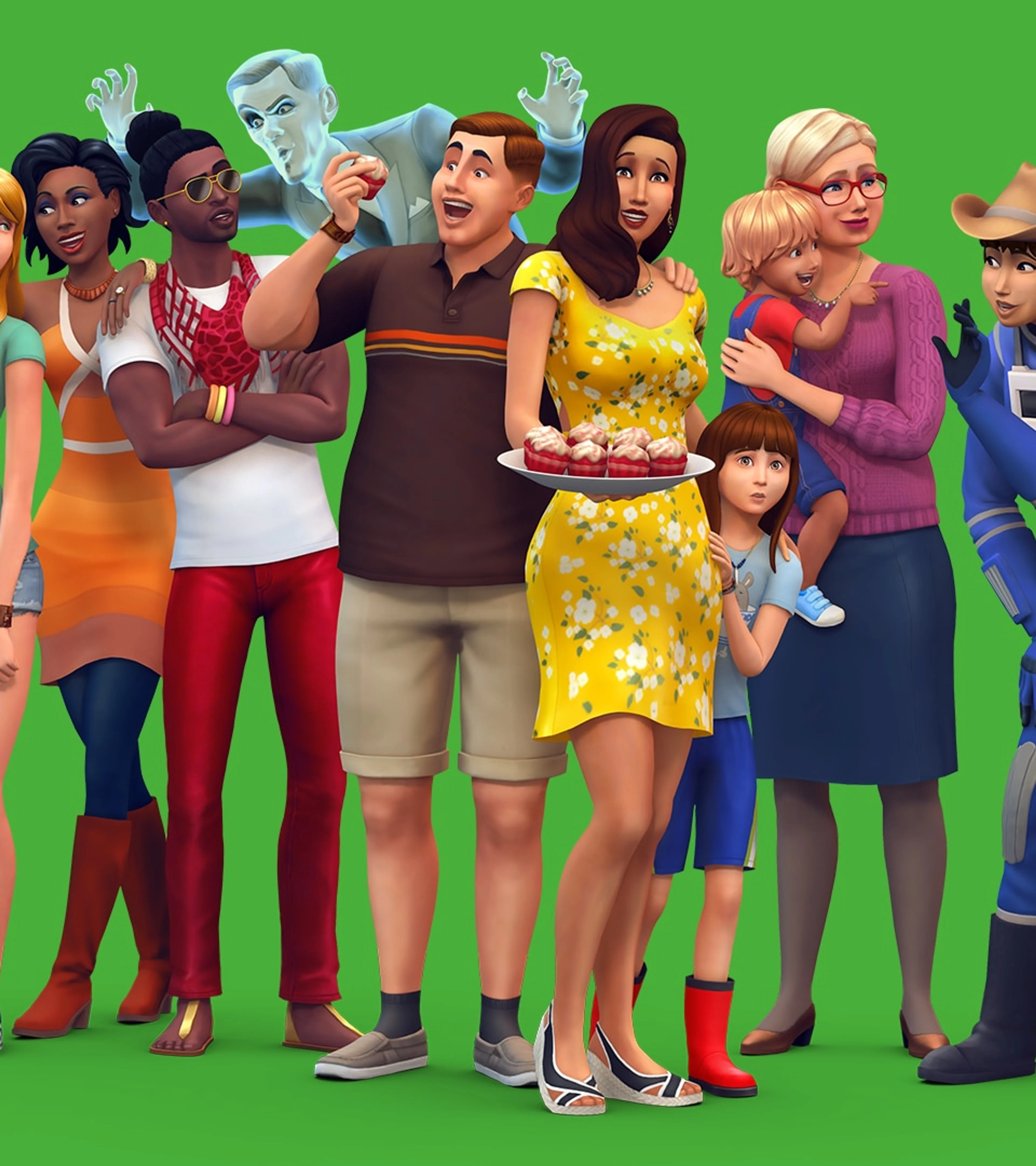
If you open The Sims 4 today, the game is still there. EA has not announced canceled packs, removed features, new restrictions, or a change in the development team. The sale changes who owns the company and how it is financed. It does not automatically rewrite the game on the first day.
EA's official closing announcement confirms that the company is now private. Its stock has stopped trading on Nasdaq, former shareholders will receive $210 per share, and the investor group now controls the full business. EA says the new owners will support growth, creativity, and innovation.
Those are the confirmed facts. The uncertainty begins with what the new owners will ask EA to prioritize once the public statements are over.
Why Sims Players Are Watching Closely
The Sims is not only a profitable game series. For many players, it is a place to build families, explore identity, tell queer stories, and create lives that may not feel possible elsewhere. That history explains why the ownership of EA has produced a stronger reaction in this community than a normal business announcement.
KQED reported that players and creators were worried about the future of the game's LGBTQ+ expression. Major Sims creators, including Kayla 'lilsimsie' Sims, James Turner, and Jesse 'Plumbella' McNamara, distanced themselves from EA's creator program after the buyout was announced. Their concern was not based on a confirmed content change. It came from the values and record of the new ownership group.
EA and Maxis have tried to answer that fear. In January, the Sims team said its creative control had not changed and named inclusivity, choice, creativity, community, and play as the values guiding the franchise. It also said The Sims would remain a place where players can express themselves.
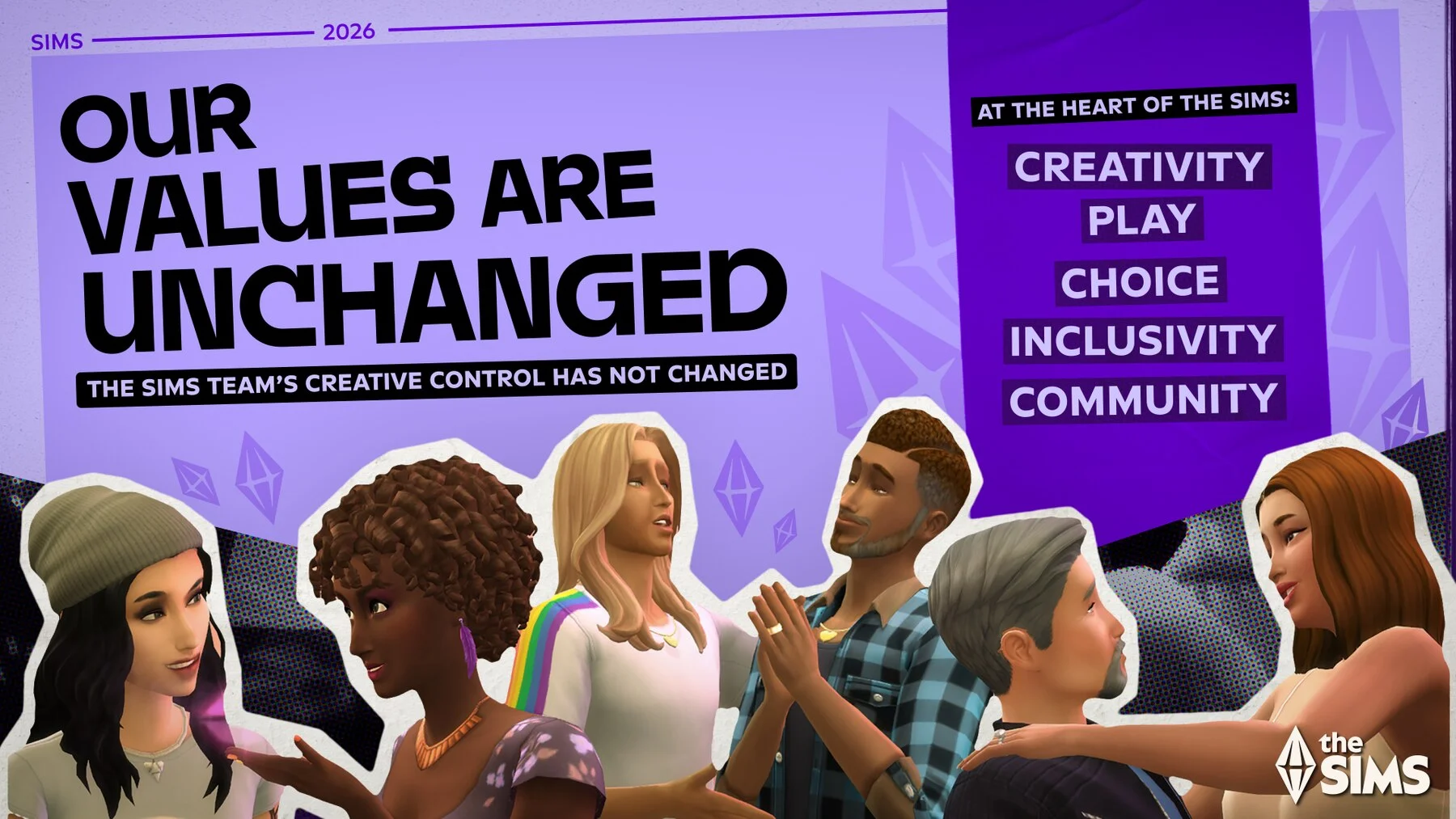
That promise deserves to be included, but players do not have to treat it as the final answer. A statement tells the community what EA intends to protect. Future updates, staffing decisions, marketing, character options, and creator partnerships will show whether the promise survives under the new owners.
There is currently no evidence that The Sims is removing LGBTQ+ features or limiting player expression. Saying that it has already happened would be false. The concern is about future pressure, and the fairest way to cover it is to watch what EA does rather than turn fear into a confirmed event.
The $20 Billion Debt Changes the Conversation
The original EA transaction announcement said the purchase would use roughly $36 billion in investor equity and $20 billion in debt financing. In a leveraged buyout, that debt becomes part of the financial reality facing the company that was purchased. EA now needs to keep producing enough money to run its studios, fund new games, and handle those obligations.

No one has announced a new Sims price increase, mass layoff, or heavier monetization plan because of the sale. Still, debt can encourage owners to favor projects with predictable returns. EA Sports, Battlefield, live services, expansion packs, and in-game purchases are easier to defend financially than an expensive experiment with no guaranteed audience.
The Sims is valuable because it already has a large community and years of paid content. That could protect the franchise by making continued investment attractive. It could also bring more pressure to release products regularly, expand the Marketplace, or find new ways to earn money from players. Both outcomes are possible, and neither has been confirmed as the new plan.
Another detail deserves attention. Silver Lake said the owners want to invest in what artificial intelligence can do for game development and player experience. EA has not explained how that will affect The Sims, its artists, writers, developers, or player-created content. Until the company gives details, people are reasonable to ask where AI will be used and whether it will replace creative work or support it.
Going private may give EA more freedom to make long-term decisions without reacting to its share price every quarter. It also means the public will receive less financial information than it did when EA traded on Nasdaq. Players may hear more about new products and less about the business pressure behind them.
For Sims players, the useful things to watch are direct: whether Maxis keeps its staff, whether the release plan changes, whether packs become more expensive, whether inclusive features remain supported, and whether EA explains its use of AI. Those choices will say more than a polished acquisition statement.
The Sims has not changed overnight, and there is no reason to pretend the worst has already happened. EA made a clear promise that the franchise's values and creative control would remain intact. Now the new owners have to prove it through the game players receive.