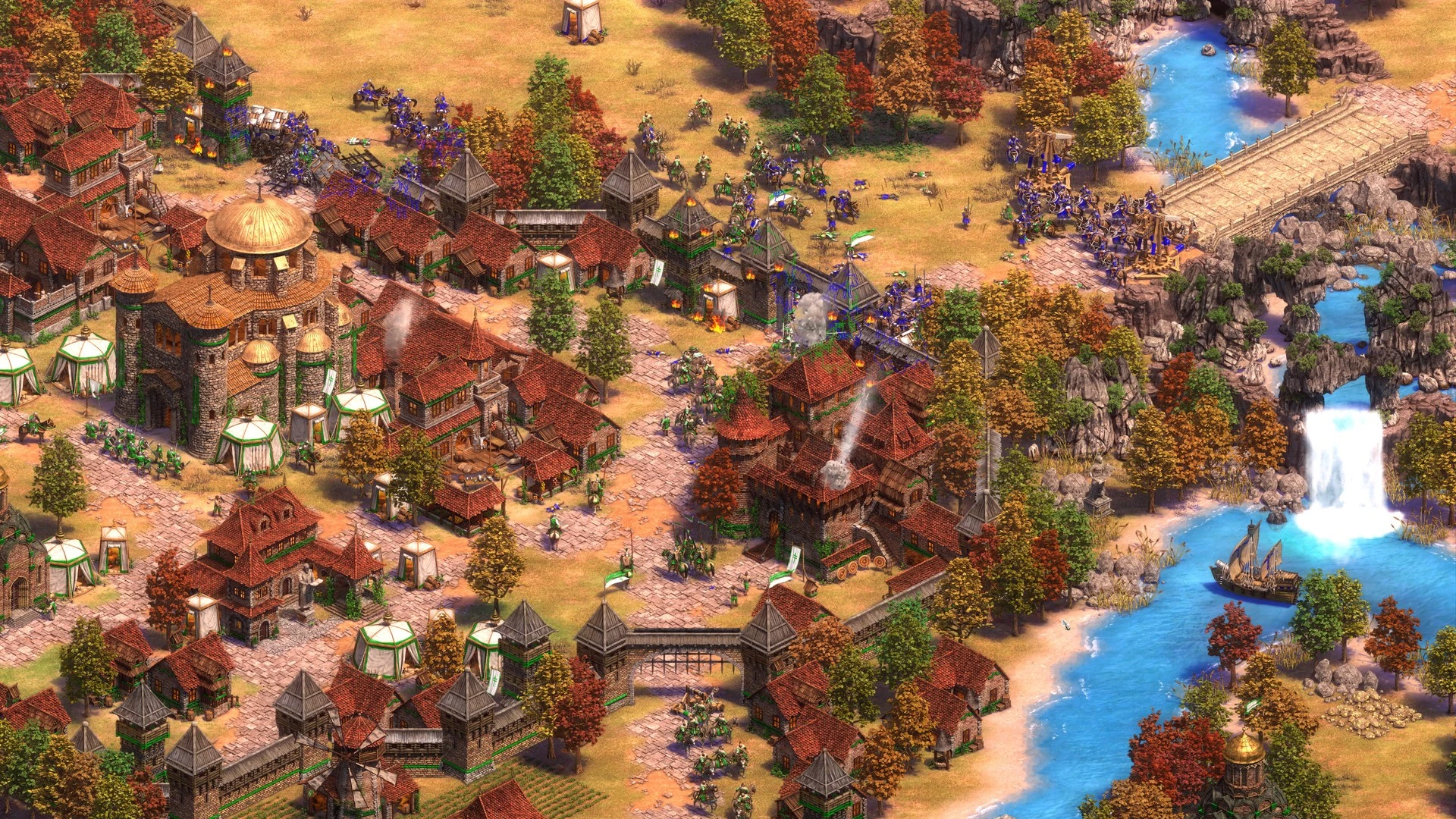
In Age of Empires II: Definitive Edition, an army needs a working economy behind it. For your first matches, focus on keeping villagers useful, leaving enough population space, and scouting before committing to an army. Those habits help more than memorizing a build order you do not yet understand.
Start with William Wallace, then a skirmish
The William Wallace learning campaign introduces gathering, building, and combat. After that, use the Art of War challenges to practice individual skills, or start a low-difficulty skirmish against the AI. Campaign missions can have unusual starting armies and objectives, so do not expect every campaign opening to work in a standard multiplayer match.
Stay with one civilization while learning the controls. Open its Technology Tree and check which units and upgrades it can actually research. A strategy built around a missing upgrade may work differently from a guide written for another civilization.
Give each resource a job
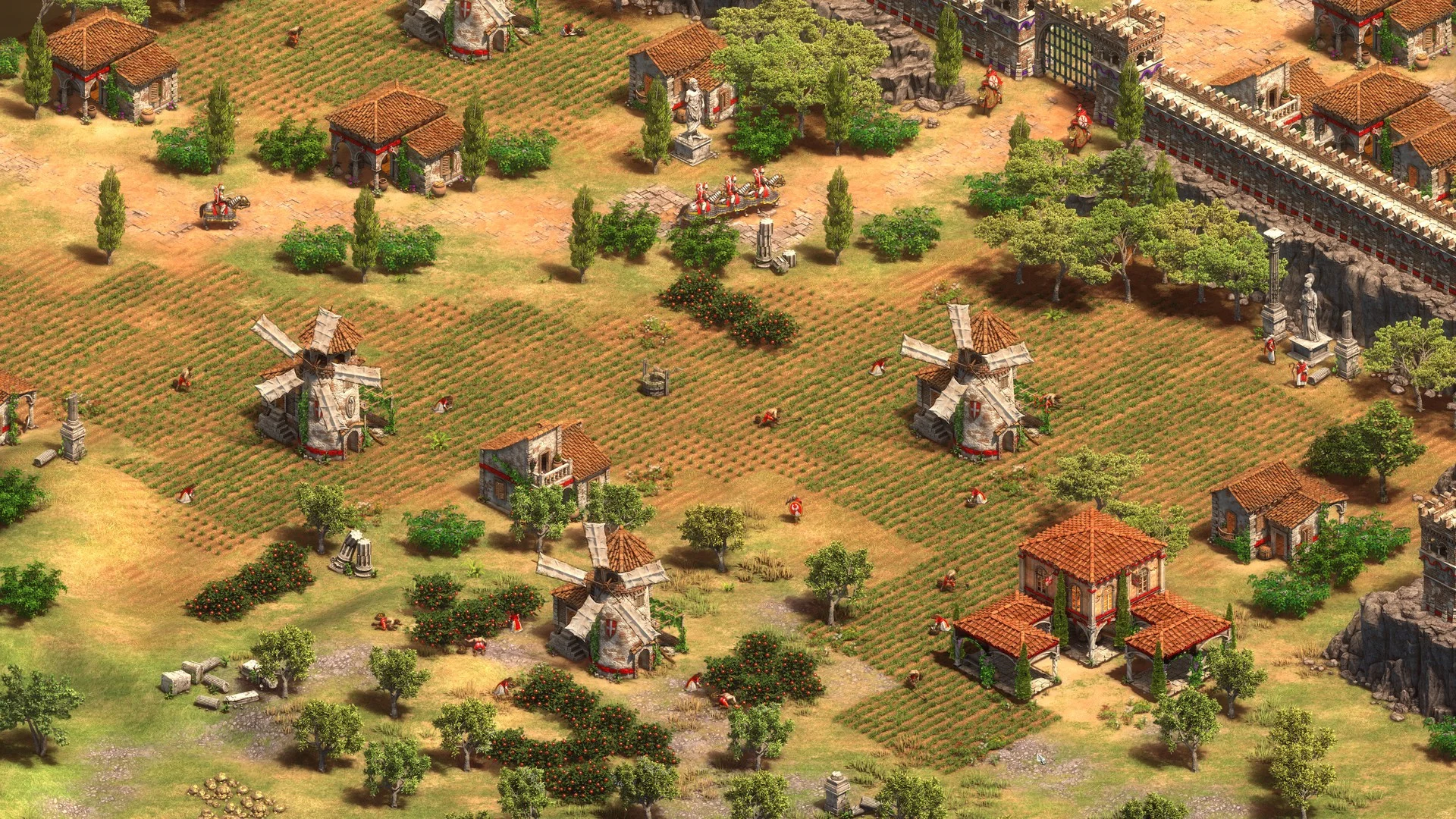
- Food supports villager production, many military units, and age advancement. If your Town Center keeps running out, inspect your food income before adding another production building.
- Wood funds many buildings, farms, and military units. Expanding your food economy can create a wood shortage when you need new farms.
- Gold pays for many stronger units and technologies. Protect access to it rather than assuming one starting mine will meet every later need.
- Stone supports important defenses and expansion buildings. Mining it without an immediate purpose can delay the food, wood, or gold your current plan needs.
Treat a large stockpile as a question: what are you saving for? An age advance, a castle, or an upgrade can justify it. If you have no plan and your army is shrinking, you may need more production or different villager assignments.
Scout while your village keeps working
First locate nearby food and other resources. Then learn where the opponent is, which approaches lead to your base, and what military buildings are going up. Use waypoints so your scout keeps moving while you check production. Avoid losing it simply to see a little farther under enemy defenses.
Scouting should answer a decision. If you see cavalry massing, prepare an answer before those units reach your woodline. If a resource is exposed, decide whether to defend it, gather elsewhere, or pressure the opponent instead. An unexplored map gives you fewer chances to make that choice.
Read the enemy army before making more units
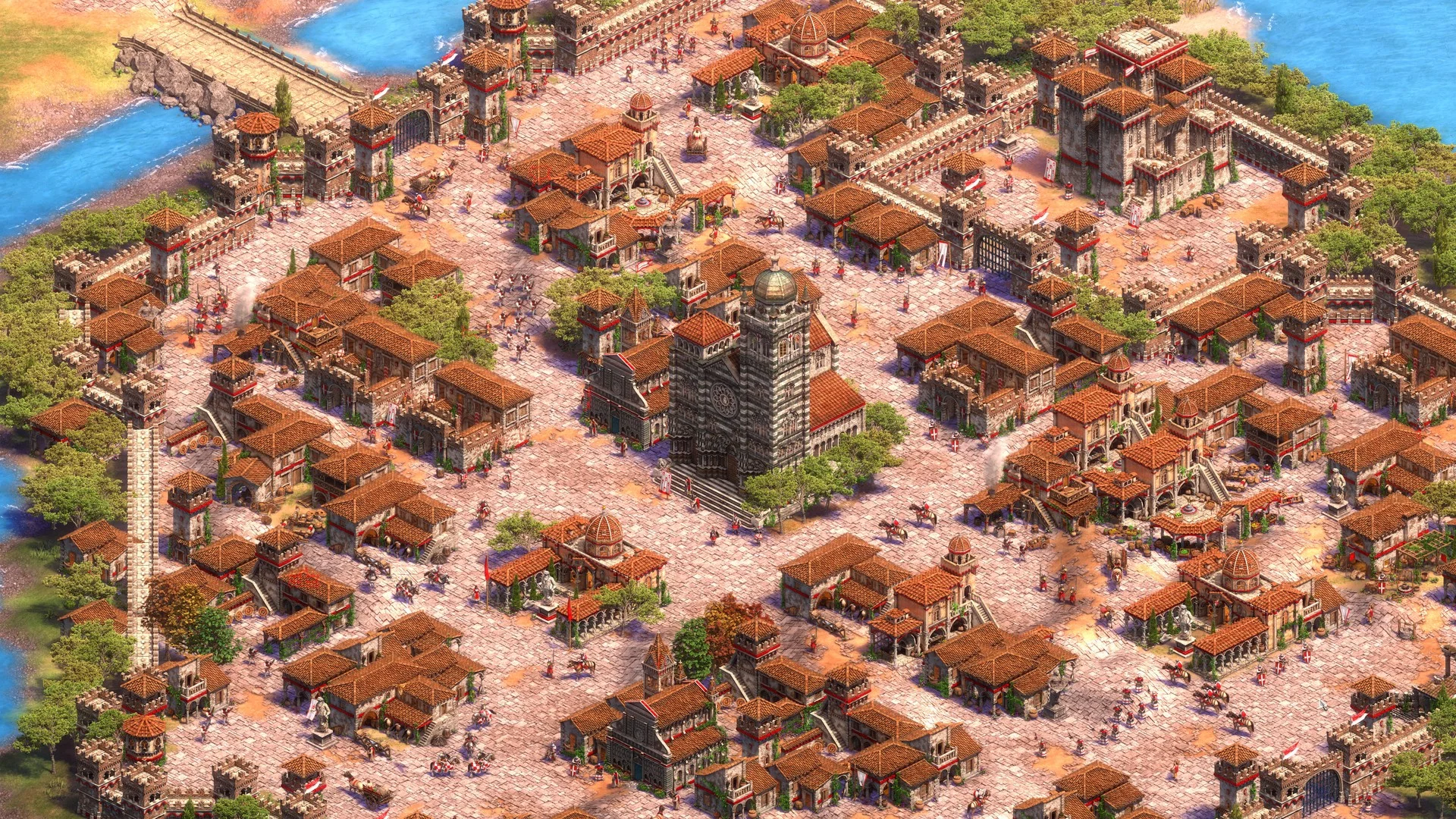
- Spearman-line units are a basic answer to most cavalry. Keep them where the cavalry wants to attack instead of chasing faster units across the map.
- Archer-line units can punish many infantry units from range. Protect them from units that can close the distance.
- Cavalry can pressure many archers, especially when it reaches them without being held off by supporting units.
These are starting rules, not guaranteed wins. Numbers, upgrades, terrain, civilization bonuses, and supporting units all matter. Read the unit information and compare what you can afford to replace; losing an expensive army to a cheaper counter can leave you unable to contest the next fight.
Use a short check whenever you return to your base
- Population: is there room for the units currently being trained? Add housing before production stalls.
- Villagers: are any idle, walking too far, or gathering a resource you no longer need?
- Production: can your military buildings spend your income, or are resources accumulating while queues sit empty?
- Map: where is the enemy army, and which resource or approach is vulnerable?
- Next investment: do you need defenses and reinforcements now, or can you safely save for an age advance?
Adjust when the map changes
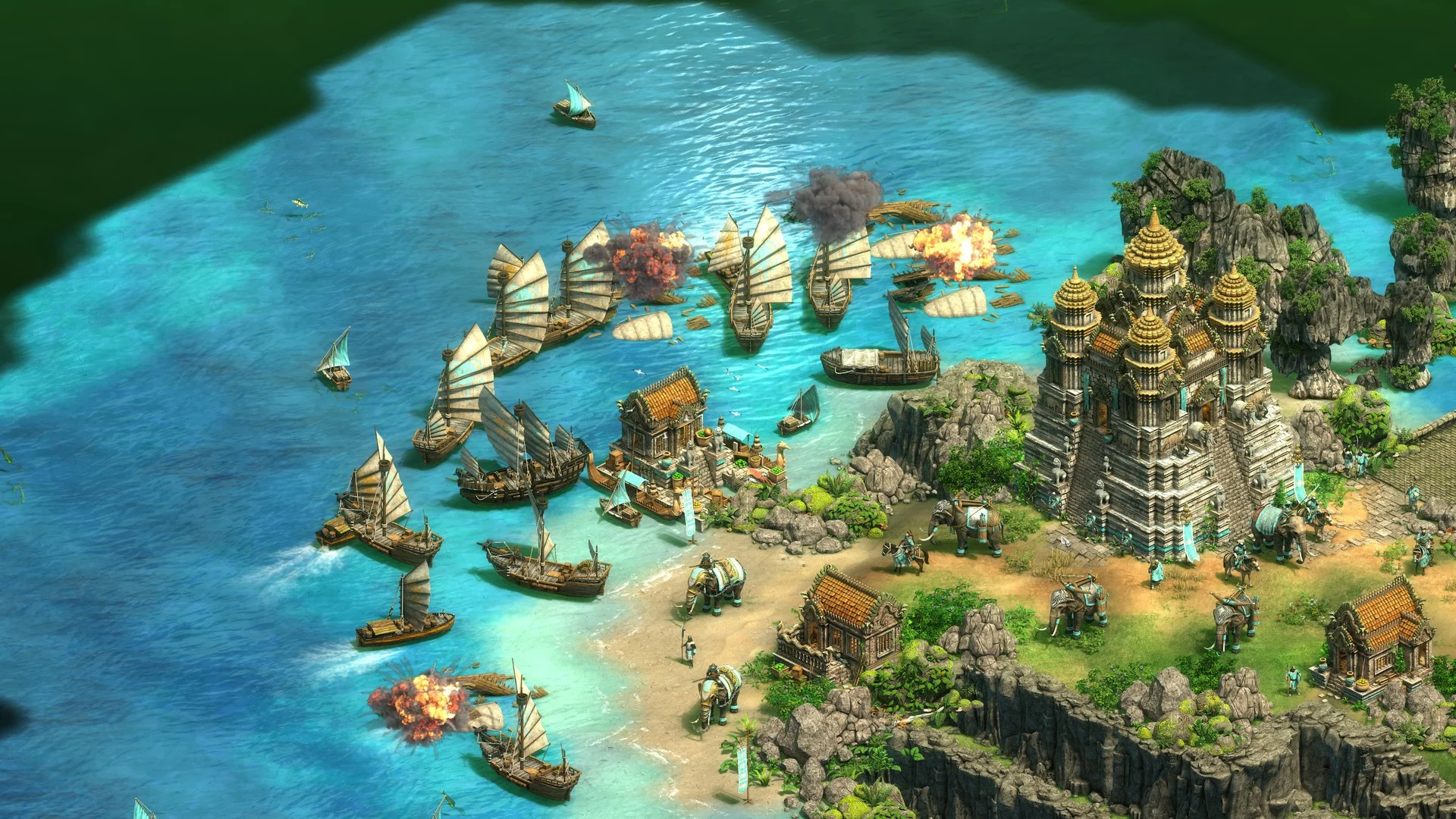
A land opening does not answer every water map, and a campaign with a fixed army may ask you to preserve units instead of growing a village. Read the victory conditions and look at the terrain before repeating the previous match’s plan. For your next practice game, choose one improvement to track, such as fewer idle villagers or earlier scouting, so you can tell what changed.
Explore Age of Empires II: Definitive Edition.