
A Steam game priced at $199.99 recorded about $1.38 million in sales, but its creator says almost every buyer asked for a refund. The game is called This Game Costs 200 Dollars, and the unusual price was part of its identity from the beginning. It launched on January 30, 2026, from developer and publisher Stolen Valor Studios.
Creator Michael Major shared figures showing 6,717 purchases and 6,707 refunds. If those dashboard numbers are accurate, only 10 copies remained sold at that point. He said the account showed about $2,045 after the refunds. Valve has not independently confirmed the private sales figures, so they should be treated as numbers reported by the developer.
How 6,717 Sales Became 6,707 Refunds
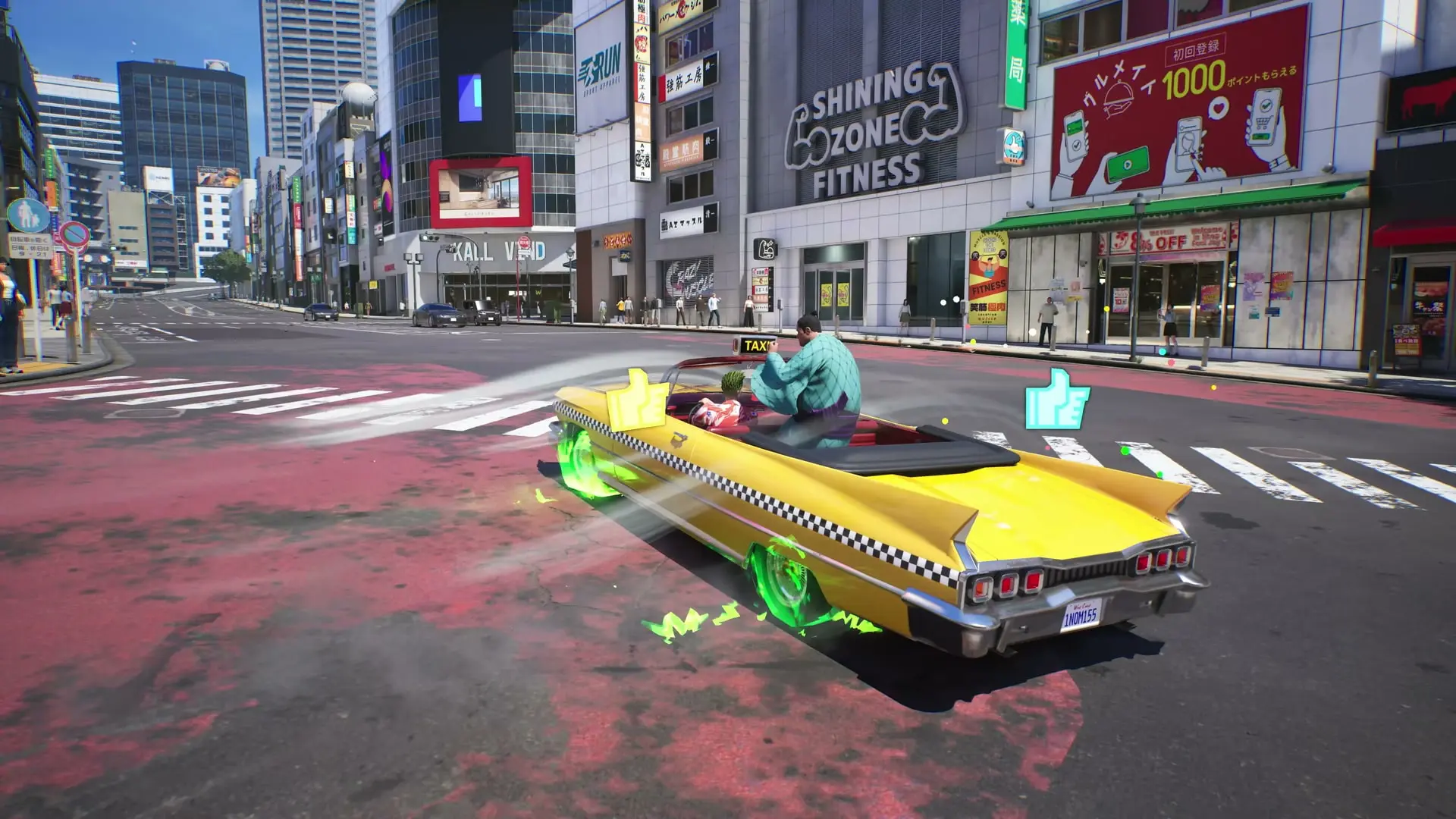
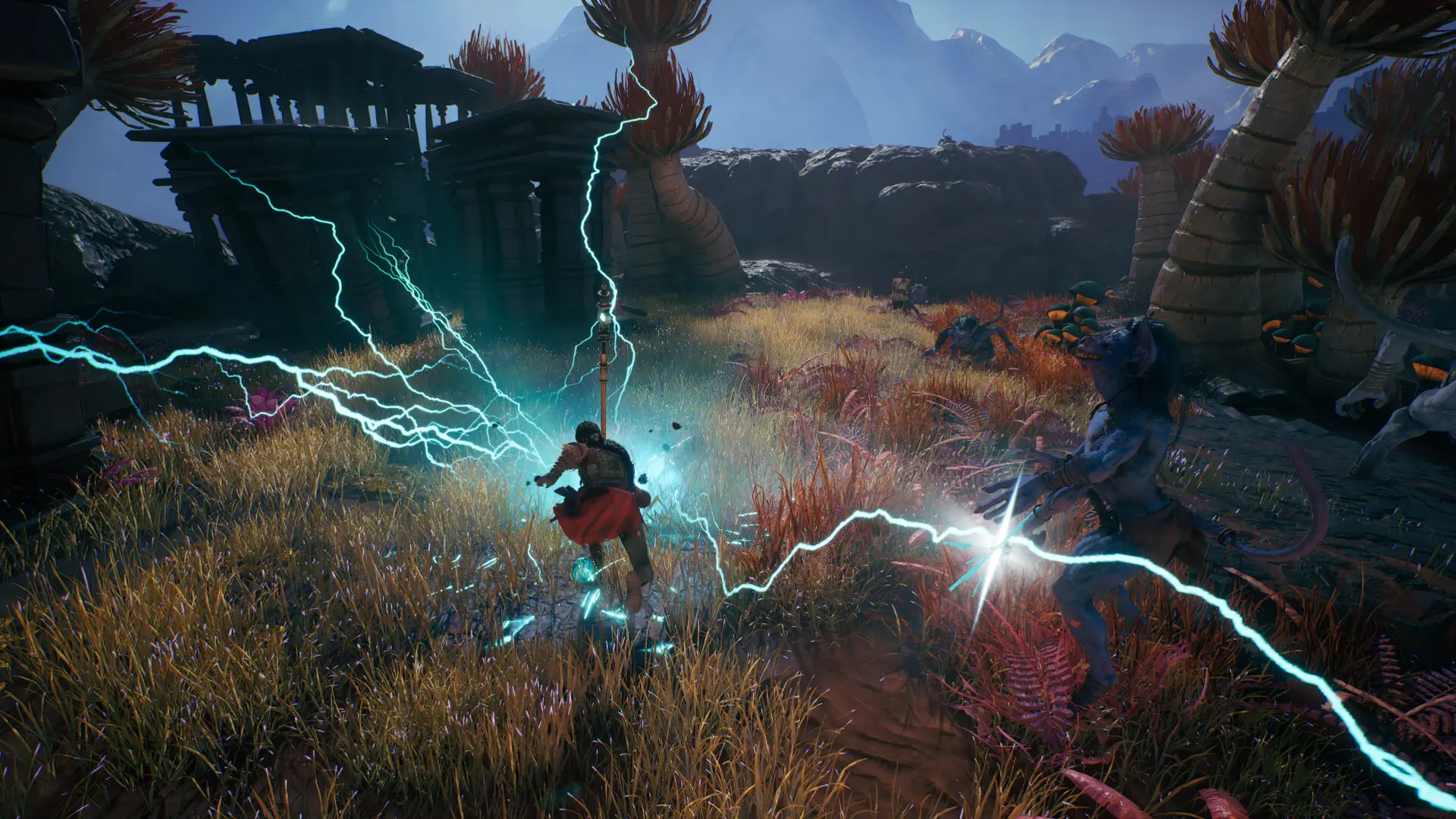
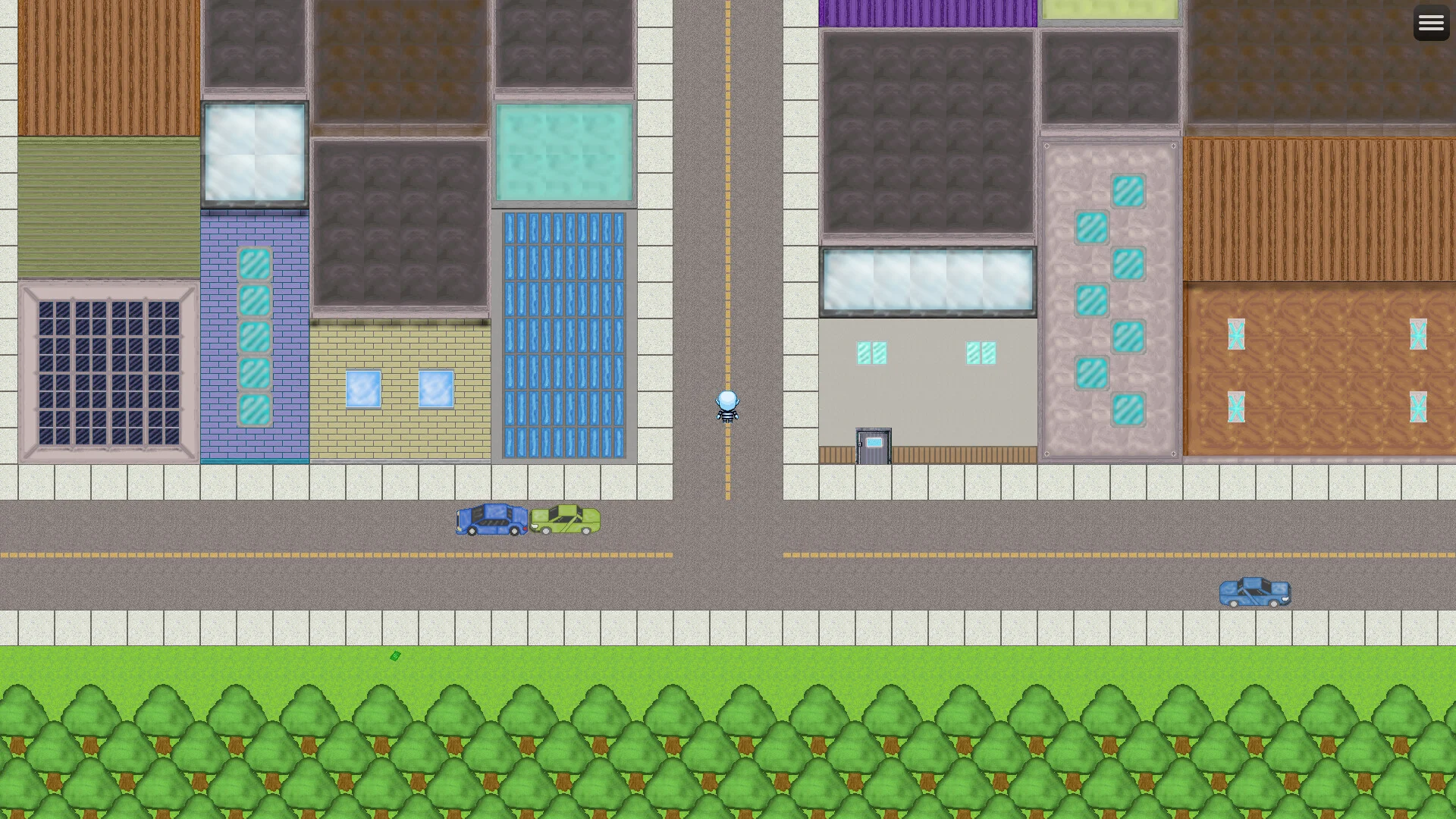
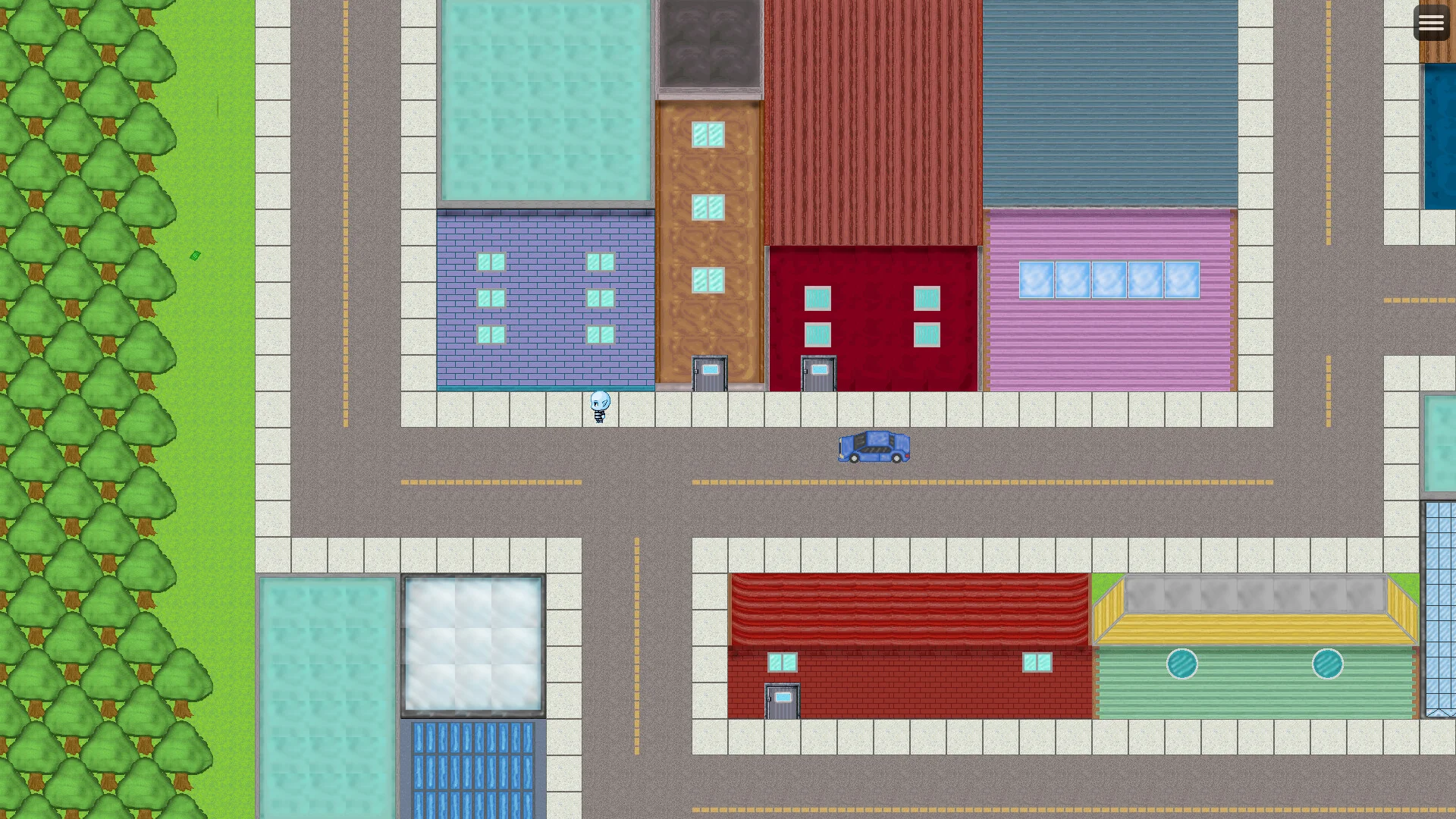
The game's price and strange presentation helped it spread online. Players bought it to see what a $200 indie game contained, then used Steam's refund system after a short visit. The store page describes an open-world action experience, while screenshots show simple environments, animals, vehicles, and intentionally odd scenes. Curiosity appears to have driven far more purchases than long-term interest.
Steam normally allows a refund request when a game was purchased within the last 14 days and played for less than two hours. Valve says it may still review requests outside those limits, but approval is not guaranteed. A short game can therefore attract buyers who know they can look around and request their money back before crossing the standard playtime limit.
Major told WMUR that he made the game while working a regular job and did not expect the response to become this large. The story became even stranger when the sales total passed one million dollars on the dashboard. That number looked like a major success in screenshots, but it did not represent money the developer could keep.
The reported refund rate was about 99.9 percent. That is not a normal result for a commercial release, and it explains why the purchase total is more useful as a measure of online curiosity than customer demand. Ten retained sales at $199.99 also line up closely with the amount Major said remained, before any final fees, taxes, or later changes.
Why the $1.38 Million Was Never Real Earnings
Gross sales count the value of purchases before refunds, platform fees, taxes, and other adjustments. When a customer receives a refund, that sale no longer becomes normal revenue for the developer. Major was not paid $1.38 million and then forced to return it from his personal account. The dashboard recorded purchases that were later reversed.
The remaining $2,045 also should not be read as final profit. Developing and releasing a game can involve software, equipment, store fees, art, music, taxes, and time. Major has not published a complete expense report. The available numbers show what remained from sales after the mass refunds, not what he earned after every cost.
Valve's policy is designed to protect buyers when a game does not run, was purchased by mistake, or does not meet expectations. This release shows how the same rules can shape a viral purchase. Buyers could satisfy their curiosity quickly, and the developer accepted the risk by setting a price that made most people unwilling to keep the game.
The case also shows the risk of building a release around a price joke. The $200 tag got people to click, stream, and talk about the game. It also gave buyers a strong reason to leave once they had seen enough. Attention can raise the gross sales counter without creating the audience or income a developer needs.
There is no evidence in the public reports that Valve accused Major or the buyers of breaking its rules. The store listing remains available, and refunds are handled through Steam's normal system. Claims that the game was a financial scam or that the developer lost more than a million dollars go beyond the facts he shared.
Players should use Valve's official refund policy when deciding whether a purchase qualifies. For another current Steam release, Pixel Twelve has the Division Resurgence PC guide. This Game Costs 200 Dollars may keep spreading as an online story, but the developer-reported refund count explains why the viral total did not become a large payday.