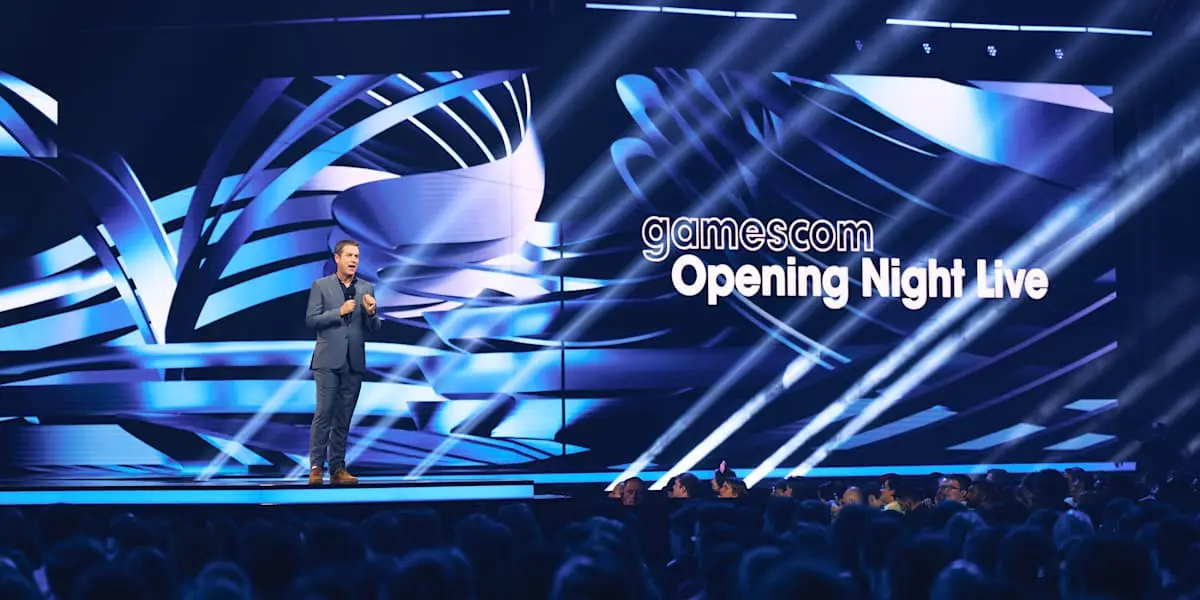
The 10 Games Everyone Is Talking About After Gamescom 2026
Gamescom 2026 delivered new trailers, playable demos, and release dates. These ten games are driving the early conversation around the show.

Genre
Explore shooter games, subgenres, beginner guides, updates, and related Pixel Twelve coverage.
Explore






Read next
Gamescom 2026 delivered new trailers, playable demos, and release dates. These ten games are driving the early conversation around the show.
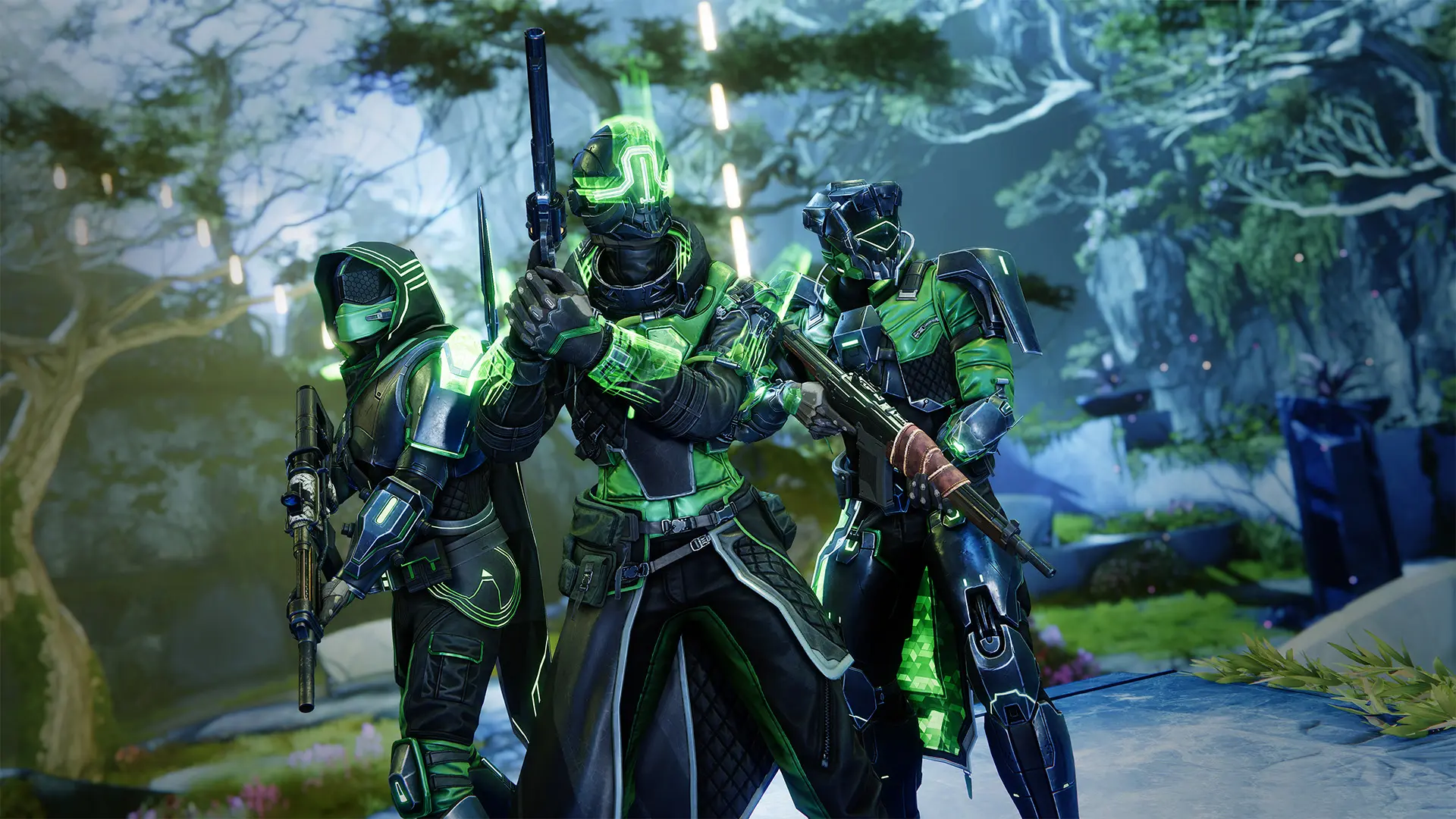
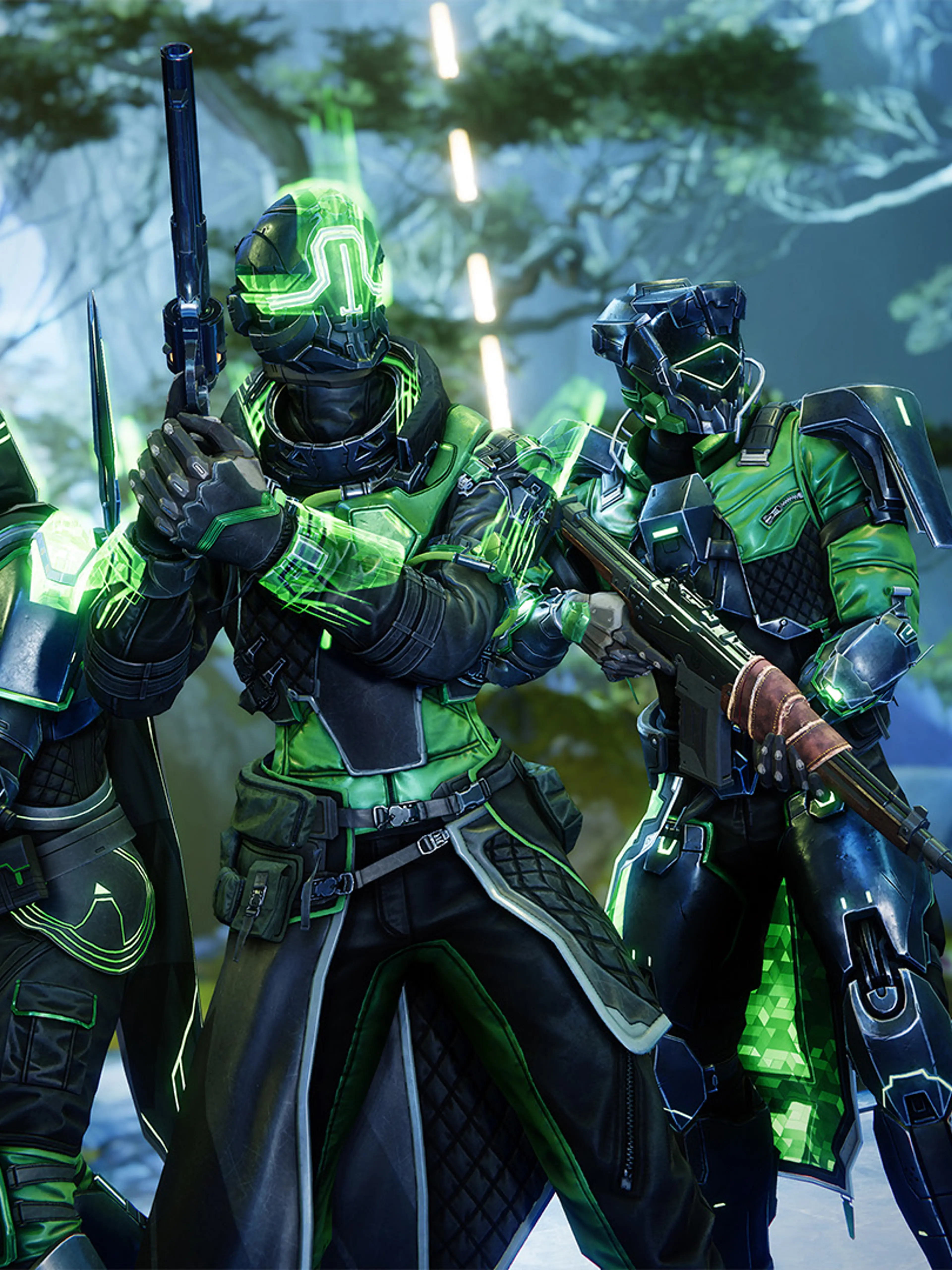
A clear Destiny 2 beginner route through New Light, A Guardian Rises, the Tower, Timeline Missions, campaigns, gear, and what to do next.
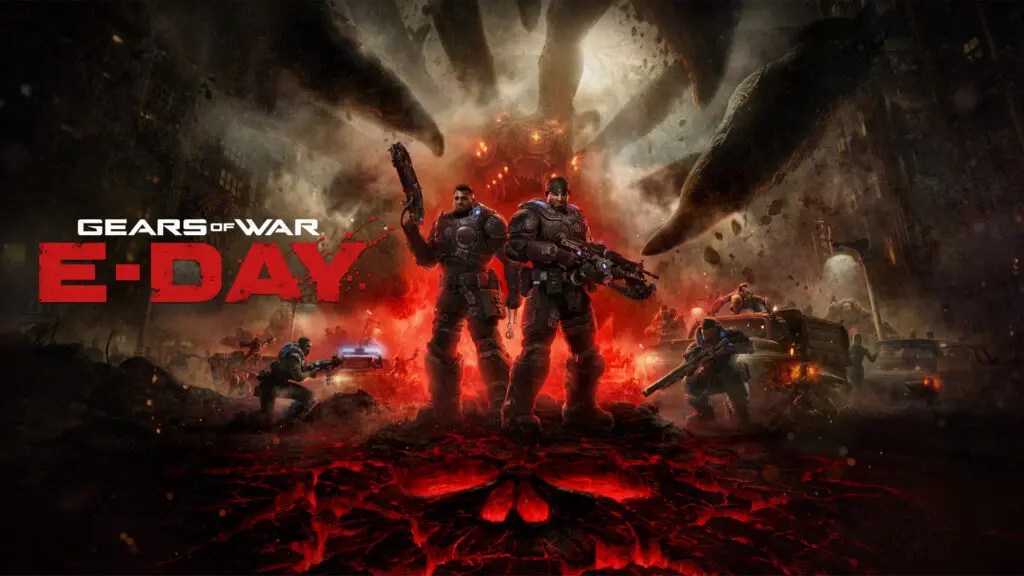
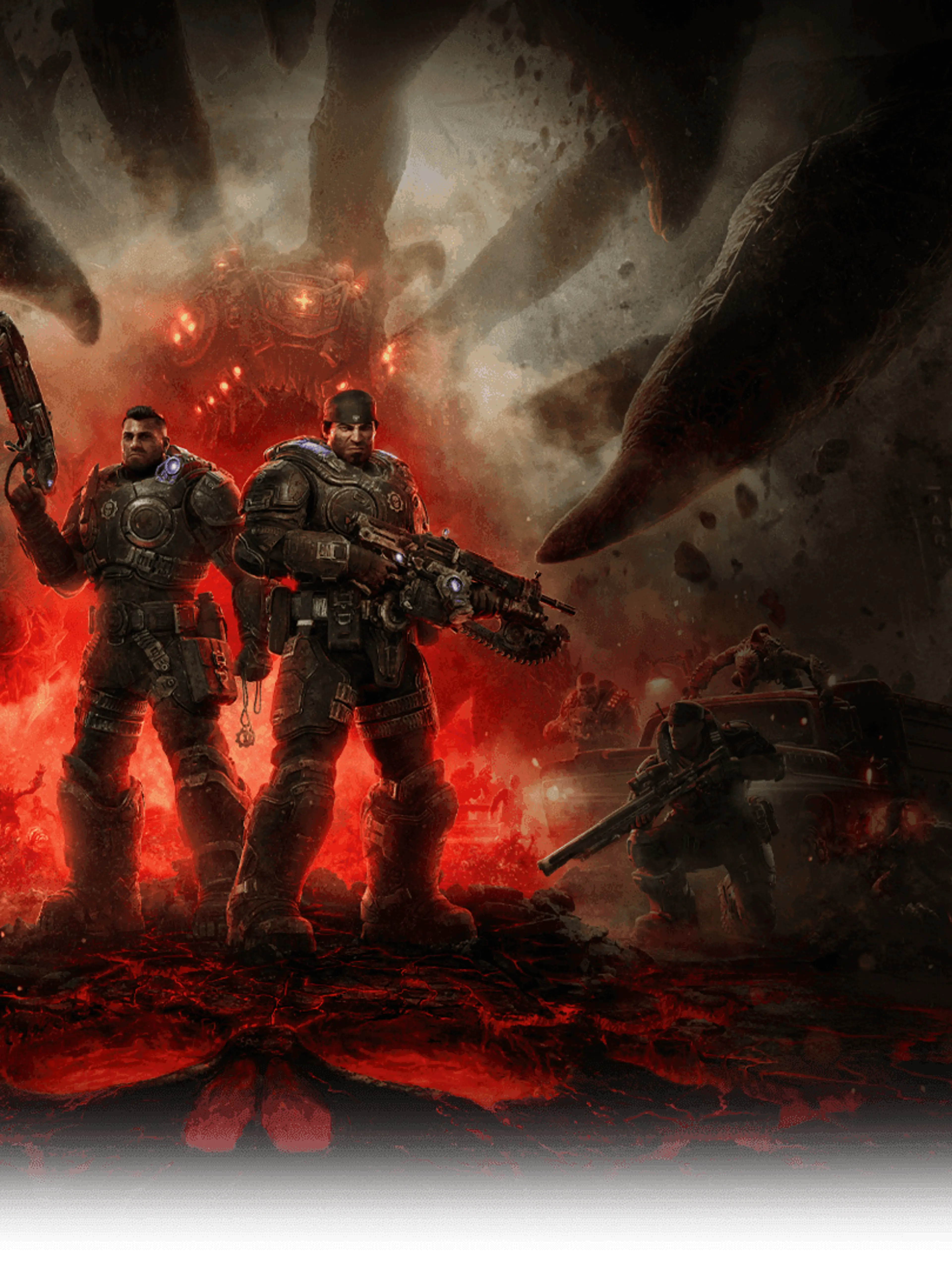
The Gears of War: E-Day campaign demo was playable only at gamescom and ended August 30. No public download date is announced. Here is what it included.
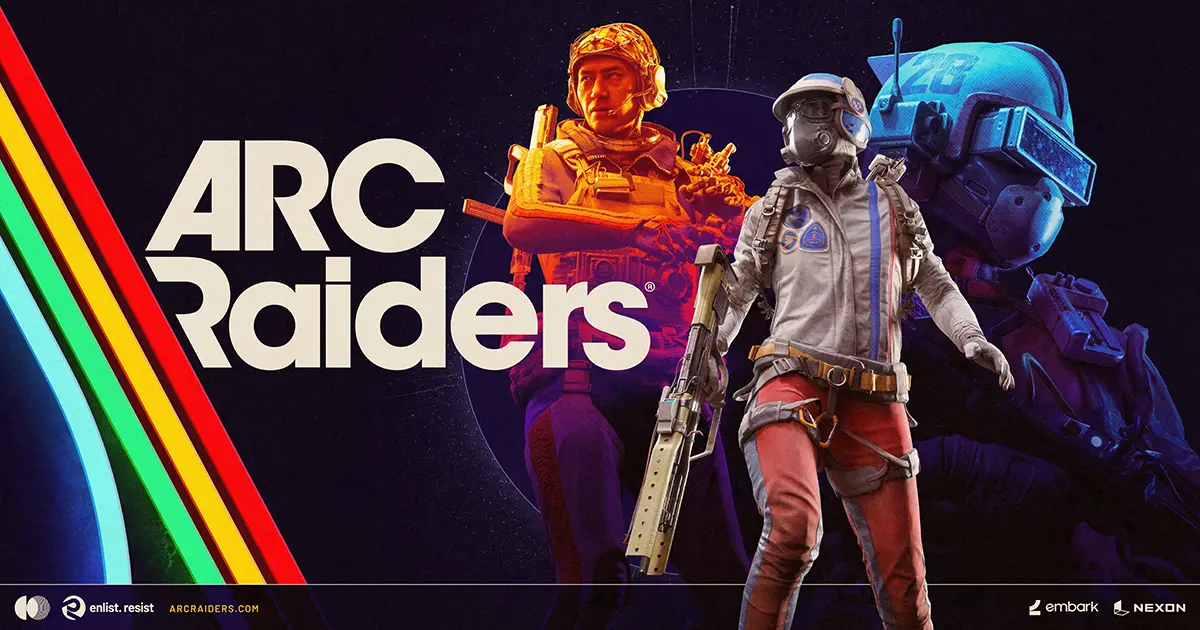
ARC Raiders' fifth Expedition will be the last until early 2027. Here are the dates, the new rules, the Zenith Outfit reward, and what Embark says it plans to change.
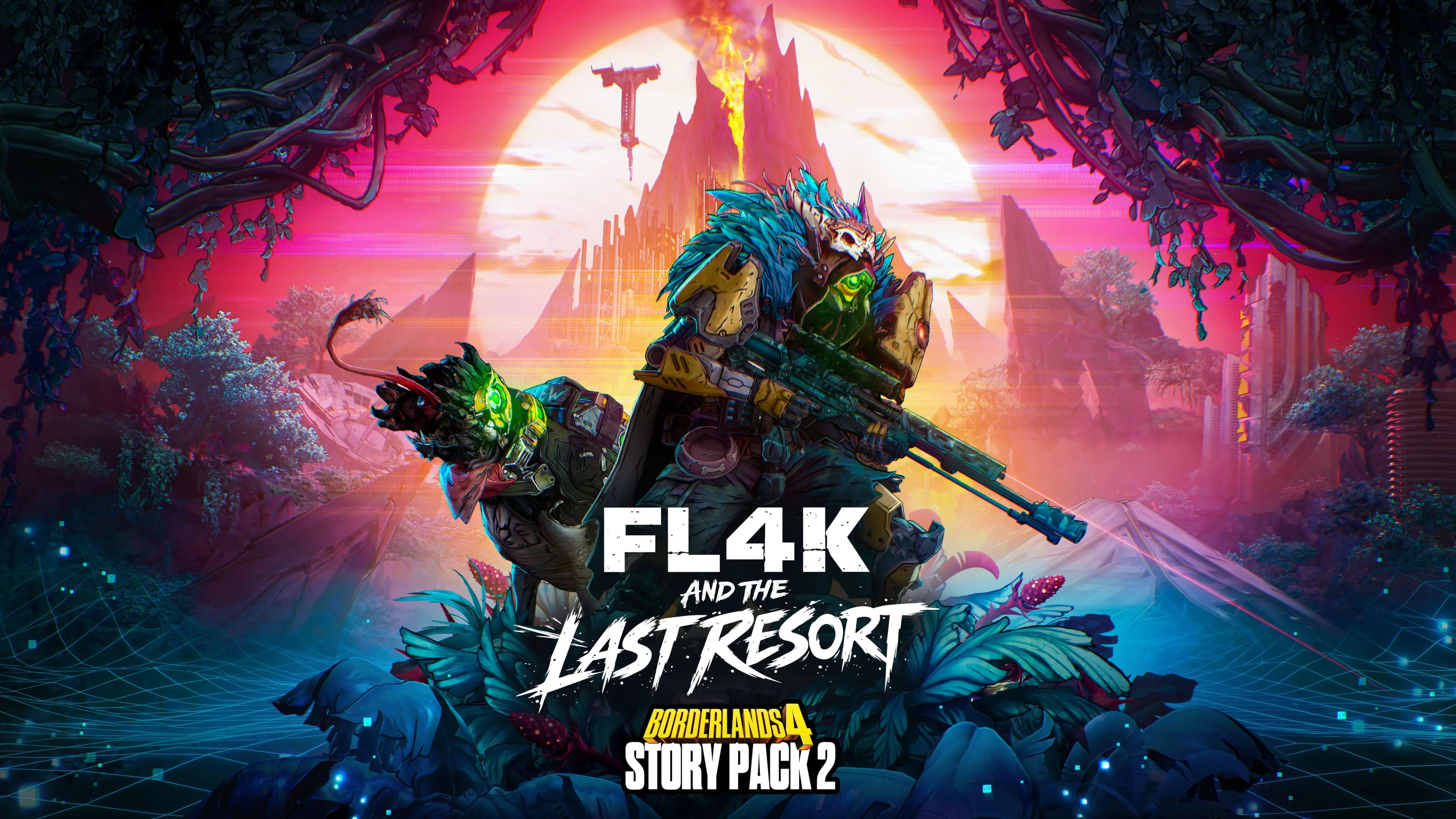
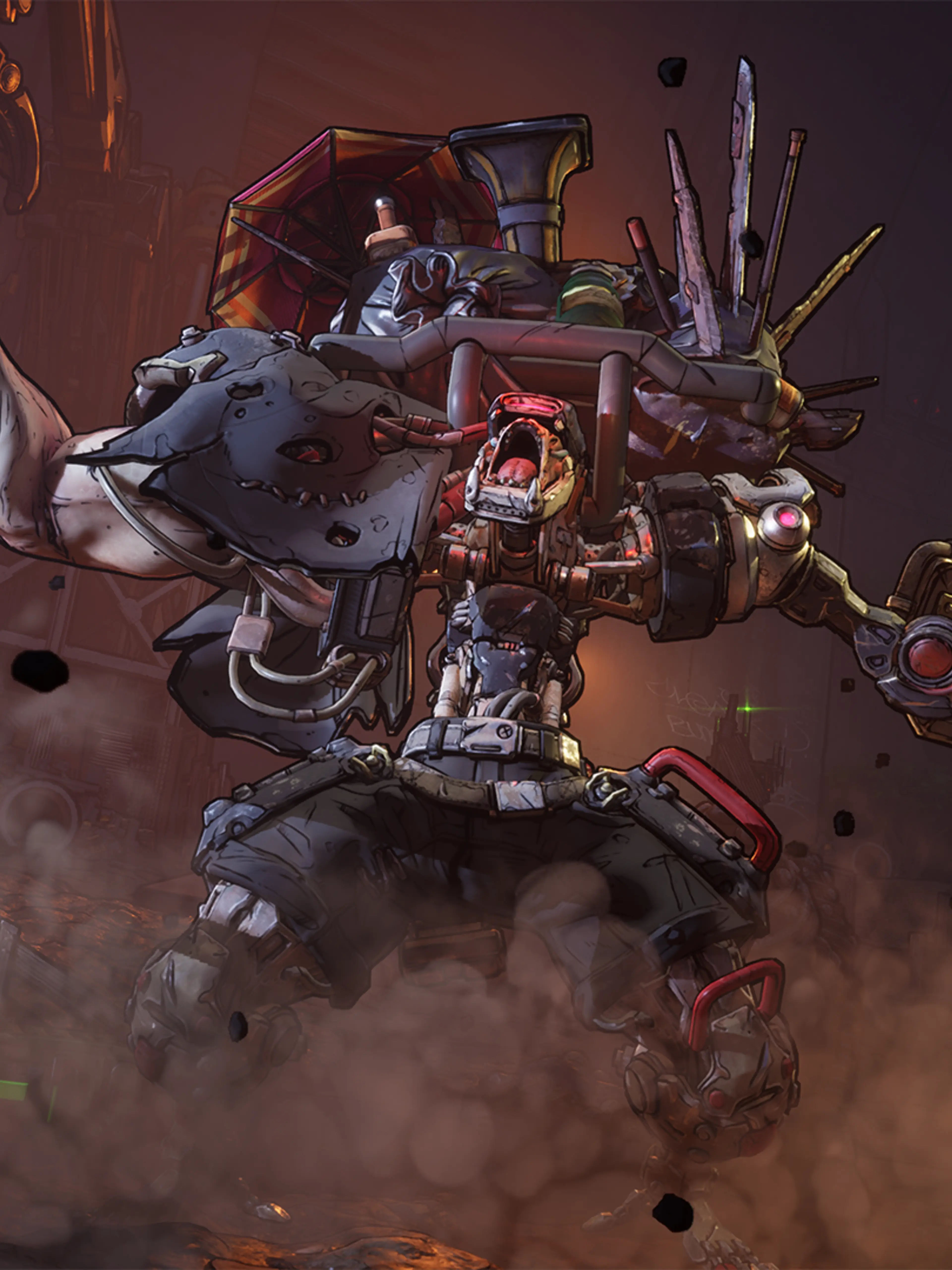
Borderlands 4 Story Pack 2 brings FL4K back for a search for the missing skag Mr. Chew, with Tediore invading a volcanic jungle resort on September 10.
Gamescom Opening Night Live arrives Aug. 25, Xbox is bringing 25 games to Cologne, and the next release wave includes Wolverine, Gears of War: E-Day, and GTA VI.