


Avengers: Doomsday Started Shooting With an Unfinished Script
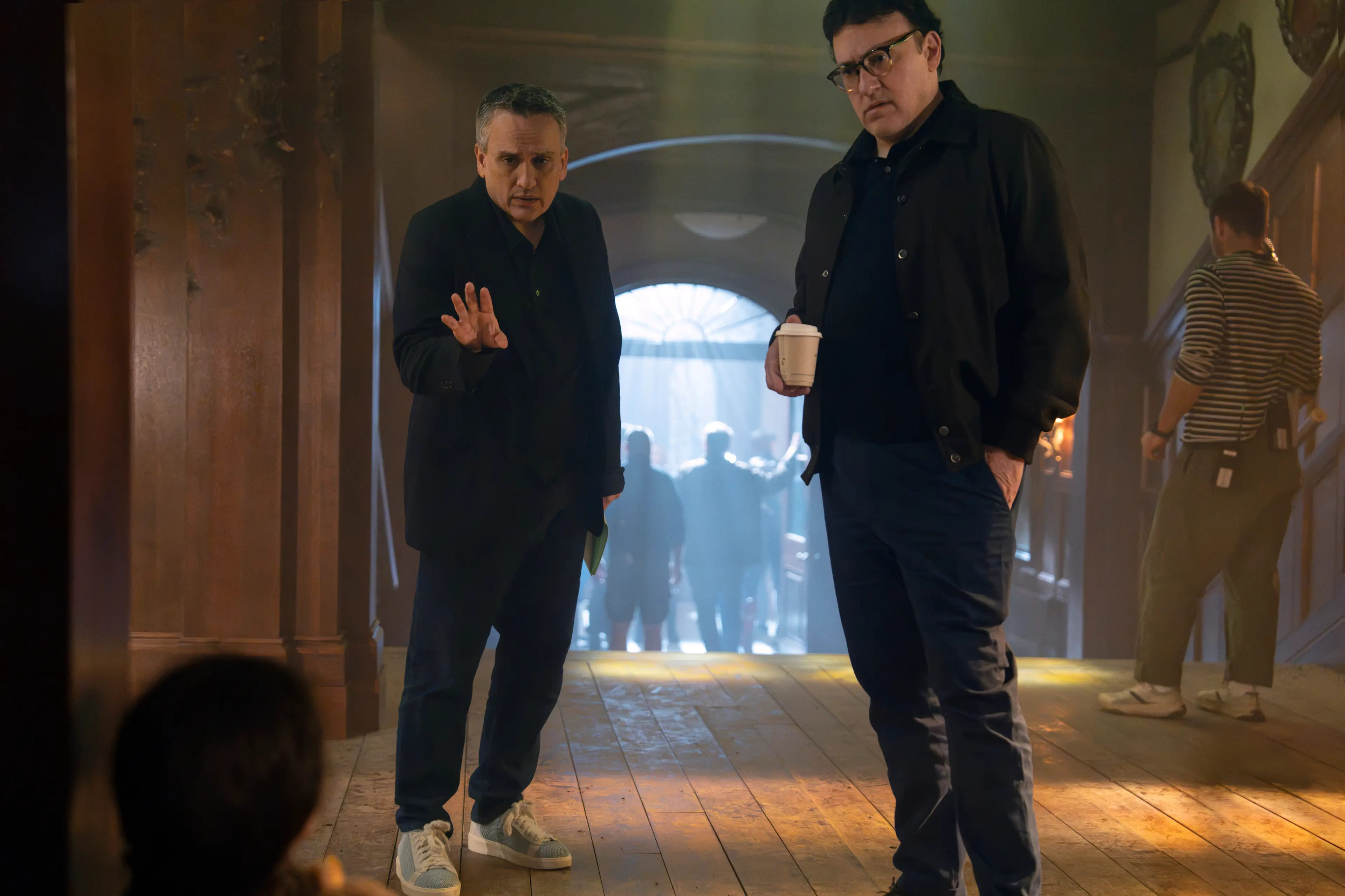
Avengers: Doomsday began shooting with an unfinished script. Joe Russo explains why the Russos let rehearsals and actors reshape the movie.


Franchise
Marvel is the superhero franchise universe behind icons like Spider-Man, Wolverine, the X-Men, Avengers, Fantastic Four, Black Panther, Captain America, Iron Man, Thor, Hulk, and Doctor Strange across comics, films, TV, animation, games, and modern crossover storytelling.
Explore
Explore
Movie
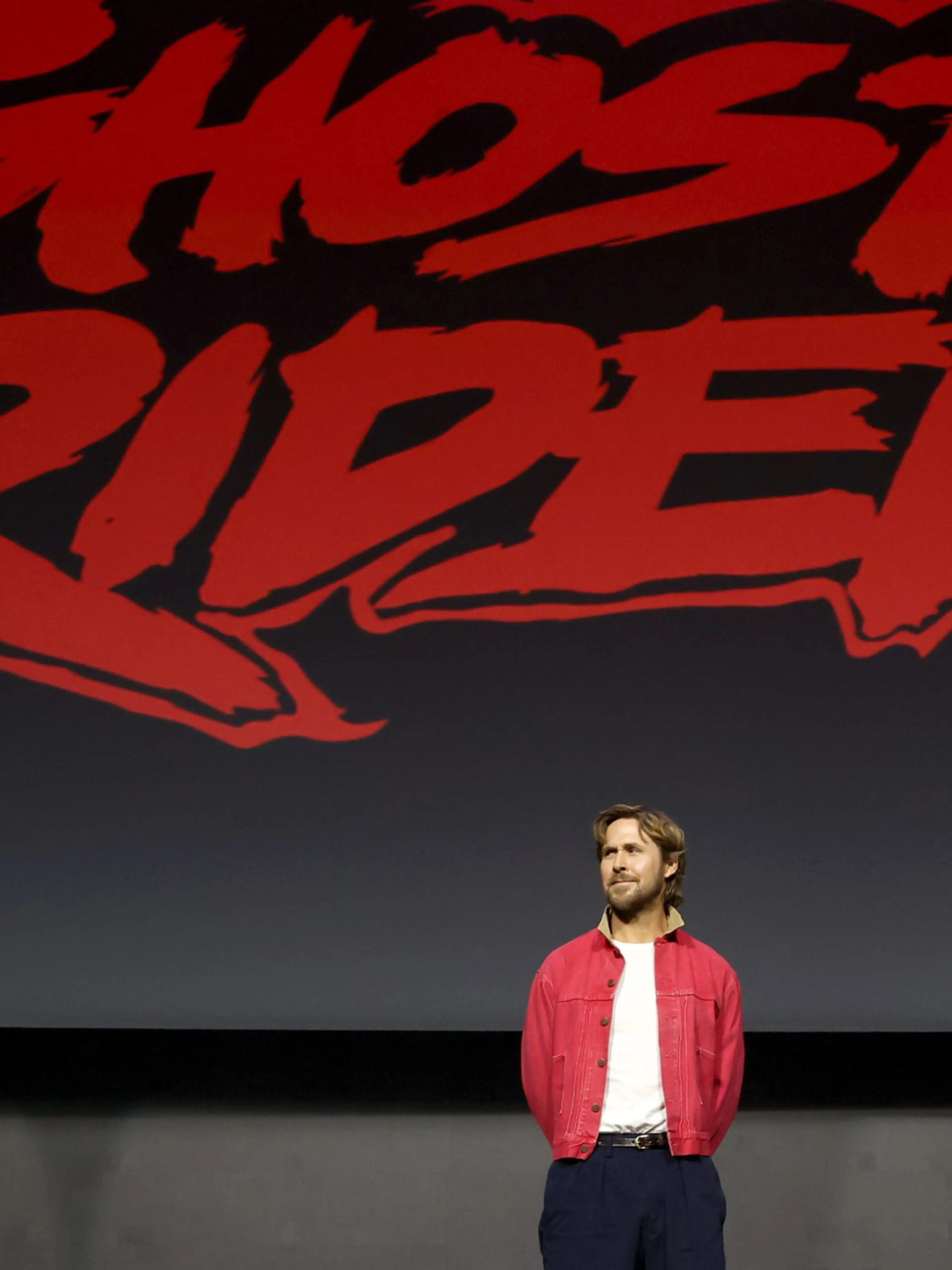
Ghost Rider is a Marvel Studios film scheduled for July 28, 2028, starring Ryan Gosling and directed by Shawn Levy from a screenplay by Jonathan Tropper.
Movie
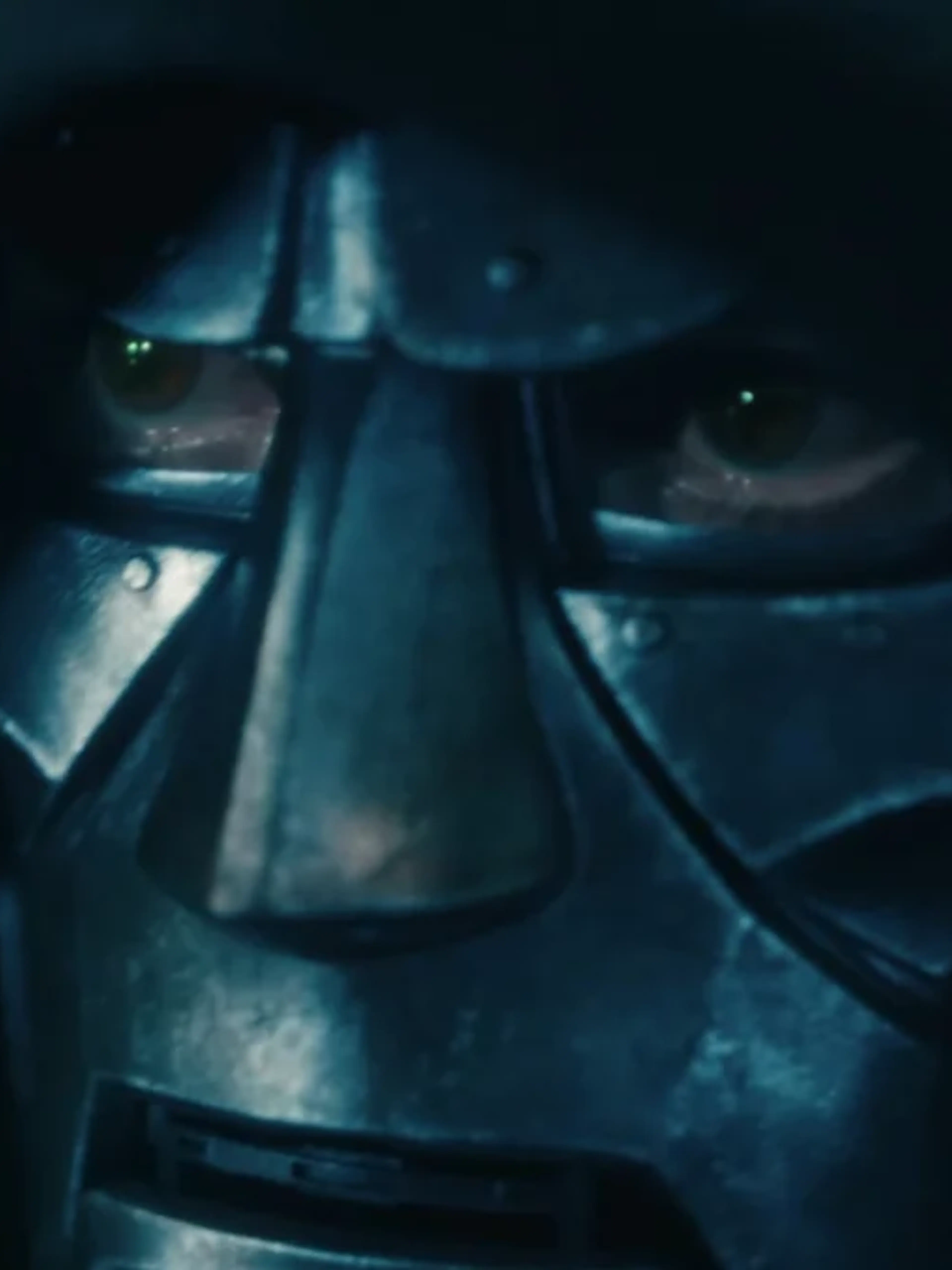
Avengers: Doomsday is Marvel Studios’ upcoming theatrical event film, directed by Joe and Anthony Russo. Robert Downey Jr. plays Victor von Doom, with returning Avengers, Fantastic Four, and X-Men performers forming the ensemble. The film is scheduled for release on December 18, 2026.
Movie
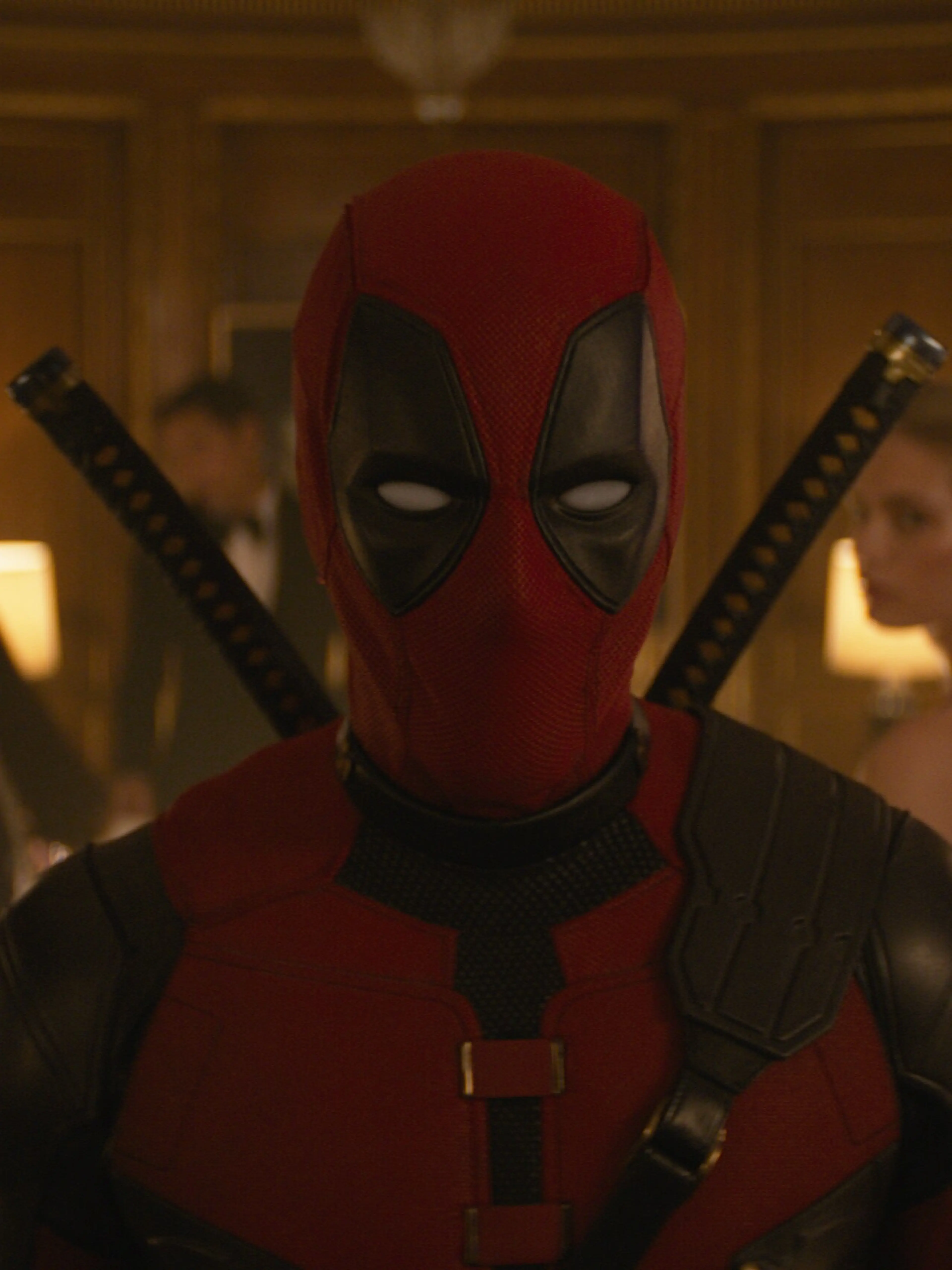
Deadpool & Wolverine is the 2024 Marvel Studios action comedy that pairs Ryan Reynolds’ Wade Wilson with Hugh Jackman’s Logan in an MCU multiverse story.
Movie
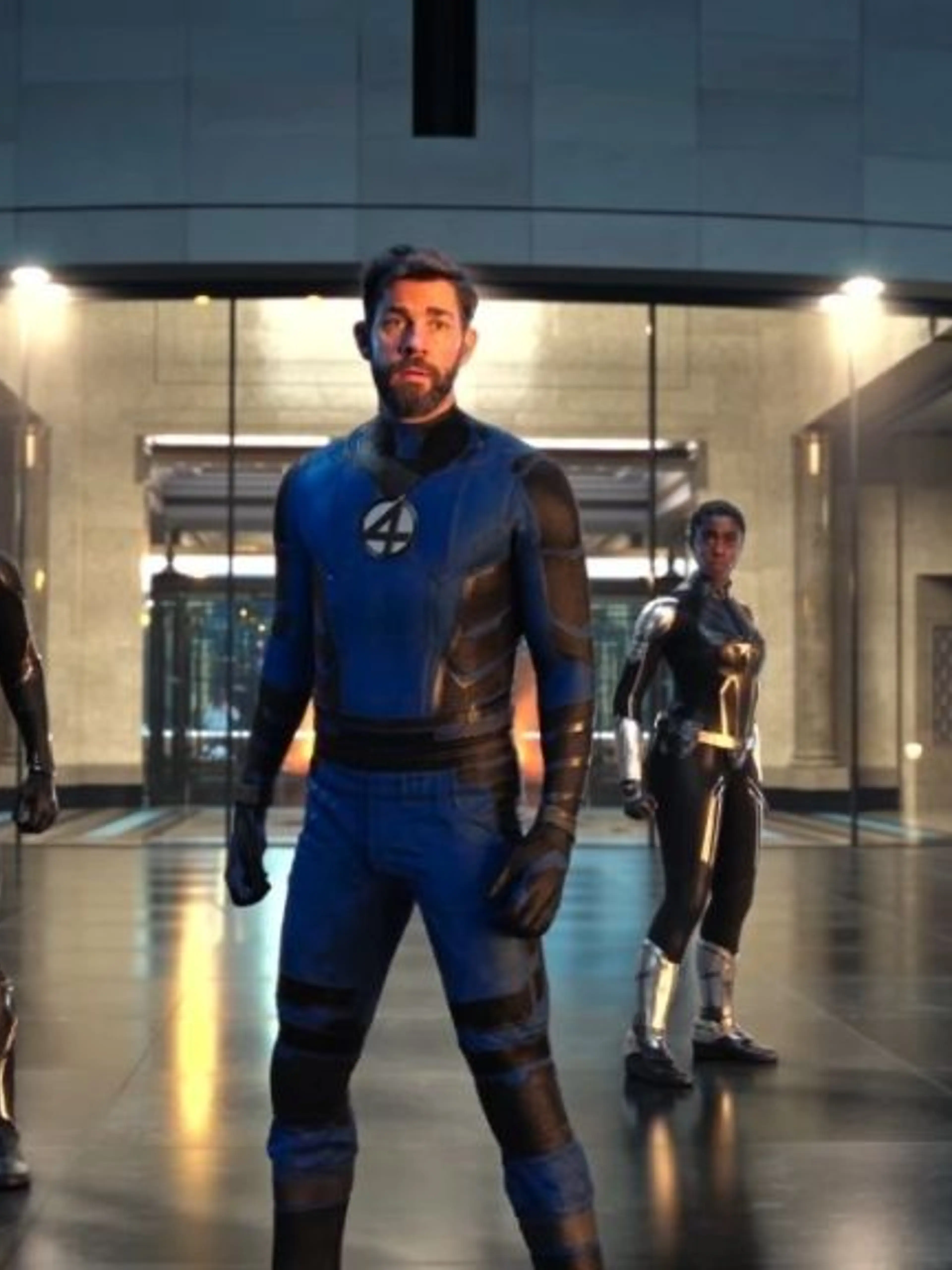
Sam Raimi's Marvel Studios film sends Doctor Strange through alternate realities while Wanda Maximoff hunts America Chavez.
Explore
Read next
Avengers: Doomsday began shooting with an unfinished script. Joe Russo explains why the Russos let rehearsals and actors reshape the movie.
Noah Jupe has reportedly joined Avengers: Secret Wars in an undisclosed role. Here is what the casting report confirms and which fan theories remain unverified.
Avengers: Endgame Encore returns September 25. See how tickets, runtime, IMAX, Infinity Vision, and the two levels of Doomsday footage work.
Marvel’s new official podcast starts its Avengers: Doomsday countdown with The Avengers. Here is where to watch, listen, and follow new episodes.
EA has acknowledged leaked footage from Motive’s untitled Iron Man game. Here is what the publisher confirmed, what the unfinished clip appeared to show, and what remains unknown.
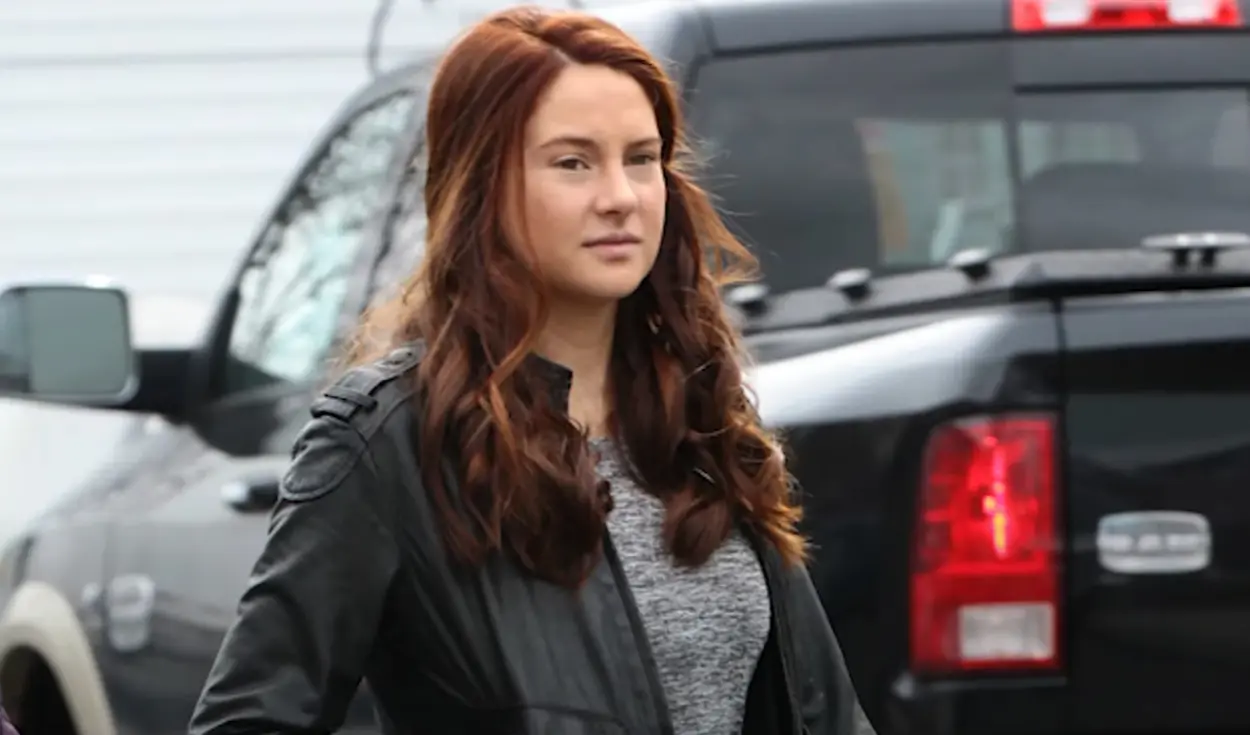
Shailene Woodley says she filmed three scenes as Mary Jane Watson for The Amazing Spider-Man 2 before Sony decided to save the character for a sequel that never happened.