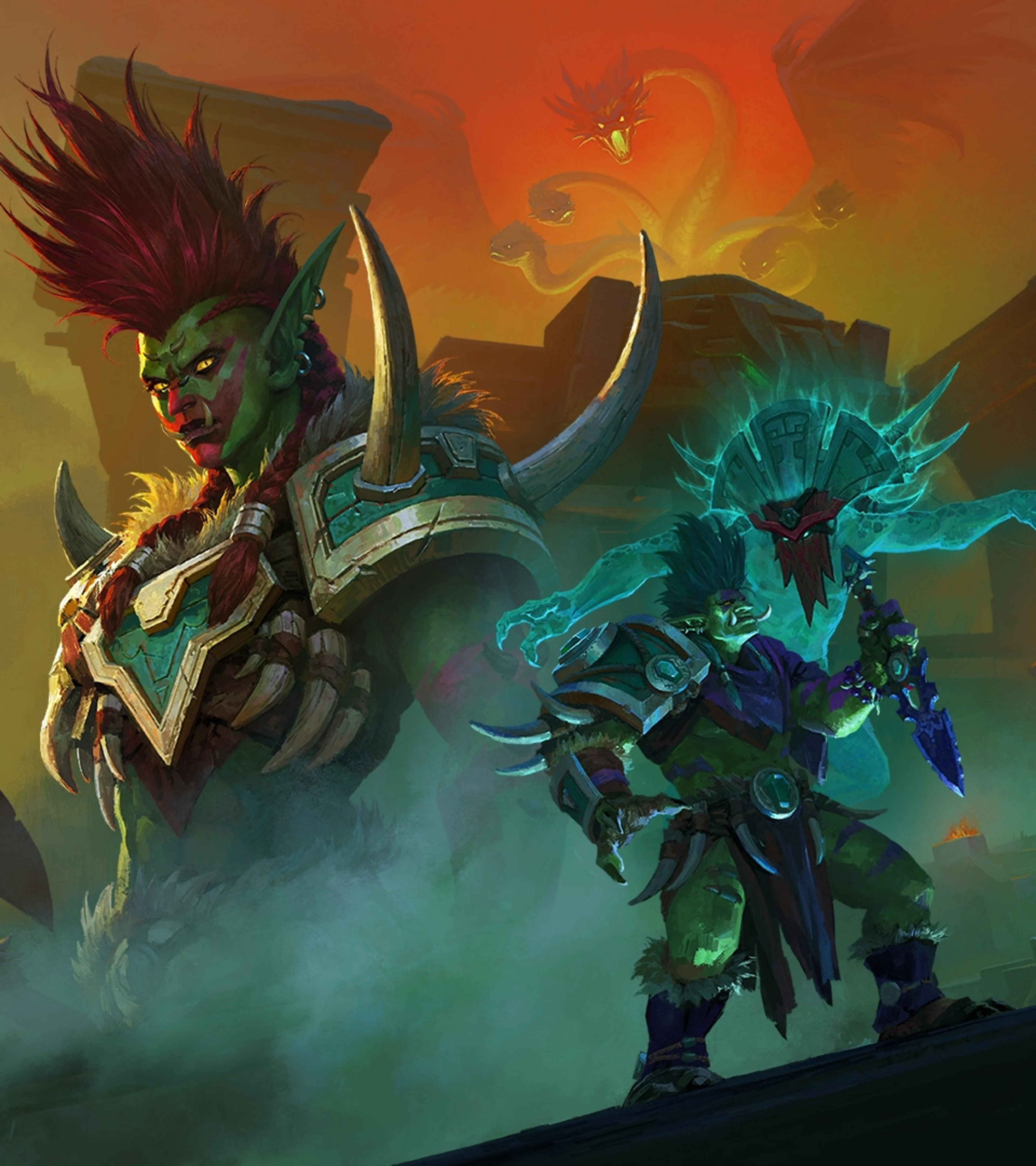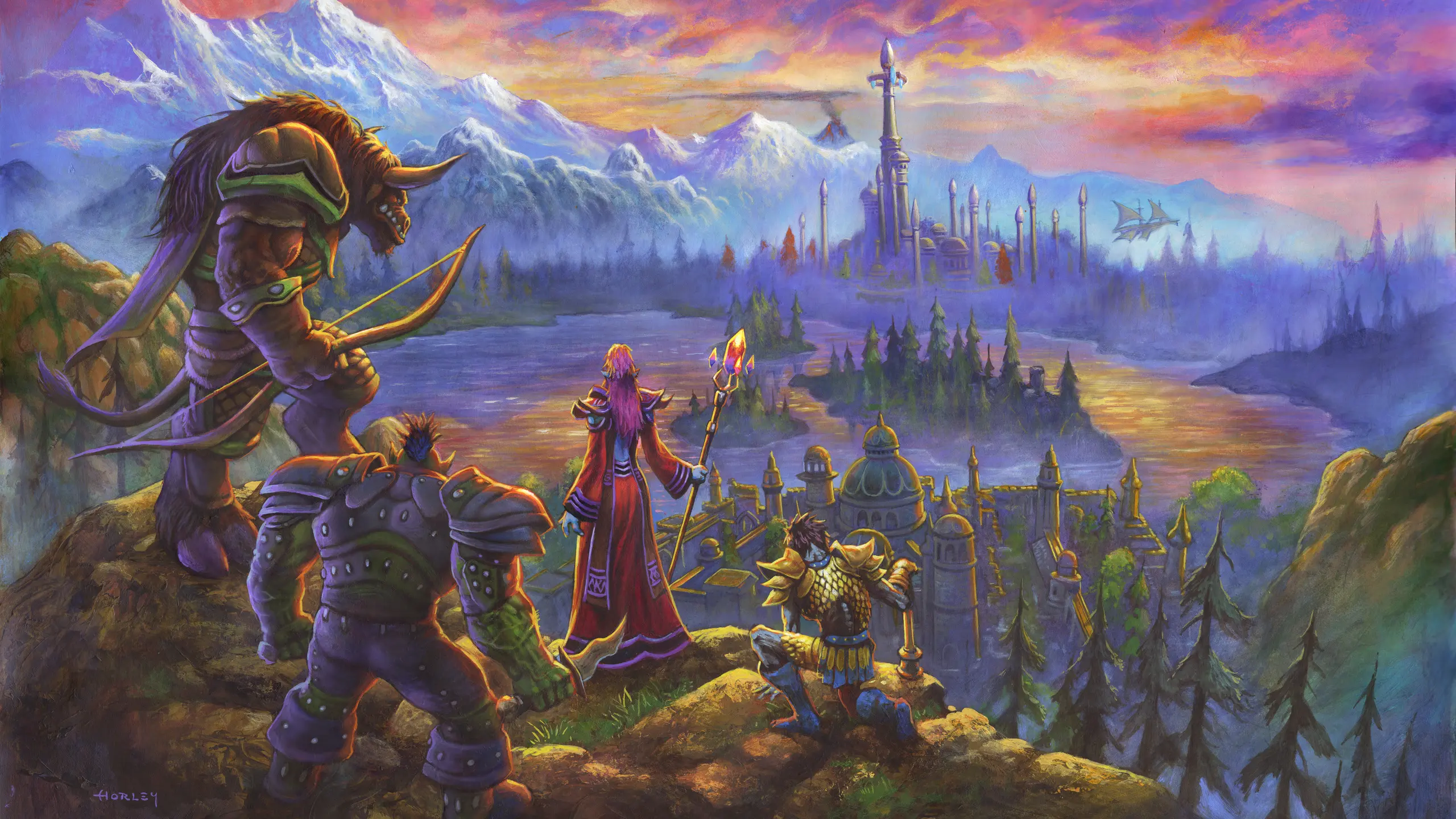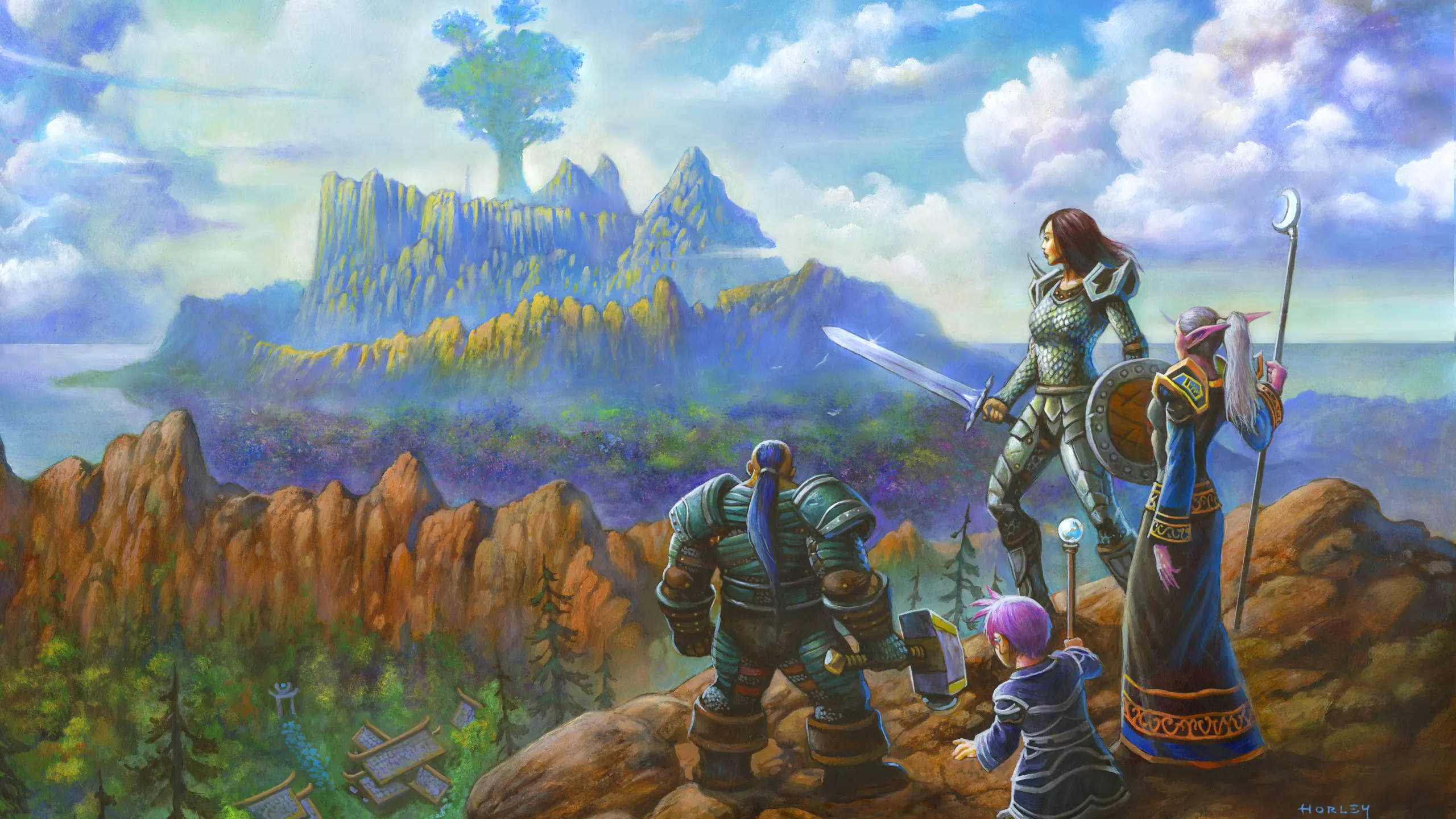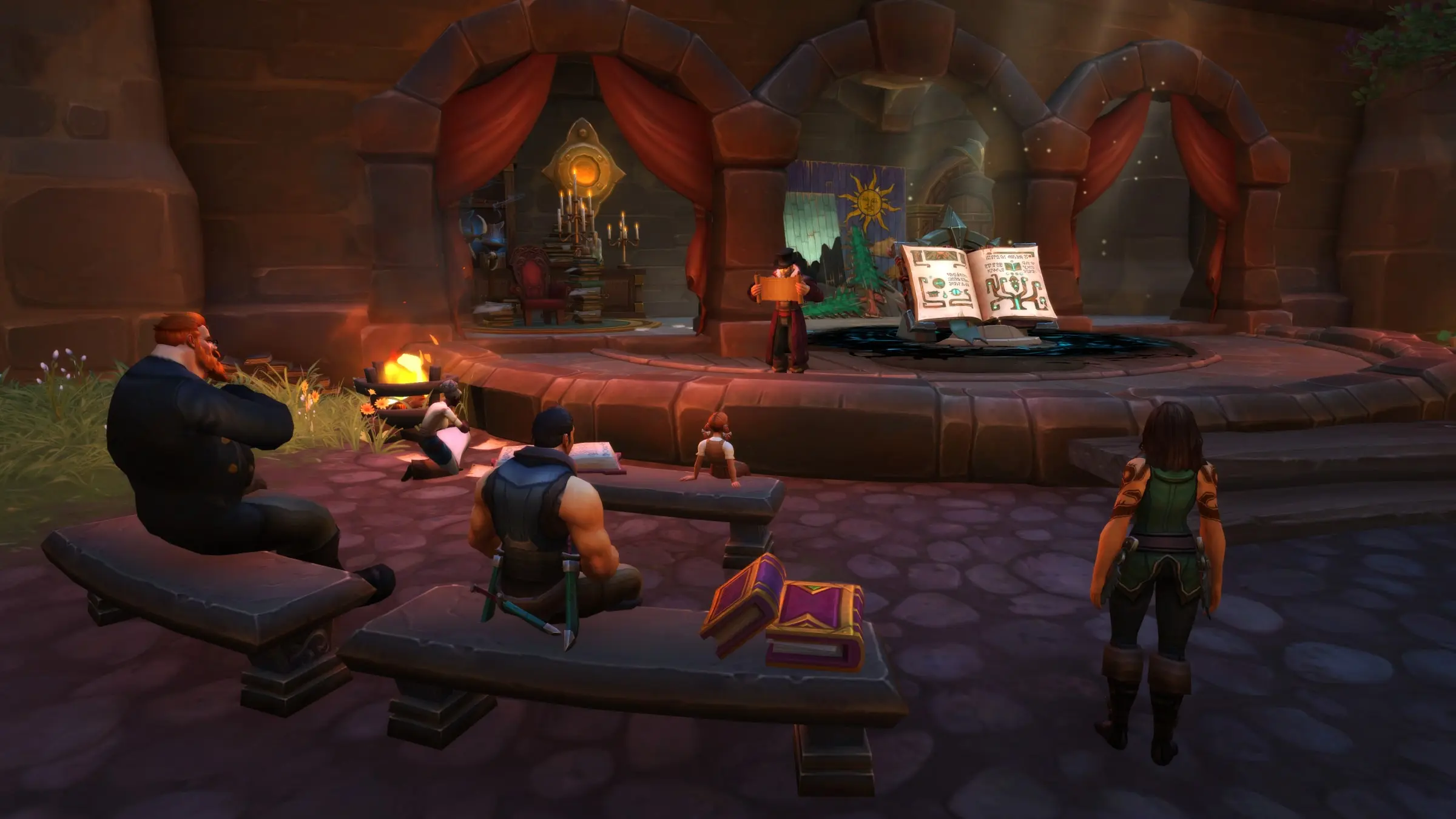

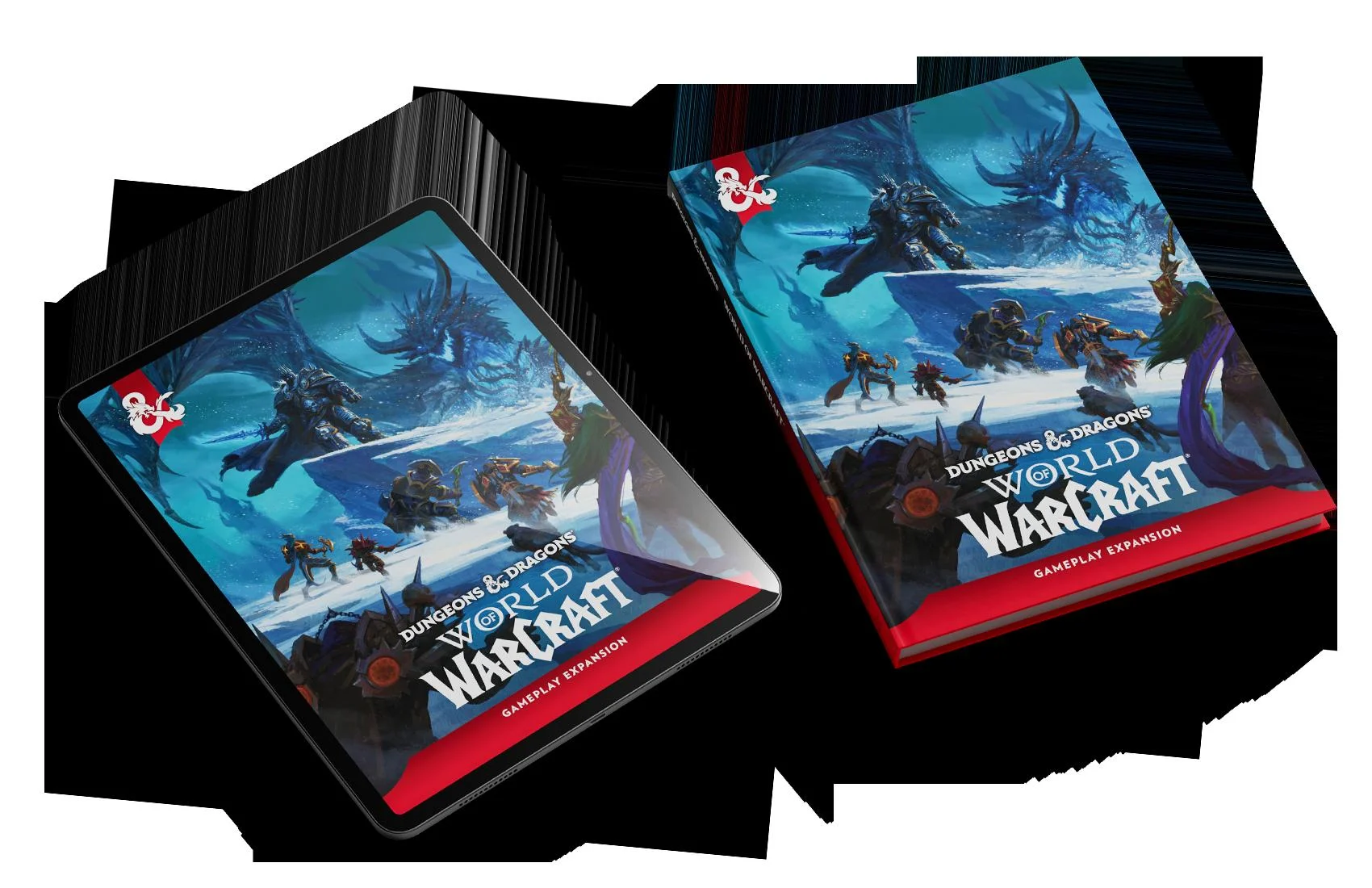
World of Warcraft is getting an official Dungeons & Dragons tabletop expansion this November. D&D Beyond lists D&D: World of Warcraft for November 17, with early digital access beginning November 3 for eligible preorders.
This is not a new World of Warcraft video game expansion. It is a 256-page D&D book that gives groups rules for creating Warcraft-style characters and running campaigns in Azeroth. Players can rebuild a character they already use in the MMO, make a new one, or create a party that does not exist in the game.
One person will still act as the Dungeon Master, describing locations and controlling enemies, while the rest of the group makes choices and rolls dice for their characters. The book supplies the Warcraft material, but the campaign is not locked to the MMO's quests. A group can follow familiar events, change them, or tell a smaller story in one part of Azeroth.
What Is Included in the Book
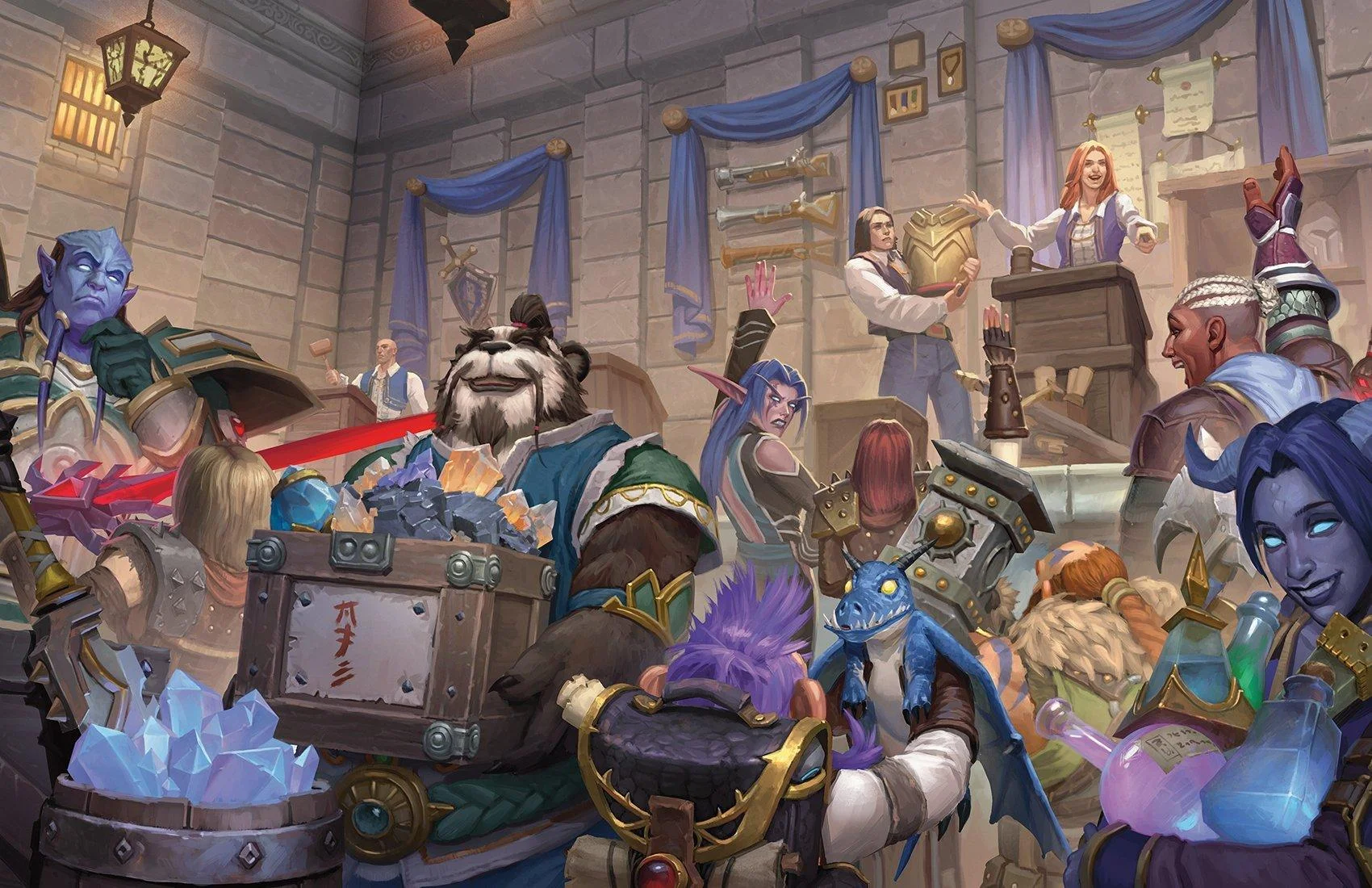
The official product page lists rules for all 13 World of Warcraft classes, including nine new or reworked subclasses and more than 40 specializations. It also includes 16 playable species, with choices such as Draenei, Forsaken, Pandaren, Tauren, Troll, Worgen, Vulpera, Earthen, and Dracthyr.
Game Masters receive more than 50 monsters, 30 dungeon boss stat blocks, and seven Warcraft dungeons adapted for tabletop play. Players get over 60 spells and more than 25 magic items, including mounts and companion creatures. The book also brings in 23 factions with renown rewards, so a group can build its standing with different organizations during a campaign.
The class list is one of the most interesting parts. Warcraft and D&D use different combat systems, so the designers cannot copy abilities directly. A Demon Hunter, Evoker, or Death Knight has to feel familiar without becoming stronger than every standard D&D option. The final rules will decide whether these classes work in a normal campaign or mainly inside an Azeroth-focused game.
Groups can also decide how much of the expansion to use. A Dungeon Master could run a full Warcraft campaign with only the new options, or allow one Warcraft species, spell, or item in an existing D&D world. That flexibility will help people who like parts of Azeroth but do not want to replace their current campaign setting.
Who Will Get the Most From It
Longtime World of Warcraft players are the clearest audience. The book lets a group visit familiar locations without logging into the MMO, and it gives them more freedom to change the story. A tabletop party can choose its own route, work with unexpected factions, or spend an entire session on a small problem that the video game would normally handle as a short quest.
D&D players who do not know Warcraft may need more help. Azeroth has decades of characters, wars, factions, and locations. The book has to explain enough of that history for a new group without turning every session into a lore lesson. Seven ready-to-run dungeons should give those players a more direct place to start.
The renown rules may be especially useful for longer campaigns. Instead of treating a faction as a single quest giver, players can improve their standing over time and receive rewards for that relationship. It is a familiar system for current WoW players, and it gives D&D groups a clear way to track political choices without asking them to remember every past favor.
PC Gamer describes the release as D&D's first official Universes Beyond crossover, using the same label that Magic: The Gathering uses for licensed worlds. It makes sense as a first choice because Warcraft already shares many basic ideas with D&D: parties, classes, dungeons, spells, monsters, and long campaigns.
Some bundles include digital D&D bonuses and a code for World of Warcraft in-game items. Redeeming the WoW items requires a Battle.net account, an active subscription, and a current game license, and they do not work with WoW Classic. People who only want the tabletop book can choose the physical or digital edition without treating the MMO extras as the main purchase.
The crossover also arrives while Dungeons & Dragons remains active in games, books, and movies. The latest update on a possible Honor Among Thieves sequel showed how many fans still want more stories from the brand. This Warcraft book gives them a confirmed release instead of another project waiting for approval.
D&D: World of Warcraft will be widely available on November 17. The amount of content is already clear; the remaining question is how smoothly Warcraft's classes and progression fit D&D at the table. Players will be able to judge that for themselves when early access starts on November 3.