Spoiler notice: This review covers all seven episodes of Shaque: Trust No One, including the missing child’s identity and the explanation for Anvita’s disturbing experiences.
A mother loses her newborn in a hospital. Then, on the child’s birthday each year, someone sends photographs of a girl growing up. Her face is hidden. The pictures give the mother a reason to believe her daughter survived, but they do not tell her where to look. That is the most interesting part of Shaque: Trust No One: Anvita is not searching only because she cannot accept the loss. Someone keeps encouraging her to search.
The Hindi-language Netflix series follows that search in Shimla, a city in northern India. Parineeti Chopra plays Anvita, and Jennifer Winget plays Sakshi, the mother of a girl Anvita believes could be her missing daughter. Their disagreement becomes much more immediate than the police work around them. Anvita wants her child back. Sakshi wants a stranger to stop approaching hers. The series has enough in those two needs to make several confrontations uncomfortable, even when its explanations for the crime are less convincing.
Created by Rensil D’Silva and Siddharth P. Malhotra, with D’Silva directing, Shaque is a complete seven-episode first season on Netflix. It takes roughly four and a half hours to watch. The US Netflix classification is TV-MA; a story involving an abducted baby, threats and adult family relationships is not a light family mystery. You do not need to know another show or an earlier season to follow it.
Who’s who in Shaque: Trust No One
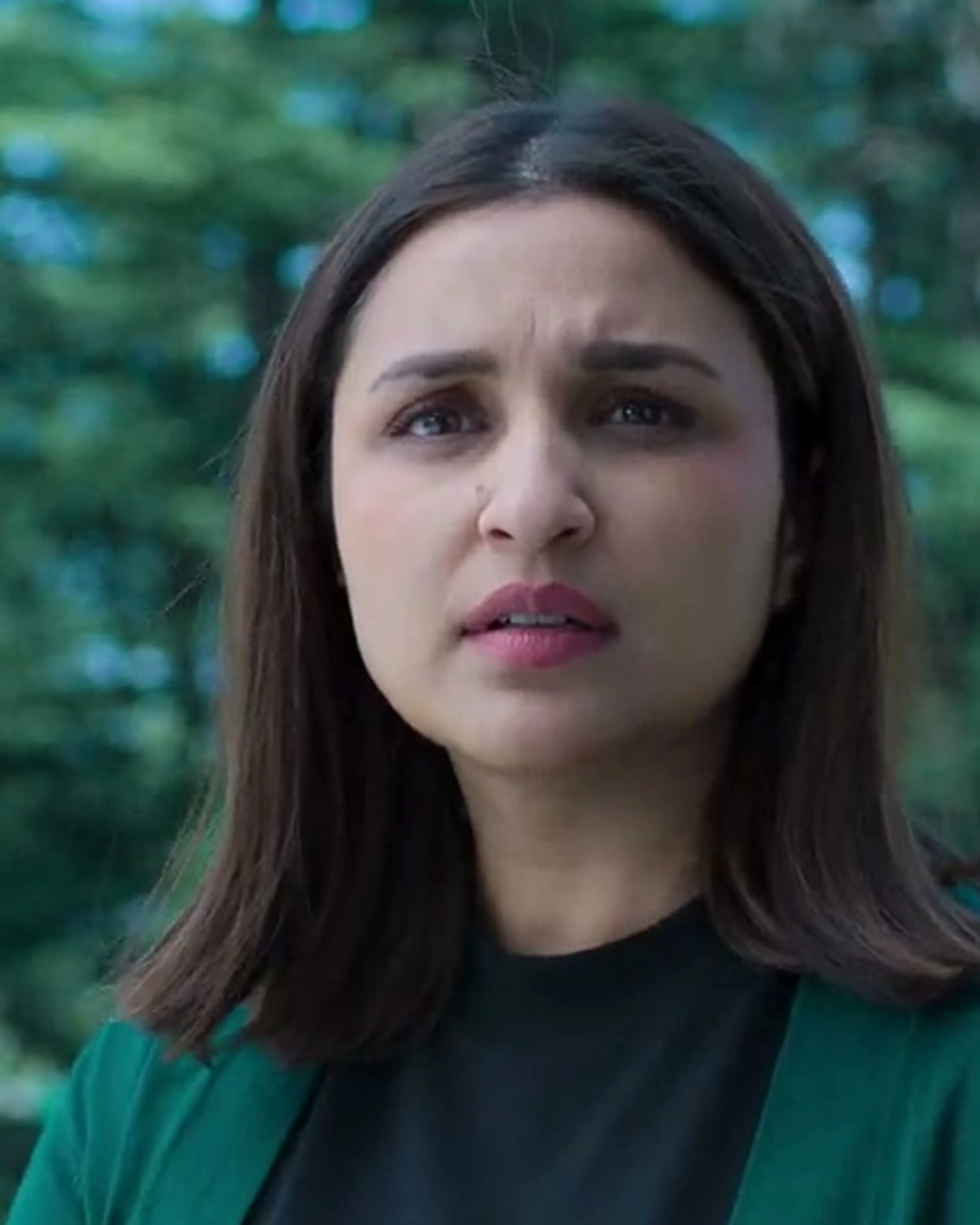

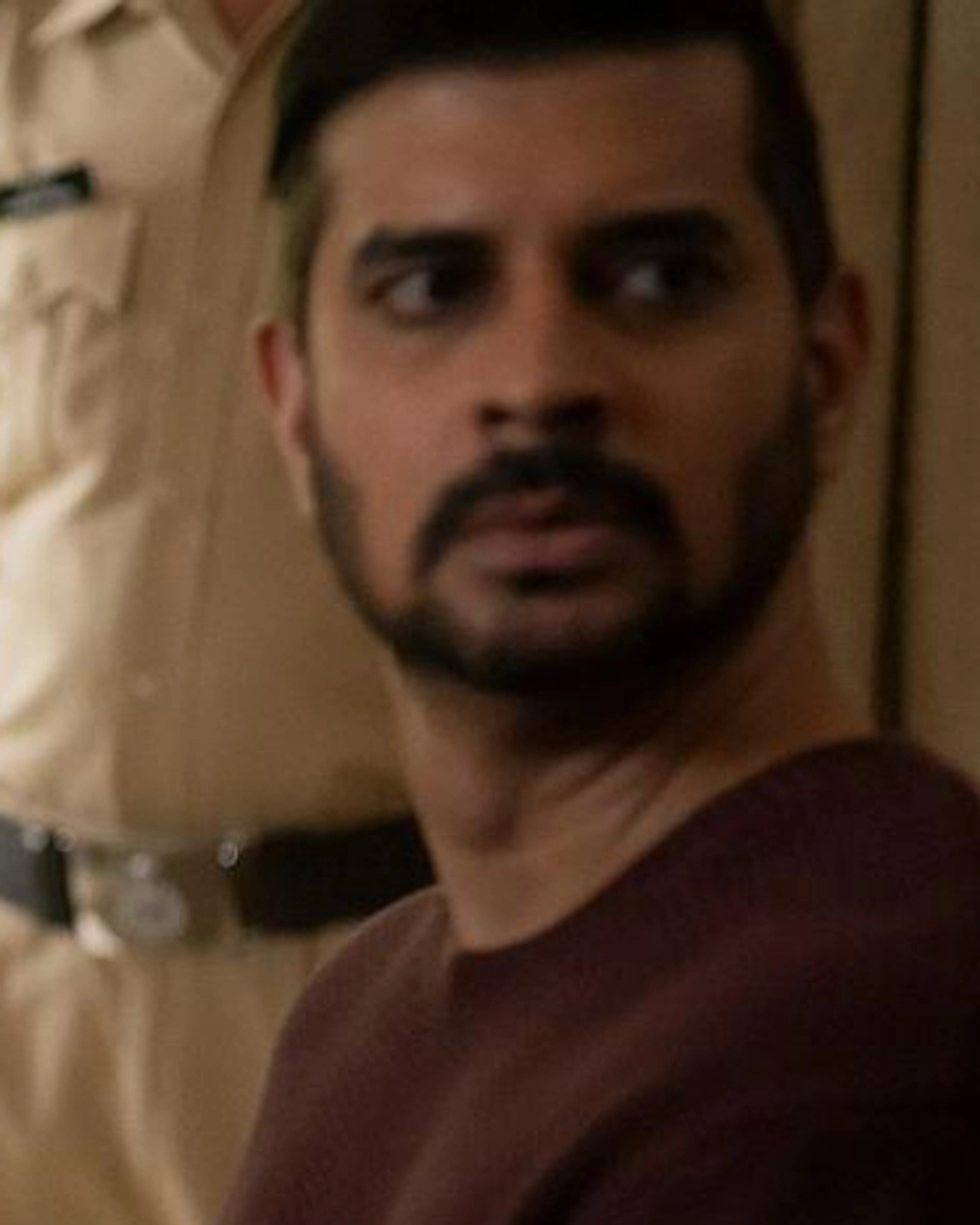
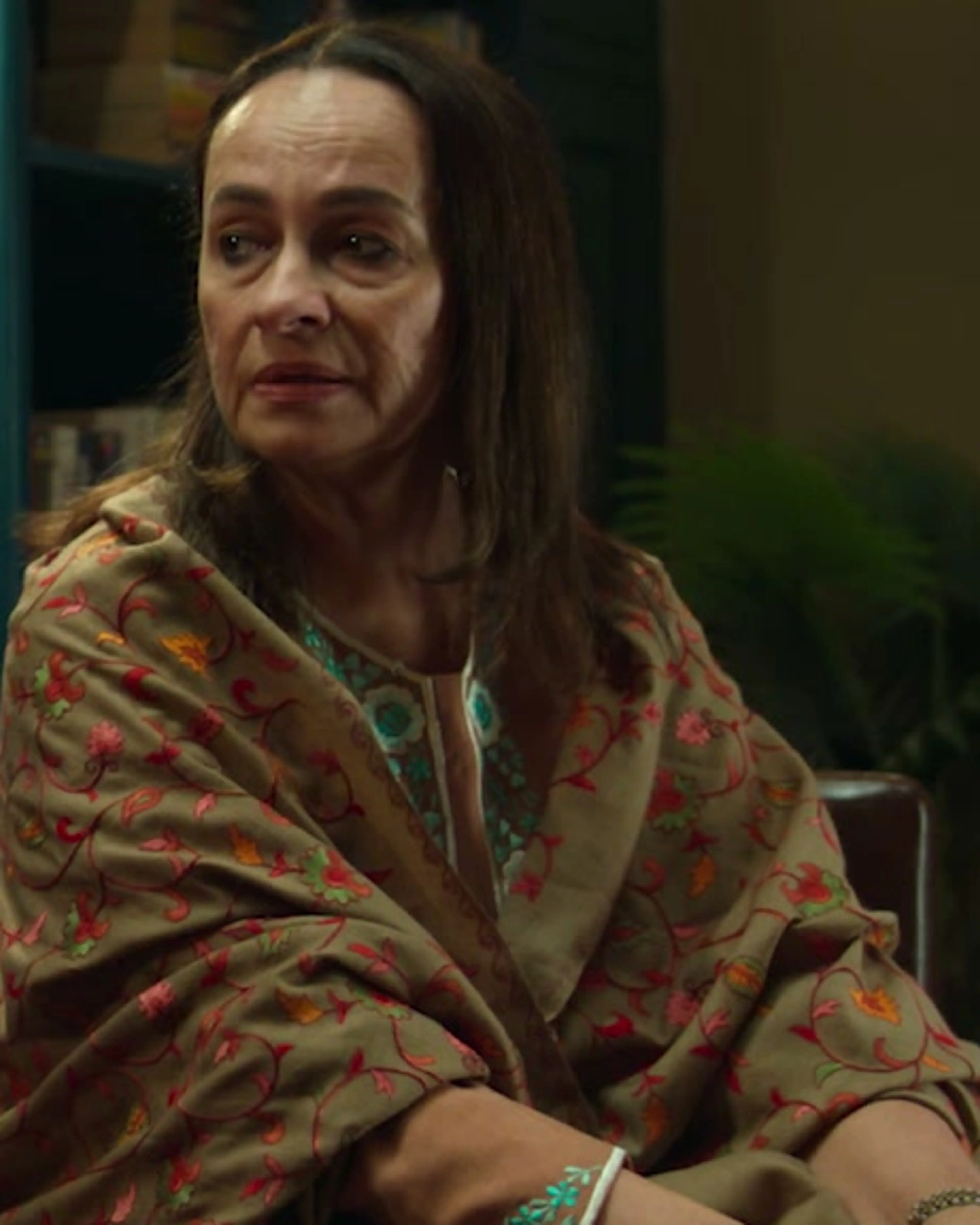
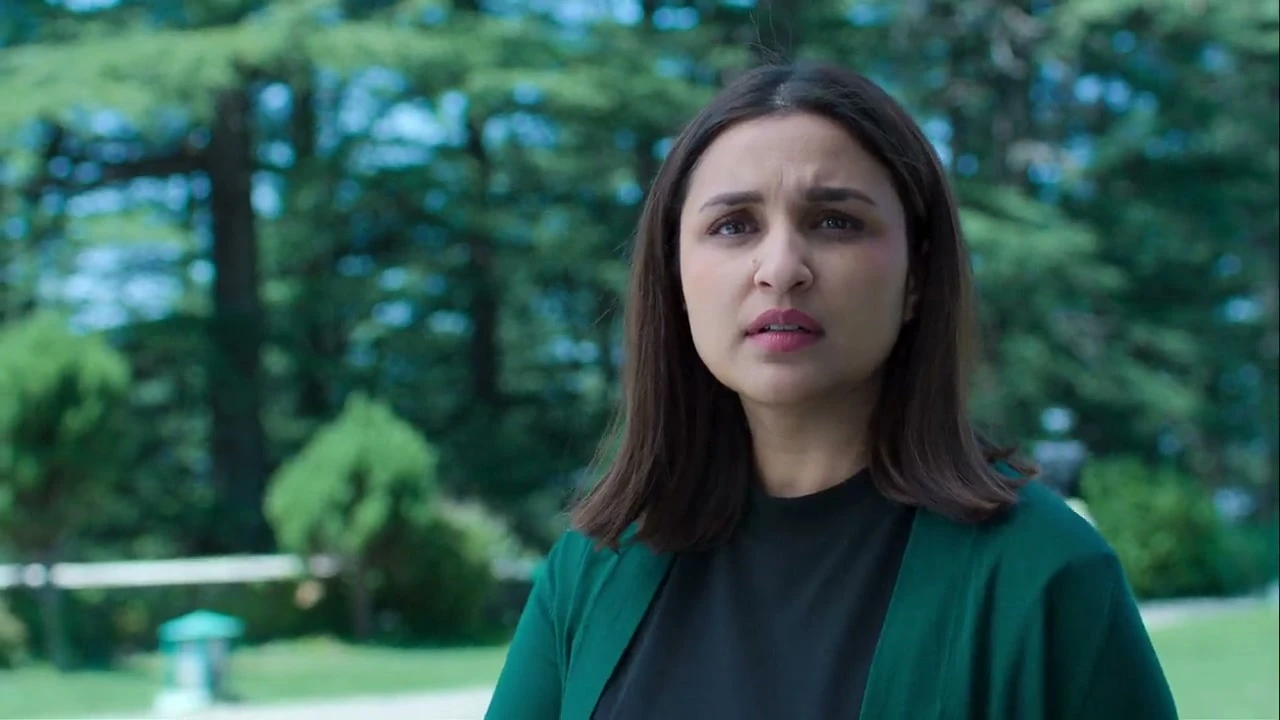
Anvita Dutt, played by Parineeti Chopra, is Apeksha’s mother. Apeksha is the newborn taken from the hospital; Siddhi is Anvita and Alok’s younger daughter, born after the disappearance. Alok, played by Tahir Raj Bhasin, is Anvita’s husband. His mother, Madhu, is played by Soni Razdan. Keeping these relationships clear matters because Anvita’s search affects the daughter who is still living with her, not only the child who is missing.
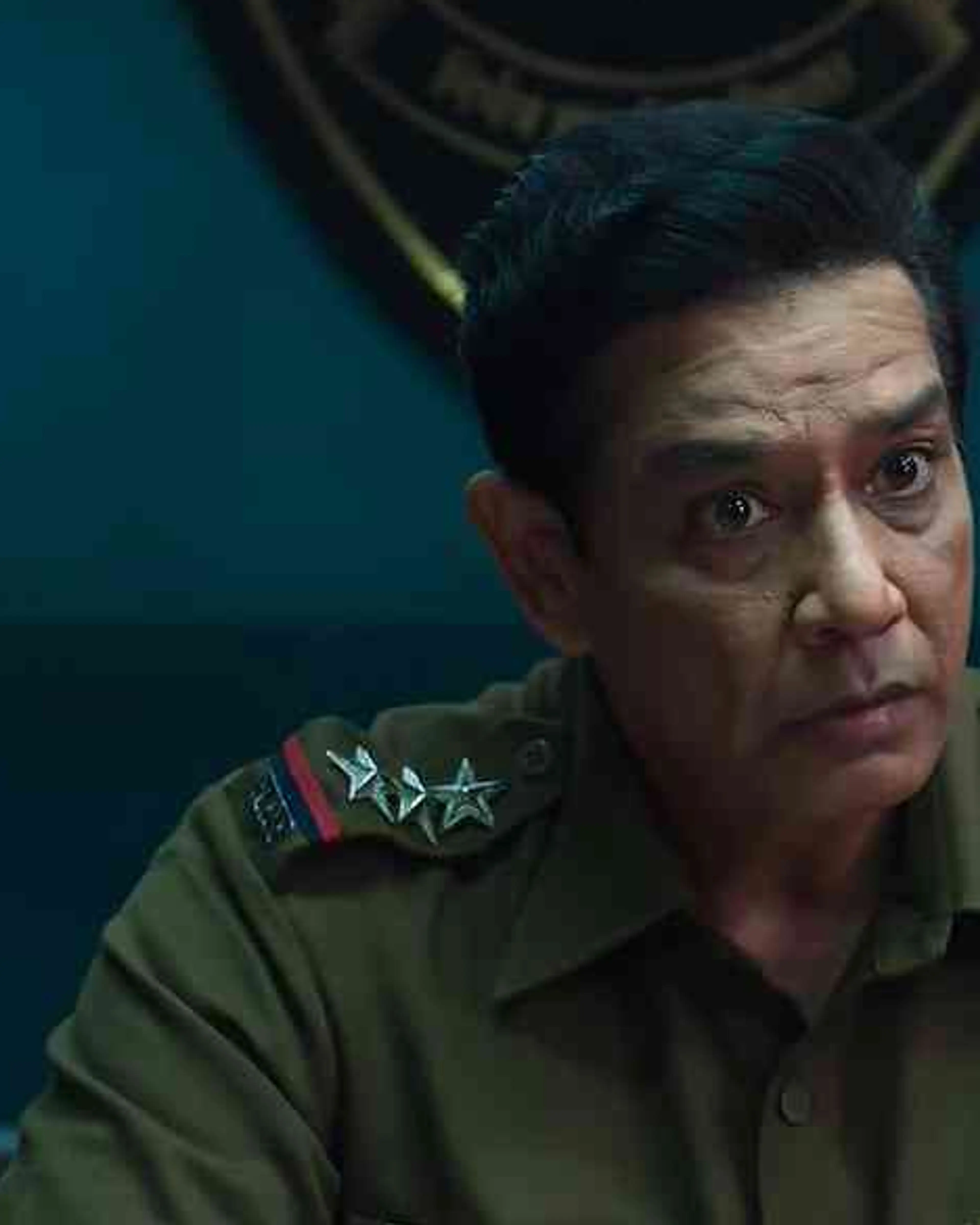
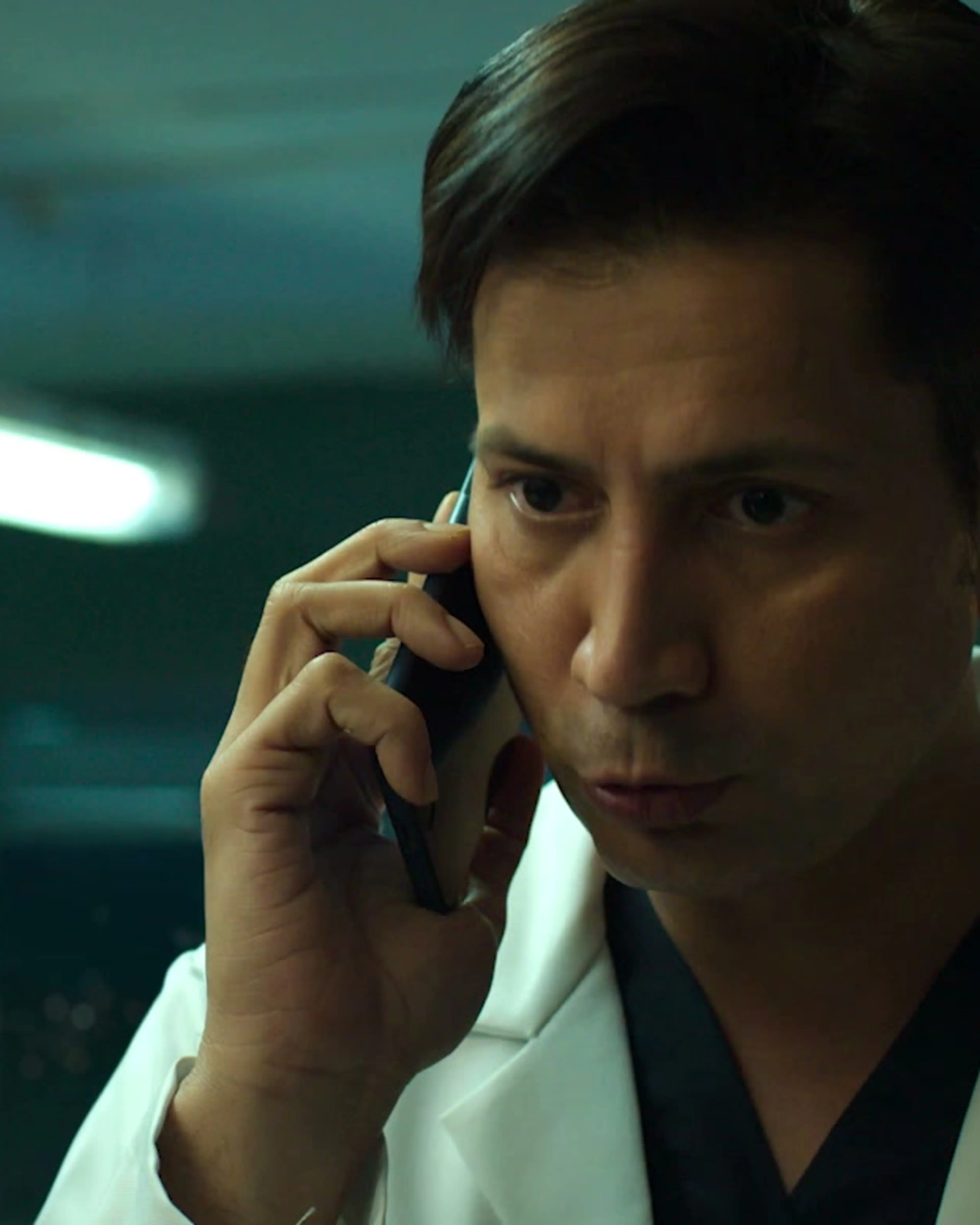
Sakshi, played by Jennifer Winget, is raising Rhea with her husband Gaurav, played by Dhruv Chowdhary. Anvita suspects that Rhea is Apeksha. Inspector Khurana, played by Anup Soni, handles the missing-child case. Dr Bhaskar, played by Sumeet Vyas, works at the birth hospital; his wife Shreya, played by Harleen Sethi, is Anvita’s friend. The police, the hospital and Anvita’s family are connected from the beginning, so a lie in one of those places can affect the others.
Why Anvita suspects Rhea, and why Sakshi wants her to stop
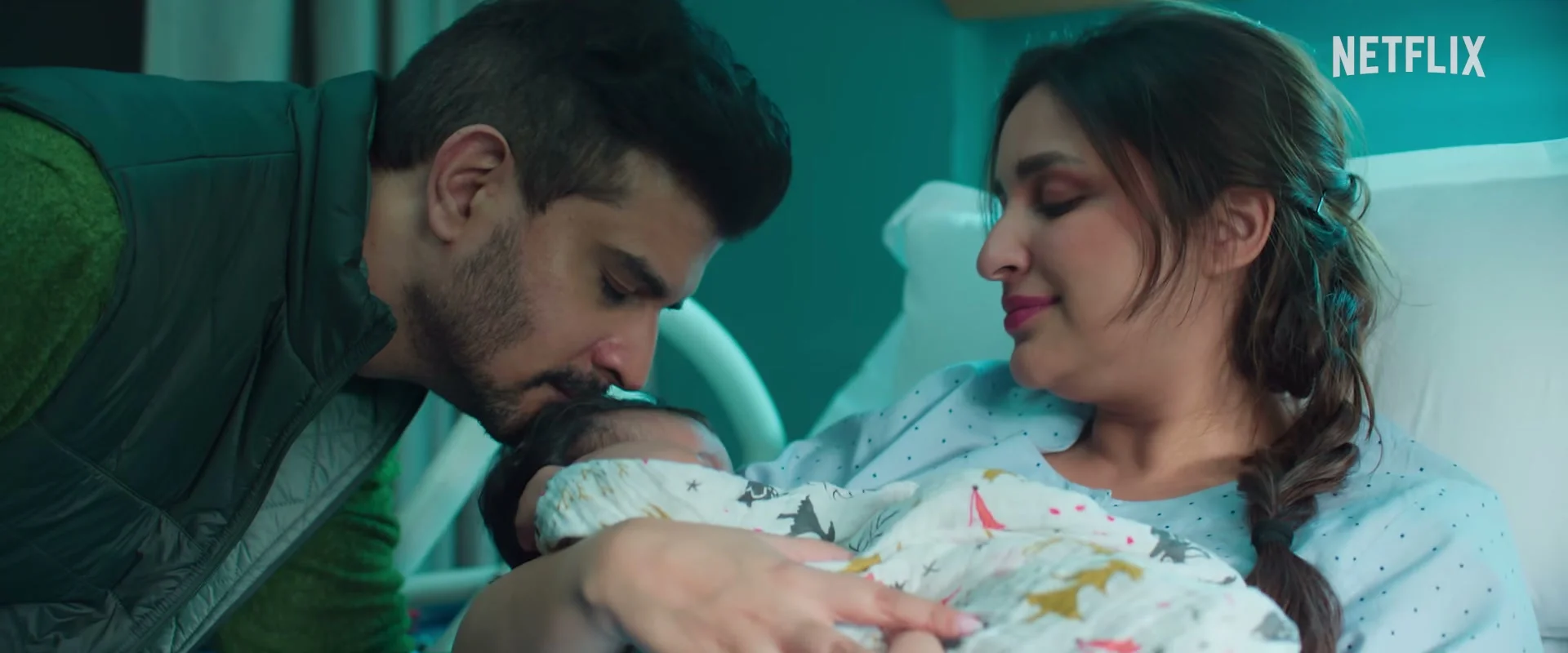
The opening begins with Apeksha’s birth. Madhu holds her granddaughter and removes the identification band from the baby’s ankle. Alok leaves the ward, and a woman posing as a nurse takes Apeksha. The hospital should be the place where the child is easiest to identify and protect: there are staff, records and cameras. Instead, Anvita is left asking where her daughter went. Starting with the birth, rather than explaining it later in a speech, makes the loss easy to understand. She has held her baby and expected to take her home.
Credits
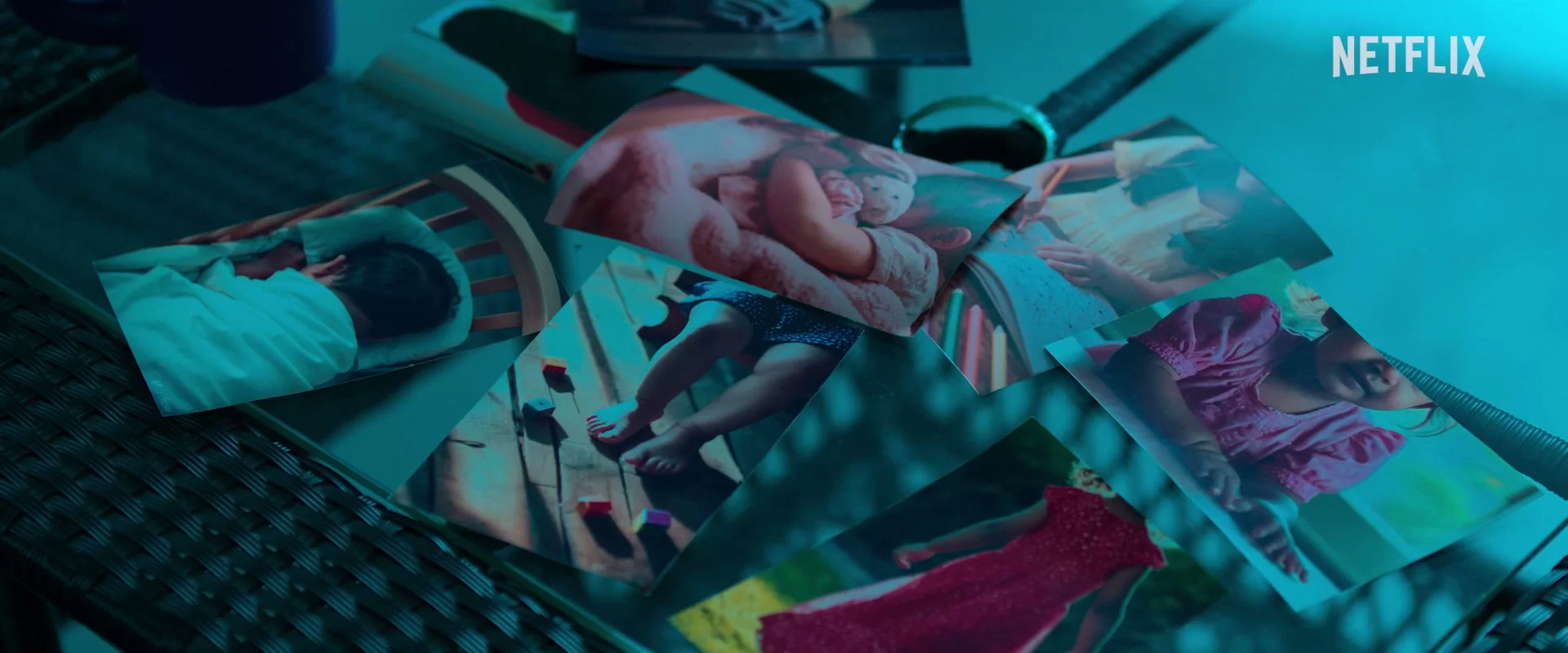
NetflixOn each birthday, Anvita receives another photograph and studies a child she cannot properly identify because the face is concealed. Years pass without a reunion, but the next picture arrives anyway. The sender keeps Anvita hoping, but never shows her where the girl is. Each photograph creates a new question: why provide evidence of a growing girl while withholding the information that would let Anvita find her?
There is also a difference between what the pictures mean to Anvita and what they actually establish. For her, they support the belief that Apeksha is alive. For an investigation, they still leave basic questions: who took them, which child they show and where they were made. Shaque is better at showing Anvita’s hope than at making those questions part of a convincing search. A picture can be emotionally persuasive without being enough to identify a child.
Credits
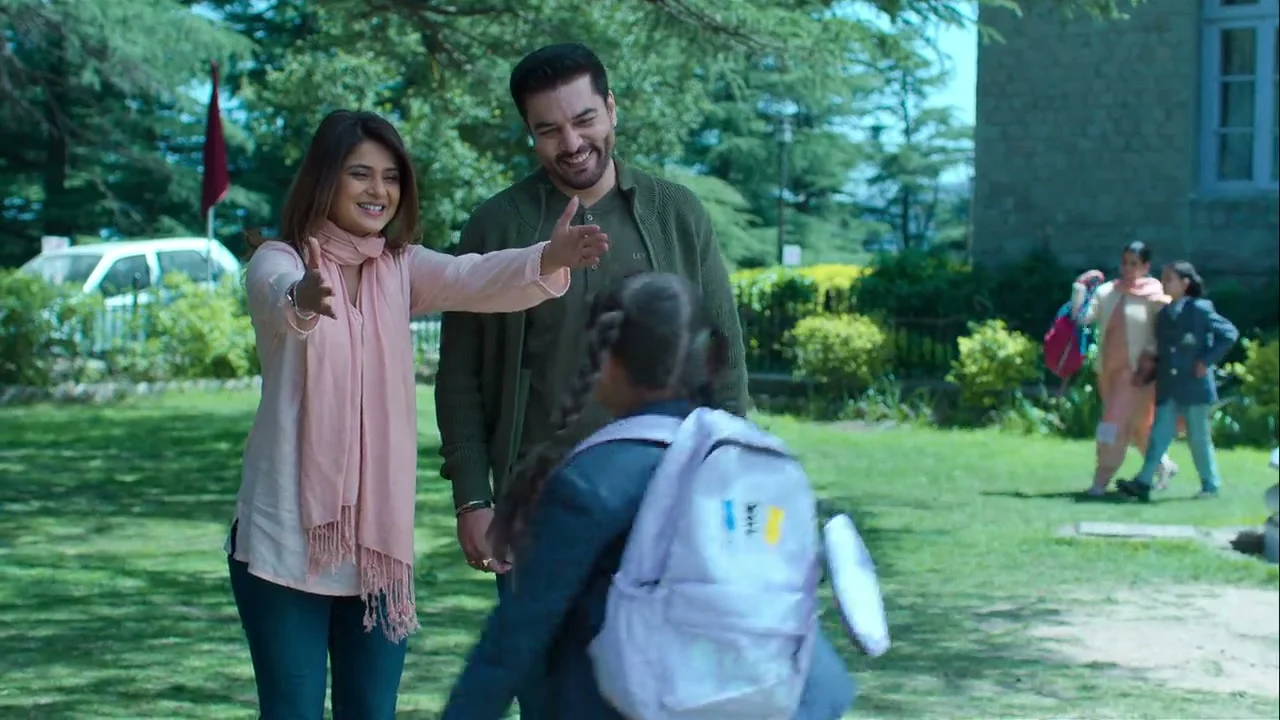
NetflixAnvita and Alok later have Siddhi, but the missing daughter remains present in family life. The school encounter shows the cost without needing an explanation of grief. Anvita has Siddhi beside her when she watches Rhea greet Sakshi and Gaurav. Rhea runs to the adults who are raising her and stands between them. Anvita studies the older girl while her own younger daughter tries to get her attention. Siddhi is there with her mother, but her mother is looking at somebody else’s child.
That scene also gives Rhea a life before Anvita’s accusation. She is not introduced only as a photograph or a possible answer. She has parents she is happy to see, a school uniform and an ordinary journey home. If Anvita is wrong, her suspicion could frighten a child and a family who have done nothing to her. If she is right, learning the truth will still disrupt the life Rhea already knows. Those possibilities make the encounter more interesting than another warning that someone is hiding a secret.
Credits
NetflixChopra makes Anvita’s attention to Rhea easy to read in this encounter: she stops following the conversation around her because she wants to keep watching the girl. Elsewhere, the part gives her fewer ways to express the same need. Anvita repeatedly confronts people or insists that they believe her. We understand why she wants an answer, but repeated distress does not always tell us something new about how she has lived through the intervening years. The quieter school moment is more effective than another scene built around an accusation.
The birthday party takes Anvita’s suspicion further. She asks Rhea to cut the cake prepared for Apeksha’s birthday and accuses Sakshi. This is not a private request for information. Anvita is bringing another family’s child into a celebration for the daughter she lost and insisting that the two girls are the same person. The cake makes the accusation specific: Anvita wants Rhea to occupy Apeksha’s place in front of other people, before the dispute has been settled.
Sakshi’s response is easier to understand once the party is explained. She and Gaurav seek a restraining order, a court restriction meant to stop Anvita approaching them. From Anvita’s point of view, that prevents her from reaching the girl she believes is hers. From Sakshi’s, it protects Rhea from an adult making frightening claims. Winget is convincing because Sakshi does not have to describe herself as a protective mother. Her attempts to keep Anvita away from Rhea already show what she wants.
The difficulty is that the series returns to this disagreement without changing it enough. Anvita remains certain, Sakshi resists, and people around them question Anvita. A new clue can justify continuing the search, but another confrontation is less useful when it mainly repeats their positions. The two mothers’ conflict needs new decisions, not just stronger accusations. The birthday scene earns its place because it changes a social gathering into a public dispute. Not every later exchange has that clear consequence.
The hospital evidence, the family lies and the ending
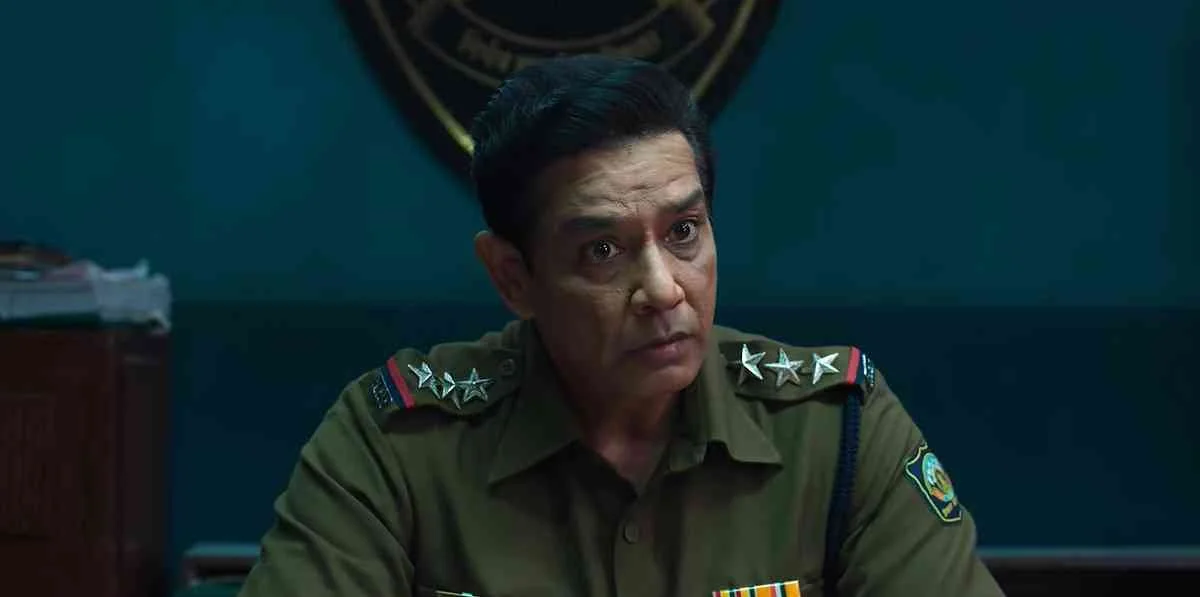
Inspector Khurana continues listening to Anvita when others would like the search to stop. Anup Soni gives him a patient manner that suits those conversations. Anvita needs someone who will consider what she has found, not immediately dismiss her because she is upset. Khurana’s willingness to hear her helps explain why she keeps returning to him. Soni makes the officer’s concern believable; the script does not make his investigation equally believable.
The missing hospital camera footage is the clearest problem. After the abduction, Bhaskar tells the watchman to erase the recording. Khurana checks the cameras, finds missing views and reprimands the guard. A newborn has been taken from a staffed building, and a woman passed herself off as a nurse: those recordings should help establish who entered and left. Their disappearance is itself a reason to investigate the hospital staff. Yet the story moves years ahead without a convincing account of why that investigation went nowhere. The problem is not that Khurana fails to solve everything immediately. It is that the series shows deliberate interference, then lets the police miss the obvious follow-up.
Credits
Alchemy Films / NetflixBhaskar matters because he works at the hospital, not simply because he behaves suspiciously. His involvement in illegal arrangements around pregnancies brings another subject into the case. Carrying a pregnancy for someone else is called surrogacy; the series connects its hospital story to wrongdoing involving babies and the people arranging their births. These are not interchangeable ideas. A pregnancy arrangement is not automatically an abduction. Shaque introduces enough serious wrongdoing to make Bhaskar worth investigating, but its later explanations are less satisfying than a careful account of who could remove this particular newborn and why.
There are more direct betrayals inside Anvita’s family. Alok is having an affair with Shreya, who is supposed to be Anvita’s friend. This matters before it becomes another reason to suspect them in the kidnapping. Anvita needs help from the people around her, but two of those people are already hiding something that would hurt her. When they question her judgment, the viewer has a concrete reason to distrust their concern. Alok and Shreya’s affair makes their reassurance harder to accept.
The affair could have supported a fuller account of the marriage after Apeksha vanished. Instead, it often serves the immediate task of adding another person Anvita cannot trust. Shreya is also Bhaskar’s wife, so her relationship with Alok connects Anvita’s marriage to the doctor at the hospital. Later revelations make those connections clearer. What remains less clear is how Anvita and Alok have lived together during the search. We learn what Alok conceals from her, but see too little of their ordinary family life with Siddhi to understand the marriage beyond his betrayal.
Madhu follows a spiritual adviser who tells her that Alok’s firstborn will bring trouble to the family and that Anvita must be removed from his life. She accepts this warning and interferes with her daughter-in-law. Later, the series reveals that Anvita’s coffee has been drugged, helping explain her hallucinations — frightening things she sees that are not actually happening. Anvita’s frightening experiences are not proof that magic is controlling her. That is a concrete explanation, but Madhu’s motive is less convincing: the story needs to show more clearly why she accepts this adviser’s claims about her son. Another warning about disaster does not do enough to explain her willingness to harm his wife.
The later search involves DNA, the biological information that can be compared in samples to help establish a parent-child relationship. This matters because Anvita’s feeling that she recognises Rhea cannot settle the argument by itself. A test can establish something neither mother’s insistence can. Introducing that need for evidence is sensible. The series is less convincing when information arrives at the moment it is needed, after the investigation has spent so long overlooking simpler routes to an answer.
By the final episode, Shreya’s revelation helps connect the missing-child case, and Rhea is confirmed to be Apeksha. Anvita was right that her daughter survived and that the girl she found was connected to the disappearance. The answer gives the season a conclusion rather than leaving the original question for another season. It also confirms a possibility the series has emphasised so heavily that the identity itself is not especially surprising.
What should matter most now is Rhea’s experience. The adults have been arguing about who she is, but she has grown up as Sakshi and Gaurav’s daughter. Learning that another woman is her birth mother changes more than a police file. Siddhi also has to live with the result of a search that has occupied her mother’s attention. The ending spends more time explaining the adults’ secrets than exploring what the answer means for the two girls. That is a bigger disappointment than guessing the identity early. The series has already shown why both children deserve more attention.
Shaque is most likely to suit viewers interested in tense family confrontations, particularly Winget’s Sakshi trying to keep Rhea close while Anvita refuses to leave. The short season gives that dispute a definite ending. It is harder to recommend to someone who wants a detective story in which the police consistently follow the evidence and each discovery changes the case in a convincing way. Missing footage, repeated suspicions and the late explanations keep getting in the way of that experience.
Pixel Twelve score: 5/10 — Mixed. The birthday photographs give Anvita a reason to hope, the school encounter shows what her search costs Siddhi, and Sakshi’s attempts to protect Rhea create a real disagreement. Those scenes make the series worth considering. They do not make its hospital investigation, superstition detour or final explanations more convincing. Anvita and Sakshi’s reasons for approaching or protecting Rhea are clearer than the police investigation.
More from Shaque: Trust No One
3 screenshotsLoading results
Find the cast and release details on our Shaque: Trust No One series page, or compare more Pixel Twelve reviews.