Spoiler warning: This review discusses selected scenes across the season and the separate Aileen Wuornos storyline. It does not describe the finale.
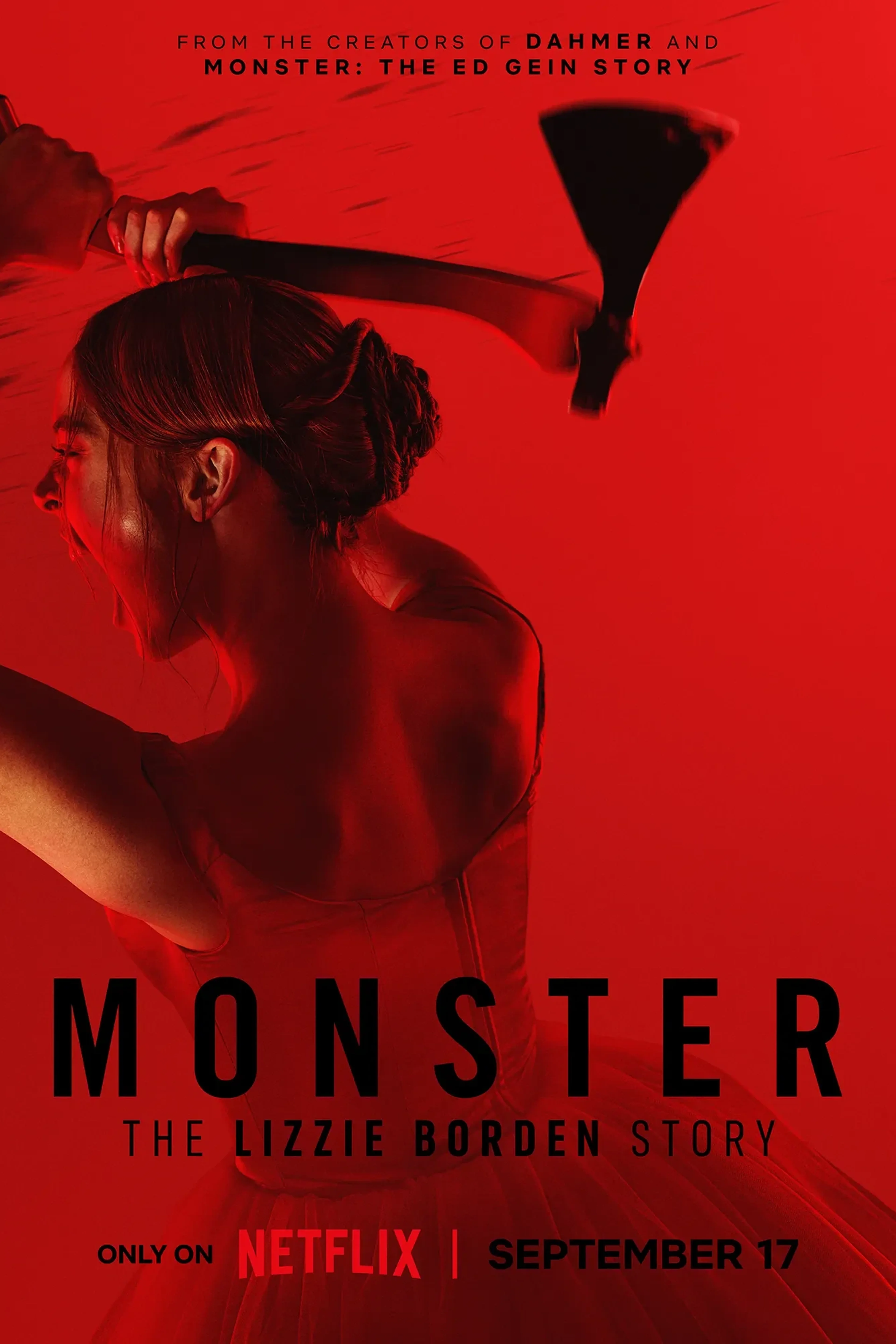
Lizzie Borden was accused of killing her father, Andrew, and her stepmother, Abby, with an axe in their Massachusetts home in 1892. She was found not guilty at her trial the following year, and the murders remain unsolved. Netflix's Monster: The Lizzie Borden Story starts by showing Lizzie committing the killings, then goes back four months to explain its version of her motives. This is a heavily invented drama about the case. It does not keep the killer's identity a mystery.
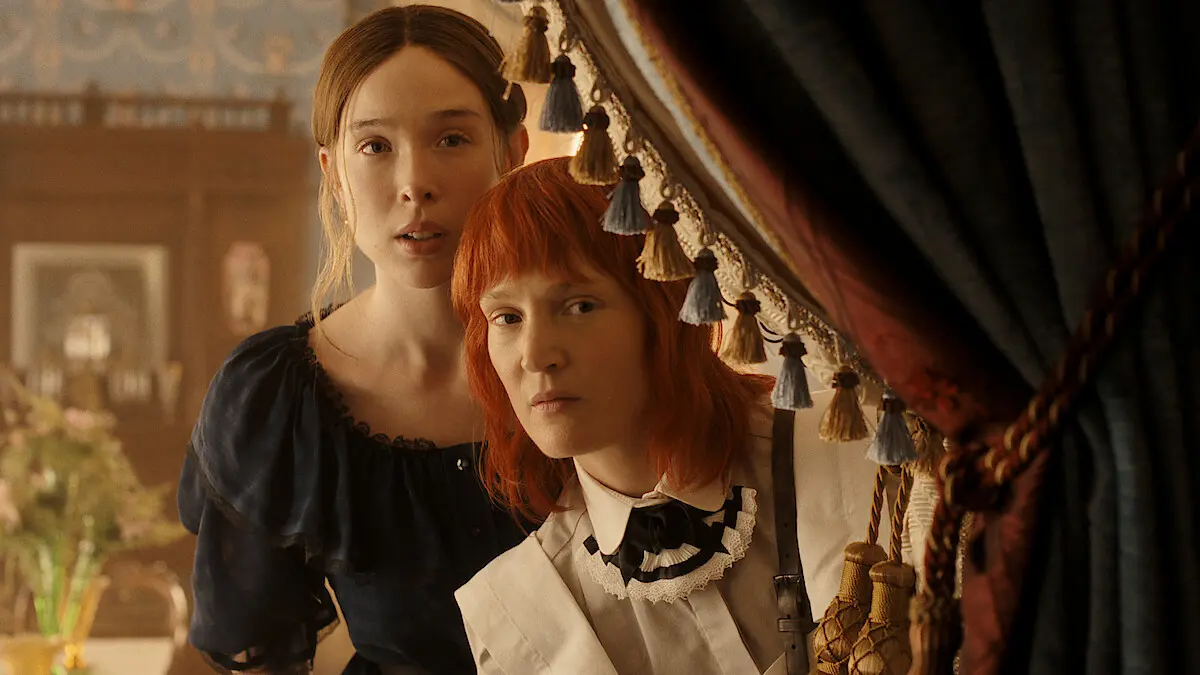
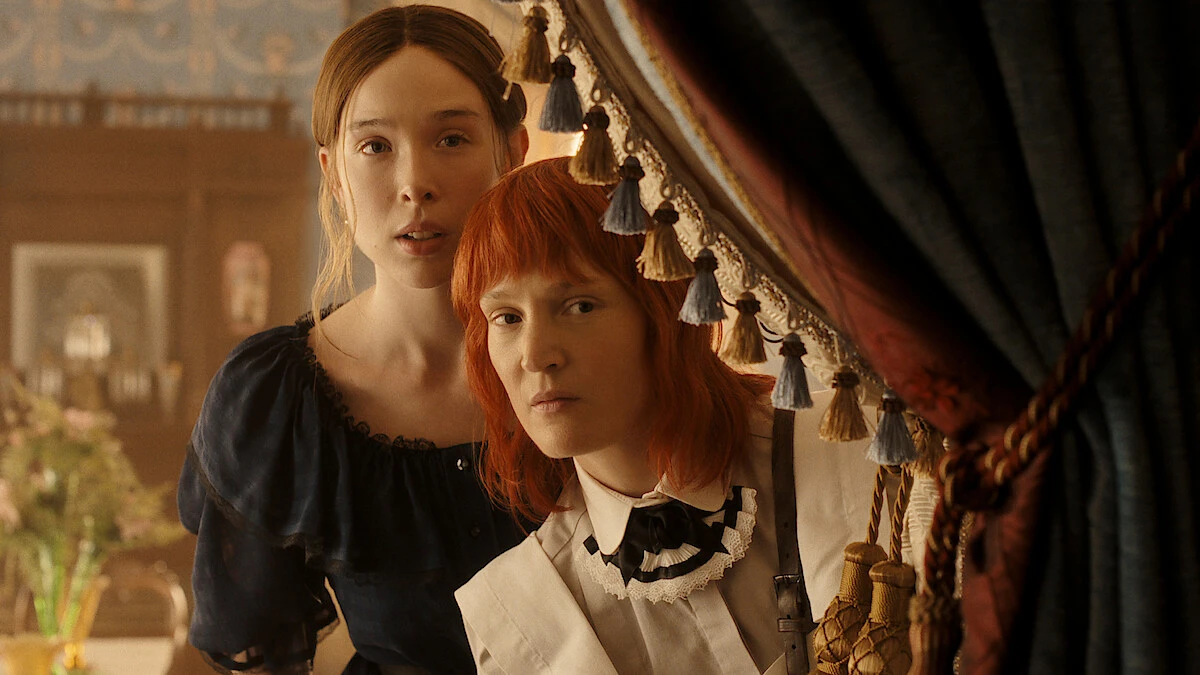
Ella Beatty plays Lizzie, who lives with parents who treat her as an embarrassment. When a new maid, Bridget Sullivan, arrives, Lizzie finally has someone who listens to her. Their relationship becomes a romance, and Bridget encourages her anger toward the family. The scenes between these women are much more involving than the lengthy attempts to connect Lizzie to other famous killers. All eight episodes are on Netflix, and you do not need to watch the earlier Monster seasons. The season is rated TV-MA, with graphic violence, sexual material and strong language.
Life with Andrew and Abby Borden
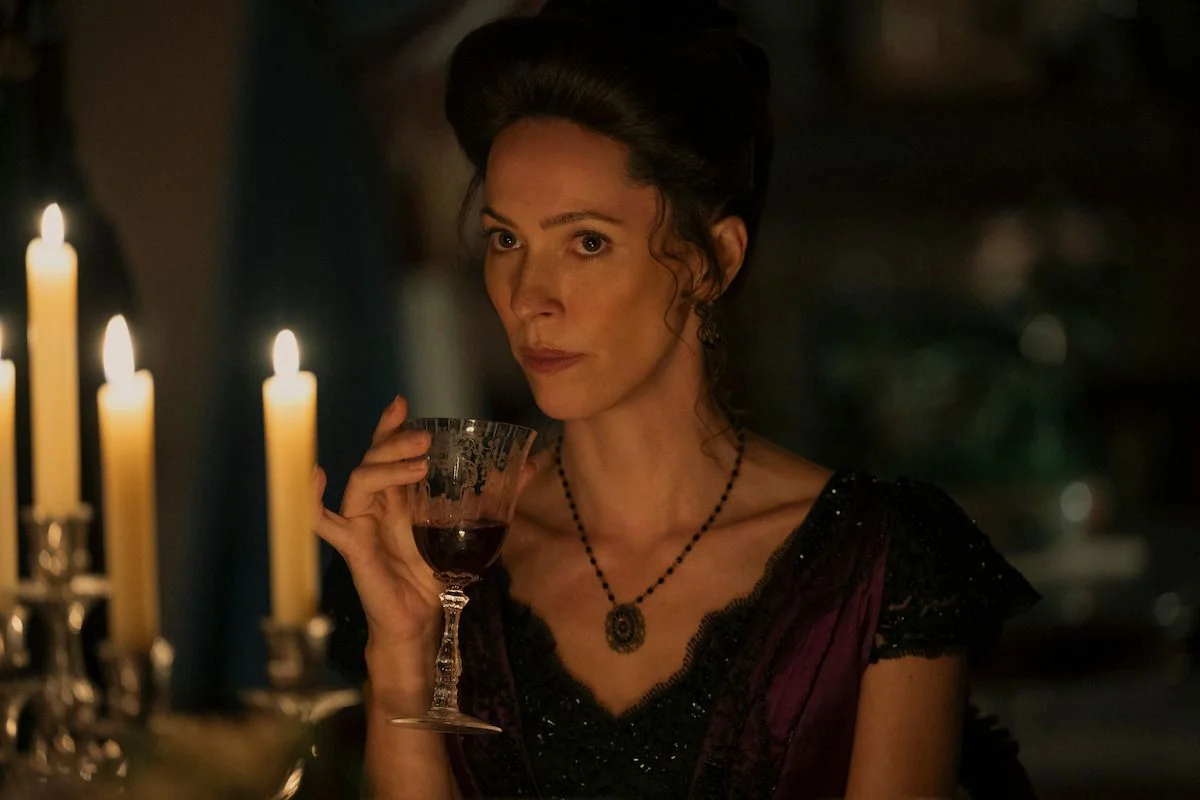
Bridget needs a job and has to live in the same house as the people employing her. Abby calls her Maggie, the previous maid's name, because she cannot be bothered to learn a new one. It is a small humiliation that explains a lot about their relationship: Abby does not even think Bridget's name deserves her attention. Rebecca Hall makes that dismissal funny to watch without making Abby seem friendly. Her confidence that nobody will challenge her is what makes the line so unpleasant.
Vicky Krieps gives Bridget a soft voice and a patient manner that make Lizzie's attachment understandable. She offers attention Lizzie cannot get from her parents, including reading stories to her. But Bridget also encourages Lizzie to hurt the family. Krieps makes that combination disturbing: Lizzie is getting the comfort she needs from someone who would also benefit from Andrew and Abby's deaths.
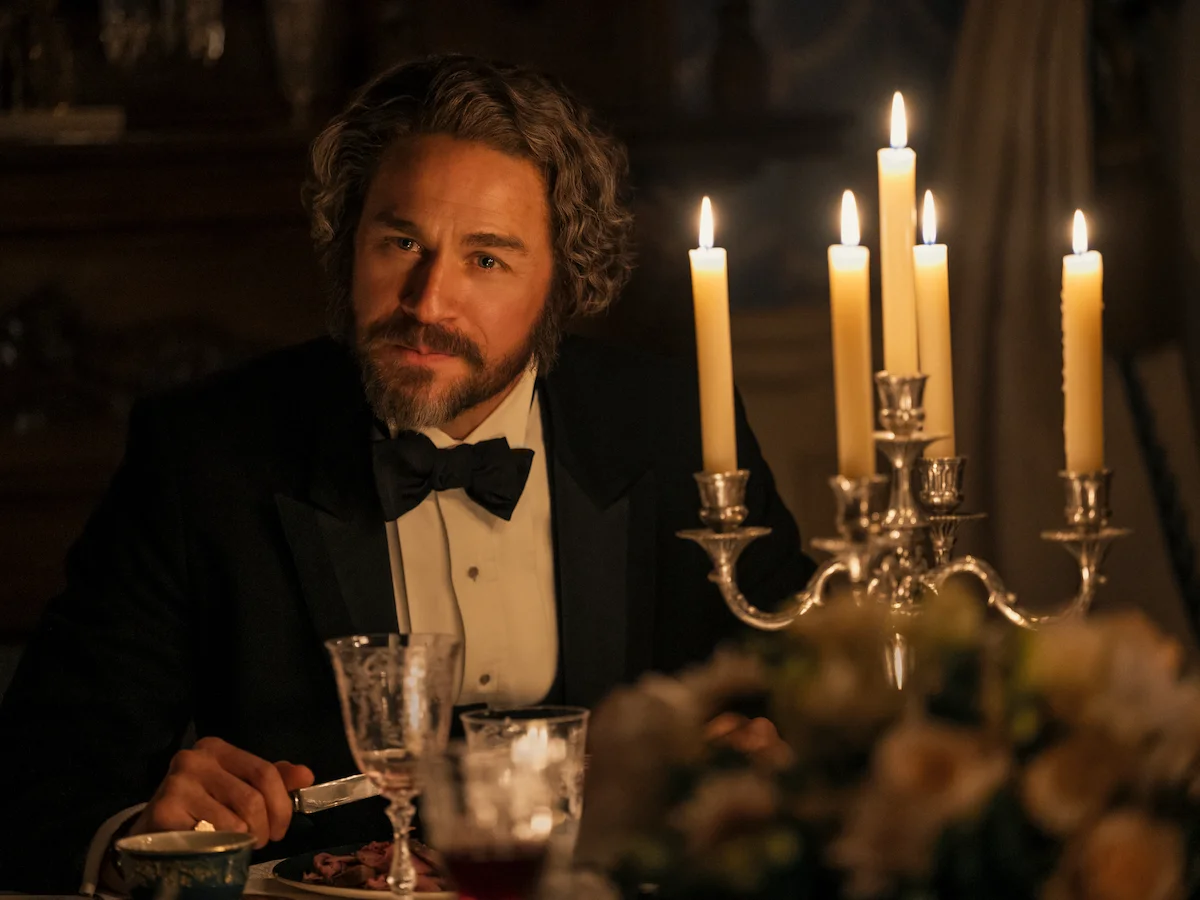
Andrew earns his living making coffins and keeps a collection of axes. In this version of the story, he also treats the women working in his home as available for sex. Charlie Hunnam makes his ease around them unpleasant: he has money and authority, and acts as though neither should be questioned. The abuse shown here is part of the series' invented account, not something the viewer should accept as proven biography. Hunnam gives Andrew a forceful presence, though the repeated examples of his cruelty soon tell us more about him than we learn about Lizzie.
Beatty plays Lizzie much more quietly than Hall or Hunnam plays either parent. Lizzie often seems to be listening and absorbing another insult while someone else decides what happens next. Her attachment to animals and her growing interest in Bridget give her something to care about. Yet the writing spends so much time showing people hurting or humiliating her that her own choices get too little attention. Understanding that she hates living there is not the same as understanding how she decides to kill.
Lizzie's older sister Emma, played by Billie Lourd, could have helped explain her life outside the romance. Instead, Emma has relatively little to do. That leaves Bridget doing most of the work of introducing ideas, offering comfort and encouraging action. The romance is often watchable, but it does not explain everything about Lizzie. There is too little time spent on what she thinks when Bridget is not telling her what to do.
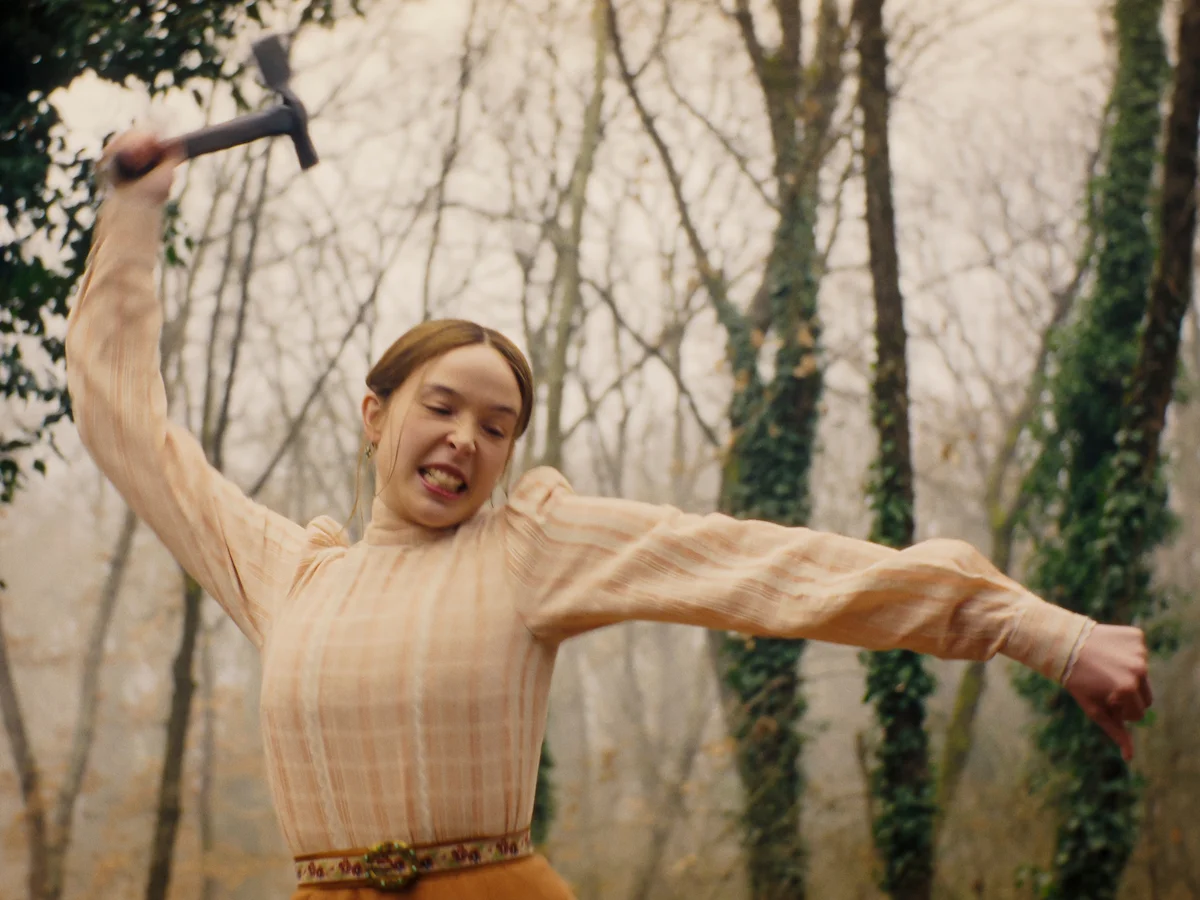
The violence becomes repetitive
The opening axe murders are graphic, and the later episodes keep returning to blood, damaged bodies and cruelty to animals. The violence is frequent and explicit. Andrew kills Lizzie's pigeons with a hatchet, giving her a personal reason to be furious with him. But the repeated cruelty does not lead to much more than another scene of Lizzie suffering. The episodes would be more involving if she had to make more decisions herself.
An attempt to poison Andrew and Abby turns dinner into an extended scene of vomiting. The contrast is deliberately ridiculous: two people used to ordering everyone around become helpless and revolting at their own table. Hall commits to the embarrassment, and some of the scene is funny. But the vomiting goes on long after the joke is obvious. Instead of worrying about whether the attempt will succeed, we are mostly waiting for the mess to stop.
The modern punk music over that meal makes the intended comedy even more obvious. Modern songs can work in a period drama, and there is no reason the soundtrack has to imitate nineteenth-century music. Here, though, the loud song and the prolonged bodily effects are both insisting on the same reaction. The scene would be sharper if the actors had more space and the gross-out sequence ended sooner.
Bridget also reads Lizzie stories about Elizabeth Báthory, a Hungarian noblewoman accused of killing young women. The series shows these tales in separate scenes, with Krieps playing Báthory as well as Bridget. These are stories being told to Lizzie, not another part of the Borden investigation. Krieps looks severe in Báthory's dark clothes and fur hat, quite different from the patient maid. But the scenes add another violent woman to an already crowded season without developing Lizzie much further.
Aileen Wuornos takes time away from Lizzie
About halfway through the season, the story moves forward to the twentieth century and introduces Aileen Wuornos, played by Sarah Paulson. Wuornos was a sex worker who killed men in Florida decades after the Borden case. The writers show her taking an interest in Lizzie and visiting the Borden house with her girlfriend. She is not connected to solving the 1892 murders. This is a second story about another woman who becomes violent, and it takes up a substantial part of a season named after Lizzie.
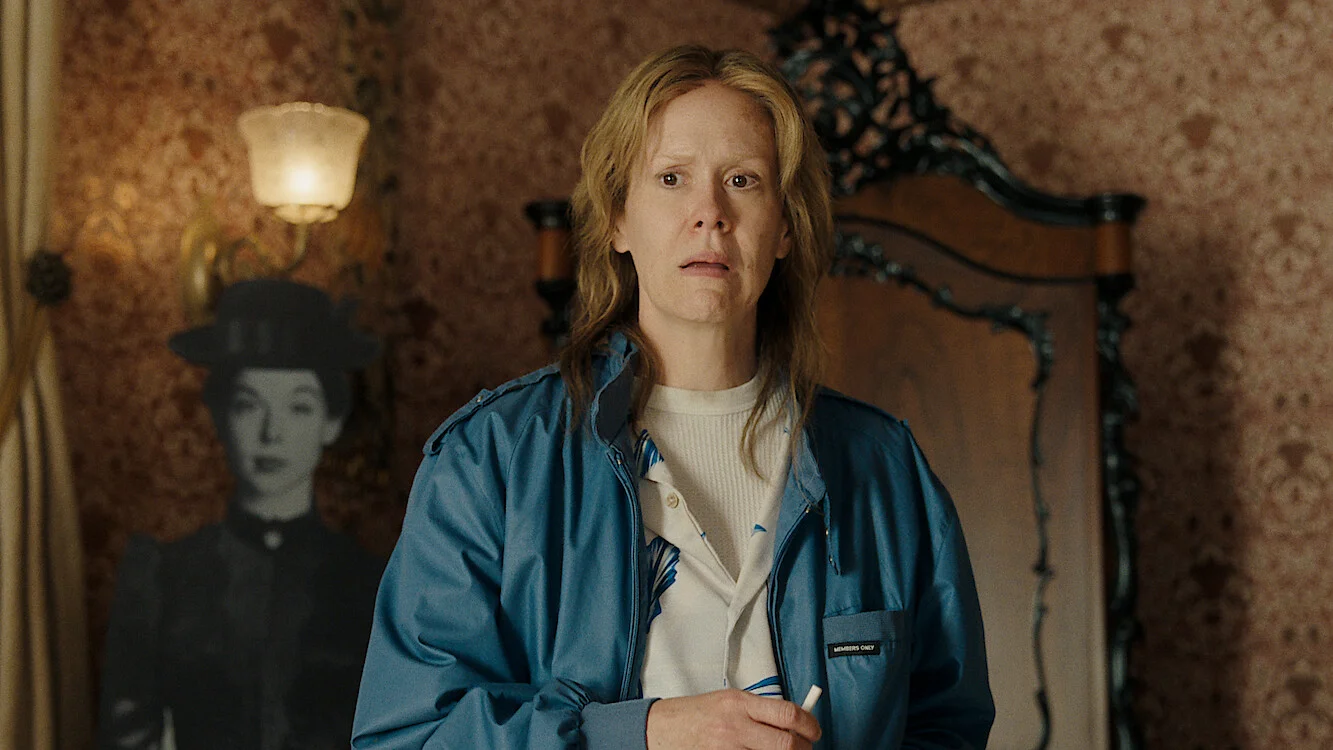
During the visit, a guide says nobody really knows what happened. Wuornos interrupts to insist that she knows. Paulson gives the reply an angry confidence that makes it sound like a challenge. It is a much more energetic performance than Beatty's restrained Lizzie, but it also makes the change of subject more noticeable. Just as the family story should be developing, we have to follow a different relationship, a different place and a different set of crimes.
The visit is invented. The Borden house did not open as a bed and breakfast until 1996, when Wuornos was already in prison. There is also no evidence that she was fixated on Lizzie. The sequence can be enjoyed as an unusual piece of fiction, but it cannot tell us anything reliable about a historical connection between the women. Viewers hoping to understand the real case should know that before accepting the show's version.
This would be easier to accept if the extra story helped explain a decision Lizzie makes. Instead, the connection is mostly that both women have suffered and both become killers. Their circumstances are different, and being angry does not explain every step between mistreatment and murder. Paulson makes her part worth watching on its own; the Wuornos plot still interrupts Lizzie's story. A tighter season could have spent that time on the changes in Lizzie and Bridget's relationship or on Emma.
The courtroom episodes bring in Nance O'Neil, a stage actor played by Jessica Barden, to teach Lizzie how to speak and behave in court. Lizzie has to practice how she will present herself to the people deciding her fate. Barden makes these rehearsals more enjoyable than another violent fantasy. Again, though, the timeline is invented: the real Nance met Lizzie in 1904, more than a decade after the trial. Even the more interesting scenes are not reliable history.
Pixel Twelve score: 5/10. Hall and Krieps make the household arguments watchable, and Paulson gives the later storyline a strong performance. Those strengths earn the season credit. But we cannot recommend eight episodes when Lizzie's decisions remain underwritten and so much time goes to other killers or repeated shock scenes. Adults who enjoy exaggerated, graphic crime dramas may find enough here for them. For a focused or trustworthy account of the Borden case, this is a poor choice.
More from Monster: The Lizzie Borden Story
3 screenshotsLoading results
Find the cast and episode details on our Monster: The Lizzie Borden Story page, read what the Netflix drama changes about the real case, or browse more Pixel Twelve reviews.