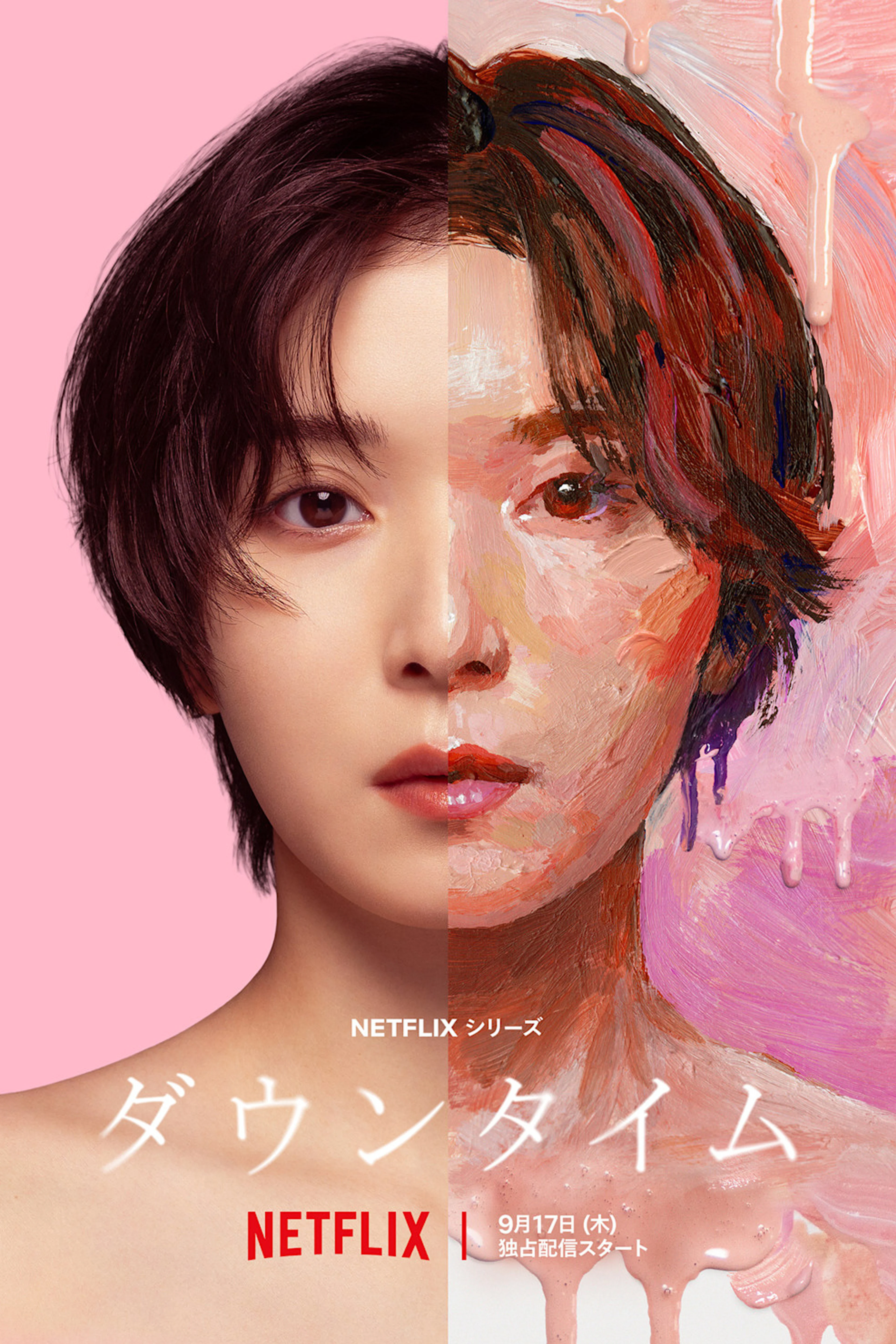
Fumi Numata is an emergency surgeon. When someone arrives at her hospital in danger, she treats the immediate medical problem. Rin Tohyama runs a famous cosmetic surgery clinic, where people pay to change their appearance. Fumi thinks that kind of surgery is unnecessary; Rin believes it can help someone who hates how they look. When Fumi loses her hospital job and needs money for her family's debts, she takes a job with Rin. Working together makes their disagreement much harder to dismiss.
Plastic Beauty is a Japanese Netflix drama starring Mayu Matsuoka as Fumi and Riisa Naka as Rin. All eight episodes are available, and most run for more than an hour. This is a serious medical and family drama, not a light story about makeovers. Its US rating is TV-MA, with graphic surgical scenes, nudity and suicide-related material.
Fumi and Rin disagree about what patients need
An early emergency explains Fumi's attitude. A young influencer develops a dangerous complication after cosmetic surgery, and Fumi treats her. Fumi concentrates on the danger to the patient's life. The patient is also frightened about what will happen to her appearance and career. Matsuoka makes Fumi's impatience uncomfortable to watch: Fumi has a serious medical concern, but she does not seem to understand why the woman is so upset. Being good at the operation does not make Fumi good at reassuring someone.
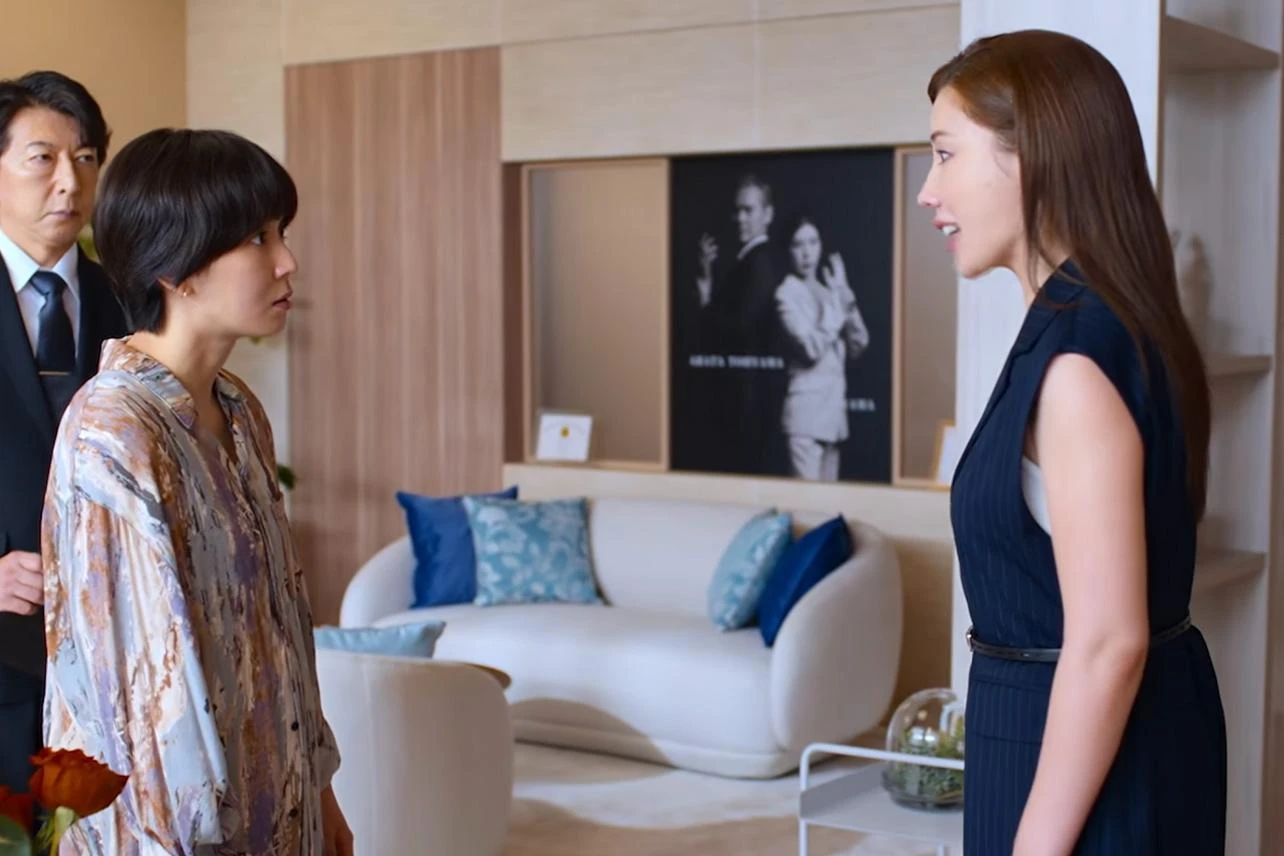
Rin is much easier to talk to. She listens to what patients want and does not immediately treat their wishes as foolish. Naka gives her the confidence of a doctor used to being admired, including in the clinic's own advertising. It is easy to see why a nervous patient would prefer her to Fumi. It is also easy to become suspicious when that reassurance comes from the same business selling the procedure.
The advertising matters. Rin's face appears on large ads promising improvements through beauty, and a party for the clinic includes free cosmetic treatments. The clinic encourages people to change their looks while presenting itself as the answer to their worries. That makes Rin more interesting than a doctor who is simply kind or dishonest. Her concern can be genuine without making the sales tactics harmless. The season spends less time examining that conflict than we wanted, especially once her private history becomes more important.
Fumi and Rin have to work in the same clinic, so neither can end the argument by walking away. Fumi is quick to sound irritated when she disagrees. Rin is better at staying composed, even when she is asking for something Fumi dislikes. Matsuoka and Naka make those conversations worth watching before any secret is revealed. Their differences are clear in how they speak to a patient and how they deal with each other, not just in speeches explaining their beliefs.
The requests are more complicated than Fumi expects
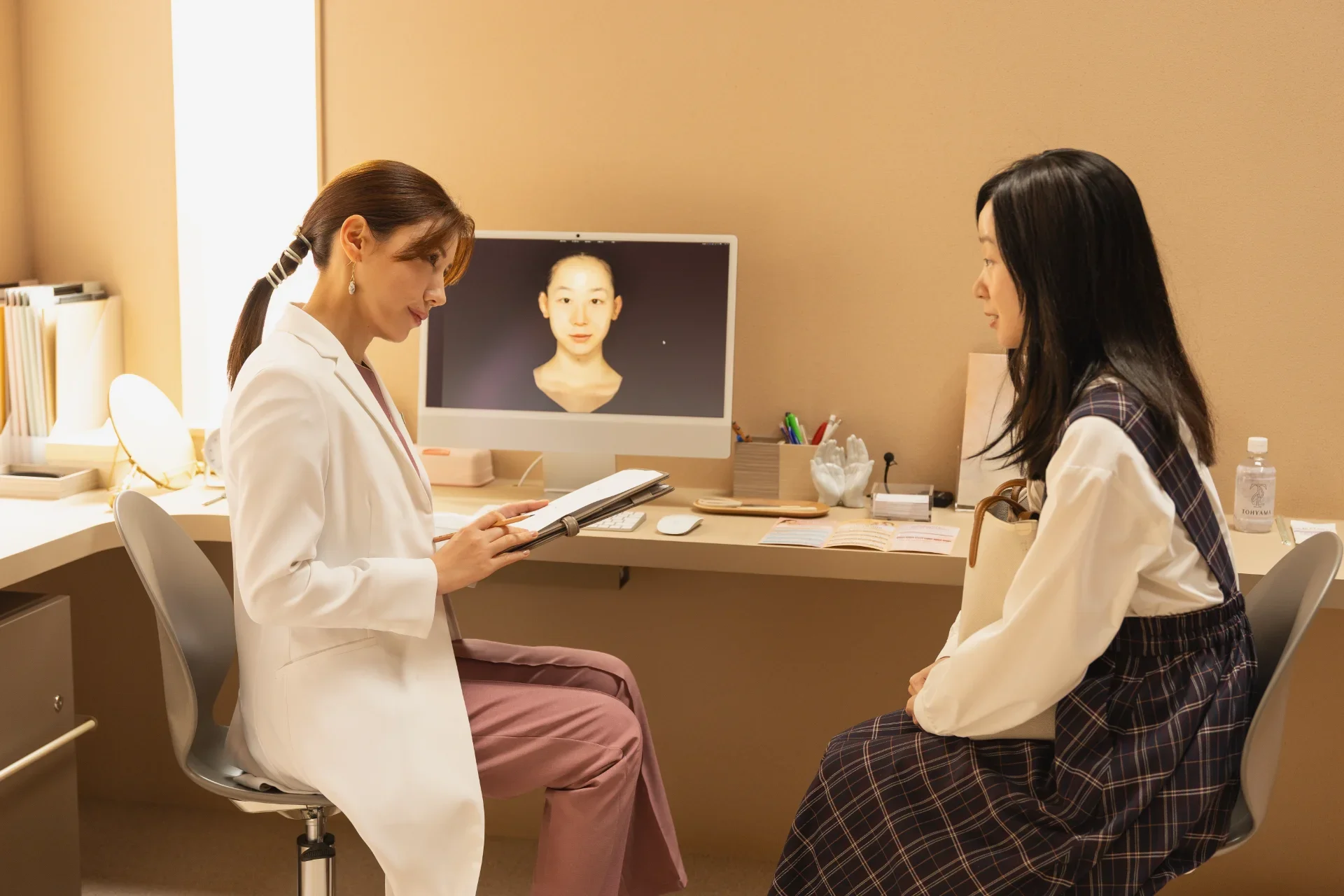
Yoshiko Tanaka wants to become a voice actor. That should make her voice especially important, yet her appearance affects the opportunities she gets. She goes to the clinic because she thinks a different face will improve her chances. Yoshiko's request is tied to finding work, not simply wanting a prettier photo. Hana Amano makes her distress easy to understand without turning her into a joke about an insecure patient.
Fumi can tell Yoshiko that surgery is unnecessary, but that does not remove the pressure she has already faced while looking for work. The consultation is compelling because advice to accept herself is not much help with the next rejection. At the same time, paying for surgery creates another problem for someone who is already struggling financially. We wanted more time with what those demands do to Yoshiko, rather than only the clinic's response to her request.
A widow who is dying asks for a major change in her appearance. She does not arrive with the same hopes as Yoshiko. The time she has left affects what the request means to her. Fumi has to listen to a person whose priority is not the future Fumi would normally try to protect. Different patients make the doctors' usual answers feel incomplete. These individual stories give the arguments about cosmetic surgery a reason to matter beyond Fumi and Rin's dislike of each other.
A young girl who makes videos online brings a different problem to the clinic. Adults are involved in a proposed procedure, while the child's appearance is already being shown to an audience. That puts her request in a very different situation from an adult deciding what to do with their own face. The child patient's story needs attention to who is making the decision. It is one of the clearest reasons to want the season to spend longer with the patients instead of moving back so often to the doctors' family troubles.

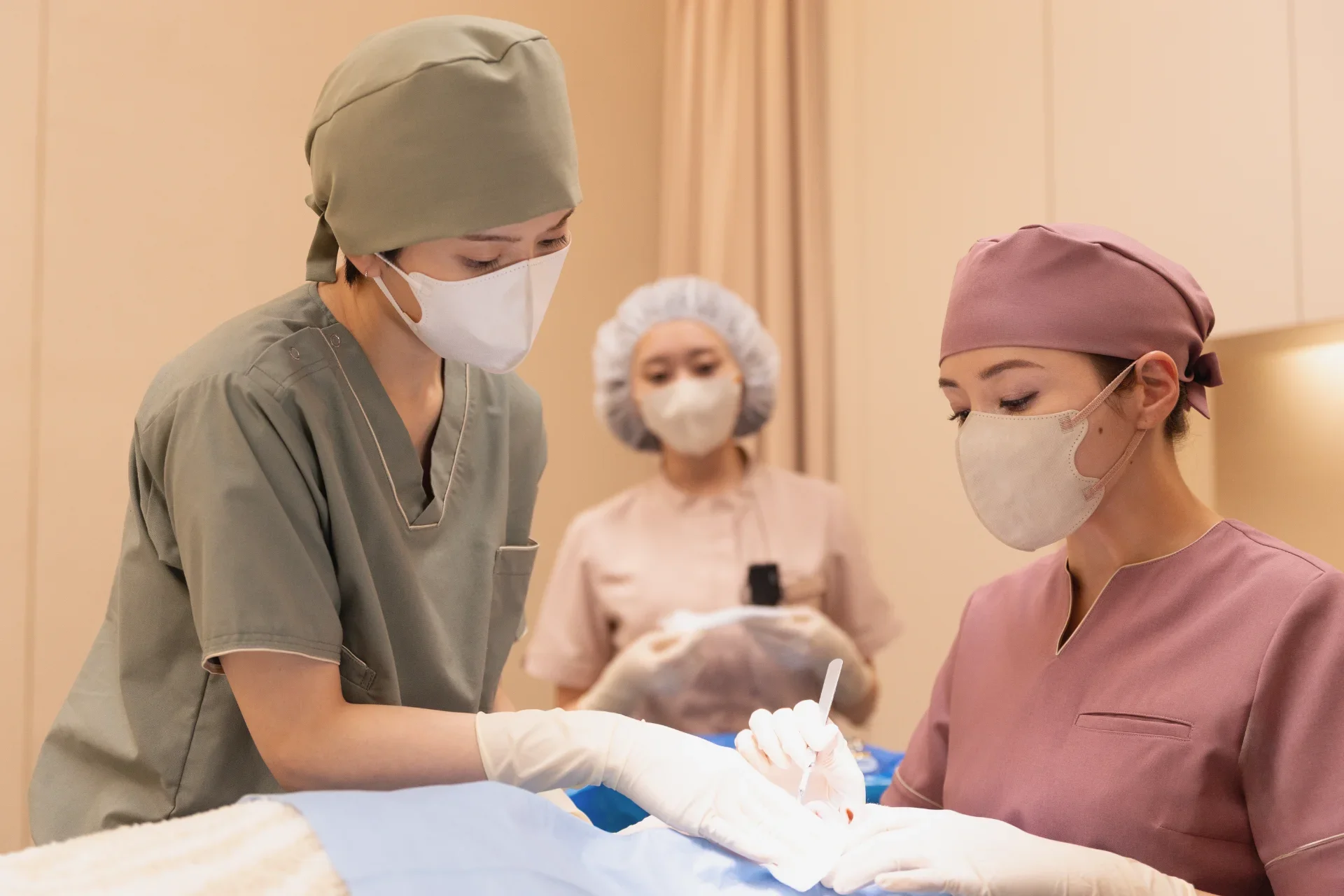
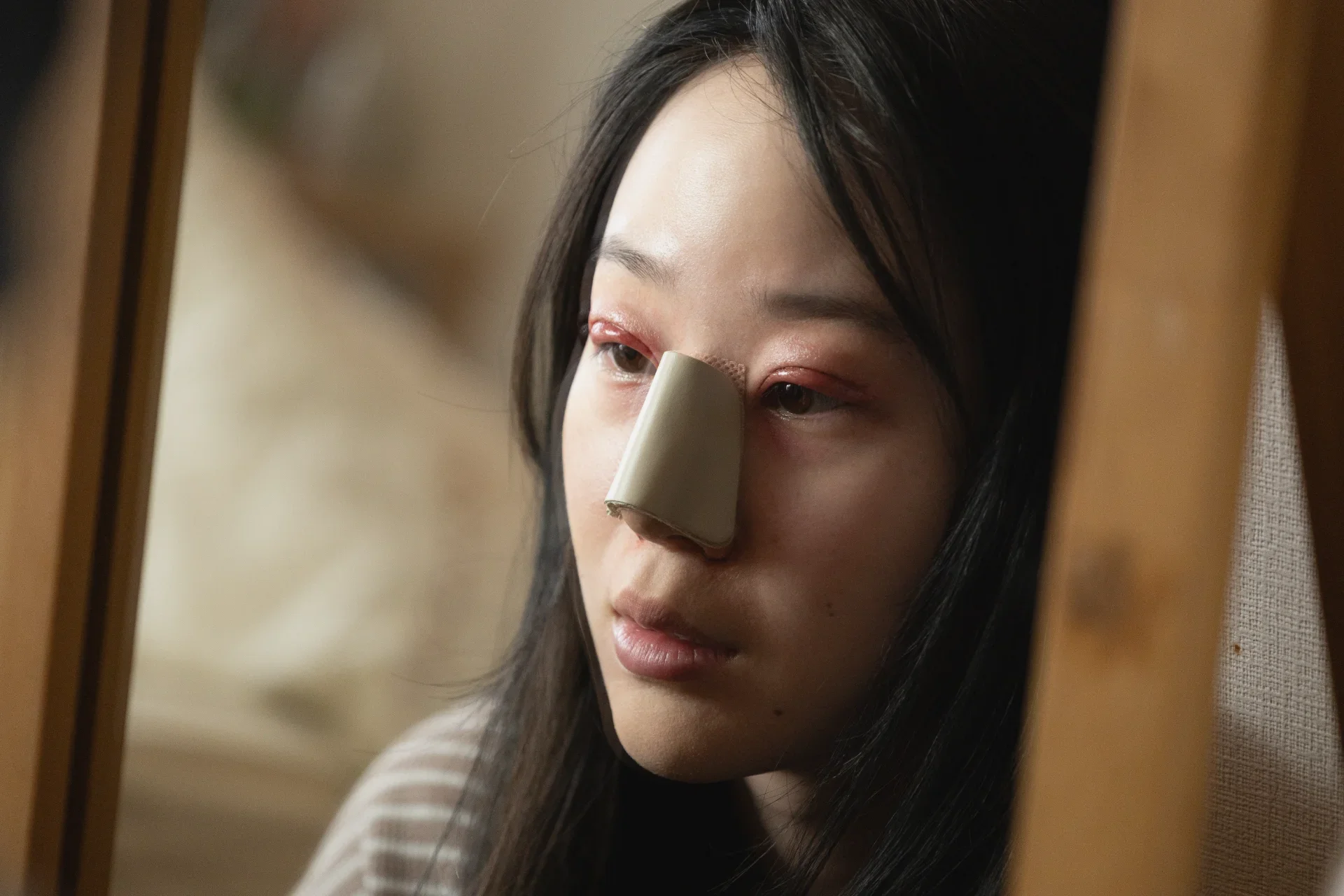
The operations can be unpleasant to watch. Director Yuki Saito does not limit the medical scenes to a quick before-and-after comparison. Faces are shown during recovery, with swelling, bruises and dressings. The special-effects makeup is particularly effective at making that recovery look uncomfortable. The Japanese title, Downtime, refers to this period after a procedure. Changing someone's appearance involves recovery as well as a result, and the pictures of patients waiting to heal make that clear.
Those scenes are a substantial part of the viewing experience. If medical procedures make you feel ill, the performances may not be enough to make this a comfortable series for you. The surgery footage also makes the clinic's clean rooms and polished advertising look less reassuring. What a patient sees in an advertisement leaves out much of what happens between choosing a procedure and seeing the healed result.
The family problems take too much time
Fumi's mother, Taeko, played by Hiromi Nagasaku, disapproves of her work even while Fumi is dealing with the family's financial problems. Fumi needs the job to pay those debts, which makes her mother's criticism especially frustrating. But repeated family crises spend a lot of time reinforcing how badly she is treated. We understand Fumi's frustration before those scenes stop repeating it. Across episodes this long, the repetition is especially noticeable.
Rin's family history and conflicts within the clinic also become more important as the season continues. Each can explain something about her, but they arrive alongside Fumi's troubles rather than replacing them. The later episodes devote more time to relatives, secrets and changing alliances. A viewer who enjoyed the earlier consultations may find themselves waiting longer for another patient to become the main concern.
The finale has changes in the relationship between the doctors that need more explanation. By then, we have watched Fumi and Rin disagree, work together and discover more about each other for several hours. Their last decisions need more time than the final surprises allow. Some changes happen too quickly for the hours we have spent with them to make those choices convincing.
That is particularly frustrating because Matsuoka and Naka have already made the ordinary conversations interesting. More time with a difficult request, or with the women explaining a decision to each other, would have been more satisfying than another family complication. The last episode runs about 78 minutes, including credits, yet parts of the conclusion still feel hurried.
Plastic Beauty suits viewers who like doctors arguing about difficult choices and can tolerate heavy family drama alongside the medical cases. It is less suitable if you want a new patient to be the focus of every episode, or want something gentle to watch between lighter shows. Expect roughly nine hours for the complete season.
Pixel Twelve score: 7/10. Fumi and Rin are interesting enough to stay with through the uneven family plots, and the patients give them more to consider than a simple argument for or against cosmetic surgery. We recommend it for those performances and consultations. The repetitive home troubles, limited attention to the clinic's sales practices and rushed final choices prevent a stronger recommendation.
More from Plastic Beauty
3 screenshotsLoading results
Find the cast, official poster and season details on the Plastic Beauty series page, read our Plastic Beauty cast guide, or see more Pixel Twelve reviews.