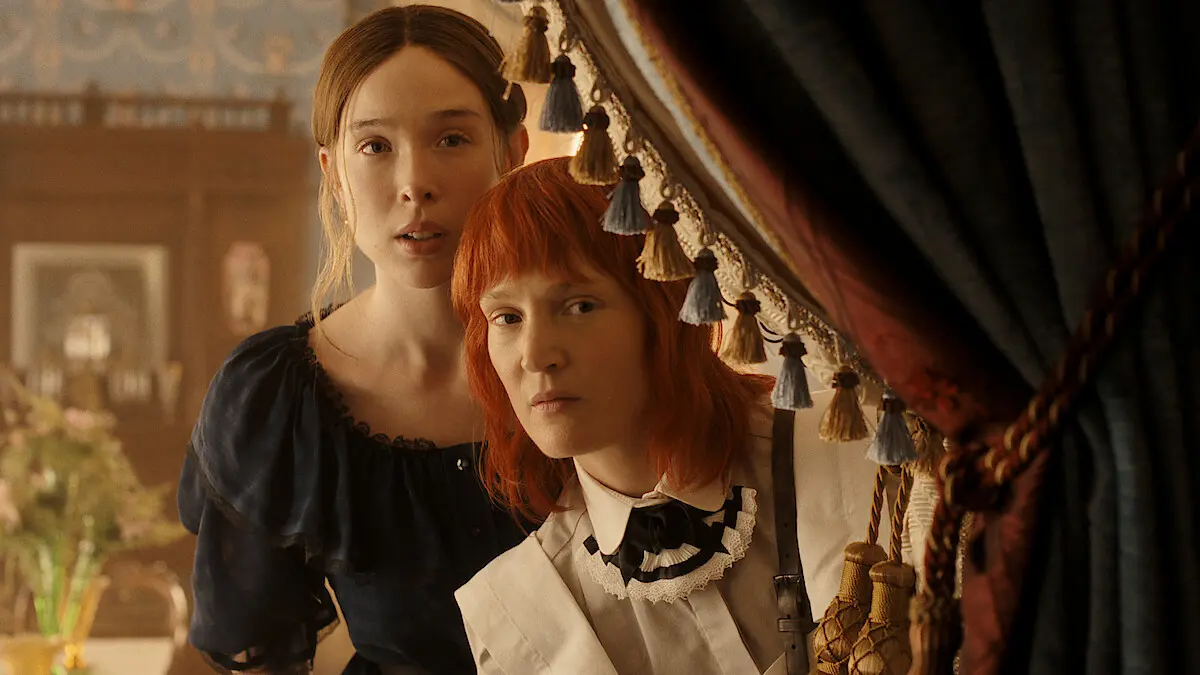
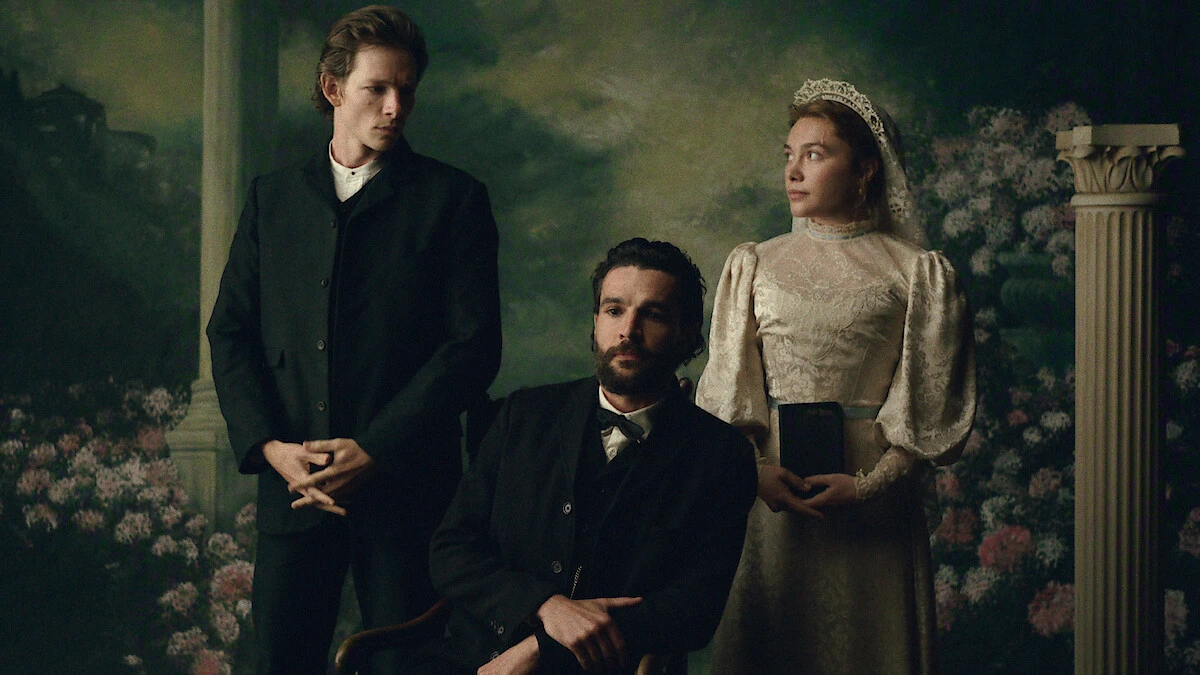
A badly beaten woman reaches Adam and Charles Trask’s farmhouse. Adam wants to look after her. Charles wants to know who she is and what trouble she might bring. The woman is Cathy Ames, and the brothers disagree about her before either knows her past. That is a useful introduction to Netflix’s East of Eden: a family argument with an immediate decision to make, rather than a lesson about John Steinbeck.
Zoe Kazan’s seven-episode adaptation follows that family from Connecticut to California, then follows Adam’s children as they grow up. You do not need to have read the 1952 novel or seen the James Dean film. Florence Pugh plays Cathy, Christopher Abbott plays Adam, and Mike Faist plays Charles. The first generation gets much more time than the second, which becomes the series’ biggest problem near the end.
All seven episodes are on Netflix. The US rating is TV-MA. Expect sexual content, abuse, violence and distressing pregnancy scenes. This full-series review discusses developments in the family and Cathy’s marriage, but leaves the final outcomes unspoiled.
Who's who in East of Eden
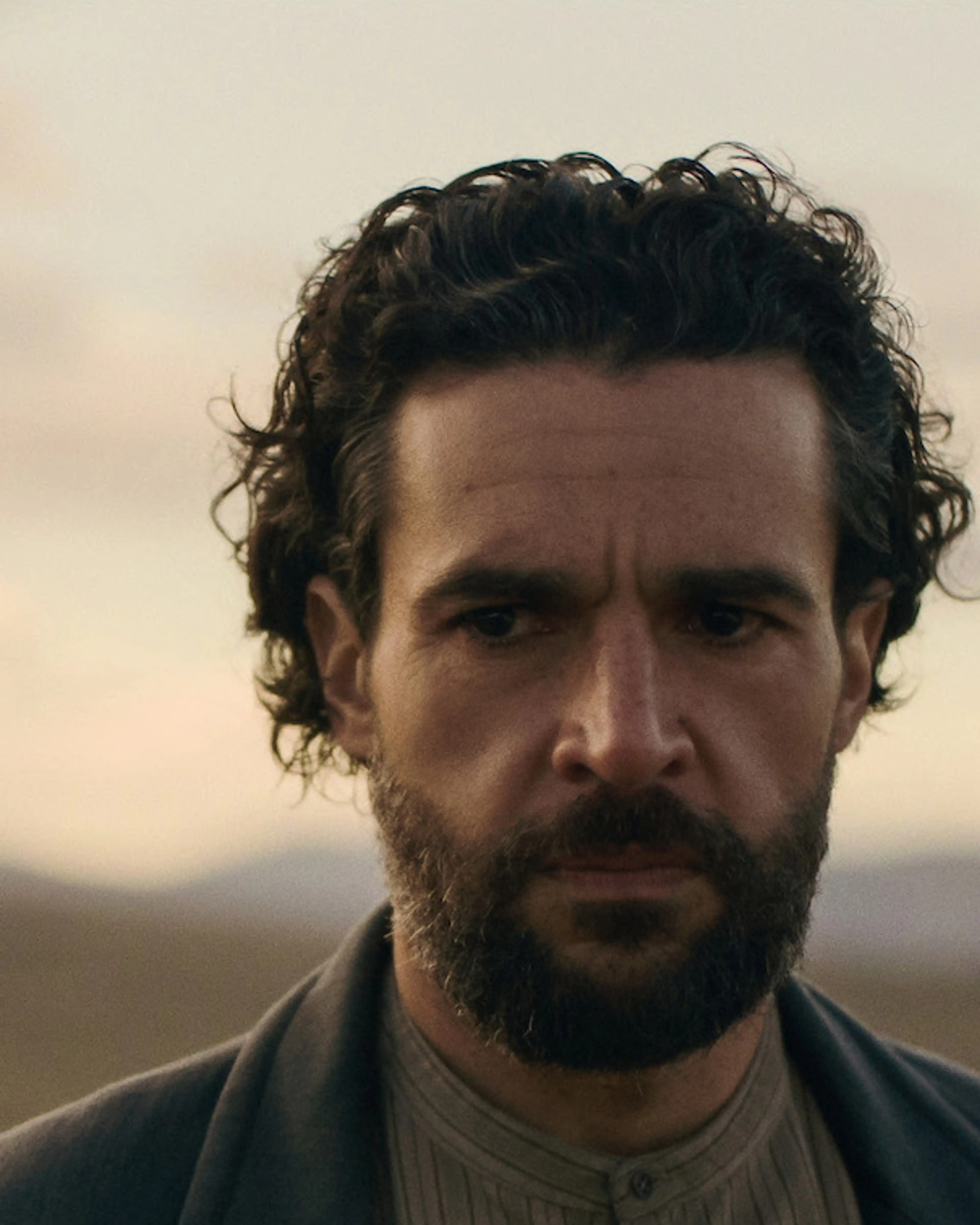

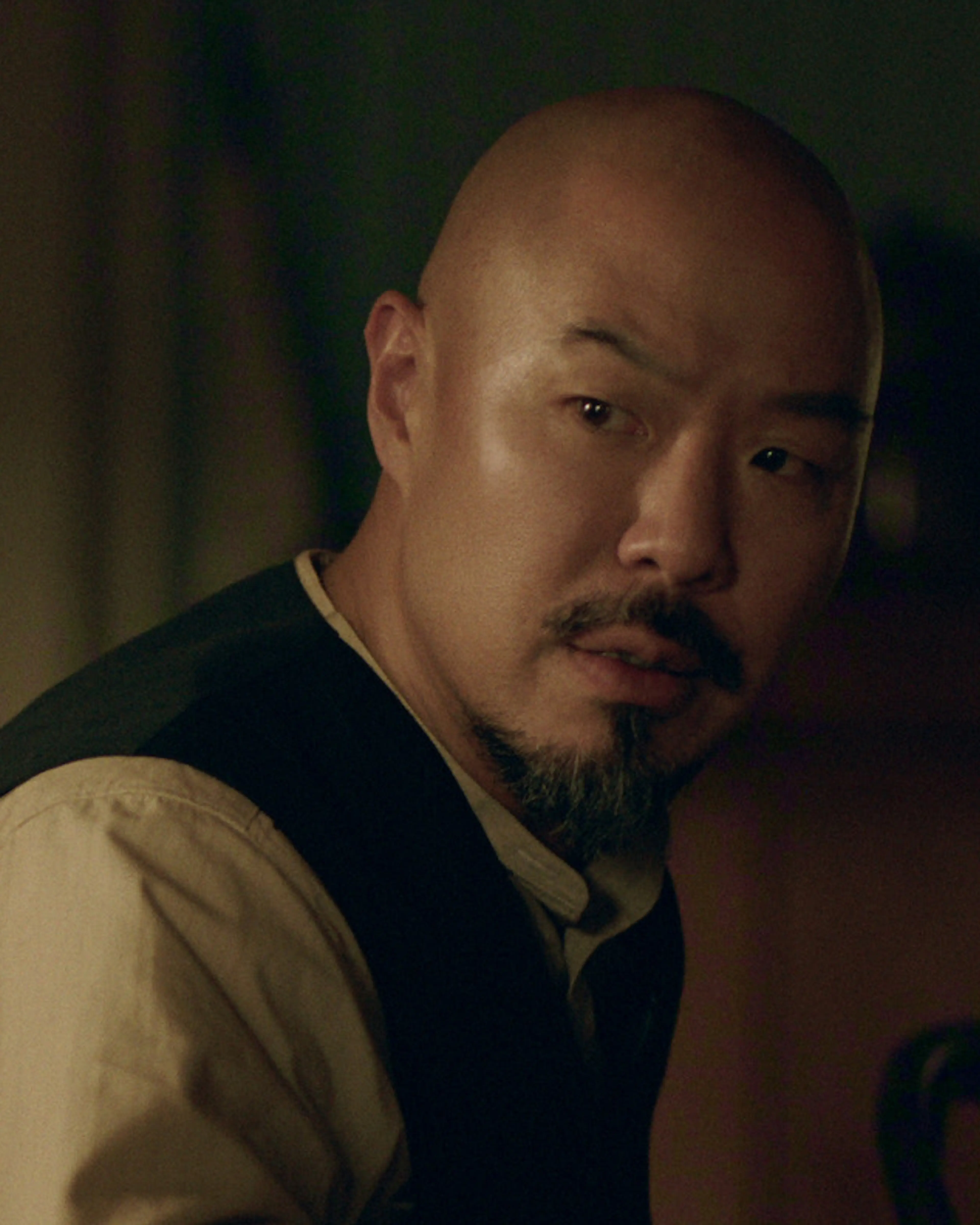
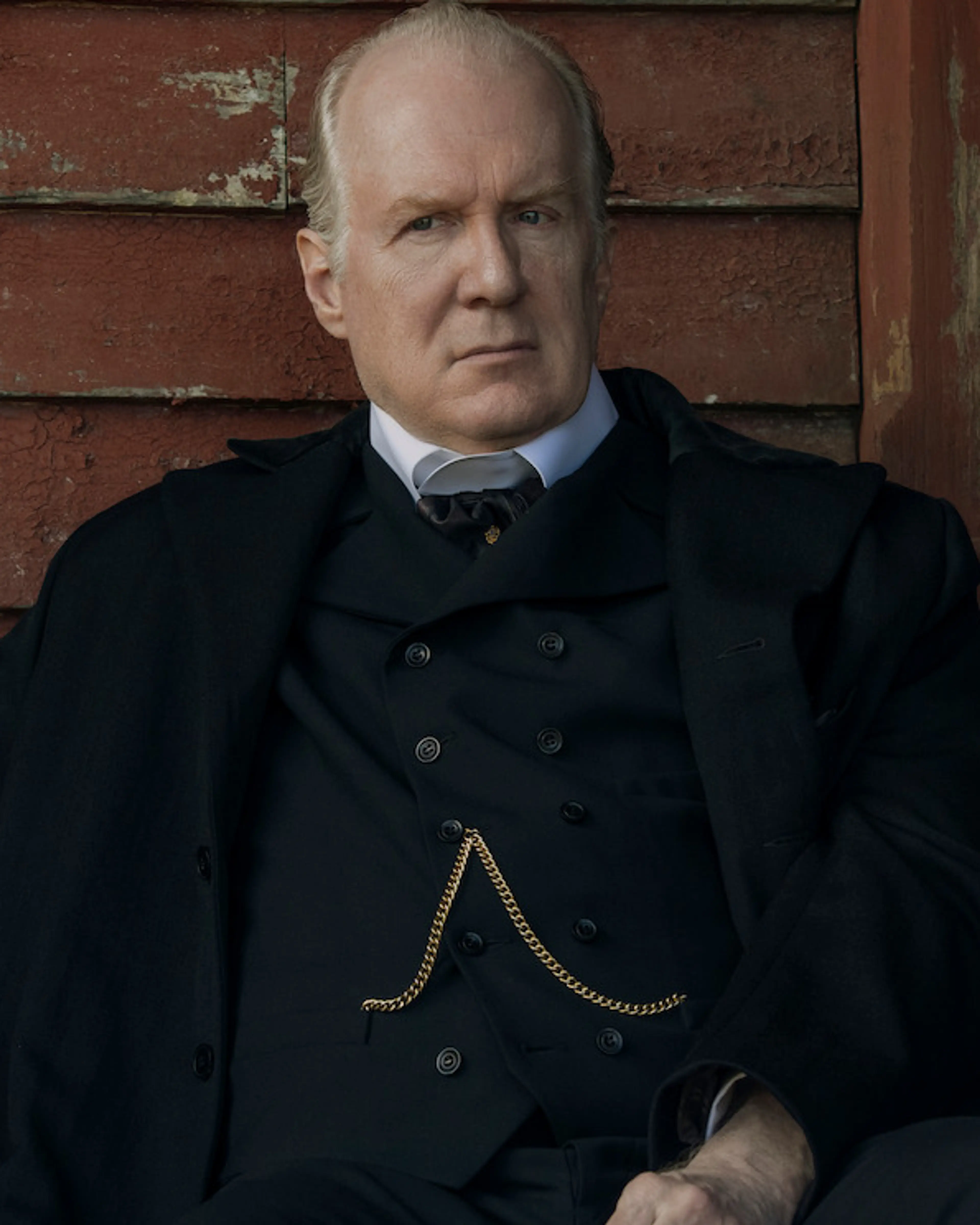
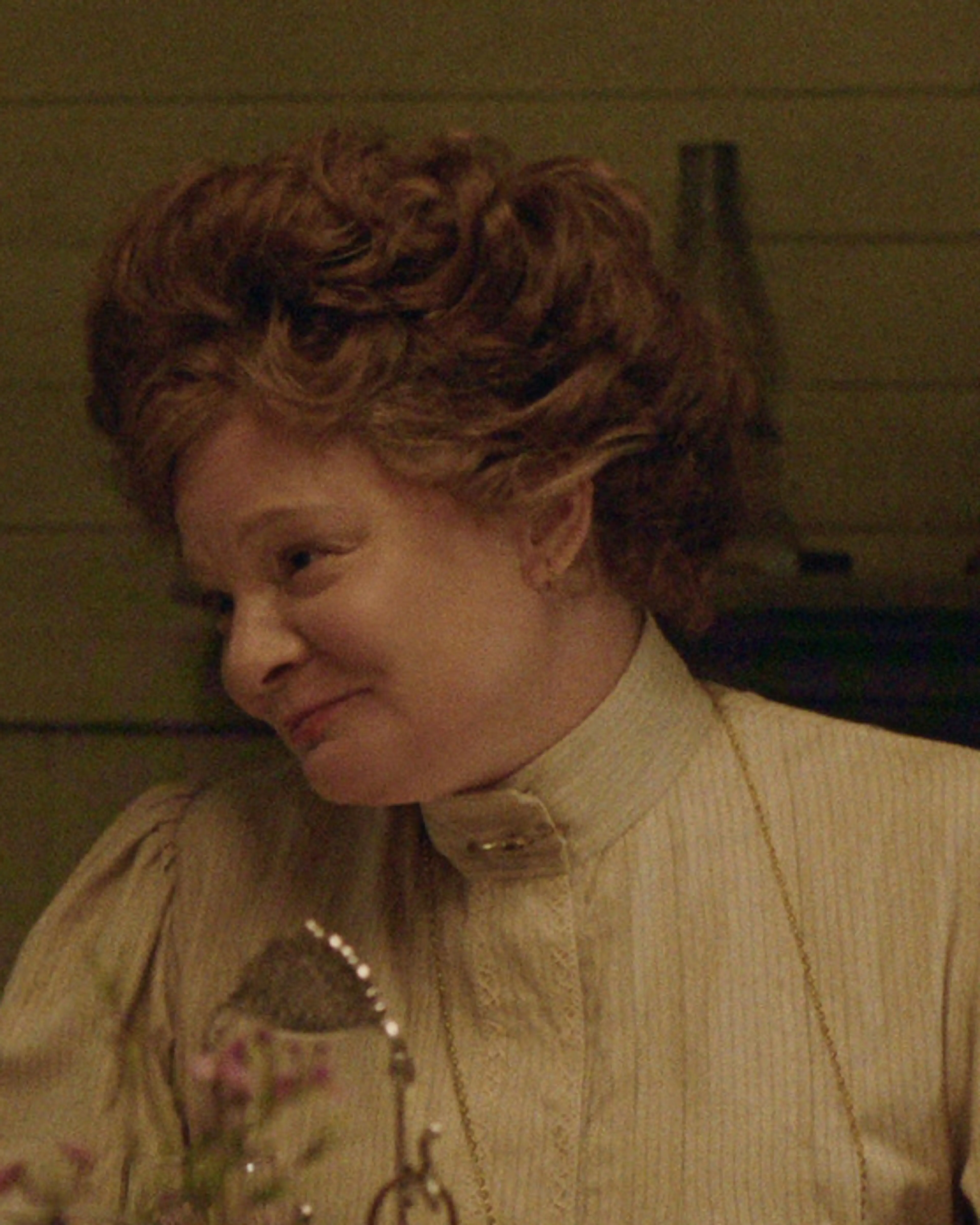
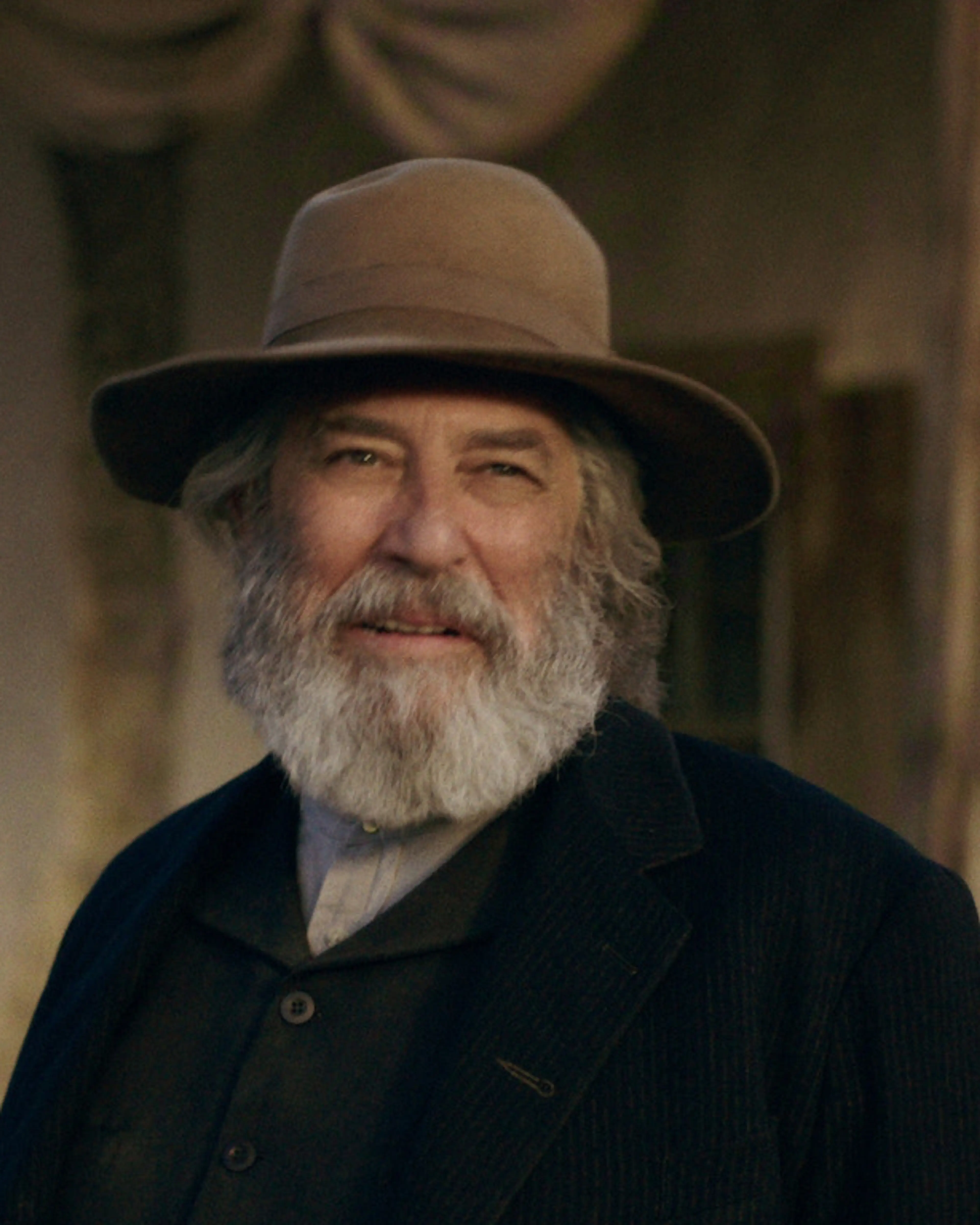
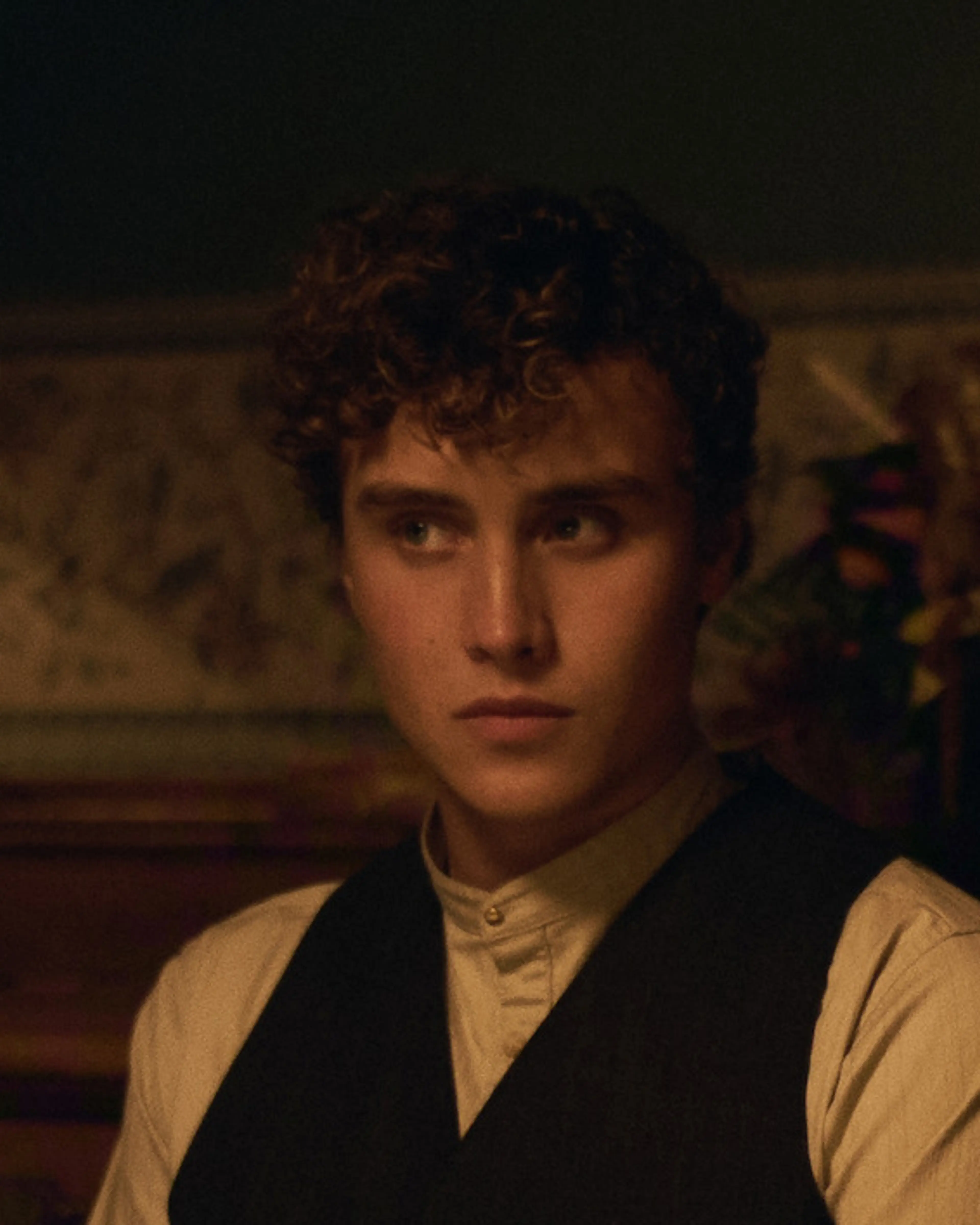

Cathy says no, but Adam plans their life anyway
Before Cathy meets the brothers, we see why they treat each other so badly. Their father, Cyrus, wants Adam to join the army and Charles to stay on the farm. Charles wants the military life and his father’s approval; Adam wants neither. Cyrus’s preference for Adam makes both sons unhappy, and Charles turns his anger on his brother. Faist makes the resentment easy to understand without making Charles’s violence acceptable. Being left behind matters more to him than the practical work of running a farm.
Adam later treats Cathy’s arrival as a chance to begin a better life. She needs safety after being attacked. He sees a woman he can love. Those are different things, but Abbott makes Adam’s eagerness convincing: he is so relieved to have someone to care for that he pays too little attention to what she actually says.
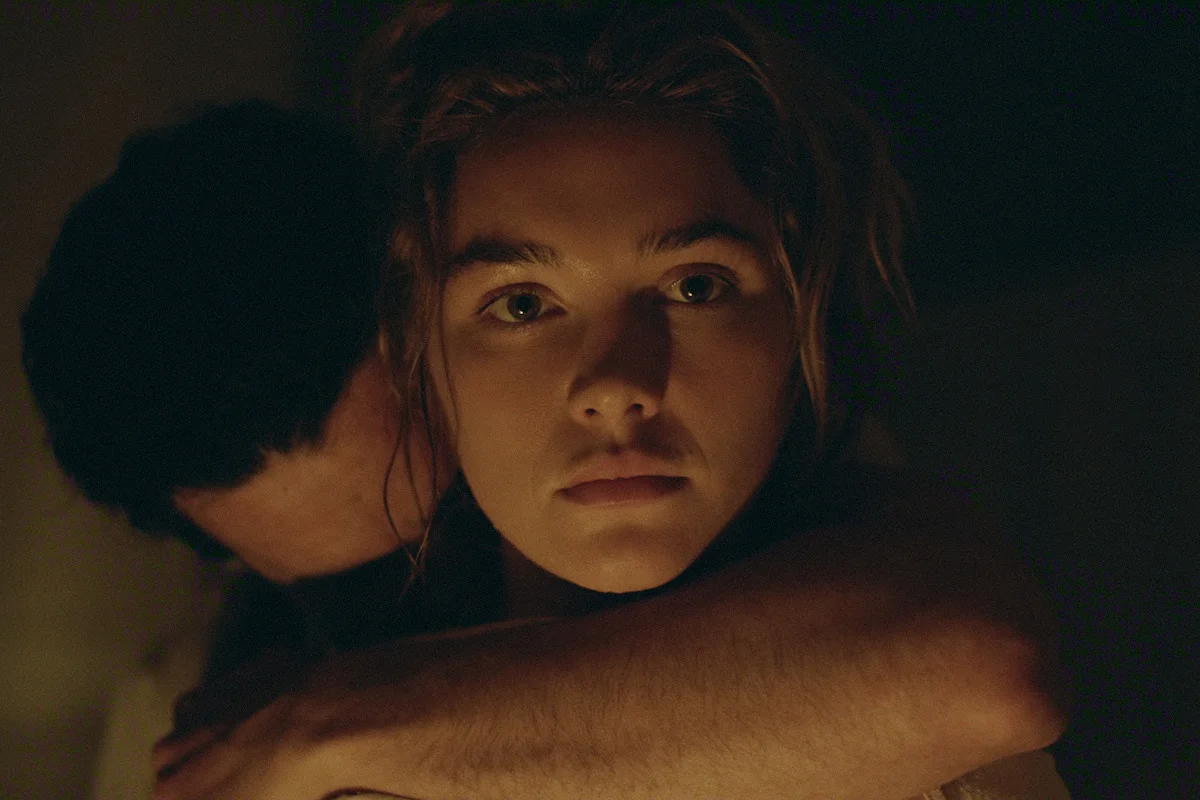
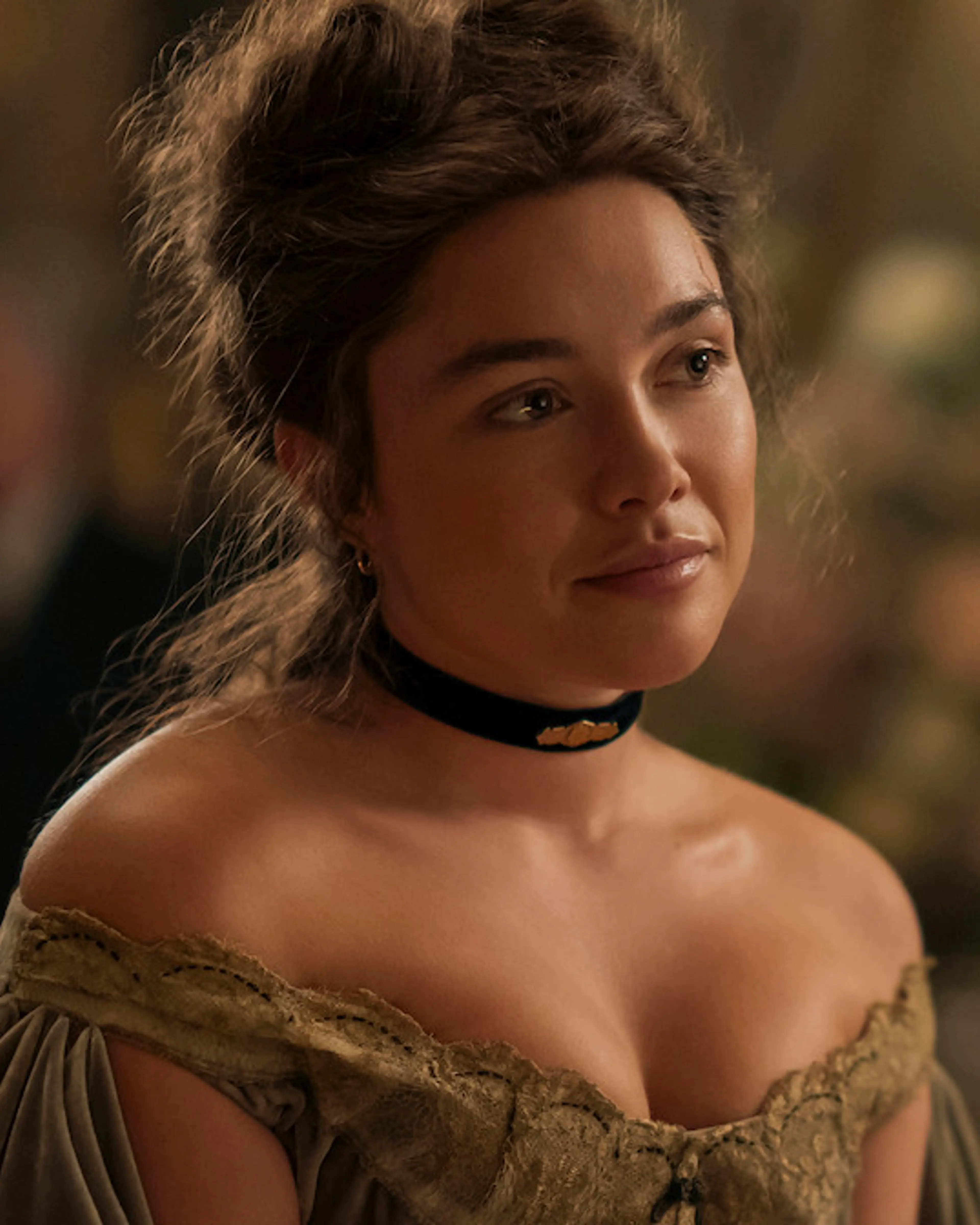
The clearest example comes when Adam decides they will move to California. Cathy tells him she does not want to go. He books the journey anyway. His money lets him buy land and plan a home; it does not make that home her choice. Pugh does not have to shout through every conversation to show Cathy’s anger. Her refusal is clear, which makes Adam’s persistence more uncomfortable than a simple misunderstanding would be.
The pregnancy makes that disagreement frightening. Cathy does not want children. When she tries to end the pregnancy herself, she almost dies, and the doctor threatens her against trying again. These scenes explain what she is afraid of: other people are deciding that she must become a mother. They do not explain away the harm she later does to the babies or to Adam. Pugh keeps her fear recognizable even when Cathy becomes cruel.
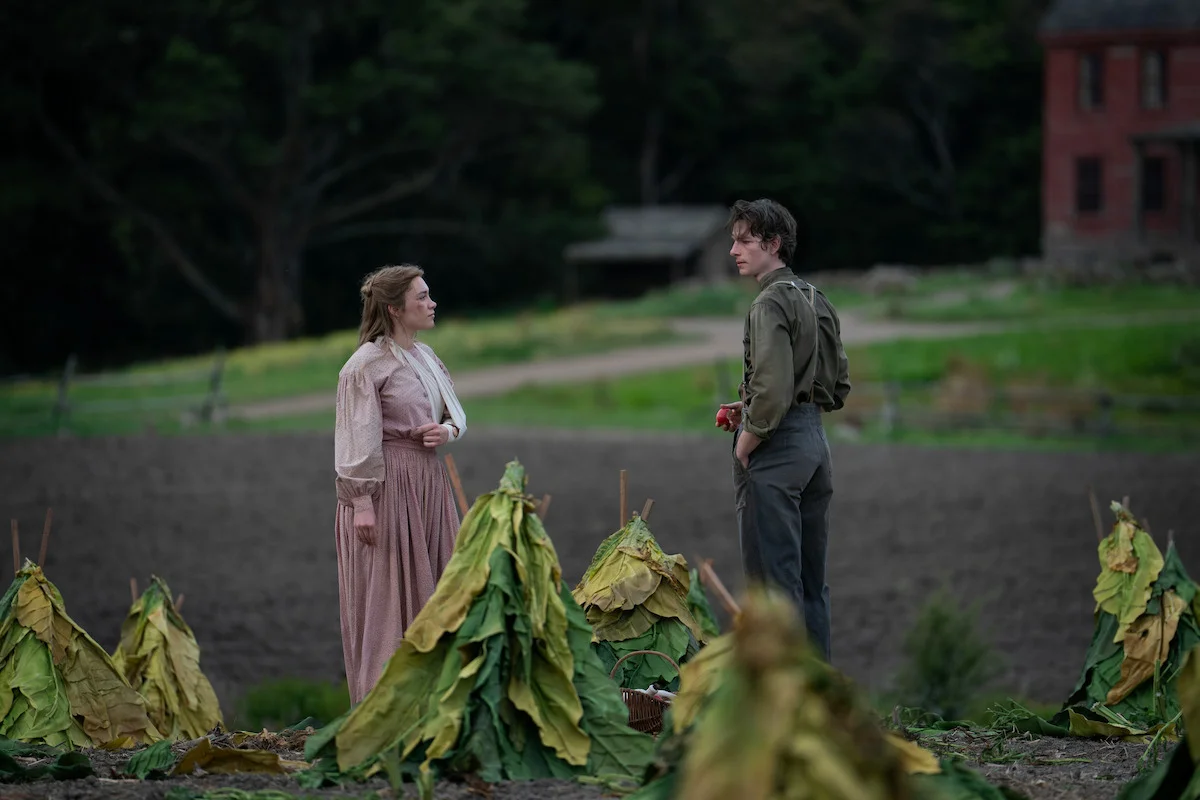
That distinction becomes especially important after Cathy leaves the household and takes the name Kate. Faye, who runs a brothel, welcomes her and treats her with affection. A brothel is a business where customers pay for sex; here it also offers Cathy a way to earn money outside marriage. Faye offers care that Cathy turns into an opportunity to take control. Martha Plimpton makes Faye’s trust believable, so the scenes between them are upsetting for a specific reason: we can see someone being generous to a person who is prepared to hurt her.
Cathy is not simply an innocent woman misunderstood by everyone around her. Her childhood abuse and the restrictions on her adult life matter, but so do her deliberate lies and violence. Pugh makes Cathy’s anger at Adam convincing without asking us to dismiss what she does to Faye. You can understand why Cathy refuses Adam’s plans while still wanting the people around her to get away from her.
There are two visual drawbacks. Some interiors are too dark to read the actors’ faces easily, including Cathy’s first arrival at the farm. That is frustrating in a drama where a look can tell us whether someone believes a lie. And as the story moves through decades, Pugh’s appearance changes less convincingly than Cathy’s voice, clothes and behavior. Her acting shows the difference between Cathy and Kate better than the aging does.
Lee raises the children Adam struggles to care for
After Cathy’s violent departure, Adam is so distressed that he neglects his newborn sons. Lee, the Chinese American employee in the household, does much of the work of caring for them. Neighbor Samuel Hamilton helps pull Adam back into family life. Even naming the boys requires Samuel and Lee to push Adam to act. Cal and Aron are not just missing a mother; they need their father to notice that they are there.
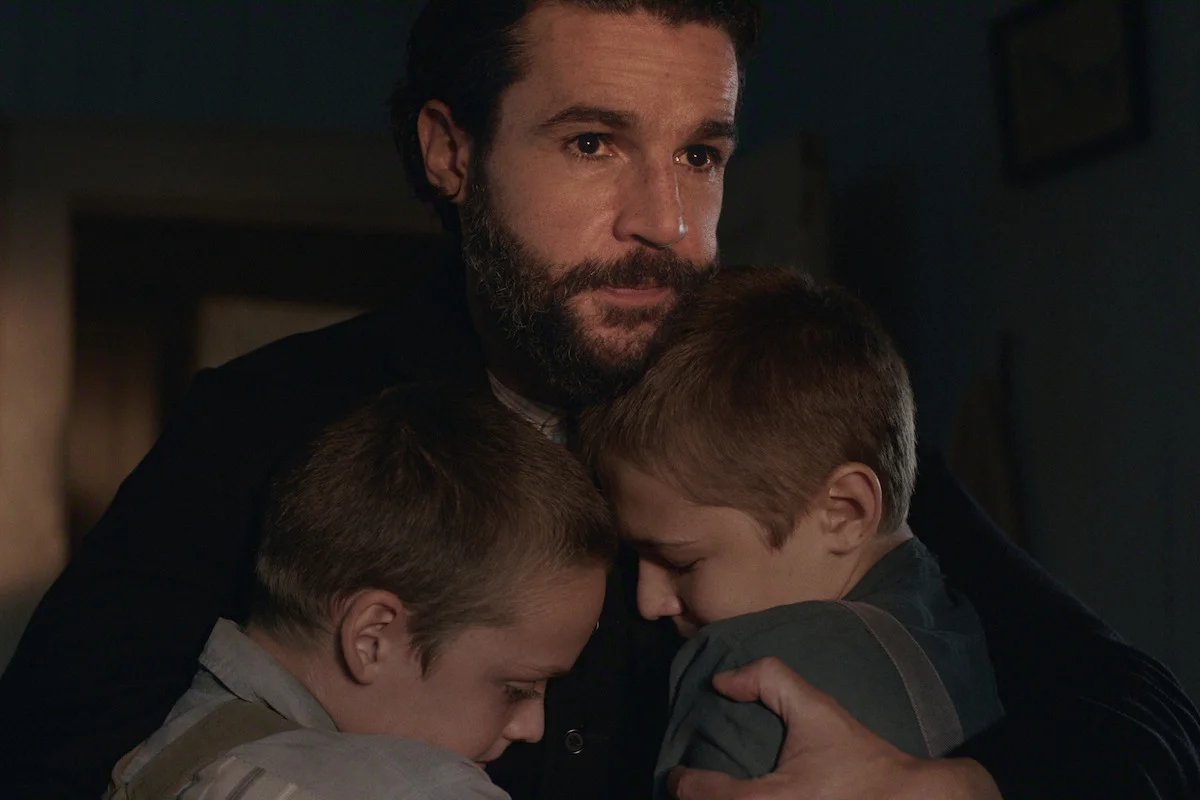
Hoon Lee makes that care feel like a continuing responsibility, not one grand rescue. Christopher Abbott is very good at showing Adam’s sadness, but the scenes with Lee are more interesting than sadness alone. Adam can remain unhappy while someone else has to think about the children. Lee’s patience does not remove Adam’s responsibility, and their relationship is strongest when we can see that difference.
Lee also changes how he speaks around different people. At first he uses the exaggerated accent white people expect from a Chinese servant. He can speak fluent English; he is protecting himself in a society that is ready to dismiss him. Once that is clear, his conversations with Samuel let us hear the intelligence he has been hiding. Hoon Lee’s performance makes the change in trust understandable without requiring a speech in every scene.
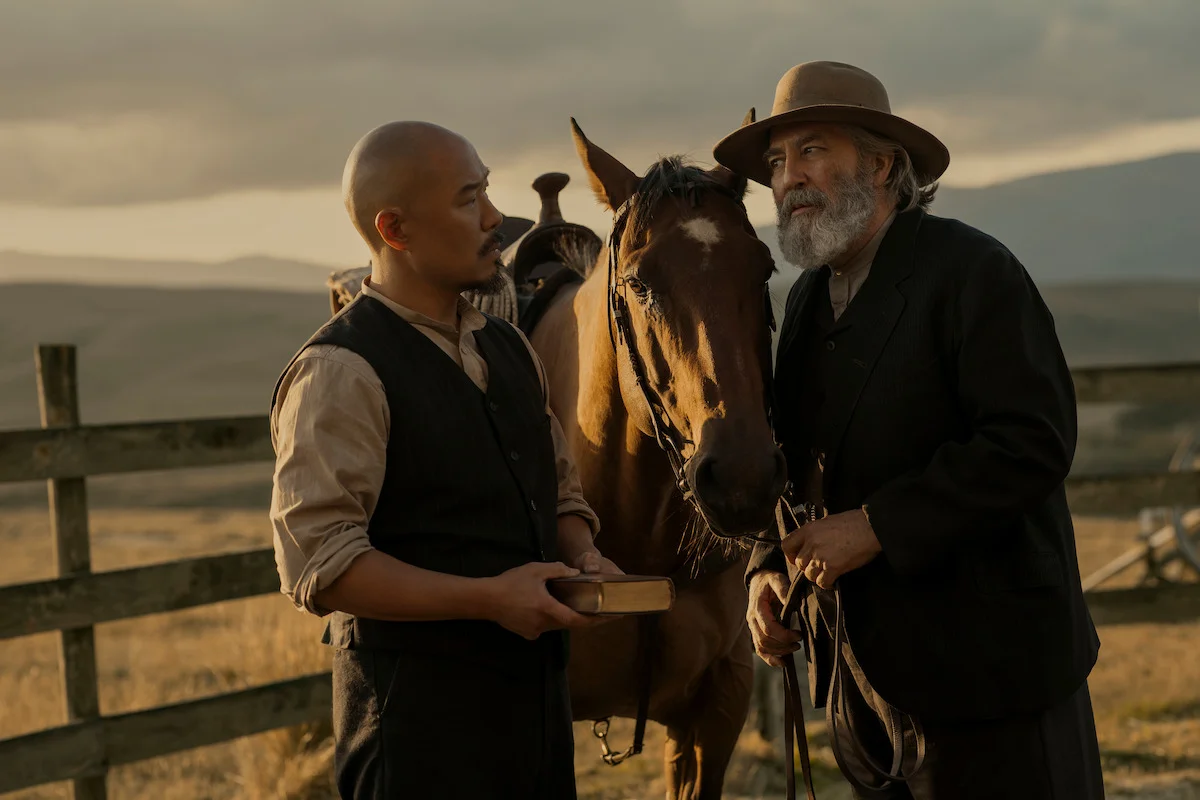
Later, Cal fears that having Cathy for a mother means he will become cruel too. Lee challenges that fear. The word they discuss, timshel, is explained as the possibility of choosing differently. Its importance is practical: Cal cannot change who his mother is, but he can decide what he does next. The conversations work because Lee is talking to a boy he has raised, not just delivering the meaning of the story to us.
Cal and Aron need more than two episodes
The adult twins arrive in the penultimate episode. Joseph Zada’s Cal wants his father to value him, while Joe Anders’s Aron is the favored son. Cal’s effort to recover money Adam has lost leads to a painful rejection: Adam refuses profits connected to the war. Cal thinks he is helping his father; Adam sees a way of making money he cannot accept. It is an argument we can follow even if we know nothing about the novel.
The problem is how quickly we reach it. We have spent hours with Adam, Charles and Cathy, but very little time with these brothers as young men. Cal’s business, his discovery about his mother, Aron’s expectations and their rivalry have to fit into the final stretch. Their big decisions make sense on paper, but their closeness and resentment need more scenes. Zada and Anders have less chance to make us familiar with the brothers before the most damaging arguments happen.
This is where the long early sections become a trade-off. The time spent on Cathy and Charles gives Pugh and Faist room for difficult, convincing performances. It also means the sons’ story can feel hurried even though the whole series is slow. One more episode devoted to their everyday relationship would have helped more than another explanation of the family’s past.
Pixel Twelve score: 8/10 — Great. Watch East of Eden for Cathy refusing Adam’s version of marriage, Charles trying to win his father’s approval, and Lee taking care of children whose father has withdrawn from them. Pugh, Abbott, Faist and Hoon Lee make those conflicts absorbing. The score stops at eight because Cal and Aron never receive the same time, and the dark photography sometimes makes the performances harder to see. The adults make this adaptation worth watching; the rushed sons keep it from being equally good throughout.
More from East of Eden (2026)
3 screenshotsLoading results
Find the cast and streaming details on our East of Eden page, read Florence Pugh’s discussion of Cathy, or browse more Pixel Twelve reviews.