Spoiler notice: This review covers all eight episodes and discusses early scenes, the season’s structure and the prom sequence. It does not reveal the final twists or individual characters’ fates.
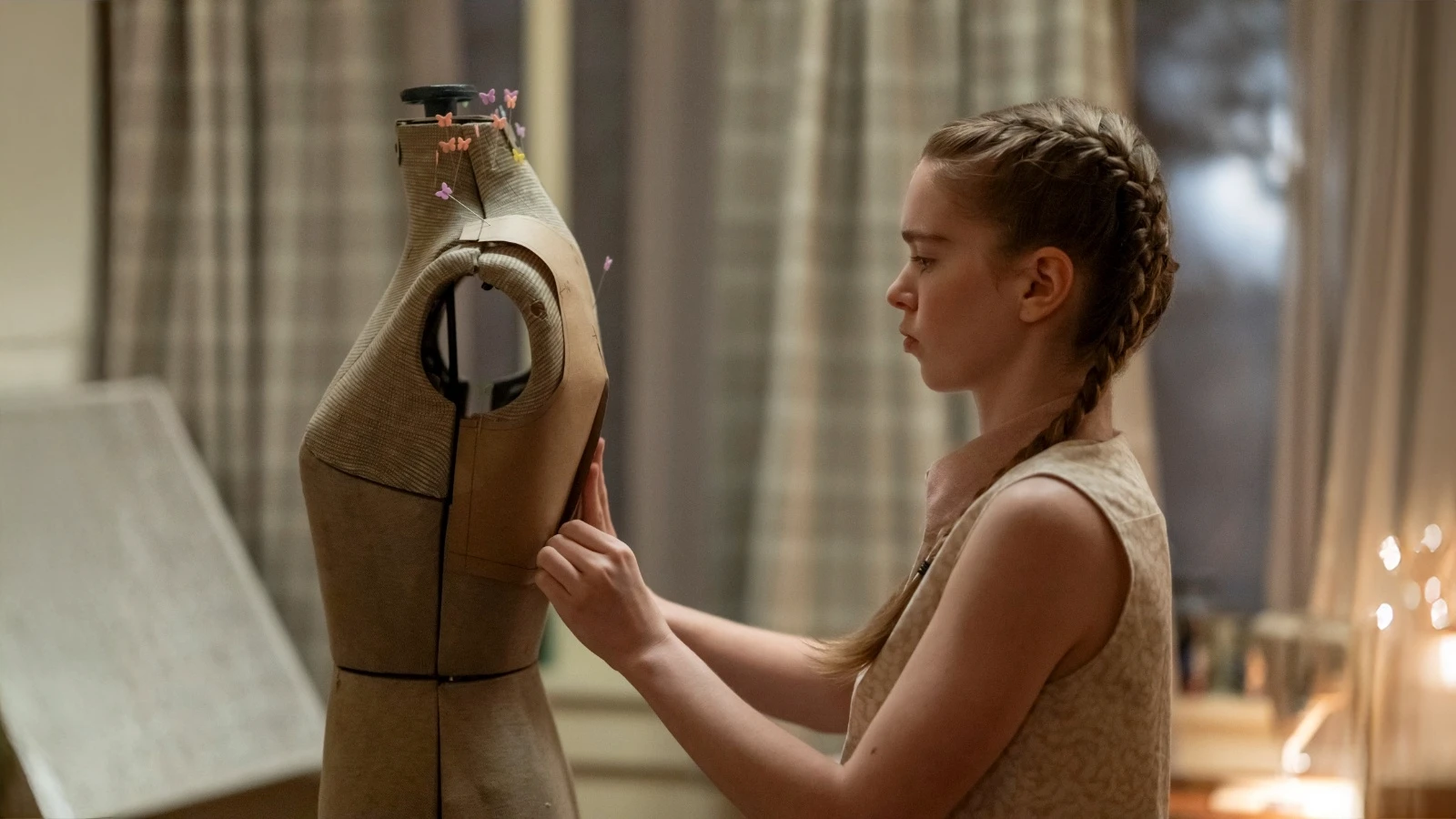
Carrie White’s first visit to the school library is one of the best reasons to watch this new version of Carrie. She learns that she can read books without her mother choosing what is allowed. Summer H. Howell makes that discovery exciting for her, not a joke about how little she knows. Carrie wants to learn, not just avoid being hurt. That difference matters when the same school gives other students so many opportunities to humiliate her.
Mike Flanagan’s Prime Video series follows a teenager entering public school after years of being kept apart from other people. Her father dies in a work accident, and the authorities require her mother, Margaret, to get a job and enroll her daughter. Carrie also discovers that she can move objects without touching them. That ability is called telekinesis. It offers her a way to fight back, but learning to use it does not tell her whom she can trust.
All eight episodes premiere on Prime Video on October 7, 2026. Our review evaluates the complete season, not just its opening episodes. You do not need to have read Stephen King’s novel or watched an earlier film. The current US Prime Video listing displays TV-14; classifications may differ by territory or change at release. The story includes sexual humiliation, abusive parenting, school violence, self-harm and a bloody disaster. Plain-language storytelling does not make this light viewing.
Who’s who in Carrie






Carrie White, played by Summer H. Howell, is the new student trying to make friends and understand her powers. Margaret White, played by Samantha Sloyan, is her mother, who believes that restricting Carrie’s life keeps her safe. Their disagreement is not simply about whether school is dangerous. Carrie wants to be allowed to decide what to do there.
Chris Hargensen, played by Alison Thornton, is the popular student who picks on Carrie. Sue Snell, played by Siena Agudong, is a classmate whose involvement in the humiliation makes her later kindness more complicated. Tommy Ross, played by Joel Oulette, is the student who becomes Carrie’s prom date. Prom is the school’s formal dance, and going with someone gives Carrie a chance to feel welcome rather than singled out.
Rita Desjardin, played by Amber Midthunder, is a teacher trying to help Carrie. The principal, Henry Grayle, is played by Matthew Lillard and has to deal with Margaret’s objections to the school. Another student, Emaline, played by Thalia Dudek, encourages Carrie’s interest in her powers. Knowing these roles makes the later arguments easier to follow: kindness, adult authority and an offer of help do not always lead Carrie toward the same choice.
Carrie wants friends; Margaret wants to keep control
On her first day, Carrie encounters metal detectors and a drill meant to prepare students for an armed attack. She is frightened by something the other students have already learned to treat as routine. The scene does not need a monster to make her feel unsafe. For a girl who has barely experienced school, being introduced to it through emergency procedures is a convincing shock. Her confusion also gives Margaret a real reason to worry, even though Margaret’s response creates other problems.
Margaret has kept essential information from her daughter. When Carrie gets her first period in the school shower, she panics because nobody has explained what is happening to her body. Other girls could help. Instead, they take out their phones and record her distress. The classmates are filming someone who needs help. That is what makes the scene so unpleasant, before the video even reaches a larger audience. The humiliation is not caused by Carrie being foolish; it begins with an adult refusing to prepare her and other children choosing to exploit the result.

Credits
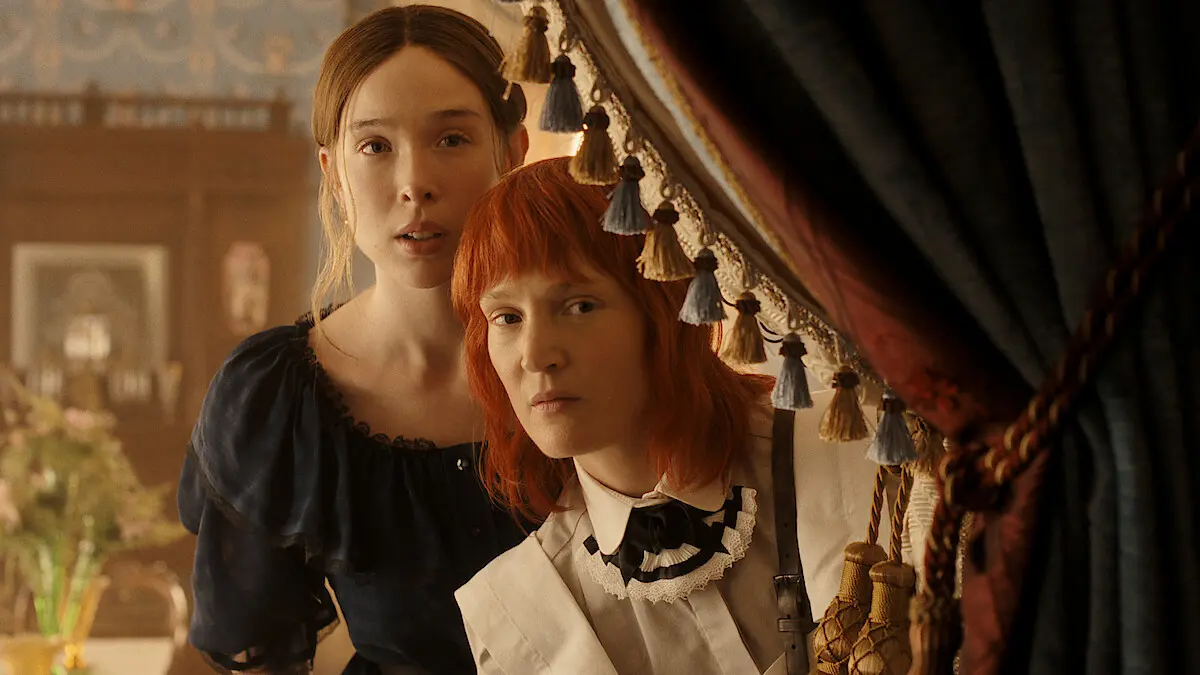
Prime Video / Amazon MGM StudiosHowell is especially good at showing why Carrie keeps wanting to return to school after being hurt there. The library offers something she genuinely wants. Sue and Tommy offer the possibility of friendship. Reading, talking to someone new and being included in plans are not small things to a teenager who has been denied them. These scenes make her eagerness understandable. School gives Carrie freedoms she does not have at home, even when some of the people there are cruel.
Margaret’s reaction is more complicated than a parent simply enjoying her daughter’s misery. She loves Carrie and is alarmed by the recorded humiliation. Sloyan makes her wish to protect her daughter believable, particularly when she challenges the school’s handling of its students. But the same woman has kept Carrie ignorant about her own body and uses religious fear to limit what she can learn. The affectionate scenes do not undo that behavior. Seeing mother and daughter embrace makes the restrictions harder to watch because Carrie also wants her mother’s approval.

Credits
Liane Hentscher / Prime VideoThe arguments with Principal Grayle are useful because Margaret has to explain her demands to someone outside their home. Lillard gives him the tired humor of a man accustomed to dealing with angry parents. He cannot simply agree to whatever she wants, and she is not accustomed to being challenged. Their disagreement over school rules and the response to bullying puts the adults’ responsibilities in view. Carrie needs protection from harassment, but she also needs information and an education; removing every uncomfortable subject would not give her either.
Margaret eventually uses social media to campaign against the school. There is a clear reason: she wants the bullying to stop and discovers a way to make other people listen. Her sudden comfort with public online attention is less convincing than her anger at the school. We have watched her treat outside influence as a danger. The change happens quickly enough that her campaign sometimes feels like the next required part of the plot, rather than a decision the earlier scenes have prepared. Sloyan makes Margaret’s fury credible, but that does not explain the speed of the change.

Credits
Prime Video / Amazon MGM StudiosChris gets more attention than a bully who appears only when Carrie needs to be hurt. Her parents’ divorce and her father’s financial problems threaten the comfortable future she expects. She then takes her anger out on someone with less social protection. Thornton lets us see her insecurity without pretending it makes the cruelty harmless. When Chris acts friendly toward Carrie, we have to consider what she wants from that friendliness, rather than assume the problem between them has disappeared. Chris takes her trouble at home out on a girl who has nothing to do with it.

Credits
Prime Video / Amazon MGM StudiosOnline bullying gets worse; the new mystery slows the story
The phones change more than the appearance of the familiar locker-room scene. Once the recording circulates, Carrie cannot leave the humiliation behind by walking out of school. People can watch it again, share it and discuss her without asking her anything. An anonymous gossip account called carriered_ uses her name and photograph, so comments and rumors can be attached to her whether she agrees with them or not. Carrie can be blamed for things she never chose to say. That is a clear, frightening problem for someone still learning how other teenagers communicate.
The account draws more students and adults into the conflict, and the situation eventually leads to a school riot. The wider consequences make sense: an attack on one student can expose secrets and hurt others. But the long stretch devoted to the account repeats the point that online cruelty spreads beyond its first target. The locker-room recording has already demonstrated that. The story takes too long to move from another public argument to a changed decision. More people become involved, but that does not always tell us something new about Carrie or Chris.
The season also shows Carrie practicing her ability to move things with her mind. In empty outdoor spaces, she lifts objects and damages abandoned cars, testing how much she can do. Watching her improve provides a welcome change from watching other people control her. The decision is clear: she can treat the ability as something to understand or as a way to frighten people who have hurt her. Emaline’s encouragement adds pressure to that decision. The damaged cars show how dangerous Carrie could become.
Some of that practice is enjoyable, but the training sequences make the show feel closer to an adventure about developing special powers. That is a different experience from the school scenes, where a phone recording or a false friendship can cause damage Carrie cannot easily stop. The series then adds accounts of other women with similar abilities across history. They have also been feared and mistreated. The connection is understandable; the difficulty is that these interruptions take us away from Carrie’s immediate problems just when she is beginning to act for herself.
The extra history is less interesting than Carrie’s next choice at school. We know what she wants from a friendship or a night out, and we can see what Margaret or Chris may do to prevent it. The historical material asks us to wait for a larger explanation of the powers. That explanation becomes increasingly important near the end, but it has not earned the same investment as the relationships we have followed. Emaline’s influence also makes some developments feel less like Carrie thinking through a decision and more like another person moving her toward the required outcome.
The following paragraph discusses the prom sequence, without revealing the final twists. At the dance, a cruel prank leaves Carrie covered in pig’s blood in front of the other students. The humiliation becomes a violent disaster. Howell has made her hope of enjoying that evening believable, which gives the attack a clear personal cost. The prom sequence arrives in episode seven, leaving another full episode afterward. That structure gives the new version room to examine what follows, rather than treating the dance as the only event that matters.
The problem is what the last episode chooses to emphasize. The final chapter gives too much attention to who else has powers and how they connect to Carrie. Those revelations compete with the consequences of what happened at school. We would rather have more time with the decisions of the people already involved. There is a difference between leaving a question open and making the final chapter depend on an explanation this season has not developed enough. The closing mystery creates curiosity, but it does not fully satisfy after eight episodes of this particular teenager’s life.
Carrie is a good choice if you want a school and family drama with horror, rather than constant scares. Howell’s excitement about a book or a possible friendship is a substantial part of why it works, and Sloyan makes Margaret difficult to dismiss even when her restrictions are harmful. Viewers wanting a short, tightly focused horror story may find the gossip-account conflict and the additional power history frustrating. You can understand this season without knowing an earlier adaptation; that does not mean every added subplot improves it.
Pixel Twelve score: 7/10 — Good. The performances, the first discoveries at school and the recorded bullying justify watching. We are less convinced by Margaret’s fast move into online activism, the repeated gossip-account disputes and a finale that gives new supernatural questions too much space. Carrie’s attempts to make friends are more compelling than the larger story being prepared around her. The season is worth your time, but its ending needs the same attention to her decisions that makes the earlier episodes effective.
More from Carrie
3 screenshotsLoading results
Find the cast and release details on our Carrie series page, browse TV and streaming series, or compare more Pixel Twelve reviews.