
Deborah Wayne arrives at Hillman College hoping to make her own decisions. That is difficult when her father works there and her mother has already picked out a roommate for her. Deborah chooses Rashida instead. Her mother, Whitley, is not pleased. Deborah's first act of independence is deciding who she will share a room with, not making a speech about becoming an adult. It is a useful introduction to a young woman who can be considerate one minute and cause a problem the next.
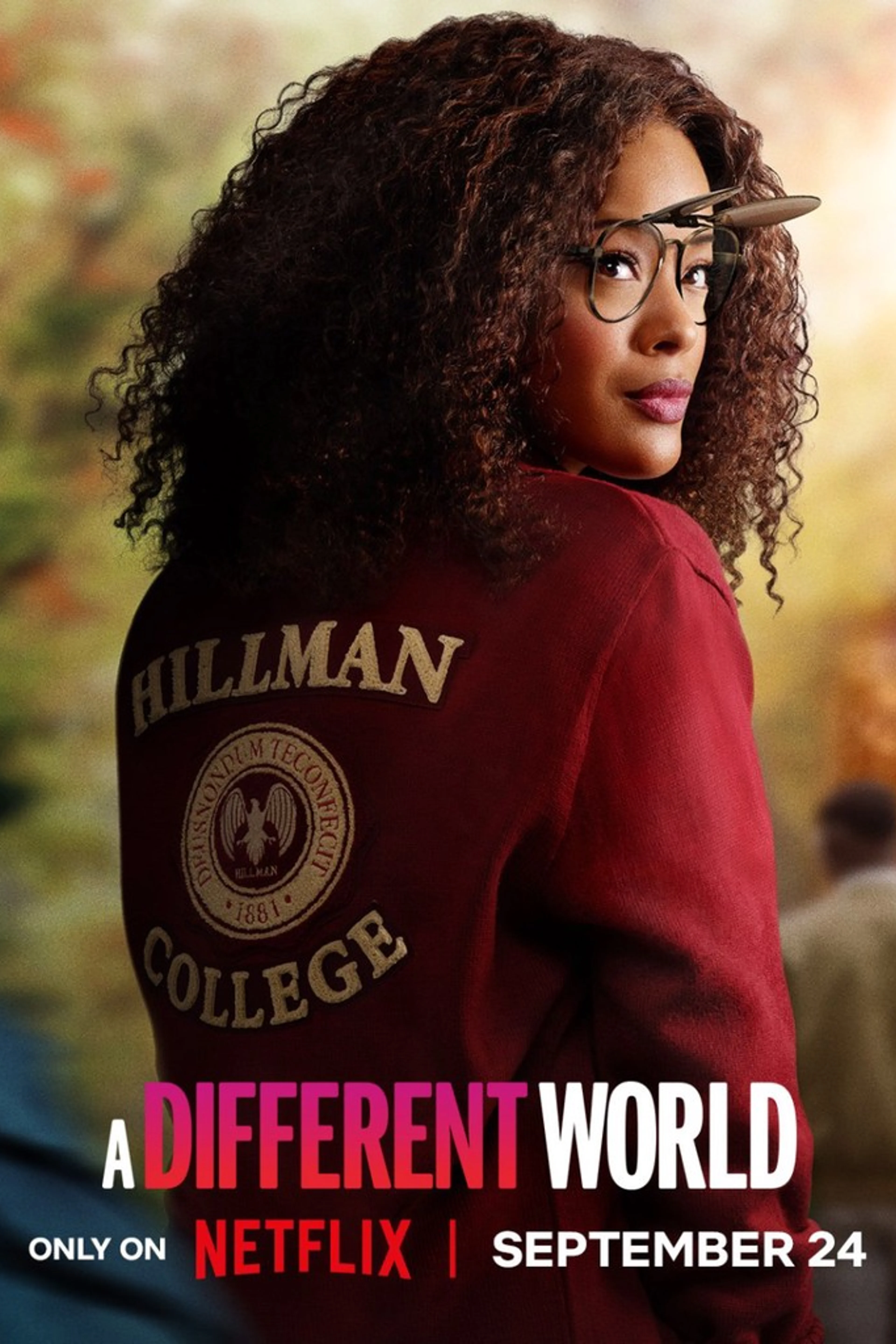
Netflix's A Different World is a sequel to the 1987–1993 comedy about students at the fictional Hillman College. Hillman is a historically Black college: a school founded to educate Black students when many other colleges excluded them. The new series follows Deborah, played by Maleah Joi Moon, and five other first-year students. Her parents, Dwayne and Whitley, were central characters in the original. You do not need to have watched that show to understand the new students' stories.
This review covers all ten episodes of the 2026 first season, released on September 24. Episodes run about 30–36 minutes. The US Netflix rating is TV-14, with strong language and sexual themes. We discuss early and midseason developments below, but leave the finale's main reveals unspoiled.
Deborah and Rashida's first year
Deborah did not get to attend the New York arts school she wanted. At Hillman, she has to study, make friends and explain her choices to successful parents who expect a lot from her. Moon makes her fun to watch because Deborah is quick to volunteer for something before working out whether she can actually do it. In the third episode, she needs a performer for the college's homecoming celebration, when former students return to campus. She claims she can get singer Summer Walker to perform, then has to make that promise happen. The awkwardness comes from watching her deal with a problem she created herself.
Deborah also spends $14,000 on her parents' credit cards and struggles with her grades. Those details matter: she is not just a young woman with vague 'family pressure.' She makes expensive decisions, puts work off and then has to face people who expected better. Deborah's spending and poor grades give her parents good reasons to be upset. Moon keeps her likable without making every disagreement with her parents seem unfair.
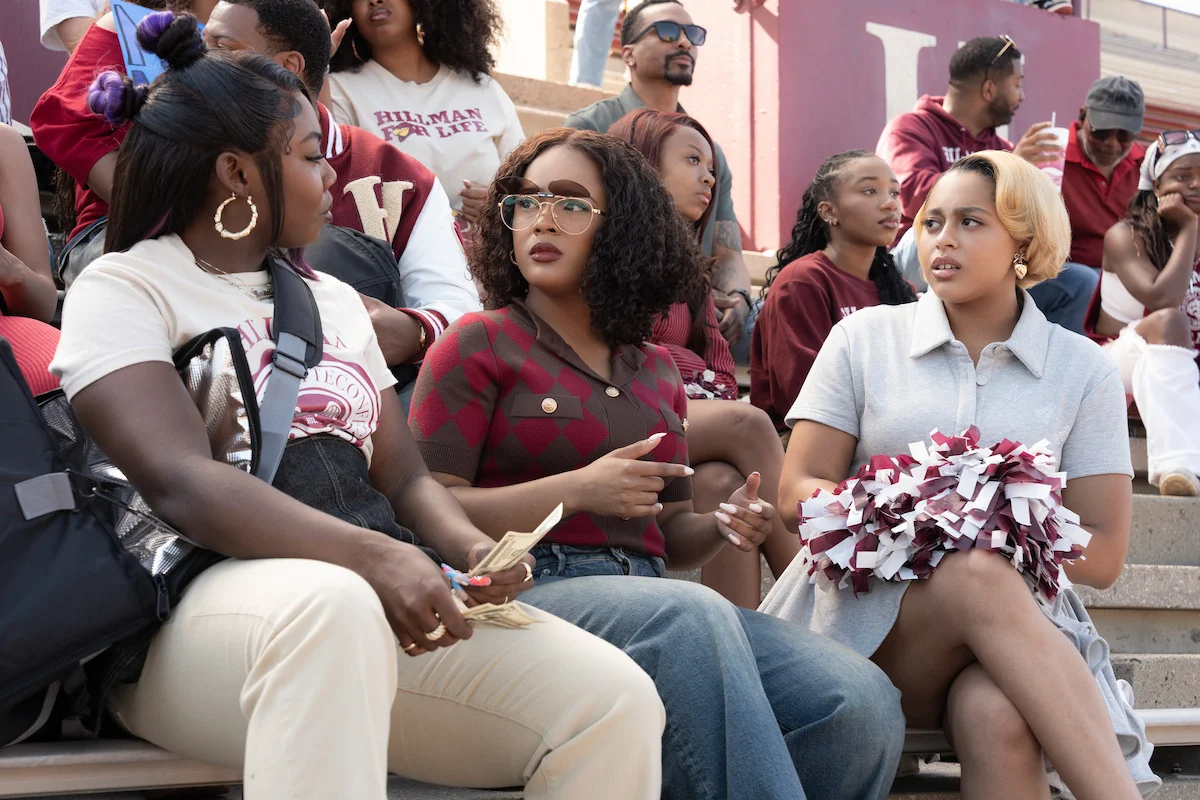
Rashida, played by Alijah Kai, is the first person in her family to attend college. She studies criminal justice and takes the opportunity seriously. Sharing a room with Deborah means dealing with someone who has far more money and a much more casual attitude toward school. They cannot afford the same mistakes. That difference makes their arguments more interesting than a simple pairing of a party girl and a strict roommate. Kai is convincing when Rashida pushes back, and the friendship becomes enjoyable because neither woman is automatically right about everything.
Later, Deborah considers whether her difficulties might involve ADHD, a condition that can affect attention and impulse control. It is helpful to see her problems treated as something to understand, rather than proof that she does not care. But the change from worrying about her behavior to finding answers happens too quickly. We needed more time with Deborah trying to manage those problems after the conversation, not just the relief of giving them a possible name.
The romances and the returning parents
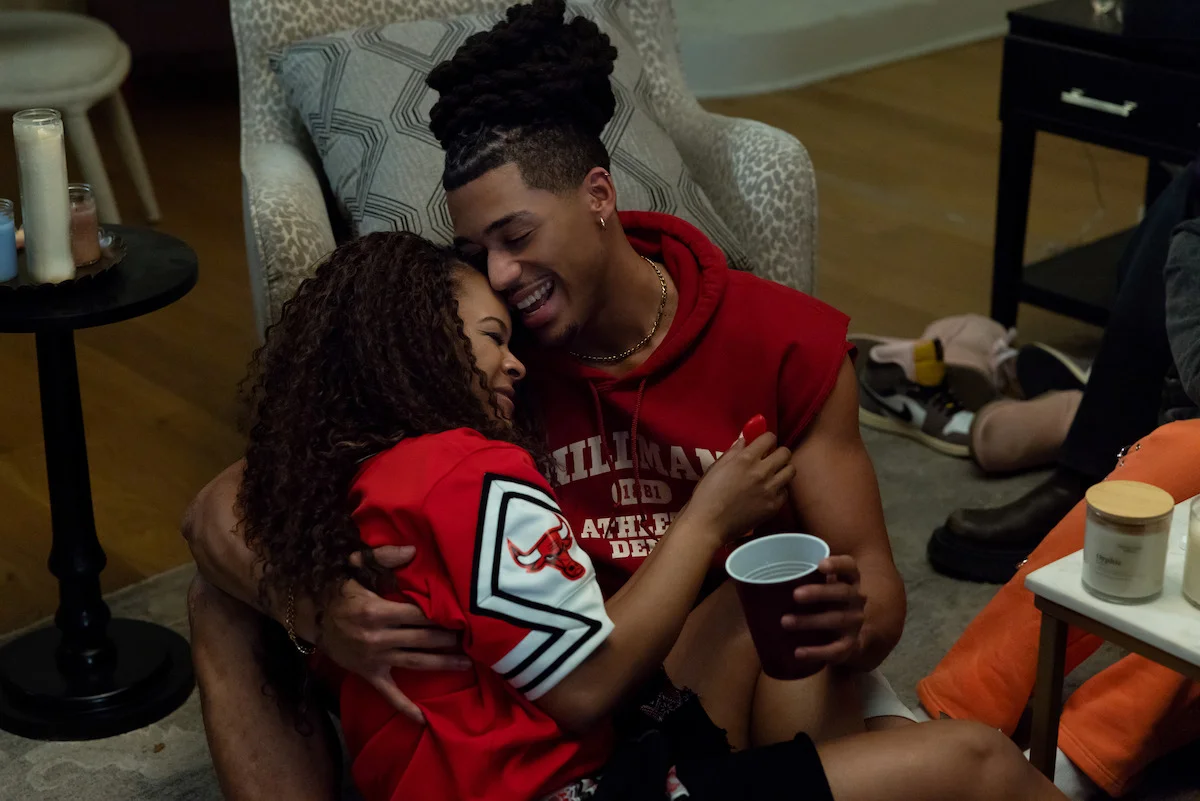
Deborah also has to share campus with Shaquille Johnson, played by Cornell Young IV. They dated before arriving at Hillman, so their attraction comes with unresolved disagreements. Shaquille is a talented football player who chose the college partly because of a promise to his late mother. His father, Ron, is also his manager and wants a successful sports career for him. A bad game is therefore a family problem as well as a football problem. Young is more interesting when Shaquille is struggling with those expectations than when he is simply being presented as Deborah's handsome ex.
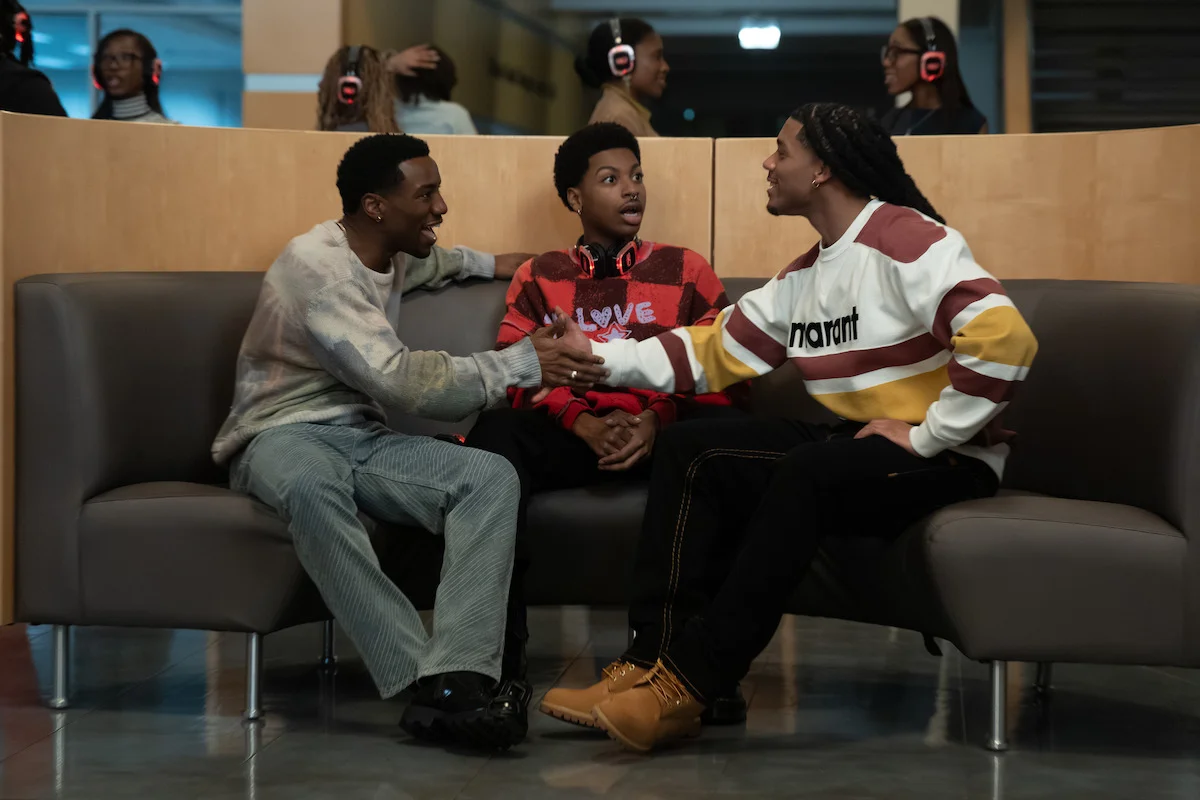
The men around him have their own reasons to worry. Amir, played by Jordan Aaron Hall, arrives to find that the college has no dorm room for him. He sleeps on a shared couch. Kojo, played by Chibuikem Uche, wants to design clothes, although that is not the future his parents expected. Amir needs somewhere to sleep; Kojo needs his family to take his work seriously. Those are understandable problems that make their conversations worth watching without needing a romantic misunderstanding every time.
There are plenty of those misunderstandings anyway. Hazel, a student raised in a religious household, becomes close to Amir, who is openly gay. Trouble follows when she discovers his involvement with Jalen, the young man she is dating. By episode eight, a tornado warning keeps them indoors and they can no longer avoid talking about what happened. Hazel has a reason to feel betrayed beyond a difference in religious beliefs. That makes the argument more convincing than treating her as someone who is simply unable to accept a gay friend. Still, the season moves through its dating conflicts so fast that we sometimes get the dispute before we have spent enough time with the friendship.
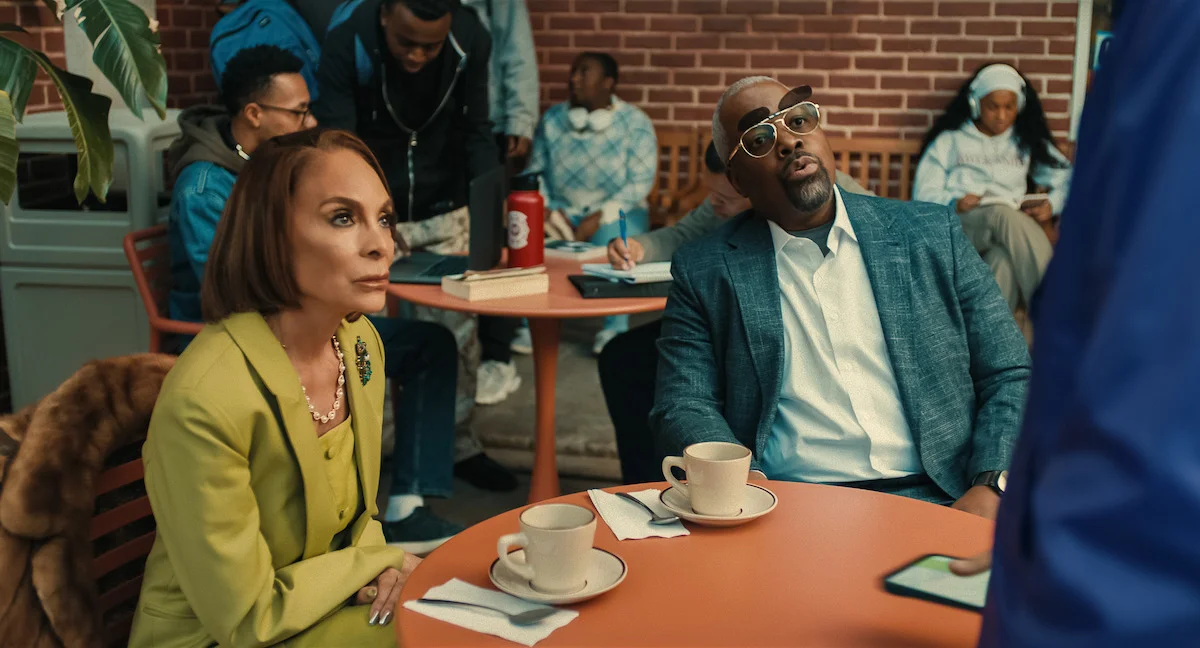
The returning adults have better reasons to be here than simply waving at longtime fans. Kadeem Hardison's Dwayne works in Hillman's administration and must deal with the college's financial problems. Darryl M. Bell's Ron is involved in his son's sports career. Jasmine Guy's Whitley has built a successful beauty business, but she and Dwayne are now separated. Deborah is adjusting to college while her parents are deciding what happens to their marriage. Their arguments affect her first year; they are not a separate reunion special. Hardison is particularly good at making Dwayne seem concerned about the students rather than only the institution's reputation.
Hillman's money problems and our verdict
Early in the season, students learn that money promised for grants and scholarships is being withdrawn. Deborah publicly challenges the college president and gets other students demanding an answer. For someone like Rashida, financial aid is the money that helps make college possible. The funding crisis could stop students from continuing their education. Explaining that consequence makes the argument with the administration matter more than another scene of students shouting at an adult.
The difficulty is how much the season tries to finish in roughly five and a half hours. It has a funding scandal, a threat against the campus, attention difficulties, housing trouble, several romances and the parents' separation. There are also talent shows, parties and returning characters to fit in. Some serious problems get introduced without enough time to show what happens afterward. The early friendship between the women has a similar problem: they become close quickly, when another ordinary evening together could have made that closeness more believable.
There is no recorded audience laughter, and this is not the same joke-heavy sitcom as the original. The camera follows students through campus, bedrooms and social events, with more time spent on arguments and relationships. Go in expecting a college comedy-drama, not a recreation of the old studio comedy. The new cast is reason enough to try it, especially if Deborah and Rashida's difficult first weeks appeal to you.
Pixel Twelve score: 7.5/10 — Good. We recommend this first season, but its quick resolutions keep us from calling it excellent. Deborah's attempt to book a singer and Rashida's worries about paying for school give us clear reasons to care. The rushed friendships and limited follow-up on Deborah's attention problems are just as important to the score. A second season with more time for those students could be better; this one is enjoyable, but not fully developed.
More from A Different World (2026)
3 screenshotsLoading results
Find the cast and streaming details on our A Different World (2026) page, read how the new students connect to the original characters, or browse more Pixel Twelve reviews.