
Pokemon GO raids feel simple from a distance and surprisingly technical once you care about them. You tap a Gym, spend a pass, beat a boss, throw Premier Balls, and hope the catch sticks. Then the real questions show up. Which pass should you use? When is remote raiding worth it? How much does team composition matter? Why does one raid melt while another feels impossible even with several players?
The clean answer is that raids are really about three things: access, preparation, and realistic expectations. Access means understanding passes and timing. Preparation means bringing the right kind of team instead of six random favorites. Expectations mean knowing when your account or group size is enough and when the boss is telling you to come back with better counters or more help.
Pokemon GO still supports a weekly raid rhythm that makes these systems easier to learn. Raid Hour continues on Wednesdays from 6:00 p.m. to 7:00 p.m. local time, and five-star plus Mega raids still rotate on a schedule tied to the larger event calendar. That means raiding is not just a random bonus activity anymore. It is one of the main ways players structure their week.
Know Your Passes First
The first step in learning raids is understanding that not every pass solves the same problem. Your daily free Raid Pass comes from spinning a Gym and is the cleanest way to keep raiding in your regular loop without spending. Premium Battle Passes give more flexibility when you are doing extra in-person runs. Remote Raid Passes let you join many raids from the Nearby screen, the map, invitations, or even certain friend-list situations when a friend is already in the lobby.
That difference matters because beginners often waste the premium options by using them where a free pass would have done the job. If a raid is local and you still have your free daily pass available, start there. Save the more flexible tools for the situations they actually solve.
Remote Raids Are Powerful, But They Are Not The Same Experience
Remote raiding is one of the best quality-of-life systems in the game, especially for players who do not always have local groups. The official help center still says Remote Raid Passes can be used from the Nearby screen or on raids visible from the map, and friend-list joins are still possible when a Great Friend or higher is waiting in a lobby. That opens a lot of doors.
It also changes the way you should think about value. A remote pass is usually best spent on something you genuinely care about, an event you cannot reach in person, or a raid group you trust. Burning remote passes casually on forgettable bosses can empty your flexibility fast.
Raid Difficulty Is Real
This sounds obvious, but it saves frustration: some raids are supposed to feel easy, and some are not. Lower-tier raids are great for learning the flow, testing teams, and getting comfortable with the catch screen. Bigger bosses can ask for better counters, more players, or stronger levels of preparation than a new account can provide alone.
That is not a failure. It is just the game telling you what kind of content it is. A beginner who learns to read that early usually enjoys raiding much more than the player who keeps treating every impossible boss like a personal insult.
Counters Matter More Than Raw CP
One of the classic Pokemon GO mistakes is assuming the highest CP team is automatically the right raid team. It often is not. Type advantage, move quality, and whether your chosen Pokemon actually survive long enough to deal damage all matter more than one big number on the roster screen.
This is why raids start making more sense when you build small functional squads instead of leaning on random favorites forever. You do not need a perfect six-Pokemon meta team at first. You do need a habit of asking what the boss is weak to and whether your current team is built to cash in on that weakness.
Weather, Mega Help, And Group Size All Change The Fight
Raids are not static. Weather boosts can help or hurt. Mega evolutions can add meaningful offensive support. A strong group can erase problems that a smaller group has to respect. A weak group can turn even a theoretically manageable raid into a scramble.
This is one reason raid advice on social media can feel confusing. The boss did melt for someone else. They may also have had stronger counters, a cleaner party, better friendship bonuses, better weather, or twice as many players as you. The fight is never only about the boss name.
Suggested Teams Are Fine, But They Are Not Always Smart
Pokemon GO's suggested battle party can help beginners get into a fight quickly, but it is not always the best reading of what the boss actually needs. Sometimes it values bulk too much. Sometimes it chooses odd resistances instead of strong attacking pressure. That is why raids start feeling more controlled when you learn to look past the first suggestion and ask whether your team is actually hitting the boss where it hurts.
You do not need perfect maxed counters to benefit from this. Even a simple type-aware lineup often feels much better than blindly trusting whatever the game grabbed first.
Advertisement

Catch Screen Discipline Matters Too
Beating the raid is only half the job. You still need to catch the boss, and that is where a lot of players rush themselves into bad throws. Premier Balls are a limited resource inside that catch window, so calm, centered throws matter. Berries matter. Patience matters. It is much better to wait for a cleaner throw pattern than to fling the whole encounter away in a hurry.
This also helps emotionally. Raids feel much better when you stop treating the catch screen like a panic minigame. Slow down. Let the boss settle. Throw with purpose.
Build Small Counter Groups Over Time
A strong raid account is usually built in layers, not in one dramatic week. Maybe you start by building a few reliable attackers for one type matchup. Then another event gives you a stronger option. Then a raid window helps you upgrade again. That is a much healthier way to think about raid prep than assuming you need six perfect monsters for every boss immediately.
Once you view team building this way, raids become less intimidating. Every event, every catch, and every smart power-up starts feeling like part of a longer plan instead of like a desperate scramble before the next boss appears.
Raid Hour Is Great, But It Is Not Mandatory
Raid Hour is still one of the easiest ways to find concentrated action, especially if your local community actually plays together. It also creates pressure that can make beginners feel like they are doing it wrong if they miss it. They are not. Raid Hour is a tool, not a commandment. Use it when it fits your life and your roster.
For many players, the better early raid habit is simpler: use the free pass often, learn boss types, take part in the raid windows you can actually enjoy, and stop forcing every Wednesday into a big obligation if it is not serving you.
When A Raid Is Worth A Remote Pass
Remote passes feel best when they solve a real problem. Maybe the boss matters to you and local access is bad. Maybe a trusted friend group has a clean lobby open. Maybe a late-month event window is too good to miss. Those are the moments where remote raiding feels smart instead of impulsive.
Using remote passes just because a Gym popped up on screen is where players start feeling empty later. Save the flexibility for situations that really earn it.
How To Build A Better Raid Routine
A healthy raid routine usually starts by asking one question at a time. Is this boss worth a pass to me? Do I have enough help? Are my counters at least sensible? Is this better as a local clear or a remote join? Those four questions protect you from a lot of wasted passes.
They also stop raids from becoming pure FOMO. Not every boss is for your account right now. Not every event needs a remote marathon. Not every five-star appearance deserves the same urgency. Good raid play is part enthusiasm, part discipline.
This is especially useful for newer players because it turns raiding into a habit instead of a reaction. You stop tapping every egg out of panic and start choosing the bosses, time windows, and pass types that actually make sense for your account.
July 2026 Is A Good Example Of Why Context Matters
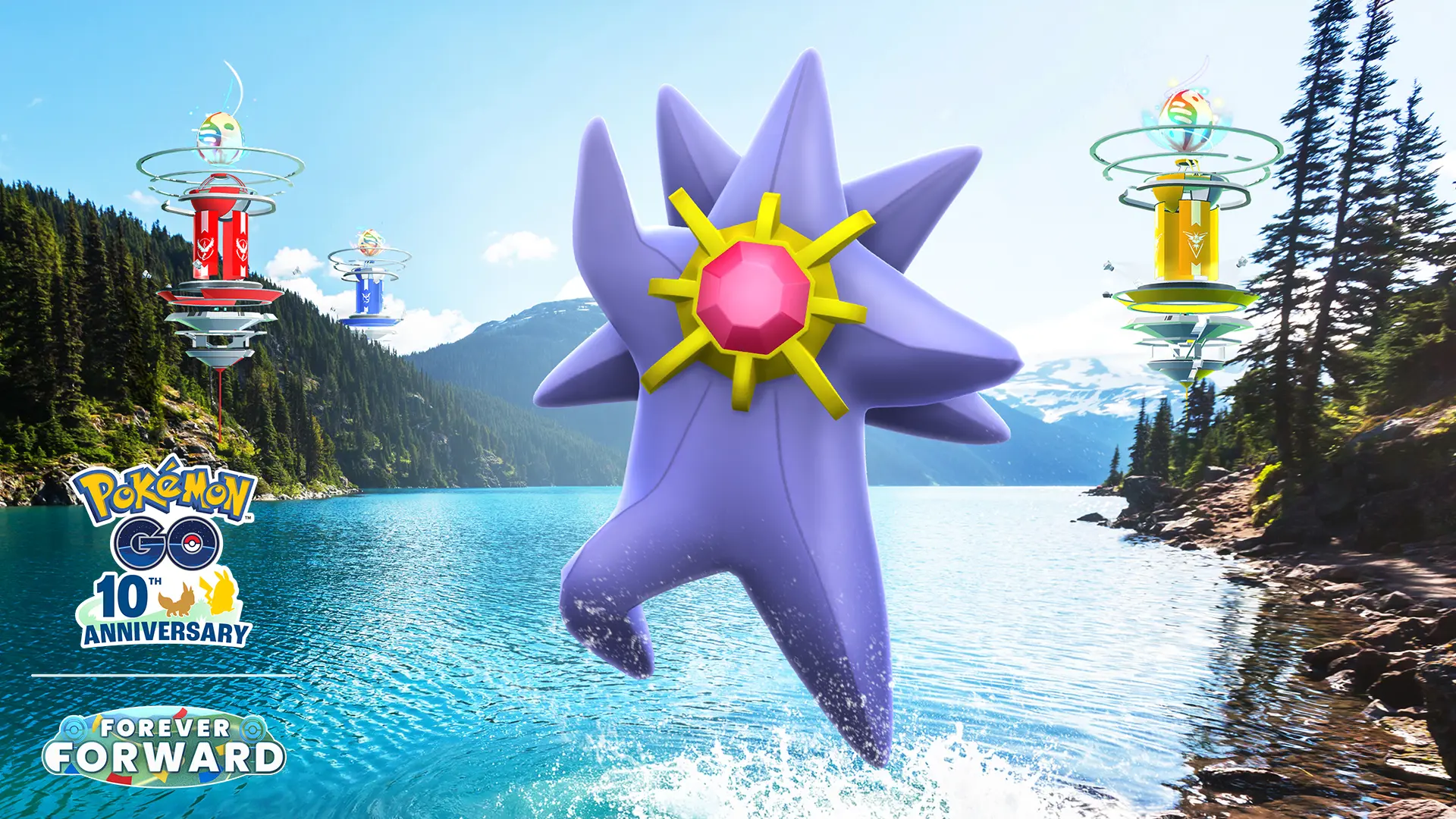
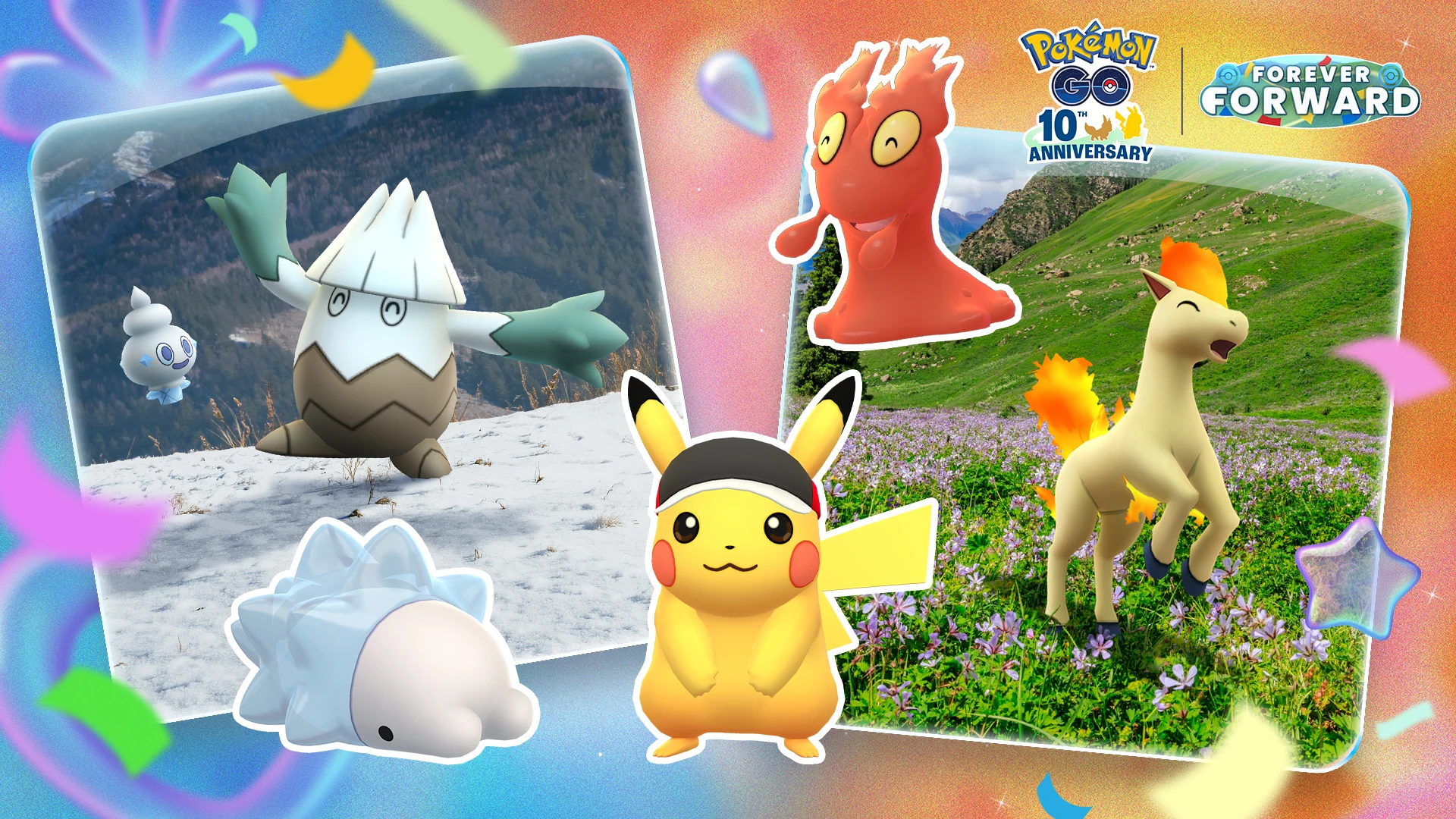
This month has already included Road of Legends, GO Fest Global, the Special Anniversary Pikachu Celebration, and now late-July raid-focused updates like Starmie Super Mega Raid Day plus GO Fest Sunday's raid correction notes. That is a lot of raid context in a short time. Without a calendar, readers can easily mix up what is still active, what already passed, and what applies only to a specific event window.
That is why raid planning works best when it stays tied to the current month view instead of to scattered memory. Use the schedule. Check the event page. Bring the right pass to the right situation.
When a raid month gets this busy, even experienced players benefit from slowing down and checking the dates again before spending premium or remote resources.
That habit keeps a fun raid plan from turning into an expensive blurry weekend for no real reason at all later either for anyone involved there.
If the whole game still feels new, back up to the Pokemon GO beginner guide. For changing raid windows, Spotlight Hours, and monthly bonuses, keep the recurring Pokemon GO events page open too.
Pokemon GO raids get much easier once you stop treating them like a mystery. Know your passes. Respect type counters. Read the group size honestly. Spend remote passes with purpose. Slow down on the catch screen. Let the event calendar tell you when the big opportunities actually are.