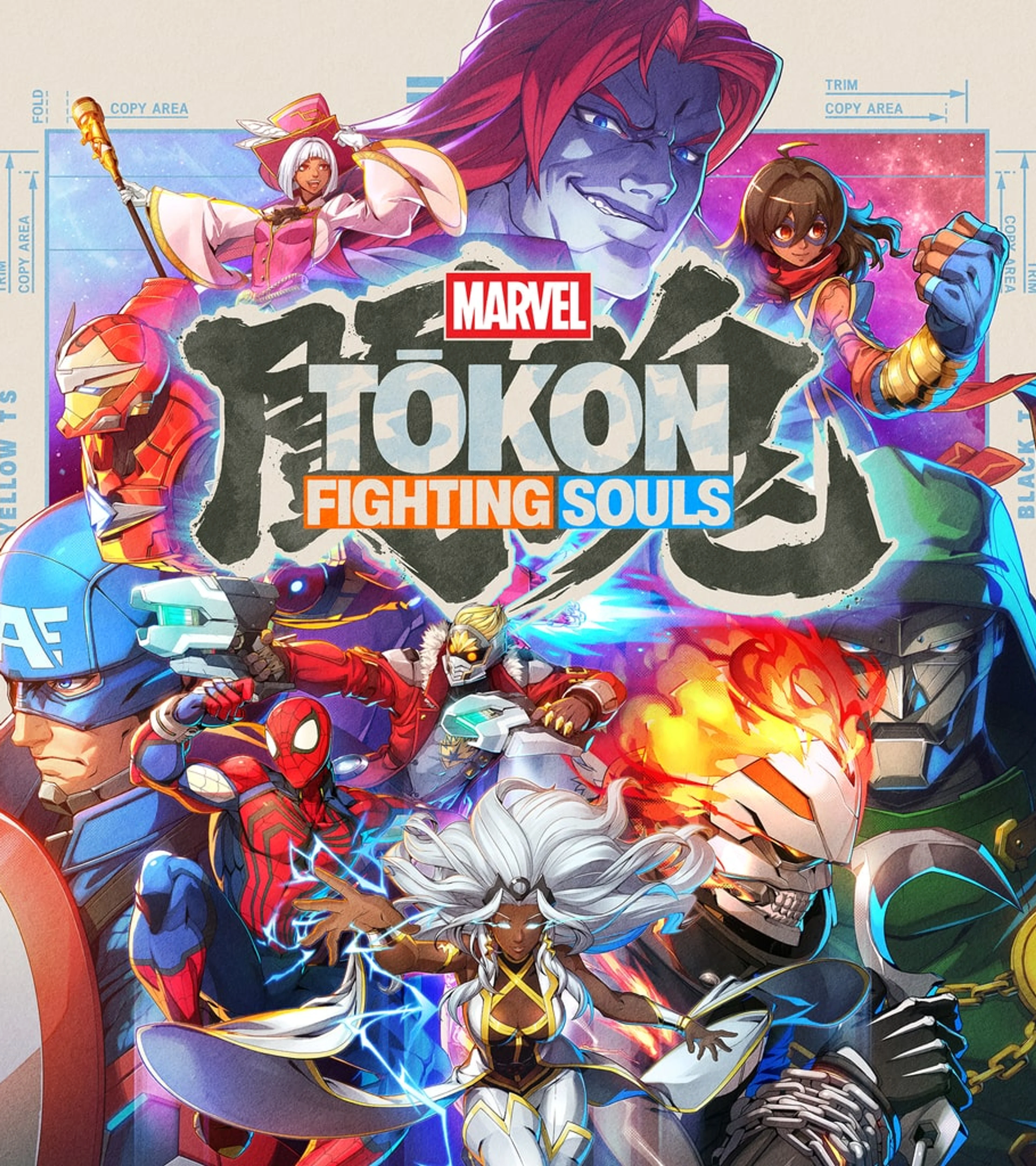
MARVEL Tōkon: Fighting Souls has the kind of combat people want to praise, but its PC launch is making that difficult. The Steam version opened with a “Mixed” rating as reports of stuttering, heavy CPU use, unstable frame pacing, and online trouble followed the game out of beta.
This is not a simple case of everyone hating the game. Plenty of players say it runs at a locked 60 frames per second and that the fights feel excellent. Others with capable hardware describe a very different experience. That split explains the review page better than the label alone.
At the time of writing on August 7, Steam showed a Mixed English review summary, with 44% of 1,652 Steam-purchaser reviews marked positive. That number will move as more people play, but the early complaint is clear: the PC version is getting in the way of a fighter many players otherwise enjoy.
Why the Steam Reviews Are Mixed
The most repeated criticism is inconsistent performance. Players report matches falling below the game’s 60fps target, stutter during menus or fights, uneven frame pacing, and CPU load that looks out of proportion to what is happening on screen. Fighting games are unusually sensitive to this. A small visual hitch is annoying in an adventure game; in a match built around exact timing, it can change how inputs and online play feel.
The complaints are not identical on every computer. Some owners report smooth play after the initial shader work, while others say lowering normal graphics options does not solve the issue. That inconsistency is part of the frustration: two systems that appear powerful enough can produce very different results.

The Developer Knew About PC Problems Before Launch
After the July open beta, the official MARVEL Tōkon account acknowledged gameplay and performance problems on PC, apologized for the impact, and said the team was investigating a fix. It also shared a set of troubleshooting steps that had helped some players.
Launch has improved the experience for part of the audience, but current Steam reviews and community reports show that the problem did not disappear for everyone. The useful question now is not whether the beta had issues—it did—but how quickly the release build can become consistent across more hardware.
What PC Players Are Reporting
- Stutter and frame drops: performance can dip even when a computer appears to meet or exceed the listed requirements.
- High CPU pressure: some players see one or more CPU cores working heavily while the graphics card remains underused.
- Online matches that feel unstable: a machine struggling to hold the required frame rate can make rollback and input timing feel worse for both sides.
- Overlays and recording conflicts: the developer’s troubleshooting thread specifically called out several display, frame-generation, overlay, and recording settings as possible trouble spots.
- Extra account friction: Steam requires a PlayStation account and internet connection for online lobbies, private rooms, Ranked, Casual, profiles, and other connected features.
Those are reports, not proof that one background service or anti-cheat component is the single cause. Players have theories about PlayStation services, Easy Anti-Cheat, overlays, and Unreal Engine 5, but the developer has not publicly reduced the issue to one confirmed culprit.
What You Can Try Right Now
Start with the official suggestions before downloading random fixes. Run the game’s Shader Warm-Up process, switch from Borderless Fullscreen to Fullscreen, and disable Frame Generation if you are using DLSS. Turn off the NVIDIA overlay, Discord overlay, Steam Game Recording, or other capture software for one test session.
Change one setting at a time and test an offline match. If the frame rate becomes stable there, try online play next. That order matters because it separates a local performance problem from a connection or matchmaking problem.
The official minimum specification is Windows 11, an Intel Core i5-8400 or Ryzen 5 1600X, 16GB of RAM, and an RTX 2060 6GB or RX 6600 XT 8GB. The Steam page lists 27GB of storage. Laptop versions of a graphics card can perform differently from similarly named desktop hardware, so the model name alone does not settle whether a system is above the line.
Is the PS5 Version Affected?
The current review problem is centered on PC, and Steam cannot tell us how the PS5 audience feels. Players have also reported individual online issues on console, but there is not enough evidence to treat the two versions as the same technical situation.
If you are choosing where to play, the MARVEL Tōkon cross-play guide explains PS Plus, the required PlayStation account on PC, offline modes, private rooms, and what has—and has not—been confirmed about cross-save.
Should You Buy MARVEL Tōkon on PC Today?
If you are sensitive to stutter or want to play Ranked immediately, waiting for a confirmed performance update is the cautious choice. If you already own it, test Startup Battle or an offline match first and watch whether the game can hold a clean 60fps before taking the team online.
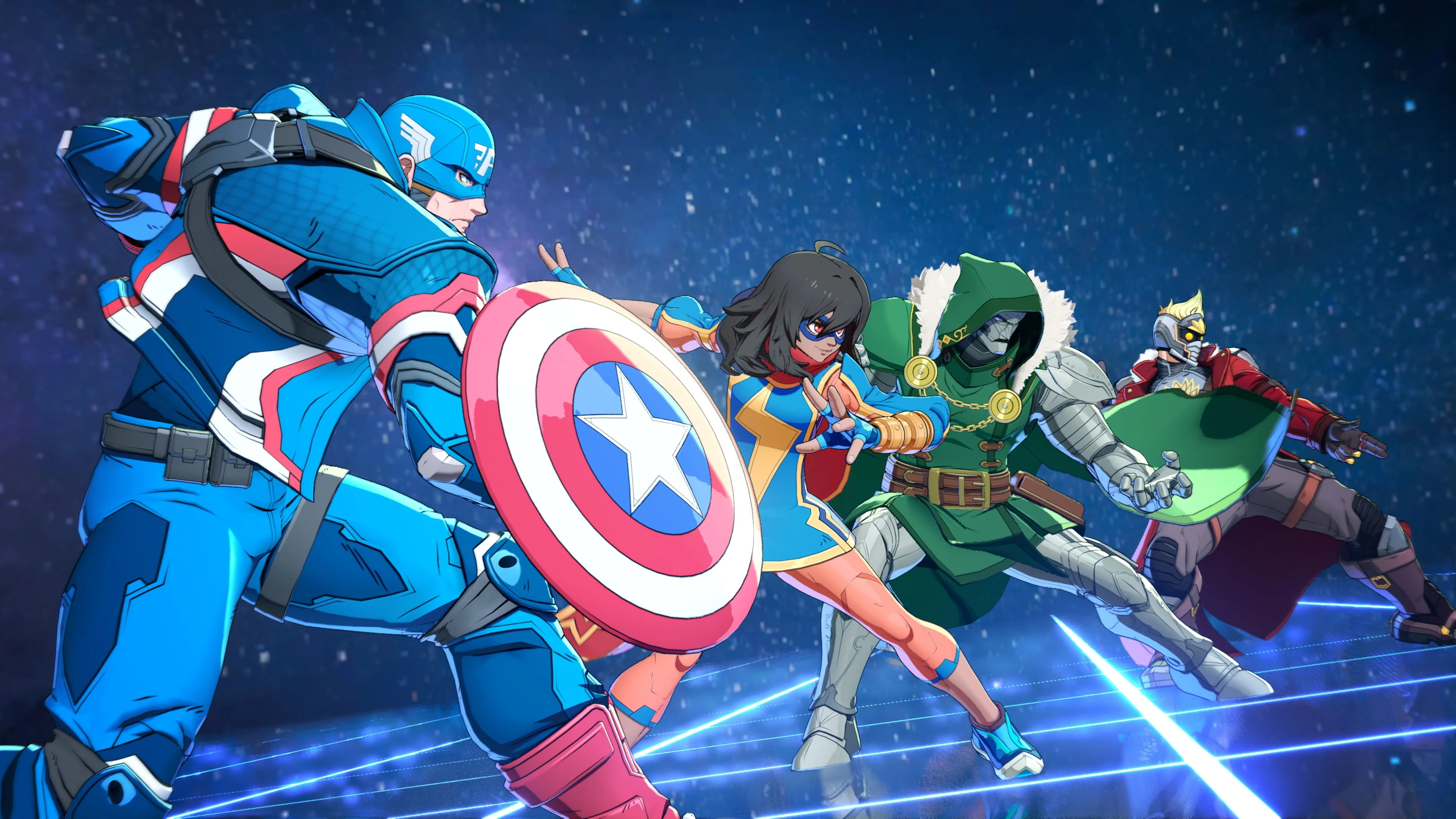
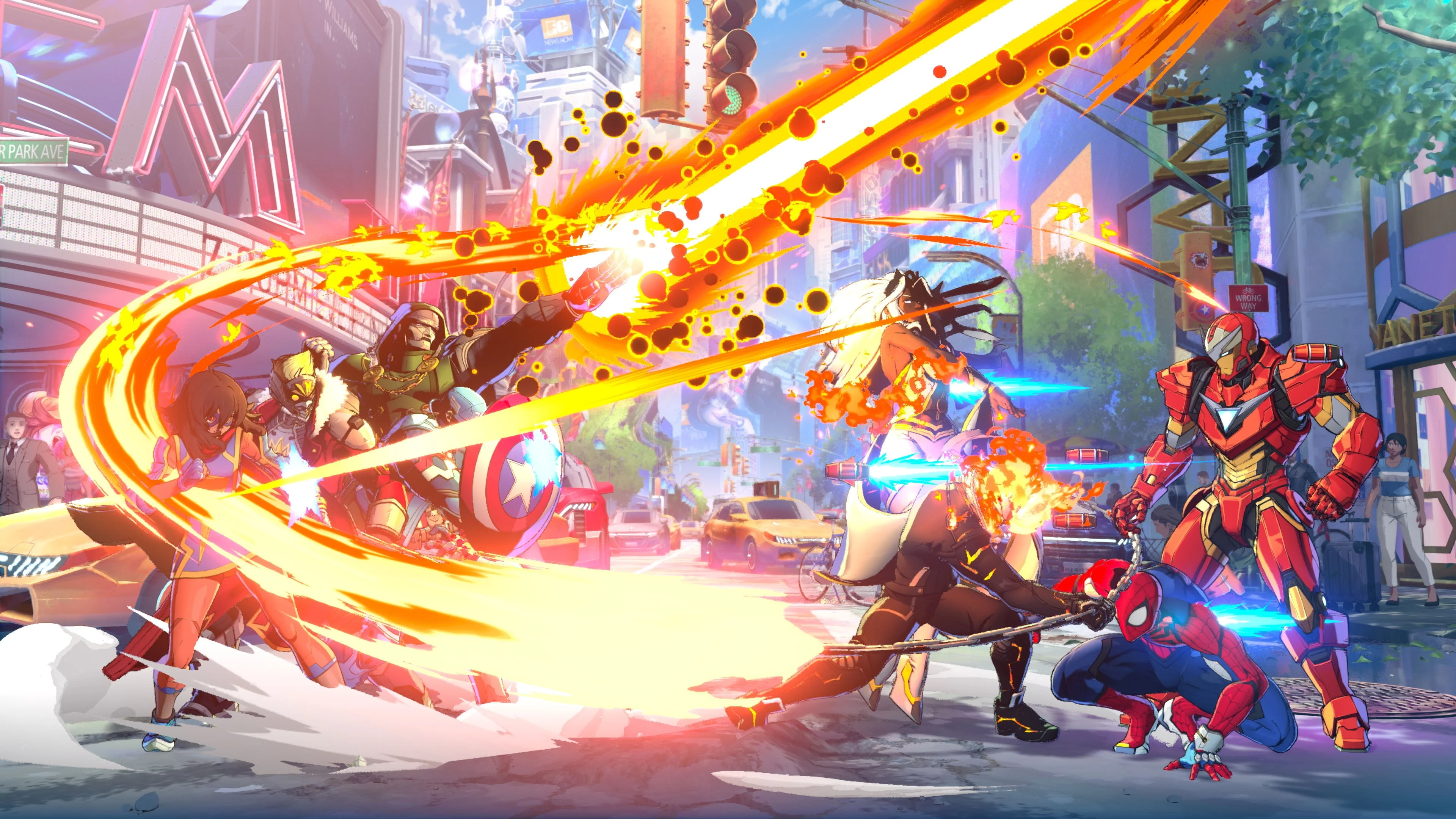
The early reviews are not saying the underlying fighter has no appeal. The positive comments repeatedly point to the art, roster, approachable controls, and the chaos of calling Marvel assists into a fight. The negative comments are largely asking the PC version to stop getting between the player and those strengths.
New players can use the MARVEL Tōkon beginner guide for Startup Battle, basic defense, assists, and first characters. The full roster guide explains all 20 launch fighters, while the release and editions hub covers the Year 1 pass and platform details. You can also browse the MARVEL Tōkon game page for the complete cluster.
What Happens Next
Arc System Works and PlayStation have a strong reason to move quickly. A tag fighter lives on repeat matches, training-room experiments, and a healthy online population. Every player who refunds or disables cross-play because the PC version feels unreliable makes that launch window harder to recover.
The fairest reading is simple: MARVEL Tōkon may be a good fighting game inside an uneven PC release. The Steam rating can improve, but only if the technical experience becomes as dependable as the combat wants to be.