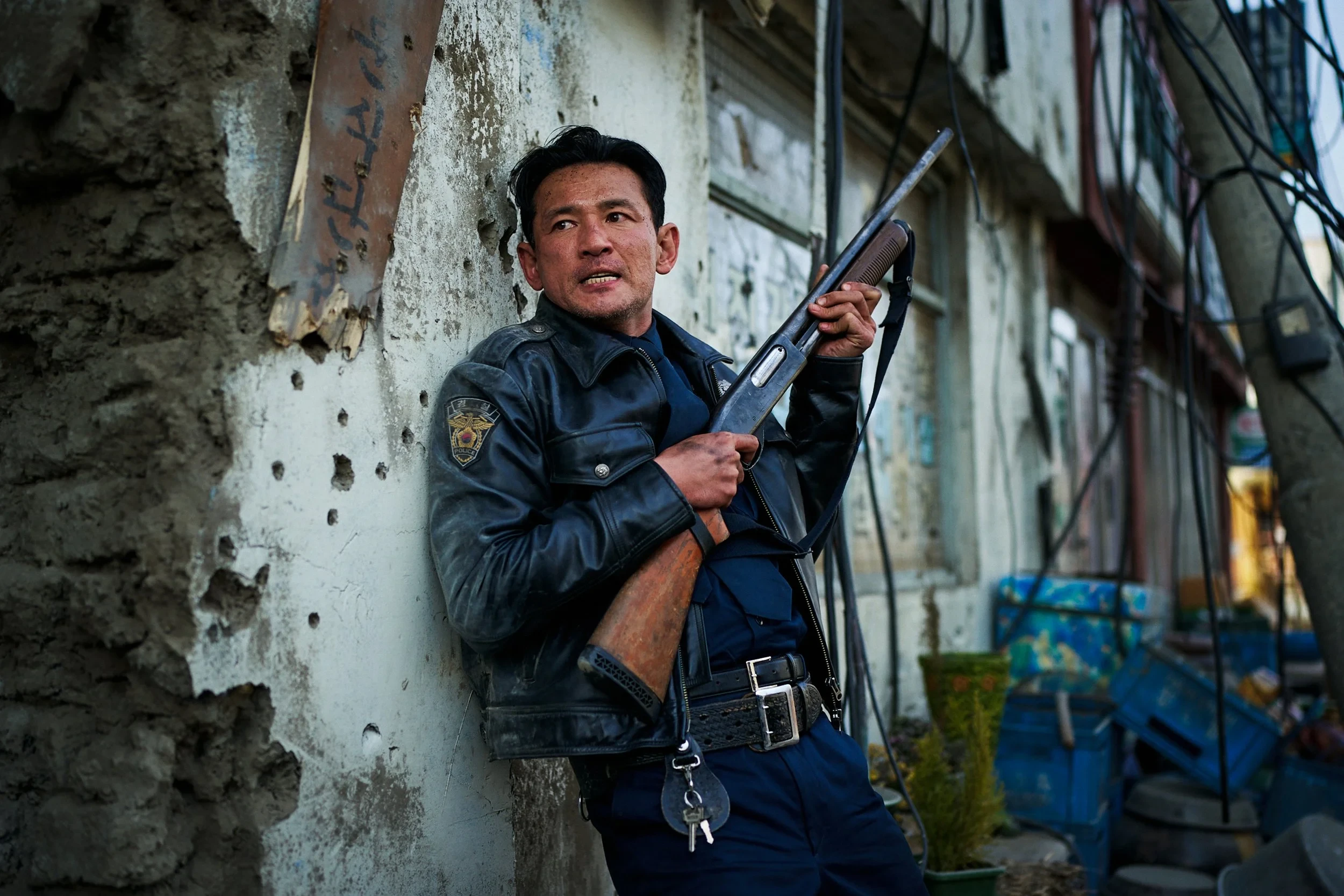
A dead farm animal brings police chief Bum-seok to a road outside Hope Harbor. Something has attacked it, and the people standing nearby do not have a convincing explanation. He initially has a familiar problem to solve: find a dangerous animal before somebody gets hurt. Soon, he is moving through damaged buildings and trying to keep up with a creature he cannot get a good look at. The frightening part is seeing what it can do before seeing what it is.
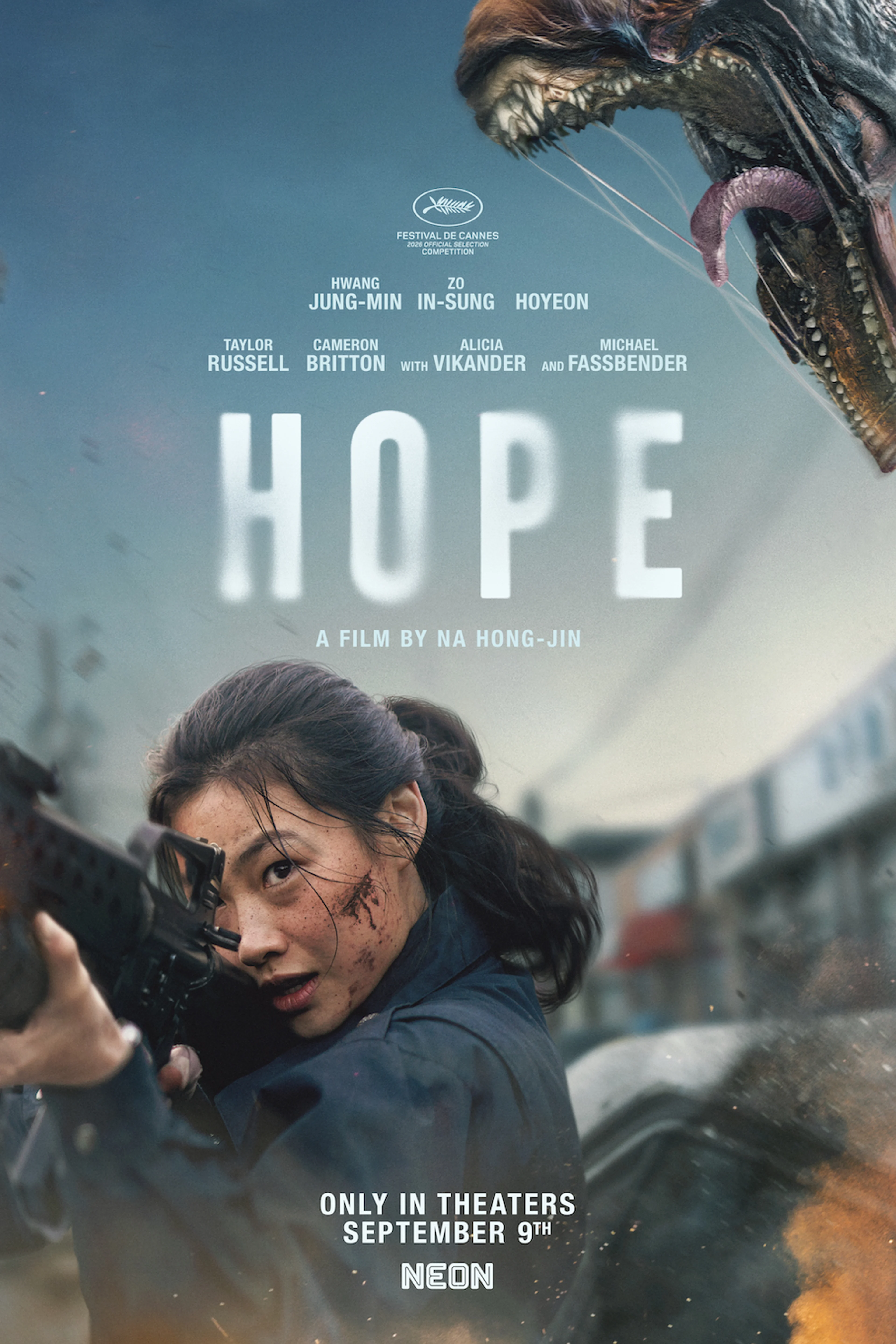
Hope is a South Korean science-fiction action film from Na Hong-jin, the director of The Wailing. Hwang Jung-min plays Bum-seok, Hoyeon plays fellow officer Sung-ae, and Zo In-sung plays the hunter Sung-ki. You do not need to know the director’s earlier films. What you do need to expect is a long, violent chase with frightened people shouting at each other, sometimes funny mistakes and a story that becomes much harder to follow near the end.
The action makes Hope worth considering, but the explanations are much less satisfying. Na stages dangerous-looking escapes through streets and woodland, with cars and people struggling to stay ahead of the attack. The human performances make those scenes tense. Later, the digital creatures and a rush of new information make it harder to stay involved. This review covers the theatrical release without revealing the final turns or who survives.
Following the damage is more frightening than seeing the creature
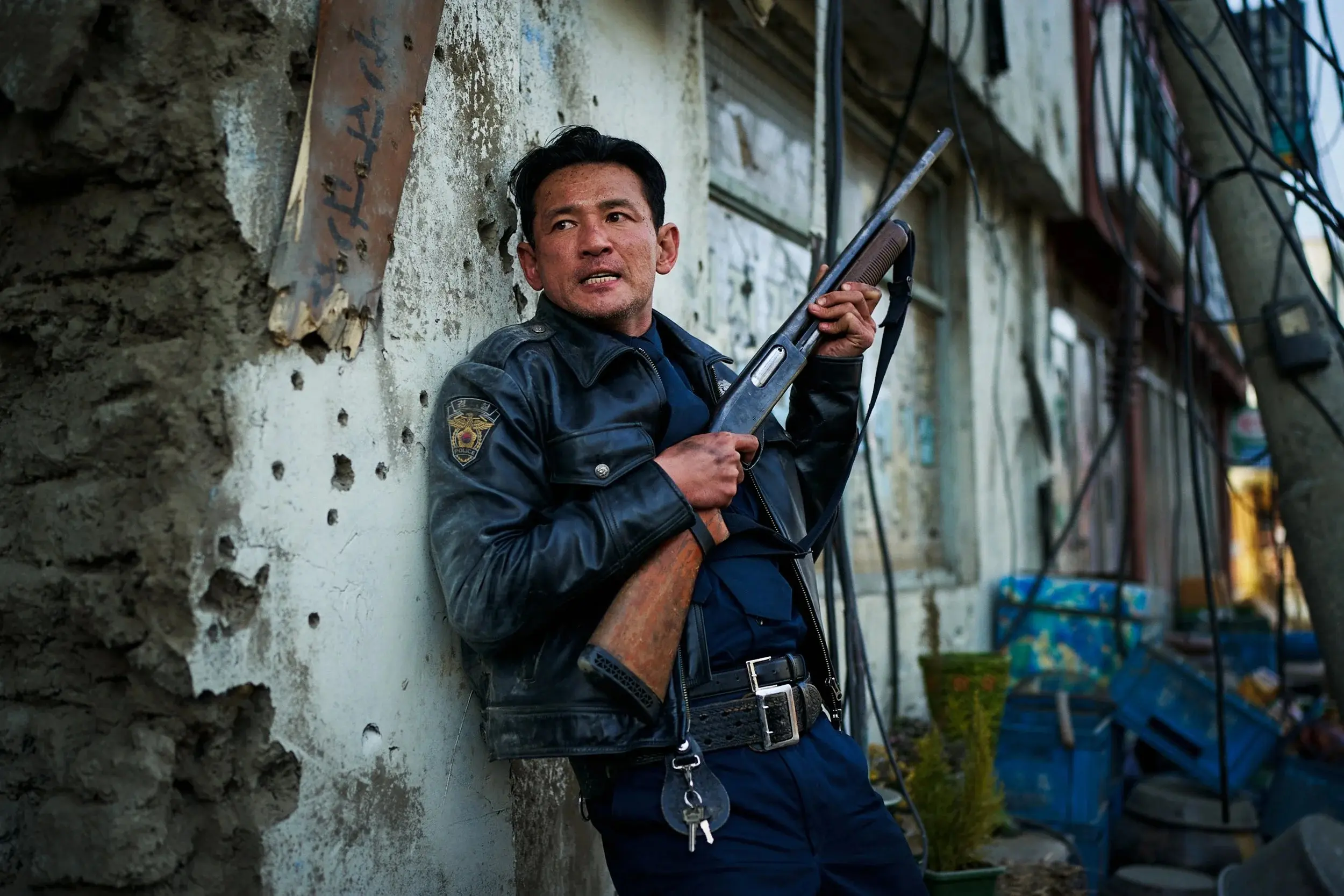
Hope Harbor is a small community near the border between North and South Korea. The area between the countries is known as the Demilitarized Zone, or DMZ. Signs and fences remind us that the residents already live close to danger. That does not prepare them for this attack. Other emergency crews are occupied with wildfires, so Bum-seok cannot simply hand the problem to a better-equipped team and wait somewhere safe.
The location gives his investigation a practical shape. There are streets he can follow, buildings he needs to enter and people who may have seen something. Instead of cutting immediately to a giant creature destroying everything, Na keeps us close to the officer trying to understand the aftermath. A damaged entrance tells him where something has been. Noise ahead suggests it may still be nearby. Each new sign of destruction makes the next step more dangerous.
Hwang does not play Bum-seok as someone who secretly wanted an excuse to become an action hero. He looks alarmed by what he finds, and that is useful. A man who already knew exactly how to handle this would make the creature seem less threatening. Bum-seok keeps going because this is his town and his job. His fear makes that decision more impressive than a confident speech would.
There is comedy in how badly people cooperate, too. They argue over who should go first rather than instantly forming an efficient team. That is an understandable response to entering a place where something may kill you. The disagreement can be funny without making the danger disappear. The best jokes come from people trying to avoid a frightening job that still needs doing. They fit the situation instead of interrupting it with an unrelated punchline.
Hong Kyung-pyo’s photography helps us follow Bum-seok through the town. The damaged buildings are not merely a blurry background to a close-up of someone running. We can look around the spaces with him and notice how exposed he is. There is often enough daylight to see the surroundings, which makes the destruction unpleasant in a different way from a monster hiding in a dark corridor.
The sound is just as important while the creature stays out of view. Bum-seok has to react to disturbances before he fully understands them, and we are in the same position. For a while, that shared uncertainty is enough. Na does not need a long explanation of the creature’s origins to make us want the officer to get through the next building alive. The immediate situation is easy to understand.
Hoyeon and the physical action keep the chase exciting
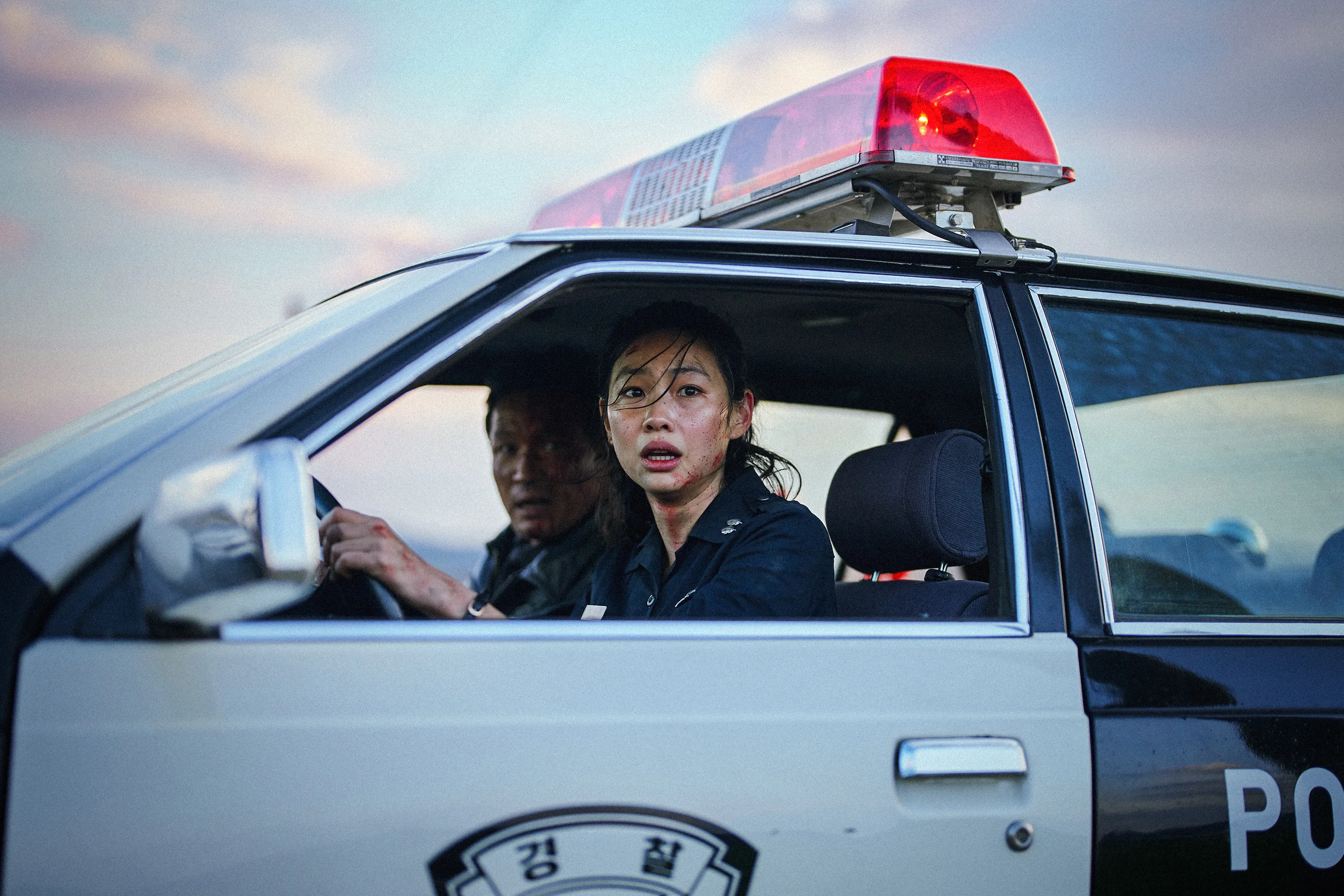
Sung-ae gives Bum-seok someone who can do more than panic beside him. She is also a police officer, and her arrival changes what the group can attempt. Hoyeon is convincing when Sung-ae has to make a quick decision while somebody else is still reacting. She looks determined without making the situation look easy. That difference matters in a film where the people are badly outmatched.
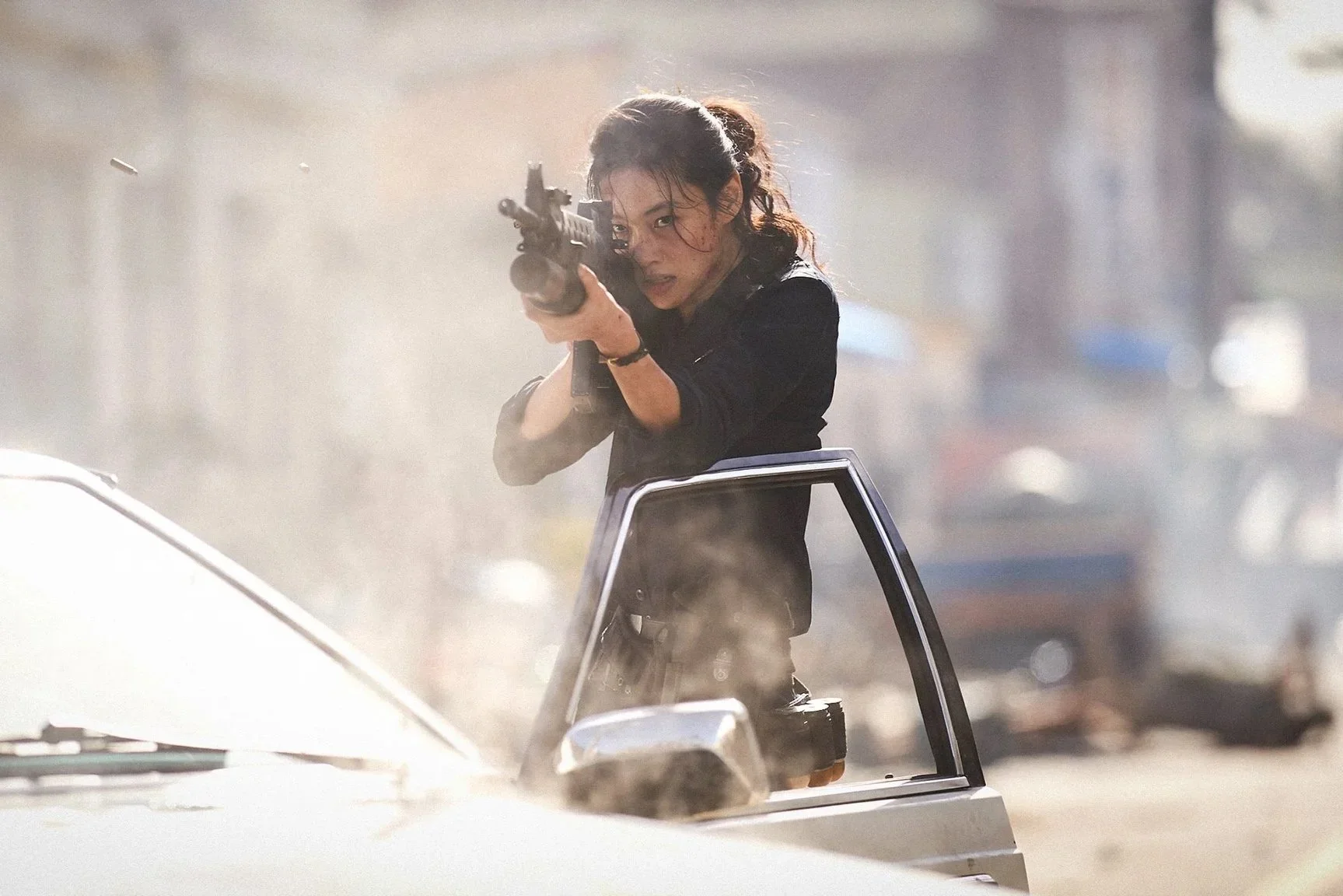
Together, the officers are more entertaining than they would be as two calm experts trading instructions. There is frustration as well as teamwork. They can be angry, frightened and useful in the same scene. Their reactions give the gunfire a human context: these are people trying something because they have run out of better options, not characters demonstrating an impressive collection of weapons for the camera.
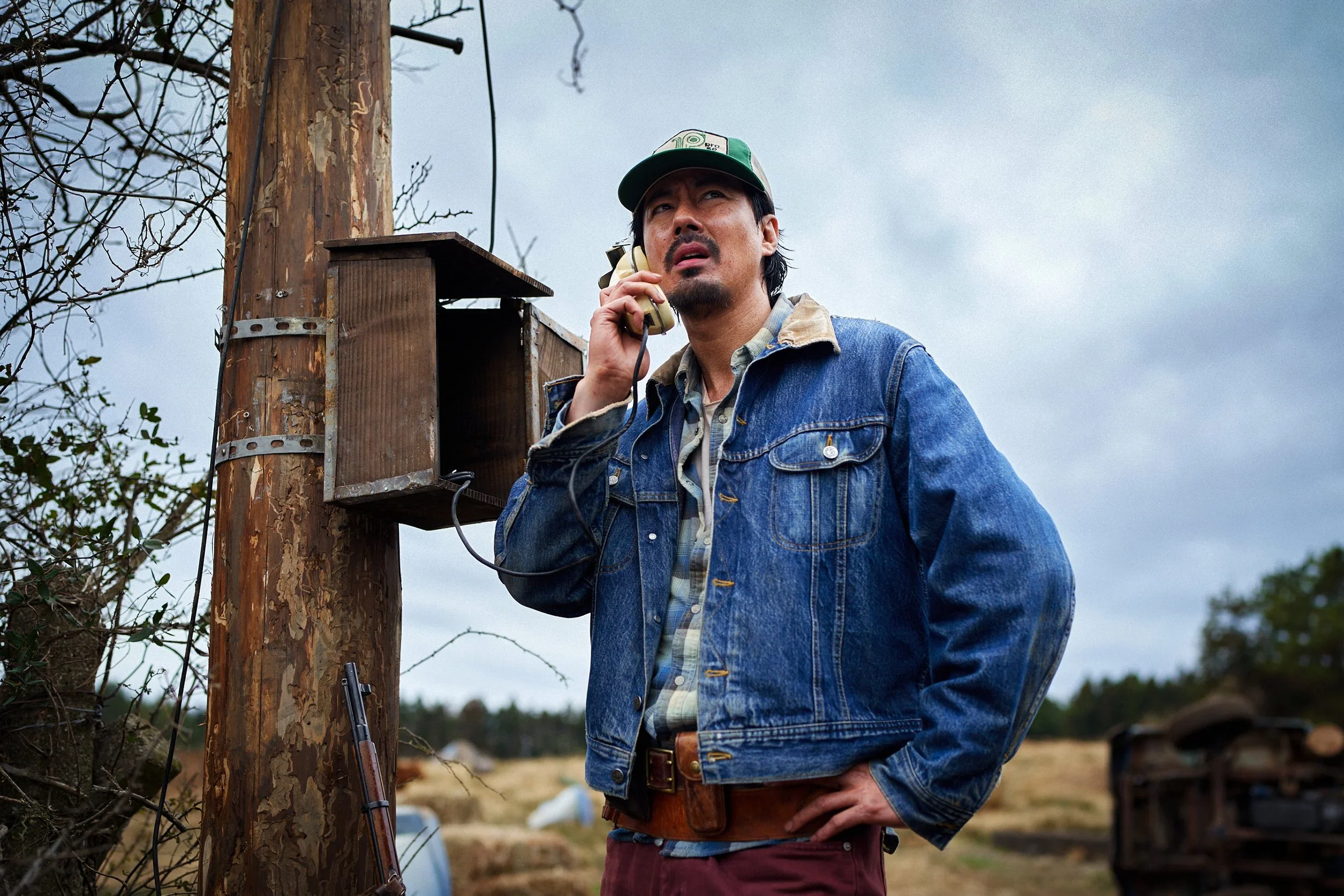
In the woods, Sung-ki and the other hunters have a different problem. They set out to find the creature, but searching for it puts them in its path. Zo has the physical confidence of somebody used to moving through difficult ground. That does not guarantee control of the situation. His part provides a contrast to Bum-seok’s more visibly anxious approach, even though both men end up struggling to stay alive.
The strongest later action combines people, vehicles and the landscape. A person leaning out of a moving car is not protected just because the driver is escaping. Trees, corners and the distance between vehicles can all become immediate problems. The driving and stunt work remain exciting even when the digital creature is less convincing. There is enough real movement in the shot to give the danger something we can recognize.
The physical effort is an important part of the appeal. Running, holding onto a vehicle and aiming while moving all look uncomfortable. A chase works better when reaching the next safe place requires effort, rather than simply a quick cut. The actors’ reactions also help connect the separate pieces. Even when an effect looks artificial, we can still understand why someone in the car is terrified.
There is a limit to how many times the same approach stays exciting, though. The humans shoot, the threat continues and they have to get away again. A new location or a more elaborate stunt can make a repeat worth watching. It cannot always create a new problem. Some stretches last longer than the decisions inside them justify. That is when the length becomes noticeable, even though there is still plenty happening on screen.
Hope images and behind the scenes
3 screenshotsThe film runs for more than two and a half hours, and the characters do not develop as much as that length might suggest. We understand their immediate jobs and their need to survive. We learn less about the people they were before this happened. That is not fatal to an action film, but it makes quieter exchanges less interesting than the escapes. The cast gives us more personality through behavior than the screenplay supplies through conversation.
The effects and the final explanations are harder to accept
Once the creatures are visible for longer, the question is no longer what could have caused all that damage. We have to believe that these computer-made figures occupy the same space as the actors and buildings. Too often, their surfaces and movements do not match the physical surroundings. Close views of the creatures are less frightening than the damage they leave behind. The contrast is especially noticeable after the care put into the town and the stunts.
This is not a complaint that every creature must look like an ordinary animal. An unusual design can be effective. The problem is that the digital bodies sometimes look separate from the people reacting to them. Fast movement can help disguise that difference; longer views make it easier to notice. We are still following the chase, but we are also noticing how the image was assembled when we should be worried about the people in it.
The theatrical version was revised after its Cannes premiere, so an early festival reaction does not by itself describe the released film. Even with that distinction, the balance here is uneven. The practical action is the better reason to buy a ticket than the creature effects. Viewers who can accept visibly artificial monsters may have much more fun than those who need the effects to remain believable in every close-up.
The bigger disappointment is how late the story introduces information about the creatures. We will not reveal those details, but there is a difference between leaving something mysterious and giving the audience unfamiliar terms without enough context. Near the end, Hope asks us to absorb a much larger story when the immediate struggle in the village still needs a satisfying conclusion. The new material is difficult to care about as quickly as the film requires.
An exciting chase does not make an unclear ending less frustrating. For much of the running time, the objective is simple: protect people and escape an attack. The final explanations are less direct, and the shift makes this feel less complete as a standalone film. A future installment might explain more. That possibility does not supply the missing satisfaction in the film available now.
Hope is playing in US theaters and opens in the UK and Ireland on September 25. It is a better fit for adults who enjoy violent action and dark comedy than for anyone looking for a careful mystery with a tidy answer. Expect graphic violence, animal injury and strong language. This is not a light monster adventure for a family movie night.
Pixel Twelve score: 7/10 — Good. Hwang Jung-min and Hoyeon make the panic engaging, and the driving and stunt sequences give Hope moments worth seeing on a large screen. We also like how the early investigation makes ordinary streets feel unsafe before the creature appears. The length, uneven effects and confusing final stretch prevent a stronger recommendation. Choose it for the people scrambling to survive, with fair warning that the larger explanation is not as good as the chase.
Loading results