
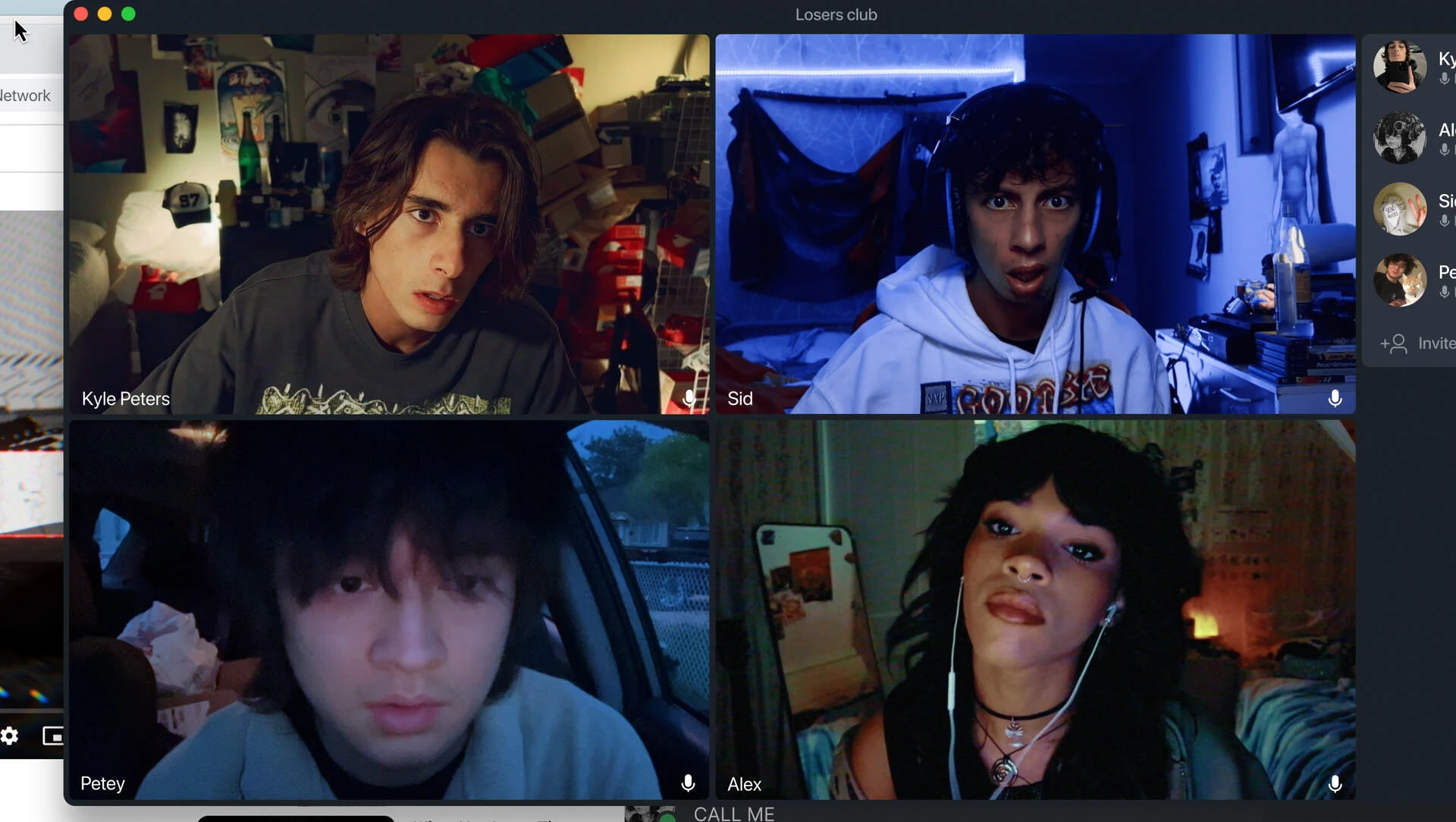
Four friends who play games together online decide to rob a billionaire. They do not begin by entering a bank. They study what his daughter posts on social media and use what they learn to get closer to his money. LifeHack follows the attempt through the same screens the teenagers use to talk to each other. The fun comes from watching their confidence turn into panic when the person they target notices them.
Kyle, played by Georgie Farmer, persuades Sid, Petey and Alex to join him. They already use their computer skills to prank online scammers, but stealing from Don Heard is a much bigger risk. Heard deals in cryptocurrency, a form of digital money. His daughter Lindsey initially looks like an easy way to reach it. She soon proves that the group has badly misjudged her.
Director Ronan Corrigan makes an entertaining thriller out of people clicking and typing, which is a harder job than it sounds. The suspense works better than the film’s explanation of who these teenagers are. We wanted more time with their doubts and less certainty in how the story eventually resolves them. With LifeHack coming to Netflix in the US on September 23, here is our spoiler-light verdict on the movie, not a test of its streaming presentation.
How watching computer screens becomes a heist movie
Instead of an ordinary camera following the characters around, LifeHack shows their digital activity. A video call might occupy one part of the picture while messages or a website appear beside it. Security-camera footage can show a location that a friend is visiting. Films made this way are often called screenlife movies. You do not need to know that name to follow this one: the important question is who can see what is happening.
The group gathers information and uses it to gain access to things they should not be able to reach. They also have to persuade people to trust them. You do not need computer expertise to understand the basic danger. Someone is pretending to be someone else, and another person may discover the lie. Technical information matters to the plan, but the fear of getting caught is much easier to recognize than the software.
The screen layout helps us follow several people at once. We can see a friend react while another keeps talking, rather than waiting for a cut to a separate close-up. That is useful in a story about a group making risky decisions together. Agreement in the conversation does not necessarily mean everyone looks comfortable. Their faces remain important even when a website or a message appears to be the main attraction.
There is also a limit to the help they can offer each other. Hearing a friend through headphones does not put you beside them. Once the plan involves people and places outside their bedrooms, advice over a call may not be enough. Physical distance makes their teamwork less secure than it first appears. The film gets more suspense from that practical problem than from simply showing another complicated computer display.
The editing keeps changing the part of the screen that receives our attention. Calls and browser windows can make an ordinary conversation feel urgent because information arrives before everyone has had time to consider it. We like that sense of having to keep up with a plan while it is changing. The electronic music adds energy, although the busy picture already gives us plenty to concentrate on.
This is a poor choice for watching while you scroll on your own phone. Some of the storytelling is written rather than spoken. Looking away can mean missing information that explains the next decision. That is not automatically a flaw, but it is a real viewing consideration. If reading chats during a thriller sounds irritating, LifeHack is unlikely to change your mind simply by doing it quickly.
The friends are believable together, but harder to care about separately
Kyle is not just interested in money. He wants proof that he can achieve something impressive while he is still young. His belief that he is running out of time makes the bigger theft attractive to him. Farmer gives that confidence a nervous quality. Kyle can sound certain when proposing something without seeming fully prepared for what happens if it goes wrong.

Being good with computers does not make Kyle good at judging people. That difference is essential to the story. A teenager may understand how an account works and still underestimate the person who owns it. We do not need to believe every part of the operation would work in real life to understand his mistake. The film is most convincing when ability and immaturity are visible in the same character.
Roman Hayeck-Green plays Sid, James Scholz plays Petey and Yasmin Finney plays Alex. Their conversations have the familiarity of people who already spend a lot of time together. They do not speak as though they are formally introducing the group to us. That helps the early material, when spending time with them is at least as important as understanding the larger crime they are about to attempt.
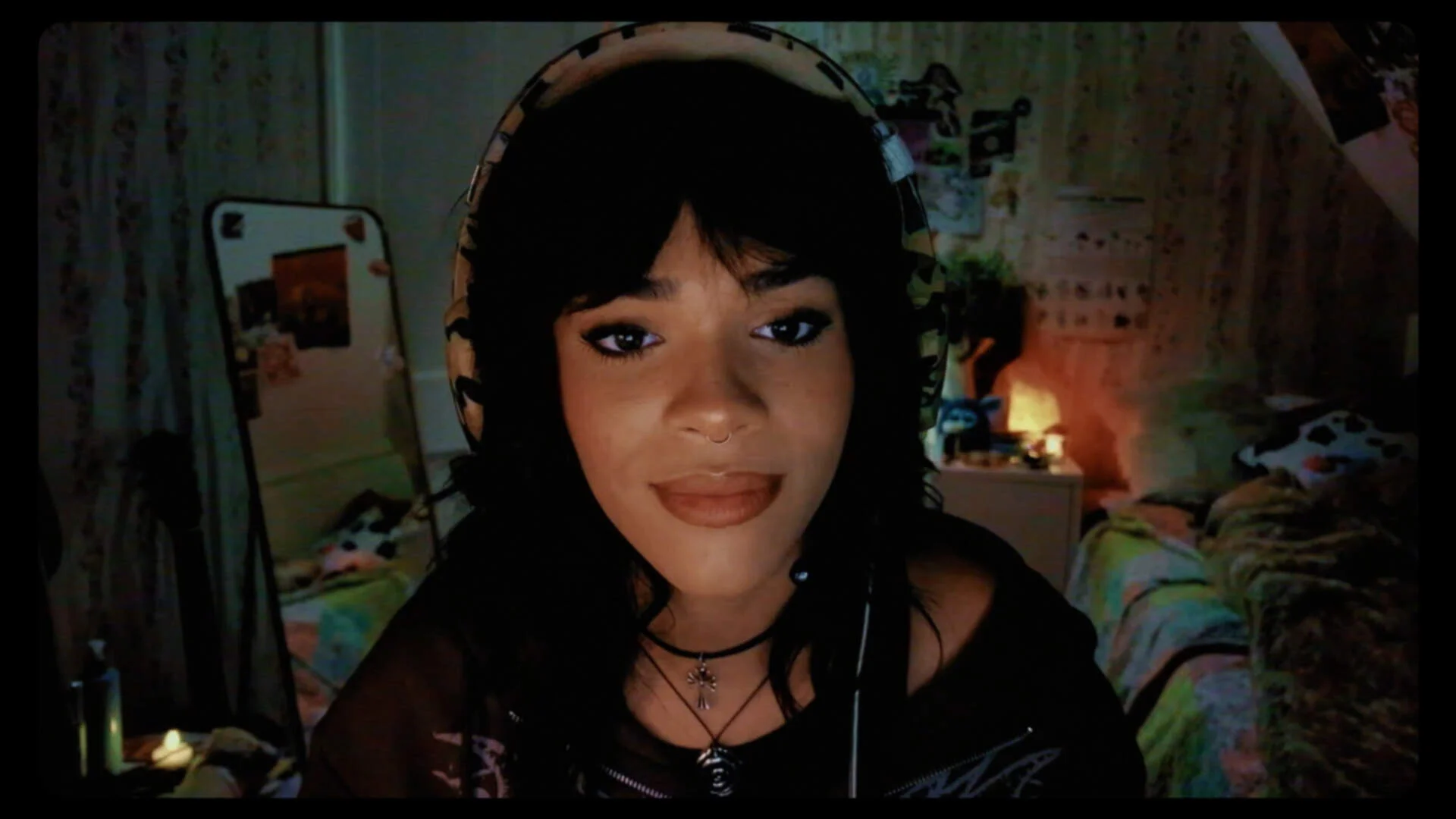
Watching actors in little video windows could easily make their performances feel unimportant. Here, small reactions help distinguish the friends from the information surrounding them. Someone listening is still part of the scene. The cast makes online friendship feel like a real relationship, not an inferior version of meeting in person. The group’s physical separation does not mean they are emotionally indifferent to one another.
Still, recognizing a friendship is not the same as knowing each person well. The film provides reasons for the teenagers to want something different from their current lives, but it spends more time moving the scheme forward. When one complication leads to another, there is less room to understand how a particular friend feels about what they have already done. We can follow their next task more easily than their changing attitude toward it.
That imbalance can leave you worried about the plan more than the people. It is an important limitation for a thriller asking us to stay with this group for the whole movie. We enjoyed their ingenuity without always feeling close to them. Viewers who need to strongly like the main characters may find their reckless decisions more frustrating than exciting. The performances help, but they cannot supply every missing conversation.
Lindsey improves the story; the later complications make it less convincing
Lindsey, played by Jessica Reynolds, is not simply the careless daughter whose social posts let the friends find a way into her father’s finances. She discovers their involvement and uses that knowledge against them. Her demand forces the group to attempt a bigger theft. This is part of the film’s advertised premise, rather than an ending reveal. The teenagers now have someone telling them what to do.
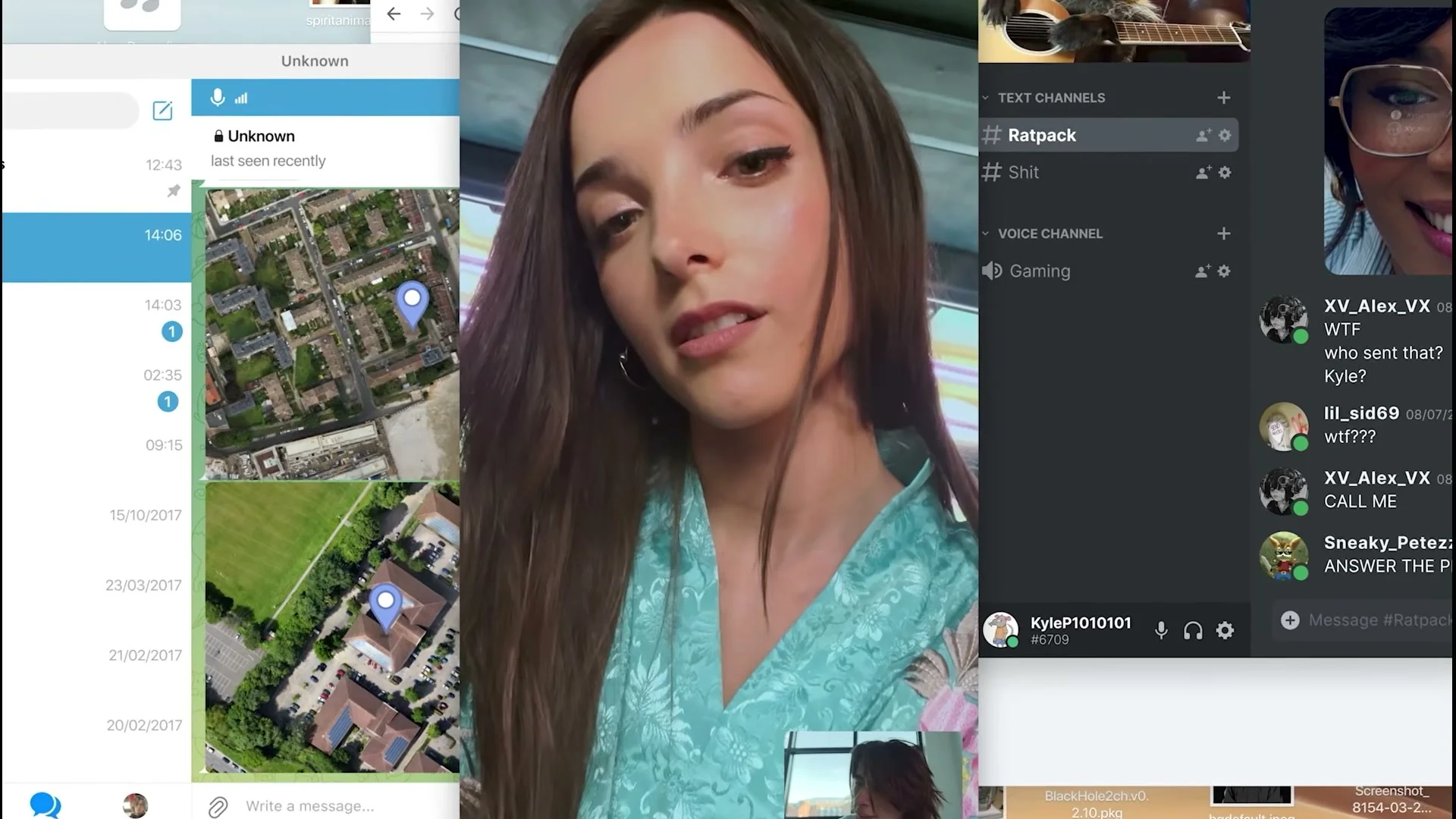
Once Lindsey can expose them, the friends no longer control when to stop. Their original confidence depended on choosing the target and deciding how far to go. That choice becomes much harder when someone else can report them. Reynolds gives the confrontation an assertiveness that the group has not accounted for. The scene’s appeal is not just that she is clever; it is that their assumptions about her have consequences.
The larger operation is more urgent, but also involves more people and separate tasks. Some of that complication is enjoyable. A heist should involve problems that the criminals did not anticipate. Our reservation is that adding another obstacle does not always make the situation more believable. The earlier material is easier to follow because the group’s objective and the immediate danger are more closely connected.
The resolution is also tidier than the characters’ situation deserves. Without describing who succeeds or what happens to the money, the film settles difficult personal questions faster than it develops them. We would have preferred a little more uncertainty about what these friends have learned. A clear account of the outcome is welcome; making their deeper problems feel equally settled is less satisfying.
LifeHack images
3 screenshotsLifeHack is rated R in the US for pervasive language, teen drug use and drinking, and some sexual content or nudity. Its young cast should not be mistaken for a sign that it is aimed at children. The constant use of screens is the more relevant consideration for adult viewers: you are being asked to watch a computer-based story closely, not just listen to a thriller while doing something else.
Our recommendation is stronger for viewers who enjoy watching a plan develop than for those looking for a detailed character drama. The suspense and the cast make the complicated plot worth following, but only just. The divided audience response makes sense to us. Watching several windows at once can make a call exciting, but it can also make the people harder to concentrate on. The film does not always find the right balance.
Pixel Twelve score: 7.0/10 — Good. LifeHack makes its online heist easy enough to understand without reducing everything to an explanation. The friends’ performances and Lindsey’s intervention keep it entertaining. Limited character development and an overly neat resolution stop it from becoming a stronger thriller. Watch it when you can give the screens your attention. Expect a tense criminal scheme rather than a detailed account of the people carrying it out.
Loading results