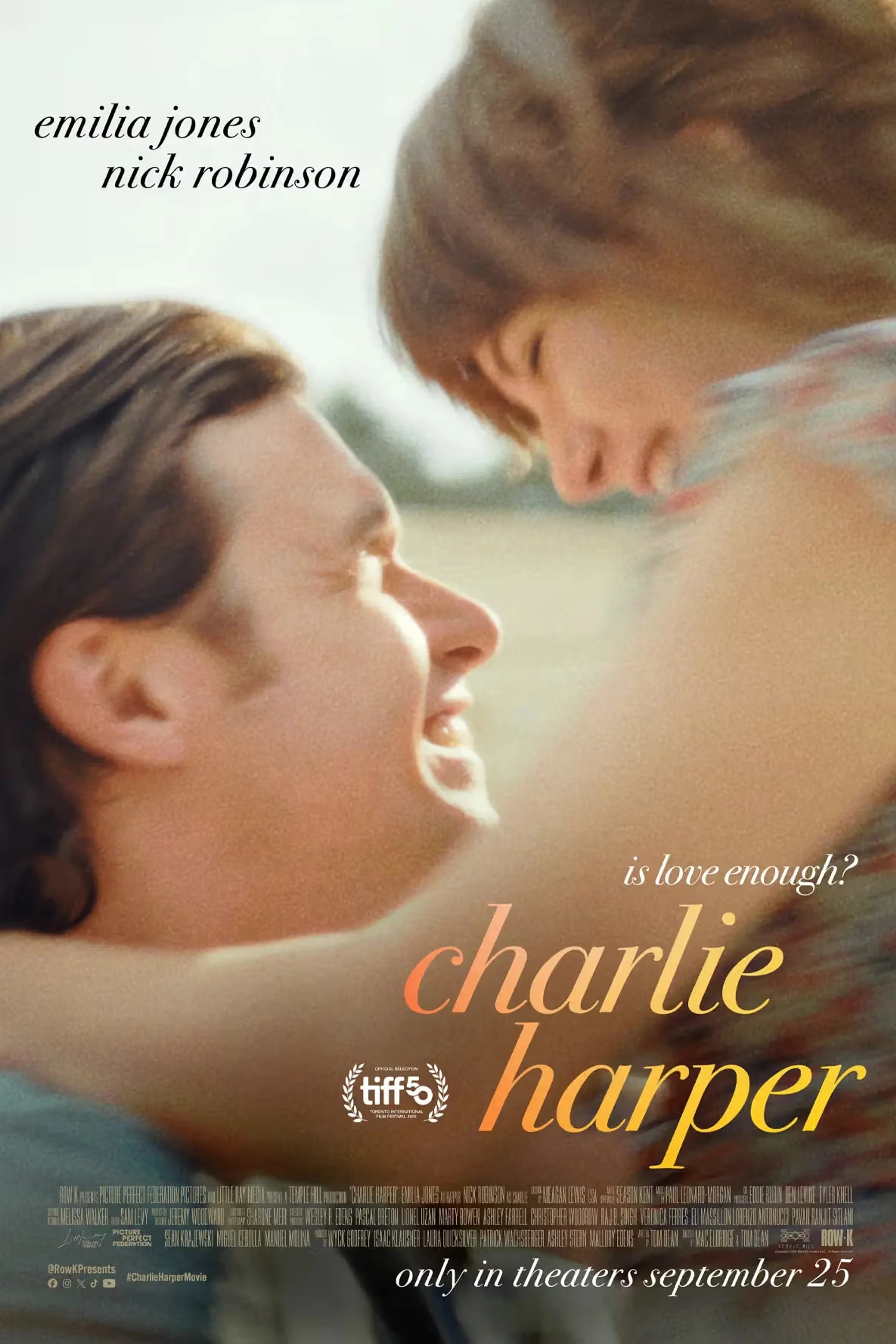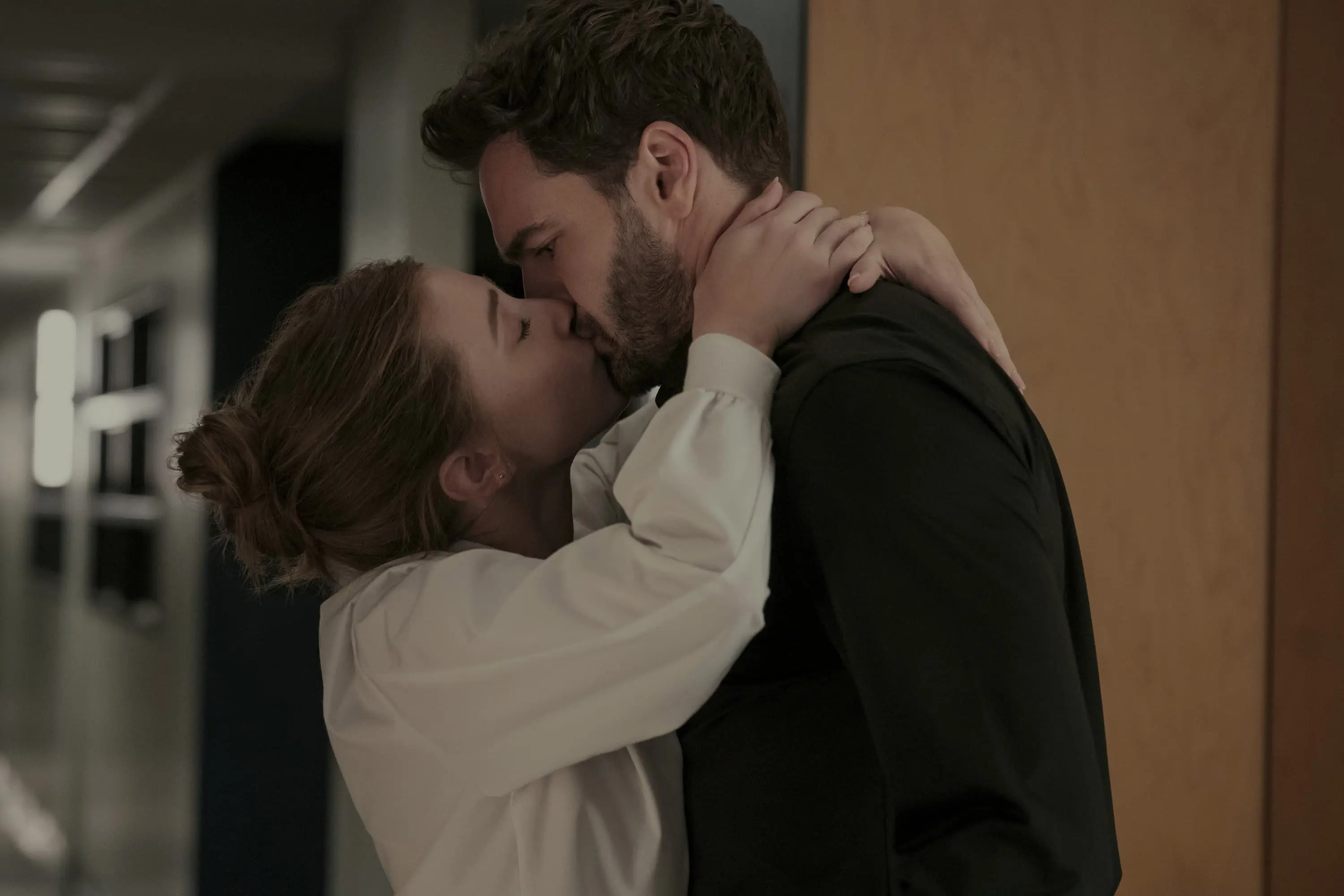

Harper wants to become a chef. Charlie loves her, but he has no real answer when she asks what he wants to do with his own life. Moving to New Orleans gives them a chance to live together and start working toward a future. It also means that being happy in each other’s company is no longer enough. There are jobs to keep and promises to follow through on. Charlie Harper is most interesting when the couple has to deal with those ordinary responsibilities.
Emilia Jones plays Harper, and Nick Robinson plays Charlie. They are easy to like together, particularly when the relationship is still new. Later, Charlie’s drinking becomes harder to ignore and Harper grows tired of waiting for things to change. The actors make those disagreements worth watching. The way the film jumps between different years is less successful: sometimes we are busy figuring out when a scene happens instead of paying attention to what they are saying.
Directed by Mac Eldridge and Tom Dean, the film opens in US theaters on September 25. This is a romantic drama about a difficult relationship, not a light comedy about finding the perfect partner. Our review leaves the ending and major surprises unspoiled. Watch it for Jones and Robinson, but expect an uneven story around them.
It is easy to see why Harper likes Charlie
The two meet at school before getting together later. Music is part of the attraction: they make CDs for each other, choosing songs that can say something they might struggle to say in person. It is a small detail, but it gives their flirting a familiar awkwardness. Neither person can be completely sure that the other hears the same meaning in a song. That is more fun to watch than simply being told they were meant for each other.

Charlie likes poetry, too. His interests give Harper something to be curious about before their relationship becomes a series of arguments. Robinson makes him appealing without turning him into someone who always knows the perfect thing to say. The early affection is believable. When the story returns to a happier moment, we can understand why Harper would still remember that version of him after things get difficult.
Jones is just as important to those scenes. Harper enjoys being with Charlie, but she also has something she wants to do beyond being his girlfriend. Her interest in cooking gives their move a practical reason. She wants to work in a kitchen and eventually have a restaurant. New Orleans is not just a pretty place for them to kiss; it is where she hopes to start that career.
That makes the decision to move more interesting than a simple romantic gesture. Harper has a plan for what happens after they arrive. Charlie comes with her without having an equally definite plan of his own. There is nothing automatically wrong with that. Plenty of people need time to decide what they want. The trouble is that Harper expects them both to start making changes, while Charlie keeps putting his off.
Not having Harper’s ambition does not make Charlie a bad partner by itself. He takes a job printing T-shirts, and a modest job is not a failure. The film becomes more useful when it moves past comparing their careers and shows what Harper actually has to live with. She cannot make plans around promises that keep being delayed. Her frustration makes sense even when we also understand why Charlie dislikes being pushed.
The couple’s affection gives those arguments a reason to matter. We are not watching two strangers who obviously dislike each other stay together because the script needs them to. There are good memories and things they still enjoy about each other. Jones and Robinson make that attachment understandable. We can want the relationship to improve without thinking that another pleasant evening would solve everything.
The drinking is a bigger problem than their different career plans
Charlie’s drinking changes how we understand his reluctance to do anything new. He hides vodka in water bottles, making it possible to drink without openly acknowledging what he is doing. This is no longer just a disagreement about how ambitious someone should be. The hidden alcohol makes Harper’s concern easier to understand. It also gives Charlie something more serious to face than choosing a different job.

Robinson does not need to make Charlie loud or visibly drunk in every scene to show a problem. The quieter behavior is often more upsetting because it can fit into an ordinary day. We see how someone can keep going through a routine while avoiding what needs to change. Charlie can still be affectionate and interesting company. Those qualities do not cancel out the harm of what he is hiding.
Harper’s position is difficult, too. She wants him to be better, but wanting that cannot make it happen. Jones lets her frustration feel personal rather than turning her into a character whose only job is to deliver sensible advice. Harper can love Charlie and still be tired of the same promises. That is the strongest part of their disagreements: she is asking for a future with someone who is struggling to manage the present.
The film is less satisfying when it needs to spend more time with those problems. Drinking and avoiding responsibility help explain why the relationship is in trouble, but recognizing a problem is different from exploring it fully. We wanted more room for the difficult conversations after an argument, when neither person has a quick answer. The repeated contrast between happier days and unhappy ones can take the place of that harder work.

Charlie’s struggles deserve more attention outside the romance. Too much of what we learn about him is organized around whether he can be the partner Harper needs. That limits the character. His drinking matters even when she is not in the room, and his future should matter beyond whether they can stay together. Robinson suggests a more complicated person than the film always makes time to follow.
Harper could use more of that space as well. We know what she wants professionally, but the couple’s problems dominate our time with her. The friends and relatives around them get much less attention. Keeping the focus on two people can make a romance feel close and personal. Here, it also leaves us wanting to know more about who each of them is when they are not trying to understand the other.
Still, the performances keep the arguments from becoming completely repetitive. Jones can show disappointment without making Harper seem indifferent. Robinson makes Charlie’s resistance uncomfortable rather than simply cool or rebellious. Neither actor asks us to stop caring about the other person. We can understand the hurt on both sides without deciding that every choice they make is equally fair.
The jumps through time sometimes get in the way
Charlie Harper does not show the relationship from beginning to end in a straight line. It moves between different stages, including the early attraction and their later difficulties. The film also changes the width of the picture and uses strong red and blue lighting in scenes where the couple looks back. These choices help separate parts of the story, but they do not always make the order of events easy to follow.
There is a good reason to show a happy memory after a painful argument. It reminds us that the relationship was not always like this. The better scenes from the past help explain why leaving would be difficult. They are not evidence that the current problems are small. The film understands that people can remember a lovely moment accurately and still disagree about what the relationship became.
Charlie Harper images
3 screenshotsThe trouble comes when another change of time interrupts a scene we want to stay with. We have to work out where the couple stands again before we can settle into the conversation. A complicated order does not necessarily give us a deeper understanding of them. Sometimes the simpler choice would have been to keep watching the same encounter and let the actors finish showing us what is wrong.
The spoken explanations can also tell us more than we need. Jones and Robinson are already showing affection, embarrassment and disappointment through their reactions. Adding commentary about the relationship can make those feelings sound tidier than they look. The film is more convincing when it lets their behavior be awkward or contradictory without immediately explaining what we should take from it.
Whether those interruptions bother you will depend partly on what you want from a romance. If you enjoy watching two good actors handle attraction and hurt, there is enough here to make a visit worthwhile. If you want a detailed look at addiction or at building a career while young, the film only goes so far. Those subjects affect the couple, but the romance gets most of the attention.
Pixel Twelve score: 6.5/10 — Fair. Jones and Robinson make us believe in the affection that keeps Harper and Charlie trying. We also appreciate that their problems involve everyday choices, not just one convenient misunderstanding. But the jumps through time interrupt too many conversations, and the film could give both people fuller lives beyond the relationship. It is worth considering for the cast and the sadder side of romance, rather than for a particularly fresh story about growing apart.
Loading results