
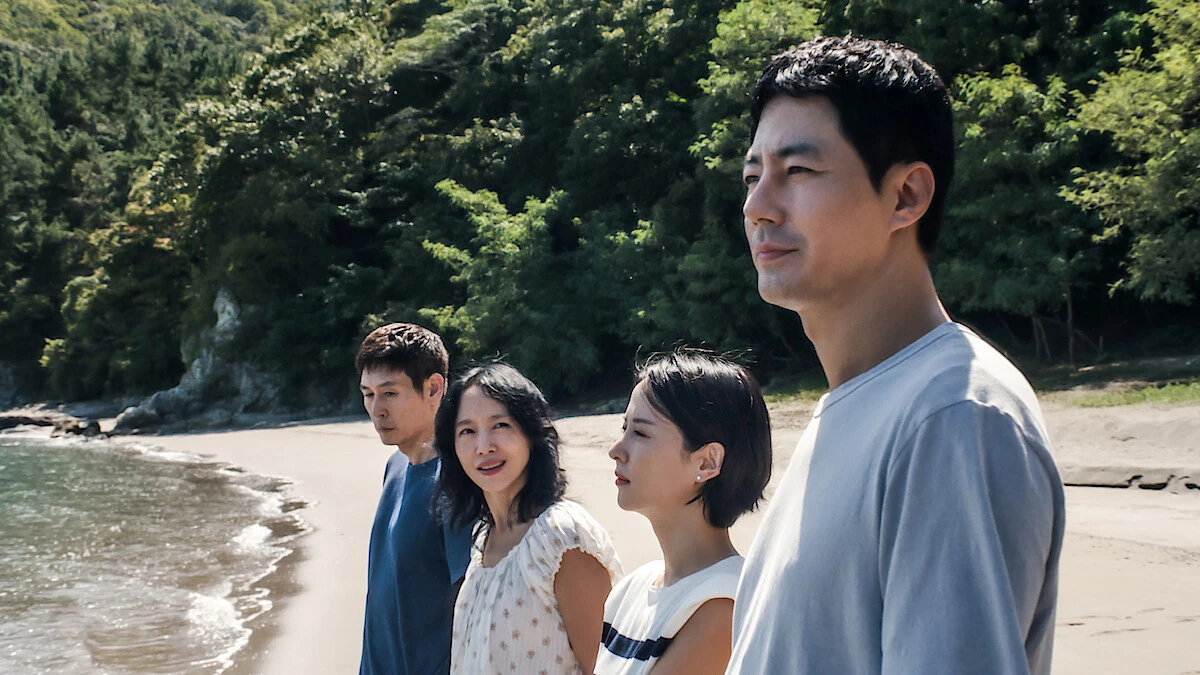
Mi-ok agrees to let a filmmaker record what happened to her family after her husband lost his job. It could be a chance for someone to listen. It could also mean being asked to explain the worst part of their lives to a woman who can stop filming and go home to financial comfort. Possible Love makes that difference uncomfortable long before anyone openly argues about it.
The Korean drama follows Mi-ok and her husband Ho-seok as they become friends with documentary director Ye-ji and her wealthy husband Sang-woo. Their marriages and Mi-ok’s young son are affected by the new relationship. Lee Chang-dong, directing his first film since Burning, takes his time introducing them. You do not need to know his earlier work or understand filmmaking to follow the problem: one couple needs help, while the other gets to decide how to provide it.
Jeon Do-yeon gives Mi-ok enough humor and impatience to keep her from becoming simply an example of hardship. Her performance is the best reason to commit to this long film. The conversations gradually become more personal, and more difficult to watch without choosing a side. Some later scenes make their point too obviously, but the relationship between the two women remains worth following. This review discusses the setup without revealing the ending.
Mi-ok wants someone to listen; Ho-seok cannot explain what happened
Ho-seok used to work in a factory. When employees resisted job cuts, the dispute led to a violent confrontation that left him deeply distressed. Losing the job was not the end of that experience. He now struggles to speak about it and has withdrawn from people around him. Mi-ok continues working and tries to find support among other families. They have a young son, Cheol, who lives with the effects of both parents’ difficulties.
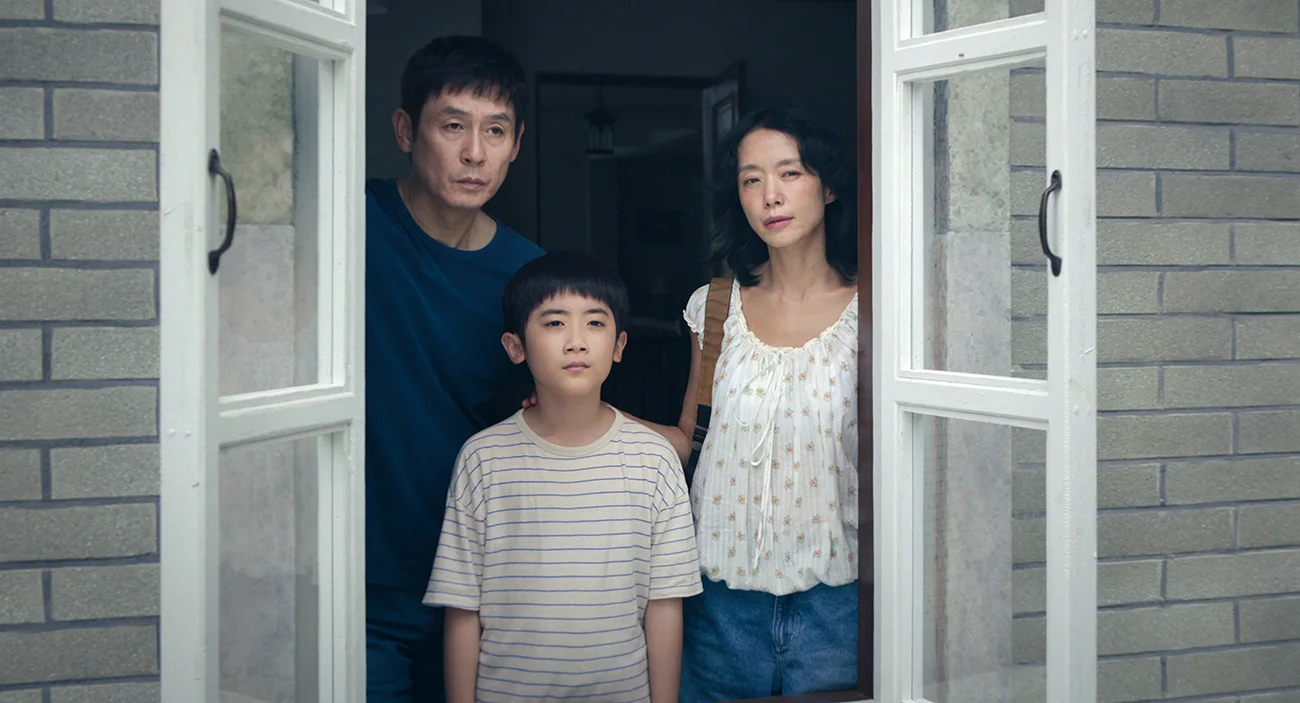
At a memorial gathering, Mi-ok meets Ye-ji, who is making a documentary about the workers. A documentary uses real people and events rather than a cast acting out an invented story. Within Possible Love, that gives Ye-ji a reason to ask personal questions. Mi-ok is willing to answer some of them. Ho-seok finds the same request much harder, even when he has agreed to participate.
Ho-seok’s silence is a problem for Ye-ji’s film, but it is not something he owes her an answer to. That distinction makes the interviews uncomfortable. A filmmaker needs someone to describe an experience so an audience can understand it. The person being filmed may not be able to do that on request. Sul Kyung-gu makes the pauses difficult rather than theatrical. Ho-seok does not become easy to understand just because a camera is ready.
Lee gradually shows more of the couple’s past. These scenes give us reasons to reconsider Ho-seok’s present behavior rather than treating his quietness as a complete description of his personality. We learn about the circumstances that changed him. The flashbacks make the marriage more specific than a story about a permanently unhappy man and his patient wife. Mi-ok remembers someone we are only beginning to know.
There is a cost to introducing the story this slowly. The early interviews explain a great deal before the relationship between the couples becomes involving. Viewers waiting for a more immediate conflict may find this stretch hard to settle into. We felt more engaged when the characters began spending time together outside the filming. Their behavior then told us things that a direct answer to an interview question could not.
Cheol receives much less dialogue than the adults, but his presence is important. His father’s difficulties do not remain private between husband and wife. The boy has to live around them without having the language or authority to change the situation. Keeping Cheol in the story prevents the family’s hardship from becoming only an argument between adults. He gives the parents’ choices an immediate consequence beyond how they feel about each other.
The friendship becomes harder to trust when the camera stays involved
Ye-ji has more money and more freedom than the people she is filming. Her husband Sang-woo is a successful businessman, and financial security shapes what both of them take for granted. Cho Yeo-jeong does not play Ye-ji as someone who is obviously pretending to care. She can enjoy Mi-ok’s company and want to make a worthwhile documentary. Neither intention automatically makes her considerate.
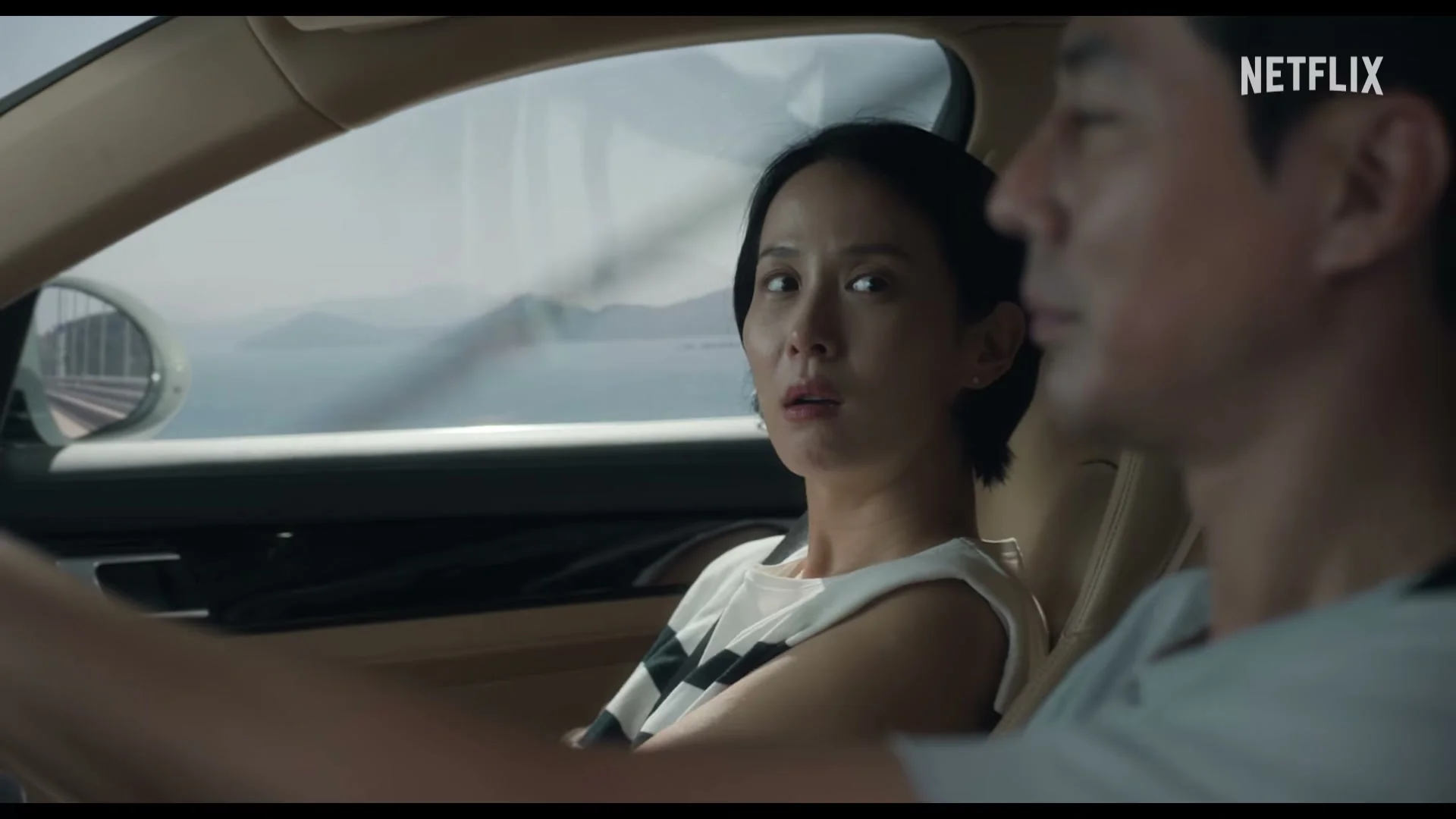
Ye-ji’s genuine affection does not cancel out her control over the filming. She chooses when to ask a question and when to record an answer. For Mi-ok, refusing can also mean disappointing someone who has become a friend. That makes the arrangement harder to judge than a simple case of a dishonest filmmaker deceiving an innocent subject. There is something real between them, but they do not have equal freedom within it.
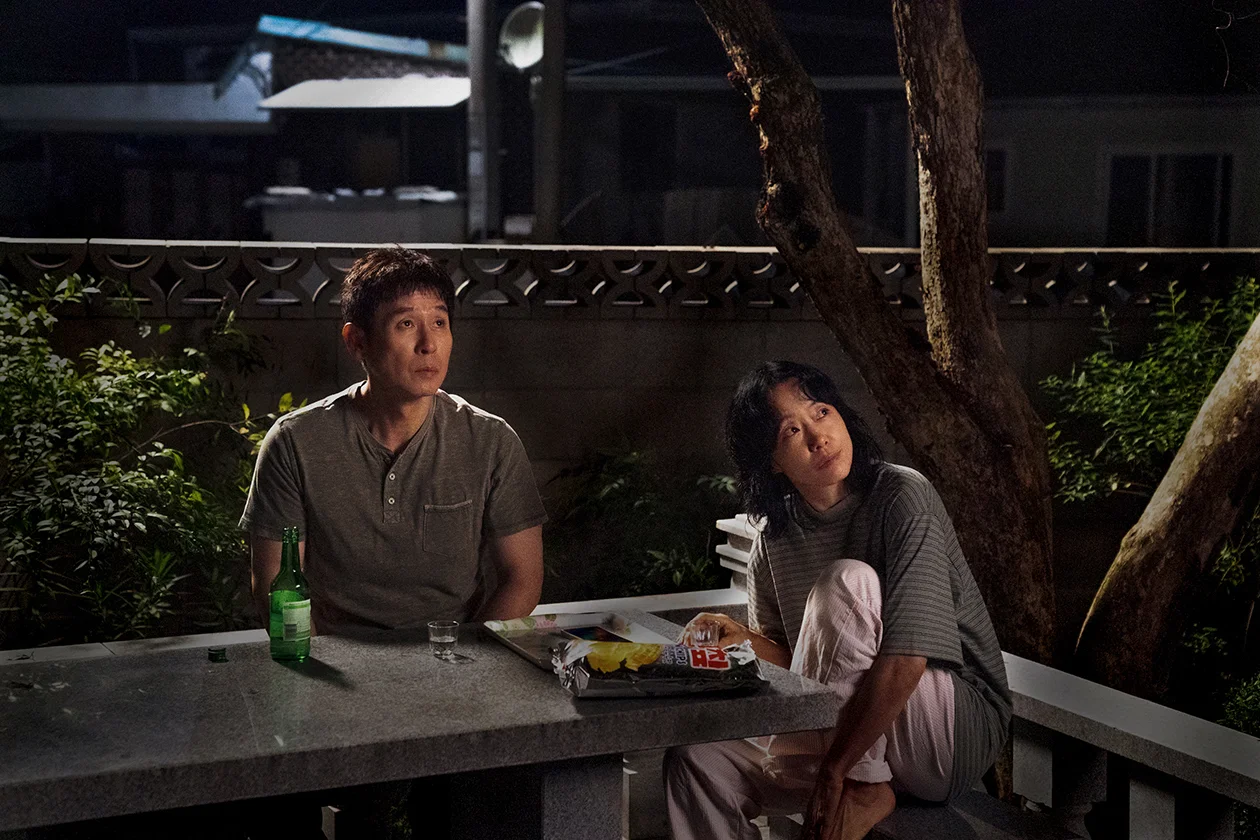
A dinner together lets the two women behave less formally. They drink and laugh while their husbands are present, and the conversation becomes more relaxed than the interviews. These scenes matter because we need to see why Mi-ok would want to spend time with Ye-ji. If every meeting were unpleasant, continuing the friendship would make much less sense. Jeon and Cho are particularly good at making the company enjoyable without making the differences between the women disappear.
Mi-ok notices how Ye-ji dresses and how easily she moves through situations that make Mi-ok nervous. Admiration is part of the friendship, not proof that Mi-ok lacks judgment. She can like another woman’s confidence while recognizing that expensive clothes might be an insensitive choice when interviewing people struggling to pay their bills. Mi-ok is allowed to want more without being treated as foolish for wanting it. That makes her a more interesting character to spend time with.
Jeon changes how openly Mi-ok speaks as the relationship develops. The change is not a neat transformation from helplessness into confidence. Her willingness to challenge something can exist alongside embarrassment or a desire to keep the peace. We appreciate that inconsistency because it gives each conversation a different difficulty. Knowing that a remark is unfair does not mean she will immediately know how to answer it.
Sang-woo creates a different kind of tension. He has the confidence of someone whose opinions are usually given attention, and he does not always recognize when that confidence becomes dismissive. Mi-ok’s interest in him complicates her friendship with his wife. Attraction does not make the difference in their circumstances less important. It gives Mi-ok another reason to stay involved with people whose behavior can make her uncomfortable.
The film occasionally shows us material recorded for Ye-ji’s documentary. Those changes remind us that the family is being watched for two different purposes. We are following fictional characters in Lee’s drama, while Ye-ji is recording people she considers documentary subjects. Seeing her camera at work makes it harder to forget the original arrangement once everyone starts calling one another a friend.
The long visit exposes the differences, sometimes too obviously
Ho-seok and Mi-ok’s marriage remains central even as the wealthier couple becomes more involved. He finds conversation difficult, while she keeps trying to make contact with people. Sul and Jeon do not make that difference mean they have stopped caring about each other. Their relationship is more convincing because affection does not solve their difficulty communicating. You can understand why they stay together without believing that understanding alone will improve their daily lives.
Later, the families spend time at Sang-woo’s beach house. Changing location does not remove the inequality between them. The hosts own a place where they can take a break; their guests are visiting somewhere they could not ordinarily afford. The difference affects how easily each person can behave. We will leave the visit’s outcomes for the film to reveal, but the arrangement makes even an invitation to relax feel complicated.
That is also where some of the writing becomes less convincing for us. Sang-woo’s business talk and his attention to his phone can state his priorities more bluntly than necessary. The repeated demonstrations of his insensitivity are less interesting than Ye-ji’s mixed motives. We preferred having to decide what a character meant, rather than being shown another unmistakable example of someone behaving badly.
The film runs well over two and a half hours. Much of that time lets a conversation develop beyond its first polite exchange, which is essential to the friendship. But the slower opening and the extended final stretch both demand patience. A shorter film would lose some useful detail; this version also contains pauses that do not feel equally revealing. The strong performances do not make every minute equally absorbing.
Possible Love images
3 screenshotsThis is a relationship drama, not a fast thriller about an evil rich family. It is most rewarding if you enjoy watching people revise their opinion of someone they thought they understood. The Korean dialogue and the attention given to long conversations also make it a film to watch closely. Background viewing would miss too much of what the actors are doing while someone else speaks.
Possible Love opens in South Korean theaters on September 23, 2026. Its US and UK theatrical release follows on October 23, with Netflix’s global release on November 6. In the US it is rated R for language, some sexuality and nudity. The story also deals with the lasting effects of violence and unemployment. The warmth of the friendship does not make this a light romance.
Pixel Twelve score: 8.6/10 — Great. Jeon Do-yeon and Cho Yeo-jeong make the friendship worth caring about even when its terms become uncomfortable. Sul Kyung-gu gives Ho-seok’s difficulty speaking real importance without turning it into a mystery to solve. The demanding length and some overly obvious behavior from Sang-woo keep our enthusiasm qualified. For viewers willing to give the conversations time, the film offers a thoughtful and often painful account of people trying to become close without being equals.
Loading results