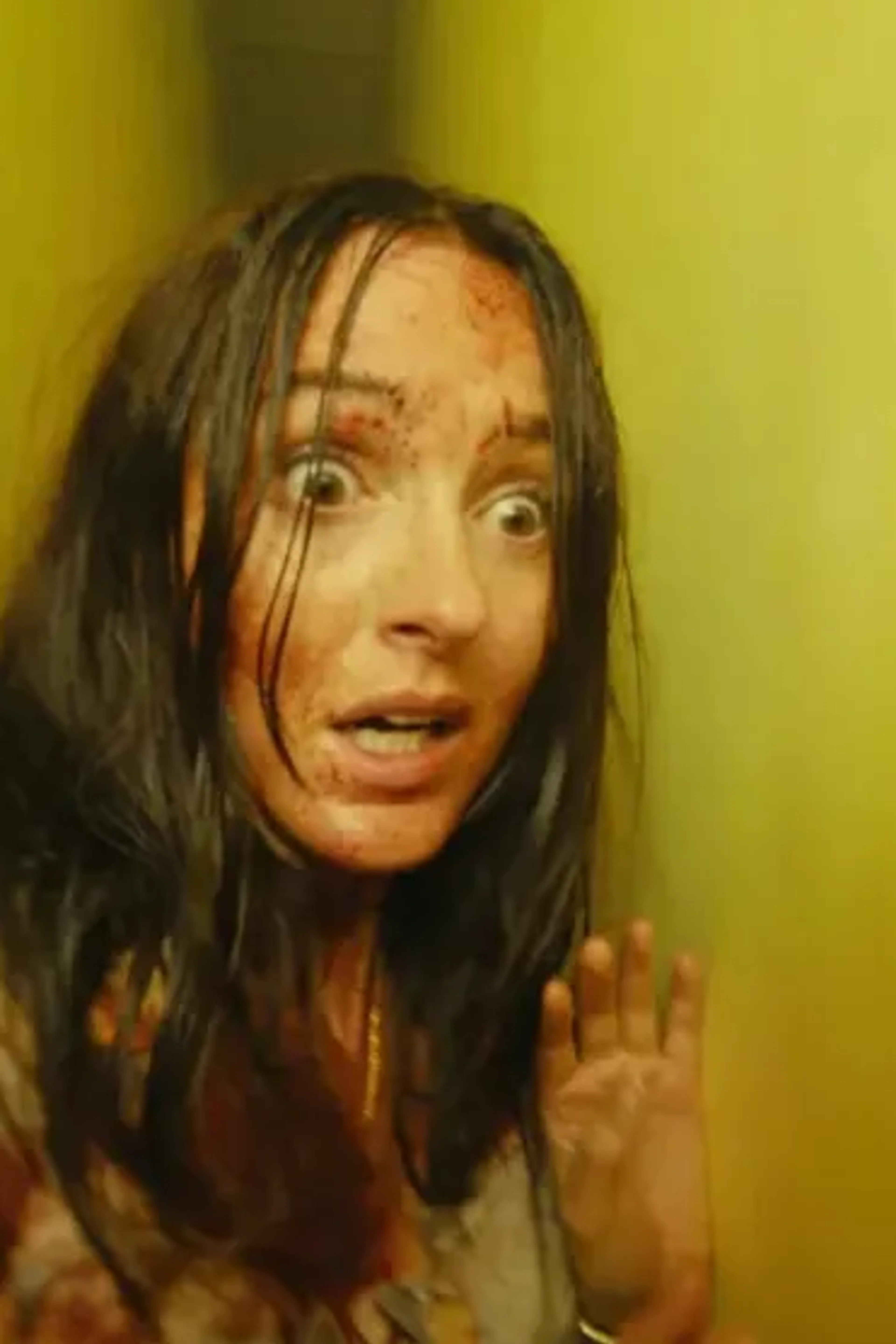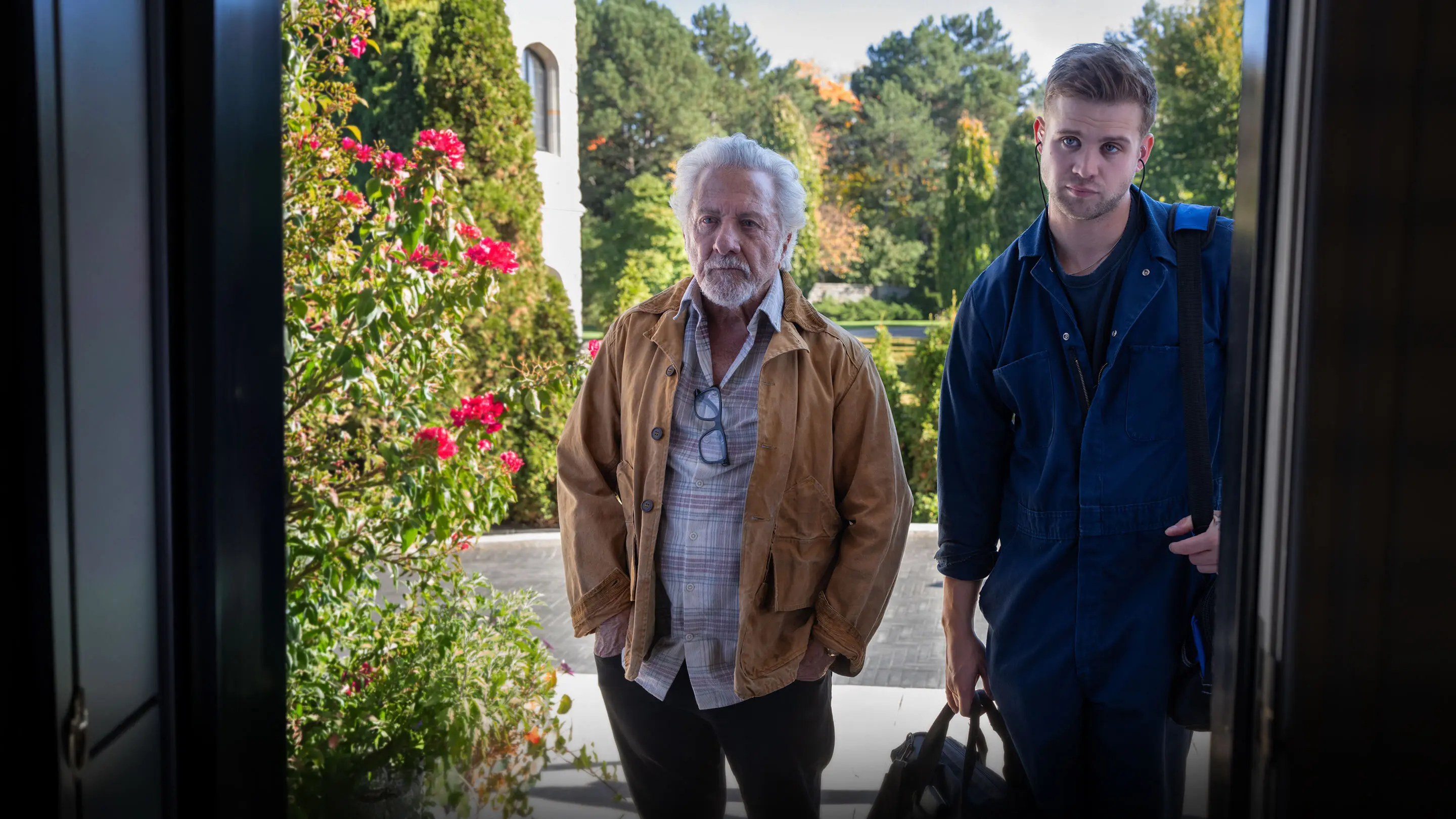
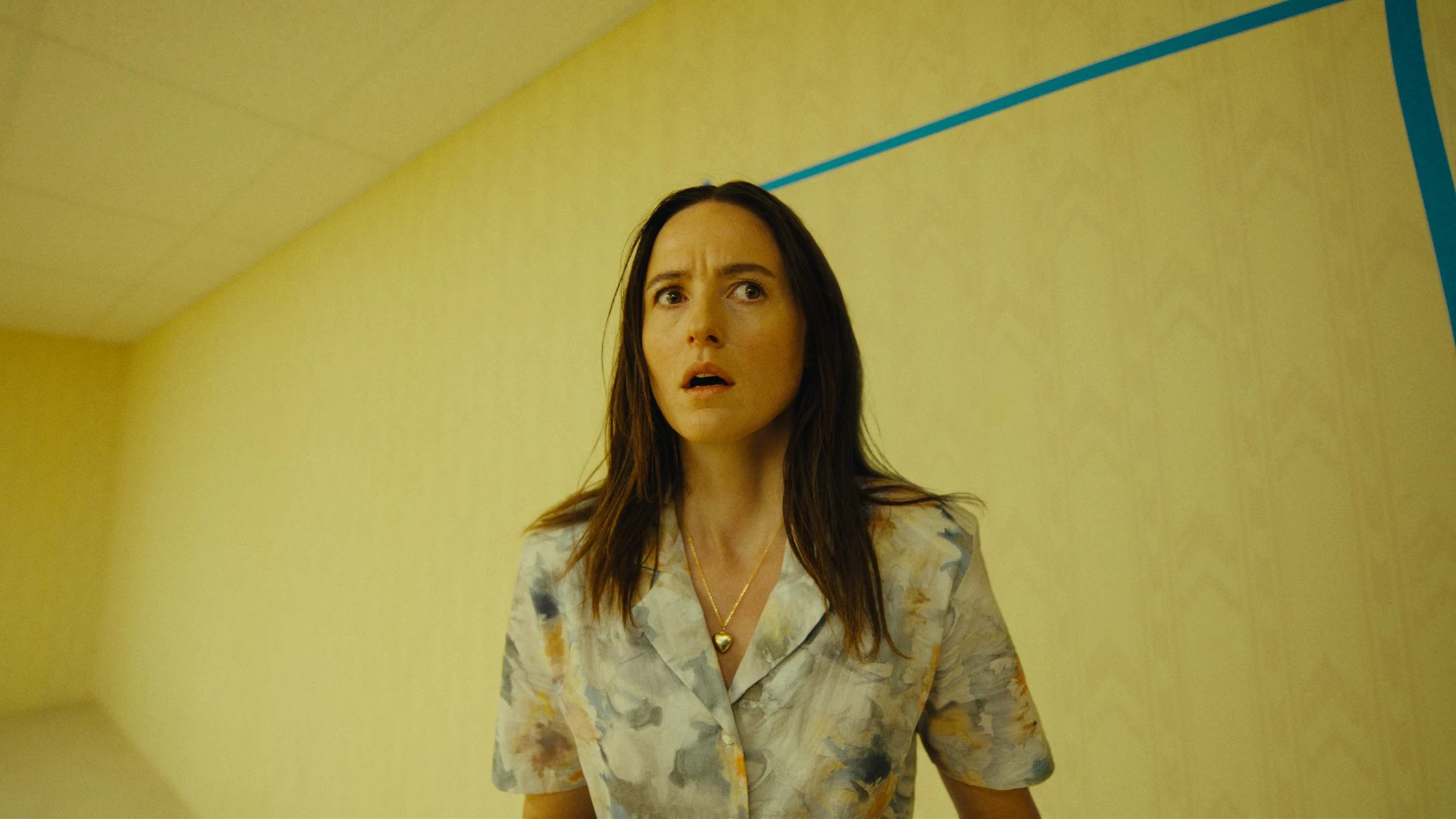
Clark owns a furniture store, and something is wrong with its basement. A passage through the wall leads into rooms that cannot possibly fit inside the building. They have yellow wallpaper and office ceiling lights, but no obvious purpose. Clark wants to find out how far they go. Watching him investigate is both fascinating and frustrating: we want to see the next room, even when he should be leaving.
That curiosity is the best reason to watch Backrooms. Director Kane Parsons turns a familiar-looking indoor space into somewhere we would hate to get lost. Chiwetel Ejiofor plays Clark, while Renate Reinsve plays his therapist, Mary Kline. When Clark disappears, Mary searches for him and encounters the place he has been trying to describe. The film becomes less convincing when it starts explaining the characters’ emotional problems, but its exploration scenes are difficult to stop watching.
You do not need to have watched the YouTube series. Parsons previously made short horror videos about people entering this seemingly endless maze. His feature gives newcomers a separate group of people to follow and an understandable starting point. This review covers the standard theatrical film, not the extended Everything Must Go version, and leaves the ending and major discoveries unspoiled.
Clark’s discovery is easy to understand, even without the videos
The story takes place in 1990. Clark has separated from his wife and is living in his furniture store. His appointments with Mary establish a man who has trouble connecting with other people. Ejiofor does not play him as an obviously dangerous stranger. There is awkwardness in the way he talks, but also an eagerness to share something important. That combination becomes more troubling after he discovers the passage.
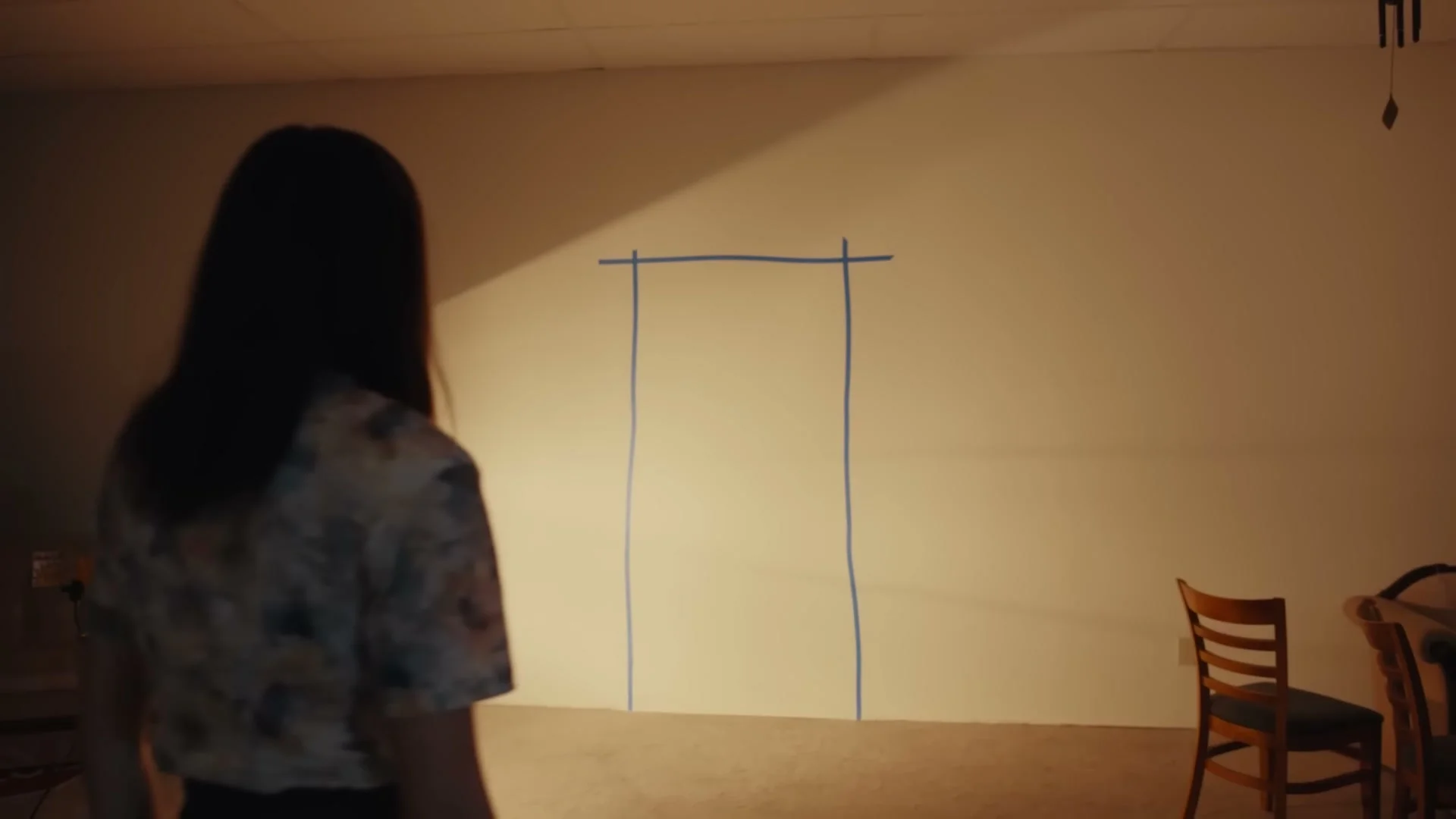
At first, the entrance looks too ordinary to lead anywhere remarkable. The contrast with what is behind it is effective: this is not a giant gate announcing that a monster lives on the other side. Clark can approach it from the same sort of room where someone might compare sofas. The connection to his everyday workplace makes the discovery more unsettling. The dangerous place is immediately accessible, rather than somewhere he must travel across the world to reach.
Clark tells Mary about it. She has reason to worry about his state of mind, so their conversations involve more than deciding whether a strange story is true. She is listening to someone she has been trying to help. Mary listens carefully, but Reinsve lets us see when she is worried or doubtful. We understand why she would take Clark seriously as a patient without immediately accepting everything he says.
Ejiofor is especially good at showing Clark’s attraction to the discovery. He has found something that interests him more than his unhappy routine. That does not excuse ignoring danger, but it gives the decision a personal reason. A man who is simply dragged through a doorway would be easier to sympathize with and less interesting to watch. Here, part of the discomfort comes from wondering how much Clark actually wants to return to his normal life.
The early scenes do not immediately explain everything about Clark’s behavior. We can recognize loneliness without accepting every choice it leads to. Mary is also more useful to the story as a person who knows Clark than as someone who could deliver explanations about him. Their conversations give the search a reason beyond curiosity about the building. Someone is missing, and someone who knows him has to decide how far to go looking.
The yellow corridors are frightening before anything attacks
Inside, the basic problem is finding a route through rooms that look alike. Walking forward does not mean getting closer to an exit. A wall can hide another passage, and an open room can lead to several more. The danger is understandable without a guide to the series: once the entrance is out of sight, recognizing the way back becomes difficult. The film lets us spend time looking around instead of explaining every detail as soon as it appears.
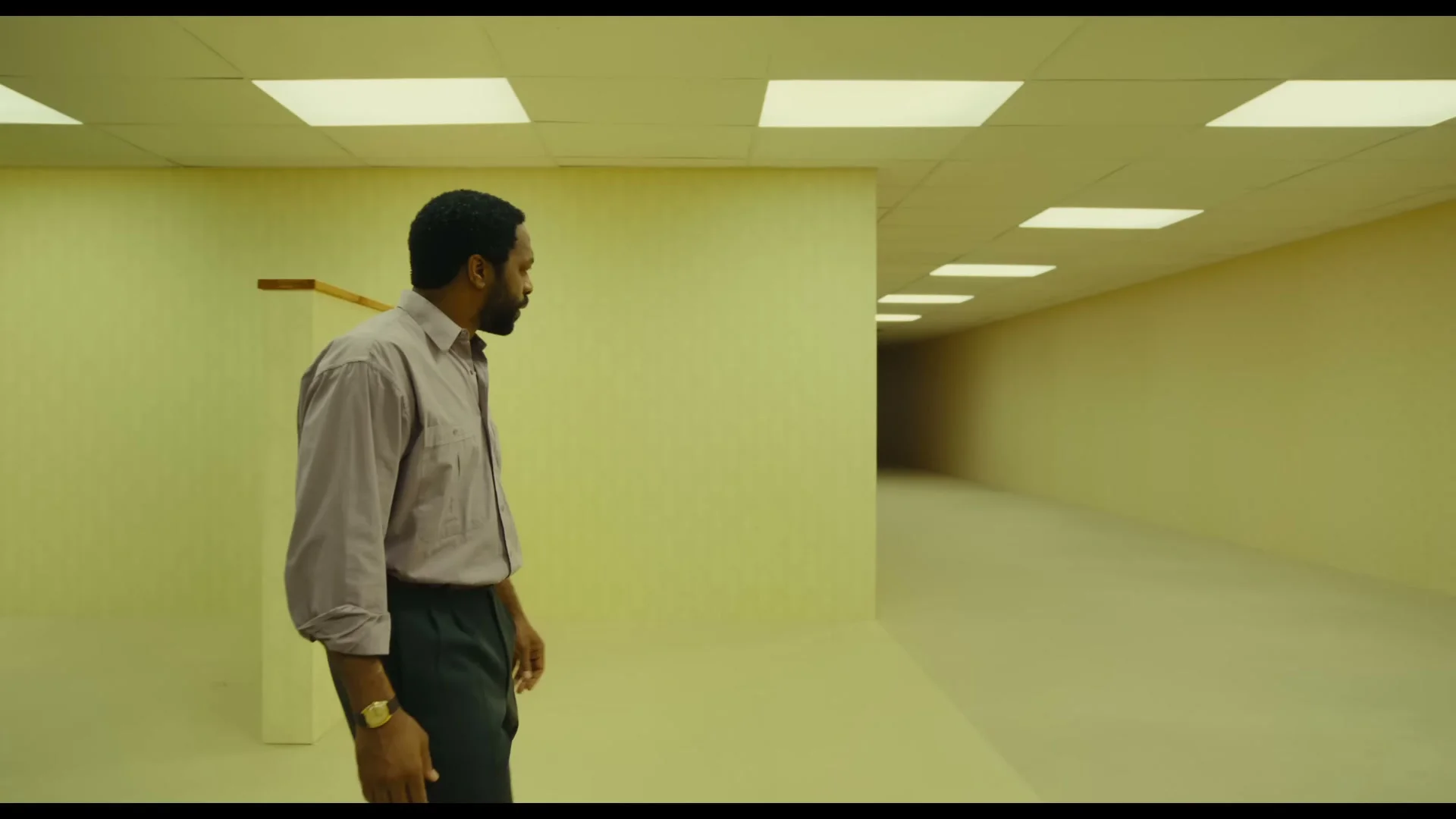
Look at the corridor beside Clark in the image above. Its lights repeat into the distance, while the near wall blocks the view to his left. We can see a long way in one direction and almost nothing in another. Parsons uses that limited view to keep us looking for movement. Bright lighting does not remove the uncertainty. It only makes it harder to blame our discomfort on the room being dark.
Other rooms contain objects that belong in ordinary buildings but have been placed strangely. Wooden chairs sit apart from each other or form a pile against a wall. Instead of giving the room an obvious function, the furniture makes us wonder who arranged it. The practical sets are a major strength. The actors can move through these spaces, and the repeated walls remain convincing even when the layout becomes impossible to understand.
Some sequences use the image from a handheld video camera carried into the rooms. This is what horror fans mean by found footage: we watch a recording made inside the story rather than only the film’s usual camera view. The rougher picture and restricted frame suit the exploration. We see what the person filming notices, and a turn of the camera can leave a previously visible passage completely off-screen. It is an effective change in how much information we receive.
Sound also gives us something to worry about before there is anything definite to look at. The hum of the lighting belongs to the room, but other noises suggest activity farther away. We cannot immediately place their source. The strongest passages allow that uncertainty to last. A sudden scare can end a moment of waiting; here, the waiting itself is often the more uncomfortable part.
This is not a film built around a constant series of attacks. Anyone expecting a fast chase through every new room may find the pauses too long. We prefer the slower exploration because the surroundings keep changing what we expect to find. There are threats beyond getting lost, but revealing them is not the only way Parsons holds attention. The rooms already create a practical question: which direction would you choose if every corridor looked equally unhelpful?
The emotional explanations are less convincing than the search
Clark is not the only person involved in investigating the space. Kat, an employee at his store, and her boyfriend Bobby help explore it. Lukita Maxwell and Finn Bennett give those roles a more casual energy than Clark’s increasingly intense interest. Their involvement also stops the discovery from existing only inside his conversations with Mary. Other people can enter, react and face consequences.
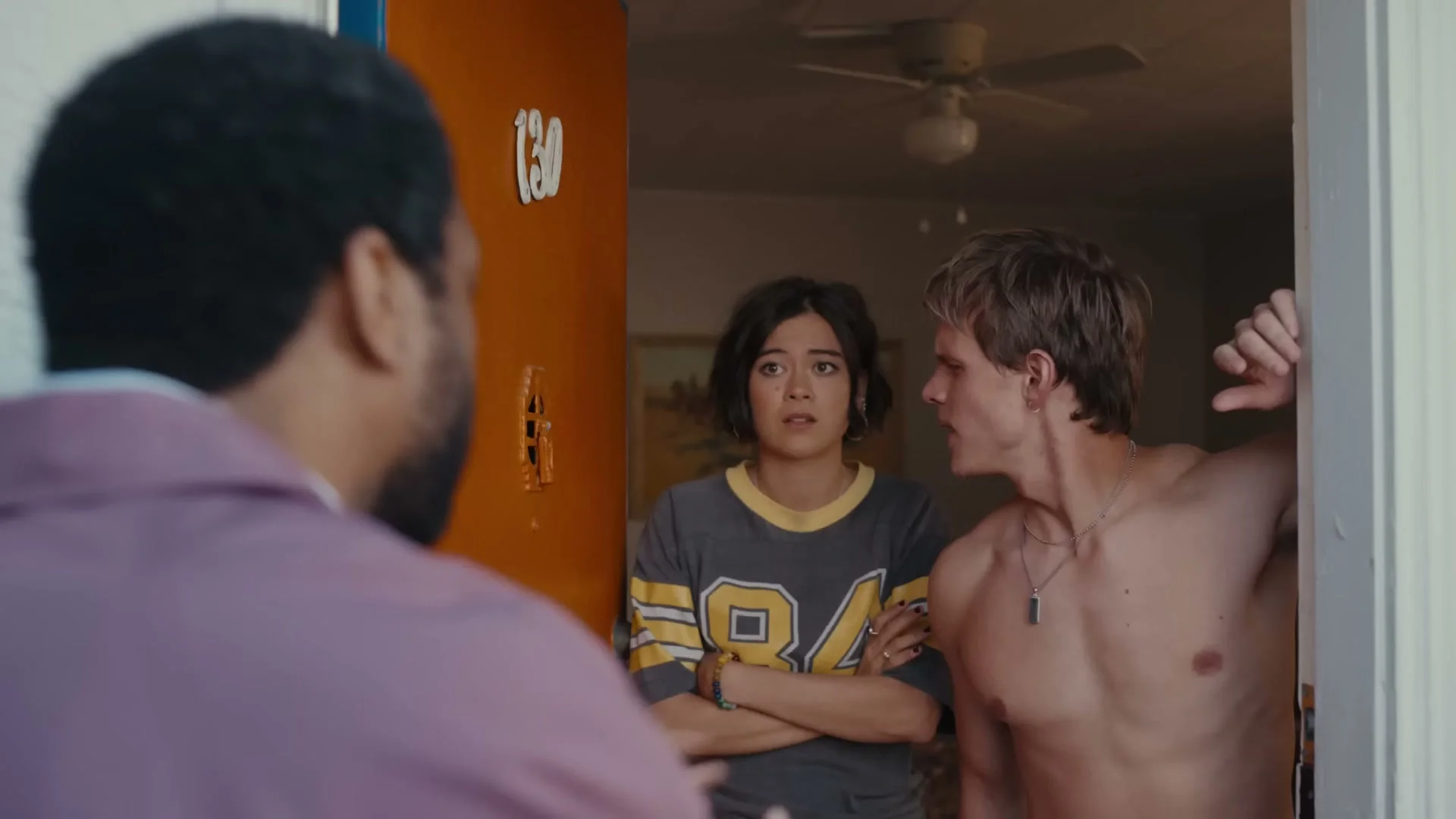
The supporting characters help establish that difference in attitude, but Clark and Mary get more attention than Kat and Bobby. Ejiofor has time to make Clark’s interest uncomfortable and sympathetic. Reinsve shows Mary trying to help in a situation her professional experience cannot prepare her for. We care more about what happens to those two people than about learning a complete set of rules for the place.
As Mary’s search continues, the screenplay connects the strange events more directly to painful experiences in the characters’ lives. Giving her a past is not the problem. The difficulty is how explicitly the later dialogue asks us to interpret what we have seen. The explanations interrupt tension that the rooms and performances have already established. Instead of watching Mary respond to immediate danger, we spend more time being told how to understand her emotional situation.
That shift also makes the film less surprising. The physical setting is unusual, but the idea of a horror story expressing someone’s unresolved pain is familiar. Backrooms does not always find an equally distinctive way to develop that part of its story. Reinsve remains convincing, yet the writing sometimes reduces a difficult feeling to an explanation when her reactions could have communicated it more naturally.
Backrooms images
3 screenshotsThe ending is another reservation. We will not describe its events, but it leaves important questions open without giving the immediate story an entirely satisfying finish. Keeping the origin of the rooms mysterious is reasonable; explaining every wall would make them less frightening. The disappointment concerns the people we have been following. Their story needs a stronger sense of completion than the film provides.
That matters when choosing whether to watch. If you enjoy exploring an unfamiliar place and discussing what its unanswered details might mean, there is plenty to appreciate. If the main attraction is a mystery with firm answers at the end, the frustration is more likely to outweigh the suspense. The same long passages that allow us to study the rooms can feel slow if their appearance does not interest you.
Pixel Twelve score: 7.7/10 — Good. Backrooms earns our recommendation through Ejiofor and Reinsve’s performances, the convincing physical spaces and the patient exploration. We place more value on those sustained strengths than on getting an explanation for every strange detail. Still, the late dialogue and incomplete-feeling conclusion keep our enthusiasm below the film’s best scenes. Watch it for the experience of entering those rooms with Clark and Mary, not for a promise that every question will be answered.
Loading results