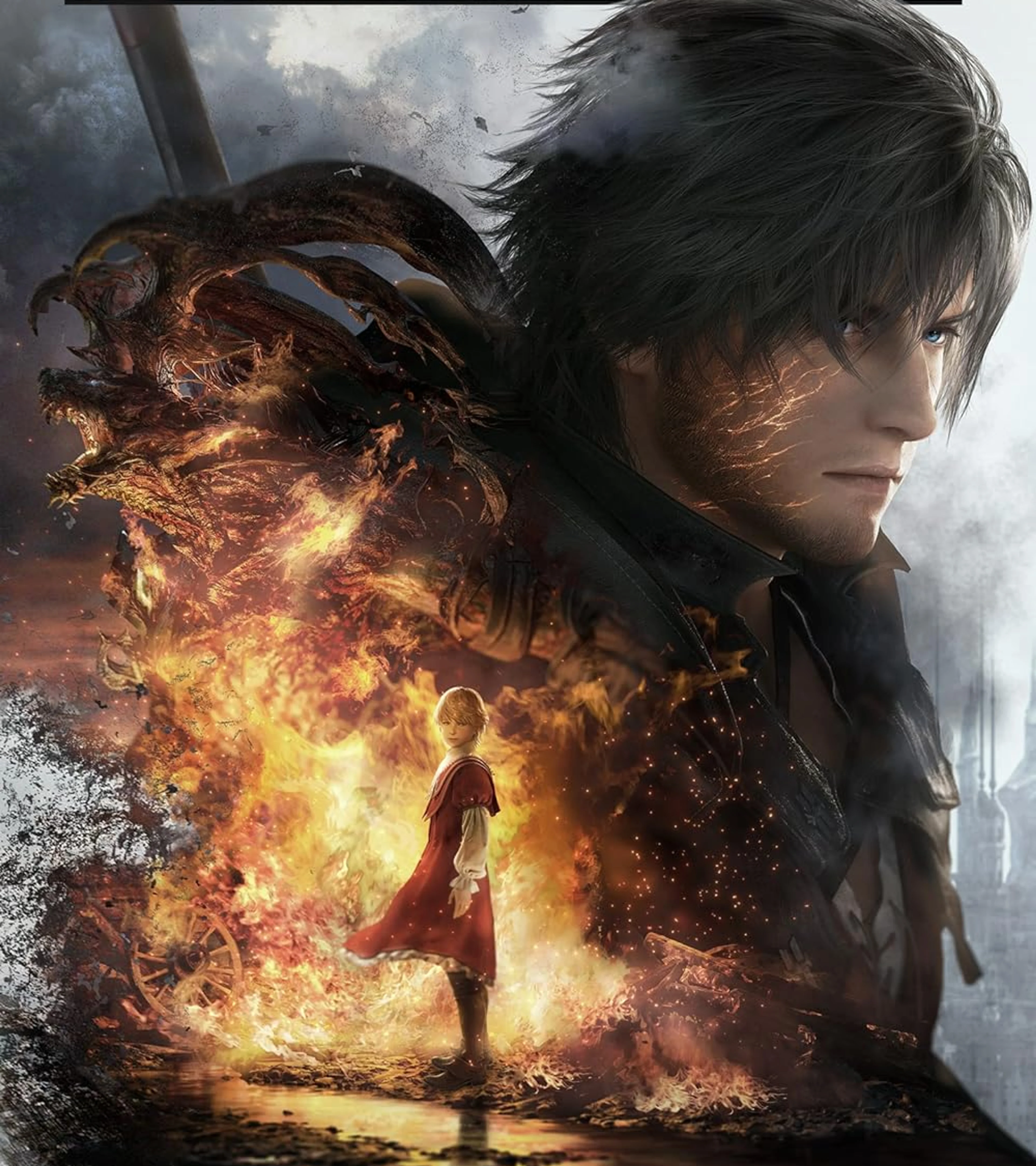
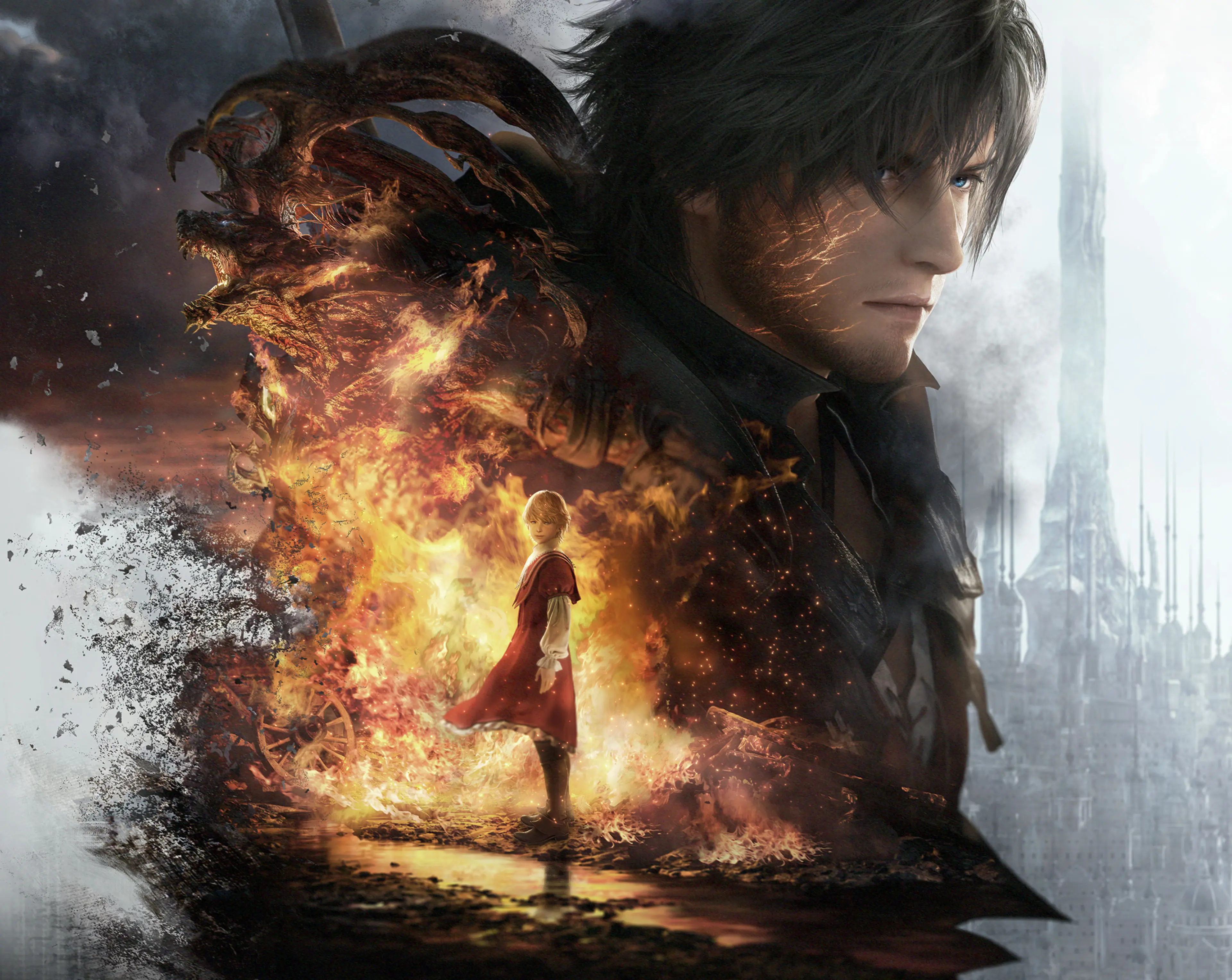
Final Fantasy XVI joining PlayStation Plus makes the game easier to recommend, but it does not magically make it right for everyone. That is the honest answer. This is still a huge, dramatic, very serious action RPG about Clive Rosfield, Valisthea, Eikons, slavery, revenge, and a world rotting under its own power systems. It is not a cozy catalog pickup you play with one eye on your phone.
That is also why PlayStation Plus is probably the best way to try it now. When Final Fantasy XVI launched on PS5 in 2023, the conversation got tangled fast: was it Final Fantasy enough, was it too action-heavy, was the side content too plain, was the spectacle carrying too much weight? In 2026, with the pressure of a full-price gamble lowered for Extra and Premium subscribers, the cleaner question is much simpler: are you in the mood for a big cinematic action game with RPG clothing, excellent boss spectacle, and a story that takes itself completely seriously?
If the answer is yes, Final Fantasy XVI is absolutely worth starting through PlayStation Plus. If the answer is maybe, there are a few things you should know before you commit thirty or forty hours to Clive's very bad week turning into an entire lifetime of trouble.
The nice part is that the first few hours are honest. They do not hide the game's love of long scenes, heavy emotion, and enormous magical violence. You will know pretty quickly whether you are leaning in or checking out.
Play It for Clive, Not for Party Management
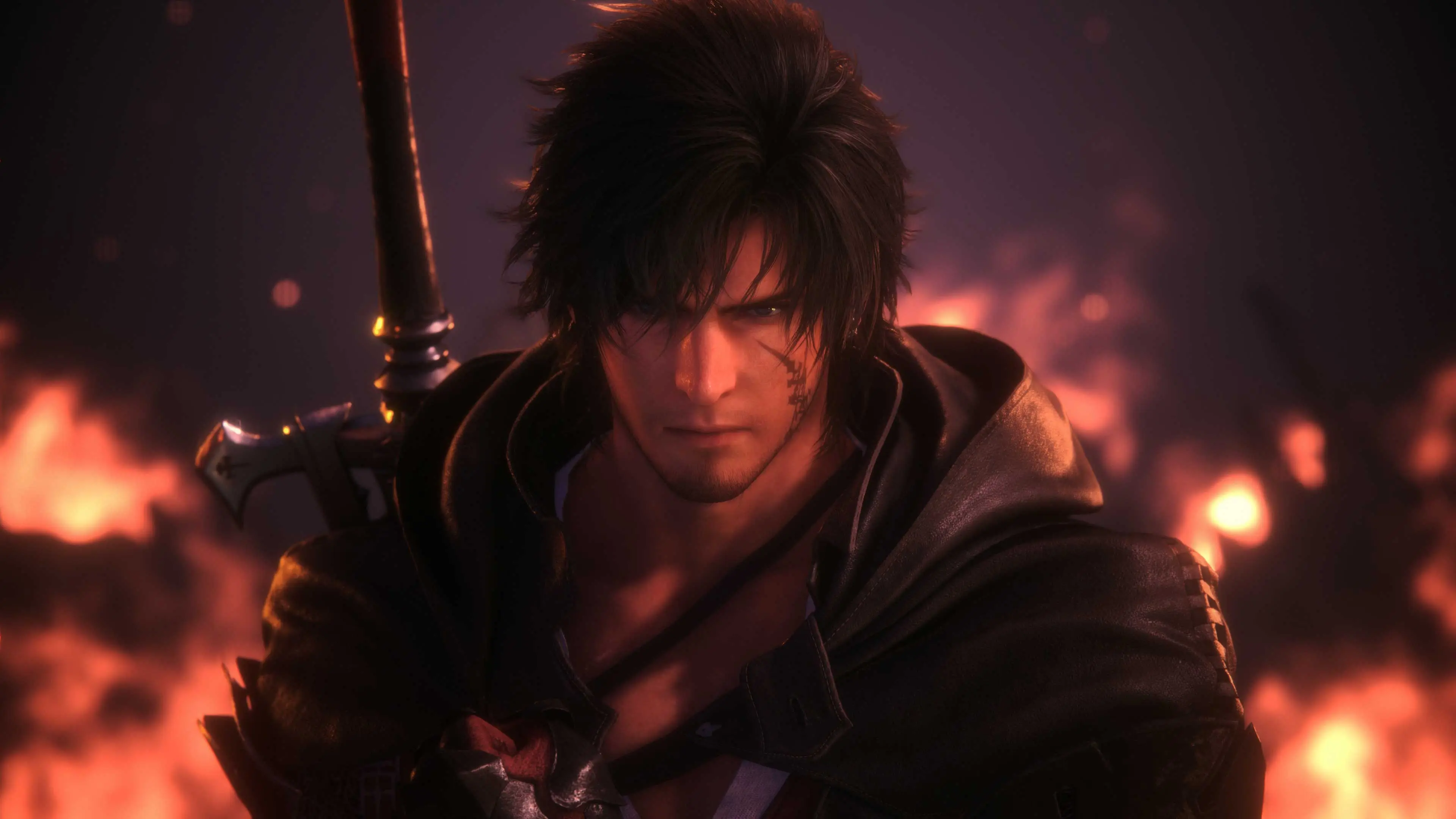
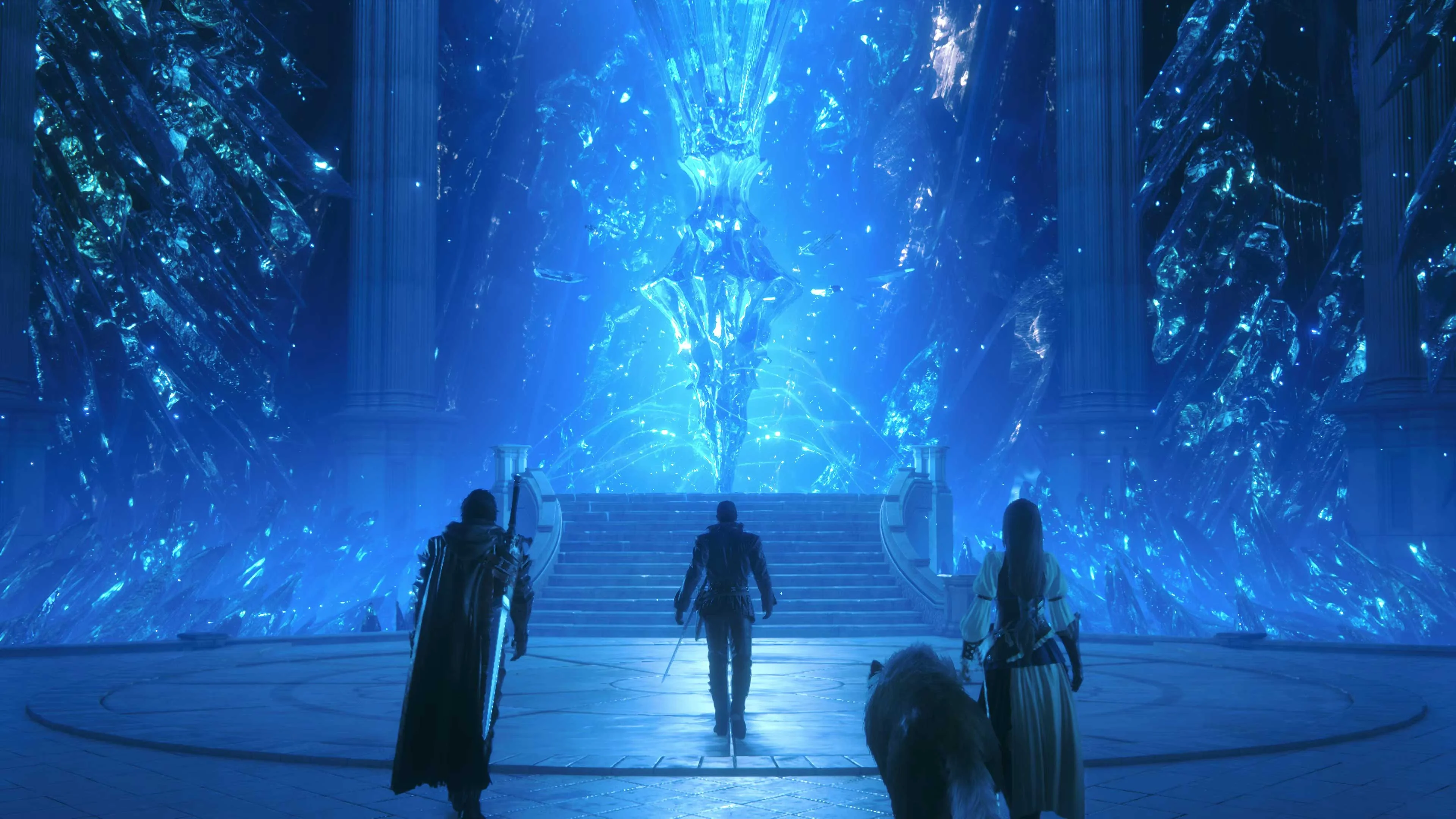
The biggest mindset shift is that Final Fantasy XVI is not built around managing a classic party. You are mostly playing Clive, and the game lives or dies on whether you enjoy his combat, his grief, and the way his story keeps pulling bigger disasters into view. The companions matter emotionally, especially Jill and Torgal, but this is not the kind of Final Fantasy where you spend half the night tuning four party members and swapping jobs.
That is either freeing or disappointing depending on what you came for. If you wanted menu-heavy RPG party building, XVI can feel thin. If you wanted a clean action game with Final Fantasy's monster scale and soundtrack drama, it works much better. The Eikon abilities give combat its flavor, and the best fights feel like the game finally saying the quiet part out loud: yes, this is closer to character action than old-school ATB comfort food.
The PlayStation Plus Version Is a Better Fit Than the Launch Hype Was
Sony's June 2026 PlayStation Plus Game Catalog announcement put Final Fantasy XVI in front of exactly the right kind of player: someone curious enough to try a major Square Enix RPG, but not necessarily ready to buy into the old argument around what the series should be. That matters. Subscription access takes some heat out of the decision.
At full price, XVI had to answer for every expectation players carried into the word Final Fantasy. On PlayStation Plus, it has a little more room to just be itself. You can play the opening hours, feel how Clive moves, see whether the tone lands, and decide if you want the long version. That is a much healthier way to approach a game this specific.
The early hours are important because they tell you almost everything about your tolerance for the game. The combat gets broader, the Eikon fights get louder, and the world opens up more than the prologue suggests, but the emotional temperature is set early. Final Fantasy XVI is angry, sad, and theatrical. It does not wink much. If that tone works for you, the rest of the game has a strong pull.
That is also why the PlayStation Plus timing is useful for people who skipped the launch debate. You do not have to decide whether XVI represents the future of the series. You only have to decide whether you want to spend a few nights inside a dark fantasy revenge story with very expensive boss fights. That is a much fairer test than asking one game to answer every argument Final Fantasy fans have been having for twenty years.
Advertisement

What Still Feels Great
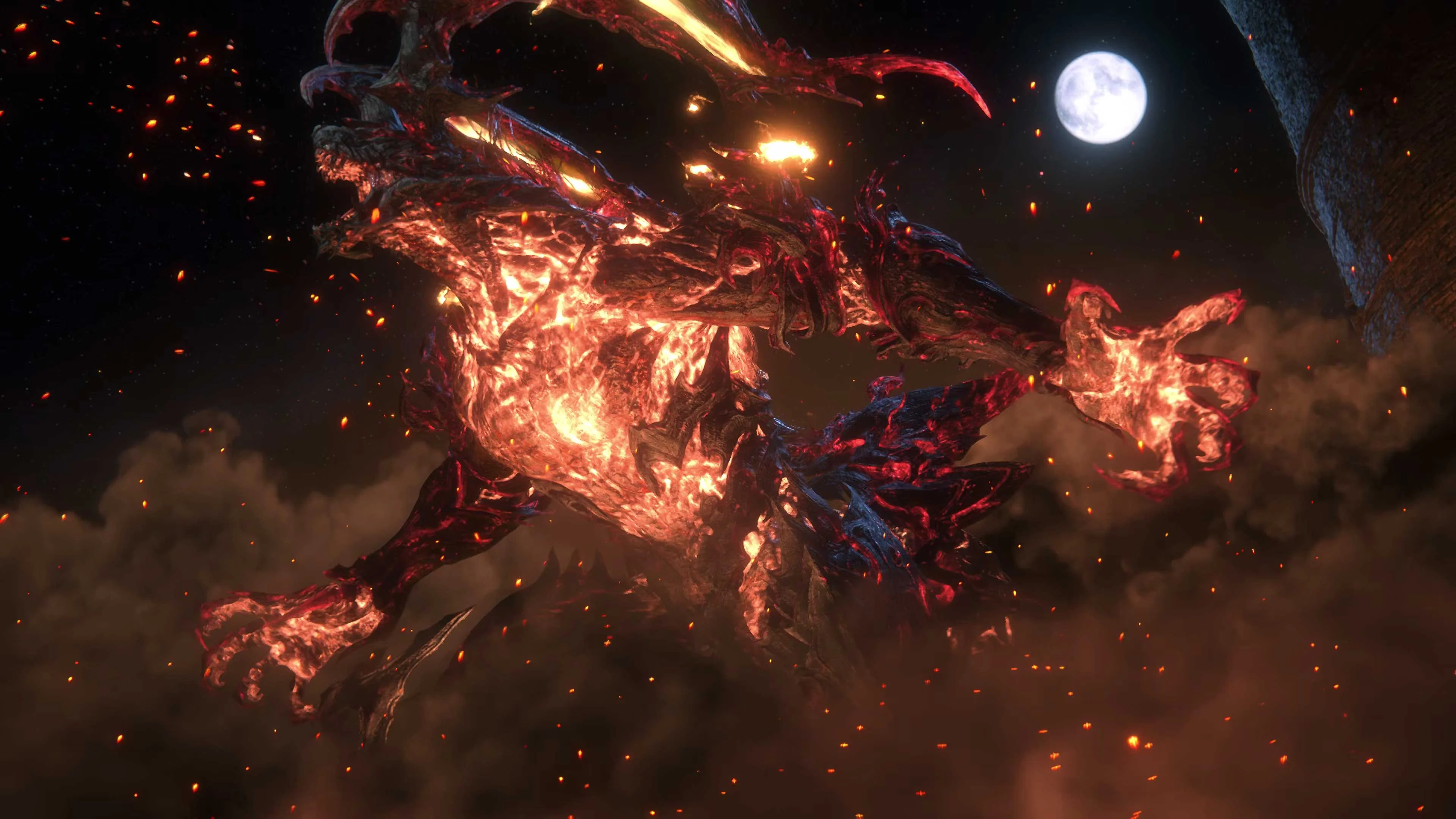
The boss fights are still the easiest sell. When XVI goes big, it goes absurdly big, and that is meant as a compliment. The Eikon battles can feel like mythic disaster movies with health bars, and Masayoshi Soken's music keeps pushing them over the edge in the best way. Even players who bounce off the structure usually remember at least a few of those fights.
That spectacle is also the reason the game plays better on a quiet night than in tiny distracted sessions. Final Fantasy XVI wants you to sit with the drama, watch the scenes, and let the fights build. If you only have twenty scattered minutes, it can feel heavier than it should. Give the big moments room. It really helps.
Clive's basic combat also holds up better once you stop waiting for the game to become something else. Dodging, countering, launching, cycling Eikon abilities, and shaping a loadout around the way you like to fight gives the game a steady rhythm. It is not the deepest action system in the genre, but it is readable, stylish, and generous enough that most players can look good while still improving.
What You Should Know Before Starting
The side quests are the main warning label. Some of them add useful world context, and a few late ones carry real emotional weight, but the routine ones can feel flat. If you are the kind of player who must clear every marker the moment it appears, XVI can wear you down. It plays better when you let the main story lead and treat side content as seasoning, not homework.
The world is also more directed than some screenshots make it look. Valisthea has large zones and gorgeous horizons, but this is not an open-world Final Fantasy. That is not automatically a flaw. It just means the game is more interested in moving you through a dramatic campaign than letting you disappear into freeform exploration for fifty hours.
There is one more practical note: Square Enix now sells Final Fantasy XVI across PS5, PC, and Xbox Series X|S, with Standard and Complete editions available outside the PlayStation Plus context. PlayStation Plus is a good way to test the base game, but players who care about owning it, playing on another platform, or jumping into DLC should still check the edition they are actually accessing.
The DLC question is worth slowing down for. Echoes of the Fallen and The Rising Tide are not the reason to start the game, but they do matter if you end up loving Clive's combat and want the more complete version later. PlayStation Plus is the sampler plate here. It can tell you whether the base game has its hooks in you before you spend extra money chasing every last piece of Valisthea.
That makes XVI a nice fit for players who are curious but skeptical. You can play enough to know whether the serious tone, long cutscenes, and action-heavy battles are working before the sunk-cost feeling kicks in. A lot of games are worse when sampled through a subscription because they need total commitment right away. Final Fantasy XVI is better this way because its identity shows up early.
So, Is It Worth Playing on PlayStation Plus?
Yes, if you want a big action RPG with serious story weight, huge boss fights, and a main character who carries the whole game on his back. Final Fantasy XVI is a very good PlayStation Plus pick because the subscription format lets you test its strongest and weakest traits without turning the decision into a full-price identity debate.
No, or at least not right away, if what you want is deep party customization, a breezy ensemble adventure, or a world that lets you wander off and forget the plot. XVI is not that game. It is more focused, more severe, and more action-first than some Final Fantasy fans still want from the series.
It is also not the best choice if you are already tired and looking for a light comfort RPG. Final Fantasy XVI has beautiful moments, but it spends a lot of time in grief, war, cruelty, and political collapse. The game can be thrilling, but it is rarely casual. That intensity is part of its appeal, and also the exact thing that can make it a bad weekend pick if you only wanted a breezy fantasy adventure.
The best advice is to give it the opening stretch with your expectations adjusted. Do not ask it to be Final Fantasy VII Rebirth, Final Fantasy XIV, or a comfort-food throwback. Let it be Clive's story. If the combat and tone grab you, PlayStation Plus just gave you one of the easier ways to discover a game that was always better when the noise around it got quieter.