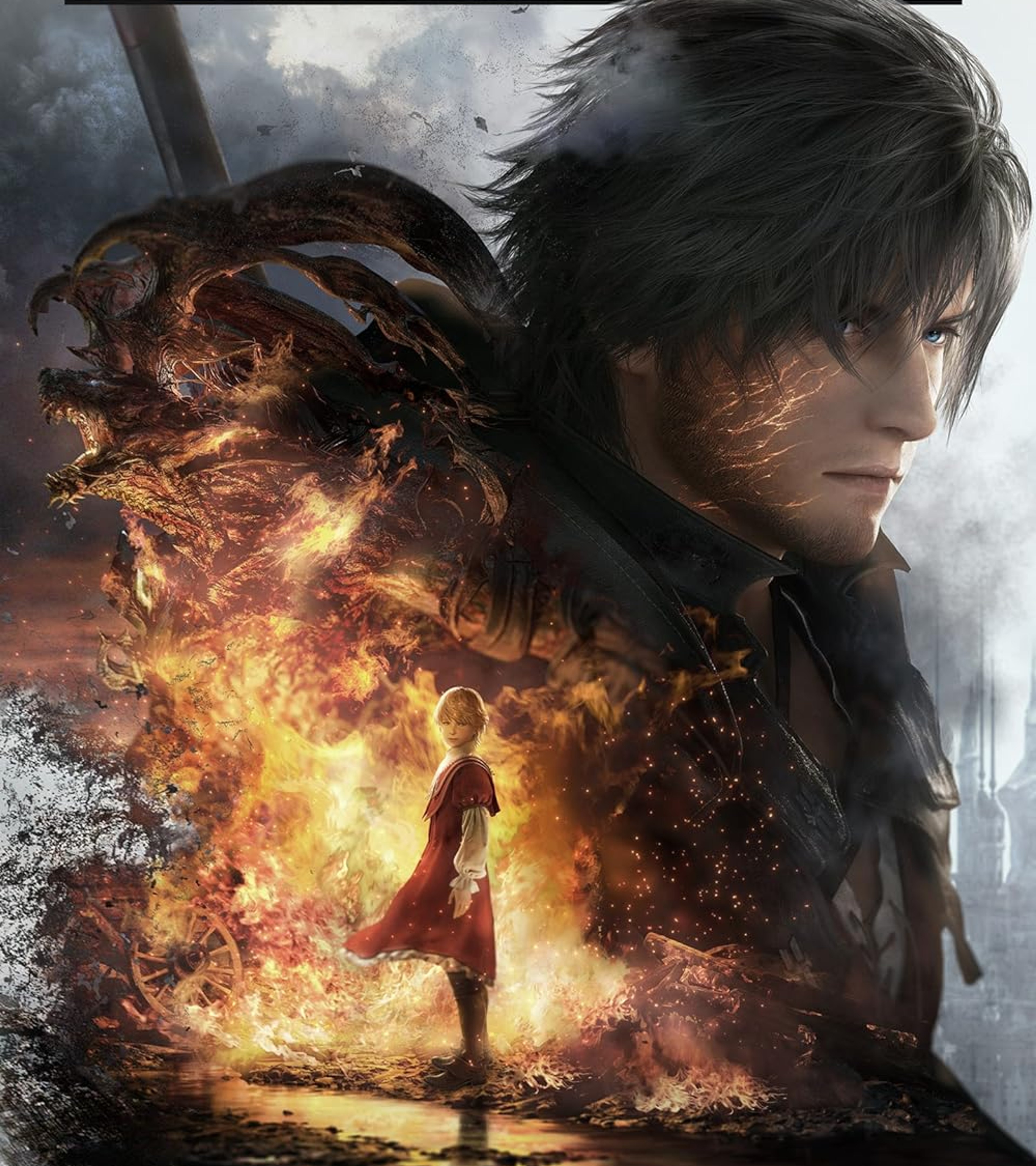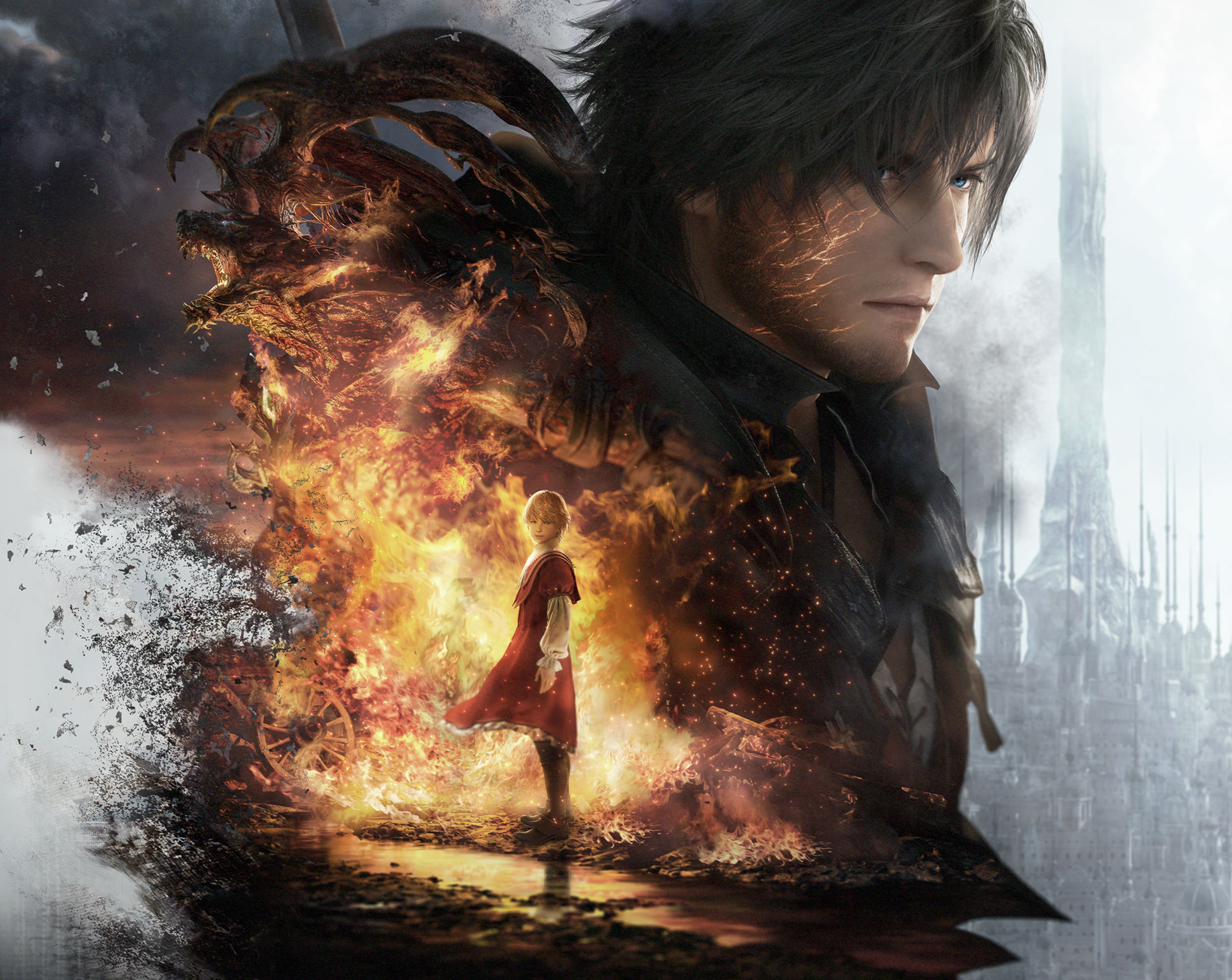

Final Fantasy XVI is much easier to enjoy when you stop waiting for it to play like an old turn-based Final Fantasy. This is an action RPG built around Clive's sword, magic bursts, dodges, stagger windows, and Eikonic abilities. The story and world still carry the Final Fantasy weight, but the combat wants timing and rhythm more than menu comfort.
That can be strange for new players, especially if you are coming in through PlayStation Plus, PC, or Xbox after hearing years of debate about whether Final Fantasy XVI is really an RPG. The better question is simpler: what does the game want you to do in a fight? It wants you to stay alive, build stagger, spend your strongest cooldowns at the right moment, and keep your Eikon loadout readable enough that your hands know what to do under pressure.
If you are still deciding whether to start it, Pixel Twelve already has buying advice for Final Fantasy XVI on PlayStation Plus and a full review. This guide assumes you are ready to play and want combat to click sooner.
Learn Clive Before You Chase Combos
Clive's basic kit matters longer than new players expect. Standard attacks, charged magic, precision dodge, lunge, downthrust, and basic air control all keep fights moving while Eikonic abilities cool down. If you only wait for big abilities, combat feels strangely empty. If you use the basic kit between cooldowns, fights start to flow.
The most useful habit is simple: attack, watch the enemy, dodge with intention, then punish. Final Fantasy XVI is flashy, but button mashing can hide what the enemy is doing. Against smaller enemies, aggression works. Against stronger enemies, panic aggression gets you clipped, knocked down, and forced to heal through mistakes you could have avoided.
Use the Training Mode through the Arete Stone if a move feels awkward. You do not need to become a combo-video player. You just need to know where your gap closer, launcher, dodge timing, and favorite ability buttons live.
What Eikons Do
Eikons give Clive two things: Eikonic Feats and Eikonic abilities. A Feat is the core special action tied to that Eikon, while abilities are the bigger attacks or tools you equip around it. Phoenix Shift, for example, is about closing space and staying aggressive. Other Eikons change the rhythm with counters, ranged control, defense, or heavy stagger damage.
The mistake is equipping every new thing because it looks powerful. A good beginner loadout has jobs. One tool helps you reach enemies. One helps you handle groups. One helps build stagger. One hits hard when the enemy is staggered. If your loadout has six dramatic attacks but no plan, it will look amazing and feel messy.
Square Enix's official battle page makes the upgrade structure clear: you can learn and upgrade swordplay techniques and Eikonic abilities, and the game can even unlock upgrades automatically if choosing feels overwhelming. That is a helpful safety net, but manual choices teach you the system faster.
How Stagger Should Shape Your Fighting
Large enemies and bosses are often about stagger. You pressure them until the will gauge breaks, then unload your strongest damage while they are vulnerable. The key is not spending everything too early. If you burn every heavy cooldown right before stagger, you may reach the big damage window with nothing meaningful ready.
A cleaner approach is to use lighter tools and basic pressure to move the gauge, then hold at least one or two major abilities for the stagger window. Once the enemy drops, commit. Use your strongest Eikonic hits, keep Clive close, and do not waste the window repositioning unless you absolutely have to.
This is also where beginners should notice ability cooldowns. A strong move with a long cooldown is not bad, but it needs a purpose. If it always comes back at the wrong time, it may not fit your current rhythm.
One small habit helps a lot: glance at cooldowns while you are repositioning, not while the enemy is already attacking. If a major ability is nearly ready, play safely for a moment and let it come back. If everything is down, use basic attacks and magic instead of forcing a risky punish with no real payoff.
Upgrade and Master Abilities Without Fear
Final Fantasy XVI is friendly about ability points. You can refund ability points and rebuild your setup, which means experimentation is part of learning rather than a permanent mistake. Upgrade abilities you actually use, not the ones a tier list says should matter later.
Mastering matters because mastered abilities can be equipped outside their original Eikon slot, letting you mix tools more freely. You do not need to rush this immediately, but it becomes important once you understand which attacks are part of your real playstyle. If one ability keeps saving fights, that is a better mastery candidate than a flashy move you forget to press.
For a new player, Phoenix remains a useful early anchor because mobility is always valuable. From there, build around what you are missing. If enemies overwhelm you, add control. If bosses drag on, add stagger and burst. If you keep taking hits, consider defensive timing and safer cooldowns before blaming the game.
A Simple Early Eikon Loadout Mindset
Early on, think in roles instead of names. Keep one mobility or reach tool so Clive can get back to enemies quickly. Keep one shorter-cooldown ability that you are comfortable using often. Keep one bigger hit for stagger windows. As the Eikon list grows, add a counter, guard, or crowd tool only if it solves a problem you are actually having.
This makes the ability screen less intimidating. You are not asking, 'What are the best abilities in the whole game?' You are asking, 'What does my current setup fail to do?' If flying enemies annoy you, solve reach. If bosses stay alive forever, solve stagger damage and burst timing. If groups interrupt you, solve crowd control.
A readable loadout will beat a stylish one for most new players. Once the basics feel natural, then start experimenting with stranger mixes, mastered abilities, and high-damage sequences.
Do Not Ignore Torgal, Potions, and Accessories
Combat is not only Eikons. Torgal can support pressure and recovery once you are comfortable giving commands. Potions should be upgraded and managed, not spammed because every mistake becomes a heal check. Accessories and Timely rings can also smooth the experience if action timing is getting in the way of enjoying the story.
There is no shame in using assistance tools. Final Fantasy XVI was designed to let more players experience its action system, and the best setup is the one that lets you learn instead of bounce off. If a Timely accessory helps you understand spacing and enemy patterns, use it. You can always remove it later.
How to Handle Normal Fights vs Bosses
Normal fights are where you practice flow. Use basic attacks, launch smaller enemies, call Torgal when it helps, and spend lower-cooldown abilities freely enough that combat stays active. You do not need to save every strong move for a random pack of soldiers, but you also do not need to empty the whole kit on the first target.
Bosses are different. Watch for attack strings, learn where the dodge actually belongs, and stop healing in panic range. If the boss has a clear stagger gauge, your goal is to arrive at stagger with resources ready. If it is an Eikon spectacle fight, focus more on the specific prompts and rhythm the sequence is teaching you.
That difference keeps the game from feeling flat. Smaller fights are for confidence and practice. Bosses are where your cooldown discipline, dodge timing, and setup choices get tested.
The Beginner Combat Plan
For the first stretch, keep the plan readable. Use Phoenix Shift or another mobility tool to stay close. Use basic attacks and magic bursts while cooldowns recover. Save at least one heavy ability for stagger. Upgrade what you press often. Keep your potion stock healthy. Practice dodging late enough that you are reacting to the attack, not your fear of the attack.
Final Fantasy XVI opens up as your Eikon kit grows, but the foundation stays the same. Combat feels best when every button has a job. Once Clive's sword, magic, dodge, Torgal, and Eikonic abilities stop feeling like separate systems, the game becomes much less about surviving spectacle and much more about controlling it.