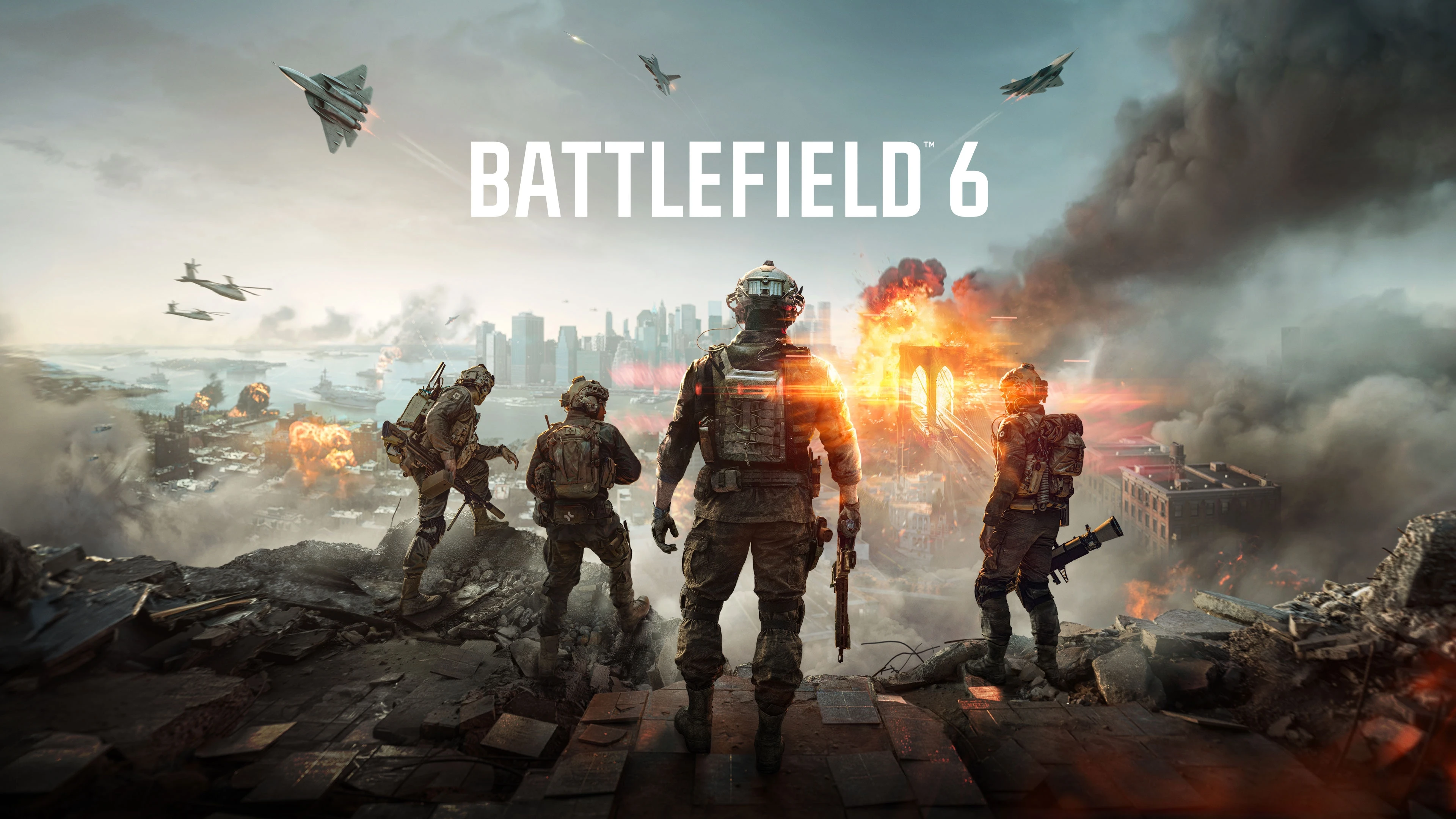
Electronic Arts completed its $55 billion sale on August 4, 2026. The publisher behind EA Sports FC, Battlefield, The Sims, Apex Legends, Madden NFL, and Dragon Age is now privately owned by a group led by Saudi Arabia’s Public Investment Fund, with Silver Lake and Affinity Partners.
The closing changes who owns EA and ends its time as a publicly traded company. It does not automatically change game accounts, servers, prices, subscriptions, release dates, or the projects players already use. Those decisions would need separate announcements.
EA’s sale is officially complete
EA’s August 4 filing with the US Securities and Exchange Commission confirms that the merger closed that day. A merger company created by the buyer group combined with EA, and EA survived as a wholly owned subsidiary of its new parent company.
The transaction values EA at approximately $55 billion. Each eligible outstanding share was converted into the right to receive $210 in cash, without interest.
EA also asked Nasdaq to suspend trading in its stock before the market opened on August 5 and begin the process of removing the shares from the exchange. Players can still see old EA stock information online, but the company is no longer operating with public shareholders buying and selling its shares.
Who owns Electronic Arts now?
The buyer group contains three investors:
- Saudi Arabia’s Public Investment Fund: The state-controlled investment fund is the leading member of the group and already held an EA stake before the deal.
- Silver Lake: A private investment firm focused heavily on technology and entertainment.
- Affinity Partners: An investment firm founded by Jared Kushner.
The buyers used a combination of equity and debt financing to complete the transaction. EA remains a company with its own games, employees, studios, and brands, but it now answers to a much smaller private ownership group instead of public shareholders.
What changed immediately after the closing?

The first changes are corporate rather than something players will notice inside a game.
EA is now privately owned
EA no longer has the same public shareholder structure. It will not face the daily movement of a public stock price, and its financial reporting will change as its shares are removed from Nasdaq and deregistered.
Going private can give a company more space to make long-term decisions without reacting to every quarterly market response. It does not remove pressure to make money. The new owners invested a large amount of capital and used major debt financing, so they will still expect EA’s business to perform.
The public board changed
EA’s filing says several directors resigned from the board when the merger took effect. That is a normal part of a change in control, because the private owners will use a different governance structure.
The original acquisition announcement said Andrew Wilson would remain CEO and invest in the company as part of the deal. EA has not announced a replacement for him in connection with the August 4 closing.
Shareholders receive cash instead of EA stock
Eligible EA shares were converted into the right to receive $210 each. Once the delisting process is complete, regular investors will no longer buy EA shares through Nasdaq.
What does the EA sale change for players?
Nothing changes automatically on your console, PC, or phone because the merger closed. EA has not announced a closing-day change to EA accounts, game ownership, online services, EA Play, prices, Ultimate Team, current seasons, or release schedules.
That means players should not expect games to disappear or accounts to move to a different system overnight. Battlefield, The Sims, Apex Legends, EA Sports FC, Madden NFL, and the EA app continue unless the company announces a specific change.
The ownership could influence later decisions. Those effects would appear through budgets, staffing, studio priorities, monetization plans, and which games receive sequels or long-term support.
What should players watch next?
The close of the deal answers who owns EA. It does not answer how the new owners will run every part of the company. These are the areas worth watching:
- Studio investment, layoffs, or restructuring
- New games for older EA franchises
- Support for smaller and more experimental projects
- Spending on Battlefield, Apex Legends, and annual sports games
- EA Play pricing and subscription strategy
- Advertising and commercial placements around games
- Ultimate Team, battle passes, and other in-game purchases
- Decisions about regional growth and esports
None of those outcomes was announced in the closing filing. Treat them as areas to monitor, not confirmed changes.
What could the sale mean for EA’s biggest games?
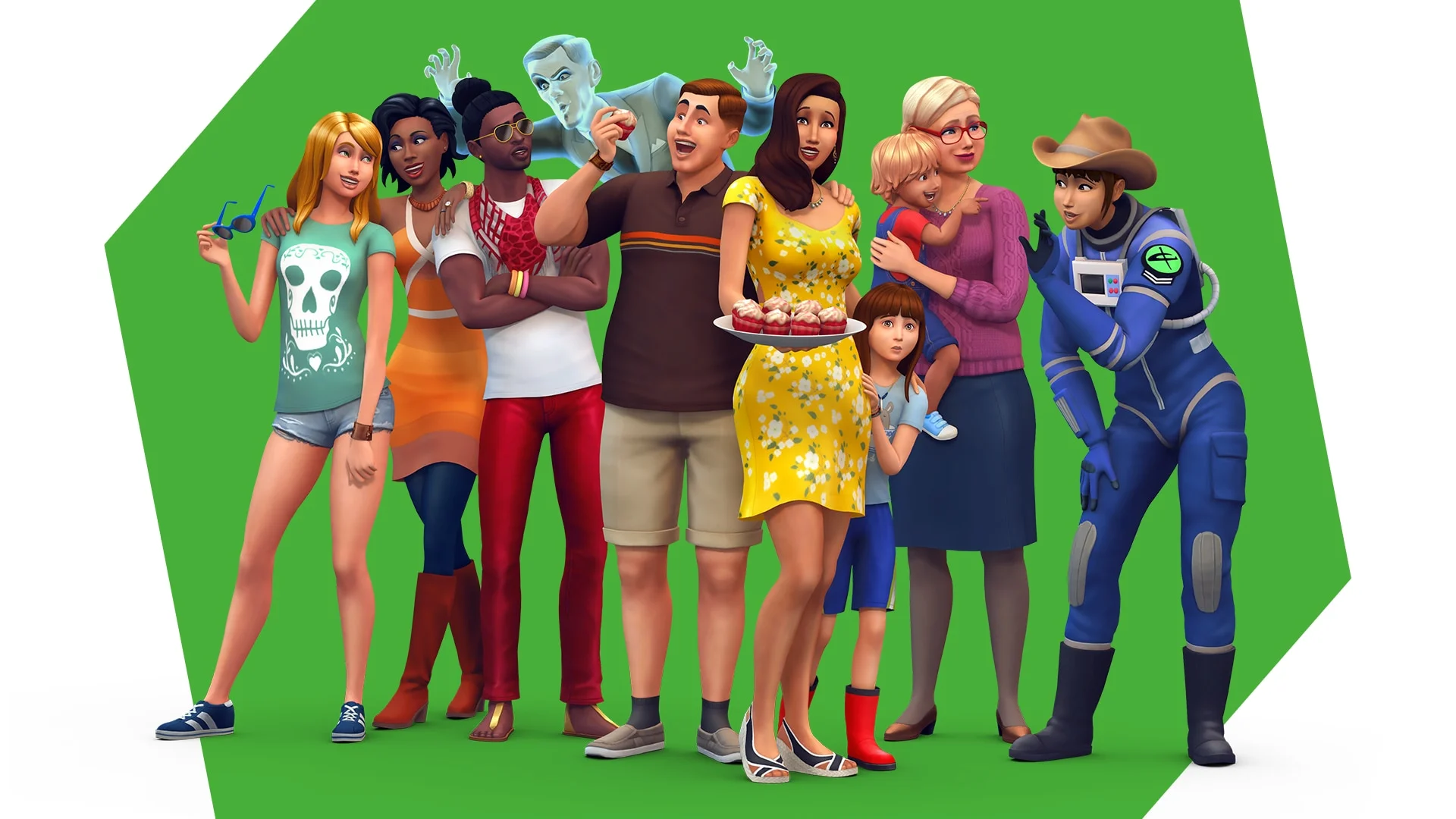
EA owns a wide mix of annual releases, live-service games, single-player series, and mobile titles. Each part of the business creates a different question.
EA Sports FC
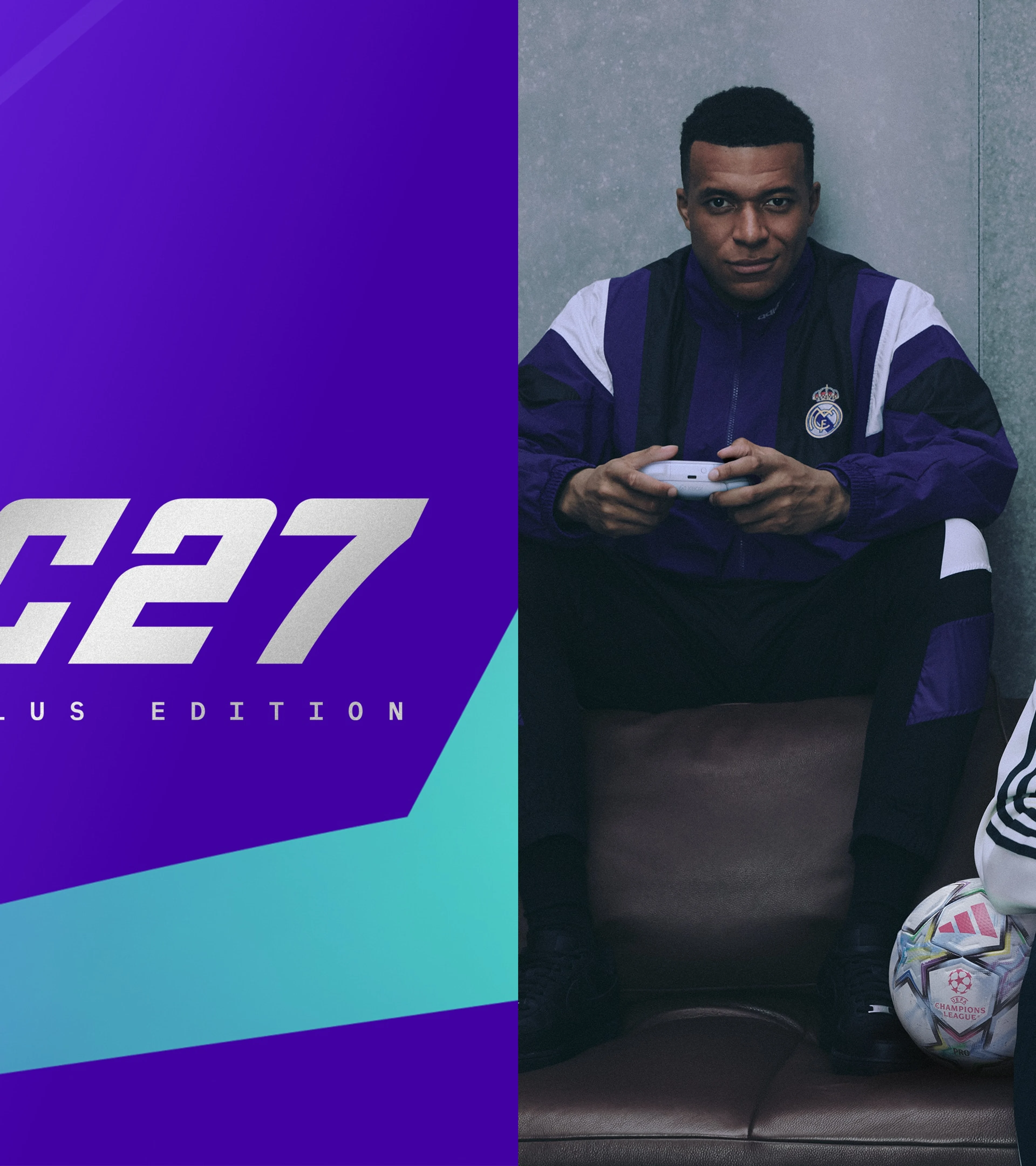
EA Sports FC is one of the publisher’s largest recurring businesses. The series earns money from the annual release and Football Ultimate Team, while EA FC 27 is also expanding into a social space called The Grounds.
Our EA FC 27 The Grounds guide explains the new shared world, small-sided matches, progression, and activities. Nothing in the acquisition filing changes those announced features or the September release plan.
Apex Legends
Apex Legends depends on long-term seasonal support, cosmetics, competitive play, and a large online community. The new ownership may review the performance of live services, but EA and Respawn have not tied the sale to a shutdown or immediate change in Apex.
The current Apex Legends Season 30 overview covers the Bloodhound rework, World’s Edge changes, and new loot arriving independently of the corporate deal.
Advertising and monetization
EA was already testing new commercial ideas before the acquisition closed. The company’s advertising plans raised questions about where ads might appear and how directly they could reach gameplay.
Our report on EA’s plans for advertising inside games covers that separate initiative. The takeover does not prove that EA will add more ads, but revenue strategy is one area players should continue to watch.
Why is the deal controversial?
The transaction has drawn criticism for two main reasons.
First, Saudi Arabia’s government controls the Public Investment Fund. Critics have raised concerns about the country’s human-rights record, creative independence, and the growing influence of state-backed investment across games, esports, sports, and entertainment.
Second, the acquisition uses substantial debt financing. Players and developers worry that pressure to service that debt could lead to cost cutting, layoffs, safer projects, or heavier monetization. The financing structure creates a real business pressure, but it does not prove that any particular studio or game will be cut.
Supporters argue that the private structure gives EA access to long-term capital and more freedom from short-term stock-market reactions. EA’s stated position is that the partnership will support innovation, growth, sports, and entertainment.
The next few years will show which argument better matches the company’s decisions.
Quick answers
Did the $55 billion EA deal close?
Yes. EA’s SEC filing confirms that the merger closed on August 4, 2026.
Is EA owned by Saudi Arabia?
EA is owned by a private investor group led by Saudi Arabia’s Public Investment Fund. Silver Lake and Affinity Partners are also part of the group.
Is EA still on the stock market?
No. EA asked Nasdaq to suspend trading before August 5 and begin removing its shares from the exchange.
Is Andrew Wilson still EA’s CEO?
The original agreement said Wilson would remain CEO. EA has not announced a CEO change tied to the completion of the sale.
Will EA games or accounts change immediately?
EA has not announced an immediate change to accounts, servers, libraries, subscriptions, prices, or current games because of the closing.
What happens next?
Watch for separate announcements about studios, staffing, project budgets, subscriptions, advertising, and long-term franchise plans. Those decisions—not the legal closing by itself—will show how the new ownership affects players.