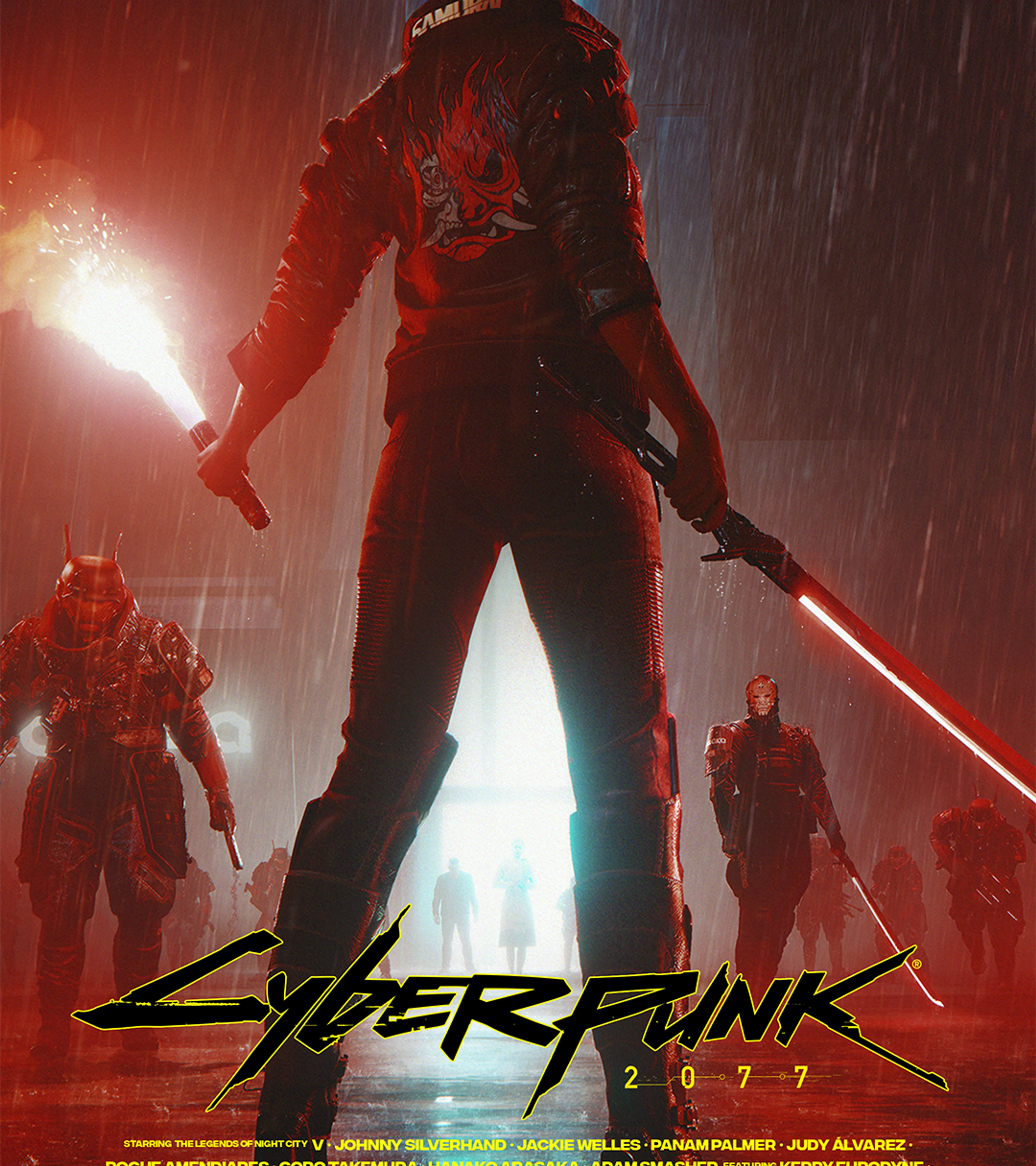
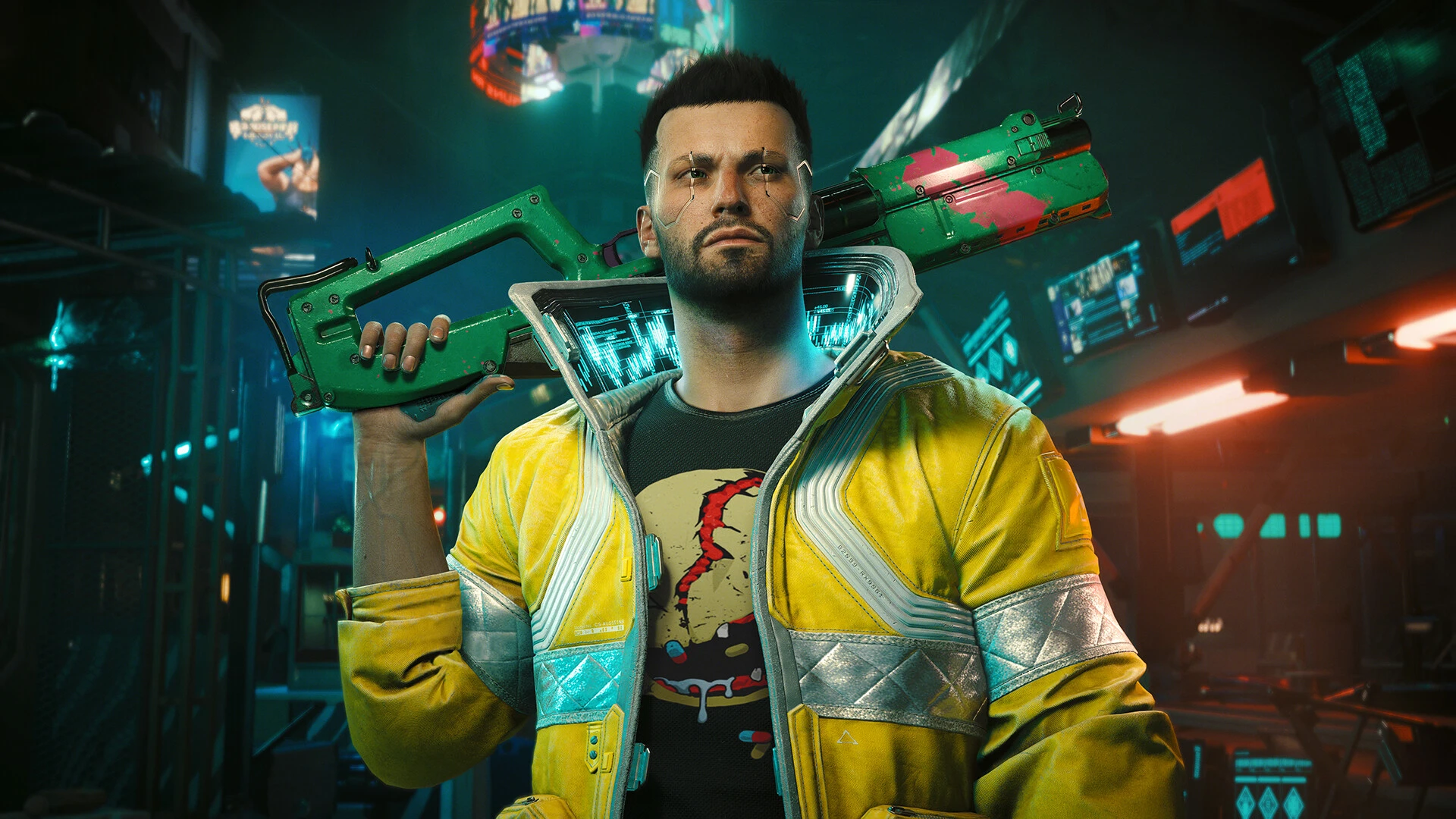
Cyberpunk 2077 Ultimate Edition is the version that finally lets the game be judged in the present tense. That does not erase the launch. It should not. The messy history is baked into every recommendation, every sale, every new platform release, and every conversation about whether CD PROJEKT RED actually pulled off one of gaming's most dramatic recoveries. But the useful question in 2026 is no longer whether the original release deserved the backlash. It is whether the current package gives a new player enough game, enough style, enough story, and enough repaired design to make Night City worth entering now.
It does. The Ultimate Edition works because it is not just Cyberpunk 2077 with a prettier box. It bundles the base game with Phantom Liberty, folds in the post-2.0 systemic overhaul, and sits in a much healthier platform ecosystem than the one that defined the game's reputation in 2020. CD PROJEKT RED's own description frames the package around the base game's Night City story, the Dogtown spy thriller, dynamic skill trees, vehicle combat, improved police and enemy AI, and the modern version of the game's weapons, vehicles, and customization. Those are not side notes. They are the pieces that make the current experience feel like an action RPG instead of an expensive apology.
The result is a strange but compelling comeback story: the game’s strongest edition arrived after public opinion had already hardened around its weakest one. Cyberpunk 2077 remains more convincing as an authored mood machine than as a fully reactive life simulator, and Ultimate Edition cannot erase every old scar. What it can do is make the current package easier to judge on its own terms. V’s story, Johnny Silverhand’s constant pressure, Phantom Liberty’s spy-game paranoia, and the rebuilt RPG systems now point in the same direction.
The Complete Edition Finally Feels Like the Starting Line
The biggest shift is psychological. Buying Cyberpunk 2077 used to feel like entering an argument. Ultimate Edition feels more like entering a finished work with an infamous footnote. The base story still follows V, a cyber-enhanced mercenary chasing survival and legend through a city obsessed with power, glamour, and body modification. That premise always had teeth. What changed is that the surrounding package now has enough confidence to let the premise breathe. Players no longer have to keep patch notes in mind while trying to follow the job. The focus can stay on a person being turned into someone else’s afterlife problem.
Phantom Liberty is the piece that turns the bundle from convenient to essential. Dogtown is not just more map. It is a pressure chamber. Its gated, militarized ugliness gives Cyberpunk a new texture, and the spy-thriller framing gives the game something the base campaign sometimes loses in the city sprawl: focus. Solomon Reed, Songbird, and the expansion's political machinery push V into choices that feel tighter, colder, and less flattered by the fantasy of becoming a legend. The expansion understands that Cyberpunk is most interesting when power looks seductive and rotten at the same time.
That sharper shape helps the base game by contrast. Night City can still sprawl into gigs, fixer calls, NCPD activity, side jobs, romance arcs, street races, cyberpsycho encounters, and the familiar open-world temptation to empty a map instead of inhabit a place. Phantom Liberty reminds the whole package what concentration can do. When Cyberpunk narrows the lens around a dangerous room, a compromised ally, or a job that sounds cleaner than it is, the writing lands with much more force than the broader legend-building pitch.
Ultimate Edition is also the right doorway because it gives latecomers fewer excuses to wait. Current-gen console and PC players get the repaired version that CDPR spent years building toward, Nintendo Switch 2 players have the complete package with platform-specific controls such as gyro aiming, motion options, touch inputs, and mouse-style Joy-Con use, and newer premium hardware like PS5 Pro has its own visual upgrades. Not every version is equal, and players should still buy for the platform they actually care about, but the important thing is that Cyberpunk 2077 is no longer trapped inside one disaster-shaped first impression.
Advertisement

Combat, Hacking, and Cyberware Now Pull Their Weight
The post-2.0 Cyberpunk is a better game because builds finally feel like identities instead of loose stat piles. A katana and Sandevistan approach has a different temperature from a quickhack-heavy netrunner build, and both feel meaningfully different from a gun-forward merc who solves rooms through reflexes, cover, cyberware, and raw damage. That seems like a basic expectation for a modern action RPG, but it is exactly the kind of expectation the original launch struggled to satisfy consistently. Ultimate Edition benefits from arriving after those systems have been rebuilt into something easier to read, easier to plan around, and much more satisfying to break.
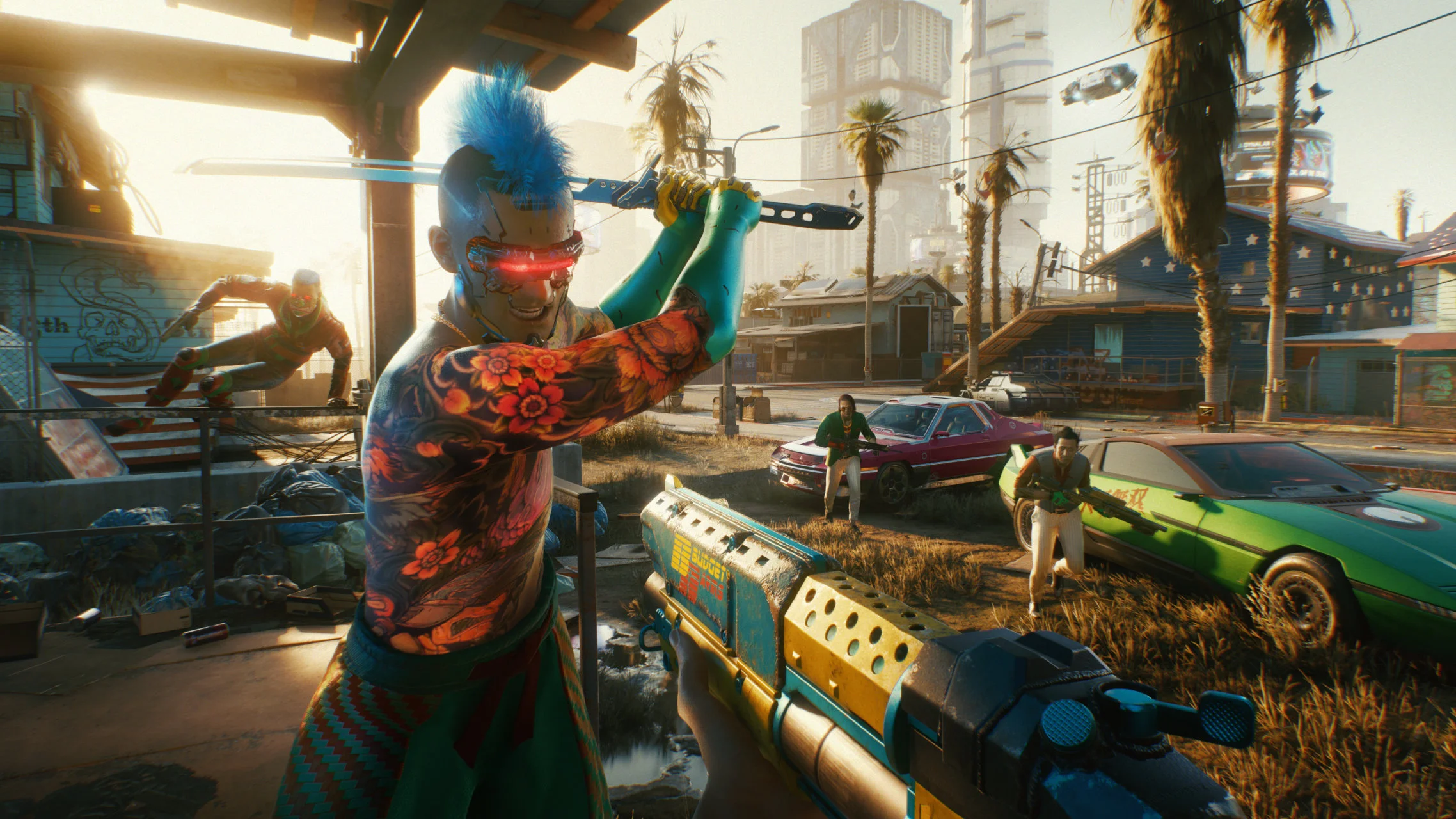
The perk trees now do more than whisper about playstyle. Reflexes can turn movement and blades into a rhythm. Intelligence makes hacking feel less like menu garnish and more like a way to own the space before bullets start flying. Technical Ability has real weight because cyberware capacity gives body modification a mechanical cost instead of treating chrome as pure fantasy decoration. Body and Cool let the game support very different kinds of violence, from blunt-force survival to cleaner stealth and precision. A good build in Ultimate Edition is not only stronger. It tells you what kind of V you are becoming.
The combat still has rougher edges than the best pure shooters, and it is important not to oversell it. Enemy behavior can still fall into familiar patterns. Some encounters are more exciting because the room looks incredible than because the tactical design is brilliant. The city is still more stylish than deeply systemic. But the moment-to-moment action now clears the bar it always needed to clear: it makes the power fantasy feel deliberate. Sliding into a fight, frying someone's optics, closing distance with cyberware speed, and finishing the last enemy with a weapon that fits your build now feels like the game is answering its own premise.
Vehicle combat and the improved police response also matter because they make Night City feel less like a beautiful backdrop waiting politely for V to finish side content. The city is still not a perfect simulation, but it pushes back more convincingly. Getting into trouble has a better shape. Fights spill into roads with more purpose. The fantasy of being dangerous in public finally has more consequence around it. Cyberpunk 2077 does not become Grand Theft Auto in neon, and it is better when it does not try to. Its action works best when it feels like a mercenary's bad decision inside a city that is always ready to commodify violence.
Night City Is Still the Reason to Stay
Night City remains Cyberpunk 2077's strongest argument because it gives every system a mood to live inside. Corpo Plaza, Watson, Japantown, Pacifica, the Badlands, and Dogtown do not all hit with the same density, but the city as a whole still has that rare open-world quality where travel can feel like criticism. Billboards sell bodies back to the people walking under them. Luxury towers loom over disposable lives. Gangs, corporations, fixers, cops, celebrities, and desperate strangers all sound like they are participating in the same sick economy. The world is not subtle, but subtlety was never the point. Pressure is.
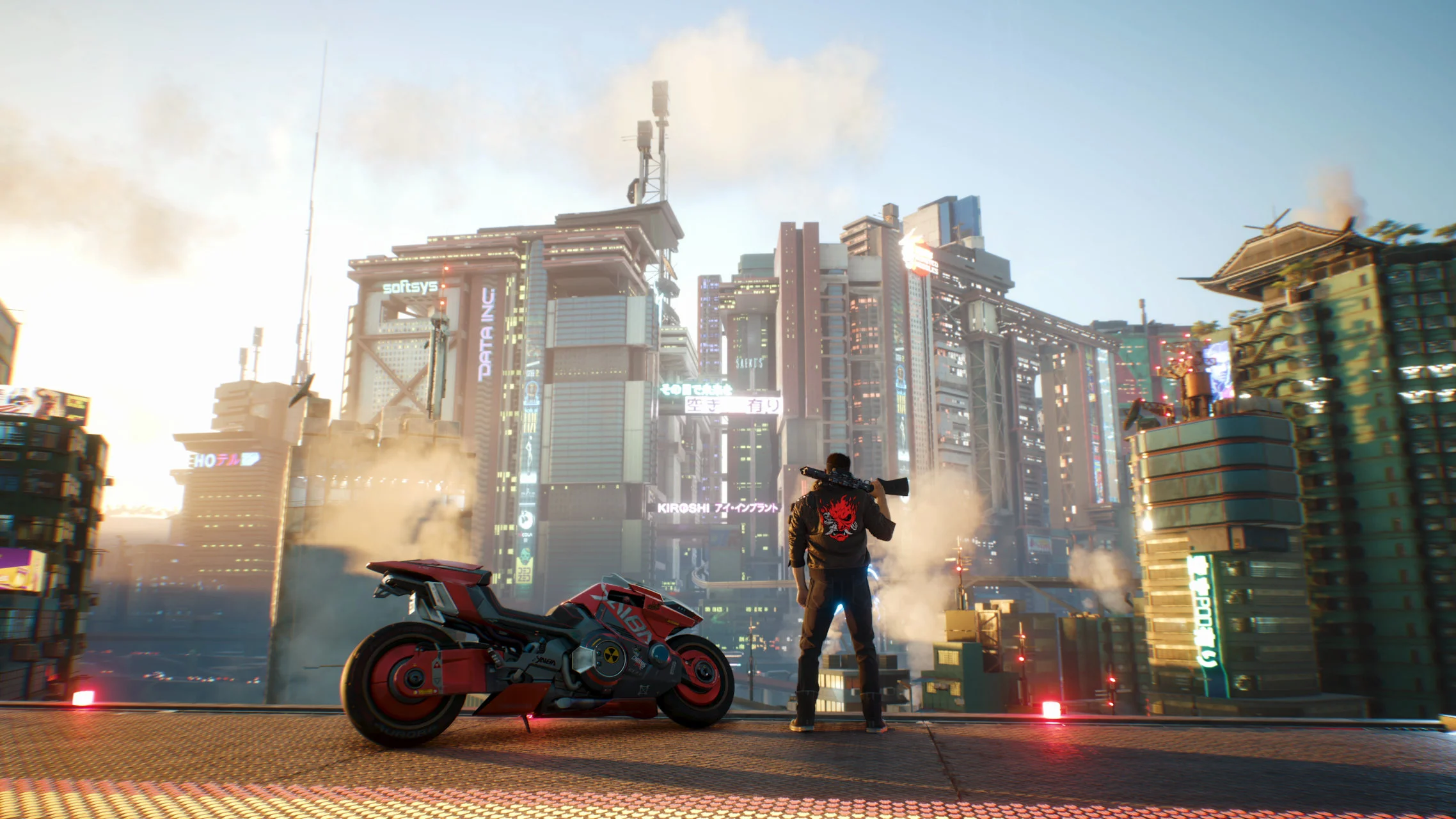
The best side jobs understand that pressure intimately. Cyberpunk is rarely at its best when it asks you to clear icons. It is at its best when a gig reveals a nasty little social mechanism: a celebrity's body treated as property, a corporation turning grief into leverage, a gang feud hiding ordinary terror, a fixer pretending a moral compromise is just another contract. Even when the choices do not reshape the world as much as some players once hoped, the writing often finds a way to make a small decision feel contaminated by the city around it.
Johnny Silverhand is still the risk that pays off. A weaker version of this game would have made him only a cool hallucination with a guitar and a grudge. The better version is nastier: Johnny is funny, magnetic, hypocritical, wounded, and often exhausting. Keanu Reeves' performance works because it does not sand him into pure charm. He is a dead revolutionary, a celebrity parasite, a warning, and sometimes the only person in the room willing to say the ugly part out loud. V's relationship with him gives the main story its body-horror charge. Becoming stronger in Cyberpunk often means becoming less certain about who owns the person you are turning into.
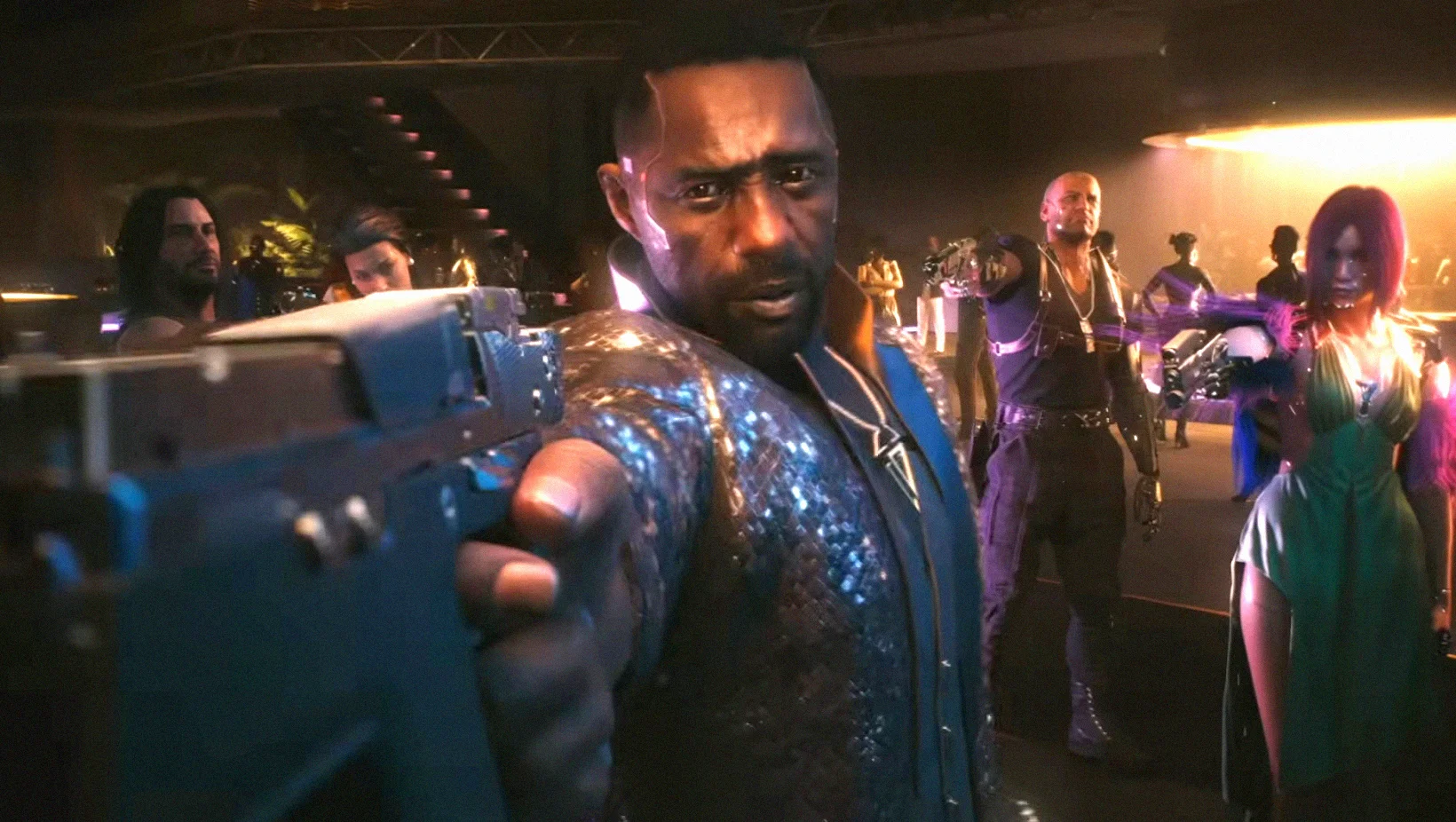
Phantom Liberty adds a different flavor of performance around that idea. Idris Elba's Solomon Reed gives the expansion a tired, dangerous gravity: the sense of a man who has turned loyalty into a prison and then convinced himself the prison is discipline. Songbird pulls the story in a more desperate direction, making survival feel less like a mission objective and more like a moral contagion. Dogtown works because it makes everyone look trapped by their own justification. Nobody gets to be clean for long.
The caveat is that Ultimate Edition still cannot be everything people imagined before launch. If you want a world where every roleplay choice radically alters the city, this will disappoint you. If you want the cleanest systemic sandbox, you will still find limits. If the original launch burned enough trust that you do not want to participate in the comeback narrative, that is a fair response. The current game deserves praise, but the old backlash was not imaginary. Recommendation is not the same thing as absolution.
That is why the buying advice is specific. New players who like dense, stylish action RPGs should start here. Returning players who left before Phantom Liberty and Update 2.0 have a real reason to come back. Players who only wanted the impossible pre-release fantasy may still feel the gap between myth and product. But Ultimate Edition makes the strongest version of the case because the base game, expansion, system overhaul, and platform maturity finally point in the same direction. It is not just more content. It is the version where the content knows how to support the reputation the game spent years trying to earn.
What the Comeback Actually Changed
Cyberpunk 2077 Ultimate Edition does not create a clean slate, and treating it that way would miss the point. Its importance comes from the way the base game, Phantom Liberty, Update 2.0, and years of platform work finally became one coherent package. Night City is still more authored than truly reactive, and the launch remains part of the game’s history. The difference is that the current version no longer needs the comeback story to do all the talking. Its systems, expansion, characters, and atmosphere can finally carry that argument themselves.