Want a game that feels calm but does not ask you to grow crops? Start with A Short Hike for exploring, TOEM for taking photos, or Unpacking for arranging a home. If you want to make a town without a checklist, try Townscaper. The eight games below do different things, so the right choice depends on what you want to do with your hands and your attention.
Choose by activity
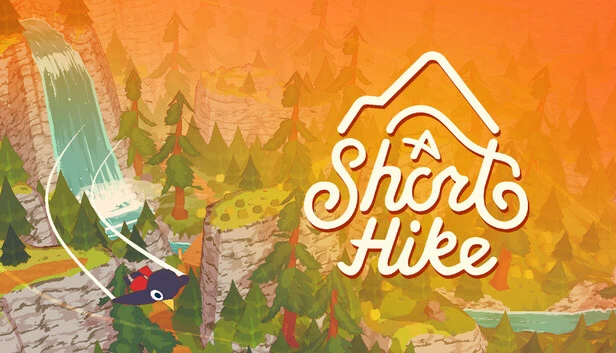
- Explore outdoors: A Short Hike. Walk, climb, glide, and talk to people.
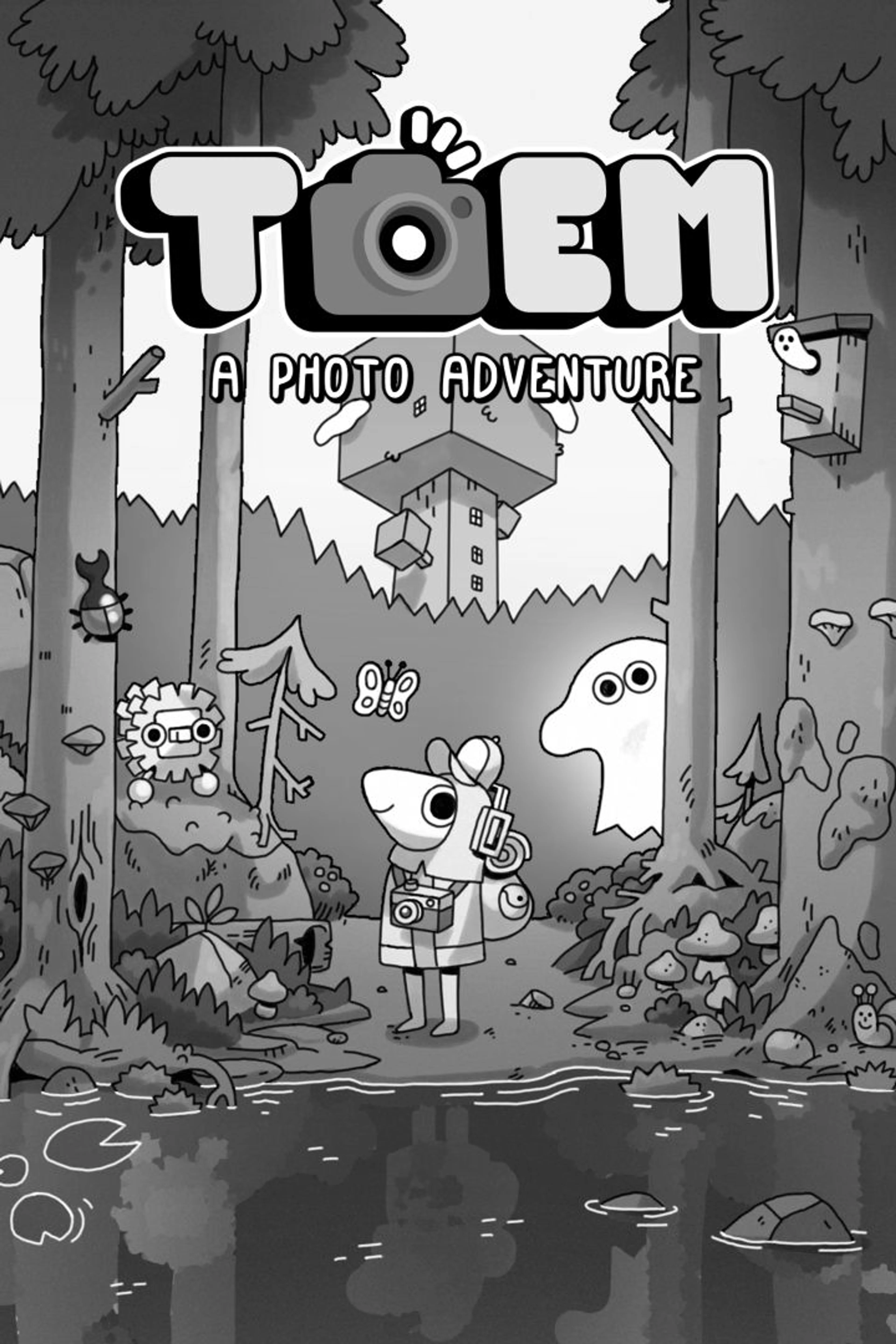
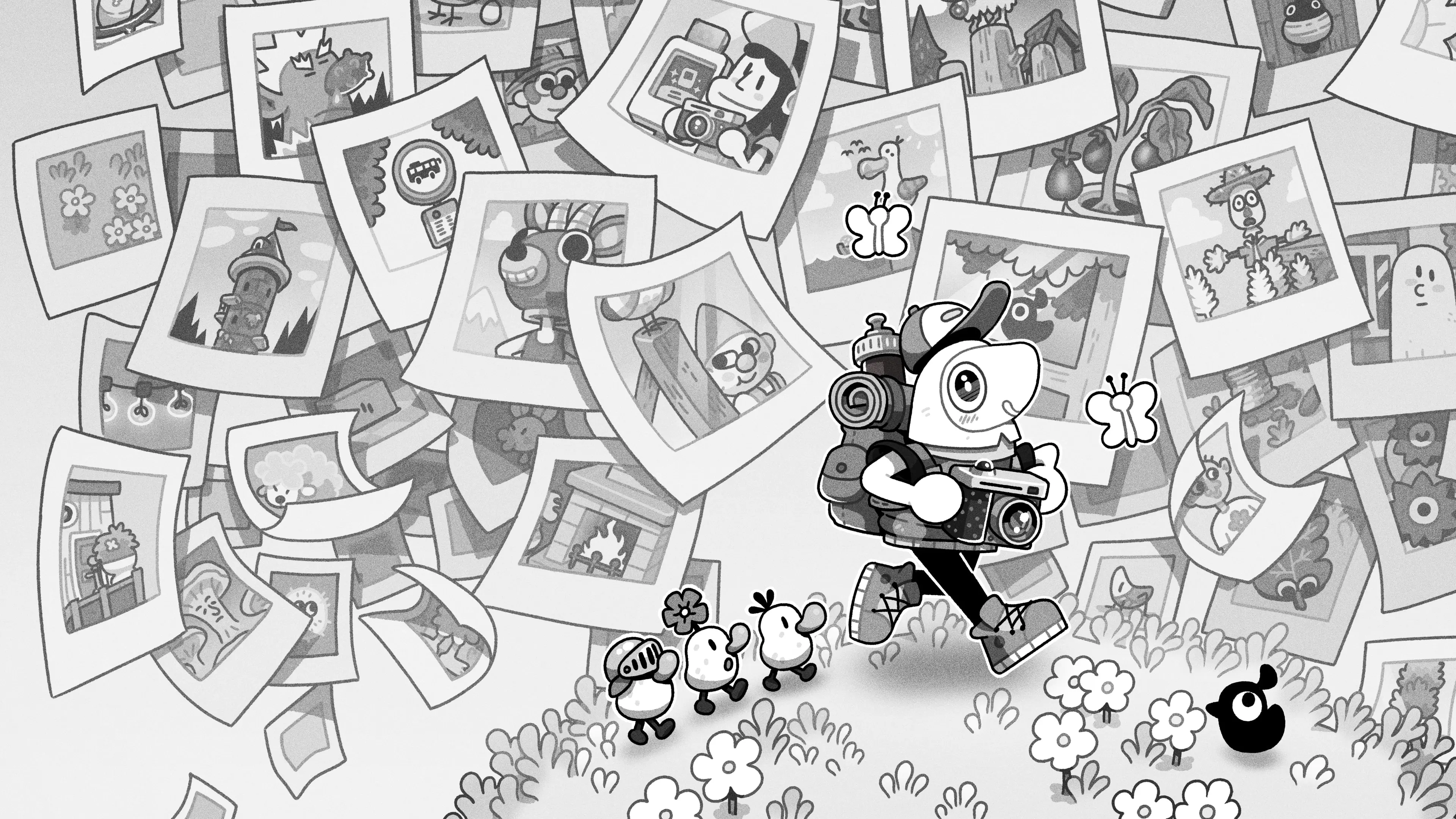
- Look for photo subjects: TOEM. Travel between places and use a camera to solve requests.
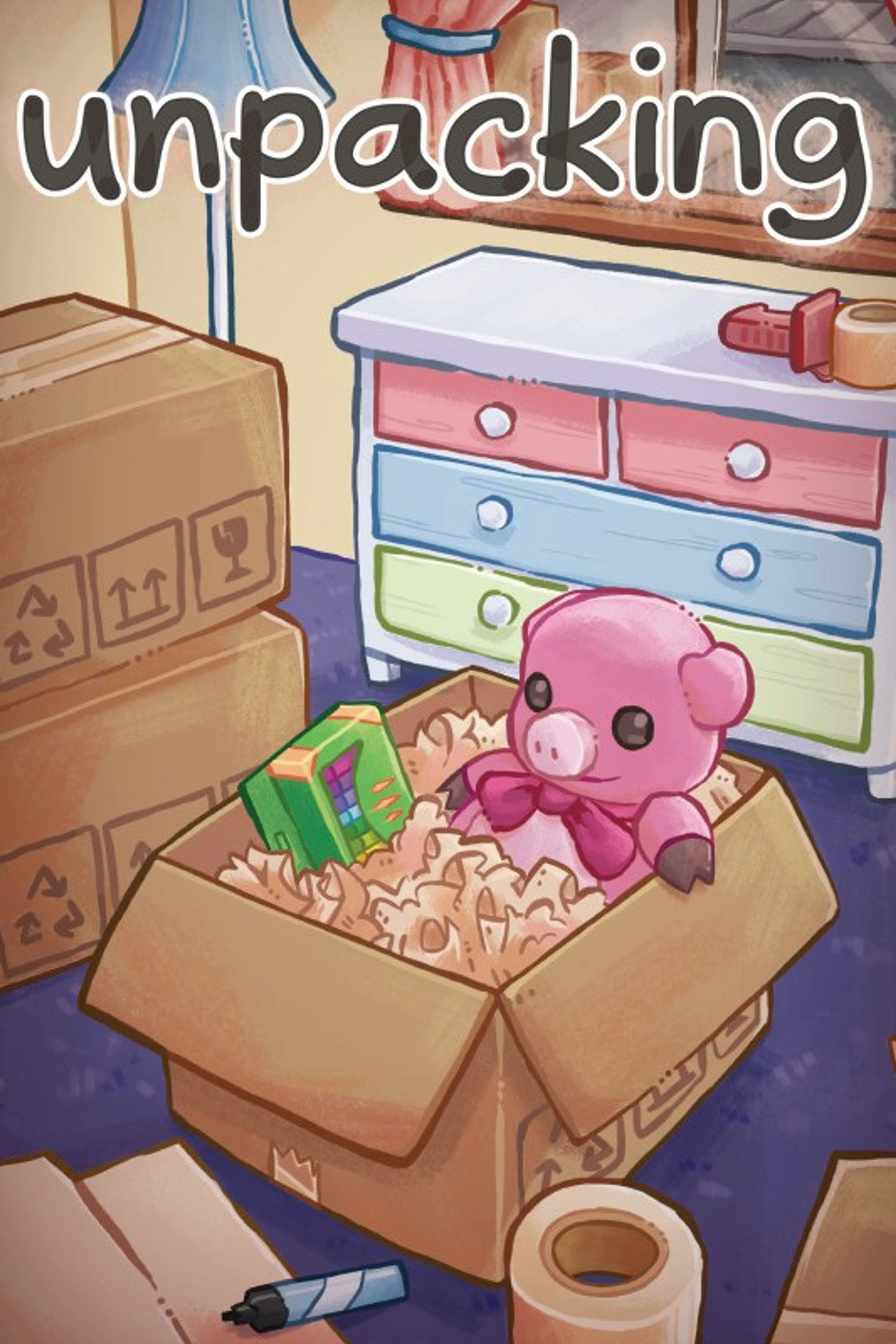
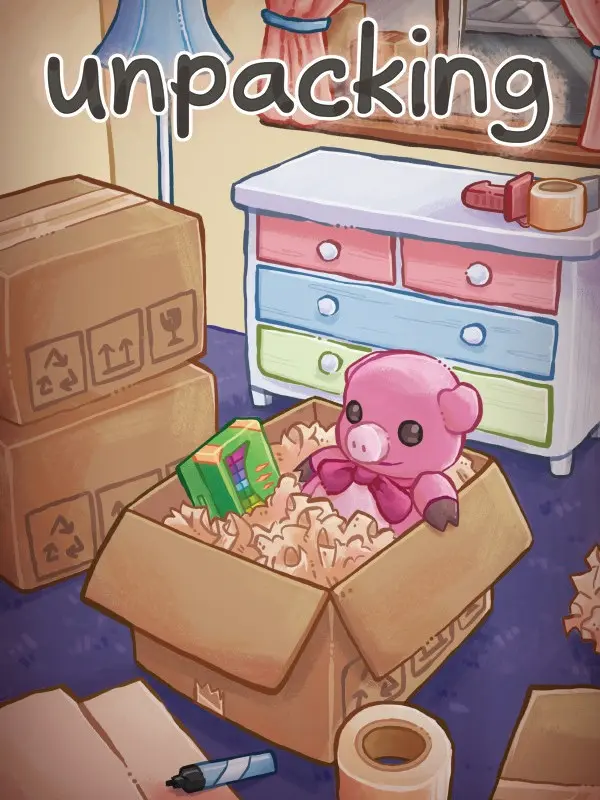
- Arrange a home: Unpacking. Take objects out of boxes and find places for them.
- Solve small sorting puzzles: A Little to the Left. Put everyday objects into patterns.
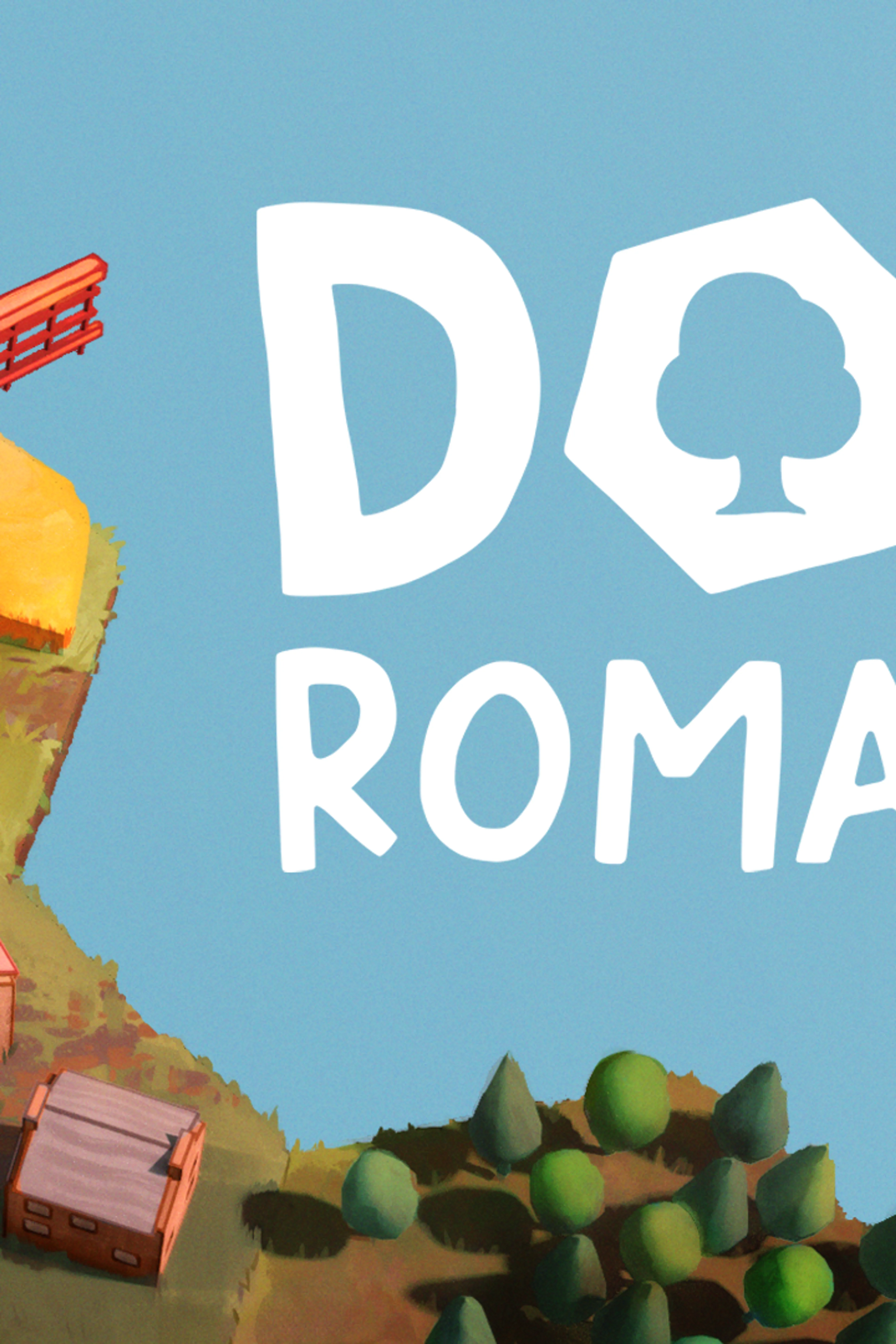
- Place landscape tiles: Dorfromantik. Join forests, rivers, and villages.
- Build without goals: Townscaper. Click to make colorful buildings.
- Solve picture puzzles: Gorogoa. Move illustrated panels to connect scenes.
- Follow a relationship story: Florence. Play short scenes about Florence and Krish.
How we chose these games
Each pick has a clear main activity that is not farming. We put games with easy ways to start near the top, then games that ask for more puzzle work or focus on a specific story. This is an editorial order based on official game descriptions and features. We did not score the games from hands-on testing. “Cozy” does not mean that every puzzle is easy or every story is happy.
1. A Short Hike — best for exploring at your own pace
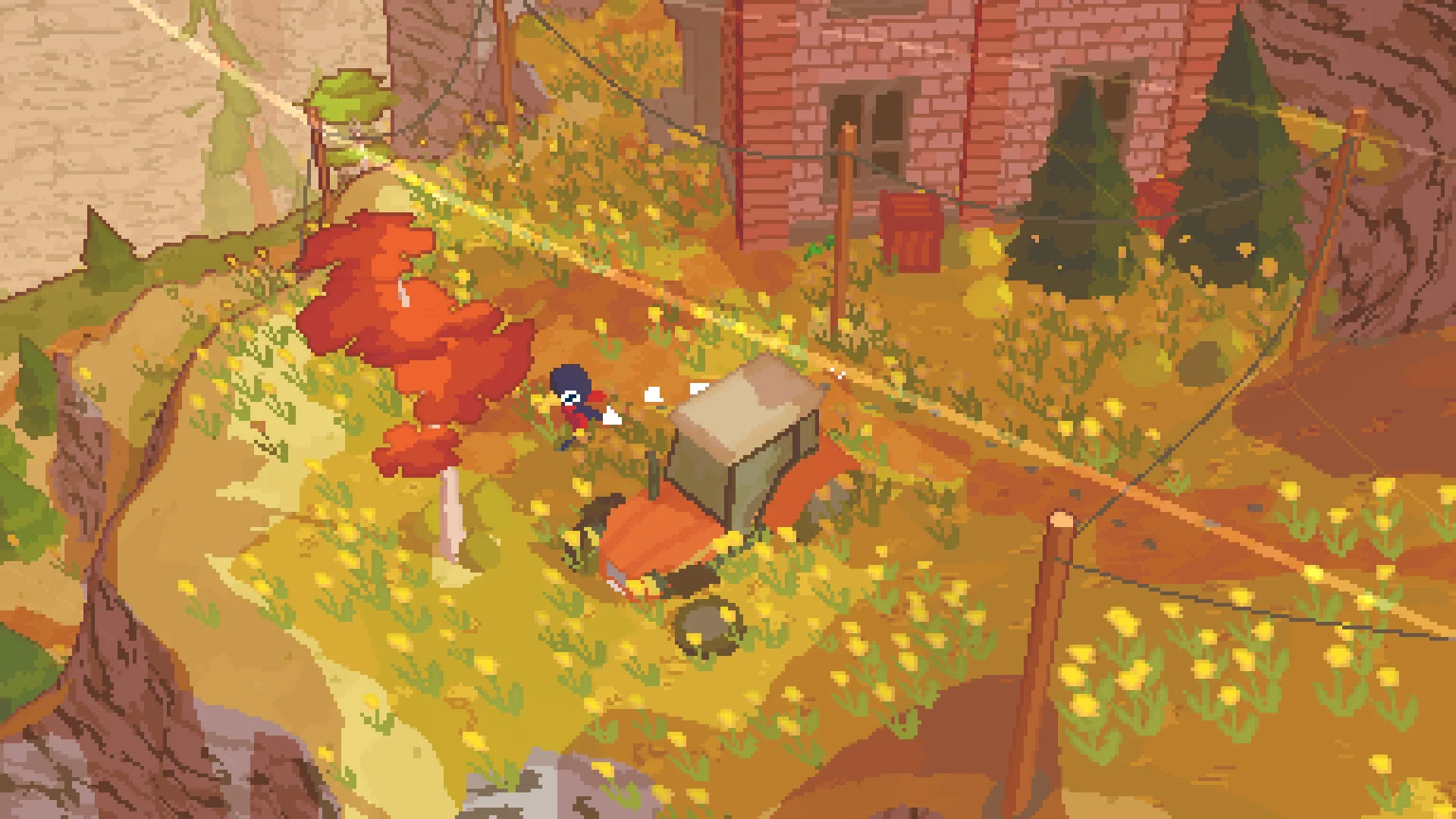
You play as a bird visiting a park. You can follow a trail, climb, glide, fish, or stop to talk to other hikers. The goal is to reach the peak, but the official game page says you can take your time and choose where to go. Pick it if you want to move around a small outdoor place without managing a farm. Think twice if you want a long building or decorating project; this game is about the walk and the people you meet. See the A Short Hike game page.
2. TOEM — best for a camera adventure
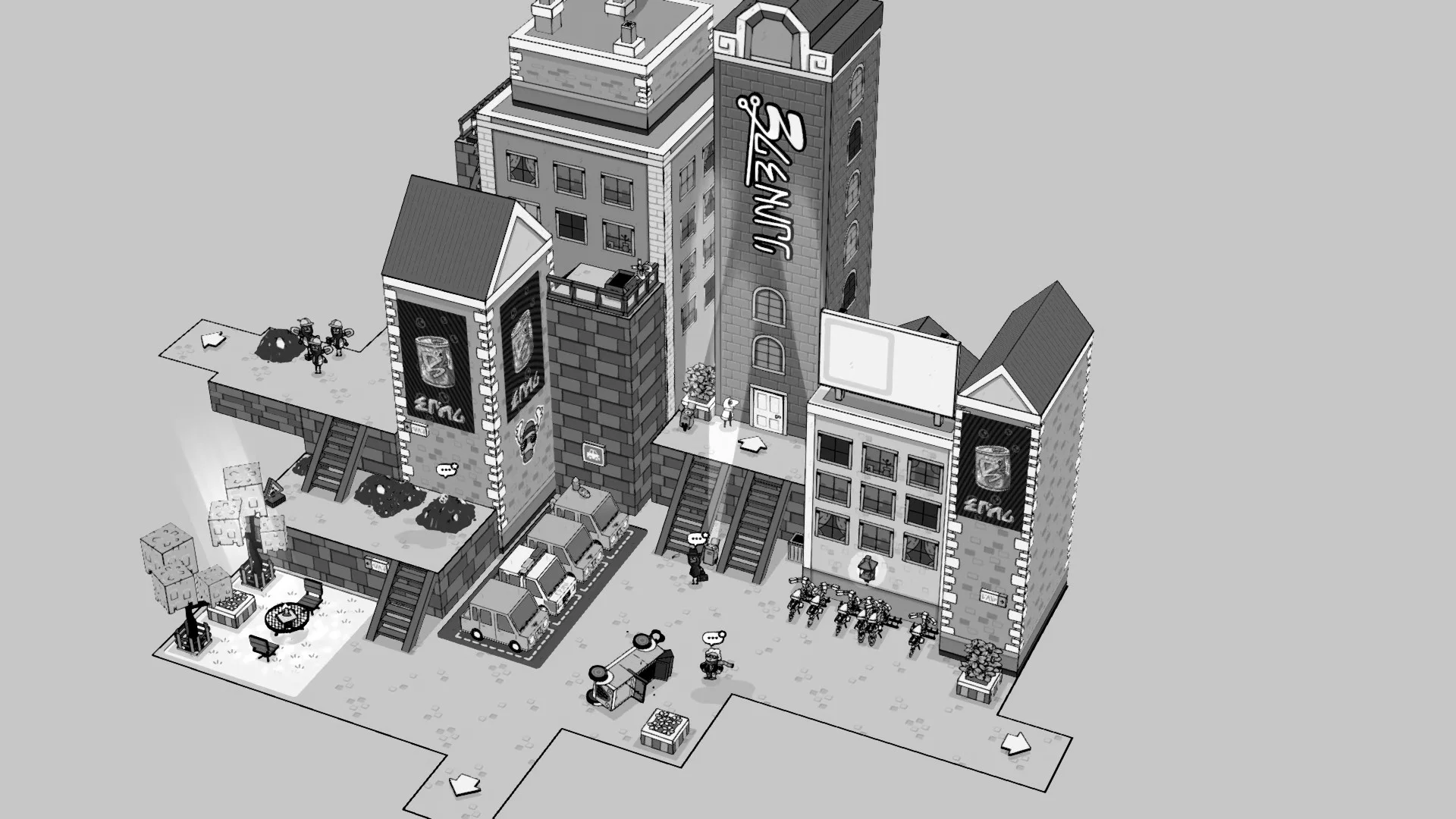
TOEM gives you a camera and sends you by bus to new places. You take photos, meet people, and look closely at the scenes around you. This is a better choice than a decorating game if you like finding details in a picture. Pick it if you want to look, photograph, and help characters. Think twice if you dislike searching an area for the subject a request needs. See the TOEM game page.
3. Unpacking — best for rooms and a quiet story
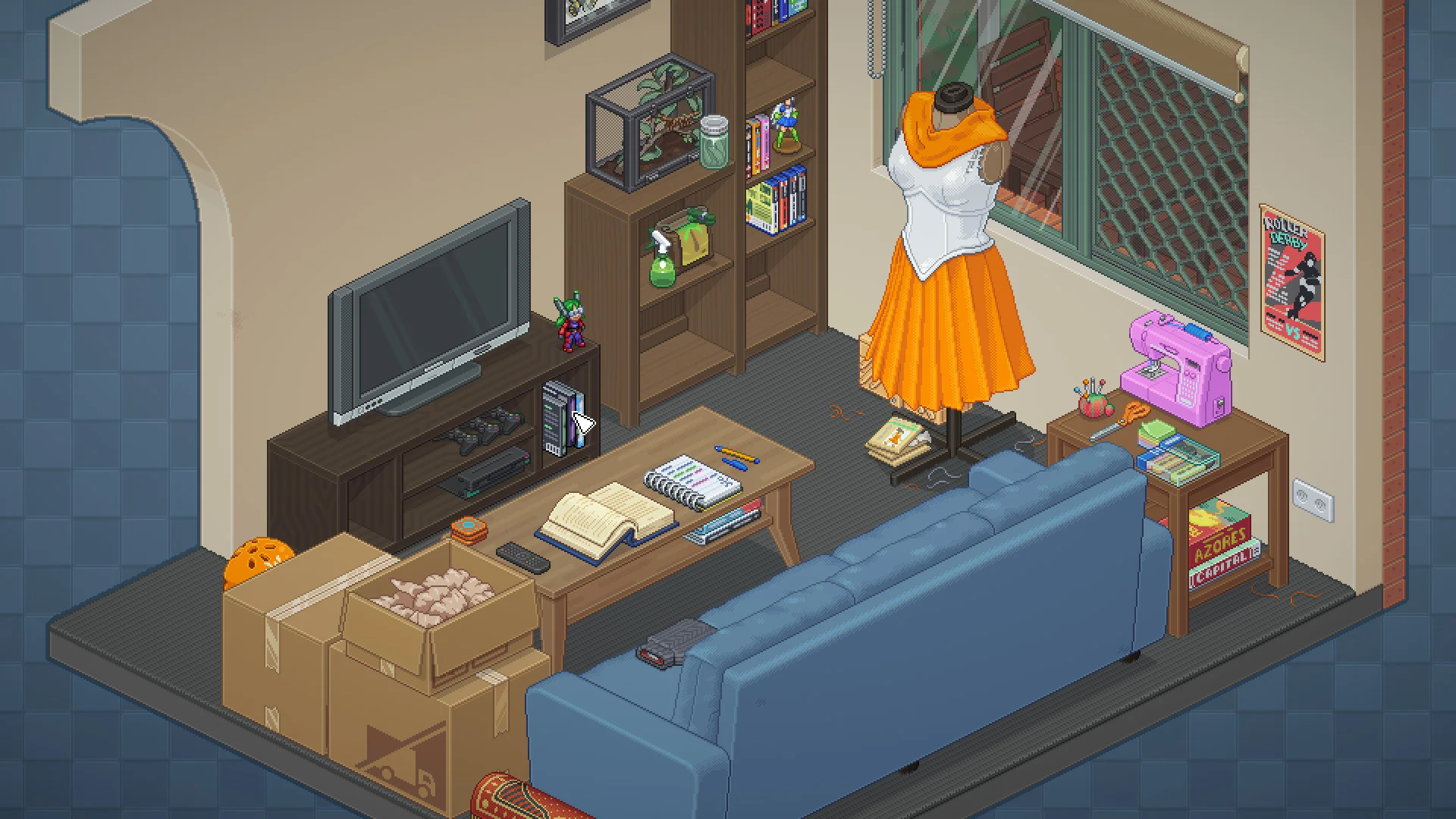
Open boxes and decide where books, dishes, clothes, and other belongings should go. The objects also show how one person’s life changes across eight moves. The developer says there are no time limits or penalties for mistakes. An “Allow items anywhere” option removes the placement puzzle if you only want to arrange rooms. Pick it if you want a story told through objects. Think twice if you want to design a home from an empty room with a furniture catalog. See the Unpacking game page.
4. A Little to the Left — best for short sorting puzzles
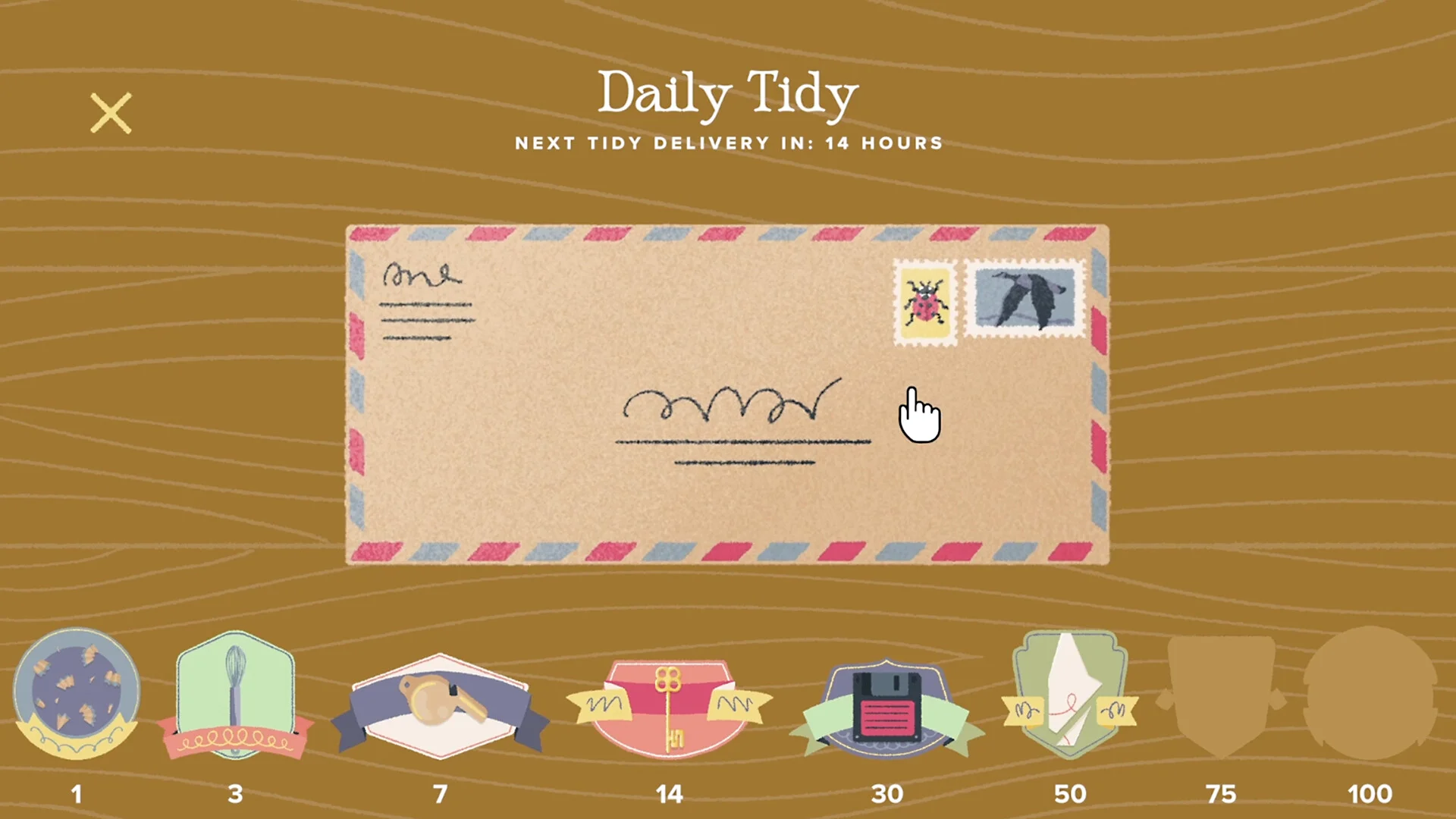
Sort books, tools, papers, and other household objects until a pattern fits. Some puzzles have more than one answer, and a cat sometimes moves things. The game also has hints and a Daily Tidy puzzle. Pick it if you want one small problem at a time. Think twice if a hidden pattern feels frustrating; this has a more exact answer than Unpacking. Compare the two in Unpacking vs A Little to the Left. See the A Little to the Left game page.
5. Dorfromantik — best for a landscape puzzle
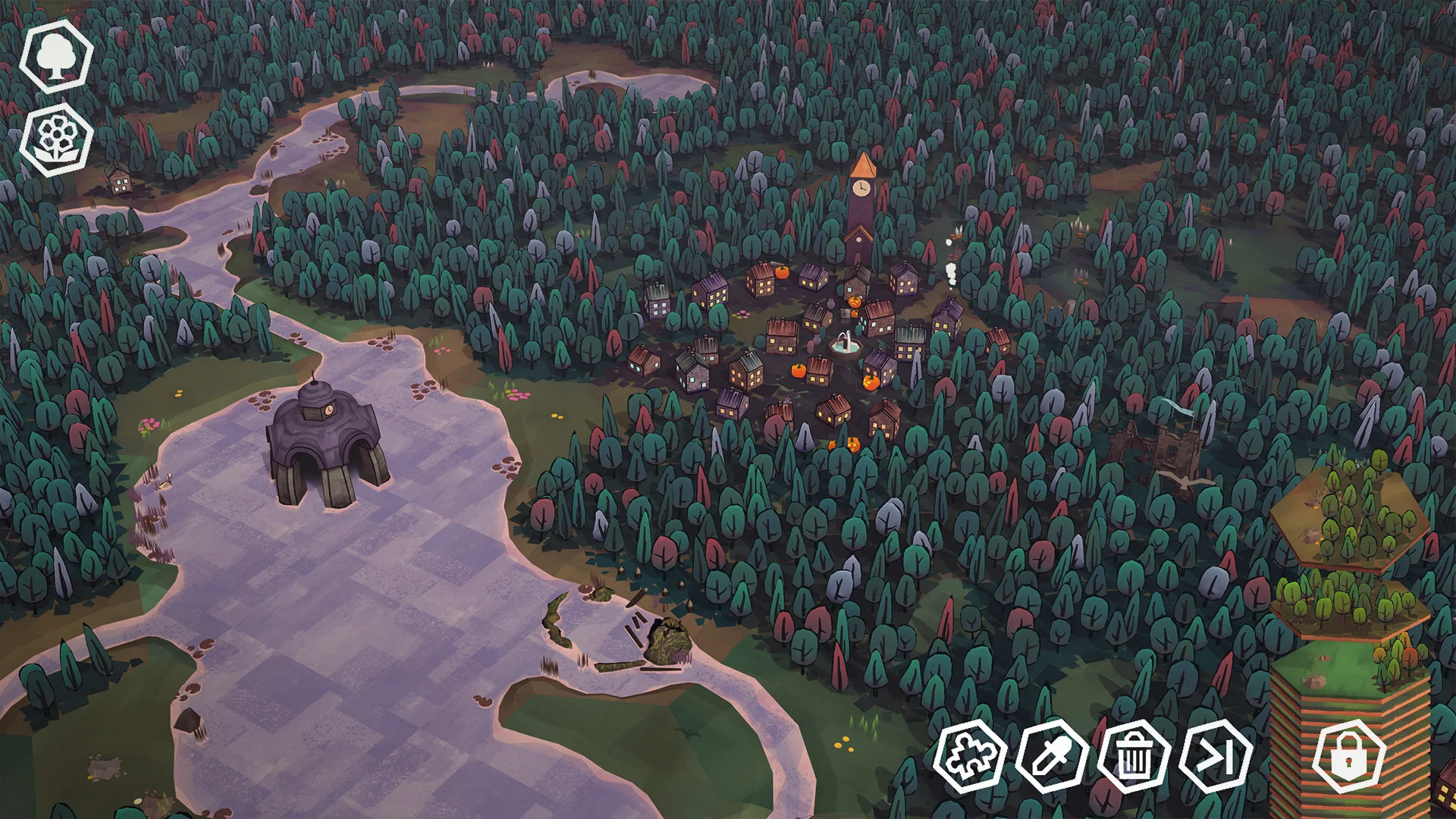
Place hexagonal tiles to connect trees, rivers, fields, and villages. The main mode rewards careful matches and asks you to use a limited supply of tiles. The developer also lists a Creative mode without those limits. Pick it if you like building a picture while making small decisions. Think twice if you want to walk around a town or meet characters; you watch the landscape grow from above. See the Dorfromantik game page.
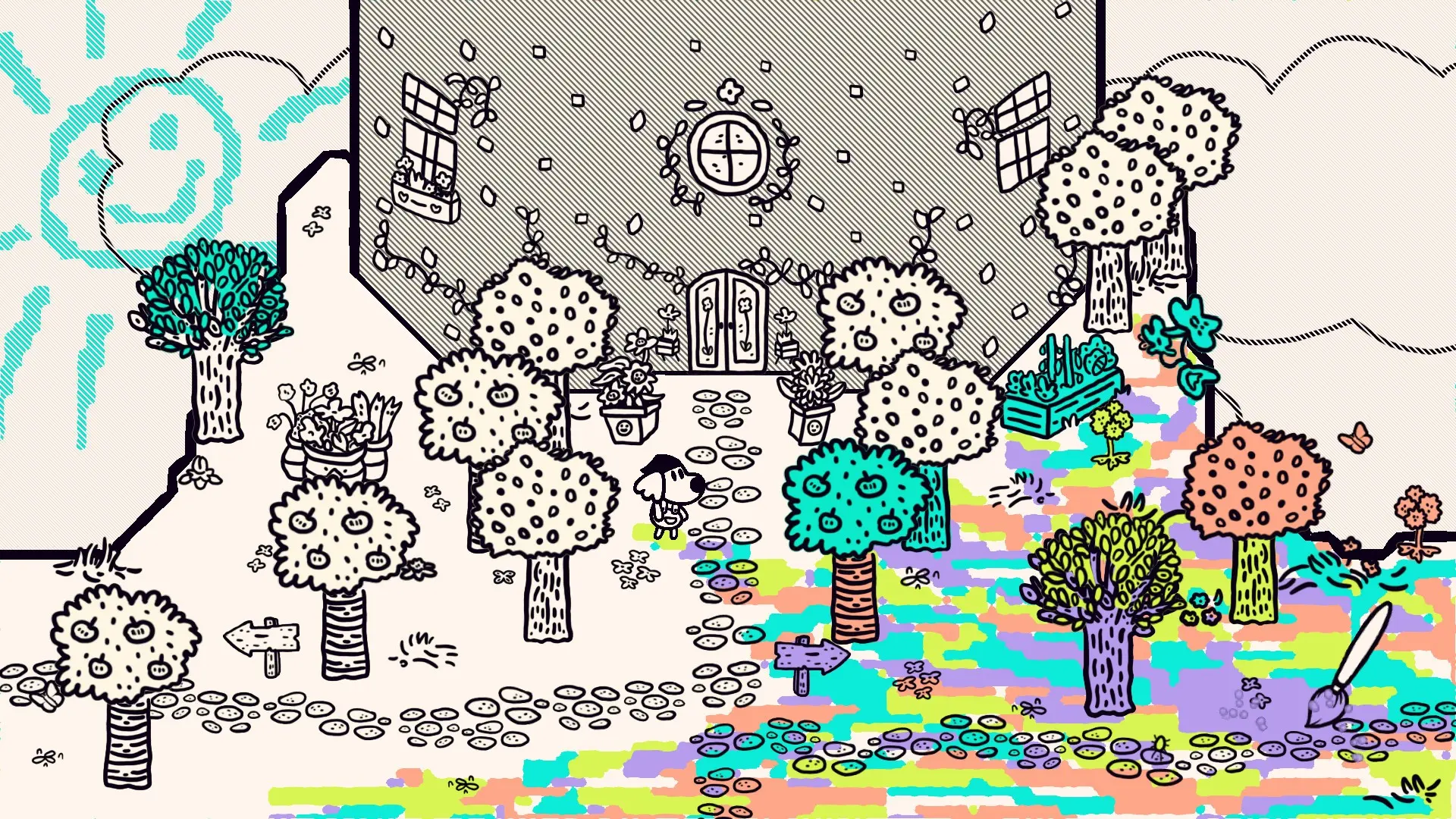
6. Townscaper — best for making a town without tasks
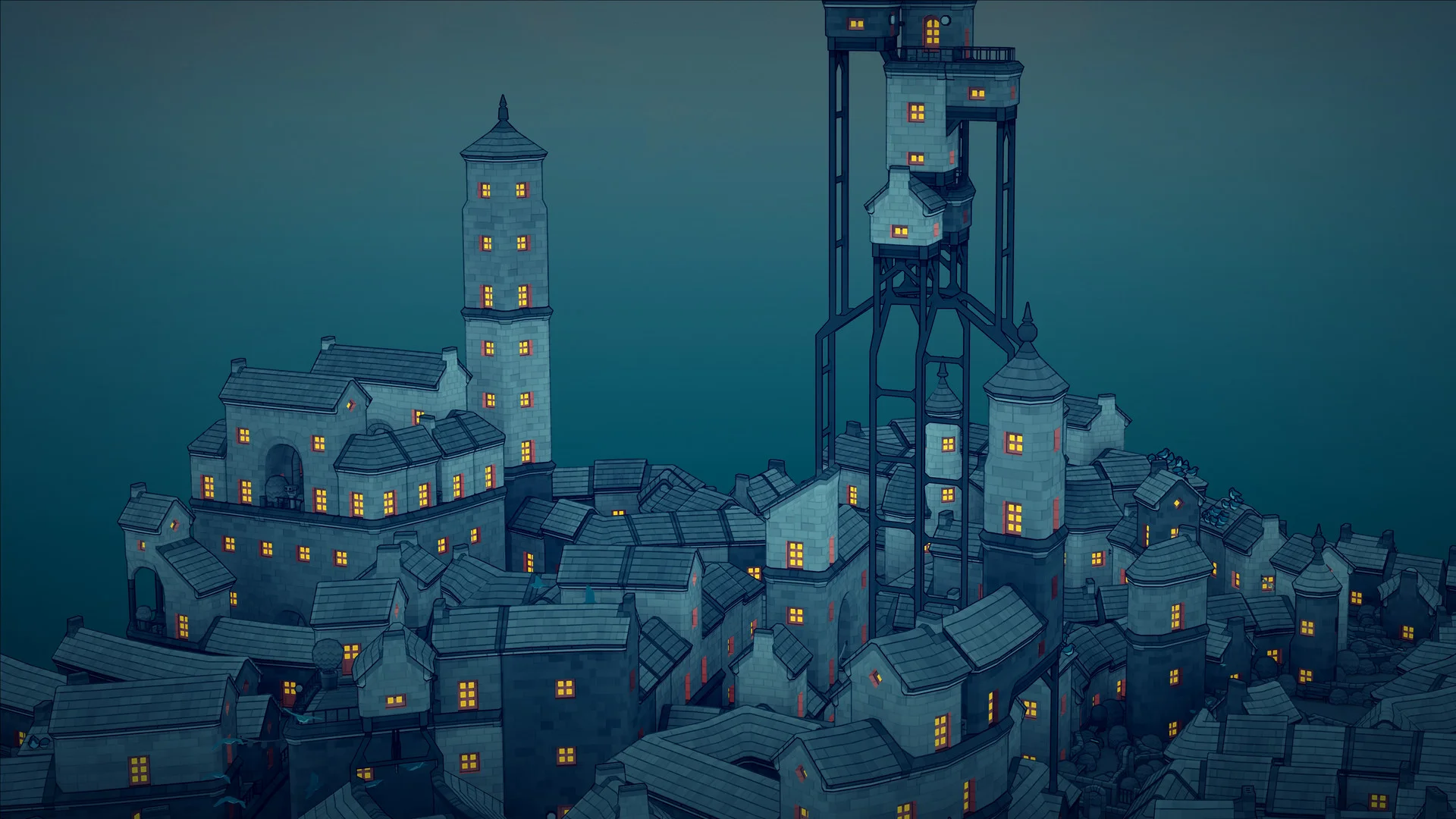
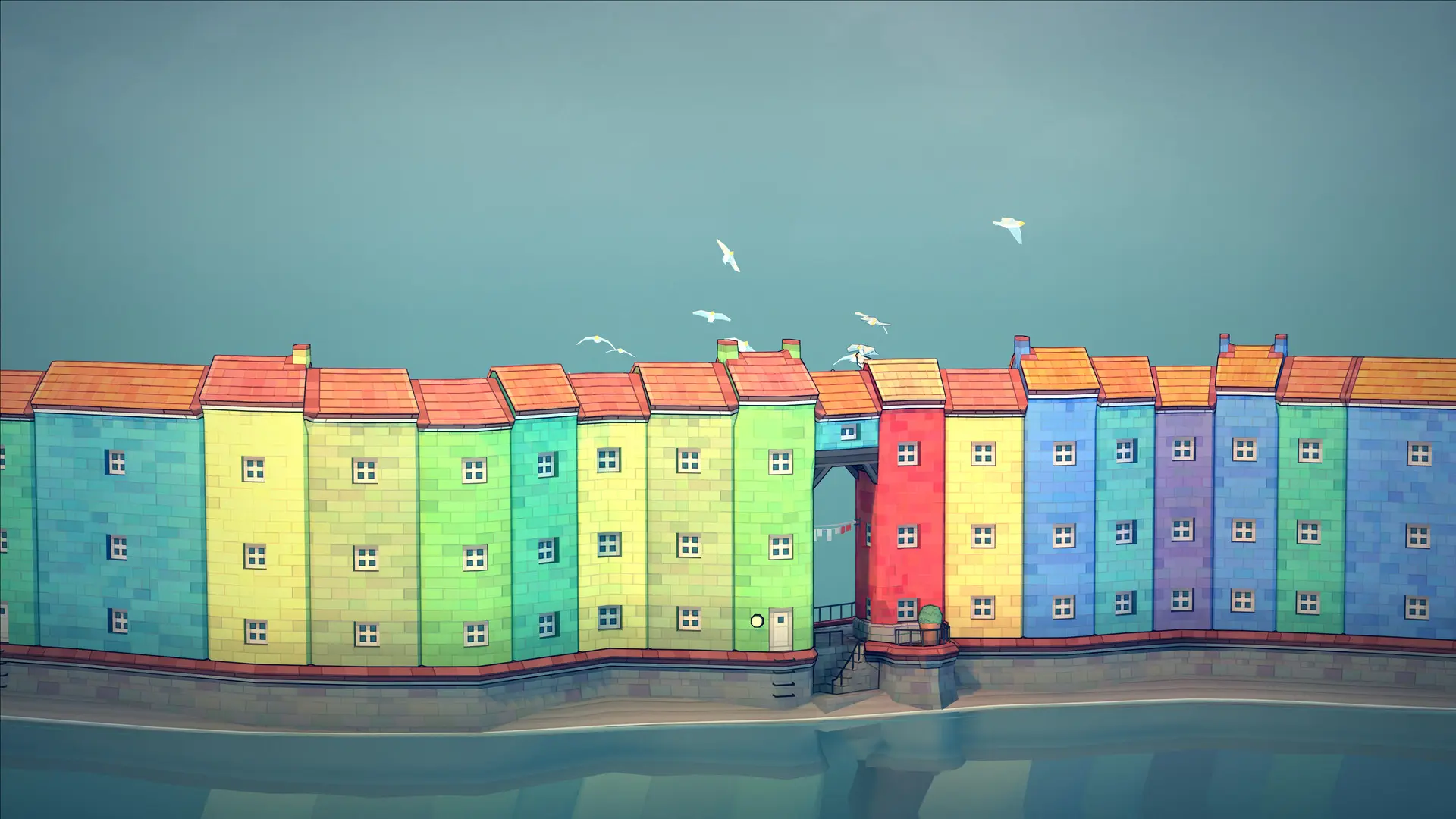
Choose a color and place blocks on a grid over the water. The game shapes those blocks into houses, towers, bridges, and small streets. Nintendo’s official description says there is no goal. Pick it if you want to try shapes and colors without quests. Think twice if you need a story, a score, or a list of tasks to keep playing. See the Townscaper game page.
7. Gorogoa — best for a harder visual puzzle
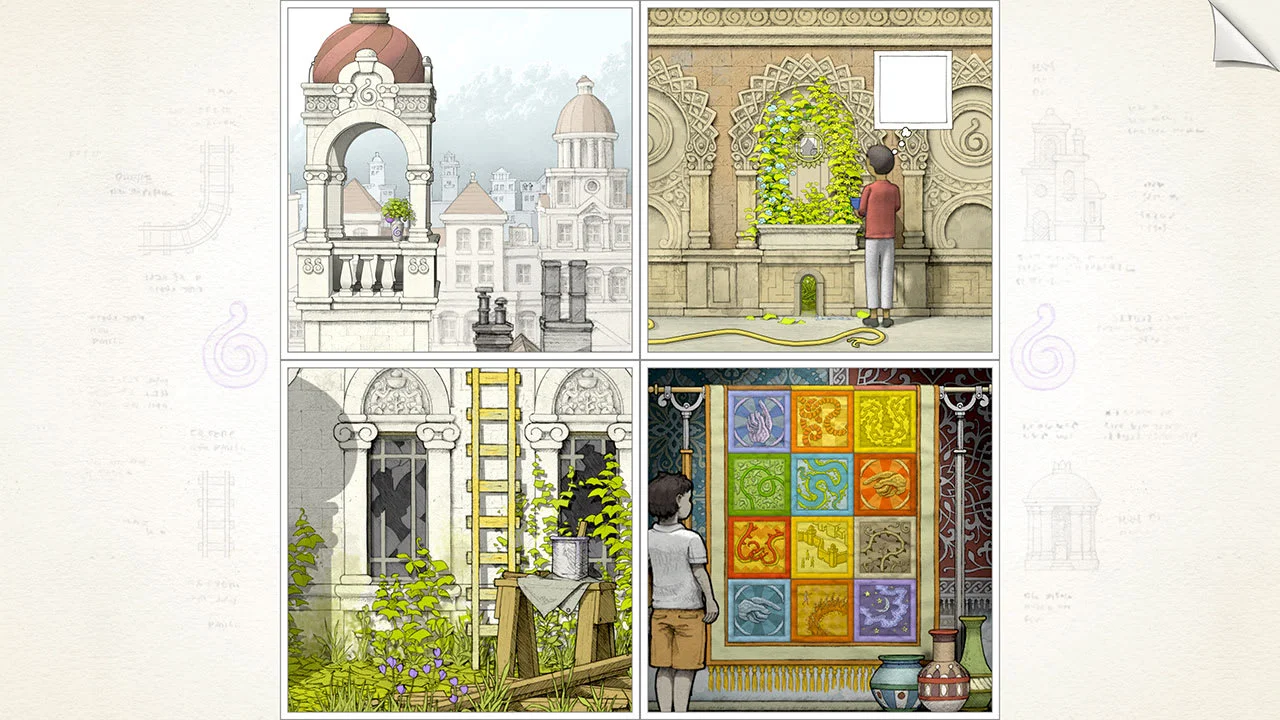
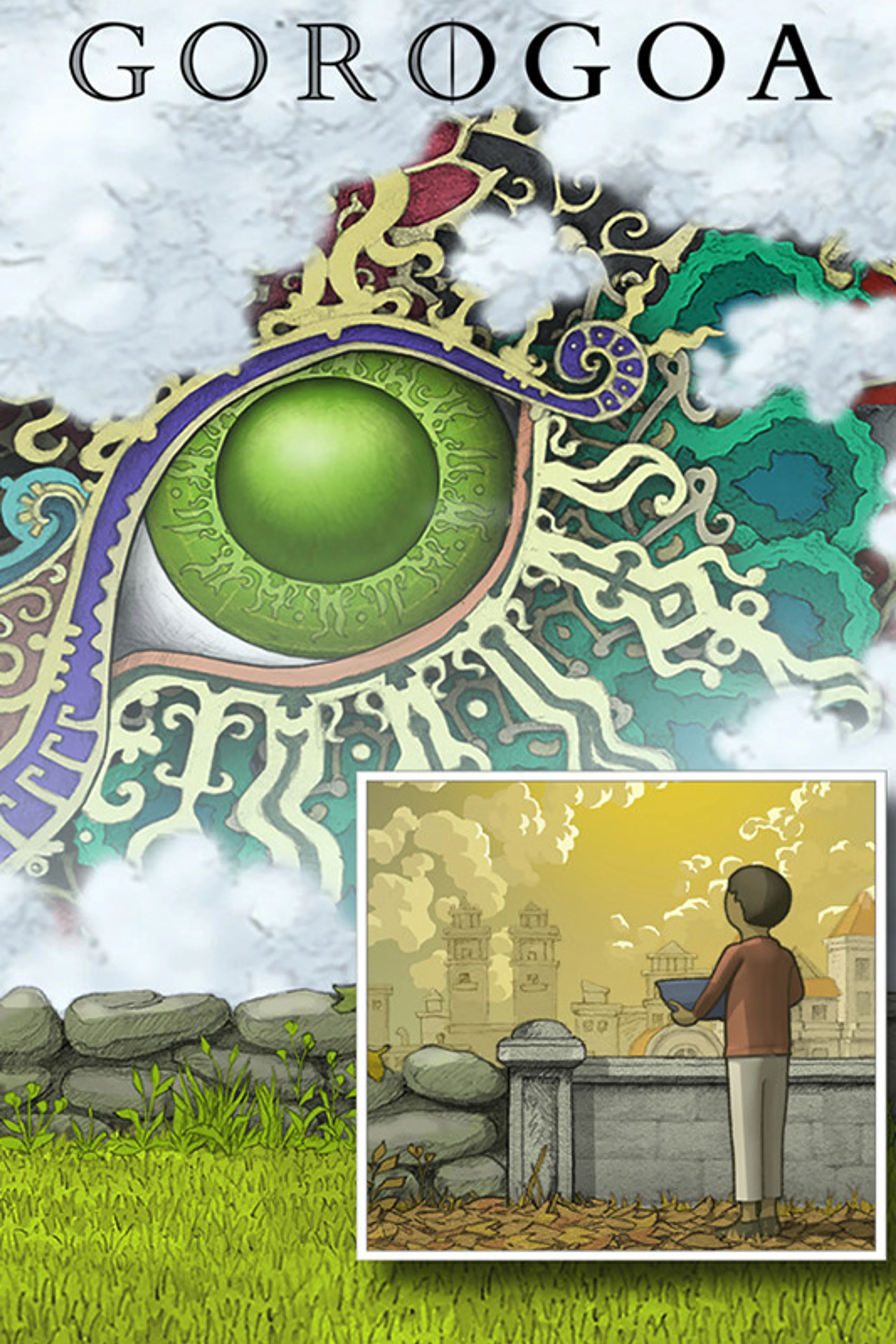
Move and layer illustrated panels until one part of a scene connects to another. The art is calm to look at, but the puzzle logic can take careful thought. Pick it if you enjoy looking for visual clues and trying different combinations. Think twice if you want a game that lets you continue without solving each puzzle. See the Gorogoa game page.
8. Florence — best for a short relationship story
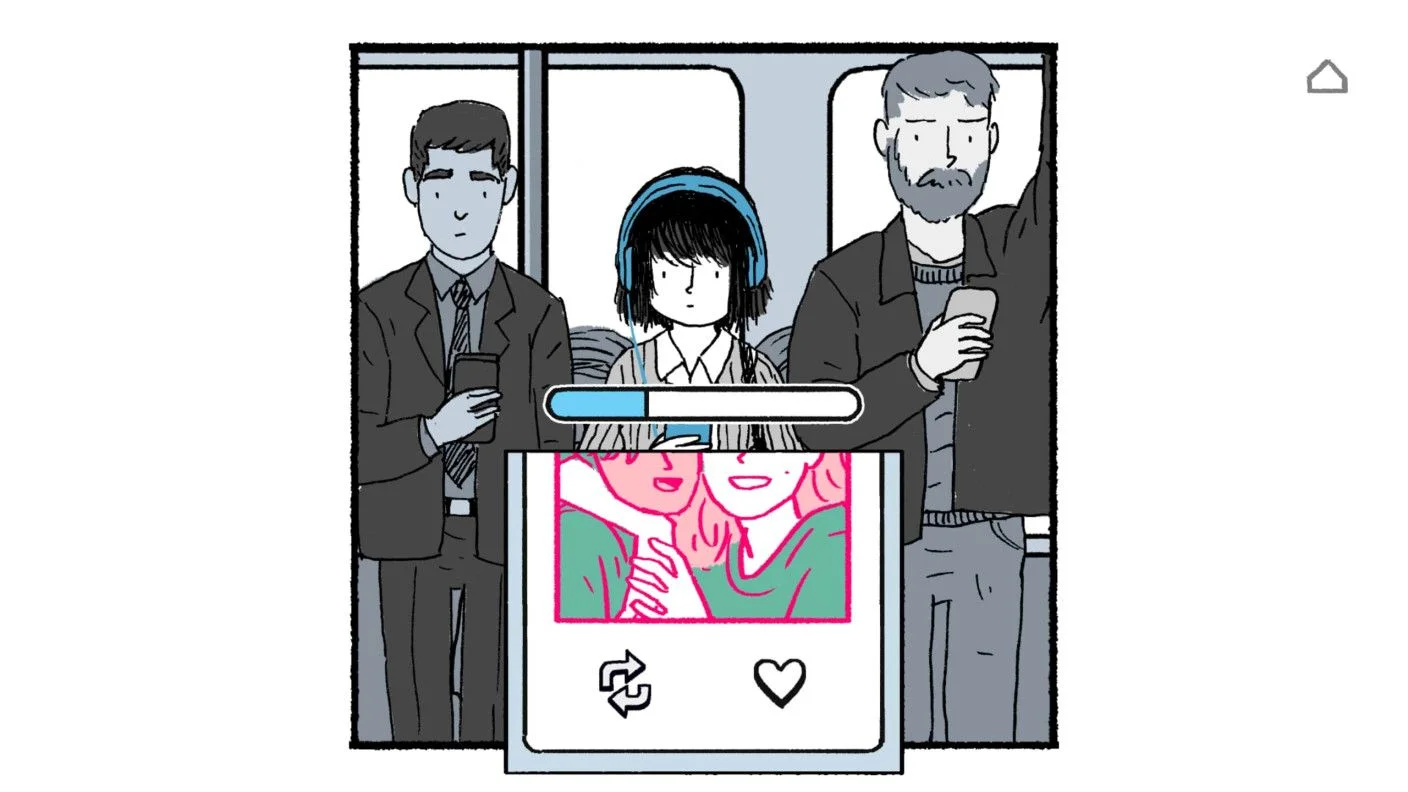
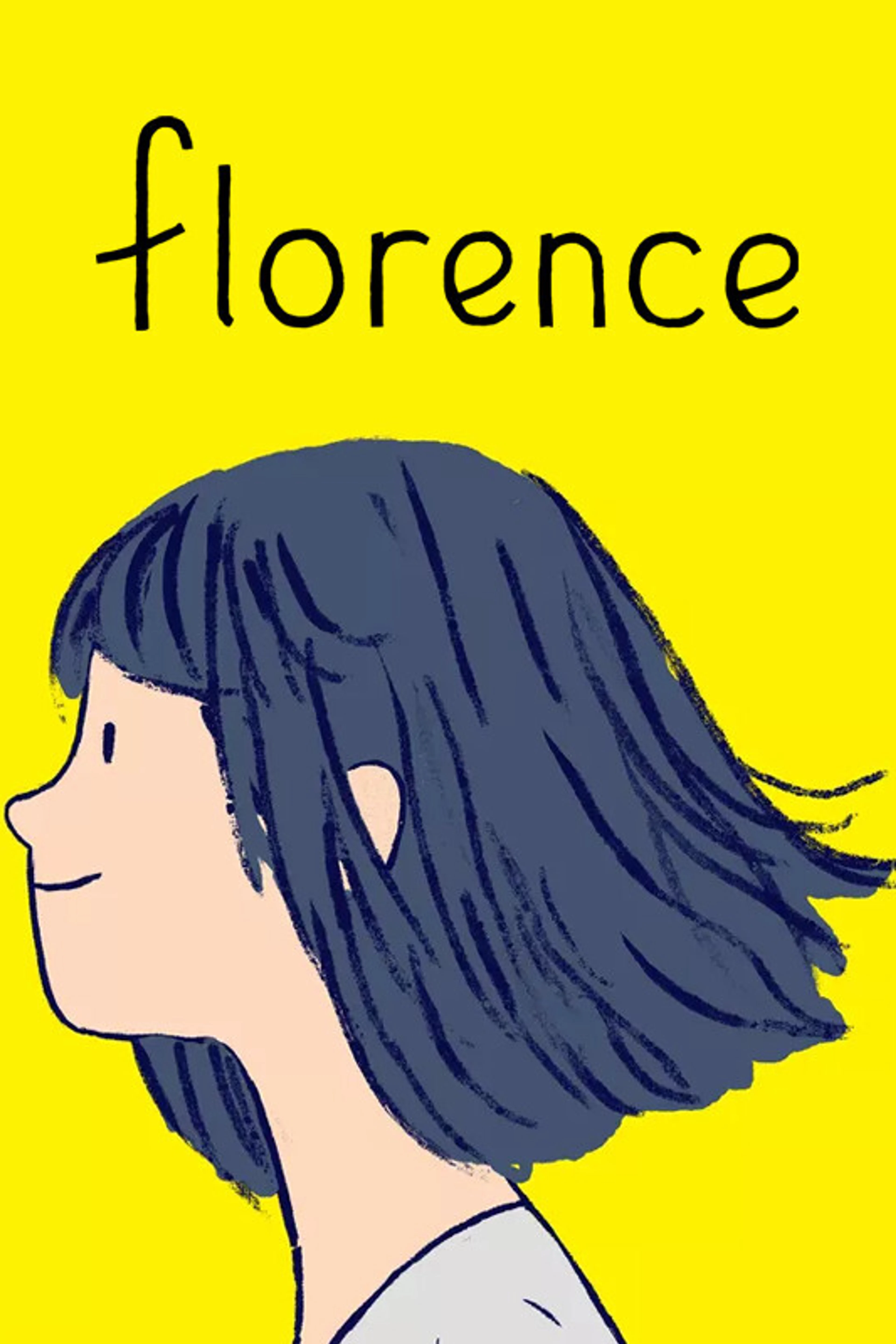
Florence follows Florence Yeoh and Krish through meeting, growing closer, arguing, and changing. You interact with short illustrated scenes; this is closer to a story than a town builder or sorting game. Pick it if you want a story about two people. Think twice if you are looking for open-ended play or a cheerful story throughout. The Nintendo Switch edition carries a US ESRB Teen rating with Suggestive Themes, so check that rating if choosing for a younger player. See the Florence game page.
Which one should you start with?
Choose A Short Hike if you want to move around and explore, TOEM if you want a camera task, and Unpacking if you want to arrange a home. Choose Townscaper when you want to build freely. Choose A Little to the Left, Dorfromantik, or Gorogoa when you want a puzzle; they ask for different levels of careful thinking. Choose Florence for its relationship story. None of these choices asks you to run a farm.