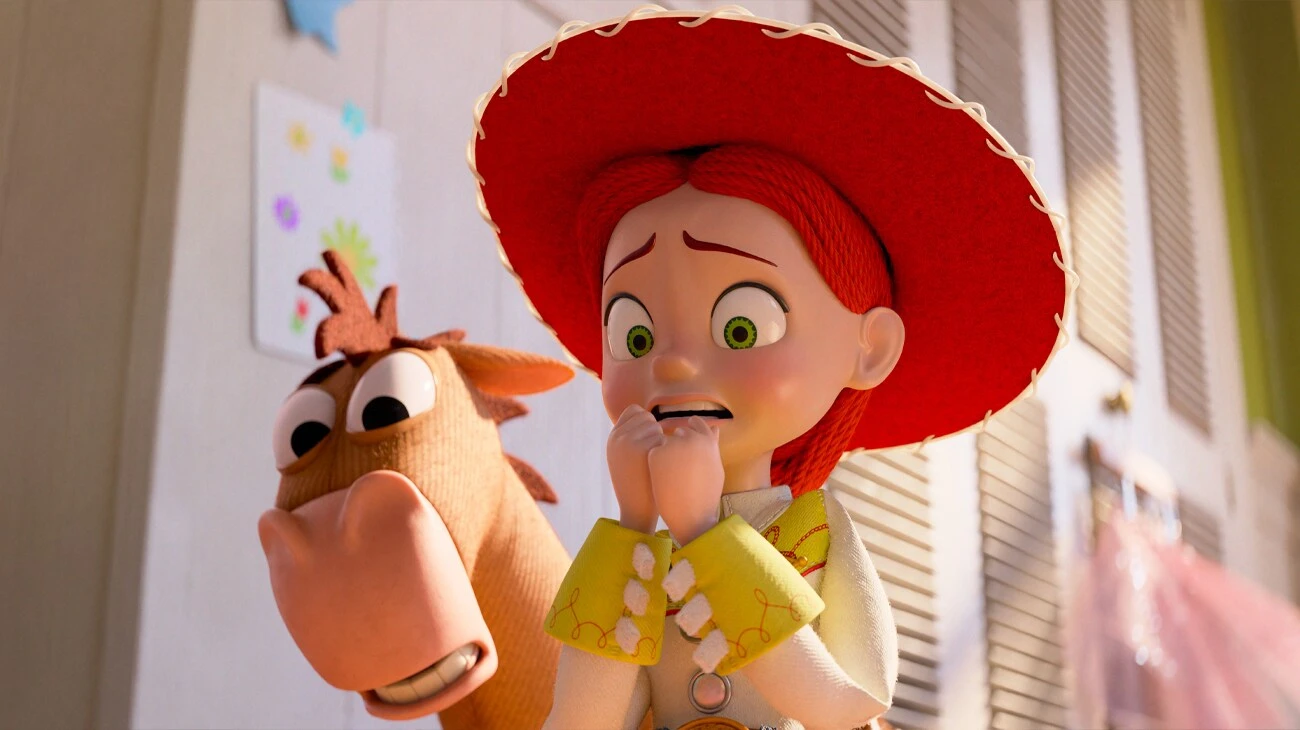
Bonnie wants friends, and playing with her toys is not helping her find them. When her parents give her a talking tablet called Lilypad, other children are suddenly easier to reach. Jessie, the cowgirl who looks after Bonnie’s toy collection, sees that change very differently. She worries about the girl, but she also worries about being left behind. Toy Story 5 is most engaging when those two concerns make Jessie’s decisions more difficult.
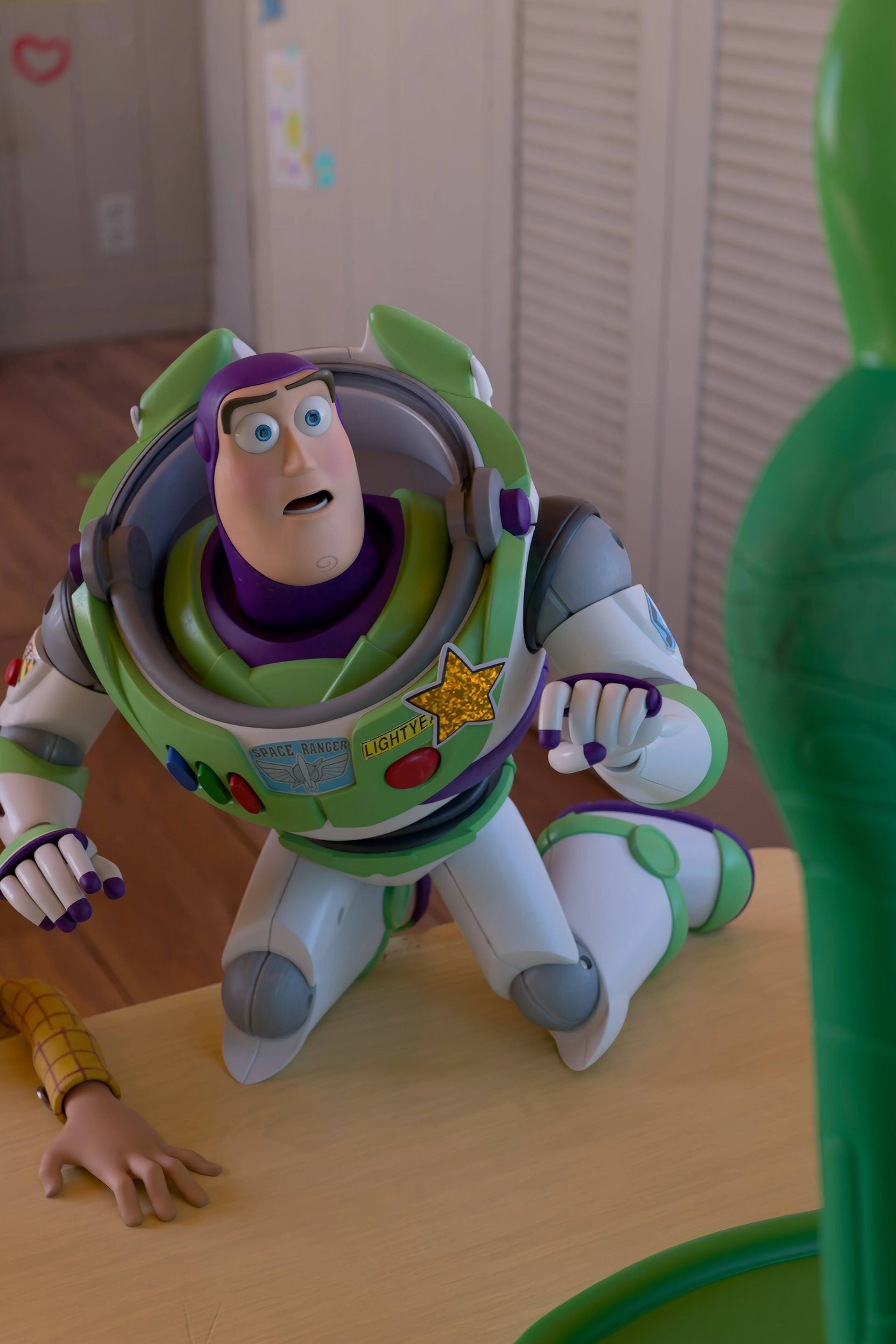
For anyone starting here, these toys can talk and move when people are not watching. They organize their lives around the children who own them. Bonnie now owns several characters who once belonged to a boy named Andy, including space ranger Buzz Lightyear. Cowboy Woody left the group in the previous film. Jessie has become its leader, which puts her in charge when a device starts taking up more of Bonnie’s attention.
The result is a funny family movie with a worthwhile change of focus. Joan Cusack’s Jessie has more to do than help Woody through another crisis, and Bonnie gets a problem that exists beyond the toy box. The weaker part is how often the film leaves that story for another adventure. Some of those detours are entertaining, but they make an already busy movie feel crowded. This review discusses the setup and characters without revealing the ending.
Bonnie needs friends, not just less screen time
Lilypad is a children’s tablet with a green frog-shaped case and a friendly voice supplied by Greta Lee. It offers Bonnie a way to talk to other children as well as something to play with. That matters because she is struggling socially before it arrives. Taking the device away would not automatically give her a friend. The story has to deal with what Bonnie is missing, not simply decide which object deserves her attention.
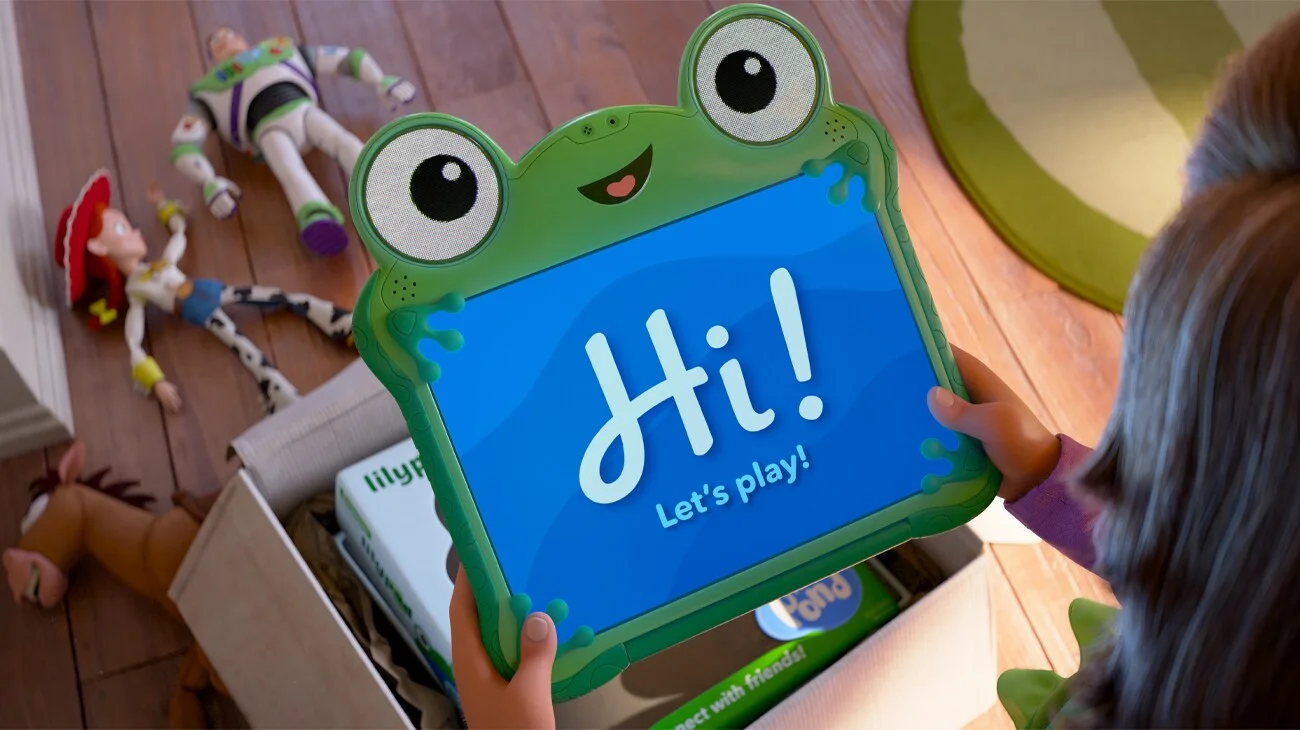
Bonnie’s loneliness gives the tablet a believable appeal. A child who finds conversation difficult might welcome a device that makes introductions easier. From Jessie’s position, however, every extra minute spent with Lilypad is another minute when the toys are ignored. Both reactions are easy to understand. That makes the early disagreement more interesting than watching a group of heroes recognize an obviously evil newcomer.
The children Bonnie meets do not necessarily treat her kindly. Her attachment to toys becomes something they can make fun of, which changes the problem again. Getting invited to spend time with other children is not the same as feeling accepted by them. Showing Bonnie being treated badly is more convincing than simply telling us that children spend too much time using screens. We can see why Bonnie wants the connection and why that connection can still hurt her.
Jessie responds as someone who cares deeply and does not always know the best way to help. Cusack makes her concern sound urgent rather than politely reassuring. There is impatience in it, too. Jessie cannot solve Bonnie’s problem just by becoming her favorite toy again. Giving the lead character something harder to achieve than winning back attention is the film’s most useful change to the familiar setup.
We also appreciate that the movie does not treat every electronic device as equally harmful. Some of the new characters are devices themselves, and they can be helpful or funny rather than threatening. That prevents the argument from becoming absurdly simple. Children watching on a television do not need a movie telling them that all screens are bad. They need a story that notices the difference between enjoying something and letting it replace other parts of life.
There is a limitation, though: Lilypad’s own change of direction happens too quickly. The device is important enough to reshape life in Bonnie’s room, but its later development gets less space than that introduction promises. We wanted more time spent on how its understanding changes. The movie reaches a reasonable point about technology without making every step toward that point equally convincing.
Jessie deserves the lead, but the extra Buzz story interrupts her
Jessie has a history of being loved by a child and then left behind. You do not need to remember every detail from Toy Story 2 to understand why losing Bonnie’s interest frightens her. That earlier experience makes her more than a substitute for Woody. Cusack’s voice can shift from determined instructions to worry without making Jessie seem like a different character. Her confidence is something she works to maintain, not proof that she has an answer.
The journey takes her beyond Bonnie’s bedroom and brings another child, Blaze, into the story. We will leave their connection for the film to explain. What matters for the review is that Jessie gets to observe a different home and a different relationship with play. Leaving Bonnie’s room gives Jessie more to think about than how to defeat Lilypad. Those discoveries are more involving than another argument over which toy should be in charge.
Elsewhere, a shipment of Buzz Lightyear figures becomes stranded. These are separate toys, not copies of the particular Buzz we have followed for years. Their belief in their space-ranger mission produces another version of the confusion that made the original character funny. Seeing a whole group act with the same confidence has comic value, especially because their certainty is so out of proportion to their situation.

The problem is placement. The film keeps returning to the stranded Buzz figures before their story connects with Jessie’s. Each return asks us to put Bonnie’s difficulties aside for a different set of characters. Eventually the connection arrives, so the scenes are not pointless. But knowing they have a purpose later does not make every interruption welcome while the more personal story is still developing.
Woody also returns, though he is no longer the main character. Tom Hanks makes him sound older without removing the stubbornness that gets him into trouble. A worn patch on his head supplies a visual joke about age. It is affectionate and easy to understand, but the movie wisely does not rely only on reminding us that this cowboy has been around for a long time.
Buzz, voiced by Tim Allen, has to exist without Woody constantly beside him. Fans expecting another Woody-and-Buzz-led adventure should adjust that expectation. They are still part of the fun, but Jessie receives the central decisions. We consider that a strength. Repeating the same partnership at the center of every film would leave less room to discover what another familiar character does under pressure.
Other returning toys get much less space. A familiar face may appear without contributing much beyond a line or reaction. That is a reasonable trade when Jessie needs the attention, but it also makes the extra Buzz subplot harder to defend. The movie is already choosing which established characters to leave in the background while finding time for another group of newcomers.
The jokes work better than some of the repeated rescue scenes
One of Jessie’s new acquaintances is Smarty Pants, a device designed to help children learn to use the toilet. Conan O’Brien supplies the voice. The joke starts with the character’s purpose, so younger viewers do not need to recognize the actor to understand why the encounter is silly. The new devices give the comedy something besides nostalgia to work with. They have different jobs and appearances from the toys we already know.
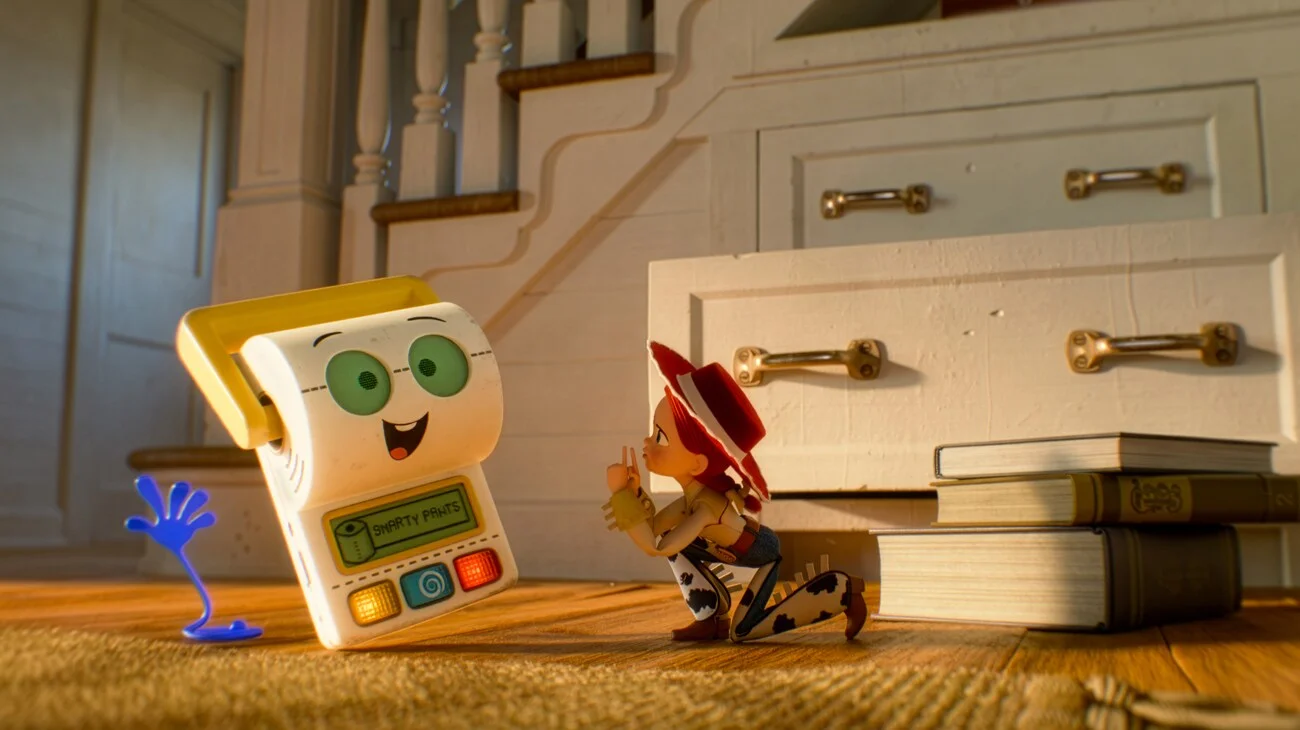
The film also changes its visual style when it shows children inventing stories during play. Colors and shapes become less like the ordinary bedroom and more like a child’s drawing. These passages help us understand what Jessie wants Bonnie to enjoy again. Instead of having a character explain why imagination matters, the movie lets us see how much more exciting an ordinary toy can become in a made-up adventure.
Those playful passages are enjoyable enough that we wanted more of them. The film shows imagination more effectively than it talks about the value of play. By comparison, another escape or rescue can feel like a familiar obligation. The movement keeps the movie lively, but getting characters out of danger is not always as interesting as watching them invent something together.
There are still plenty of laughs, and the 102-minute running time makes this a manageable family watch. It is rated PG for some thematic elements and rude humor. The social rejection Bonnie faces is worth knowing about if a younger child is sensitive to that subject. The comedy does not mean every interaction between the children is kind or every moment is cheerful.
Toy Story 5 images and concept art
3 screenshotsYou can follow the main conflict without seeing all four earlier films. The opening situation is understandable once you know that the toys are alive and Jessie is responsible for the group. However, Woody’s return and Jessie’s memories carry more feeling with that history. Newcomers can understand it; longtime viewers will get more from the reunions. Neither audience needs the ending explained in advance to enjoy the story.
Toy Story 5 arrives on Disney+ on September 23, 2026. Our recommendation concerns the movie itself, not the streaming version’s picture quality or accessibility options. For a family deciding what to watch together, it offers a good mix of physical comedy and an understandable problem about friendship. Viewers looking for the series’ most tightly organized story may be less satisfied with its competing adventures.
Pixel Twelve score: 7.8/10 — Good. Jessie’s leading role and Bonnie’s difficulty making friends give this sequel a reason to exist beyond another reunion. The funny new devices help, too. The crowded plotting and rushed development of Lilypad keep it below the series’ best films for us. It is an enjoyable return, particularly for families, with a more interesting central problem than its repeated rescue scenes suggest.
Loading results