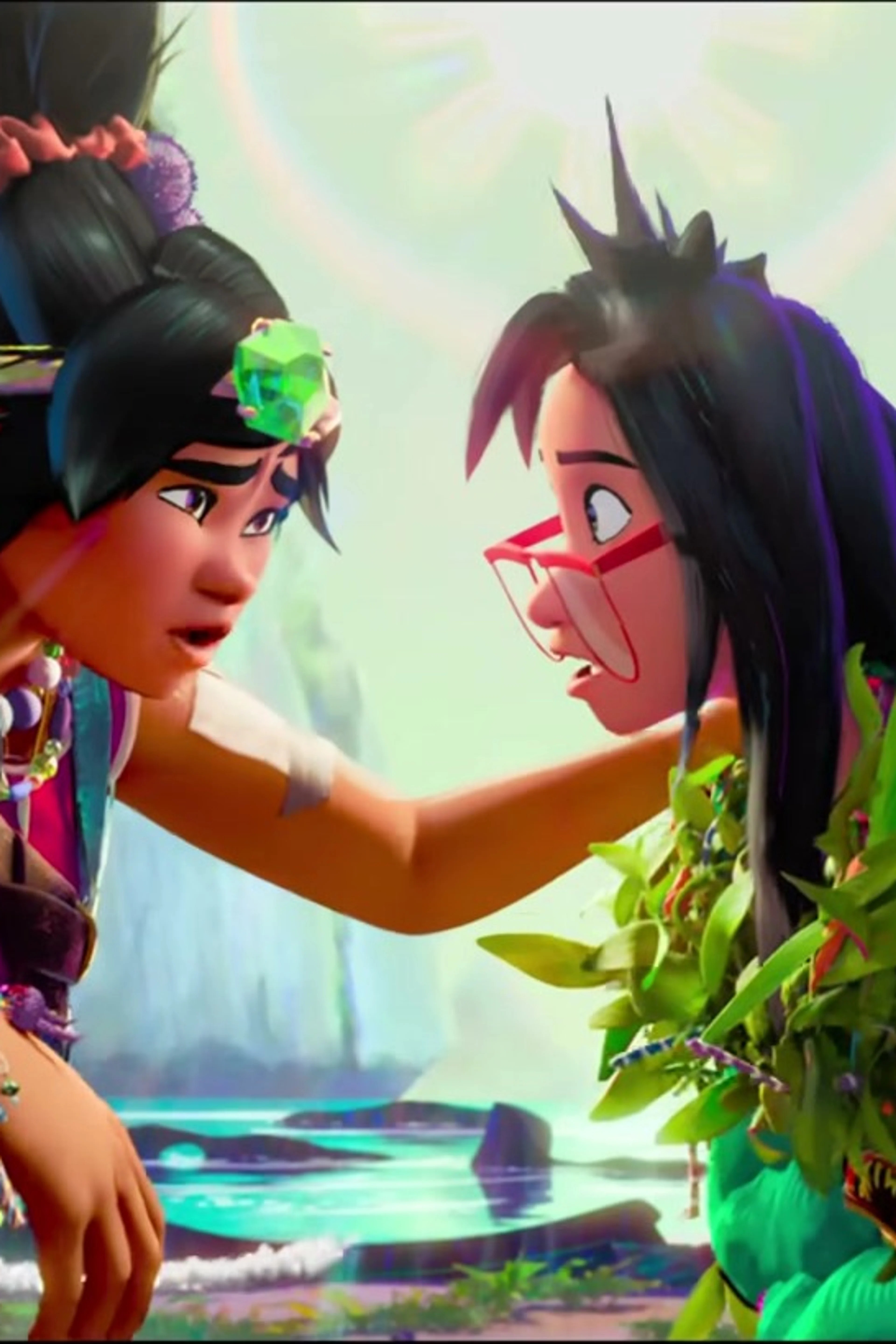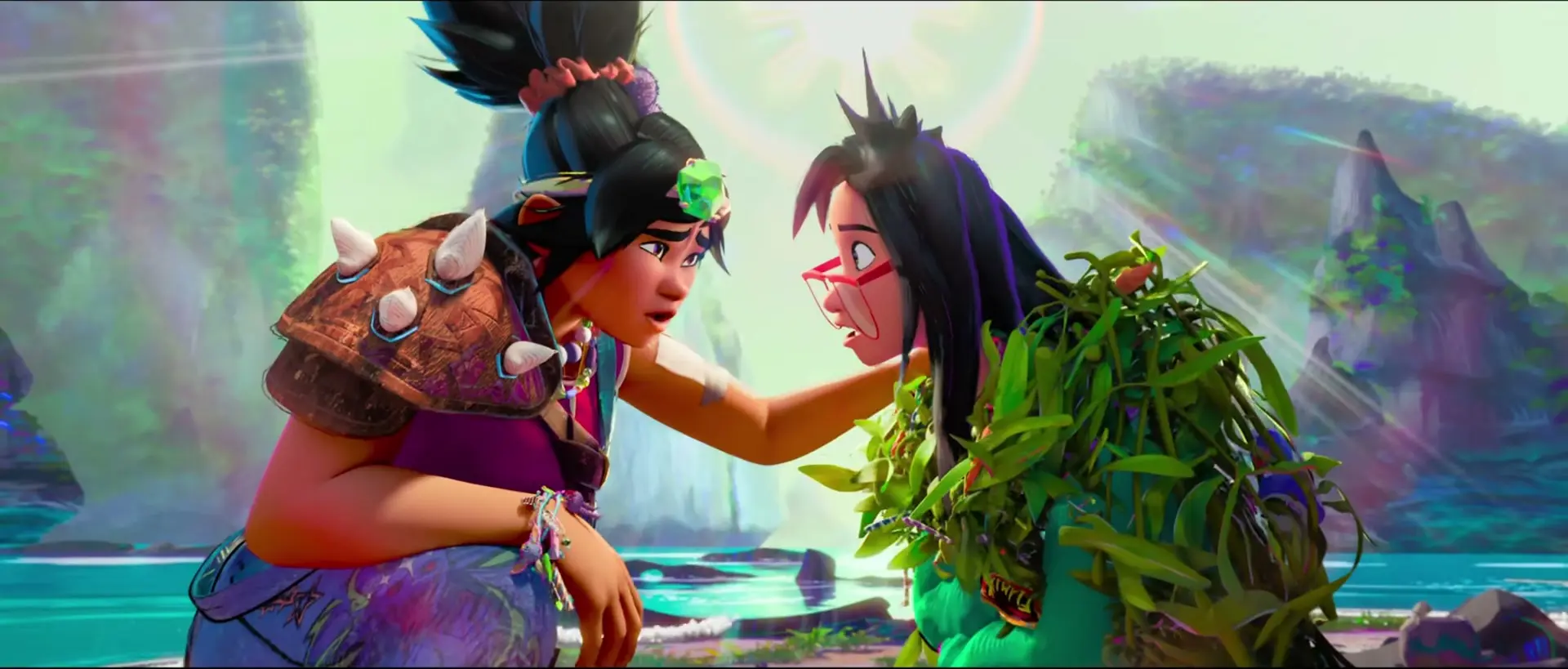
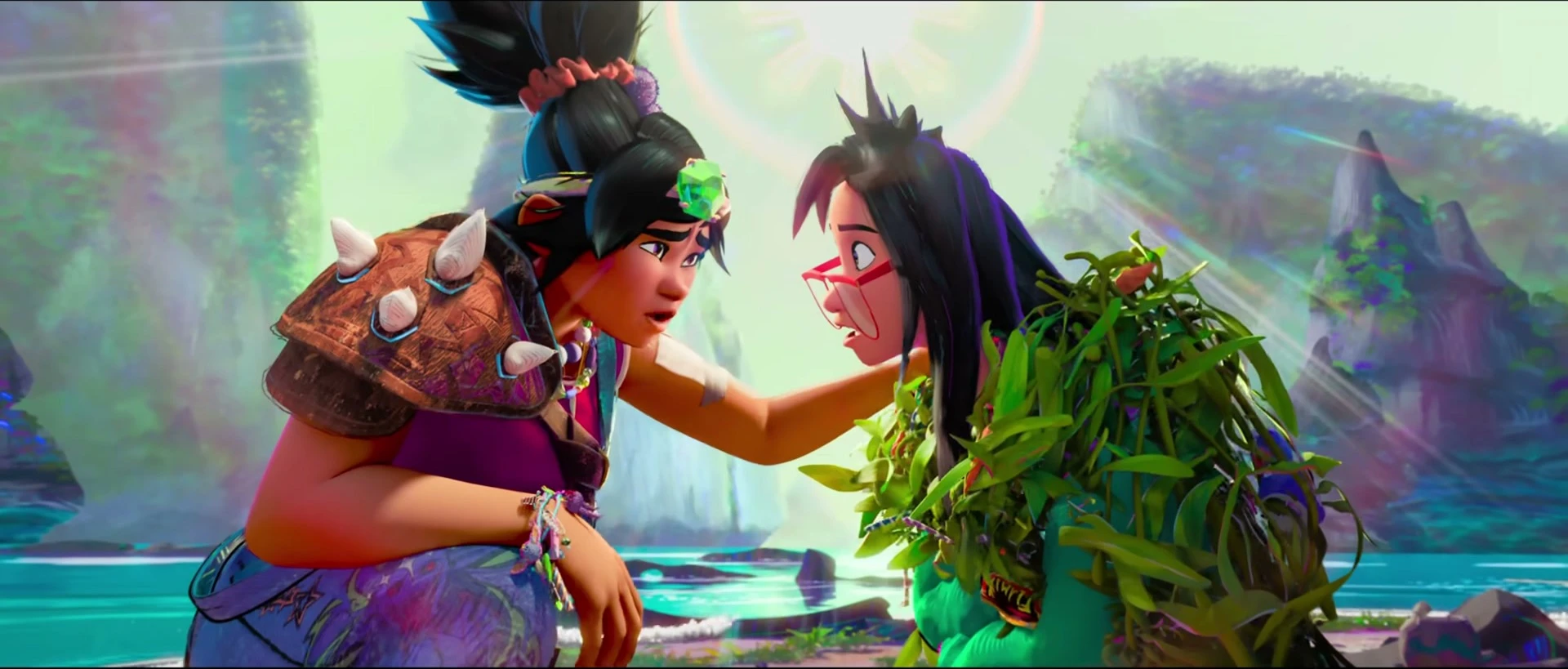
Jo and Raissa have been friends since grade school. Now Raissa is leaving the Philippines to study in the United States, while Jo has no equally certain plan. They want one more night together before everything changes. Instead, they end up on an island full of creatures from the stories Jo heard as a child. Getting home is possible, but it could cost them every memory of their friendship. Forgotten Island gives its fantasy adventure a personal problem worth caring about.
You do not need to recognize those creatures or know Filipino folklore to follow the film. The important relationship comes first. Jo is impulsive and imaginative; Raissa is more cautious and has worked toward a future away from home. Neither wants to lose the other. DreamWorks makes their disagreement understandable before asking us to worry about monsters, magical rules or an escape route.
The film is often very funny, and its bright animation deserves a large screen. But the part we like most is less spectacular: leaving for college does not make Raissa a bad friend, and being afraid of that departure does not make Jo ridiculous. The adventure is strongest when it keeps both feelings in view. It becomes less satisfying when another creature or chase interrupts a conversation that needs more time.
Jo and Raissa have a reason to fear going home
H.E.R. voices Jo, while Liza Soberano plays Raissa. Their differences could easily have produced a tiring arrangement where one girl causes every problem and the other complains. Instead, the friendship has a history that explains why they stay together. Jo's enthusiasm gives their time together excitement. Raissa's plans create possibilities beyond the place where they grew up. We can want her to take that opportunity without dismissing what Jo stands to lose.
The setting is the 1990s. Music and small keepsakes help establish how long the girls have known each other, rather than simply reminding adults of an earlier decade. Their friendship bracelets carry charms associated with things they have done together. The bracelets make their shared past easy to understand without a long explanation. A tiny object can recall something funny or embarrassing that would mean little to anyone outside that friendship.
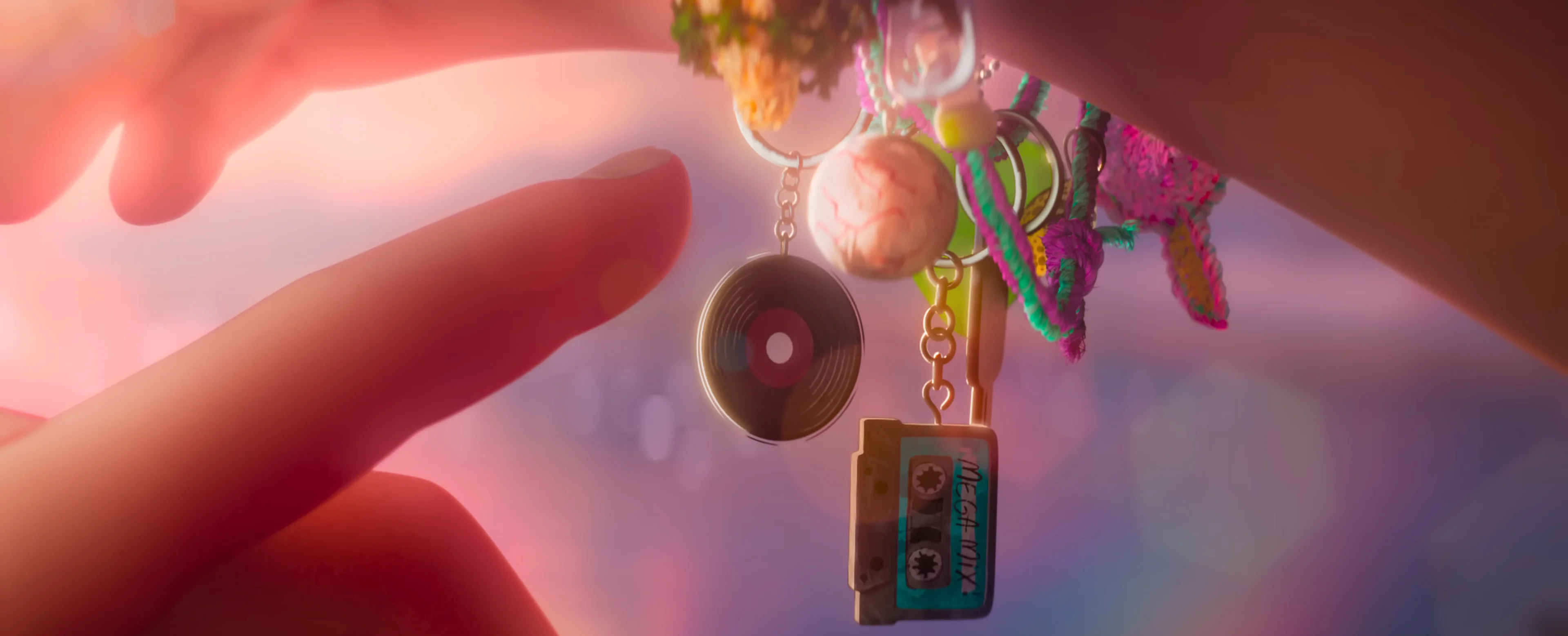
That detail gives the island's demand a specific meaning. The girls are not deciding whether to give up an unnamed magical power. They could forget the experiences that made them close. A stranger might see two people who can simply meet again. For Jo and Raissa, that would not restore the years they spent becoming comfortable with each other. The story makes us consider the difference without requiring complicated rules about how memory works.
Jo also has a family connection to the strange place. Her grandmother told her stories about it, so reaching Nakali means discovering that something from childhood actually exists. The island is not just a random destination chosen for colorful scenery. The family stories explain why Jo approaches this world with particular excitement. They also give the film room to connect growing up with the people who first helped us imagine what might be possible.
There is a comic mystery within the escape story. The friends cannot remember a stretch of their time on the island and have to work backward through what happened. That gives their encounters a purpose beyond collecting new companions. Someone they meet may know something they do not. The setup is enjoyable because the girls must deal with the consequences of actions they cannot yet explain, while still trying to return in time for Raissa's departure.
We are less impressed when the film spells out its message after the situation has already done the work. The threatened memories and impending separation are enough to establish what matters. Some of the reminders about friendship are more obvious than they need to be. Younger viewers can follow a feeling before a character explains it. Trusting that understanding more often would make the quieter exchanges feel less directed toward a lesson.
Nakali is funny, colorful and sometimes frightening
Directors Joel Crawford and Januel Mercado make Nakali busy with movement and personality. The animation combines rounded, computer-animated characters with flatter drawings and exaggerated expressions. Memories and comic interruptions do not all look like the main adventure. These changes are easy to notice even if you have never thought about animation styles before: a face can become much more extreme for a joke, then return to its usual proportions for a conversation.
The changing animation styles make the comedy more playful, but they do not erase the girls' expressions when the mood becomes serious. That balance matters more than the number of unusual creatures on screen. We need to read whether Raissa is uncomfortable or Jo is hurt, not merely admire a beautiful background behind them. Their personalities remain recognizable through the faster and more exaggerated passages.
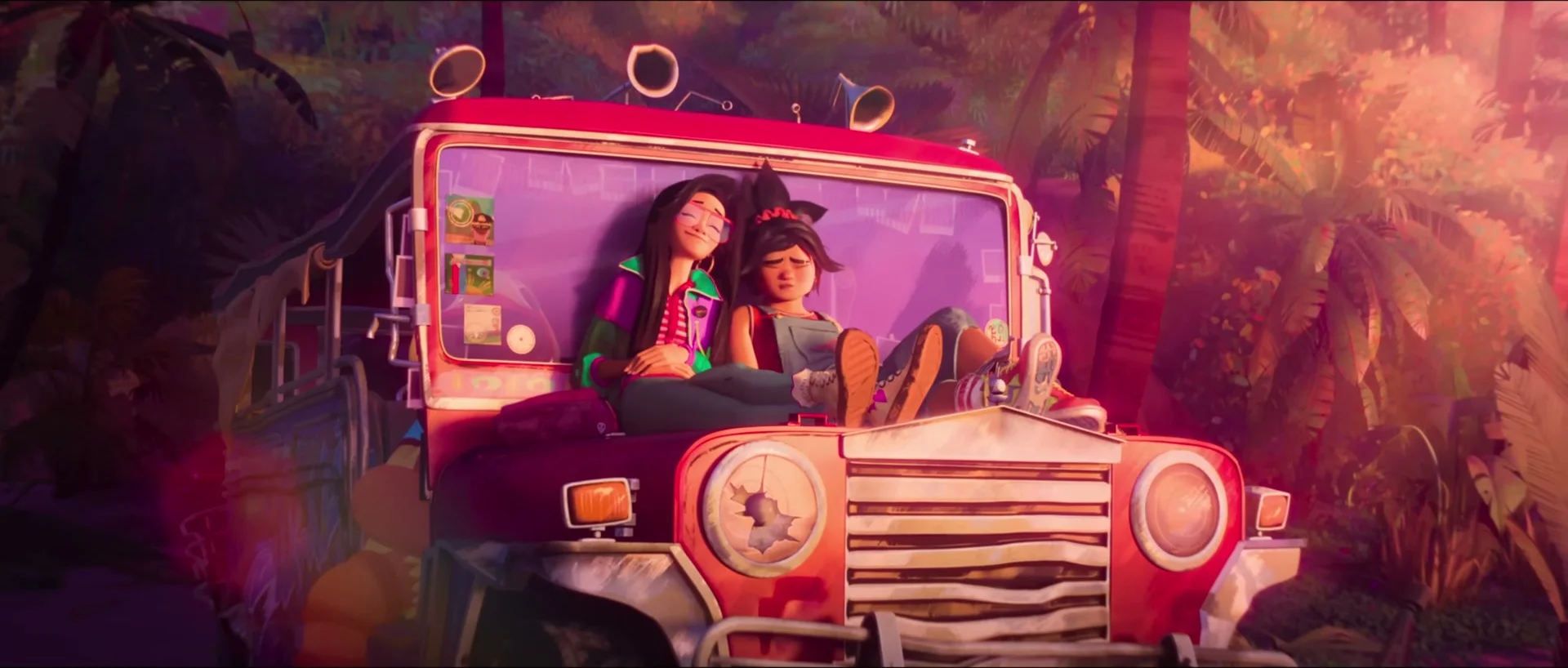
The Filipino setting also continues beyond the opening. The adventure includes karaoke and a jeepney, the brightly decorated passenger vehicle familiar in the Philippines. English dialogue includes Tagalog, and family stories become encounters with real creatures. These details belong to what the characters do, rather than appearing only as decorations. A viewer unfamiliar with them can follow the activity from the scene without pausing the film for an explanation.
Among the creatures is Raww, a well-meaning were-dog voiced by Dave Franco. He offers a different kind of company from the two friends, and his desire to help makes him likable. Other encounters are stranger, including a giant baby named Bungi. The humor is not limited to one sidekick delivering every joke. The island's inhabitants have different personalities, so meeting someone new can change the kind of comedy instead of repeating the same response.
That variety also causes the film's biggest pacing problem. The middle has so many people to meet and incidents to get through that Jo and Raissa sometimes lose time to their supporting cast. A funny introduction can be enjoyable on its own and still arrive when we would rather hear the girls finish a difficult conversation. The film does not become boring. It becomes crowded, which is a different problem in a story built around two people.
There is a more serious warning for parents. The Manananggal, voiced by Lea Salonga, is a frightening creature with batlike wings and a body that can separate. The film does not make every monster harmless just because its leads are teenagers. Some children may find the villain much scarier than the bright posters suggest. Knowing your child's response to threatening creatures will be more useful than assuming that a DreamWorks logo guarantees a gentle afternoon.
Forgotten Island has a PG rating in the United States. Its frightening action and moments of danger are part of the experience, not a brief change in an otherwise quiet story. We would not describe it as unsuitable for every young child, but we would not recommend it without that qualification either. Older children who enjoy animated adventures with real threats are more likely to appreciate the combination of jokes and scares.
The friendship deserves a little more time at the end
At 109 minutes, Forgotten Island has enough room for a substantial adventure. The issue is how it divides that time. The last stretch brings its major events together faster than we would like after the busy middle. Without revealing the resolution, the final developments would benefit from more room to settle. A film that asks us to care about years of shared experience should give its most important reactions time before moving forward.
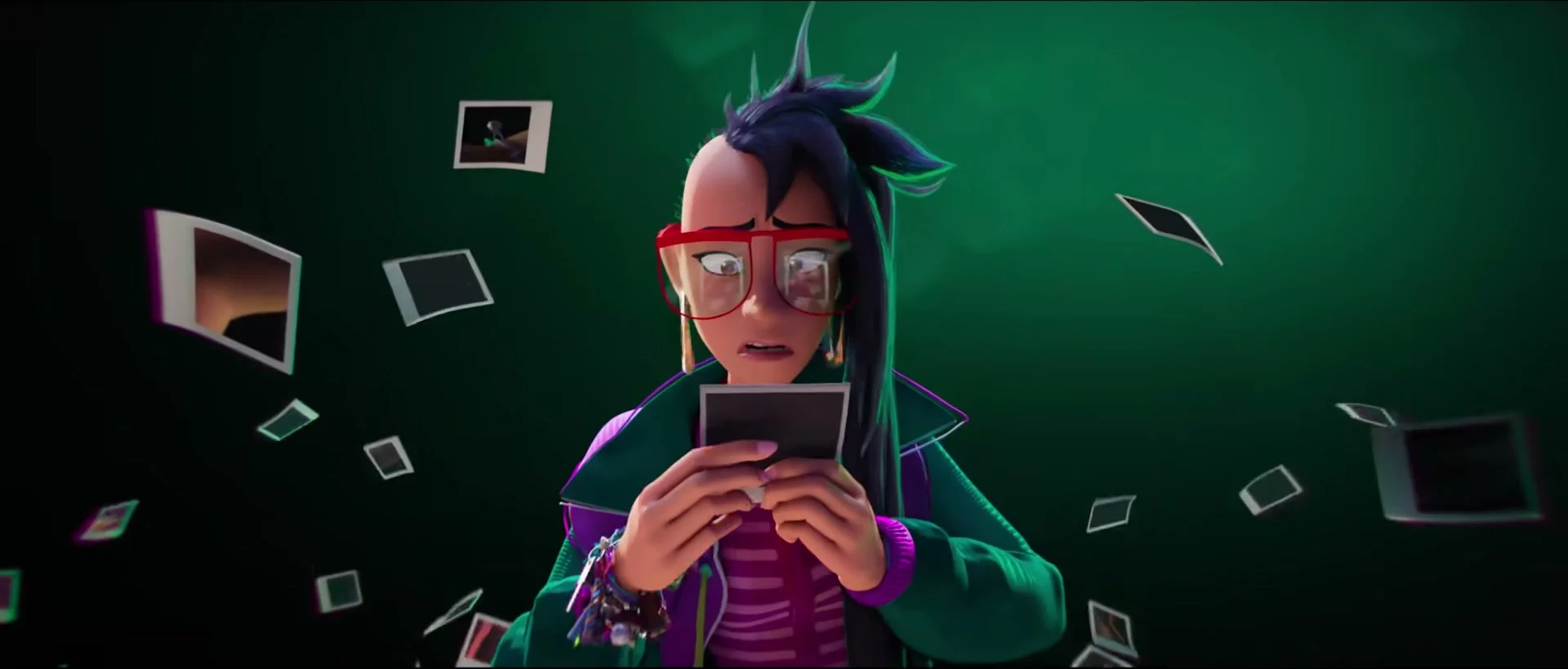
That does not mean the emotional material fails. The girls' fear of becoming less important to each other remains understandable even when the route through the adventure is predictable. You can often guess the kind of decision a family film is approaching. What matters is whether the people making it have become interesting enough for the outcome to matter. Jo and Raissa do, largely because neither girl's plans provide a complete answer to the other's worries.
The music helps give their history a particular time and place. Nathan Matthew David's score accompanies a soundtrack that includes older pop songs, rather than making every emotional scene sound detached from the girls' lives. Some choices state the memory theme very directly. We prefer the moments when music feels connected to something these friends would share, because they tell us about the relationship as well as the mood.
Forgotten Island images
3 screenshotsOur recommendation is strongest for viewers who want an animated adventure about friendship rather than romance. The film is accessible without prior knowledge of its mythology, and adults have a reason to care beyond recognizing the songs. Anyone who has watched a close friend leave for a different school or country will understand the basic tension. The monsters make the journey unusual; the uncertainty about staying close is familiar without requiring an identical life experience.
Pixel Twelve score: 8.6/10 — Great. Forgotten Island gives Jo and Raissa distinct personalities and understandable reasons to worry about their future. Its animation is inventive, its humor has variety, and its Filipino setting shapes the adventure. A crowded middle and hurried final stretch keep it from being as consistently moving as its best scenes. We still strongly recommend it, with a warning about frightening creatures for families with sensitive younger children. The US theatrical release is September 25, 2026; dates differ by country.
Loading results