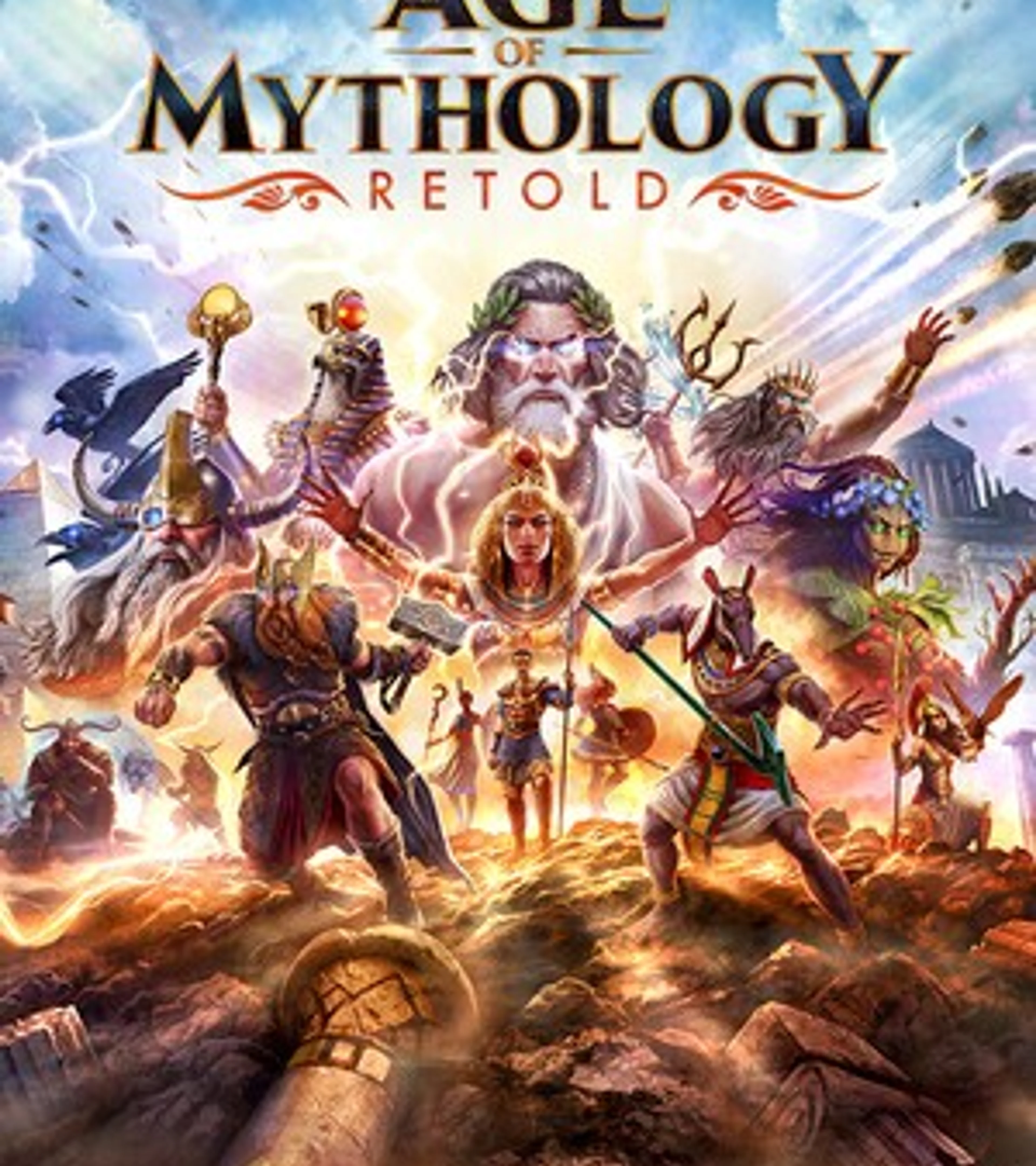
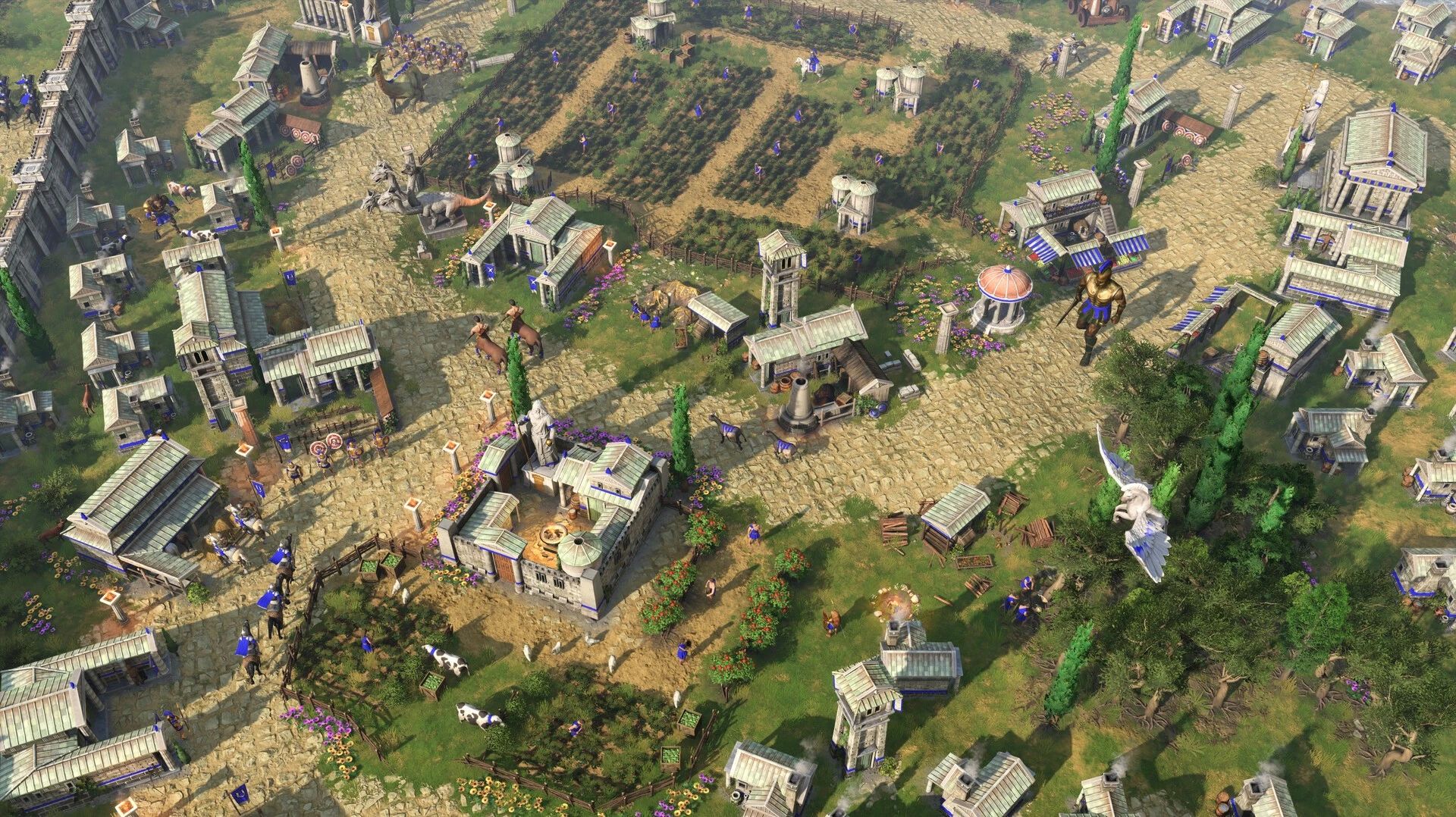
Start Age of Mythology: Retold with its tutorials, then learn one pantheon before changing gods every match. Food, wood, and gold still support your settlement, but Favor, myth units, and god powers add decisions that an Age of Empires opening will not cover.
Begin with the tutorials and The Fall of the Trident
Open Campaigns and choose Tutorials to learn selection, movement, construction, and combat. The Fall of the Trident is the main starting campaign; The New Atlantis continues the story afterward. Campaigns let you learn the setting and different armies, while skirmishes are better for repeating an opening under similar conditions.
The base roster includes Greek, Egyptian, Norse, and Atlantean pantheons. Expansion pantheons add other systems, so check which content a guide assumes you own. You can learn the fundamentals with the base game.
Major gods and minor gods make different decisions
Your major god establishes starting bonuses and the choices available as the match develops. Minor god choices during age advancement add myth units, technologies, and powers. Read those rewards before advancing; the most impressive creature is not necessarily the one your army needs.
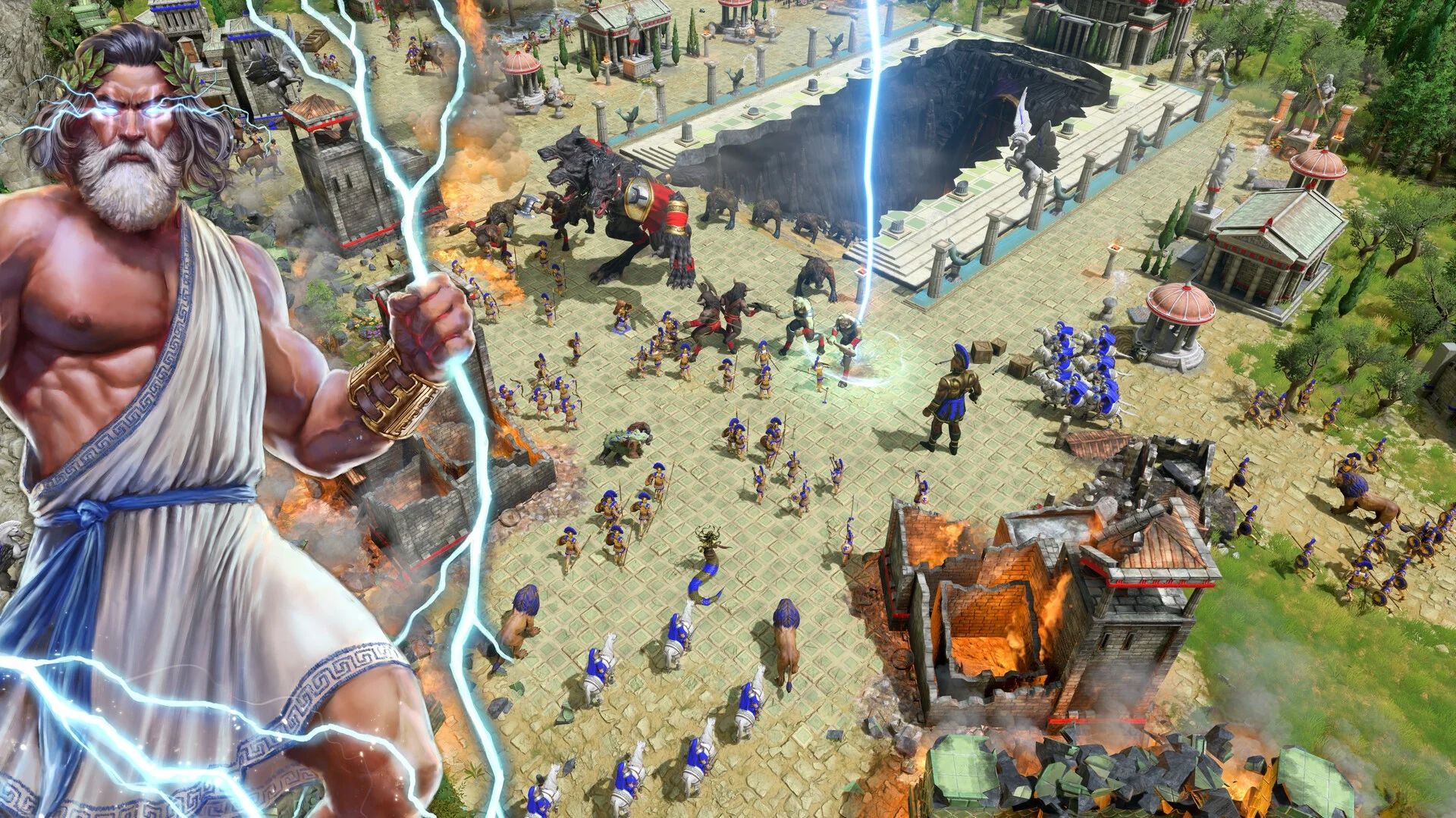
Decide what problem the choice should solve. You might need a unit to pressure a particular enemy, a technology for the soldiers you already train, or a power to support an attack. A plan is easier to evaluate than choosing a god only because its portrait is familiar.
Learn how your pantheon earns Favor
Favor is a separate resource used by the game’s mythological systems. It matters for myth units and divine options, including repeat casts of god powers. Watch both the cost and any cooldown shown in the interface; a power being available does not mean using it immediately is the best decision.
- Greeks assign villagers to pray at a Temple. More workers on prayer means fewer gathering your other resources, so match the commitment to the myth units or powers you intend to use.
- Egyptians build Monuments that generate Favor over time. Their Pharaoh can empower buildings, so learn that economy alongside the Monument system rather than copying a Greek villager allocation.
- Norse soldiers earn Favor through battle. Their mobile resource drop-off points and soldier-built structures support a more mobile approach, but taking an unfavorable fight just for Favor can still cost you the army.
- Atlantean Oracles generate Favor and reveal more ground when stationary. Protect them and check their unit information instead of treating them as ordinary fighting units.
The methods differ across pantheons. Keep an eye on whether your next myth unit is blocked by Favor or by food, wood, or gold, then correct the actual shortage. Building more military structures will not solve a missing resource.
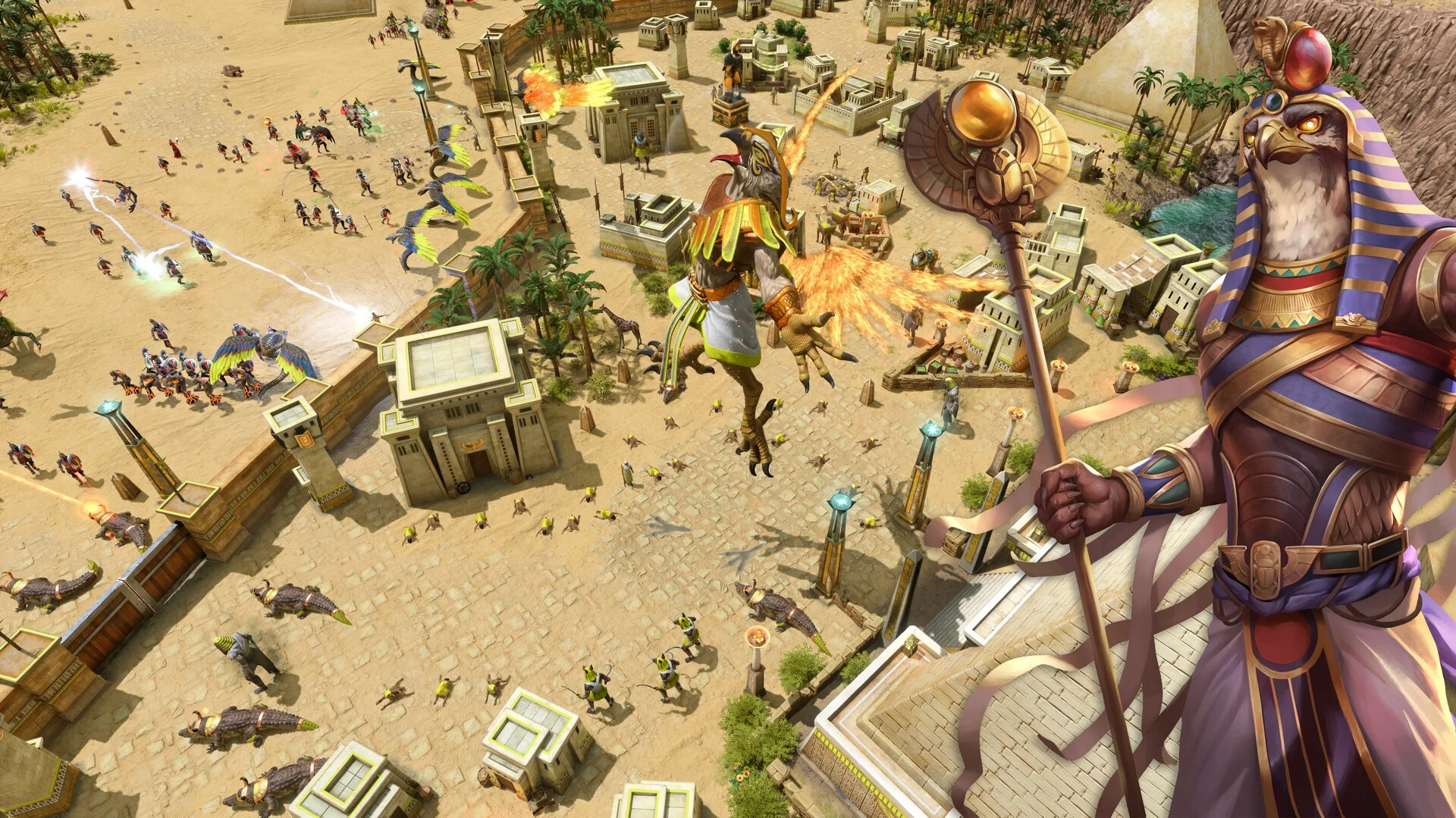
Mix heroes, myth units, and human soldiers
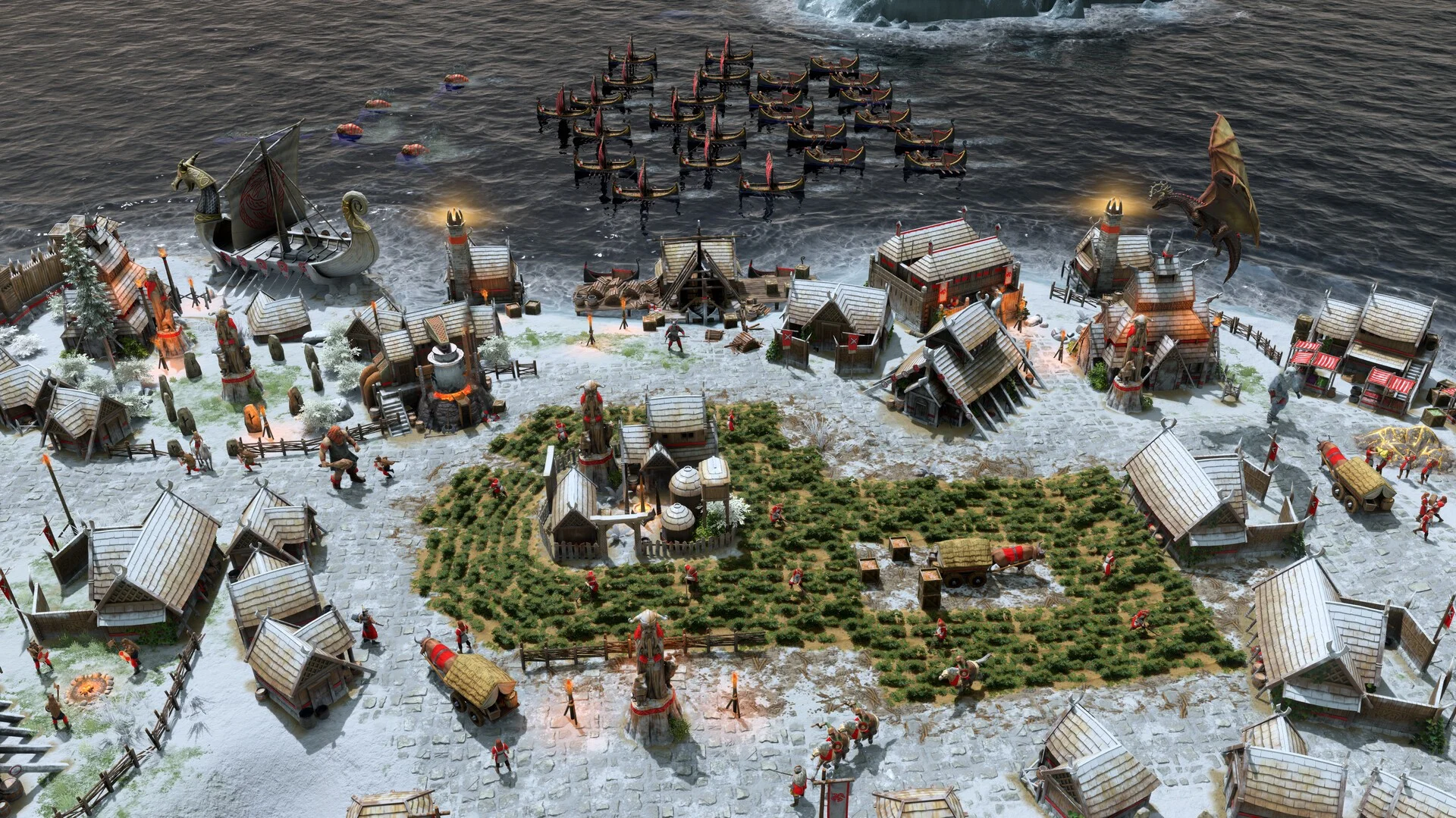
Heroes are important counters to myth units, but an army still needs answers to the opponent’s regular soldiers. Do not assume a powerful monster can defeat every unit, or that a hero can safely fight an entire army alone. Inspect unit roles and bonuses before replacing losses with more of the same.
- For a Greek army, Hoplites are a useful answer to cavalry but are vulnerable to ranged attacks.
- Toxotes can punish infantry from range, but fast units can reach them if they lack protection.
- Hippeus can pressure ranged units, but supporting infantry can make that attack costly.
That is a Greek example, not a universal roster. Other pantheons use different units and production buildings. Scout the enemy composition, then use the units your own god choices and technology tree provide.
Use a god power to support something you can follow up
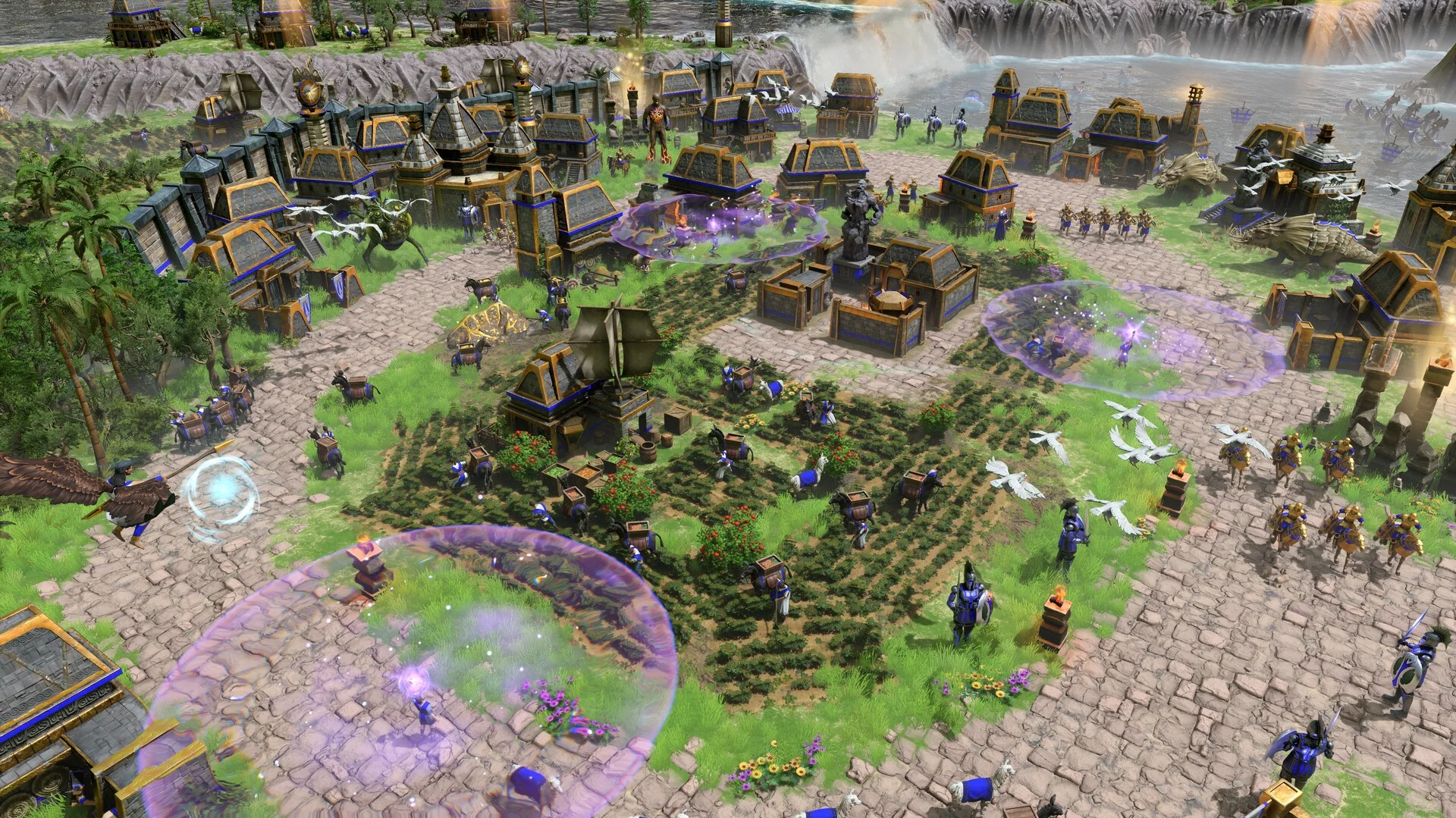
Before using a power, decide what you will do with the opportunity it creates. If it weakens defenses, have troops ready to attack. If it protects your position, use that time to reinforce or recover your economy. Read the specific power description rather than assuming every divine ability causes damage.
In the next skirmish, check four things regularly: idle workers, population space, Favor income, and the enemy’s unit mix. Keep the same pantheon for a few games so you can tell whether a loss came from the economy, a poor matchup, or using a power without supporting troops.
Explore Age of Mythology: Retold.