


Pixel Twelve
How to Fish Money Guide: Sell, Cook, and Win Roulette

How To

How to Fish Money Guide: Sell, Cook, and Win Roulette

Earn money safely in How to Fish, sell items correctly, reach the 1.5x cooking cap, understand roulette payouts, and complete Rich! Millionaire with one 100,000-value sale.

Game: How to FishVerified Sep 1, 2026
Guide Type
How To
Last Verified
Sep 1, 2026

Guide details

Overview

Earn money safely in How to Fish, sell items correctly, reach the 1.5x cooking cap, understand roulette payouts, and complete Rich! Millionaire with one 100,000-value sale.

Watch

Official Trailer

Quick answer: what is the best way to make money?

The safest money loop in How to Fish is catch, inspect, improve, sell, and reinvest. Catch surplus creatures, inspect each physical item, cook only the worthwhile ones to the 1.5x cap, then sell them to the island shopkeeper. Trick-shot conditions can raise value, but ordinary selling is predictable and should fund progression. Treat roulette as a separate high-risk route for the All In and Rich! Millionaire achievements—not as the budget for your next weapon, lure, or boat upgrade.

  1. Catch: land creatures you do not need for a quest, boss hand-in, bait, or collection check.
  2. Inspect: use the item prompt—F on keyboard—to read its current value, cooking multiplier, weight, and Killscore before changing it.
  3. Improve: use controlled trick shots when practical, then cook the item only if you can watch the multiplier reach 1.5x.
  4. Sell: carry the physical item to the shopkeeper, release it in the selling area, and confirm the balance changed.
  5. Reinvest: buy the one upgrade that removes the current bottleneck, and keep a separate item for roulette only when you can afford to lose it.

How to sell fish and other items

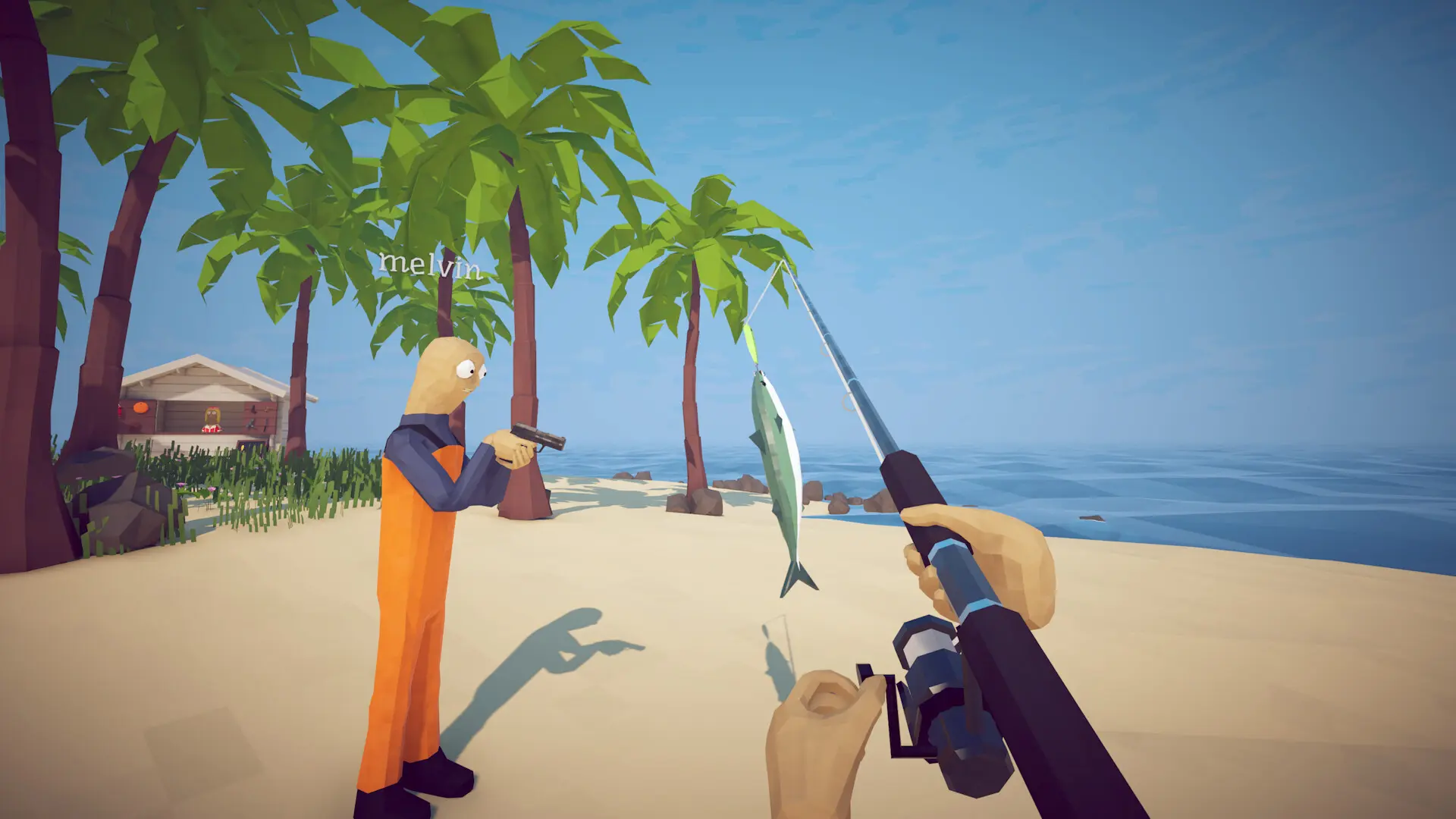
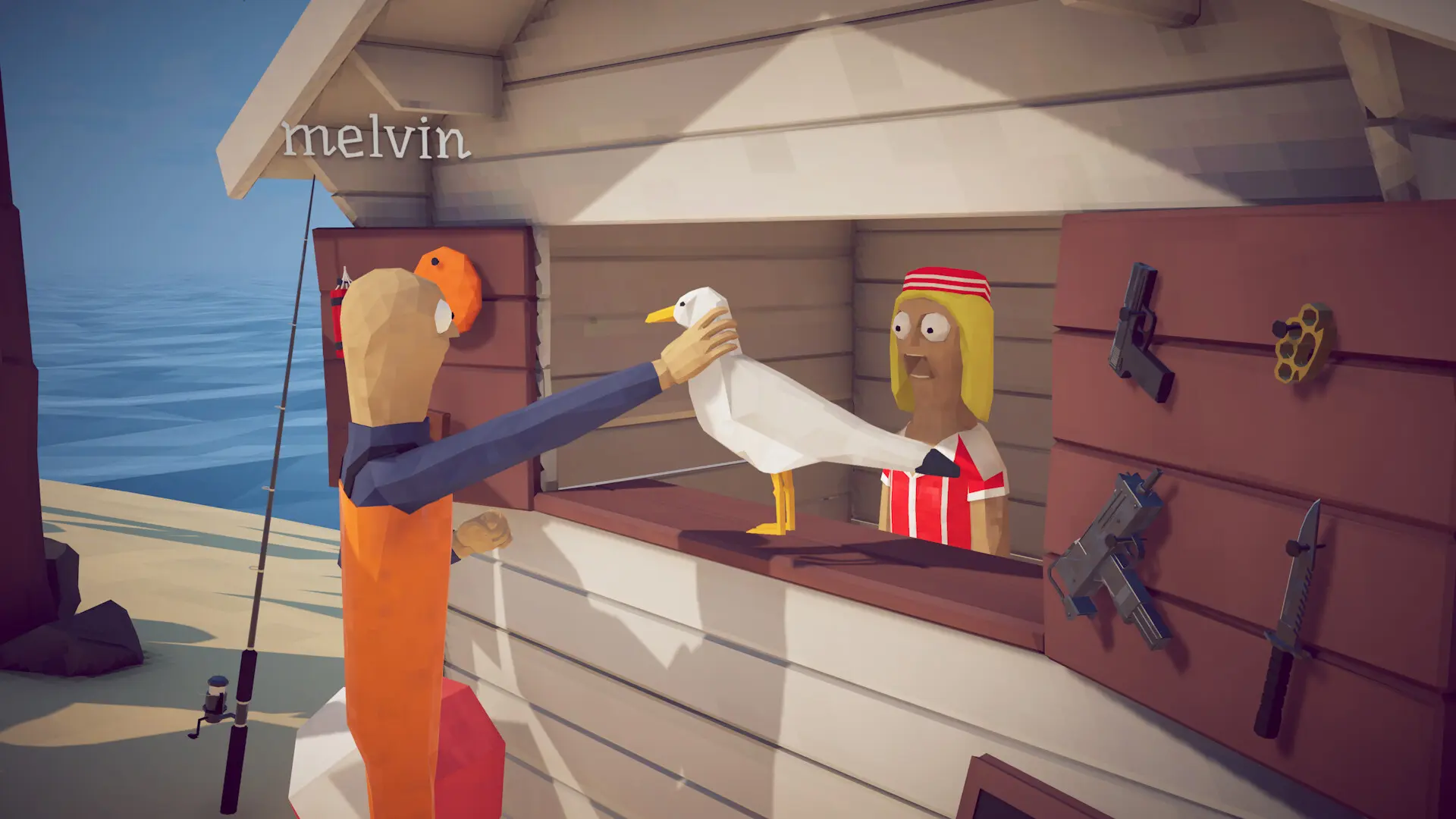
Selling is a physical interaction rather than an inventory menu. Pick up the catch or object, inspect it, carry it to the island shopkeeper, and drop or throw it into the sales area directly in front of the vendor. The item disappears and its current inspected value is added to your balance. Sell one important item at a time so you can verify the result before moving the next object.

  • Separate progression items first: boss bodies, shells, fins, heads, tails, quest bait, and NPC hand-ins can look like ordinary sale objects.
  • Read the item value: the inspect panel is the final check after combat and cooking; do not estimate the price from size or color.
  • Watch the balance: confirm the sale registered before throwing several catches into the same crowded space.
  • Use a co-op seller: in a busy lobby, one player should handle sales while the quest carrier keeps required items away from the shop and grill.

What increases an item’s value?

An item has a current value that can change before sale. The official Steam page explicitly rewards trick shots with more money, while the in-game inspect panel exposes the result as part of the item’s Killscore and value. Cooking adds another visible multiplier. Because different catches begin at different values, the useful comparison is always the inspected number after the action—not a fixed price copied from somebody else’s run.

  • Starting value: different creatures and items enter the economy at different values; inspect every promising catch.
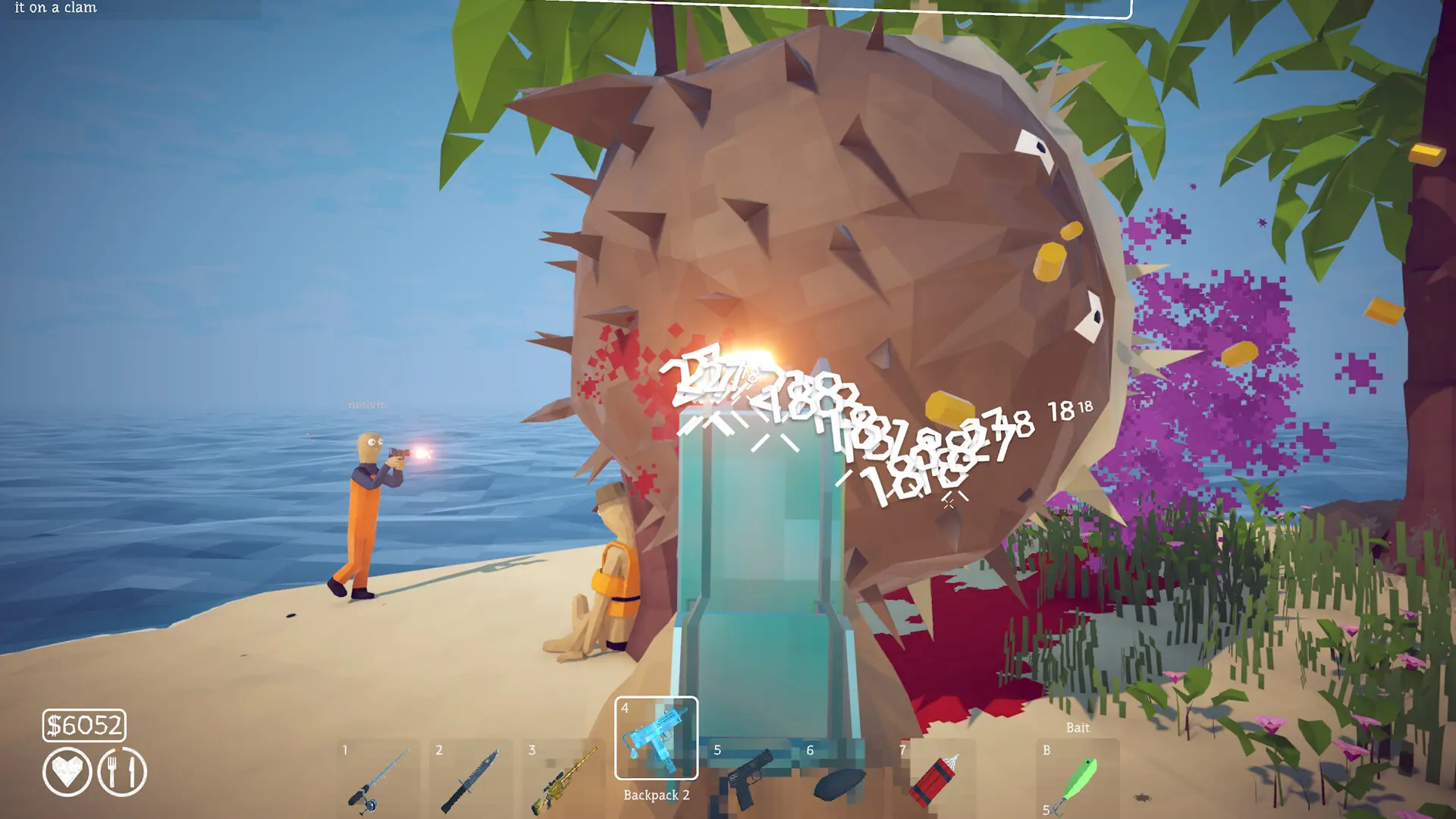
  • Killscore and trick shots: scored combat conditions can improve the payout, but failed stunts can waste ammunition or destroy a safer route.
  • Cooking: a clean cook can raise the multiplier to 1.5x, while a fully burnt item falls to zero value.
  • Final inspection: check again immediately before selling or betting because the current number is the one that matters.

How to cook for the 1.5x value without burning

Place the sale item on a usable grill or other heat source and keep the inspect panel ready. The cooking multiplier rises while the item heats. Remove it when the panel reaches 1.5x; continuing until the item is solid black burns it and leaves the sale value at zero. Lava later in the game cooks very quickly, so the same inspection rule matters even more there.

  1. Cook only surplus items: move quest trophies, bait, food you need, and valuable tools away from the heat first.
  2. Inspect before cooking: record the starting value so you know whether the risk and time are worthwhile.
  3. Watch the multiplier: remove the item at 1.5x instead of judging the cook only by color.
  4. Inspect after removal: verify the final value before carrying the item to the vendor or roulette wheel.

Patch 1.0.10 lets you clean an accidentally cooked weapon or tool by dipping it in water. That recovery rule is for equipment; it does not restore the sale value of a burnt creature. Keep the grill area organized instead of relying on cleanup.

A safe early-, mid-, and late-game money route

  • Early game: sell ordinary surplus catches and buy one dependable weapon plus a small healing reserve. Do not delay the first-island quest by grinding for every shop item.
  • Mid game: use better lure pools and larger encounters, inspect promising catches, and cook only the items whose 1.5x result materially improves the next purchase.
  • Late game: keep one high-value catch separate from normal sales. Either sell it directly when it reaches 100,000 or prepare a controlled green roulette attempt for the two gambling achievements.

The reliable route is deliberately boring in the best way: repeatable catches, verified values, careful cooking, and targeted purchases. A failed roulette bet should never leave the story run without ammunition, food, required bait, or the next travel upgrade.

How roulette works: red, black, and green payouts

The roulette wheel accepts a physical item as the stake. Place the item on the intended betting area, then start the spin. A red or black win returns a payout item worth 2x the stake; green pays 35x. You still need to pick up the returned object and sell it to turn that value into spendable money. A loss consumes the wagered item.

  1. Update first: Patch 1.0.10 fixed a roulette problem that could place a bet on the wrong color.
  2. Inspect the stake: the item’s current value determines the payout calculation.
  3. Keep progression money separate: use only an item you can lose without blocking the next objective.
  4. Sell the payout: winning the spin creates value, but the returned item must reach the shopkeeper before it becomes cash.

Roulette and slots are different systems. Green roulette is tied to All In and is the practical shortcut for Rich! Millionaire. The slot machine is for the legendary-skin achievement GOLD GOLD GOLD, not a dependable income method. The gambling is entirely in-game and does not use real money.

Rich! Millionaire: how to sell one item worth 100,000

Rich! Millionaire requires one sale worth at least 100,000; it is not based on cumulative money. The cleanest roulette calculation is a final stake of 2,858 or more on green, because 2,858 × 35 = 100,030. Use a cushion and prepare an item worth at least 3,000 after cooking so a green win produces a payout above the threshold.

  1. Prepare the item: start with a catch worth at least 2,000, then cook it carefully to 1.5x for a final value of 3,000 or more.
  2. Verify the number: inspect the cooked item and do not proceed if it is below your planned cushion.
  3. Bet green: place that single item on green on the current patch and start the wheel.
  4. Collect the payout: a green win should produce one returned item worth at least 105,000 from a 3,000 stake.
  5. Sell the returned item: take it to the shopkeeper. All In is tied to the green win; Rich! Millionaire completes when the 100,000-plus item is sold.

If the wheel loses, the stake is gone. Rebuild the item through the safe catch, inspect, cook, and sell loop instead of risking quest objects or the entire progression budget. A naturally valuable item that already exceeds 100,000 can also be sold directly without roulette.

What should you buy first?

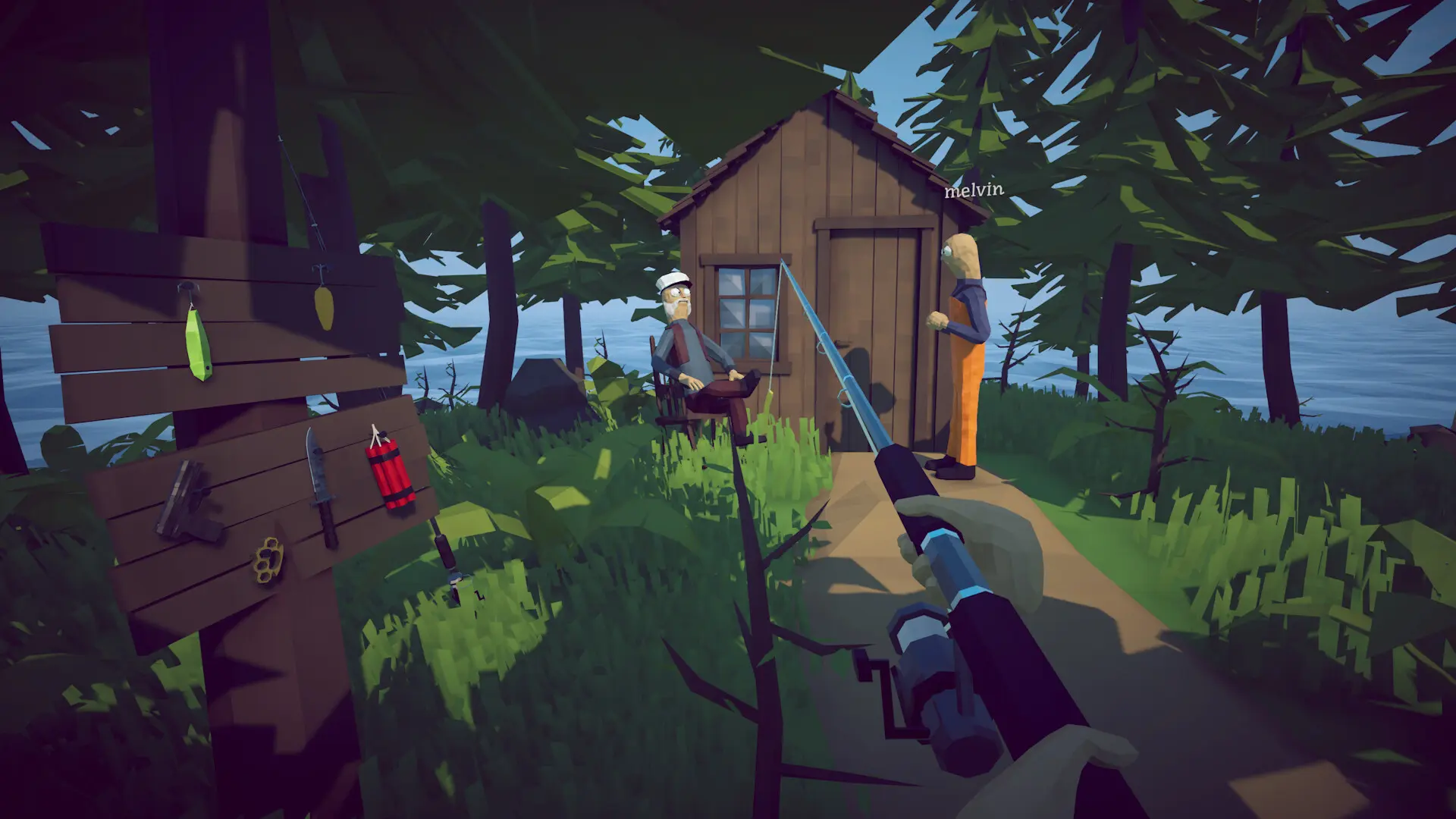
Spend for the current bottleneck instead of emptying the shop. A focused loadout makes the next valuable catch safer and usually earns back its cost faster than a collection of weak side-grades.

  1. Survival first: keep enough healing and ammunition—or a dependable melee option—to finish the encounter you are already attempting.
  2. One reliable weapon: upgrade and attach useful parts to one weapon before buying every gun on the wall.
  3. Required lure or bait: story targets and optional bosses are often locked behind the correct fishing item, not raw damage.
  4. Carrying and travel: buy capacity or an engine when inventory or movement—not combat—is wasting the most time.

Money mistakes that cost the most

  • Selling a quest item: complete the NPC hand-in before treating any boss body, trophy, or unusual bait as surplus.
  • Cooking by color alone: watch the multiplier and remove at 1.5x; a black burnt item is already worth zero.
  • Gambling the progression budget: a green attempt can consume the entire stake and should never replace ordinary income.
  • Confusing slots with roulette: slots chase a legendary cosmetic; roulette returns sellable payout items.
  • Trusting visual size: inspect the current value before deciding that a dramatic catch is automatically the best sale.
  • Playing an old build: update before achievement attempts so the Patch 1.0.10 roulette fix is active.

Continue your How to Fish route

Money solves only one part of progression. Use the focused guides below for lure pools, island objectives, co-op state, and the remaining achievements instead of carrying those separate intentions into this economy route.

Get Pixel Twelve's biggest stories first.

Add as a preferred source on Google