
Dragon Ball Xenoverse 3 Trailer Adds a New Race and a New Way to Build Your Fighter
Dragon Ball Xenoverse 3’s new trailer details six playable races, the new Android option, West City, and the custom fighter system ahead of its 2027 release.



Genre
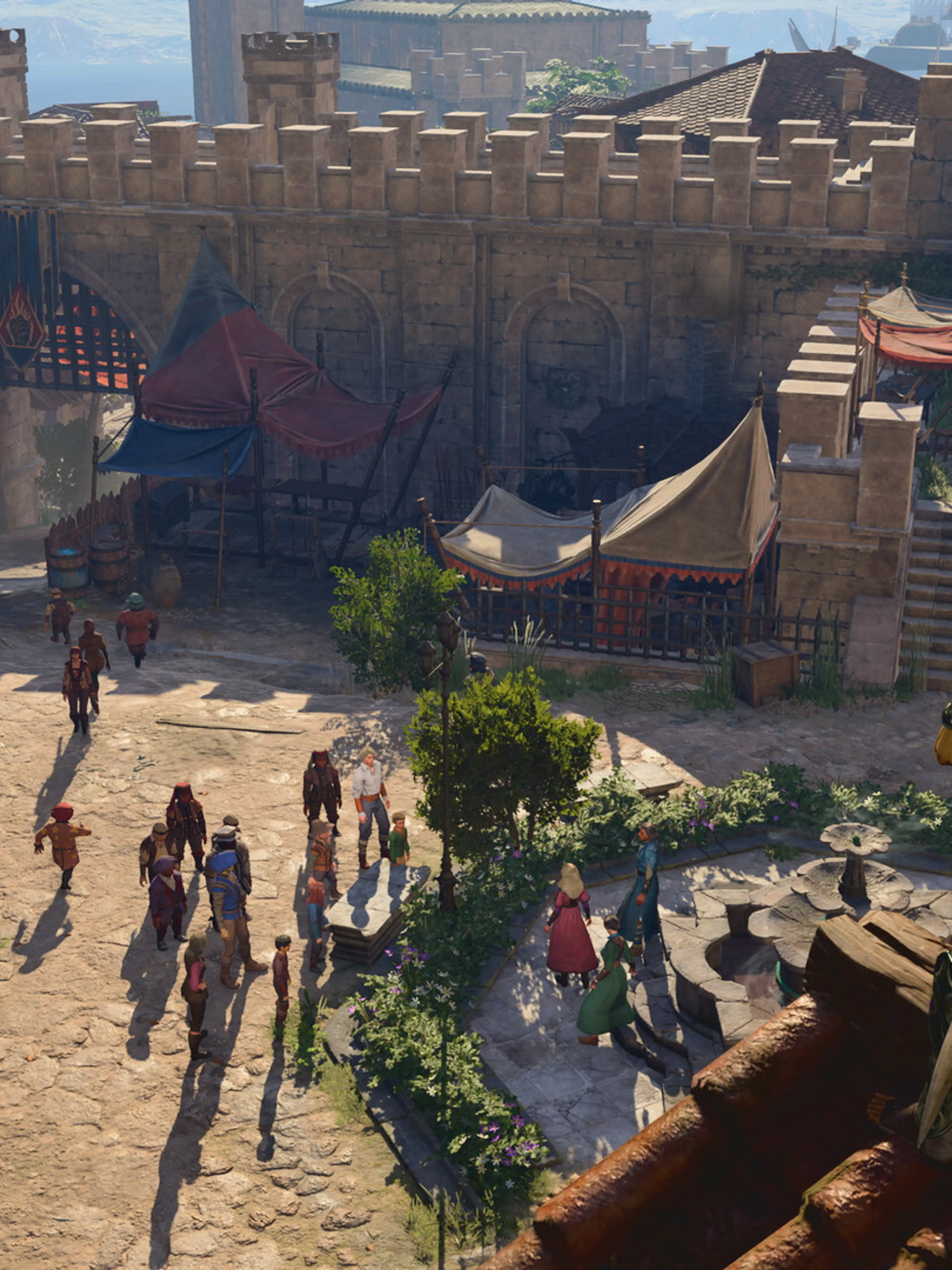
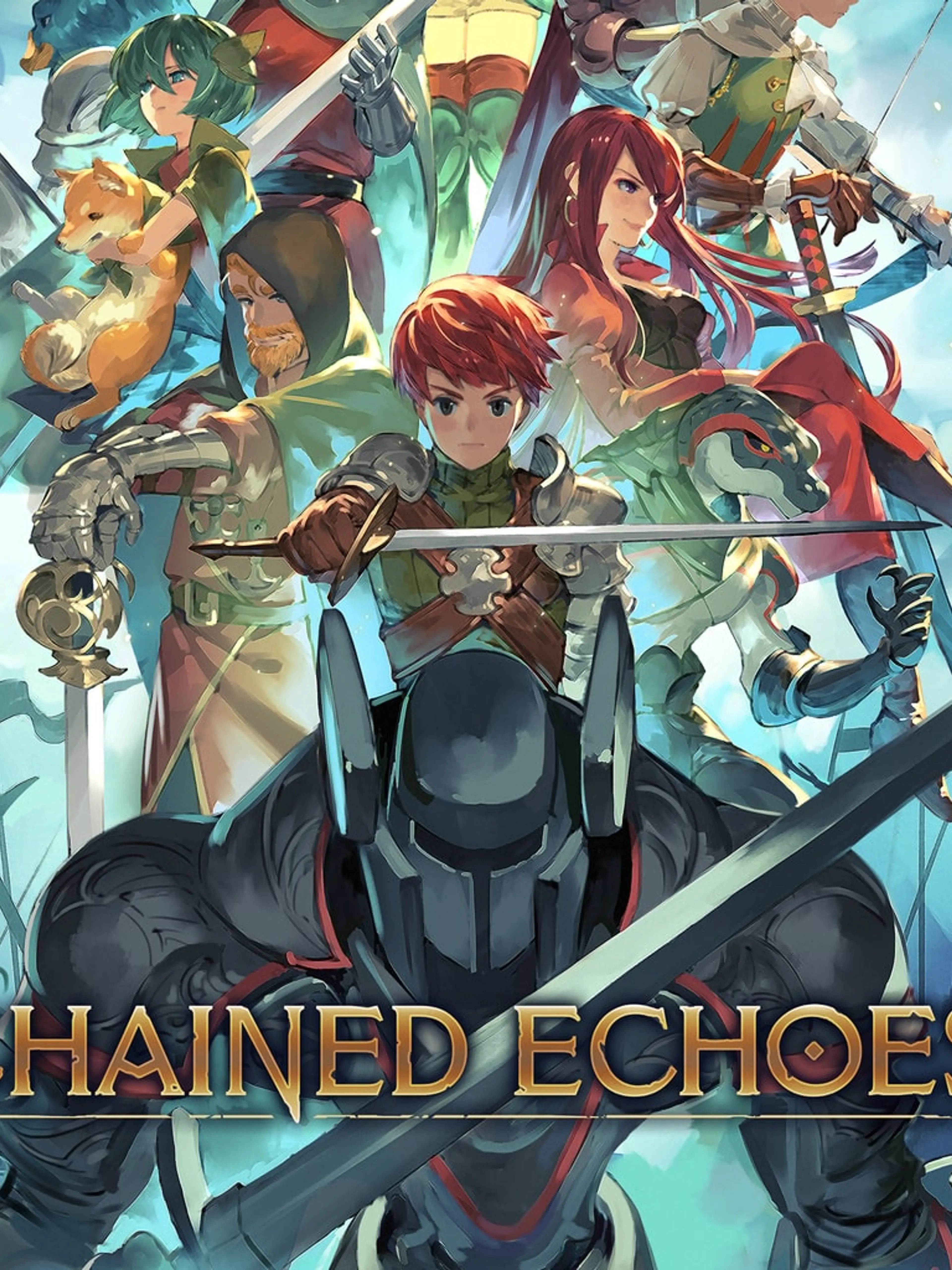
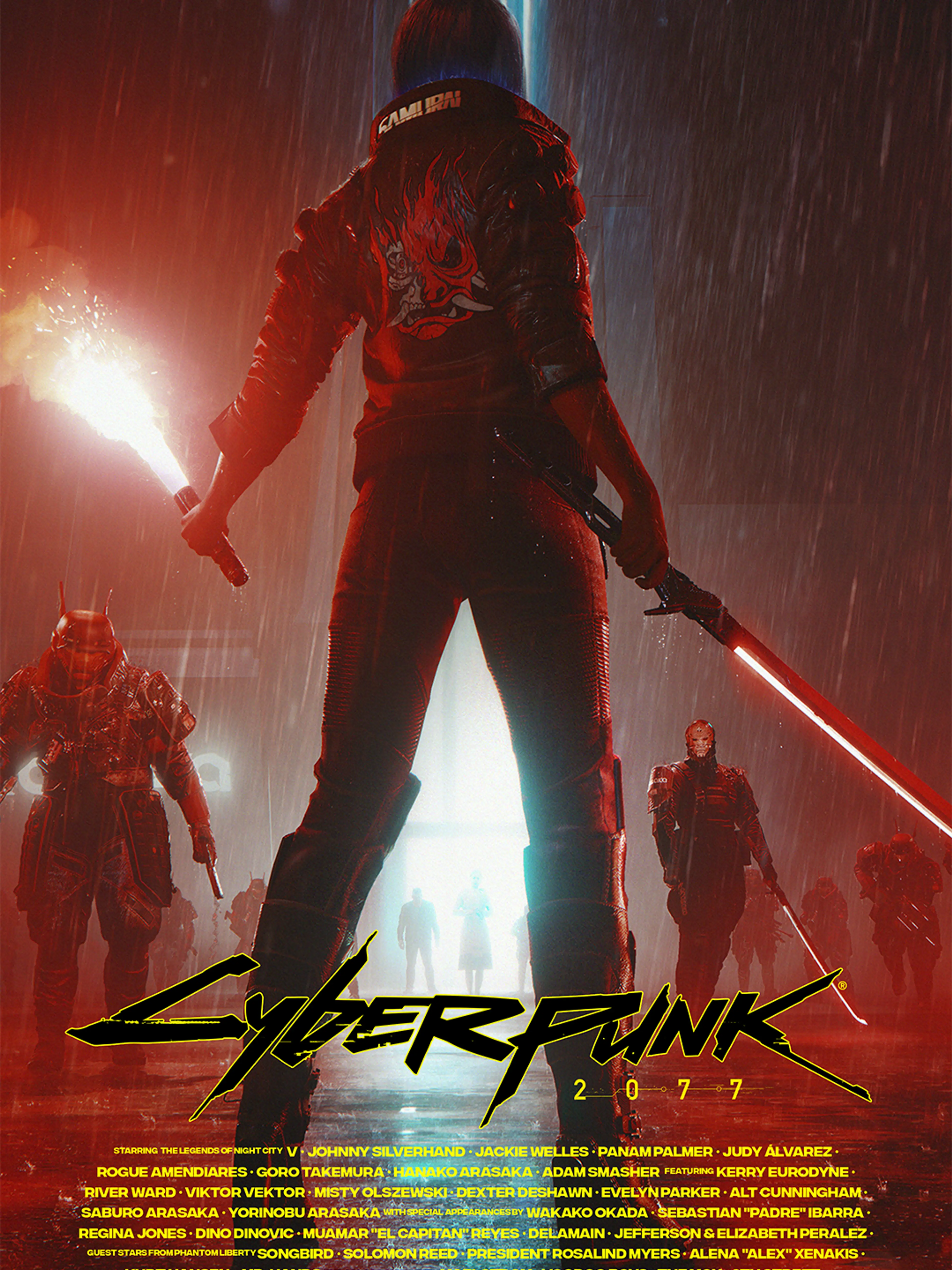
Role-playing games let players develop a character or party through abilities, equipment, quests, and story decisions. Combat may be turn-based, real-time, tactical, or action-focused, while progression records how the chosen build and completed objectives change what the player can do.
Explore










 Xbox Series X|S
 Xbox Series X|S
Read next
Dragon Ball Xenoverse 3’s new trailer details six playable races, the new Android option, West City, and the custom fighter system ahead of its 2027 release.

Ardem’s closed playtest began August 31 in small waves. Here is how to apply, the Discord and Steam requirements, and the October 15 public playtest date.

Gamescom 2026 delivered new trailers, playable demos, and release dates. These ten games are driving the early conversation around the show.

ANANTA’s new city, Chongxiao, is only half the reveal. NetEase also says players can switch among characters whose roles change their stories, exploration, and combat.

Sony confirmed four PlayStation Plus Monthly Games for September 2026, with a September 1 start, October 5 deadline and separate MLB bonus.
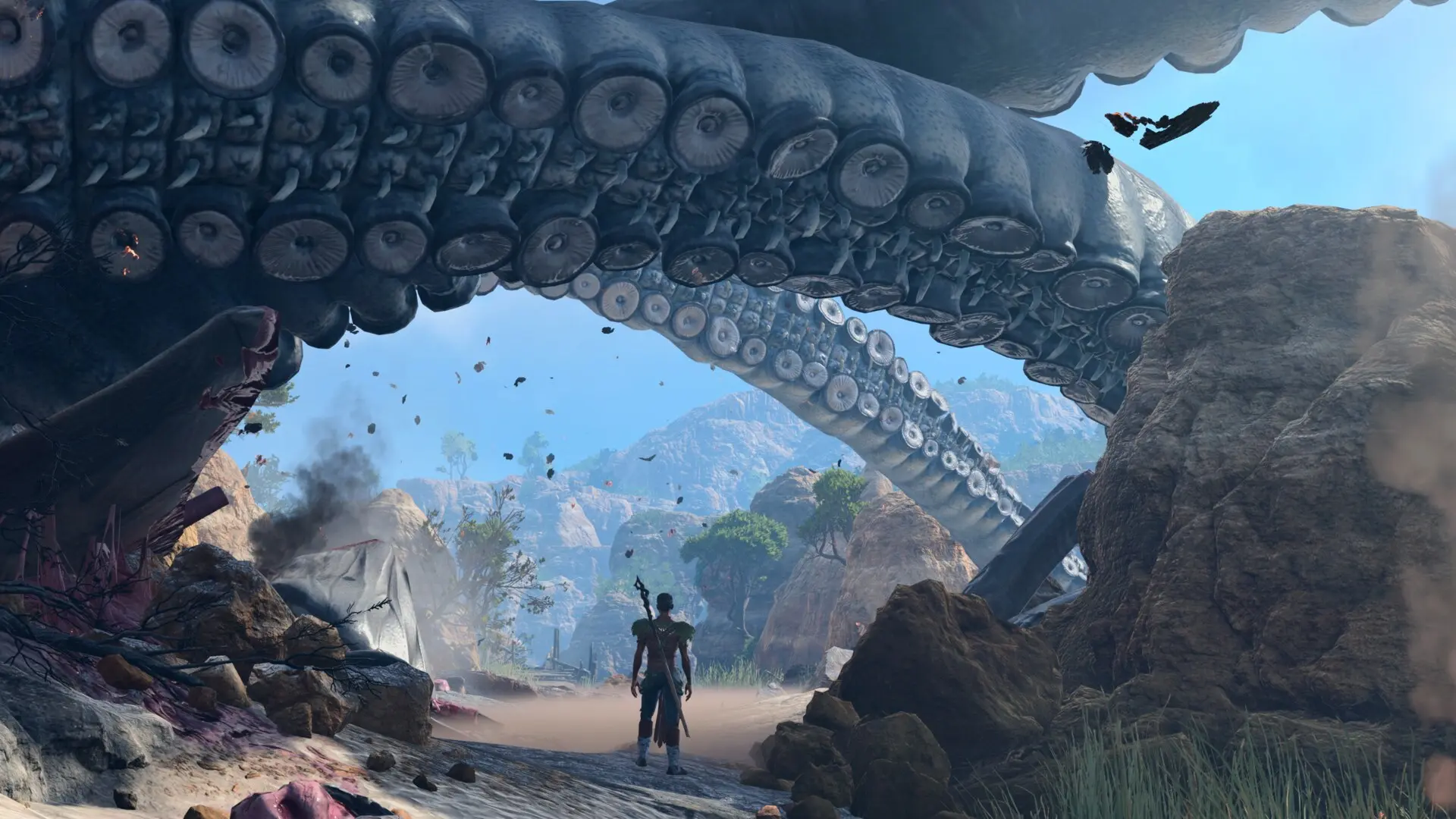
A practical Baldur's Gate 3 beginner guide to PS5 turn-based controls, short rests, Guidance, Counterspell, combat, party roles, inventory, and exploration.