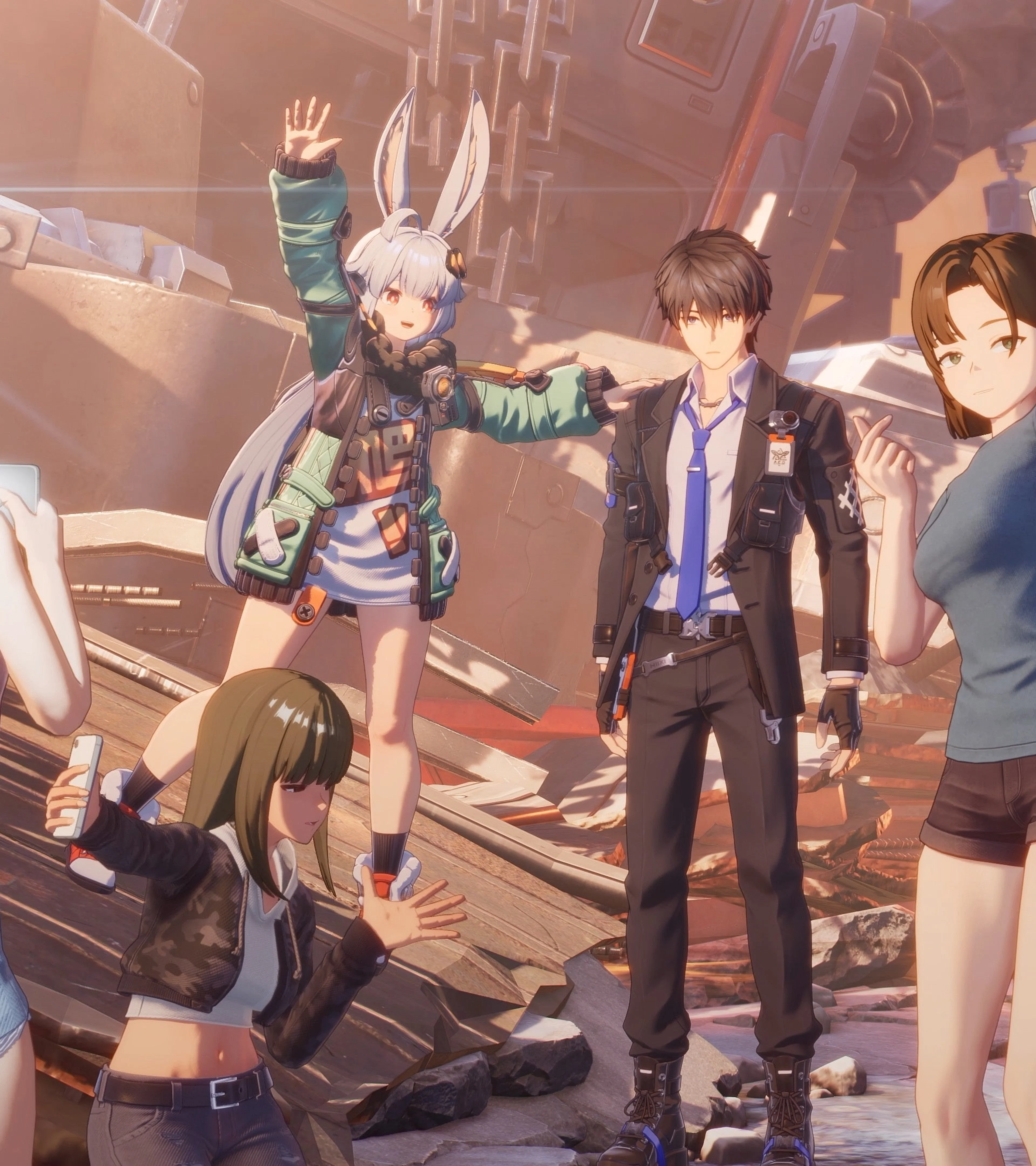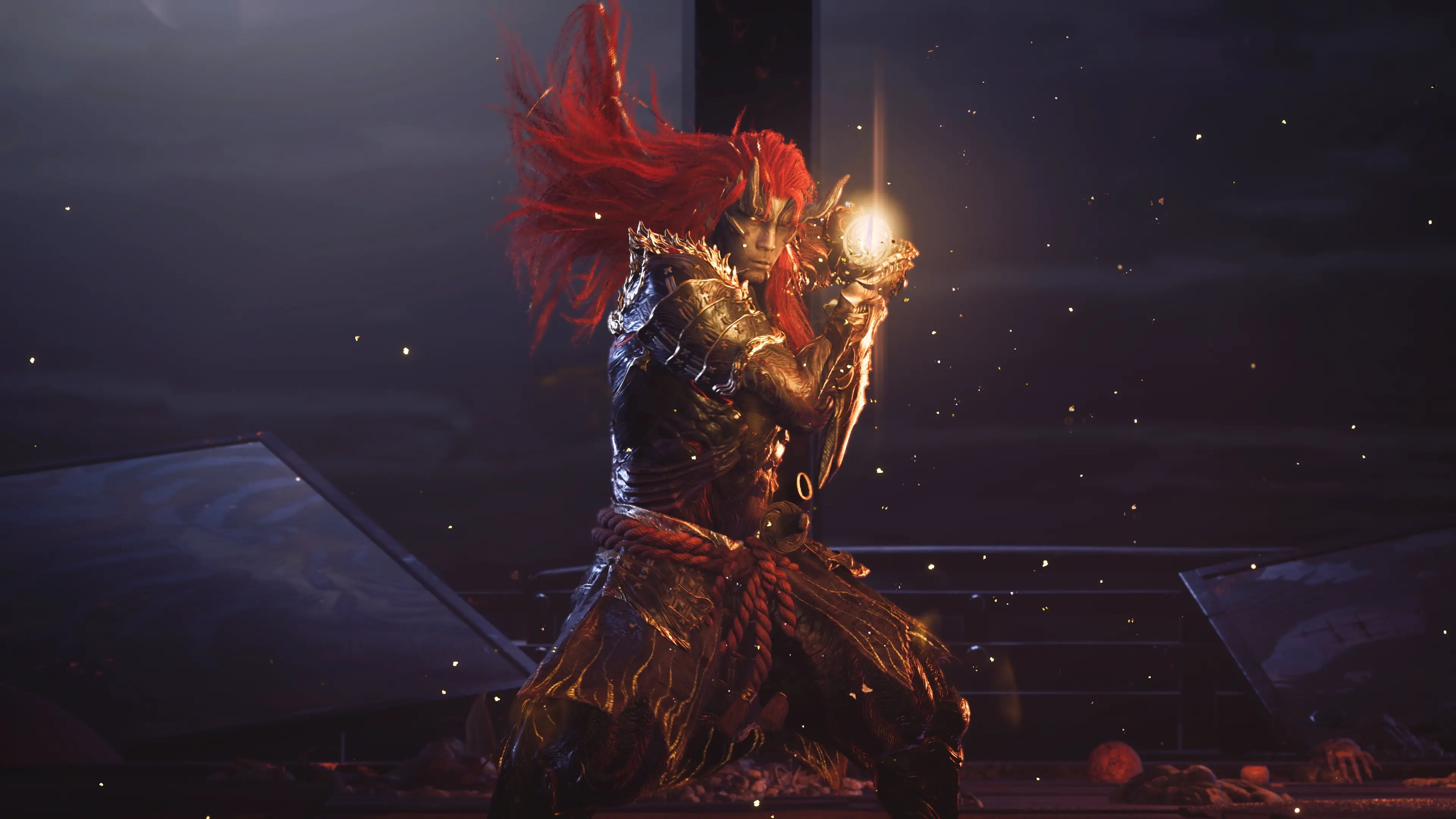
ANANTA’s latest trailer put its new city in the foreground, but the more interesting reveal was how many different people NetEase wants players to be inside it. The urban open-world RPG now has a second major location, Chongxiao, and the announcement says players can switch among characters with different roles, stories, ways of exploring, and combat styles.
That gives ANANTA a clearer identity than the usual open-world pitch. You are not just one hero driving between icons on a map. The same city is meant to look different depending on whether you are playing as a patrol officer, a hacker, a delivery worker, or a content creator. NetEase has not explained every mechanic yet, but the design idea is easy to see: the city is part of the cast.
Our earlier ANANTA release-date story covers the January 15, 2027 launch and the confirmed platforms. This follow-up focuses on the world and the people who move through it.
What is Chongxiao in ANANTA?
Chongxiao is ANANTA’s second major city, joining the first city, Xinqi. NetEase describes the pair as modern Asian cities with different cultures and atmospheres, drawing inspiration from places such as Shanghai, Hangzhou, and Tokyo. Chongxiao is not being presented as a small district added to fill out the map; it is another full setting for the story to use.
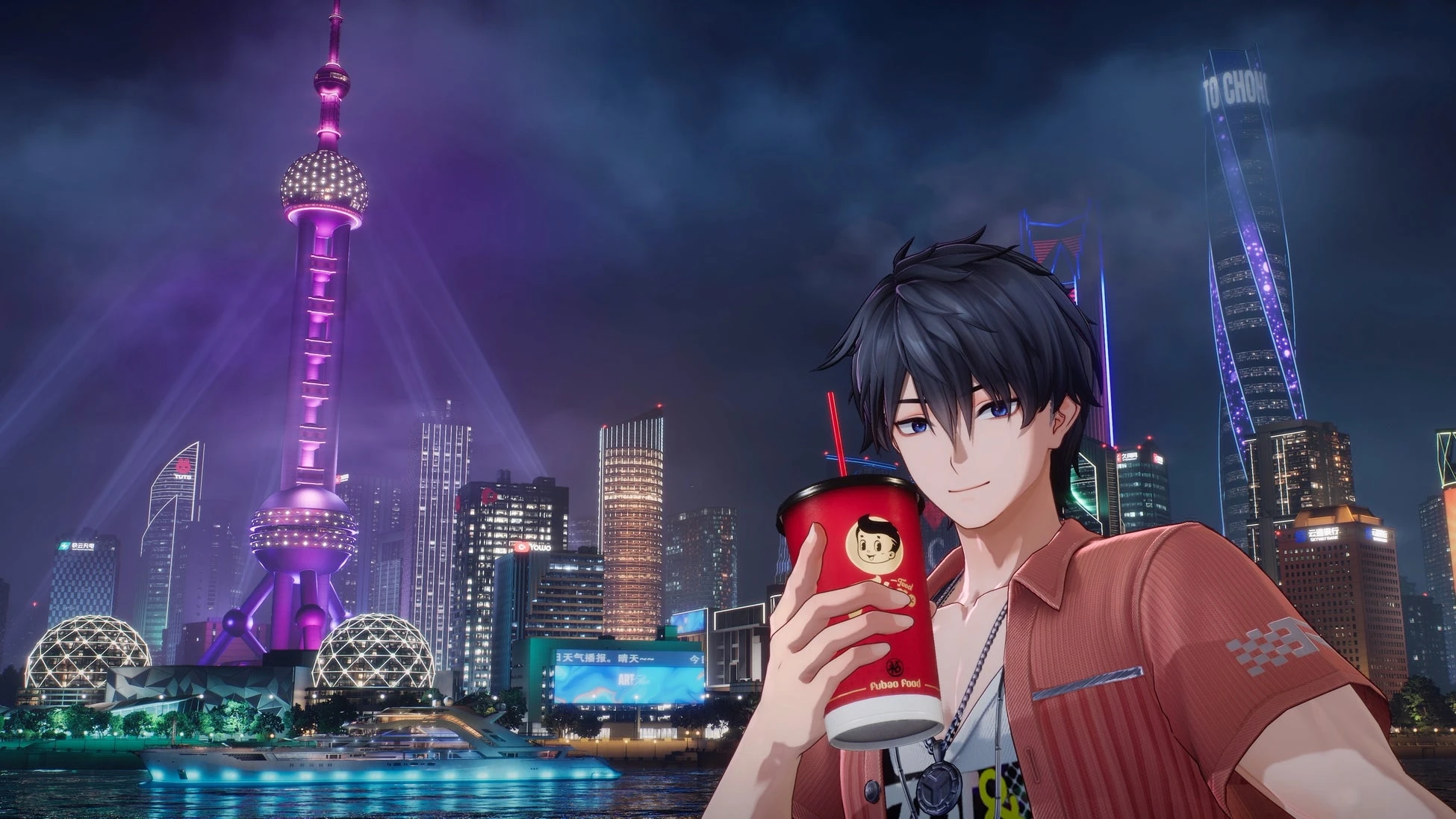
The new footage shows a dense urban space built around broad plazas, elevated walkways, bright screens, and tall buildings. At night, the skyline turns neon and the streets feel busier and more vertical. The announcement also points to hidden martial-arts masters in Chongxiao, giving the city a connection to ANANTA’s kung-fu combat rather than treating it as scenery the player simply drives past.
The game has not explained how quickly players can move between Xinqi and Chongxiao, or whether the two cities unlock at different points in the story. Those details will decide whether the second city feels like a meaningful part of the adventure or just another large backdrop.
Why does ANANTA need more than one playable lead?
Most open-world games promise freedom but still make every activity pass through one protagonist. ANANTA is trying a different structure. NetEase says each playable character brings a different perspective, story, exploration method, and fighting style, which could let the game show the city from several social positions instead of one viewpoint.
A patrol officer, for example, belongs to the city’s public systems. A delivery worker sees the distance between neighborhoods and the routes connecting them. A hacker is tied to the city’s digital layer, while a content creator fits the game’s social-media premise. Those are reasonable possibilities, not confirmed ability lists, but the roles give the world more texture before NetEase has shown the complete character kits.
The idea only works if those differences reach beyond costumes and dialogue. Players need a reason to choose one character over another, whether that means a different way through a mission, a new kind of interaction, or a combat problem that another character cannot solve as well. The announcement promises those distinctions; the launch build has to make them felt.
The four roles shown so far
NetEase has named four examples of the playable cast: a patrol officer, a genius hacker, a delivery worker, and a content creator. The company has not attached final names, skill trees, or a complete switching system to those descriptions, so they are best understood as the first look at ANANTA’s range rather than a finished roster.
The patrol officer and delivery worker ground the game in ordinary city life. They suggest a world where jobs and routines matter, even when supernatural trouble breaks through the streets. The hacker and content creator point in the opposite direction, toward the online systems and public reputation that sit at the center of the story. A city can feel lived in when its characters have reasons to be there before the player arrives.
NetEase also says these characters can be recruited from the people players meet in the city. Building a team from NPCs makes the social side more concrete, but the company has not said how many characters will be available at launch or whether every role can be used in every mission.
How does ANANTA turn city life into a game system?
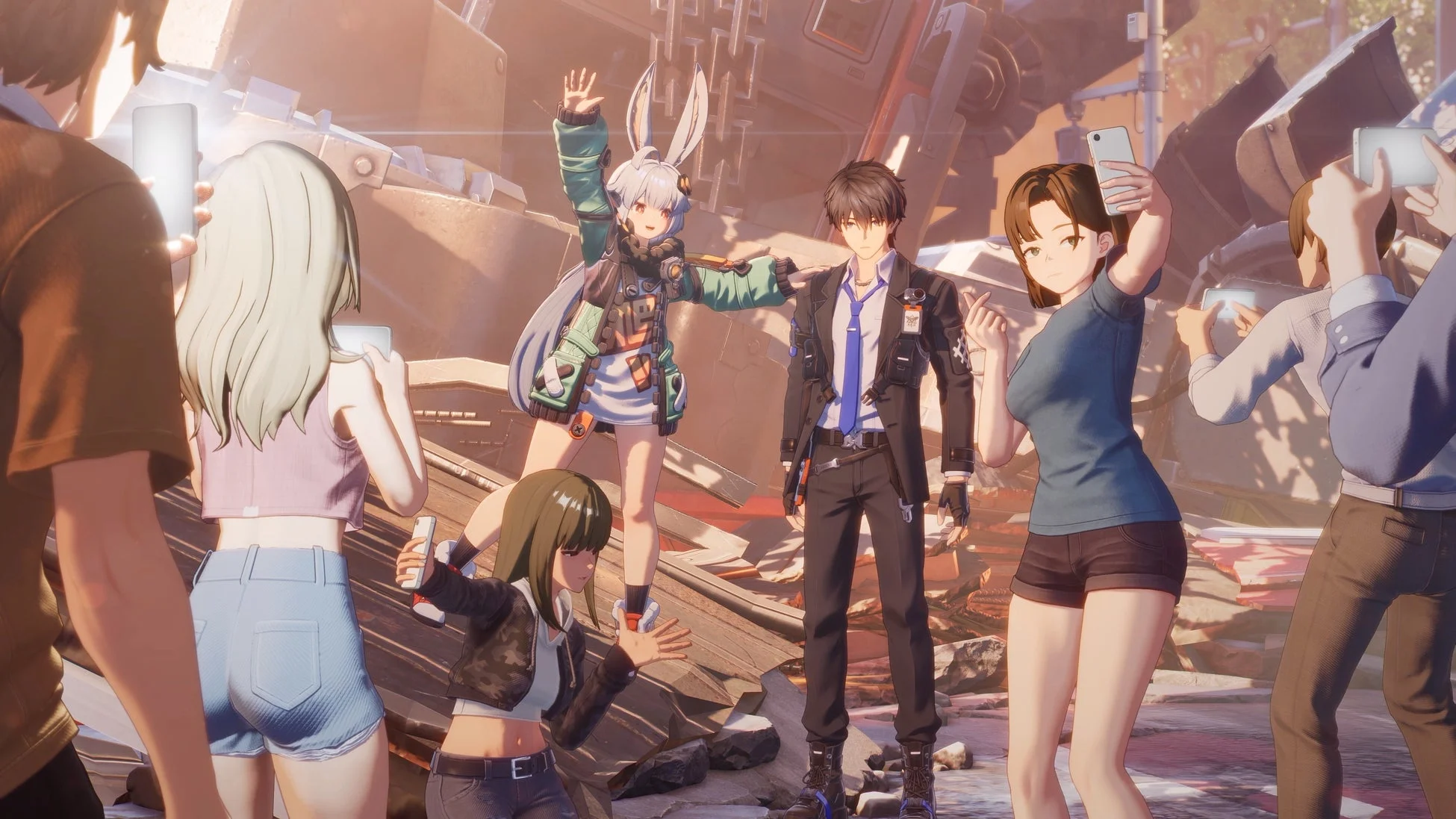
The player character is an influencer, and ANANTA treats that as more than a line in the premise. NetEase says missions, incidents, and everyday adventures can raise a player’s reputation and influence through social media. That influence can lead to new resources and benefits, making public attention one of the systems connecting exploration to progression.
This is where the multiple-character idea could become more than a story trick. A content creator might experience a public event differently from a patrol officer, while a delivery worker could discover parts of the city that a mission-focused character would ignore. The official material does not spell out those scenes, but it clearly frames the city as a place where relationships and visibility matter.
There is a risk on the other side. A free-to-play game can make every activity feel like another reputation bar or reward track. ANANTA will need to let players wander, meet people, and get into trouble without turning every street corner into a request to optimize their online profile.
Why vehicles matter in a two-city game
ANANTA’s cities are built to be crossed in more than one way. The latest announcement lists cars, motorcycles, and helicopters, while the PlayStation description also calls out flying cars and hang gliders in Chongxiao. Earlier footage showed the player moving over roads, water, rooftops, and open air, so traversal is part of the game’s identity rather than a way to skip between missions.
A second city makes that promise more demanding. If Xinqi and Chongxiao use the same roads, activities, and travel rhythm, the extra scale will not mean much. Each location needs its own reasons to stop, detour, and learn the local routes. The new city looks different in the trailer; the playable version has to make it feel different too.
How does the combat fit the character system?
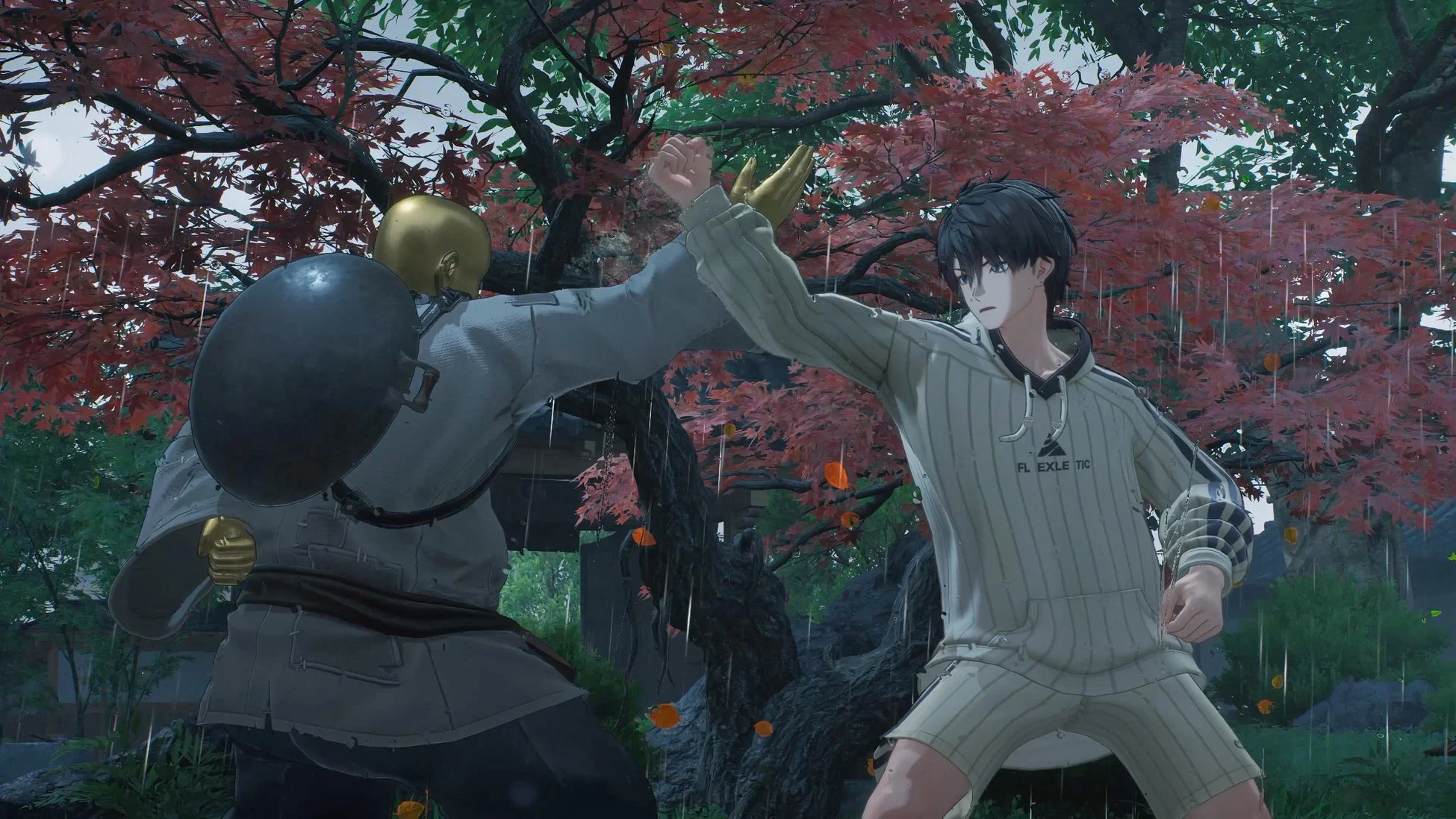
The official overview describes a kung-fu-based combat system built around dodges, guards, counters, and environmental objects. Players can use nearby items and even take an enemy’s weapon, which gives fights a more improvisational feel than a standard list of locked abilities.
NetEase says each playable character has a different way to fight, but it has not confirmed whether switching happens during combat, between missions, or through a team-management screen. That distinction matters. Instant swaps could make battles about combining roles on the fly, while slower changes would make character choice part of planning before an encounter.
The hidden martial-arts masters in Chongxiao may give the city a training or discovery layer, but the announcement does not say what those characters teach. For now, they are another sign that the new location is tied to the combat system instead of being a reskinned version of the first city.
What does ANANTA’s 17 million pre-registrations claim tell us?
NetEase says ANANTA has passed 17 million pre-registrations across 110 countries and regions. That is a company-reported figure, not an independent player count, and it cannot tell us how many people will still be playing after launch. It does show that the game has reached a large audience before the January release date.
The number also raises the stakes for the systems now being shown. A big audience will notice quickly if the two cities feel empty, if the character roles play the same, or if the social mechanics exist only to feed rewards. Pre-registration creates attention; the world design has to turn that attention into a reason to stay.
What we still do not know about the two-city setup
NetEase has not announced the campaign length, the complete playable roster, the rules for changing characters, or the exact relationship between Xinqi and Chongxiao. It also has not explained how the free-to-play economy will interact with recruitment, reputation, vehicles, and story progression. Those are practical questions, not minor details, because they will shape how much freedom the city actually gives players.
The current footage is enough to establish the direction, though. ANANTA is building a modern open world where the map, the social layer, and the cast are meant to overlap. The second city gives that idea more room, while the multiple roles give players a reason to look at the same streets in a different way.
ANANTA’s strongest idea is making the city feel personal
The January release date got ANANTA onto everyone’s calendar. Chongxiao and the playable roles give the game something more useful: a reason to care what happens between the big trailer moments. A city is easier to remember when a patrol officer, a hacker, a delivery worker, and a content creator each have their own way through it.
Whether that idea holds up will depend on the details NetEase has not shown yet. If the roles change how players move, fight, and meet people, ANANTA could feel less like a collection of open-world features and more like a city with several lives happening at once.