Roblox stock fell sharply on July 31 after the company reported slower growth in the money players spend on Robux. The platform is not losing all of its players, and its reported revenue still increased. The concern is that people are spending less for every hour they play, while Roblox expects that weakness to continue into the next quarter.
RBLX shares were down more than 25% during Friday morning trading. The live price can continue moving throughout the day, but the size of the early drop shows how strongly investors reacted to the new forecast. Roblox is listed on the New York Stock Exchange.
The short answer: Roblox is still growing, but Robux spending is growing much more slowly than before, and the company expects bookings to fall year over year in Q3.
Roblox Revenue Grew, but Bookings Were the Problem
Roblox reported $1.5 billion in Q2 revenue, up 36% from the same quarter last year. Operating cash flow increased 60% to $318 million, while free cash flow rose 66% to $294 million. Those numbers sound strong, but the official Q2 shareholder letter also shows why the market focused on a different measurement.
Bookings grew only 8%, reaching the bottom of the range Roblox had predicted. Bookings track sales activity when players buy Robux or subscriptions. Revenue can be recognized over a longer period, so it may include money connected to purchases made earlier. For a quick look at what players are spending now, bookings are often the more useful number.
That difference explains the reaction. Revenue was still catching up with earlier activity, while current spending growth had slowed. Investors were also expecting a difficult third quarter, but Roblox’s new forecast was weaker than many expected.
Players Are Spending Less for Every Hour They Play
Roblox said daily active users and total hours played were largely in line with its expectations. People are still opening the platform and spending time inside experiences. The weaker point was monetization per hour, especially among younger players in the United States and Canada.
In simple terms, an hour of Roblox is now producing less spending than the company expected. That does not mean every player is buying less Robux or that Robux prices changed. It means the average amount generated from the time players spend across the platform has fallen.
Roblox connected part of that slowdown to a shift away from highly monetized viral games released in 2025. More playtime is moving toward newer and evergreen experiences that make less money per hour. A game can attract a large audience and keep people engaged without asking them to spend as often.
Recommended for You Is Favoring Retention
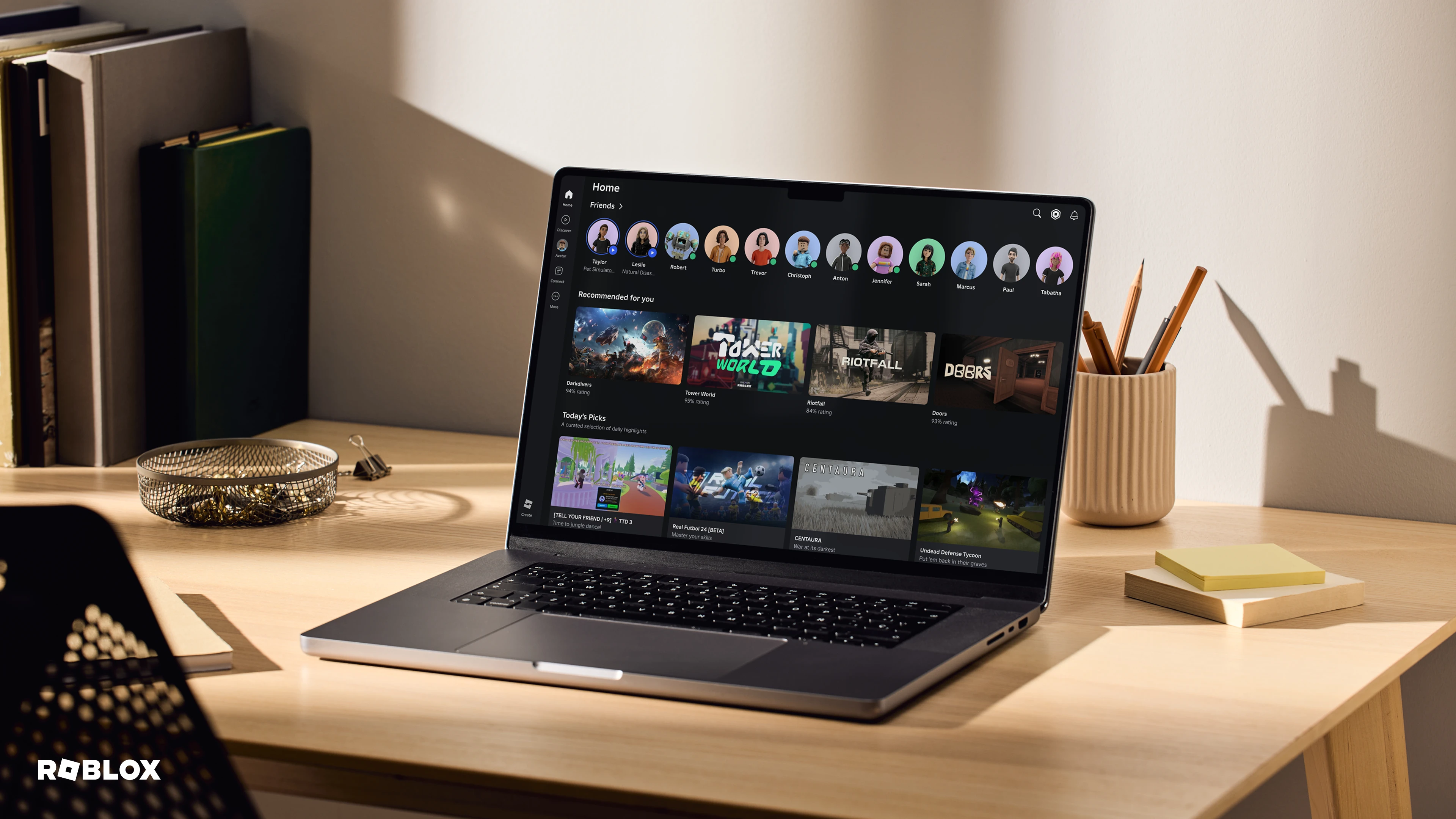
The company also changed its Recommended for You algorithm. Roblox says the system is intentionally giving more impressions to games with strong retention, even when those games produce less money in the short term. Retention measures whether players stay, return, and continue enjoying an experience.
That strategy can help surface games people genuinely want to play instead of only promoting experiences that are already effective at selling items or upgrades. The tradeoff appeared faster than Roblox expected. Younger users moved toward lower-monetizing games, and the immediate effect on spending was larger than the company had planned for.
Roblox says its internal tests suggest longer retention should eventually make up for some of the lower spending per hour. A player who returns for weeks or months has more chances to buy Robux later. For now, the company is accepting weaker near-term monetization while it tries to improve long-term engagement.
What Players May Notice on the Roblox Home Page
Players may see a wider mix of experiences in Recommended for You, including games that hold attention well without being the most aggressive about purchases. The update does not remove sponsored content or guarantee that every recommendation will feel better. It changes one of the signals used to decide which games receive more visibility.
The result could be useful for players who are tired of seeing the same heavily monetized experiences. It could also make the home page less predictable while the algorithm learns which games create lasting interest. Roblox has not announced a new Robux price, a reduction in existing balances, or a new fee for ordinary players as part of these results.
What the Change Means for Roblox Creators
Creators now have a stronger reason to focus on whether people stay and return, not only how quickly they spend. Good onboarding, regular updates, social play, fair progression, and clear goals can all support retention. A game that keeps a stable community may receive more discovery even if its early spending numbers are modest.
The risk is that more visibility does not automatically create more income. Developers still need players to value their passes, cosmetics, subscriptions, or other purchases. The latest results suggest Roblox is trying to balance those goals by rewarding engagement first and hoping monetization follows later.
Competitive experiences can show how retention and progression work together. Players returning to improve can use the Roblox RIVALS weapon tier list and the RIVALS best settings guide while they build toward ranked and loadout goals.
The Q3 Forecast Caused the Biggest Concern
For Q3, Roblox expects revenue to grow between 4% and 10% compared with last year. It expects bookings to decline between 14% and 18%. The company also expects daily active users to increase from Q2 because of seasonality and recent discovery changes, but it believes the softer monetization will continue.
A decline in bookings would be a major change from the rapid growth investors had become used to. It suggests the platform may keep attracting playtime while generating less new spending from that activity. Roblox is also increasing investment in infrastructure for projects such as Build, Roblox Reality, and Moments, which puts more pressure on near-term cash flow.
Is Roblox in Trouble?
The results do not show that Roblox is collapsing. Revenue reached $1.5 billion, cash flow improved, and the company still expects daily users to rise in Q3. Roblox also has millions of creator-made experiences instead of depending on one release.
The warning is about the quality of its growth. More hours played do not help the business as much when spending per hour falls. Roblox now needs to prove that promoting high-retention games can produce healthier long-term activity without permanently weakening Robux purchases.
For players, the most visible effect may be a different selection of recommended games. For creators, retention has become even more important. For investors, the next test is whether those returning players eventually spend enough to reverse the bookings decline.
This article explains Roblox’s public financial results and platform changes. It is not financial advice.