Spoiler notice: This review discusses the opening, the playable characters and the pursuit sections, but does not reveal the ending or give puzzle solutions. Patch and community information was checked on October 2, 2026.
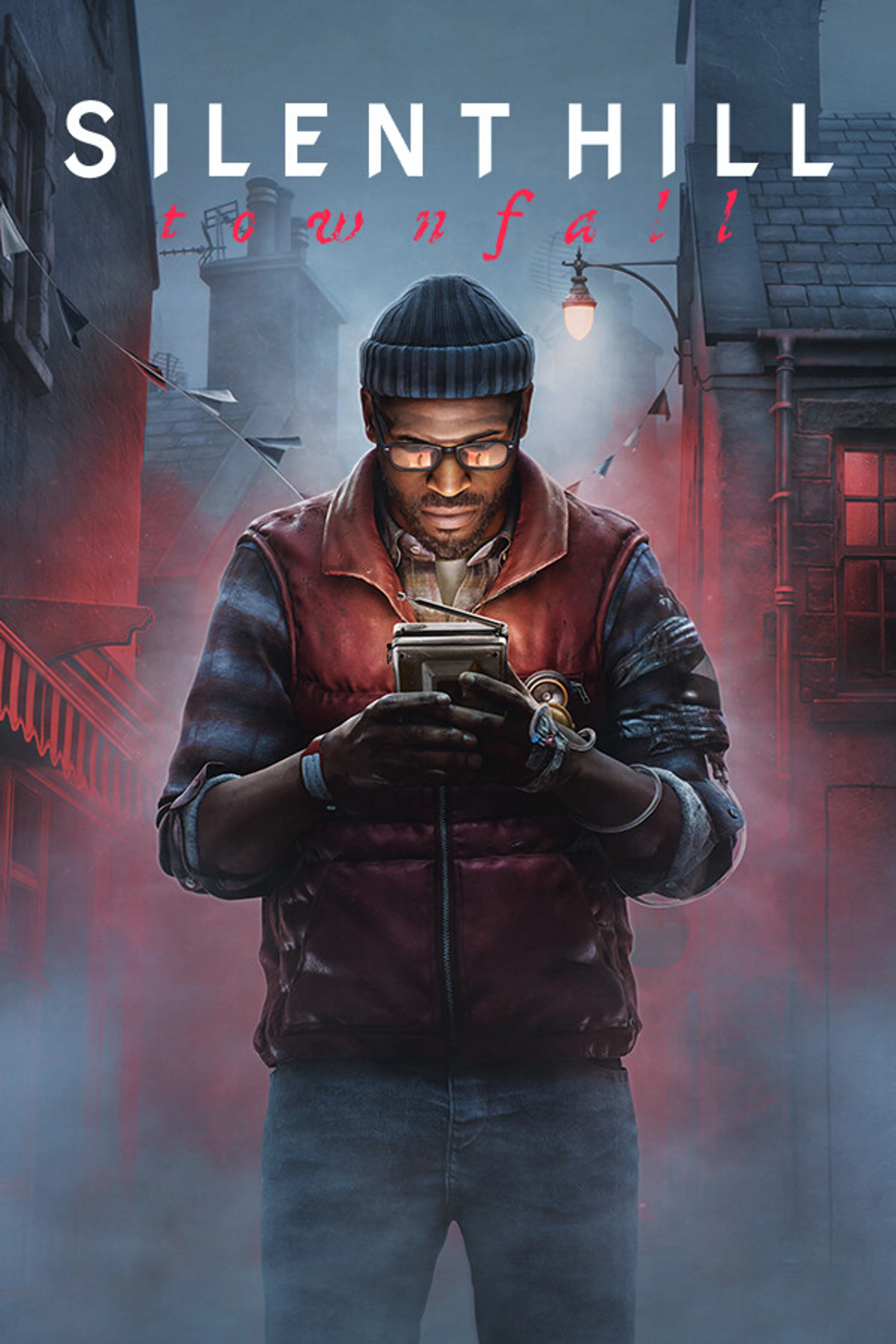
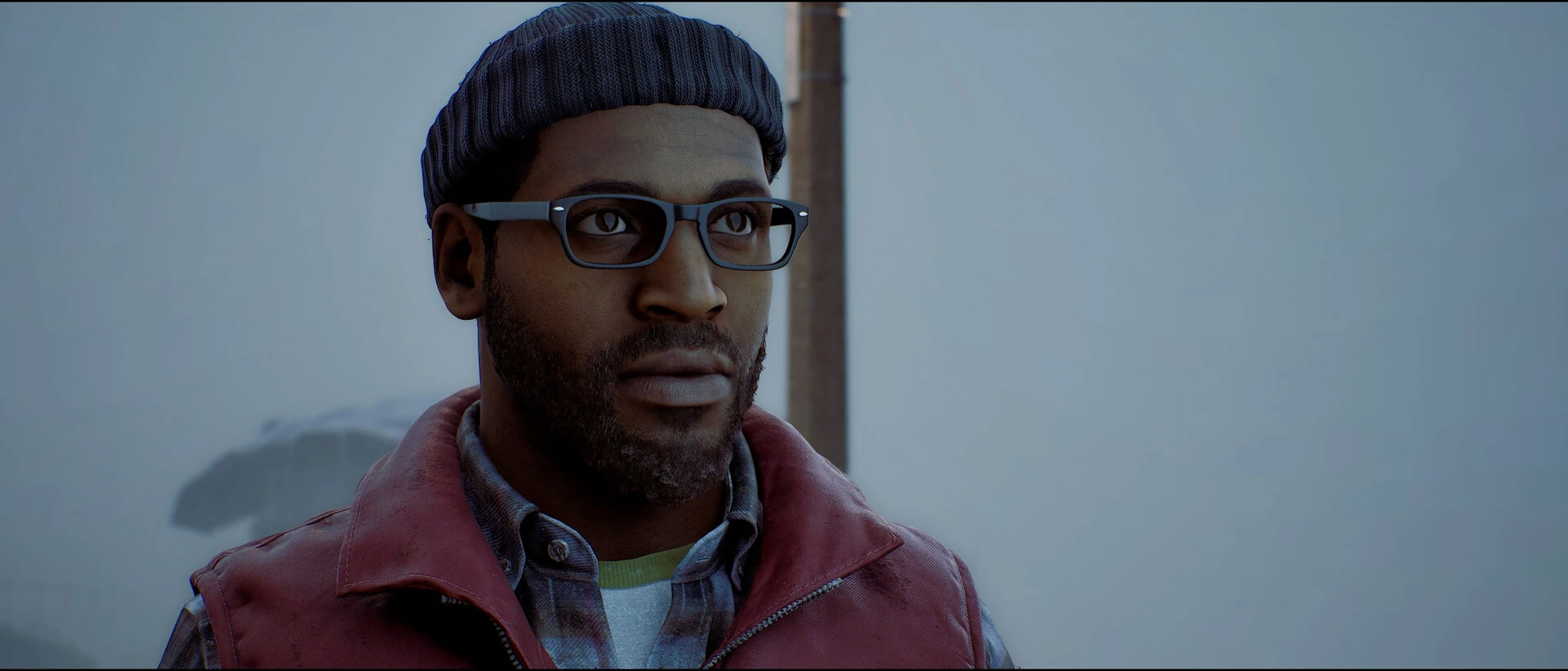
Simon Ordell reaches St. Amelia wearing a hospital wristband, with a tube in his arm carrying a dark liquid. He does not know enough about his own condition to explain it. Someone has called him back to this Scottish island to put things right, but the streets are empty and he cannot simply ask a resident what happened. Finding out why Simon is here is the reason to keep moving, even when the next room sounds unsafe.
Silent Hill: Townfall is a single-player horror game set in 1996. You see through Simon’s eyes, search buildings, read documents, solve puzzles and try to survive encounters with creatures. This is a separate story: you do not need to know the earlier Silent Hill games. What you do need is patience for hiding. Investigating St. Amelia is often absorbing; waiting for one particular pursuer to let you leave a room is not.
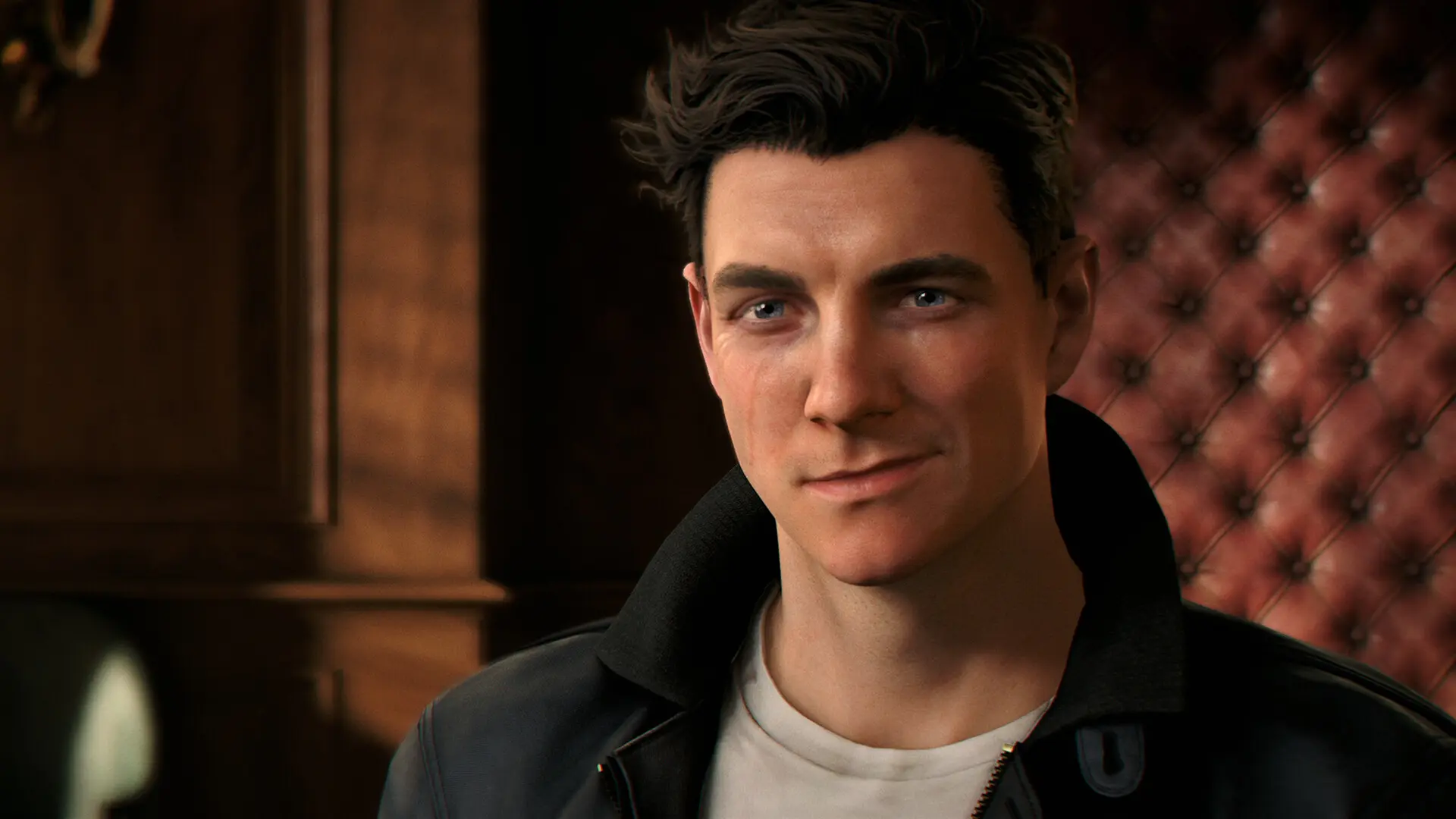
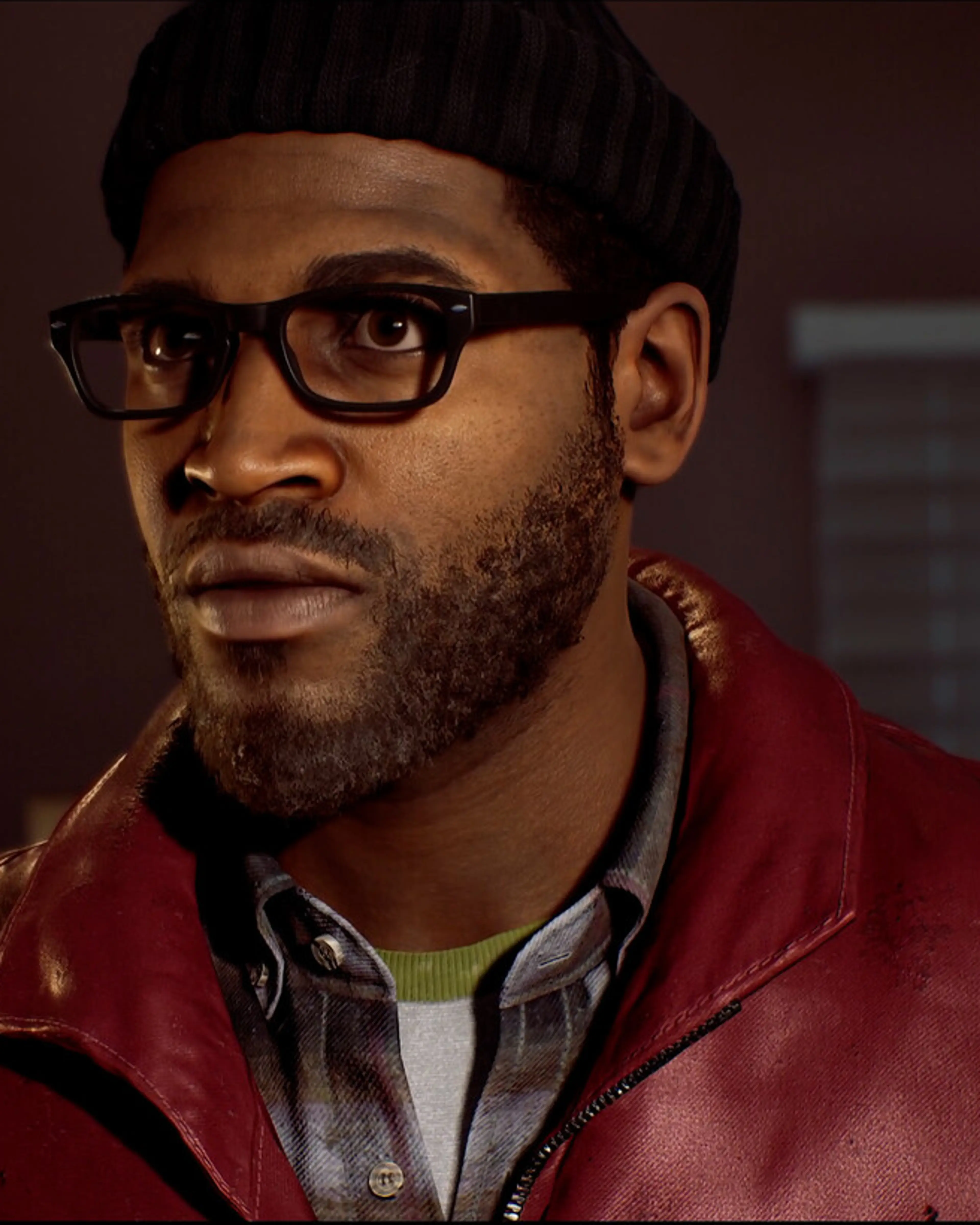
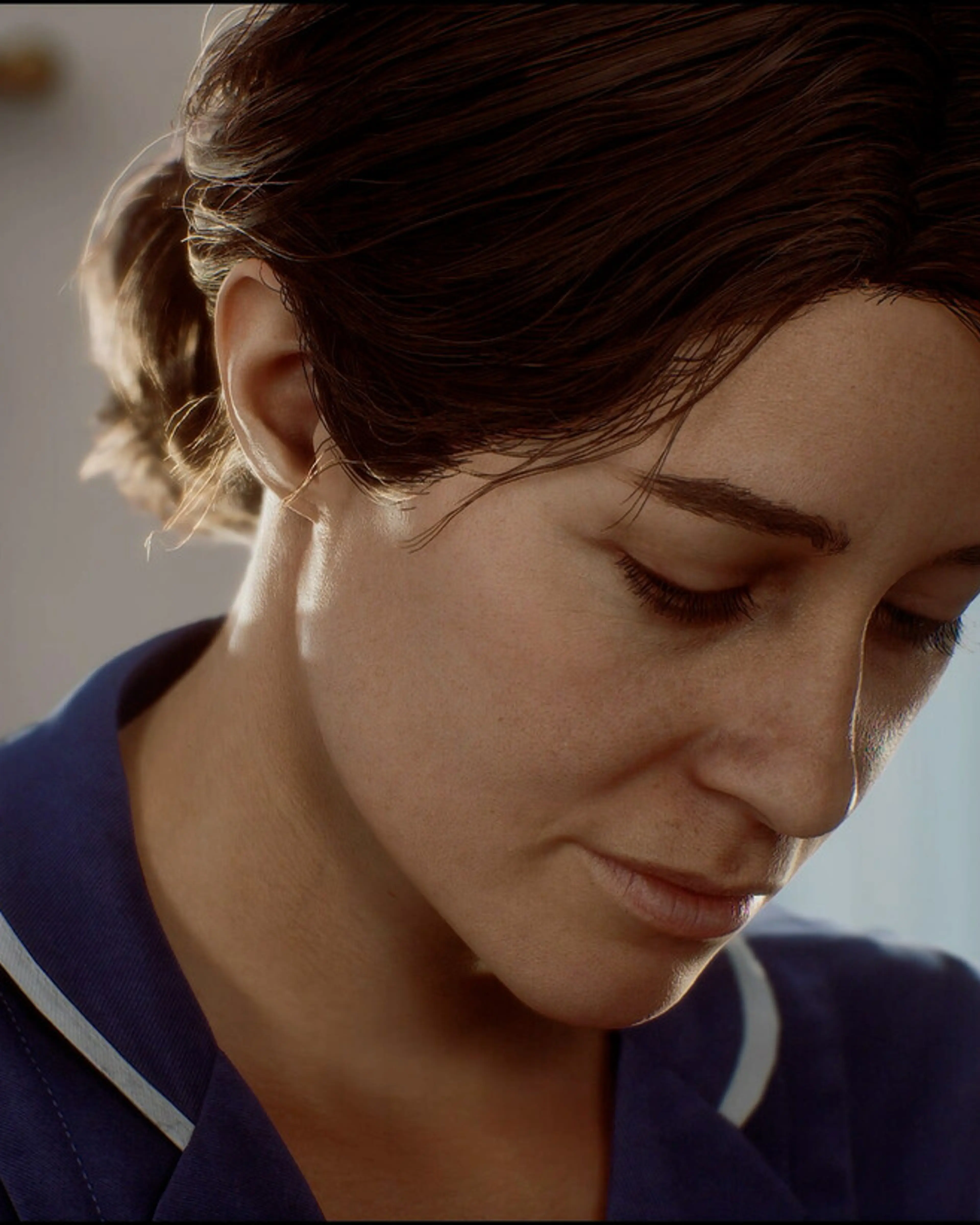
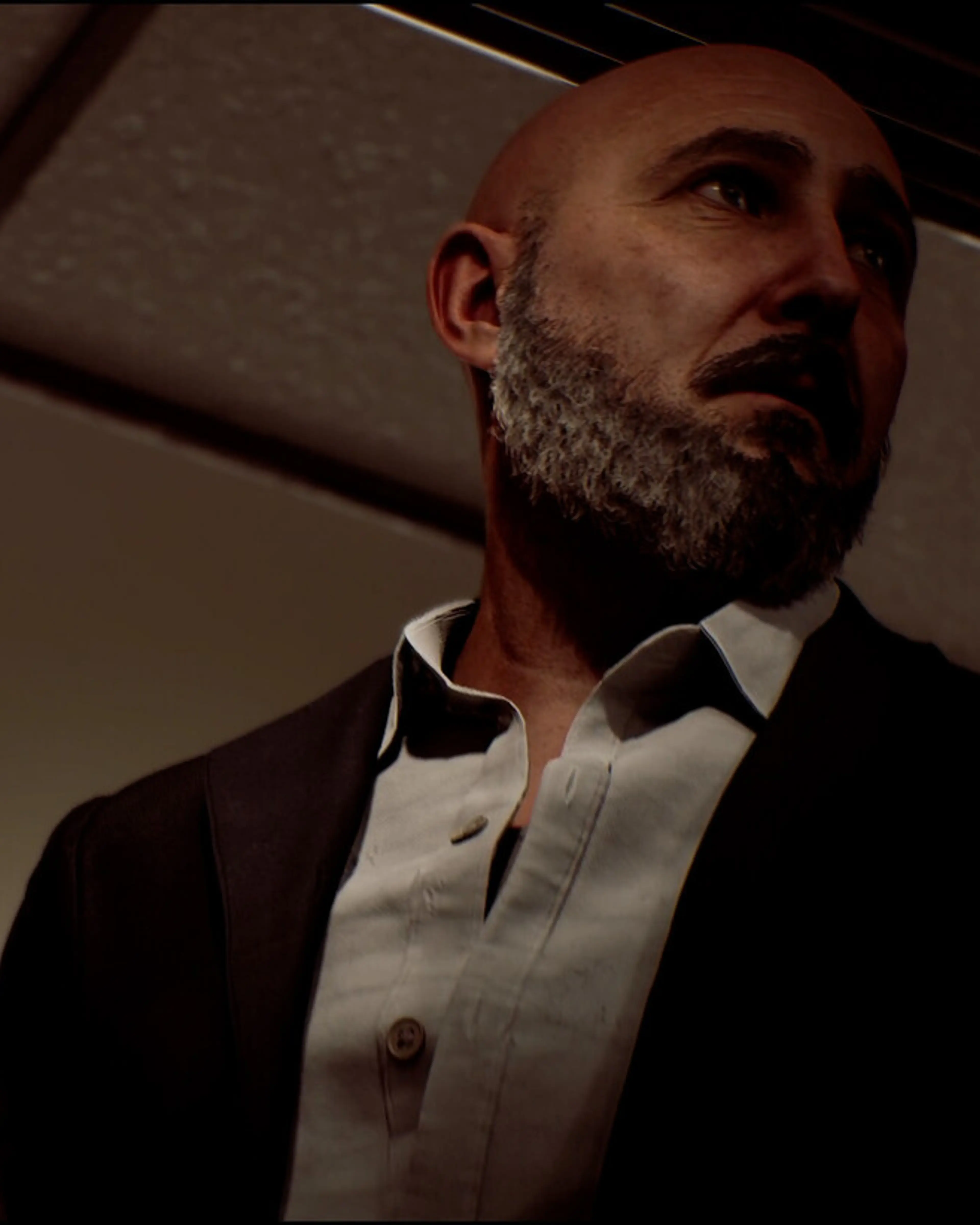
Simon Ordell (Jovan Adepo) is the man you initially control, searching for an explanation of his condition. Zoe (Kezia Burrows) is a nurse who contacts him through the television; you later play as her while she tries to help an injured patient. Richard (Terry O’Quinn) says he can help Simon and has his own connection to the town’s past.
Who’s who in Silent Hill: Townfall
Finding clues with a pocket television
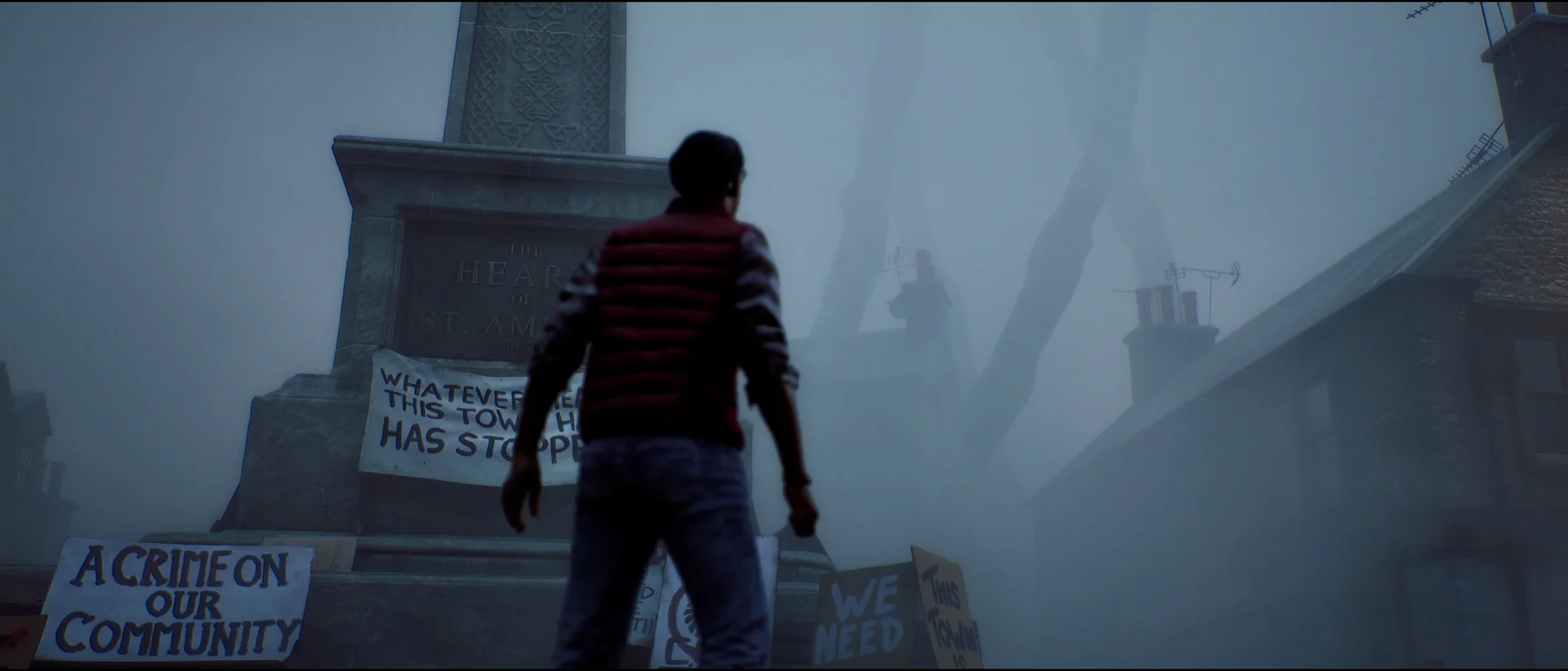
Near the town’s memorial, protest signs accuse someone of a crime against the community. They make the empty street more specific: people were angry here before Simon arrived. Inside buildings, letters and medical equipment provide more information about that past. The interesting question is what happened to the people who lived and worked here, not just where the next monster is hiding.
Credits
All official game images and gameplay on this page: Konami / Screen Burn Interactive / Annapurna InteractiveYou explore homes and workplaces rather than choosing missions from a menu. A locked door or a missing item can send you back through rooms you have already searched. Documents are useful because they may explain an object, a person or a puzzle instead of serving only as background reading. A box marked for transporting a human organ, for example, tells you that the medical work here involved real patients. It makes the abandoned rooms harder to dismiss as a collection of horror decorations.
To pick up more clues, Simon carries a small television with a screen and tuning controls. Turning the controls finds signals that can contain voices or images. The device is called the CRTV. You stop, look at the picture and listen for information, then work out how it relates to the place you are searching. It gives you something useful to do when you reach a room, instead of automatically delivering every answer as you walk past.
The same television helps with creatures you cannot see directly. Tune to the right signal and a nearby enemy’s outline can appear on its screen, even when a wall blocks your view. You can check a route before stepping into it. But different creatures use different signals, so one setting does not reveal every threat. Choosing which signal to check matters when you hear movement without knowing what is making it.
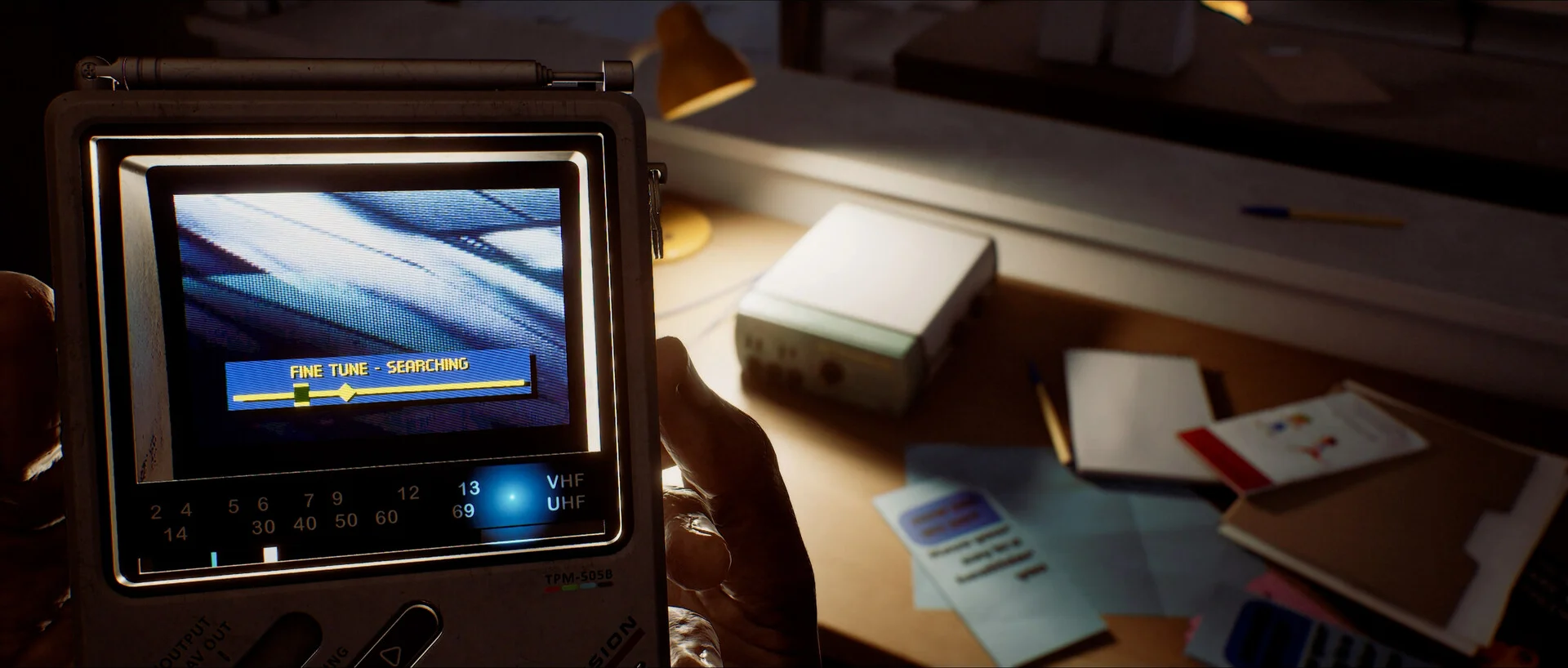
That is a better use of the device than a simple warning light. You might watch a shape move away, lower the television and try to reach a door before it returns. To avoid being seen, you crouch behind objects, peek around cover or throw a bottle or brick to draw attention elsewhere. These actions are the game’s stealth: getting past an enemy without fighting it. They work best when you have space to choose a different route, rather than only one doorway and a hiding place.
Navigation also asks for attention. Simon holds a physical map in front of him, and looking at it does not stop time. You cannot treat it as a safe break in the middle of an encounter. Check the map before leaving cover, especially when several rooms connect to the same corridor. The inconvenience makes sense here because the map is an object Simon is using, not a separate screen that suspends the danger.
The sound is just as important as the television. Movement in a room you have not entered makes you stop and check where it could be coming from. A voice through the device gives you a reason to listen instead of immediately running away. Pilotpriest’s music changes with exploration and encounters, but the strongest scares do not depend on constant loud music. A noise you cannot place can change whether you open the next door. That is why headphones are a good fit for this game.
Fighting, hiding and the sections that take too long
Simon can fight some creatures, but attacking is not a reliable answer to every encounter. Close-range weapons wear out, while firearms use ammunition you cannot afford to waste. Firing also makes noise that can attract danger. Before attacking, you need to consider whether you have room to retreat and whether the enemy is blocking something you actually need. Avoiding a fight is often the sensible choice, not a lesser way to play.
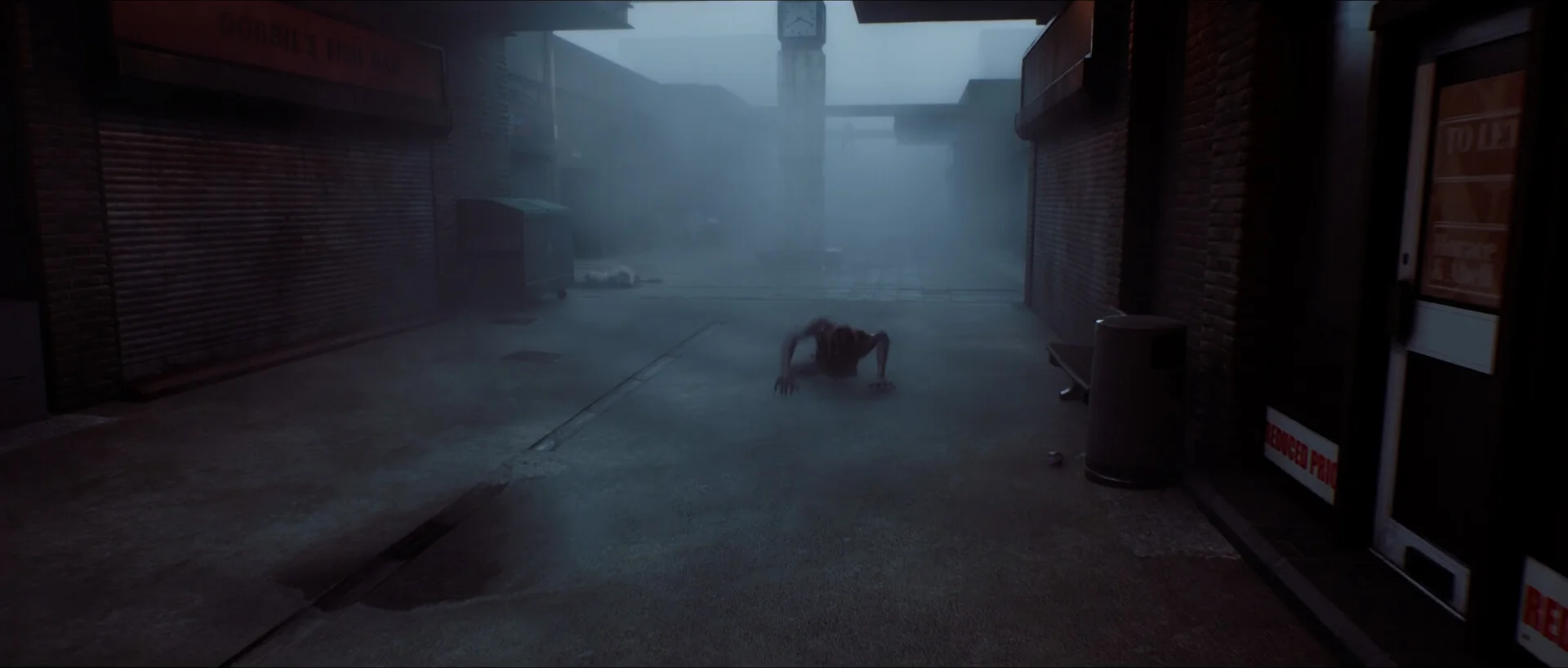
Seeing through Simon’s eyes makes a creature approaching down the street alarming, particularly when you are trying to aim and move at the same time. The fighting itself is less interesting than deciding whether to risk it. After several encounters, the familiar enemy types and basic close-range attacks give you less to discover than the rooms and documents do. We wanted to get past these fights to continue investigating, rather than seek out another one.
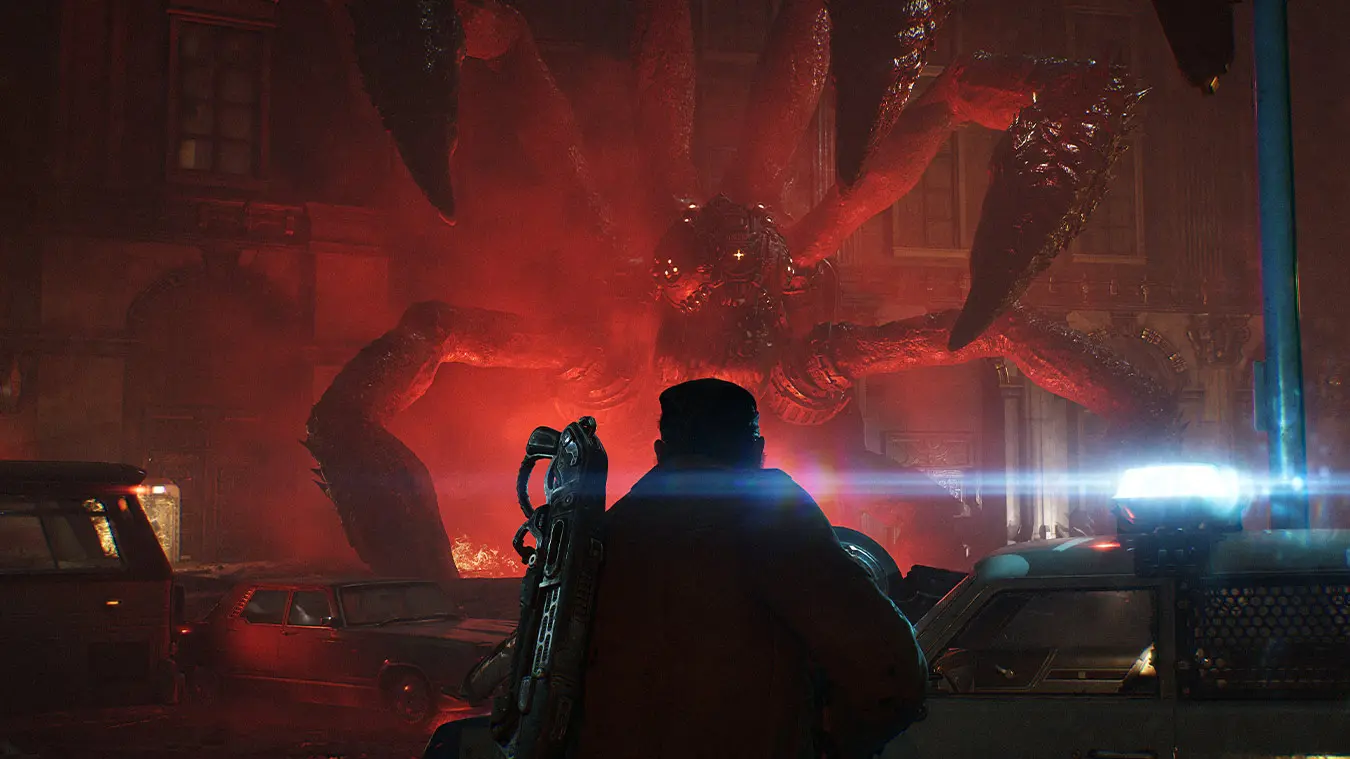
The biggest problem is not an ordinary street encounter. In later sections, a large pursuer called The Weight searches areas where you must still find objects and complete tasks. It can kill the character when it catches them, and fighting does not provide an easy escape. You need to hide, observe its movement and use the chance to leave. That makes each short trip out of cover dangerous, but the creature can remain close to the exit you need for too long.
During these pursuits, reaching a hiding place safely does not necessarily give you a useful chance to move. You can know which room you need next and still be unable to go because the pursuer stays nearby. The problem is not a puzzle you have misunderstood or a route you have failed to notice. The next step is clear, but the pursuer keeps blocking it. Distractions do not consistently make those waits short enough. When an attempted escape fails, repeating the same approach is more irritating than frightening.
These sections are particularly restrictive when the game puts you in control of Zoe, the nurse who has been contacting Simon. Before judging how she plays, it helps to understand her situation: she has fewer ways to defend herself and uses a small warning device to detect nearby danger. Its display is less informative than Simon’s television. That makes her vulnerability clear, but the weaker information is frustrating when the route is already tightly restricted. A story reason for being helpless does not make a long wait enjoyable.
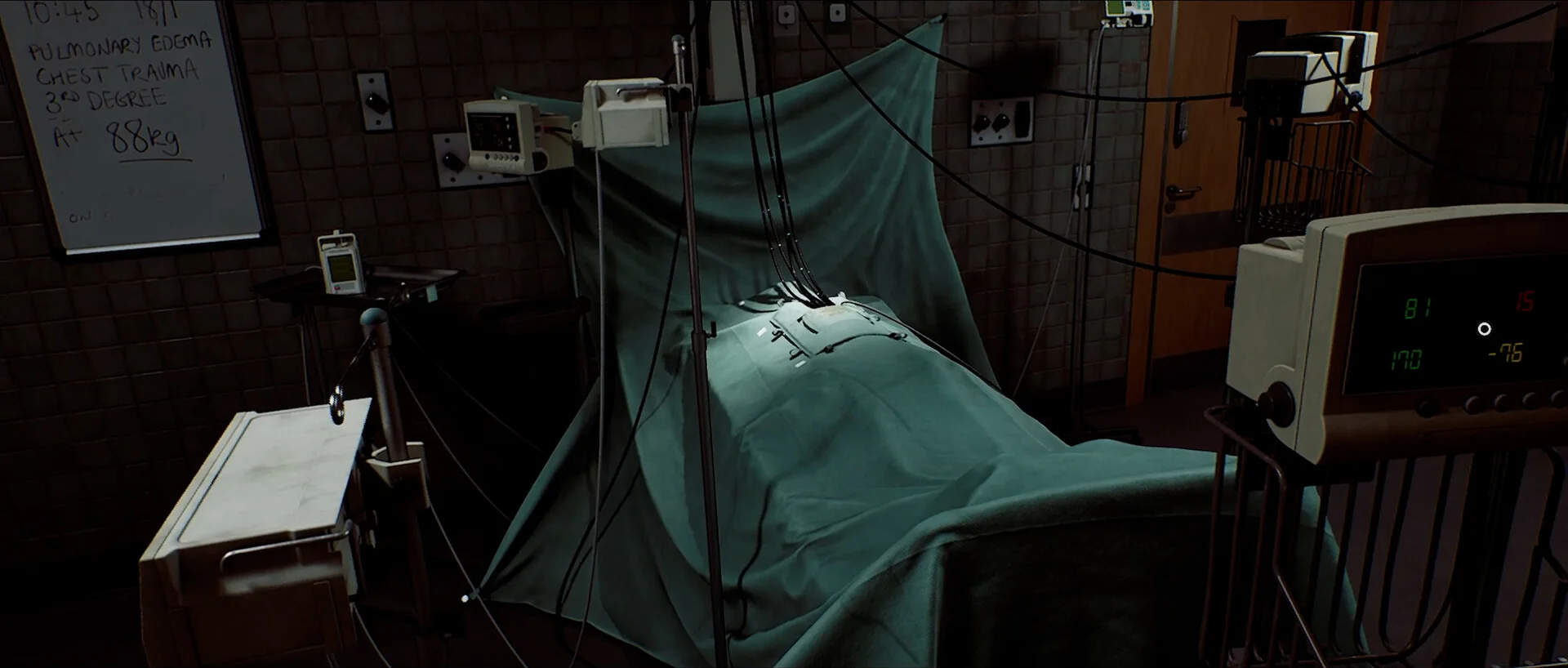
Zoe’s medical work is more successful. After the disaster, she tries to save an injured patient. You take the patient’s readings, run tests and give medication, rather than only find a document describing the injury. Each task is part of trying to keep someone alive. The patient gives Zoe’s chapter a clear, urgent purpose. Kezia Burrows makes her concern believable, and Zoe is easier to understand here than Simon is during his confused arrival.
The puzzles also become less consistent. Early tasks give you material to examine and connect with the surrounding rooms. In a late room full of pipes, you need to use a coded message to work out how to position several levers. The connection between the message and the lever positions is not explained clearly enough. The least helpful clues slow the story just when you want to see what happens next. The problem is understanding what action the puzzle is asking for, before you can properly work on its answer.
PC and PS5 are not reporting the same experience. At our October 2 check, Steam’s all-purchase, all-language sample contained 4,599 reviews, with roughly 67% recommending the game and an overall Mixed label. The US PlayStation Store showed 4.24/5 from 2,737 ratings. Those numbers are different kinds of feedback, not directly comparable quality scores. The more positive PlayStation rating does not remove the complaints about mandatory hiding, and Steam’s recommendation percentage does not mean every PC player has a technical problem.
Players on both platforms describe the sound and setting as strengths, but also report frustration with the pursuit sections. PC feedback adds reports of stuttering and crashes, including a crash before reaching a save point. These reports are a reason to be cautious, not proof that every computer will behave the same way. They also need to be kept separate from the waiting problem: better performance does not make an enemy move away from a required doorway.
The September 30 update, labelled patch 1.3.1, applies to Steam and Epic Games Store versions and aims to reduce stuttering through shader precompilation. In plain terms, the game prepares visual effects before they are needed, reducing the chance of a pause when they appear. The official notes do not establish that every performance or crash problem has been fixed. Separately, the developer has announced balance changes for The Weight. That gameplay adjustment is still a promise, not a released fix, as of this review’s update check.
Pixel Twelve score: 7/10 — Good. The medical mystery, useful television and excellent sound make Townfall worth considering. Our score is lower than the more enthusiastic assessments because the mandatory pursuits are not brief interruptions: waiting, failing and repeating those sections substantially changes how enjoyable it is to reach the next part of the story. Strong images and performances do not cancel that time spent stuck near a doorway.
If you want a horror game built around reading clues, checking unfamiliar rooms and understanding what happened to patients and staff, Townfall is worth considering. If you already dislike games that make you hide from an enemy you cannot fight, wait for the balance update and a fresh assessment of those sections. The medical investigation is the strongest reason to play; the mandatory pursuits are the strongest reason to wait.
More from Silent Hill: Townfall
3 screenshotsLoading results
Find platforms, the age rating and official media on our Silent Hill: Townfall game page, or compare more Pixel Twelve reviews.