Spoiler notice: This review discusses early missions and gameplay, but does not reveal the final villain or ending. It covers the main campaign; update 1.3.0 and platform information were checked on October 2, 2026.
At the Grand Carpathian Hotel, James Bond has a problem that a gun cannot sensibly solve. A chess tournament is taking place inside, and security will not let an unknown visitor walk wherever he likes. You can listen to a reporter, find a misplaced press pass and use it to get through an entrance. You can also look for a staff disguise or climb around the building. Getting inside starts with paying attention to people, not clearing a room of enemies. These choices are why we enjoyed 007 First Light, even when the game later restricts where Bond can go.
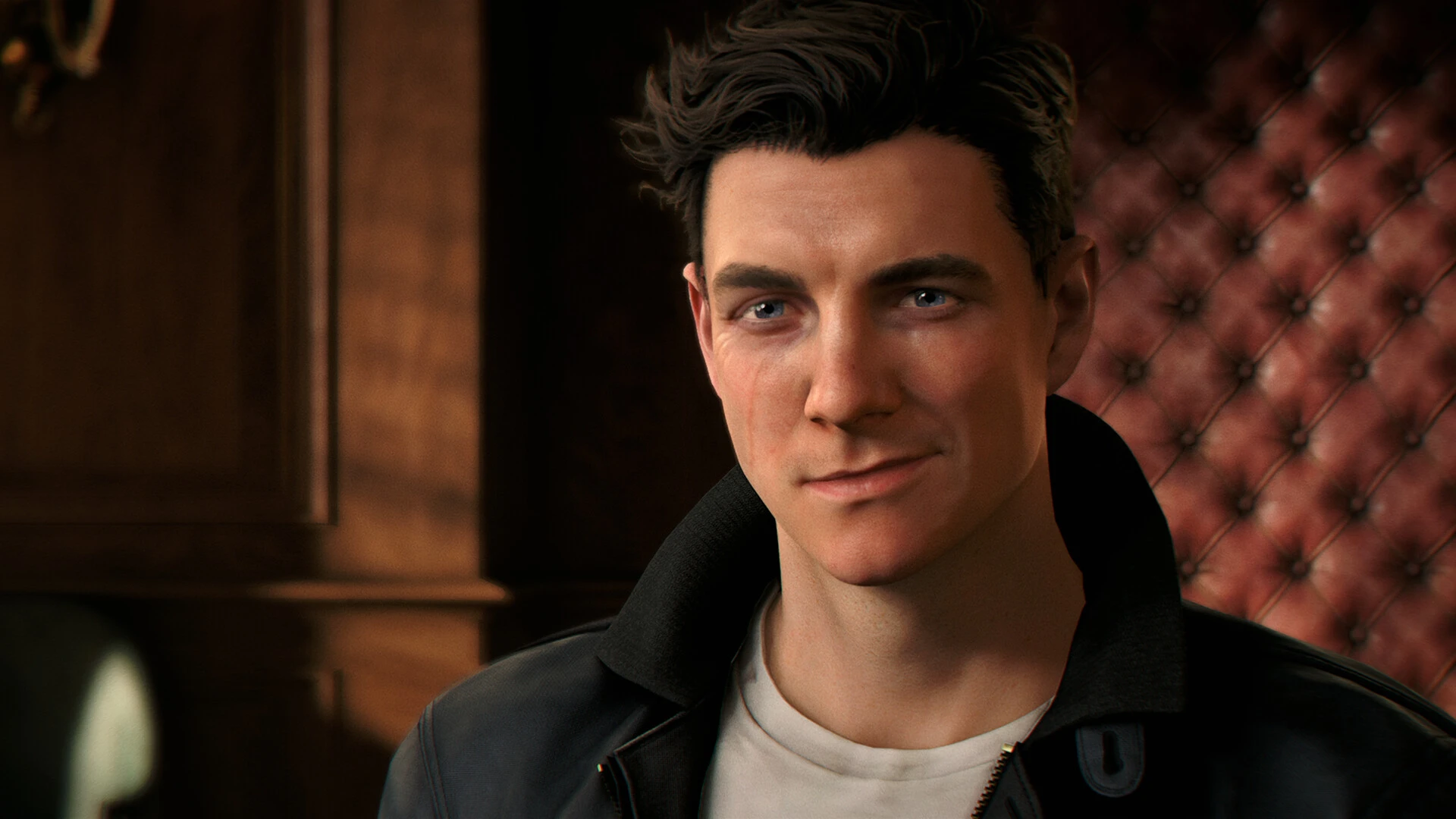
You control a 26-year-old Bond before he becomes an established British secret agent. The camera follows behind him as you walk through guarded buildings, investigate conversations, fight and drive between dangerous situations. This is a single-player adventure with individual missions, not a large world you can freely travel around. You do not need to have watched a Bond film or played an older game. First Light introduces its own Bond, his colleagues and the reason he joins MI6, Britain’s foreign intelligence service.
Who’s who in 007 First Light

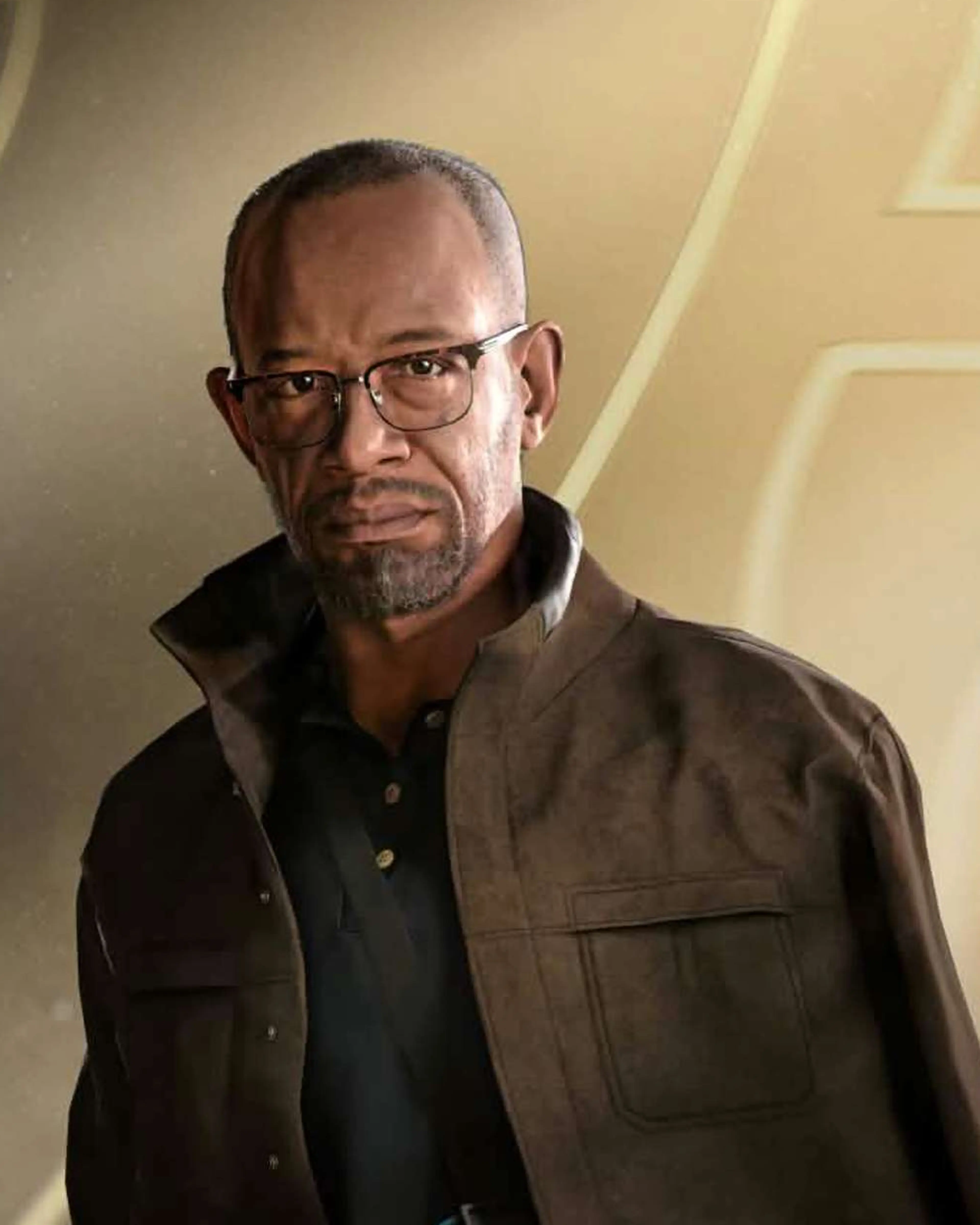
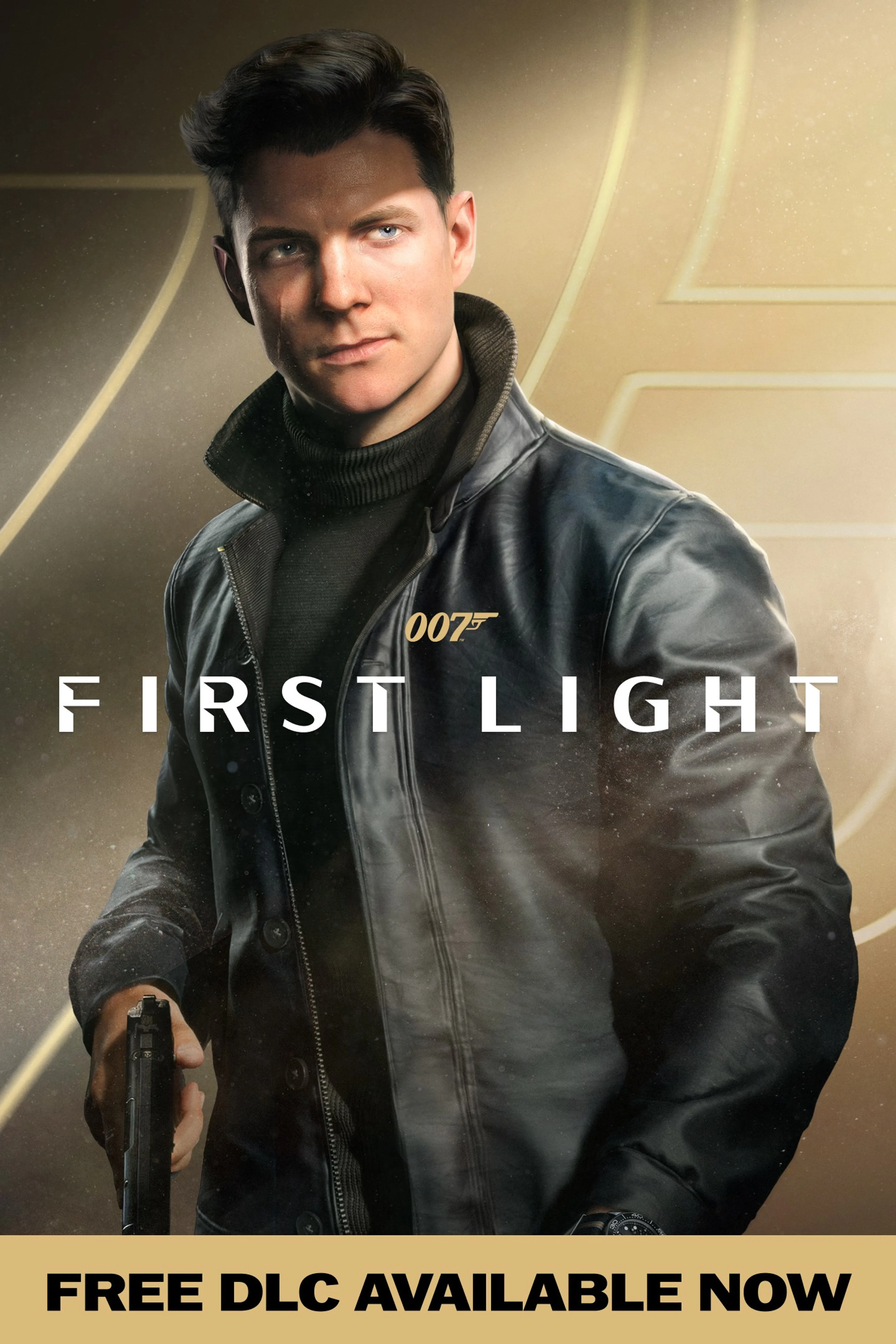
James Bond, played by Patrick Gibson, is a Royal Navy air crewman whose actions during an emergency in Iceland bring him to MI6’s attention. He wants to prove he can do the job, but often acts before his instructors want him to. John Greenway, played by Lennie James, is the former elite agent responsible for training him. Greenway expects discipline, not another clever excuse after Bond has ignored a rule.
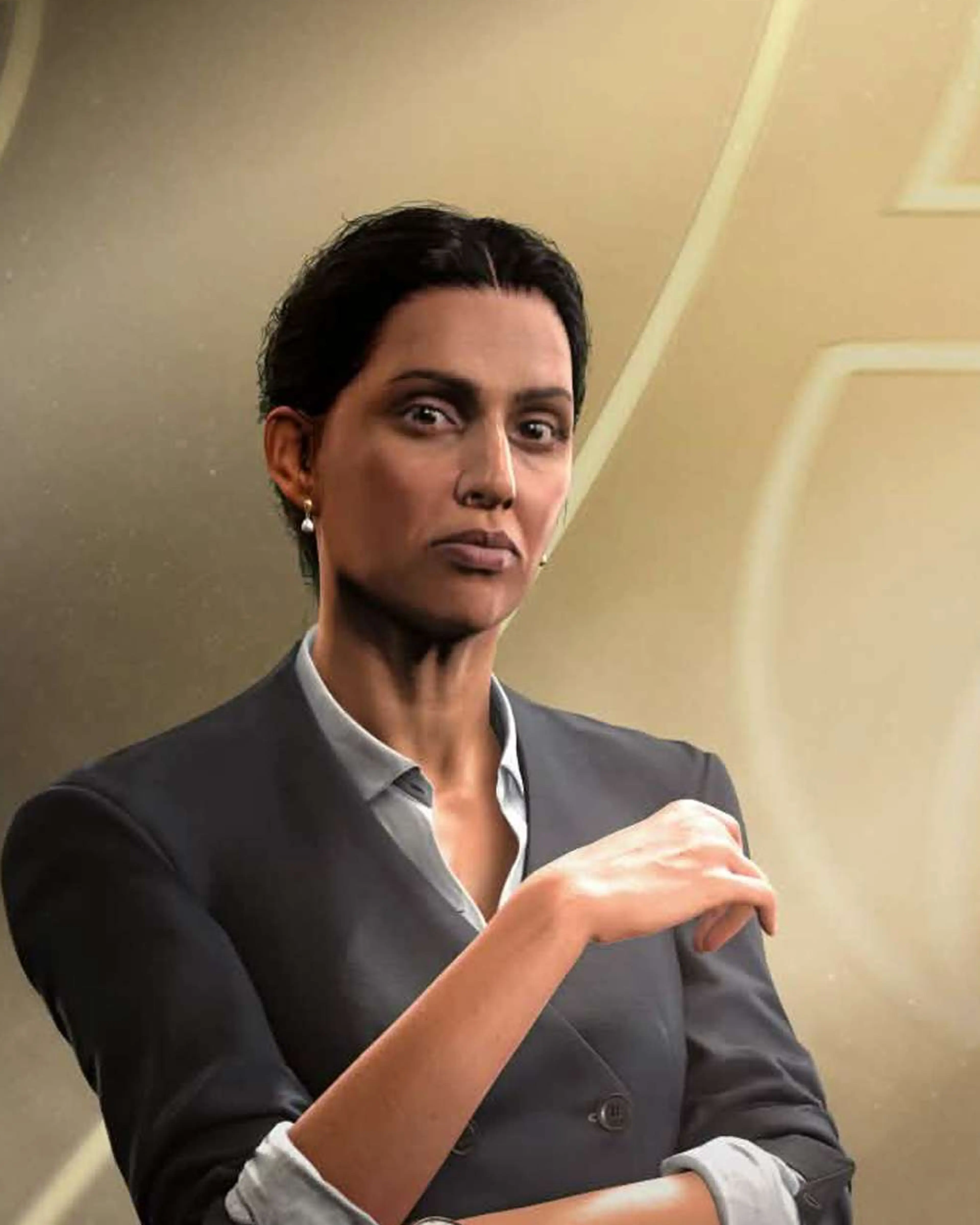
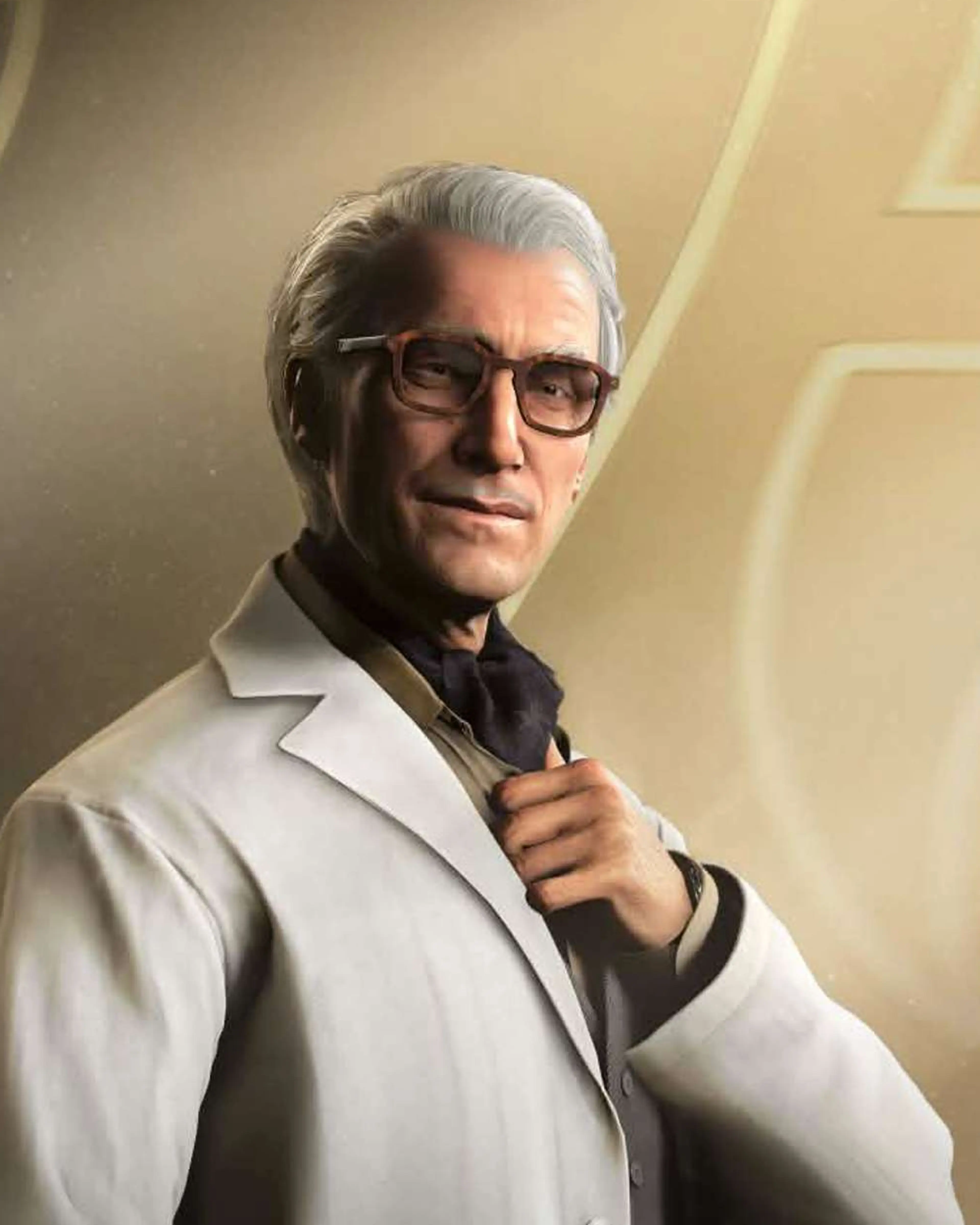
M, played by Priyanga Burford, runs MI6 and sees potential in Bond’s decisions under pressure. Q, played by Alastair Mackenzie, develops the small devices you take into missions. That distinction matters: M decides what the agency needs, Greenway tries to teach Bond how to deliver it, and Q gives him tools that can turn a guarded doorway into a manageable problem.
Getting into the hotel and handling the people inside
Before that hotel assignment, the game spends considerable time teaching Bond and the player. The Iceland emergency leads to MI6, introductions and training in Malta, where you practise moving, fighting and working with the other recruits. Bond tries to act quickly; Greenway wants him to follow the instructions first. Gibson makes the young man’s eagerness easy to understand; James makes Greenway sound like someone who expects a careless recruit to get another person killed. Their disagreements give the lessons a reason beyond showing another button prompt.
The problem is how many lessons come before you can use the skills on a proper assignment. Learning to avoid a guard matters to a newcomer, but the training keeps changing activities just as you become comfortable with the last one. The opening would be better with fewer interruptions between lessons. Bond’s first full job is more interesting than repeatedly being shown what he will eventually be allowed to do. This is not a difficult start, but it is a patient one.

Credits
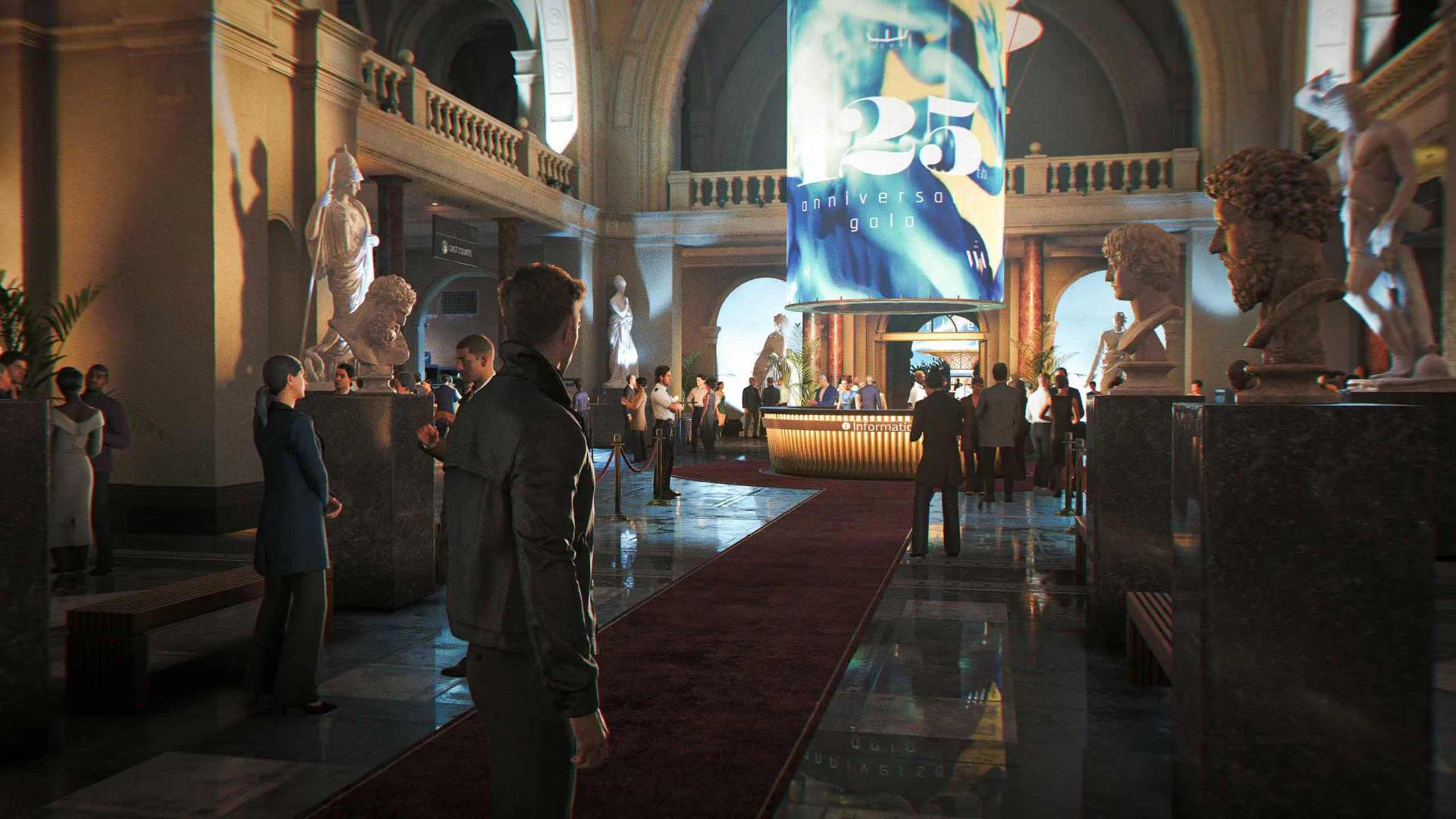
IO Interactive / Metro-Goldwyn-Mayer StudiosOnce you reach the hotel, the game lets you inspect the space before forcing a fight. Guards watch particular doors, guests have conversations, and staff can enter places visitors cannot. You walk around, listen and work out which person or object can help you reach the next area. A conversation about a lost press pass is useful because it tells you where to look; a uniform is useful because it changes how people respond to Bond. The best routes make the information you overhear useful. You understand why a choice works instead of merely following a glowing marker.
Being noticed does not always mean the mission has failed. If a guard challenges Bond in a restricted area, some encounters let you answer with a plausible excuse. The game calls this bluffing: Bond tries to persuade the person that he belongs there, or that there has been a harmless mistake. It does not work on everyone. That middle step between walking unnoticed and fighting is welcome. A suspicious guard becomes someone to deal with, rather than an automatic instruction to restart.
There are also tools for changing what a guard is doing. Before an assignment, you select gadgets developed by Q. A dart fired from a phone can make someone leave their position; a small smoke device blocks nearby sightlines. The choice is practical: do you need one person out of the way, or a brief chance to cross an exposed space? Different gadgets solve different problems, so deciding what to take has more value than choosing the item with the most impressive description.
To find usable objects, you activate a view that marks useful information and electronic devices. This is the Q-Lens. Bond’s watch then lets you interact with suitable targets from a distance. For example, a distracting device can make a guard look away, giving you time to move. The watch’s laser can also interfere with objects or open certain routes. Looking at the room becomes part of playing it: where is the guard, what can attract their attention, and where will you go while they are busy?
At the Kensington gala, Bond needs to reach an upstairs area while moving among guests and security. Listening to conversations reveals ways forward, and following one of those leads gets him closer to the guarded destination. It is satisfying to enter looking like another guest and gradually work out what to do. The gala gives you ways through security, but not unlimited ways to finish the mission. The routes often become guided tasks once you select them. You choose an approach, then carry out the steps the game expects.
Credits
IO Interactive / Metro-Goldwyn-Mayer StudiosThat limit matters if you expect every room to support a new plan. IO Interactive’s Hitman games let their assassin explore large locations and arrange many different ways to reach a target. First Light uses smaller investigation spaces and more fixed story events. It can let you choose between a door and an outside climb, then require the same chase afterward. We like the clear direction when it connects the investigation to Bond’s next problem. We like it less when an interesting building mostly offers a choice between a few prepared sequences.
Bond is more enjoyable when he has another person to respond to than when he explains an objective aloud. His exchanges with Greenway let confidence and annoyance become part of the conversation, rather than leaving the player to guess how the instructor feels about him. Q’s lab gives Bond another kind of relationship: he is curious about the equipment instead of simply receiving a weapon and leaving. Those pauses help the cast. Repeated instructions during an investigation are less welcome, particularly when the next step is already clear.
Fighting, replaying missions and choosing a platform
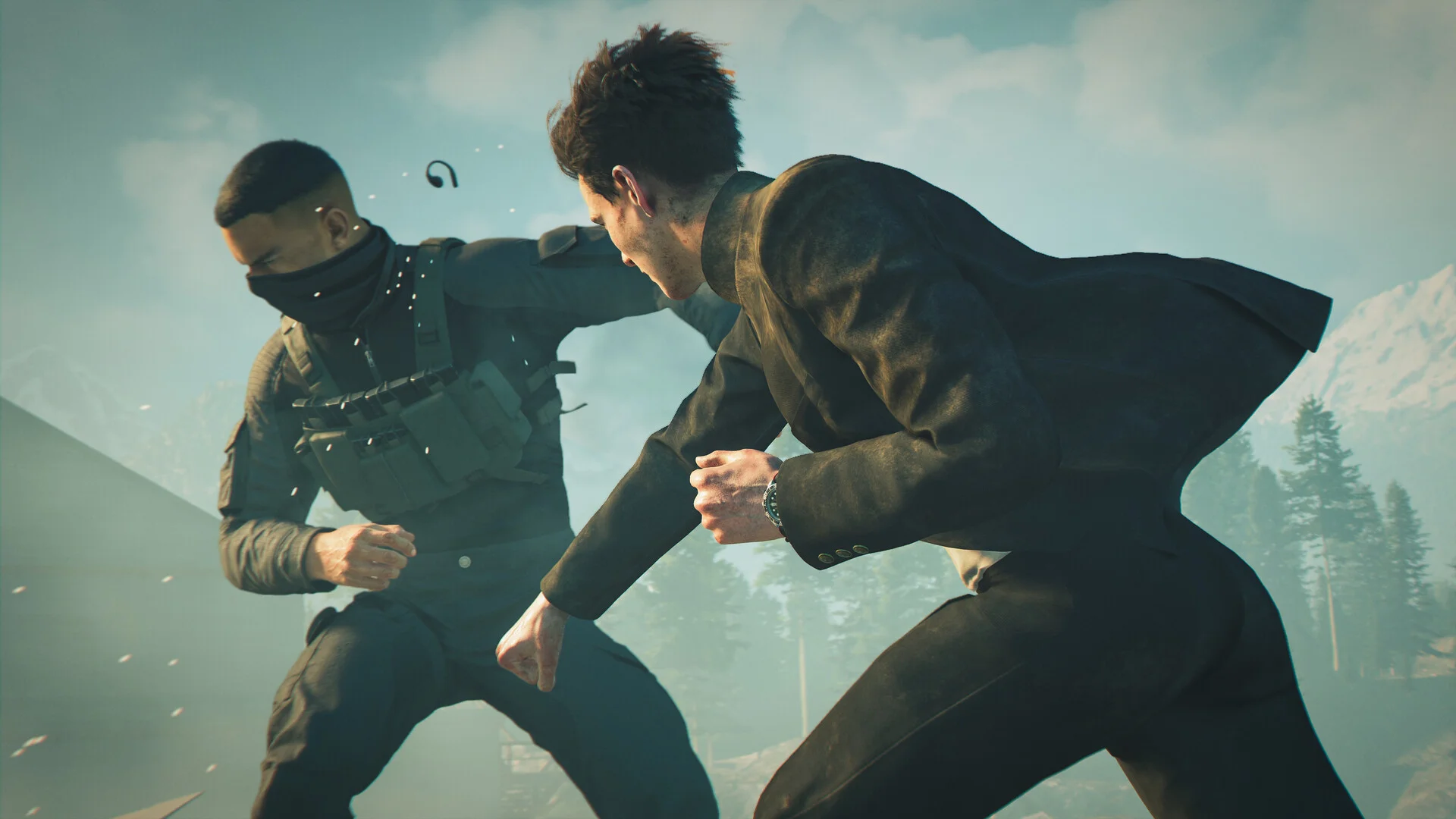
When talking or hiding fails, you move Bond between nearby objects, strike enemies and react to incoming attacks. A warning tells you when an opponent is about to hit him. You can avoid the blow or block it at the right moment; a well-timed block is called a parry. The point is not to keep pressing the attack button. It is to notice the next threat while deciding which enemy Bond should deal with first.
A desk, railing or electrical panel changes what you can do in that fight. You can grab an enemy and push them into part of the room, or pick up an object and throw it to interrupt another attacker. The surroundings give you options beyond punching the nearest person. A guard who is briefly knocked off balance gives you a chance to move before the rest close in. Enemies stumble or fall when struck, making it clear when an object has interrupted them. Finding something useful during a crowded fight is often more enjoyable than repeating the same attack.
Credits
IO Interactive / Metro-Goldwyn-Mayer StudiosGuns have a separate rule. Bond is not allowed to shoot indiscriminately during an investigation. The game permits lethal weapons when enemies threaten deadly force, presenting this as his licence to kill. Once that happens, you aim, shoot and use walls or furniture to reduce how exposed he is. Weapons do not give you an endless supply of ammunition. An empty gun can still be thrown at an enemy, briefly stopping them while you take another weapon or move closer.
You can also briefly slow the action to make a more careful shot. The game calls this Focus. It gives you time to aim at a specific threat instead of firing into a crowded room. Combined with objects that break or explode, it makes a shootout more active than standing behind one desk until everyone falls. Our complaint is the length of some later battles: after dealing with one group, another group can ask you to repeat much the same work. The next investigation usually offers a more interesting change of activity.
There is a control problem to consider in crowded spaces. Picking up a weapon, grabbing a person and interacting with a nearby object can put several possible actions close together. If the game selects something other than what you intended, the problem is not simply that you missed a shot. You lose the action you were trying to use at the moment you needed it. Update 1.3.0 includes changes to input priority. That is relevant, but a patch note is not proof that every awkward interaction has disappeared.
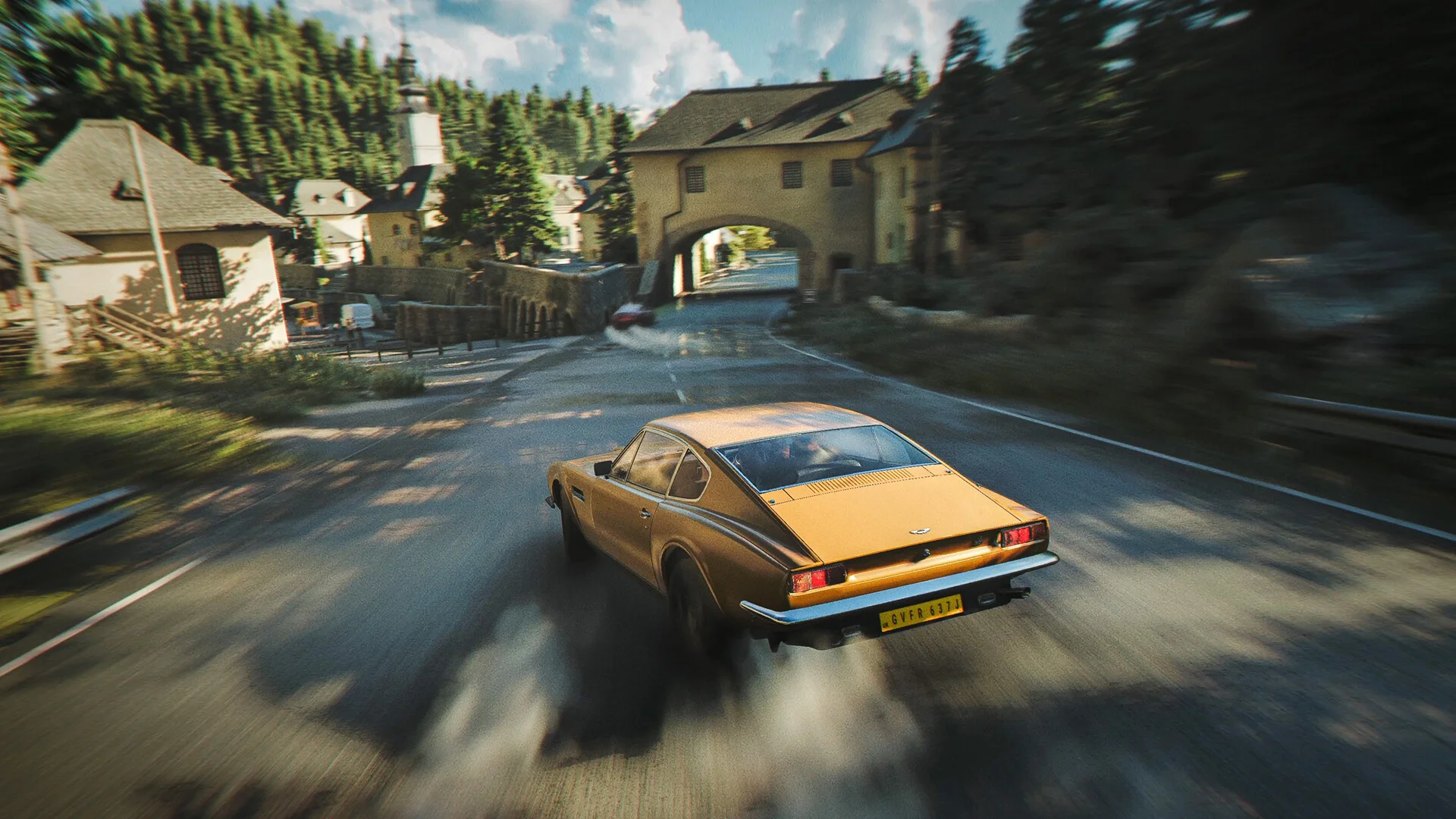
Driving asks you to steer through a chase rather than explore roads at your own pace. The gold Aston Martin and the mountain roads look good together, and the changing vehicles stop every escape from looking identical. But the driving assistance often feels stronger than the decision you make with the stick. The car chases are better to look at than to control. They connect the next dangerous situation to the last one; they are not a strong reason to buy First Light by themselves.
Credits
IO Interactive / Metro-Goldwyn-Mayer StudiosOutside the story, you can replay short training missions and try to complete their objectives more cleanly or with a better score. This is Tactical Simulation, or TacSim, the practice area run by Dr. Selina Tan. It unlocks after Bond’s training, with more missions becoming available as the campaign progresses. You can focus on the parts you enjoy without repeating every conversation. Online leaderboards let you compare results, but there is no multiplayer campaign or competitive match against another Bond.
The free Extended Operations update, released October 1, adds more replay options. After finishing the campaign, you can start again with extra outfit and gadget choices; this is New Game+. Gadgets still become available at their original story points, so it does not hand you everything immediately. A harder 00 difficulty makes enemies quicker to notice Bond and less forgiving in a fight. The update also adds Photo Mode and more TacSim activities. These are useful additions for returning players, not a replacement for the campaign’s fixed mission structure.
On PC, an optional lighting setting follows how light travels and reflects through a scene. This is called path tracing, and it demands much more from the graphics card. Better lighting is not worth a slower response to your controls. September’s updates addressed crashes and demanding scenes with that setting enabled. Update 1.3.0 lists more crash and checkpoint fixes and an AMD option that creates extra pictures between frames. Those extra pictures can make motion look smoother, but do not repair a crash or a broken objective.
For consoles, the October notes list a 60-frames-per-second option on Xbox Series X, visual fixes on Series S and PlayStation 5 trophy fixes. Sixty frames per second means the game aims to show sixty new pictures each second. A smoother-motion option is not a guarantee in every fight. Older complaints about soft-looking graphics and troublesome checkpoints predate this update. Fresh PC player reports still include startup crashes, but do not establish the installed version or cause.
There is a more urgent Xbox warning. Several console reviews dated October 1–2 say that, after updating, the game no longer recognizes the owner’s purchase. Some describe using a disc or converting a physical copy for digital access. Those players cannot get into the game they bought. These reports do not establish that every Xbox copy is affected, or that saves have been erased. We could not verify a published fix. If you want a disc copy, wait for this access problem to be clarified rather than assuming the update has solved it.
The main campaign can be played offline after the required initial download; online rankings and challenges need a connection. The Nintendo Switch 2 edition remains delayed to March 2027, with no exact day announced. This score does not judge an unreleased Switch 2 version, and it is not a separate performance score for every PC or console. If an achievement, a particular graphics mode or handheld play is your main reason to buy, check that specific version rather than assuming another platform’s experience applies.
Pixel Twelve score: 8/10 — Great. We recommend First Light for players who want to listen their way into a guarded hotel, try Q’s tools and recover from a mistake with a well-chosen object or weapon. We stop at 8 because the gala’s guided routes, the lengthy training and the assisted driving repeatedly reduce the decisions you get to make. The free update gives us more reasons to return, but it does not make the campaign completely open-ended. Our recommendation is different for prospective Xbox disc buyers: wait until the current purchase-recognition reports have been clarified. The campaign’s strengths cannot compensate for being unable to start your copy.
More from 007 First Light
3 screenshotsLoading results
See the platforms and official media on our 007 First Light game page, browse more games, or compare Pixel Twelve reviews.