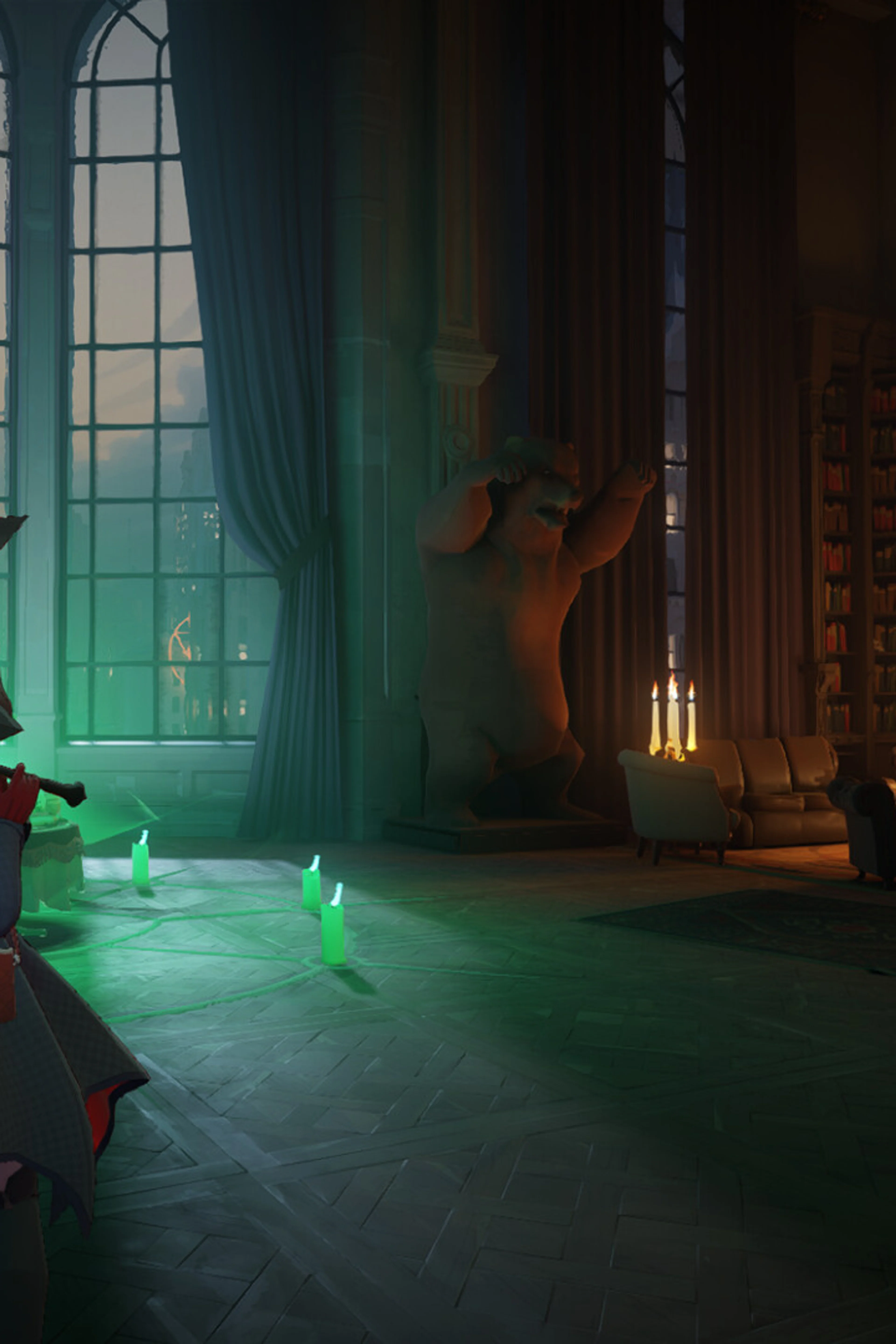

Deadlock is still an invite-only playtest with no public release date. That did not stop Valve’s unfinished game from reaching 228,086 concurrent players on Steam after the City Never Sleeps update.
The new peak is Deadlock’s highest so far. At one point during the surge, it sat behind only Counter-Strike 2 and Dota 2 among Steam’s most-played games.
How big did Deadlock get?
A peak of 228,086 means more than 228,000 people were playing at the same time, not that the game has only that many users. The update brought back existing testers, attracted new invitees, and pushed Deadlock far beyond the audience normally expected for a game that has not held a standard public launch.
The figure is also a Steam-only snapshot. It measures one moment during the update surge, so it does not show how many unique players logged in across the full day or how long the record will hold.
The comparison with Valve’s two established Steam giants is especially unusual. Counter-Strike and Dota have spent years building enormous communities. Deadlock reached the same front page of the charts while still warning players that its art, systems, and balance are in development.
What changed in City Never Sleeps?
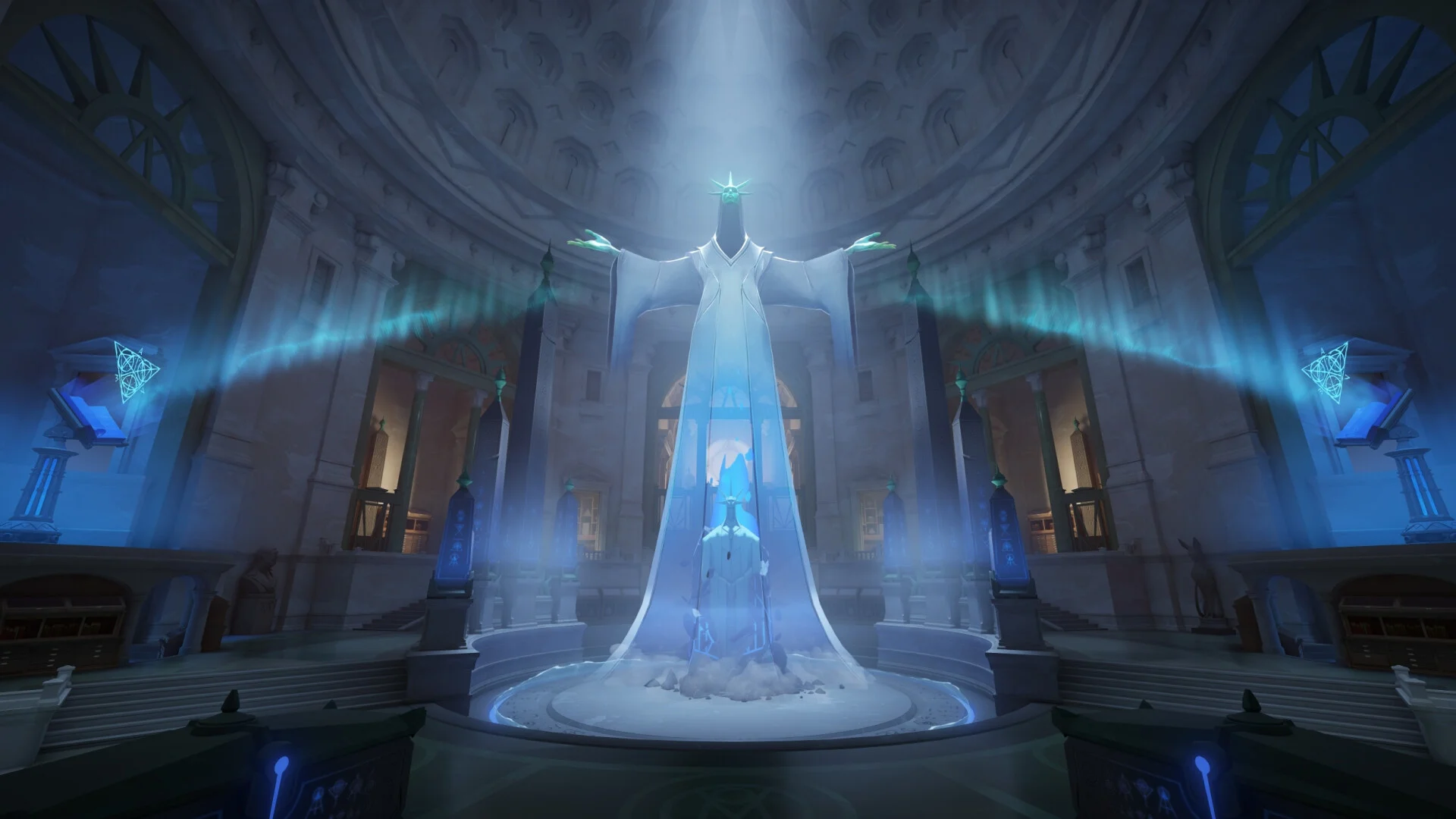
Valve overhauled the map’s look and layout, added six heroes, introduced the Broker, rebuilt parts of the interface, and expanded accessibility options. The patch also included anti-cheat, networking, rendering, audio, and Source 2 engine work.
That scale explains why dormant players returned at once. This was not a small balance patch built around a few weapon values. It changed what people saw, who they could play, and how the game felt before a match even started.
Large playtest spikes also give Valve far more data on matchmaking, server load, cheating, and hero balance. Problems that stay hidden in a smaller test can become obvious when hundreds of thousands of players arrive together.
Can anyone play Deadlock?
Not through a normal open download. Valve still says access comes from invitations sent by existing playtesters. The Steam page lists the release date as to be announced and warns that the build remains early in development.
The invite system is far less restrictive than it was when the test began, which helps explain the huge player count. It is still different from a finished free-to-play launch with open registration and a marketing campaign.
Deadlock now has blockbuster-sized attention before Valve has called it a finished product. Should the studio open the test to everyone, or keep the invitation system while the game changes this quickly?